Loading video…


 38 Concepts
 149.7K views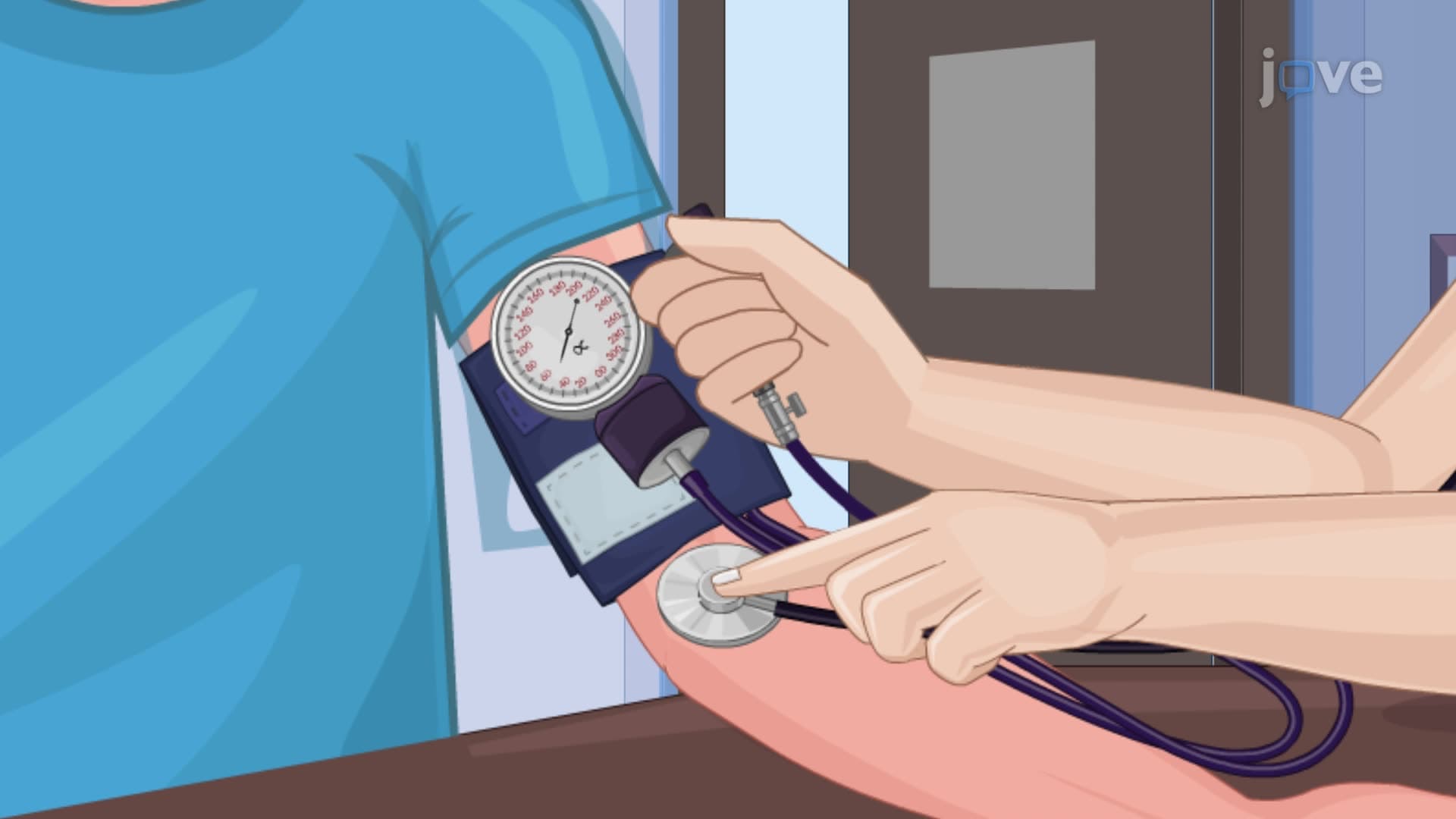

Video Summary: Blood Pressure Imbalances and Circulatory Shock Explained
Did you know that blood pressure imbalances shock affects over 100 million Americans annually? Blood pressure imbalances and circulatory shock represent critical cardiovascular emergencies where normal circulation fails to maintain tissue perfusion. Consider a car accident victim experiencing massive blood loss at a Chicago trauma center-this hypovolemic shock scenario demonstrates how Blood Pressure Imbalances And Circulatory Shock Explained becomes life-or-death knowledge for healthcare professionals. Watch the full video on JoVE Coach to master this concept with expert-led visuals and step-by-step explanations.
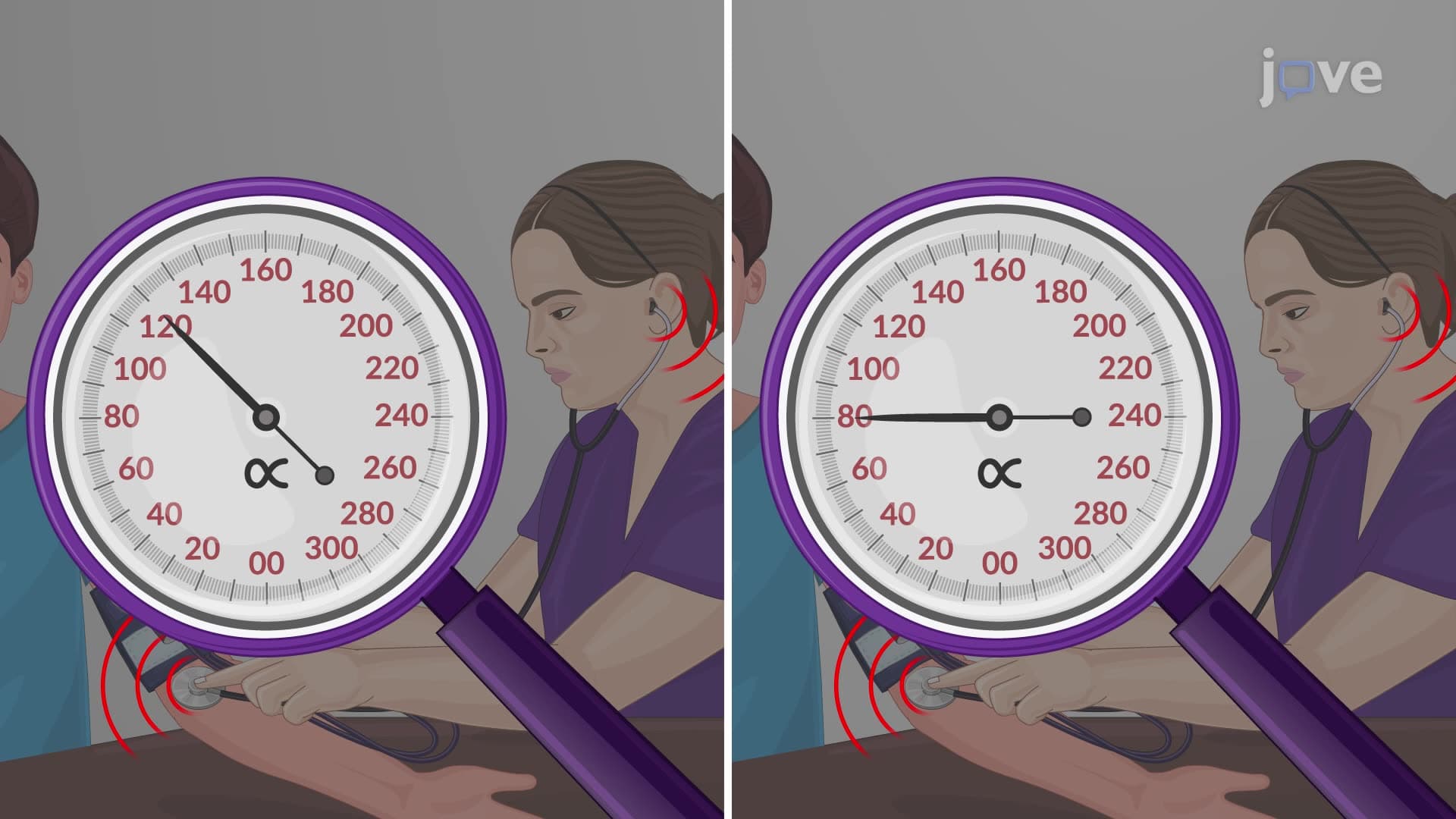
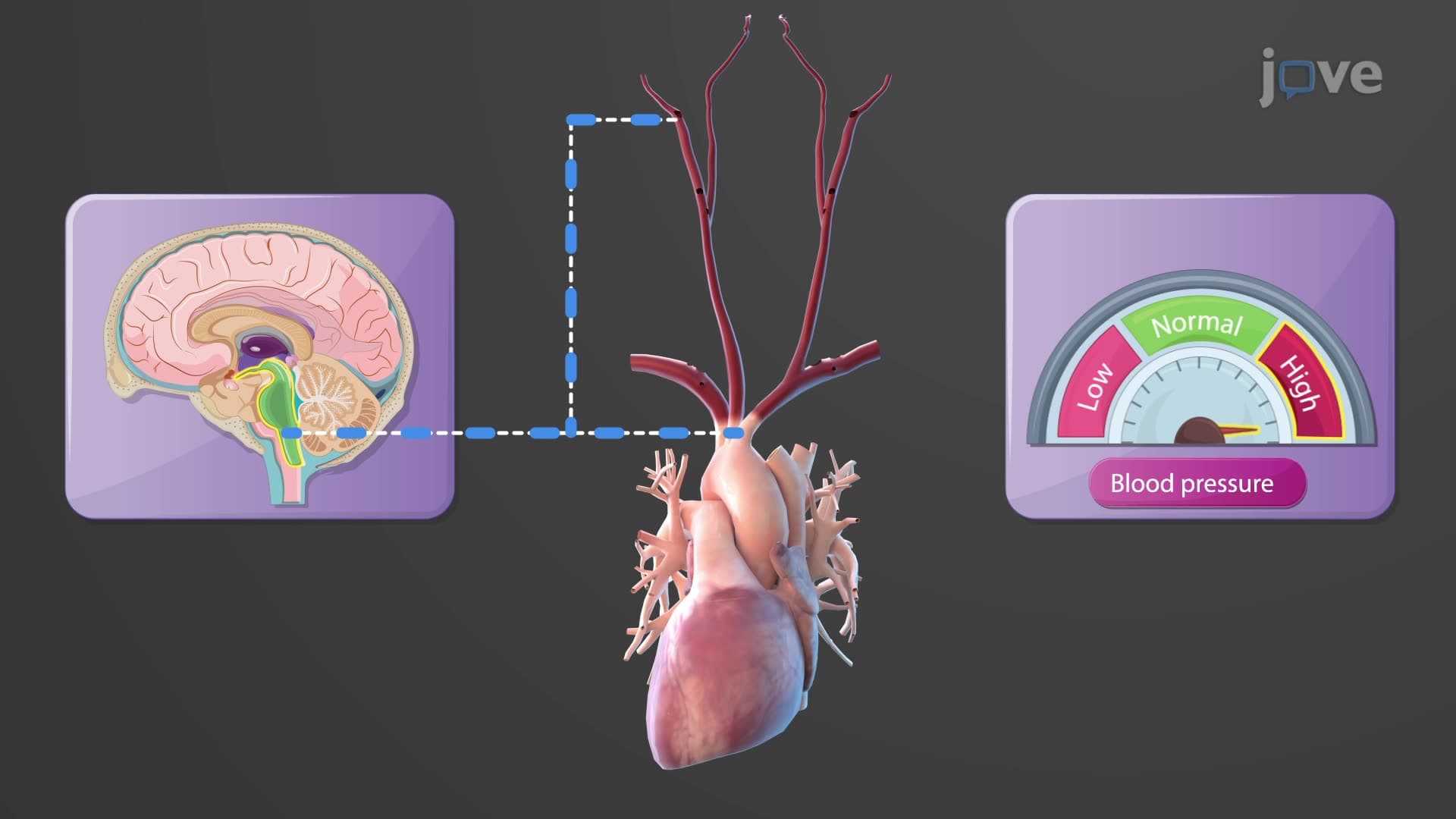
Blood pressure regulation represents one of the most critical homeostatic mechanisms in human physiology. When this delicate balance fails, the consequences can range from chronic health complications to life-threatening emergencies. Understanding these imbalances requires grasping both the normal regulatory mechanisms and the pathological states that disrupt them.
Hypertension, defined as sustained blood pressure readings of 130/80 mmHg or higher according to American Heart Association guidelines, affects nearly half of all US adults. This condition exemplifies how blood pressure imbalances develop gradually through multiple contributing factors. Obesity-related hypertension, particularly prevalent in American populations, occurs through increased blood volume, enhanced sympathetic nervous system activity, and insulin resistance pathways.
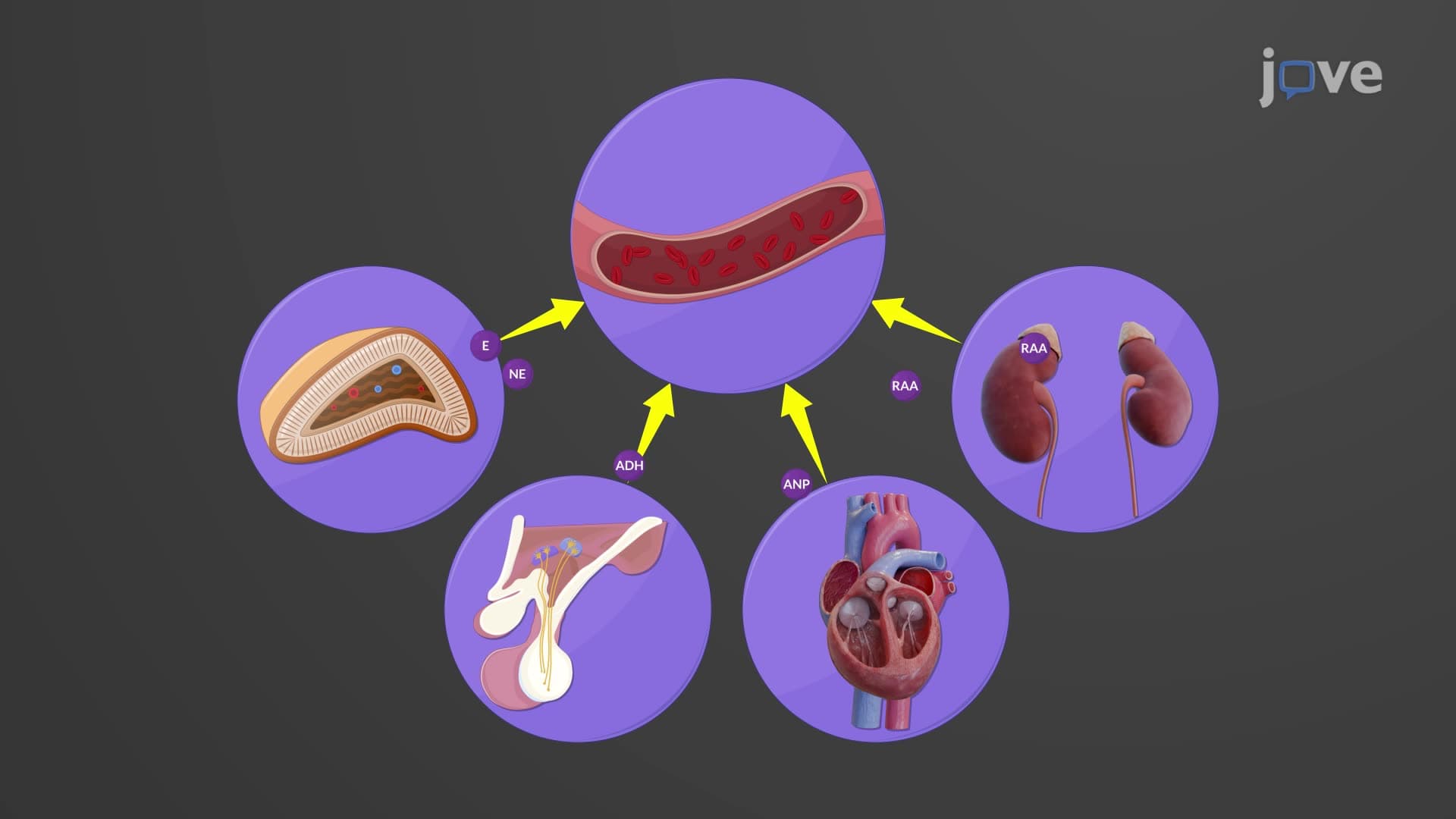
Students preparing for AP Biology or college-level anatomy courses should understand that hypertension's pathophysiology involves complex interactions between the renin-angiotensin-aldosterone system, baroreceptor sensitivity, and vascular compliance. For MCAT preparation, focus on how chronic elevation leads to left ventricular hypertrophy and increased cardiovascular disease risk-concepts frequently tested in cardiovascular pathophysiology sections.
Chronic hypotension, characterized by readings below 90/60 mmHg, presents different challenges. Unlike acute hypotensive episodes, chronic low blood pressure may result from dehydration, significant blood loss, or systemic infections like sepsis. In clinical settings such as Johns Hopkins Hospital emergency departments, healthcare providers must quickly differentiate between benign constitutional hypotension and pathological states requiring immediate intervention.
Circulatory shock represents the most severe manifestation of blood pressure imbalances, where inadequate tissue perfusion threatens cellular survival. Understanding shock classification proves essential for students pursuing healthcare careers and appears frequently on NCLEX, HESI A2, and medical school examinations.
Hypovolemic shock, the most common type, results from substantial fluid or blood volume loss. Consider a motorcycle accident victim at a Denver trauma center losing 30% of blood volume-the body's compensatory mechanisms initially maintain blood pressure through vasoconstriction and increased heart rate, but eventually fail without intervention.
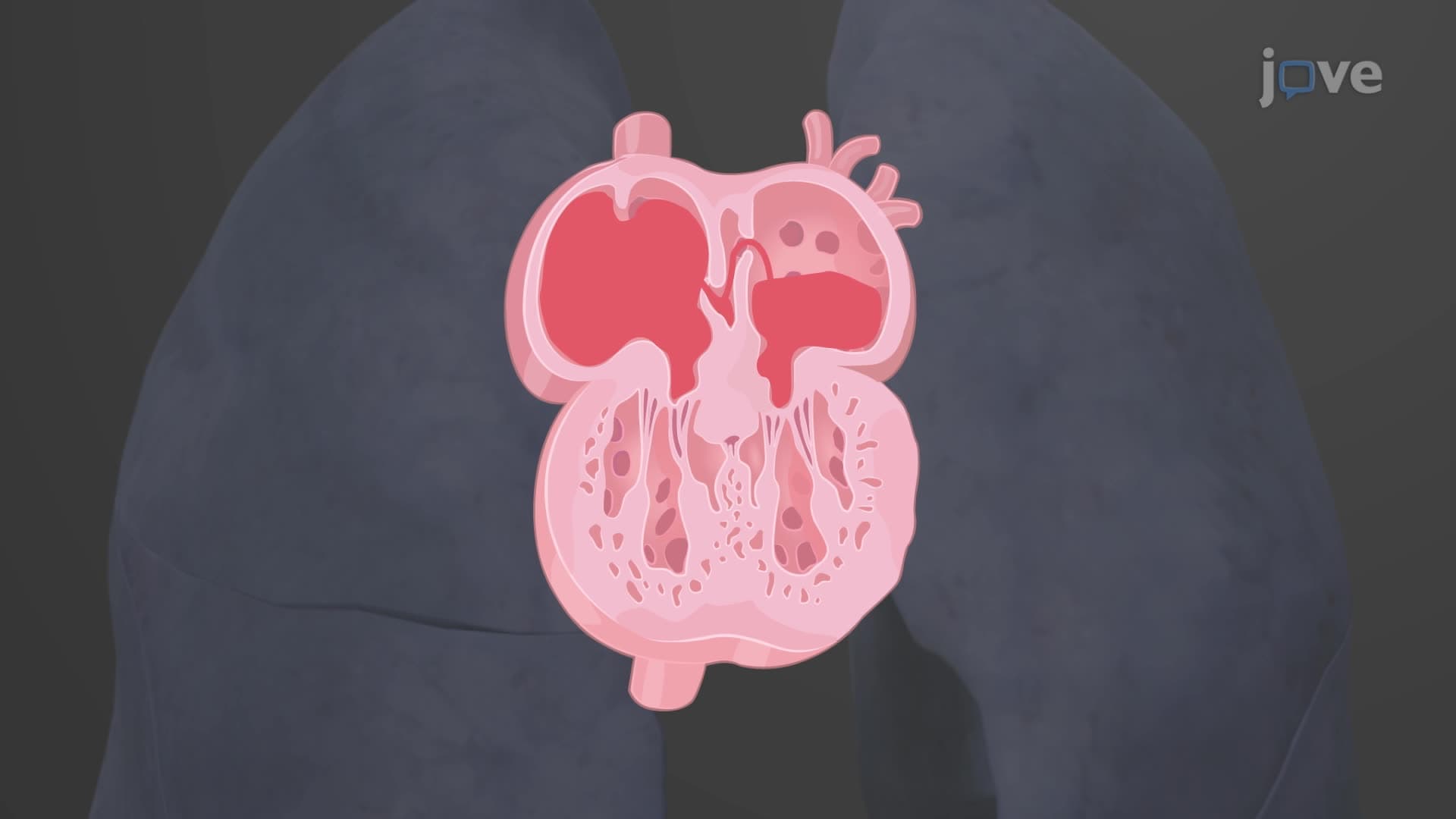
Cardiogenic shock occurs when cardiac output becomes insufficient, often following myocardial infarction. This type challenges students because the heart itself becomes the problem, unlike other shock types where the heart initially compensates effectively.
Vascular shock involves widespread vasodilation, dramatically reducing systemic vascular resistance. Septic shock, common in US intensive care units, exemplifies this mechanism through inflammatory mediator release causing massive vessel dilation.
Obstructive shock blocks normal circulation through mechanical impediments like pulmonary embolism-a condition increasingly recognized in young adults, particularly those using hormonal contraceptives or experiencing prolonged immobility during long flights.
Related Micro-courses