Loading subject page…


149,651 views

Video Summary: What are Capillaries and Their Types
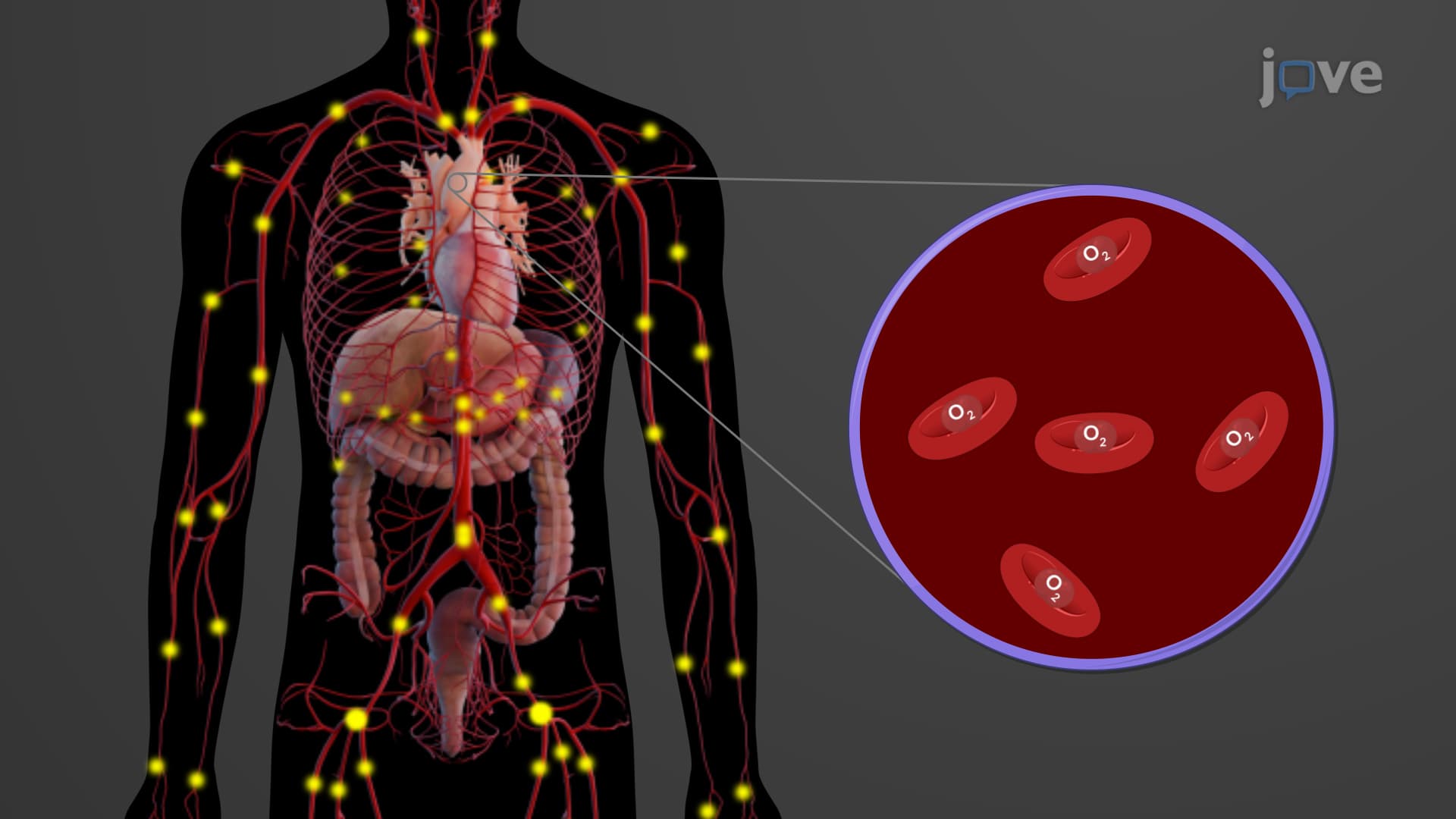
Ever wonder how oxygen reaches your fingertips from your lungs in seconds? Capillaries types anatomy reveals the intricate network of microscopic vessels that make this possible. These tiny blood vessels, measuring just 8-10 micrometers in diameter, form the critical connection between arteries and veins throughout your body. At Mayo Clinic, researchers study how different capillary structures affect drug delivery and disease treatment. Understanding what are capillaries and their types is fundamental to grasping human circulation and cellular metabolism. Watch the full video on JoVE Coach to master this concept with expert-led visuals and step-by-step explanations.
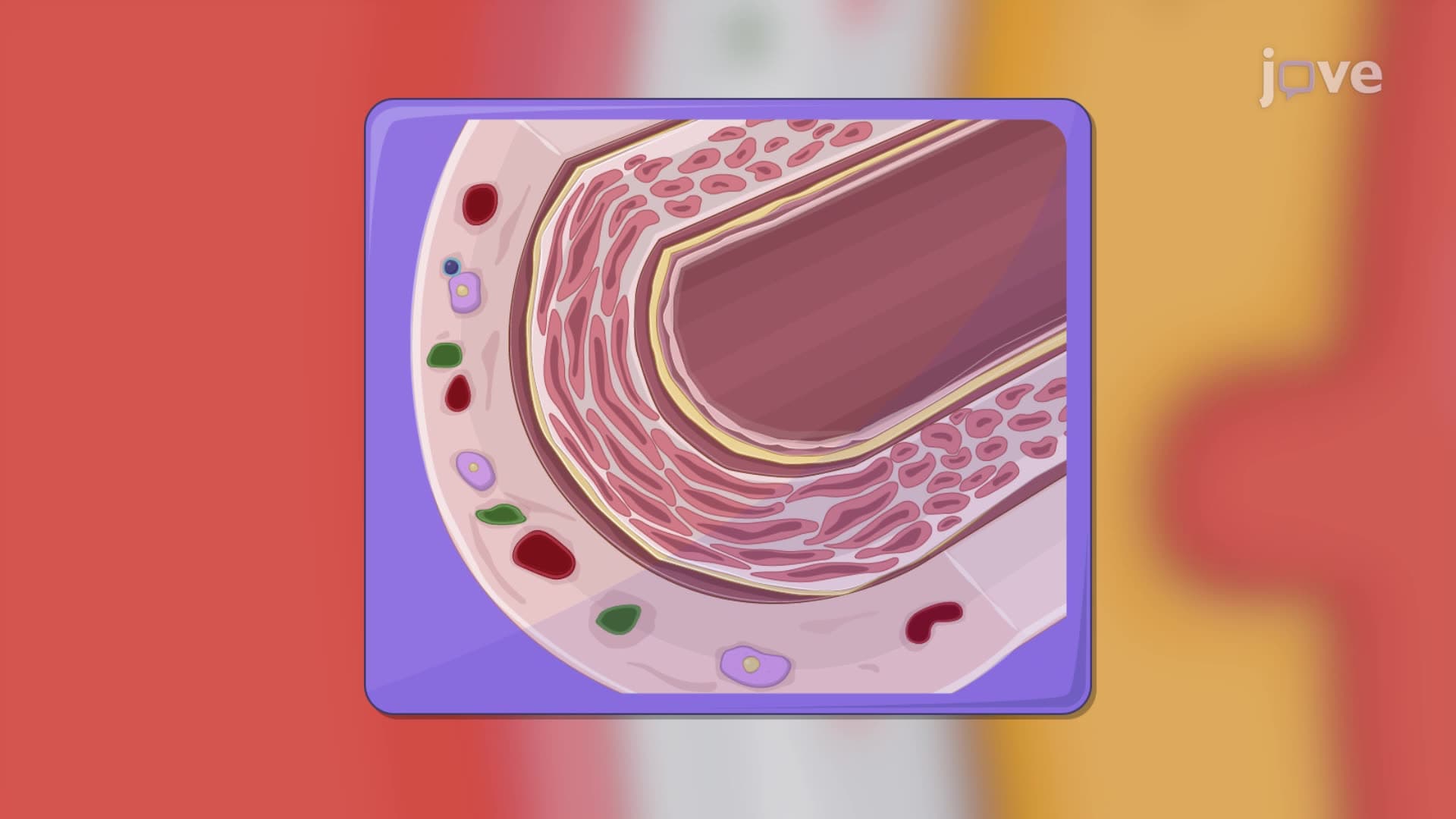
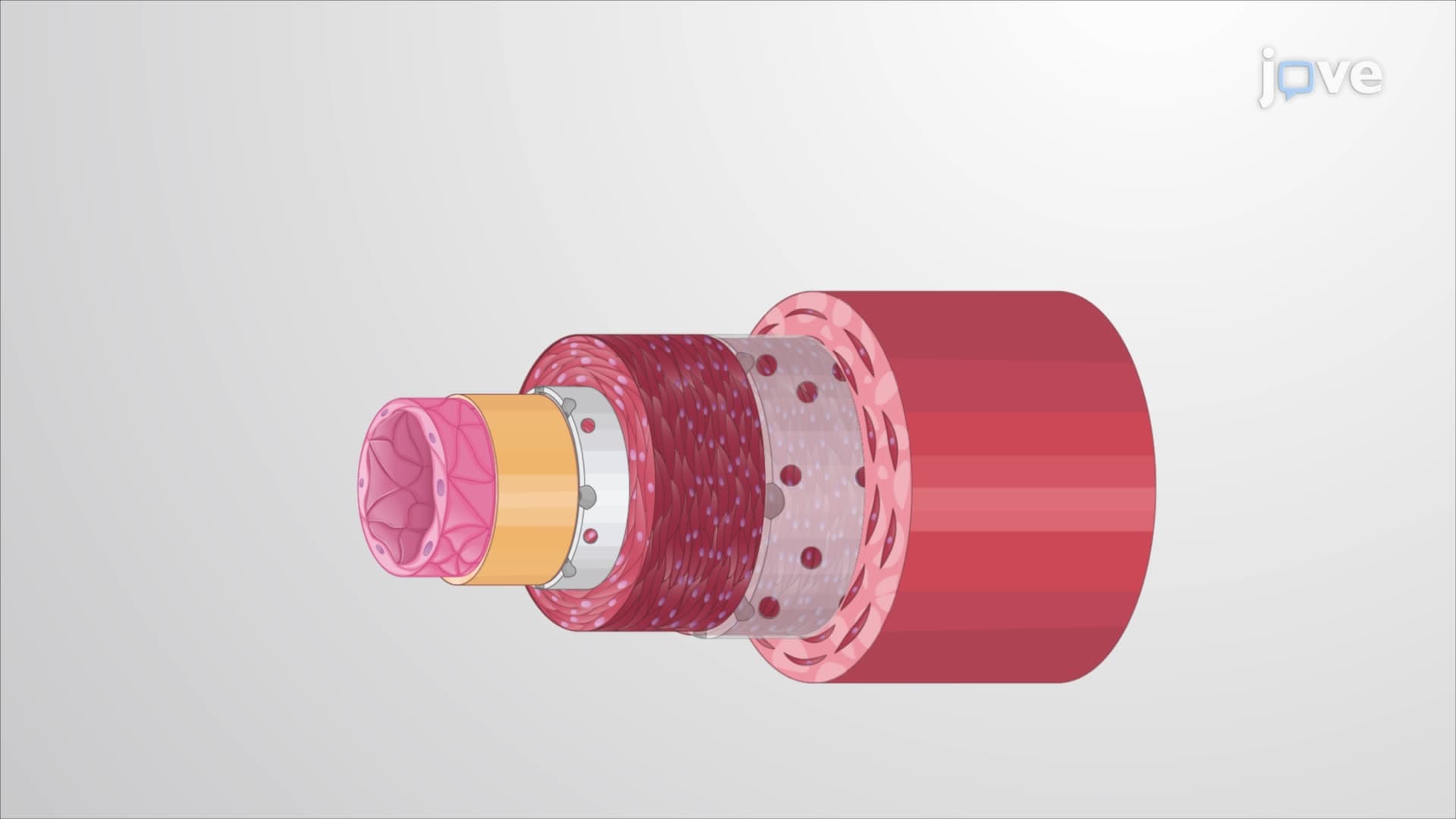
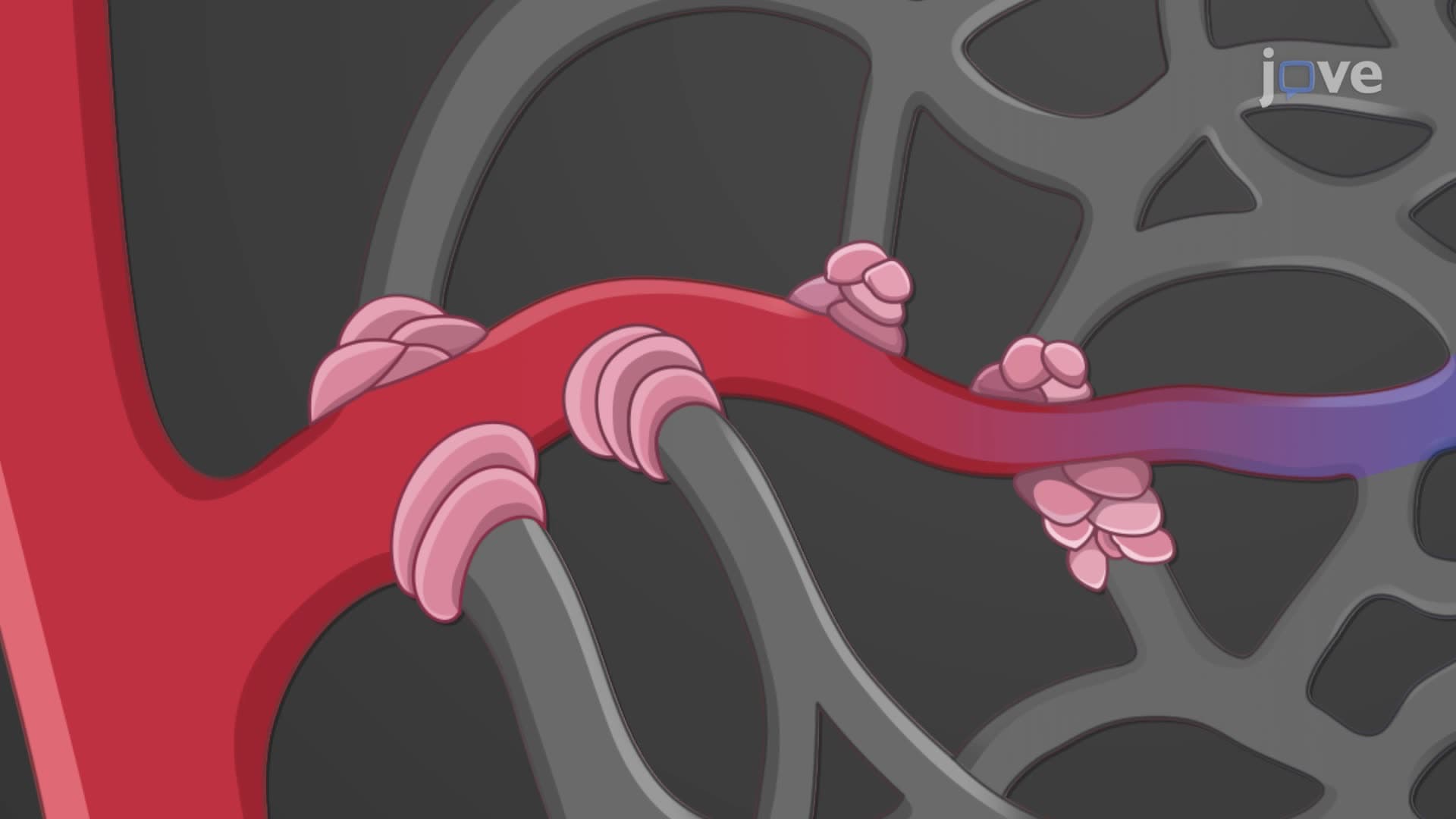
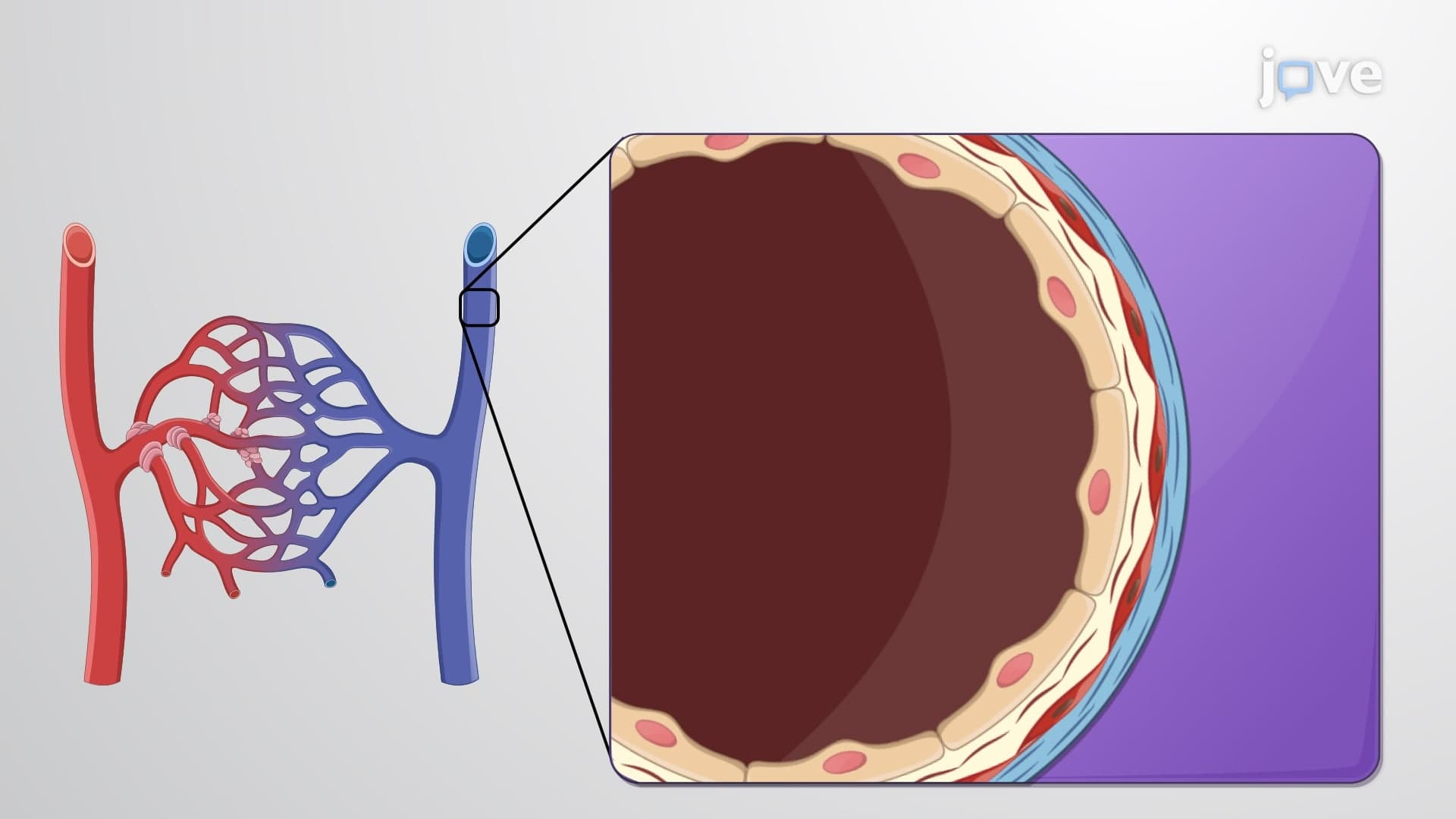
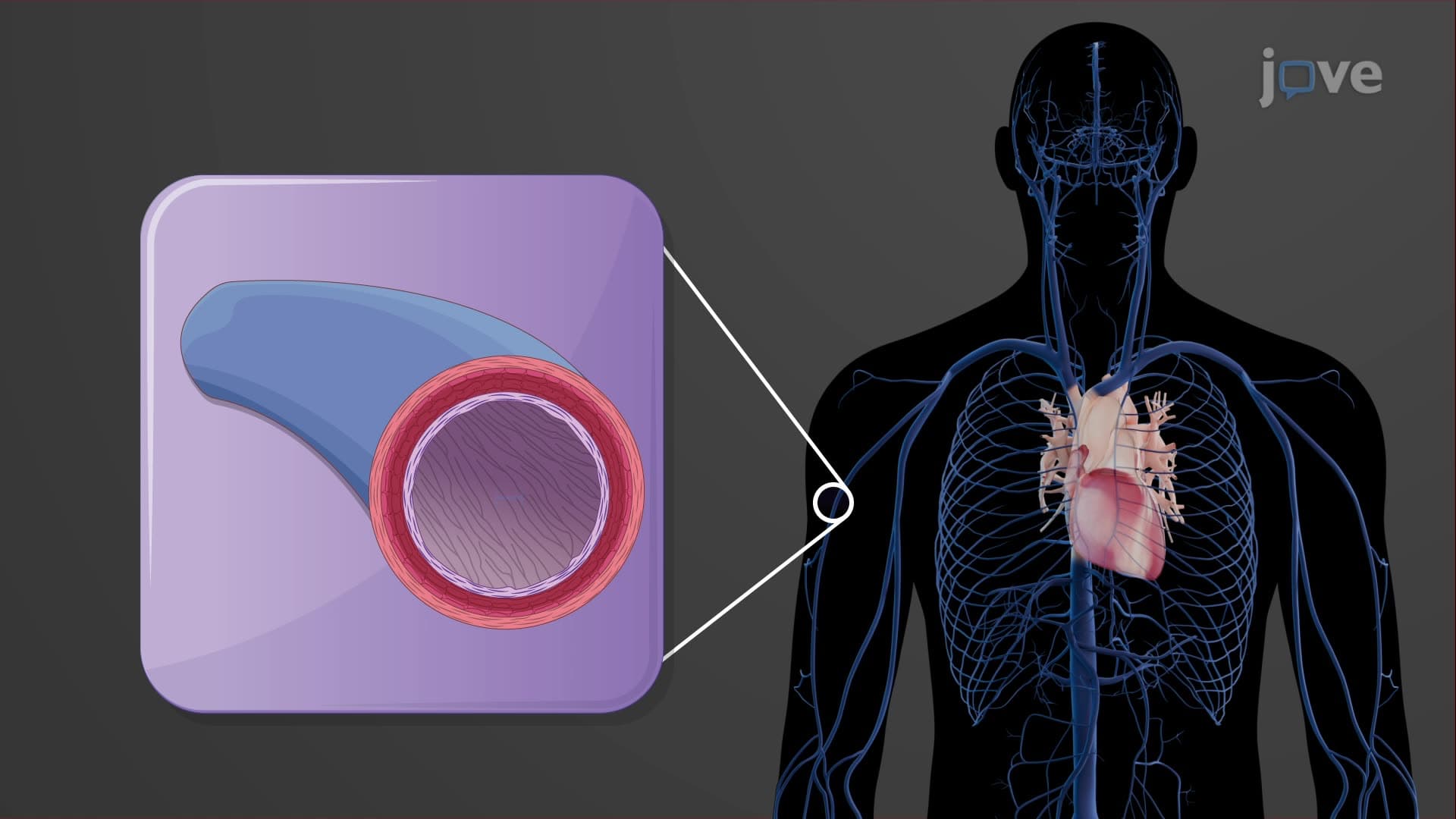
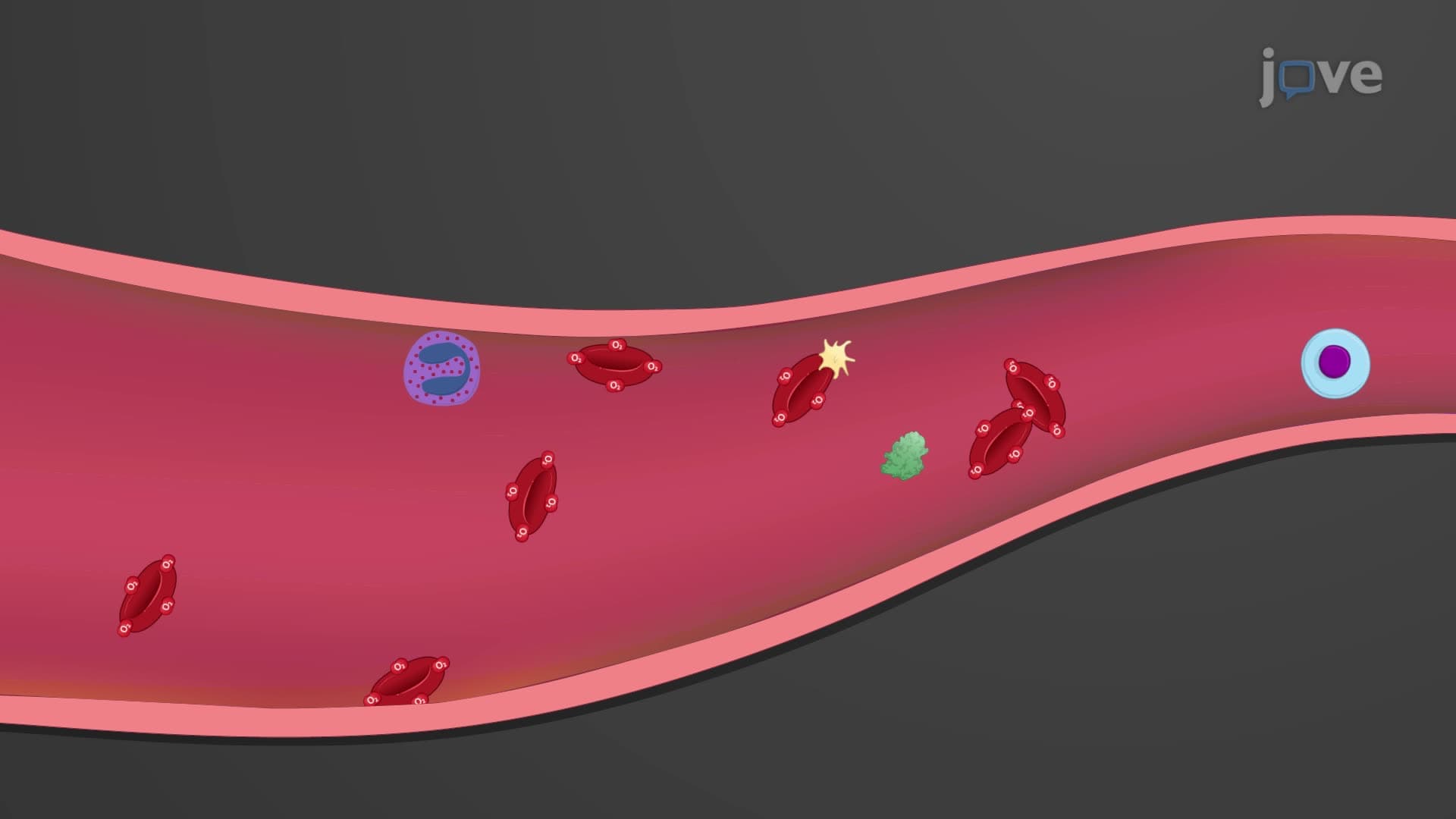
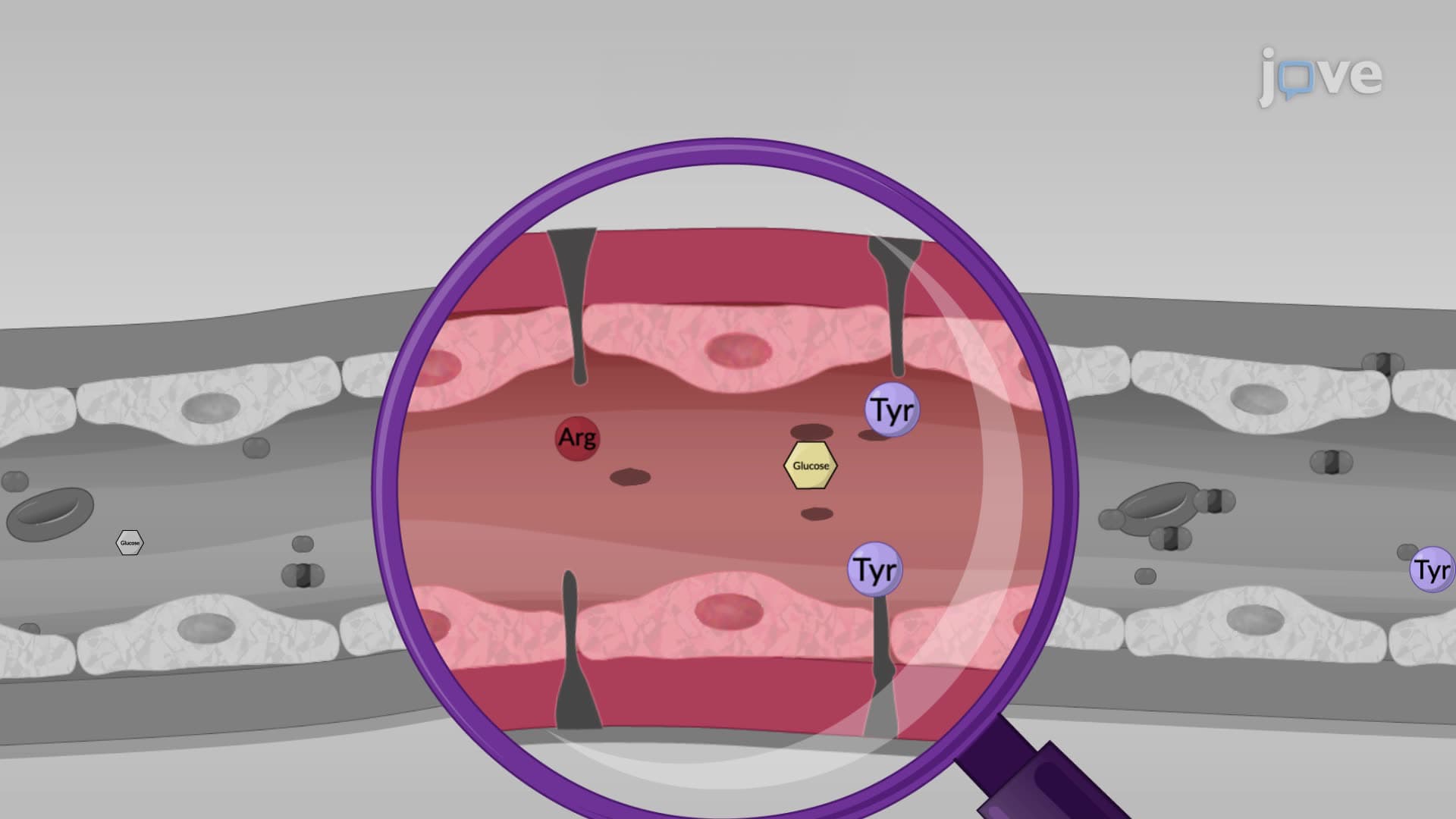
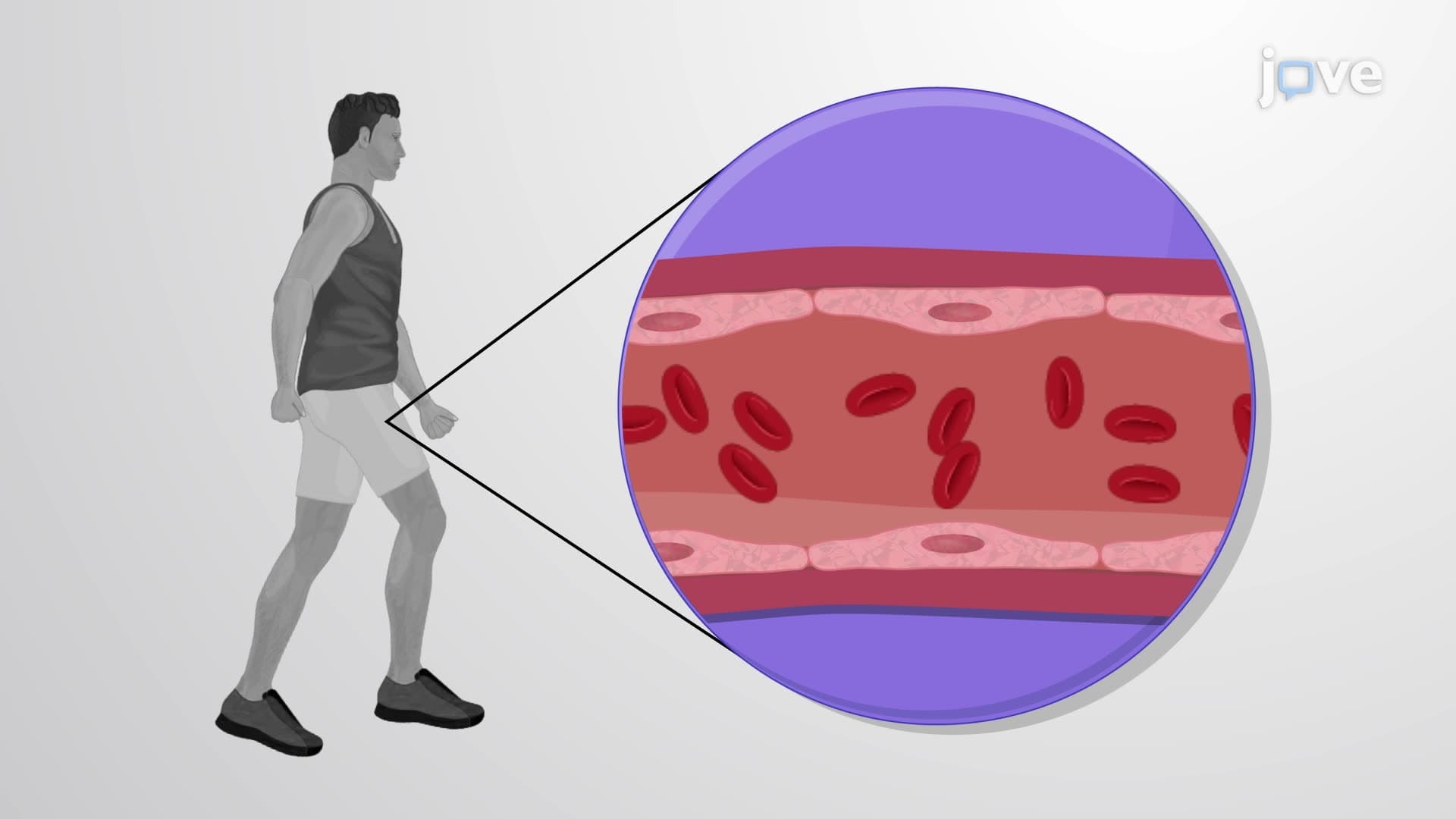
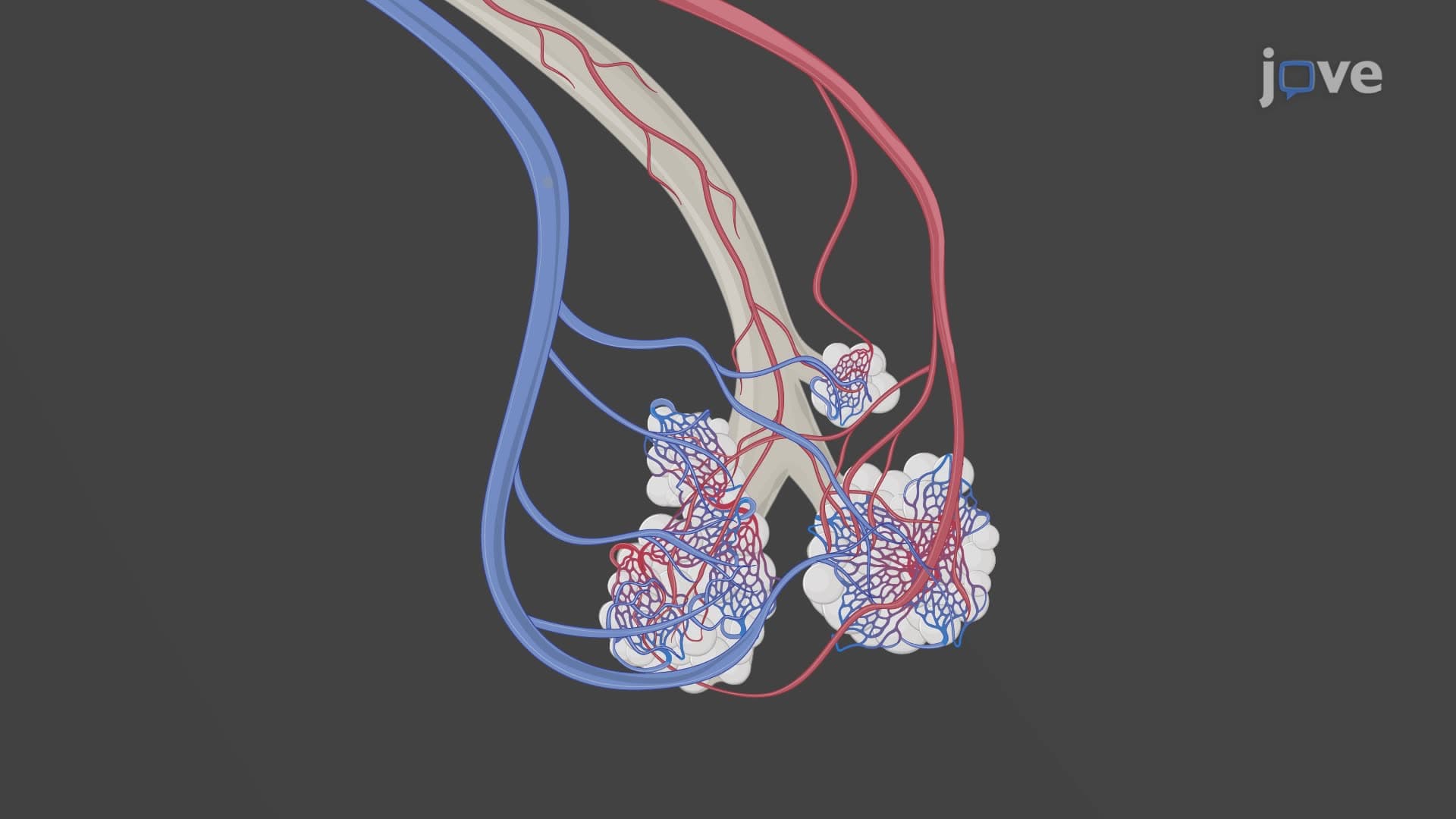
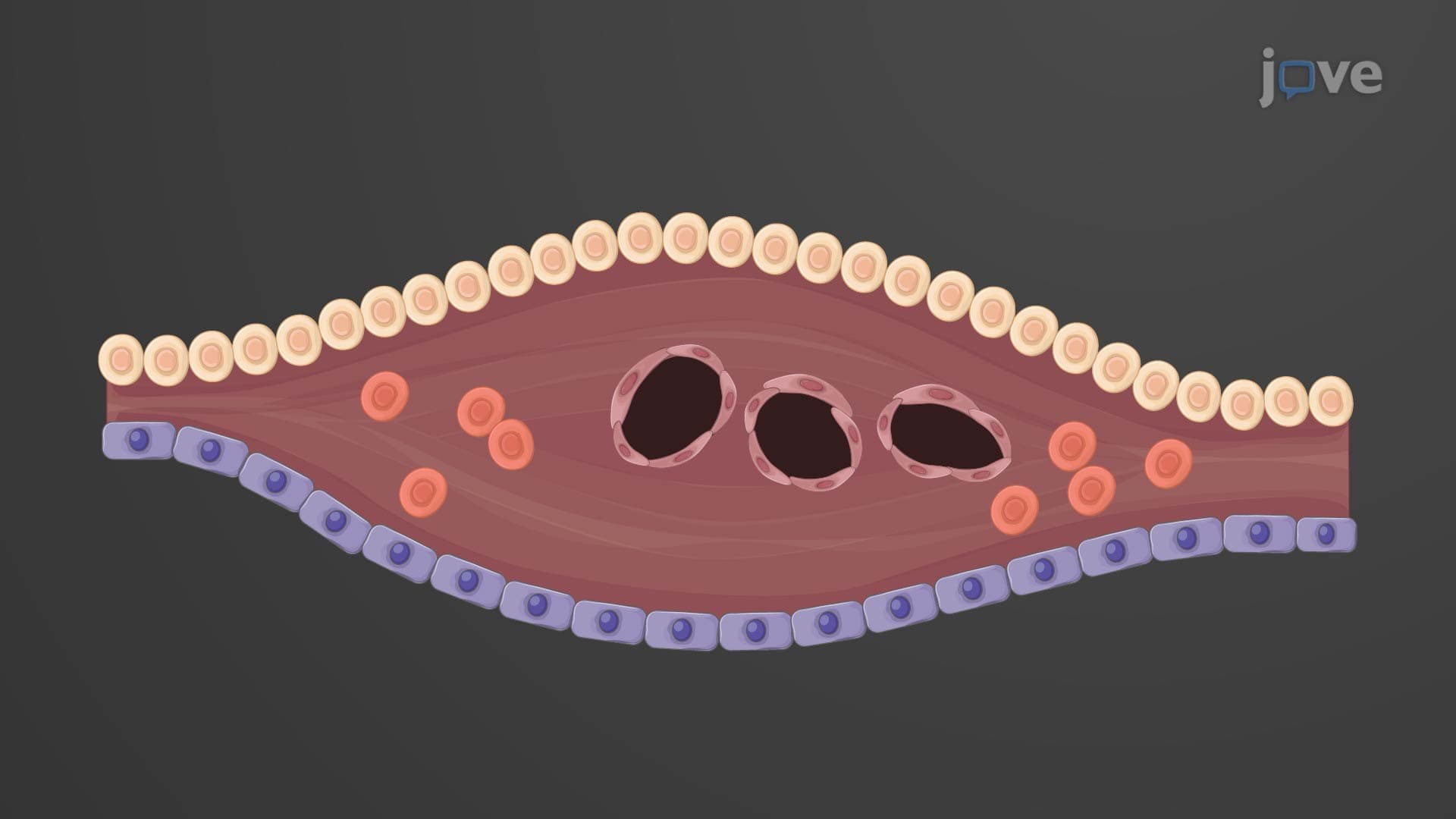
Capillaries types anatomy forms the foundation of circulatory system function, representing the smallest blood vessels where actual nutrient and waste exchange occurs. These microscopic structures, with diameters ranging from 8-10 micrometers, consist of a single layer of endothelial cells surrounded by a basement membrane. This simple yet elegant design maximizes surface area while minimizing diffusion distance, making capillaries perfectly suited for their role as exchange vessels.
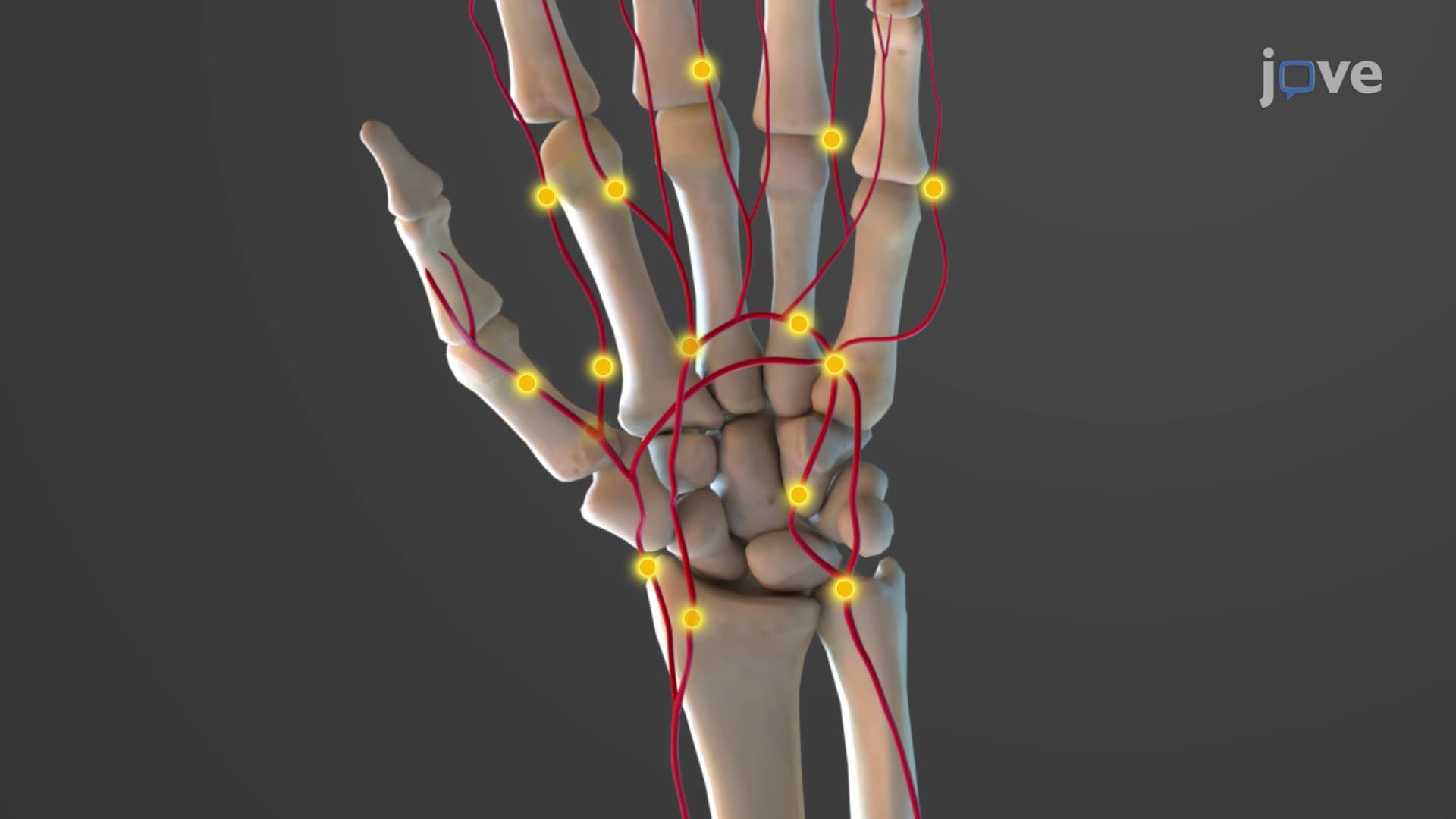
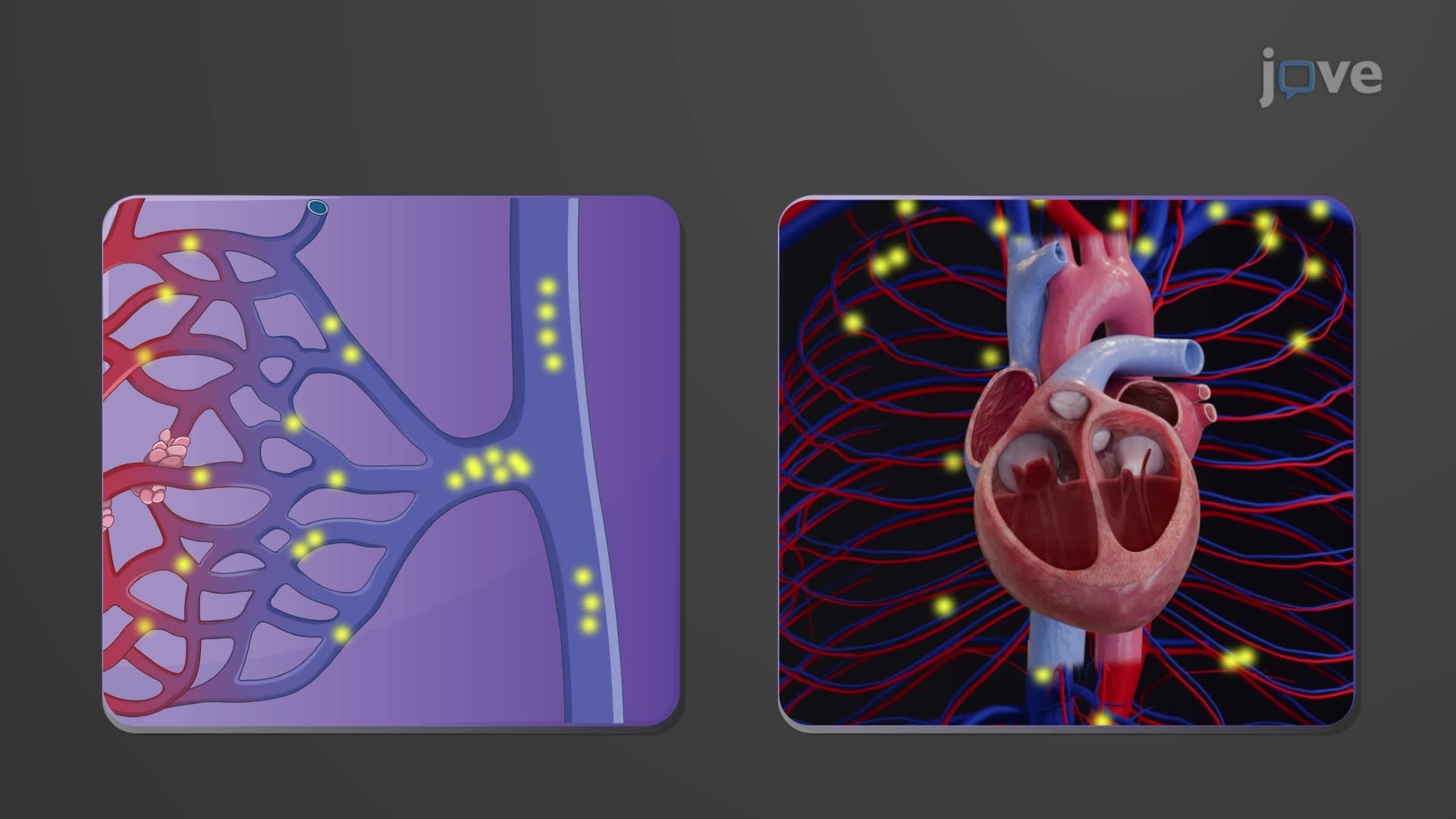
The capillary bed anatomy creates an extensive network that ensures virtually every cell in the human body lies within 50 micrometers of a capillary. This proximity is crucial for maintaining cellular metabolism and removing waste products efficiently.
Continuous fenestrated sinusoid capillary classification begins with continuous capillaries, the most restrictive type found throughout the body. These capillaries maintain tight junctions between endothelial cells and possess a complete, uniform basement membrane. Their selective permeability allows only small molecules like water, ions, and glucose to pass through while blocking larger substances.
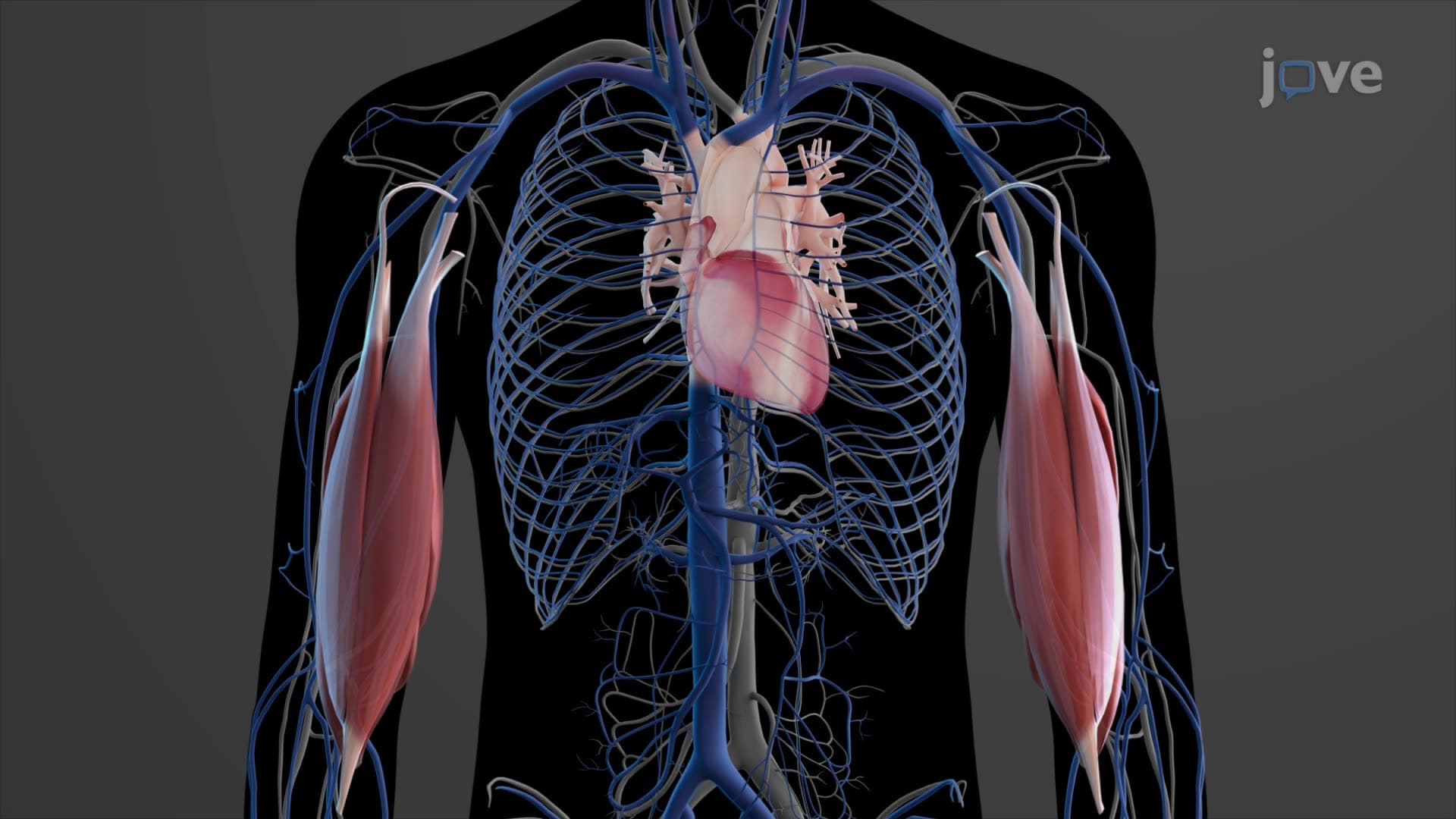
Continuous capillaries predominate in the central nervous system, forming the blood-brain barrier that protects neural tissue from potentially harmful substances. In muscles and lungs, these capillaries regulate gas exchange and nutrient delivery with precision. Students preparing for the MCAT will encounter questions about how this selectivity protects brain function and maintains tissue homeostasis.
Types of capillaries explained continues with fenestrated capillaries, which feature small pores or "fenestrations" in their endothelial walls. These 60-80 nanometer openings dramatically increase permeability while maintaining basement membrane integrity. This design facilitates rapid exchange of larger molecules including peptides, hormones, and various solutes.
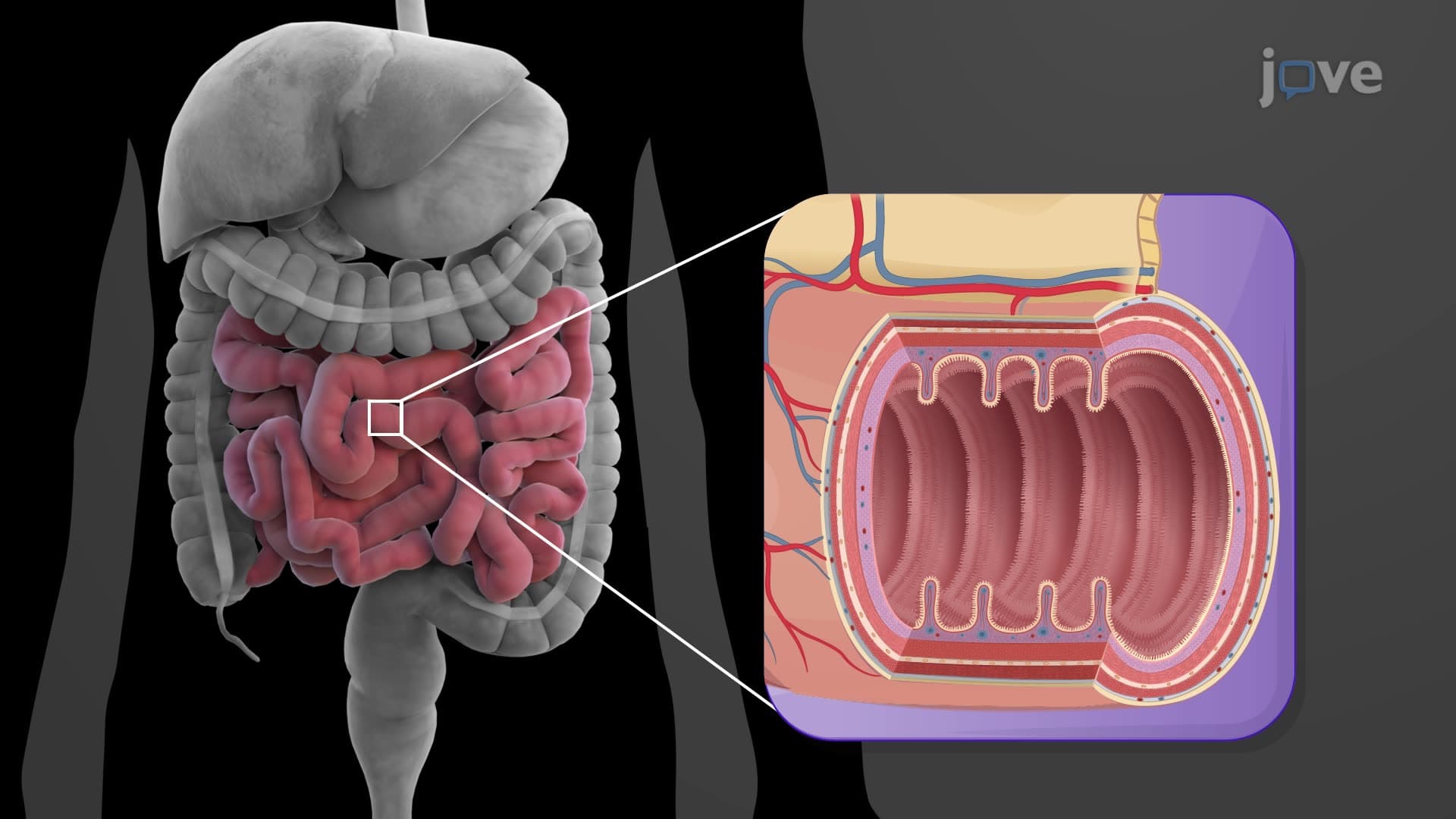
Fenestrated capillaries are strategically located in organs requiring extensive filtration or secretion. In the kidneys' glomeruli, they enable efficient blood filtration while preventing protein loss. Endocrine glands utilize fenestrated capillaries to rapidly release hormones into circulation. The small intestine's fenestrated capillaries facilitate nutrient absorption after digestion.
What are the types of capillaries in anatomy concludes with sinusoidal capillaries, the most permeable type featuring discontinuous basement membranes and large fenestrations. These modifications allow blood cells, proteins, and even cellular processes to traverse the capillary wall. Sinusoidal capillaries possess the widest lumens among all capillary types, accommodating slower blood flow that enhances exchange time.
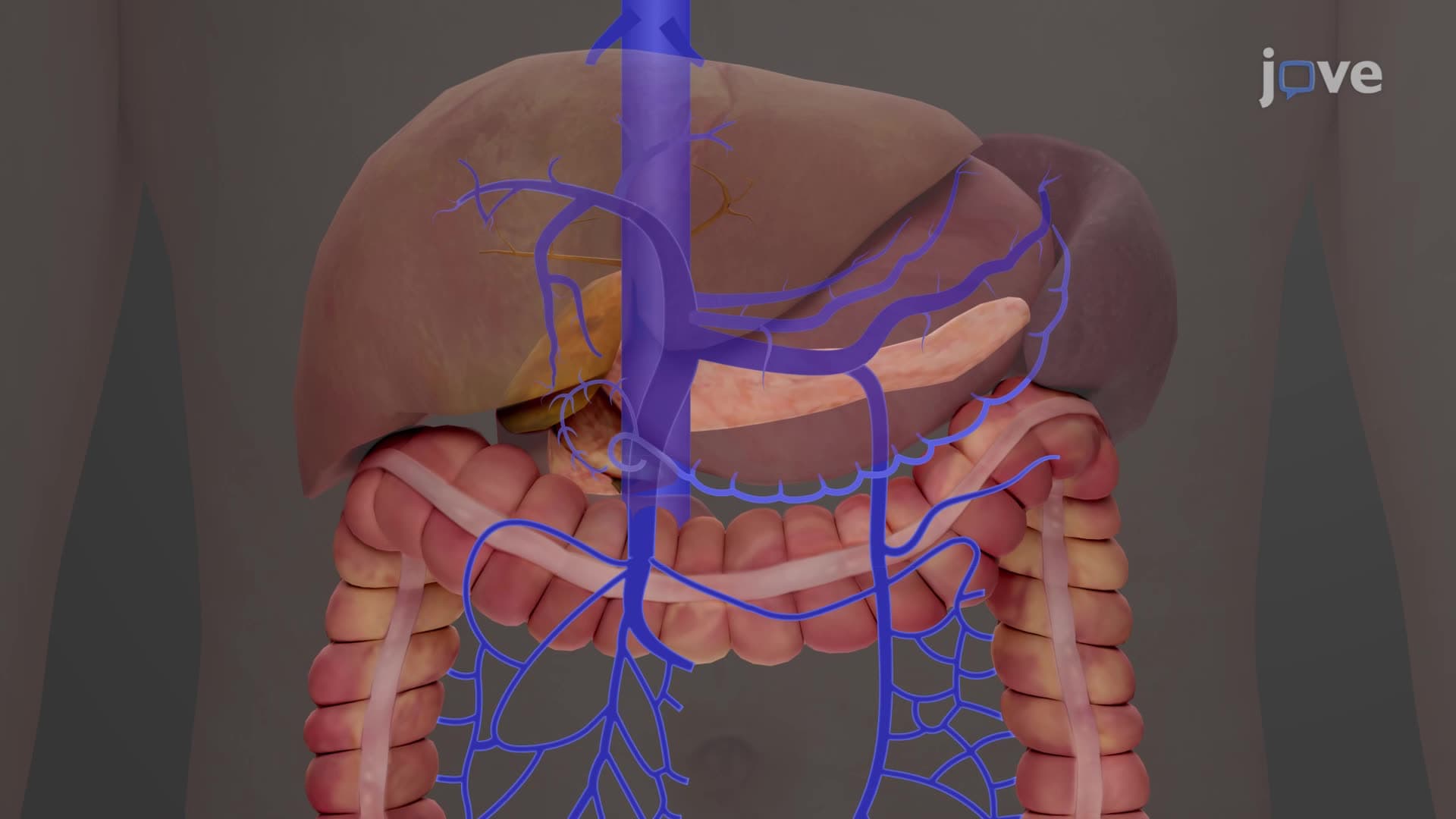
The liver's sinusoidal capillaries enable hepatocytes to process blood-borne substances directly, while bone marrow sinusoids allow newly formed blood cells to enter circulation. In the spleen, these capillaries facilitate immune surveillance and red blood cell recycling. AP Biology students should understand how sinusoidal structure supports organ-specific functions like detoxification and hematopoiesis.
Related Micro-courses