Loading subject page…


149,645 views

Video Summary: What are Veins
Ever wondered why your blood doesn't flow backward when you stand up? Veins anatomy biology reveals fascinating adaptations that solve this gravitational challenge. Unlike arteries, veins have specialized one-way valves and unique wall structures that efficiently return blood to your heart despite working against gravity. Consider how nurses at Cleveland Clinic easily locate superficial veins for blood draws-this accessibility demonstrates the distinct positioning and structure that defines what are veins. Watch the full video on JoVE Coach to master this concept with expert-led visuals and step-by-step explanations.
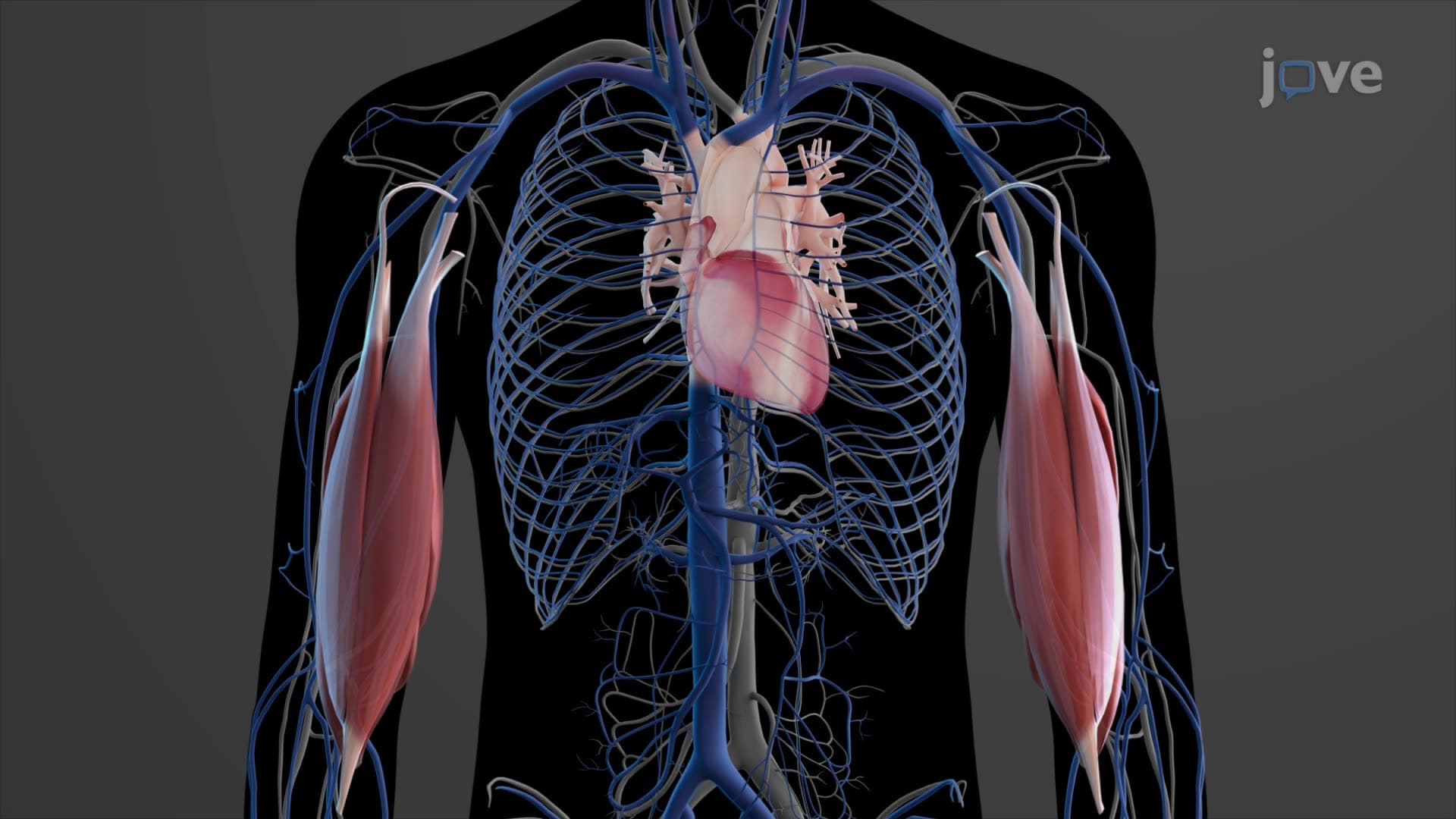
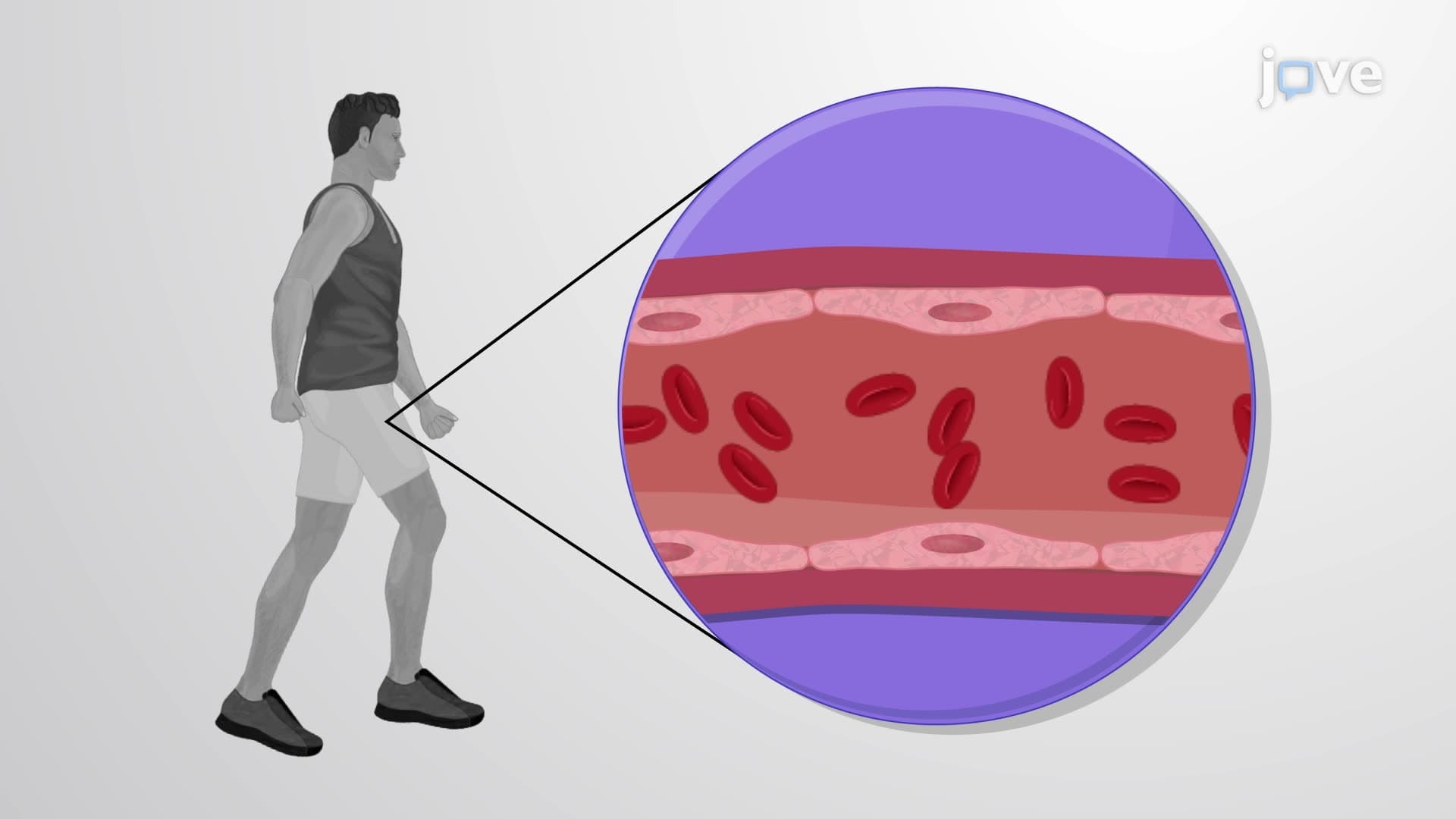
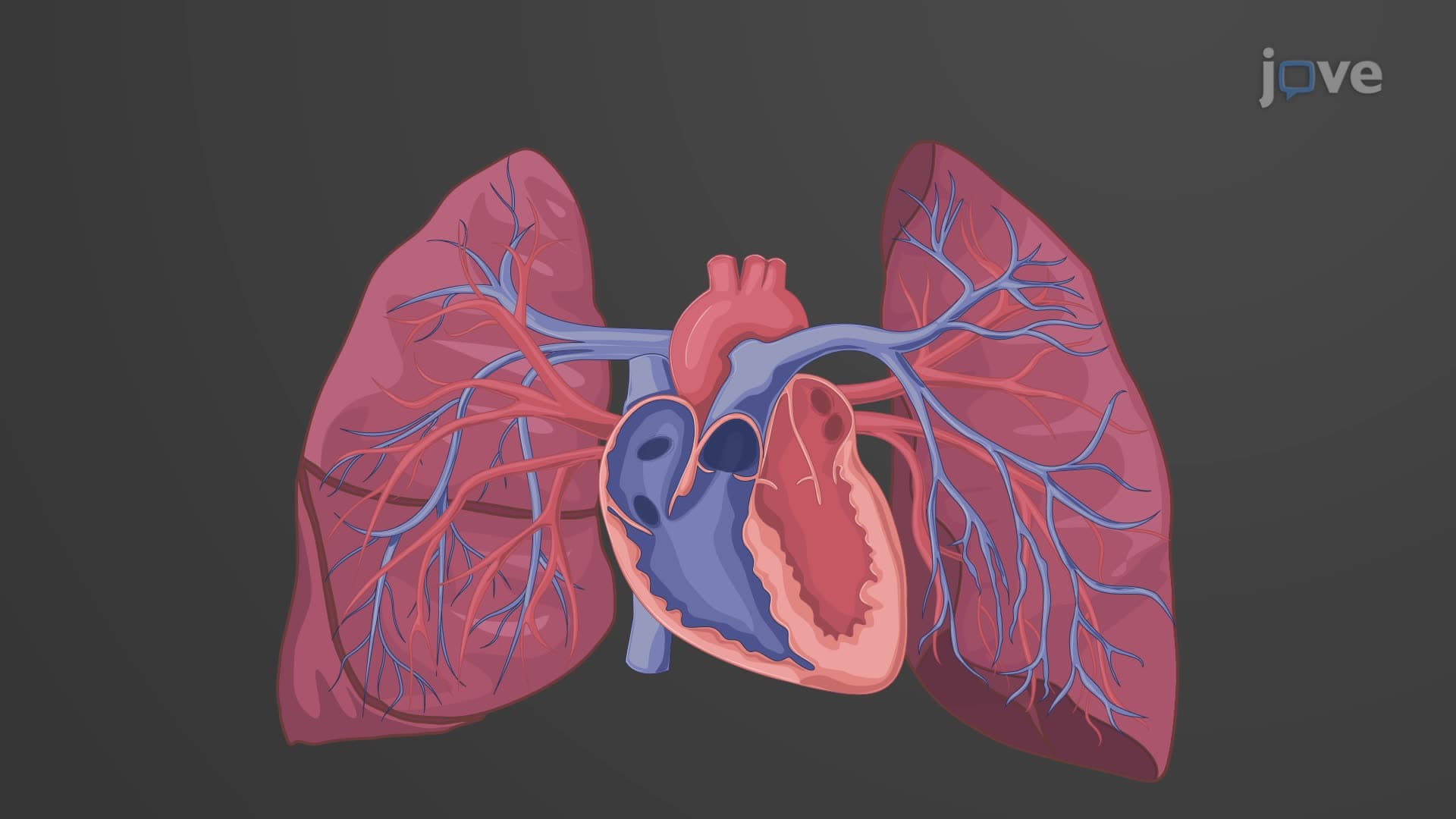
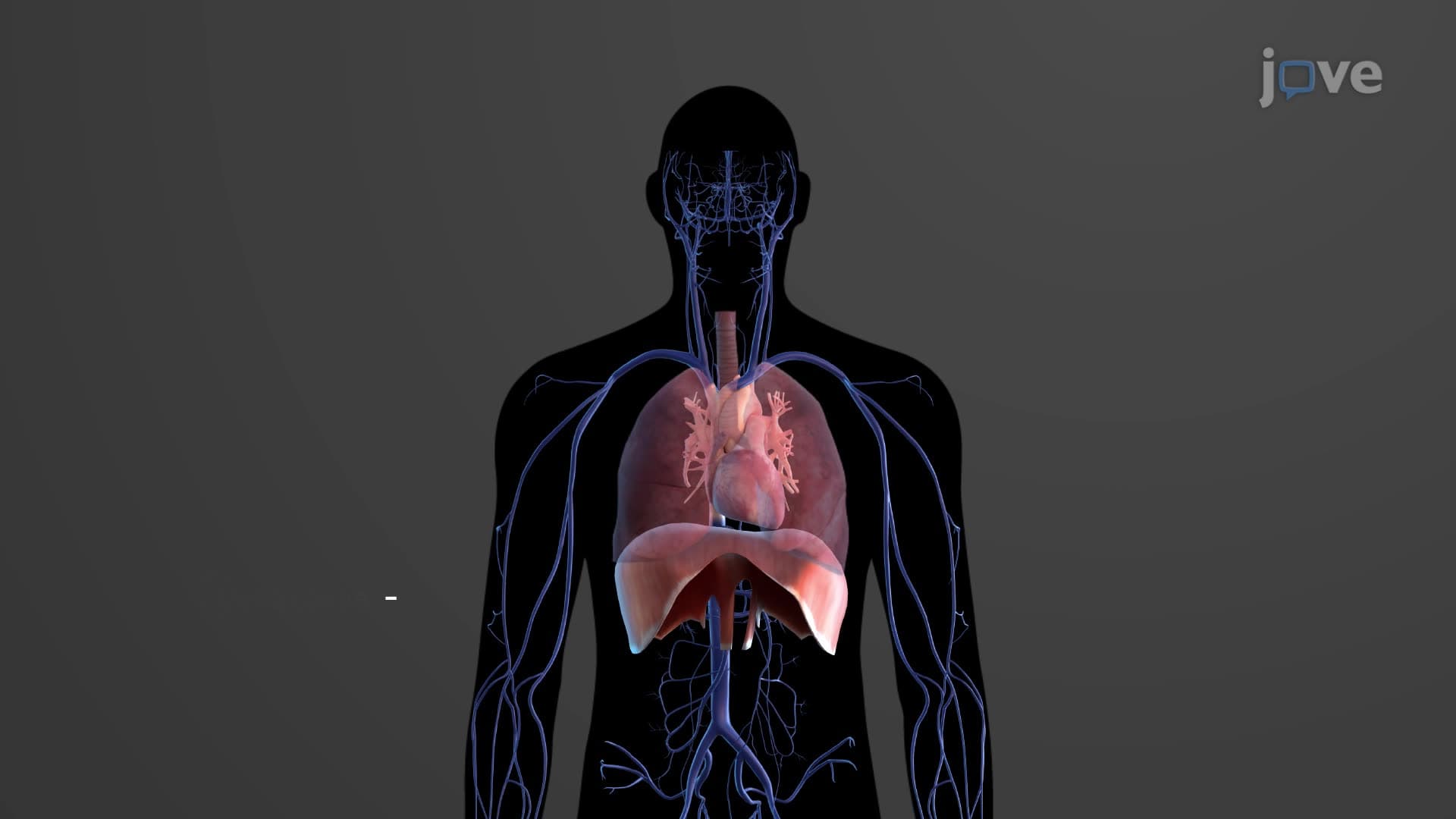
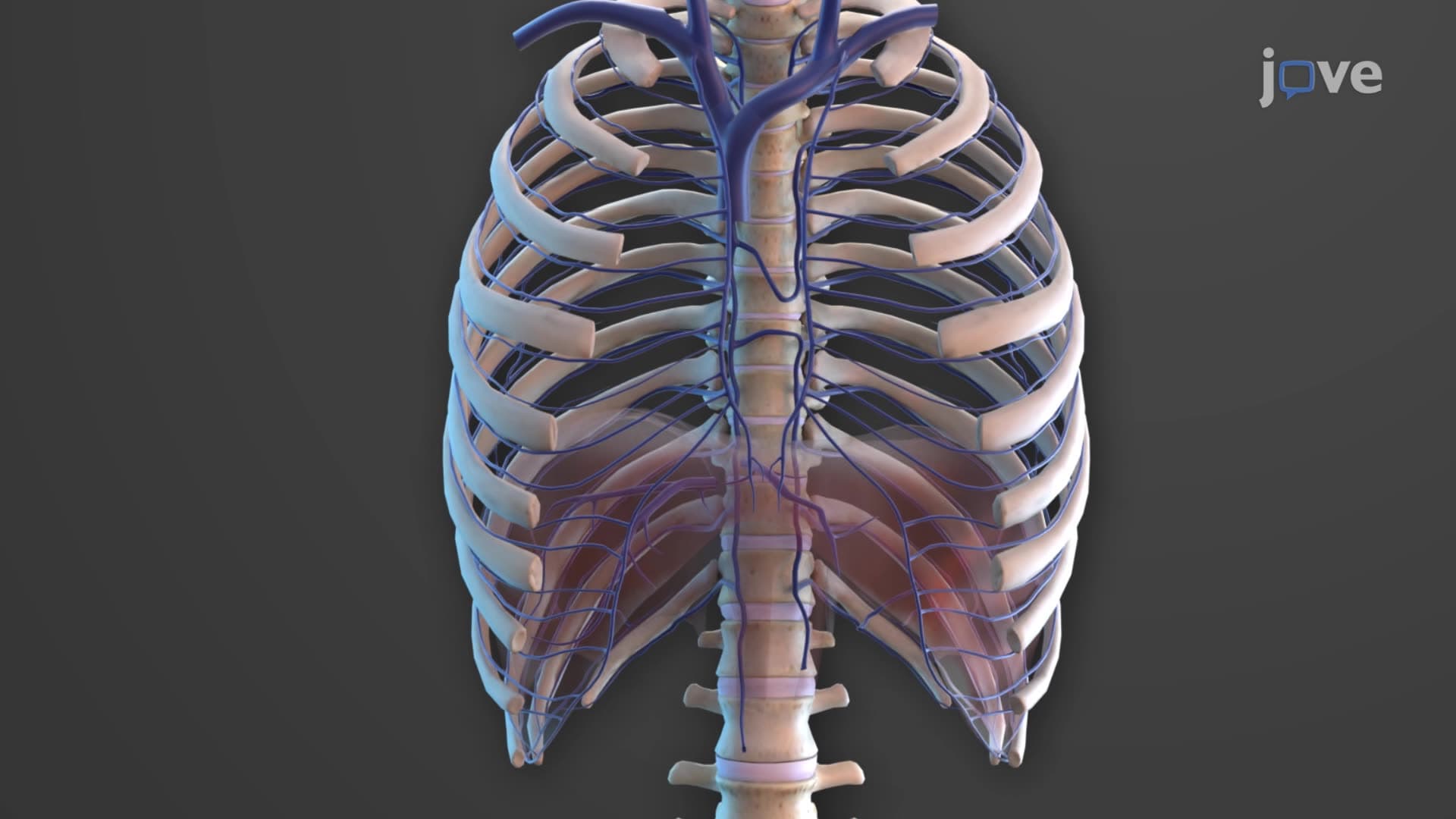
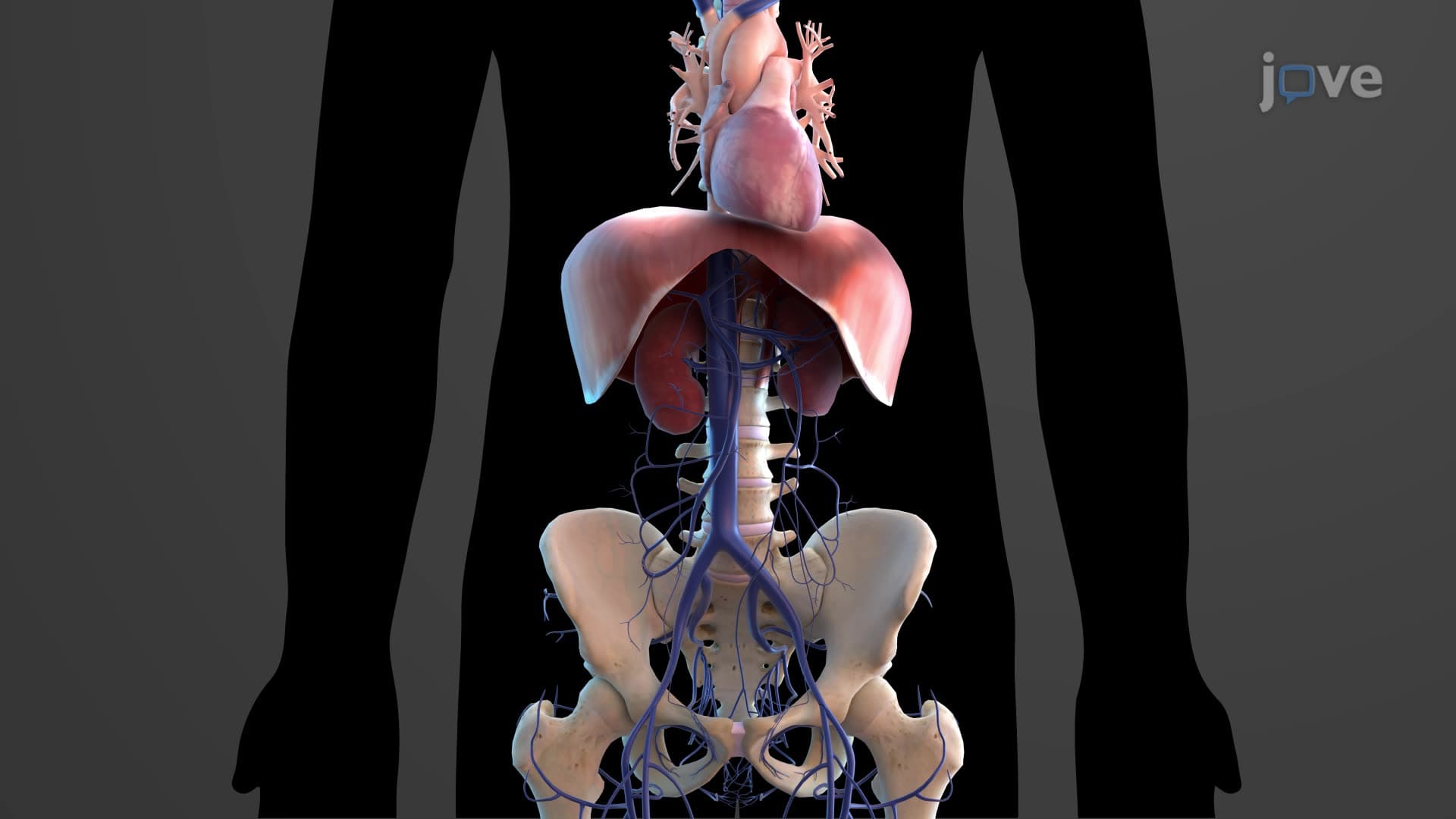
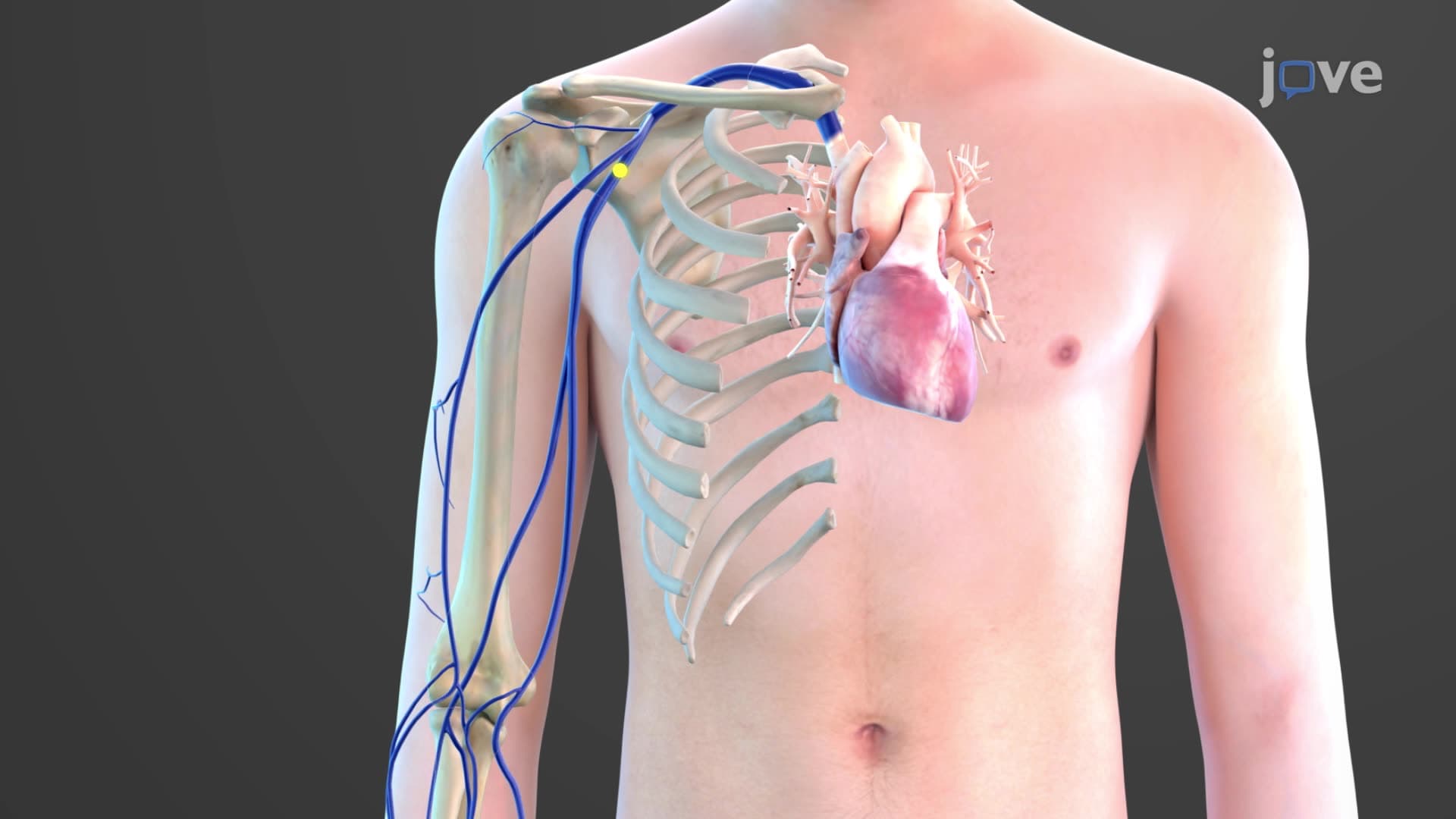
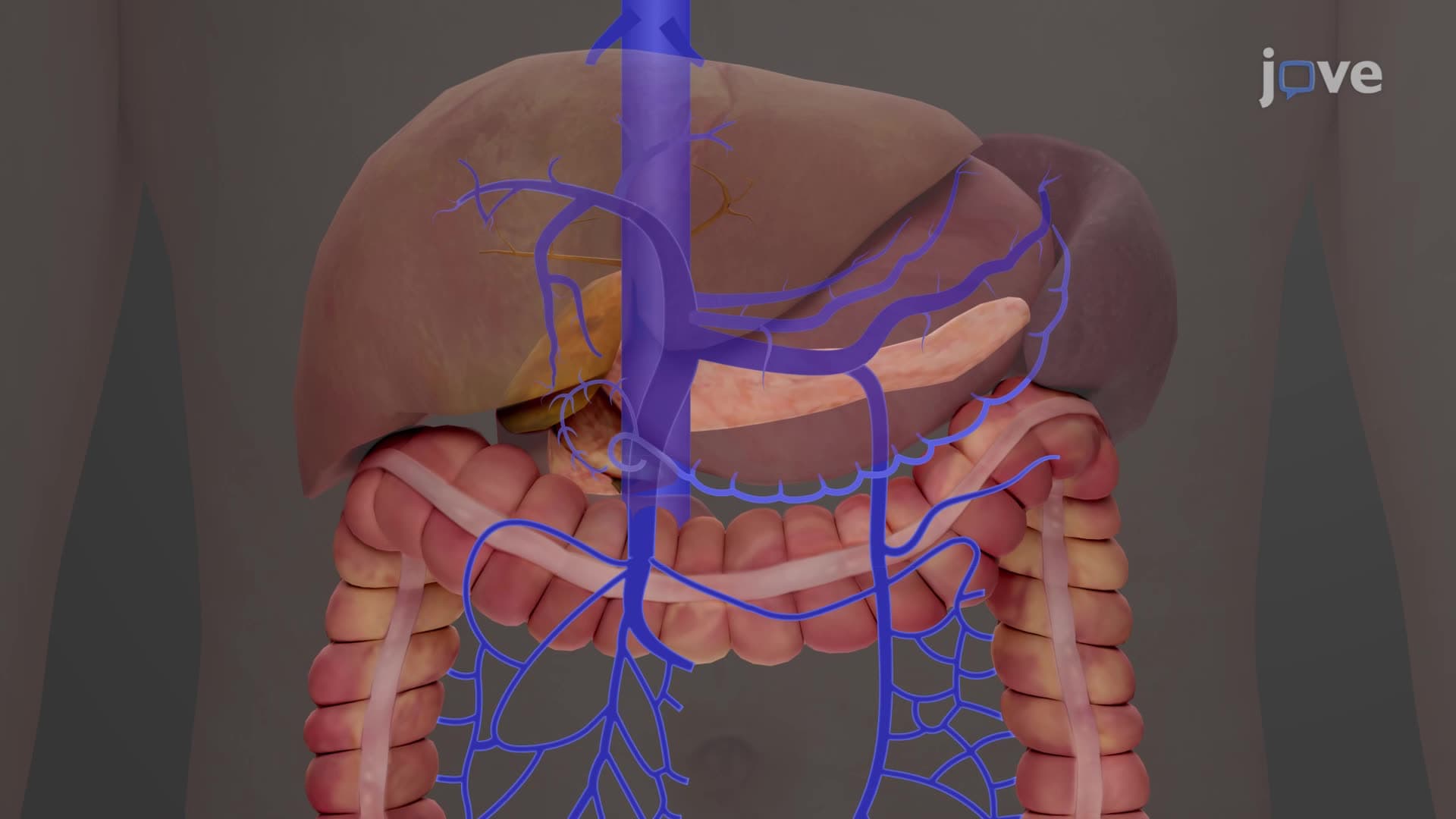
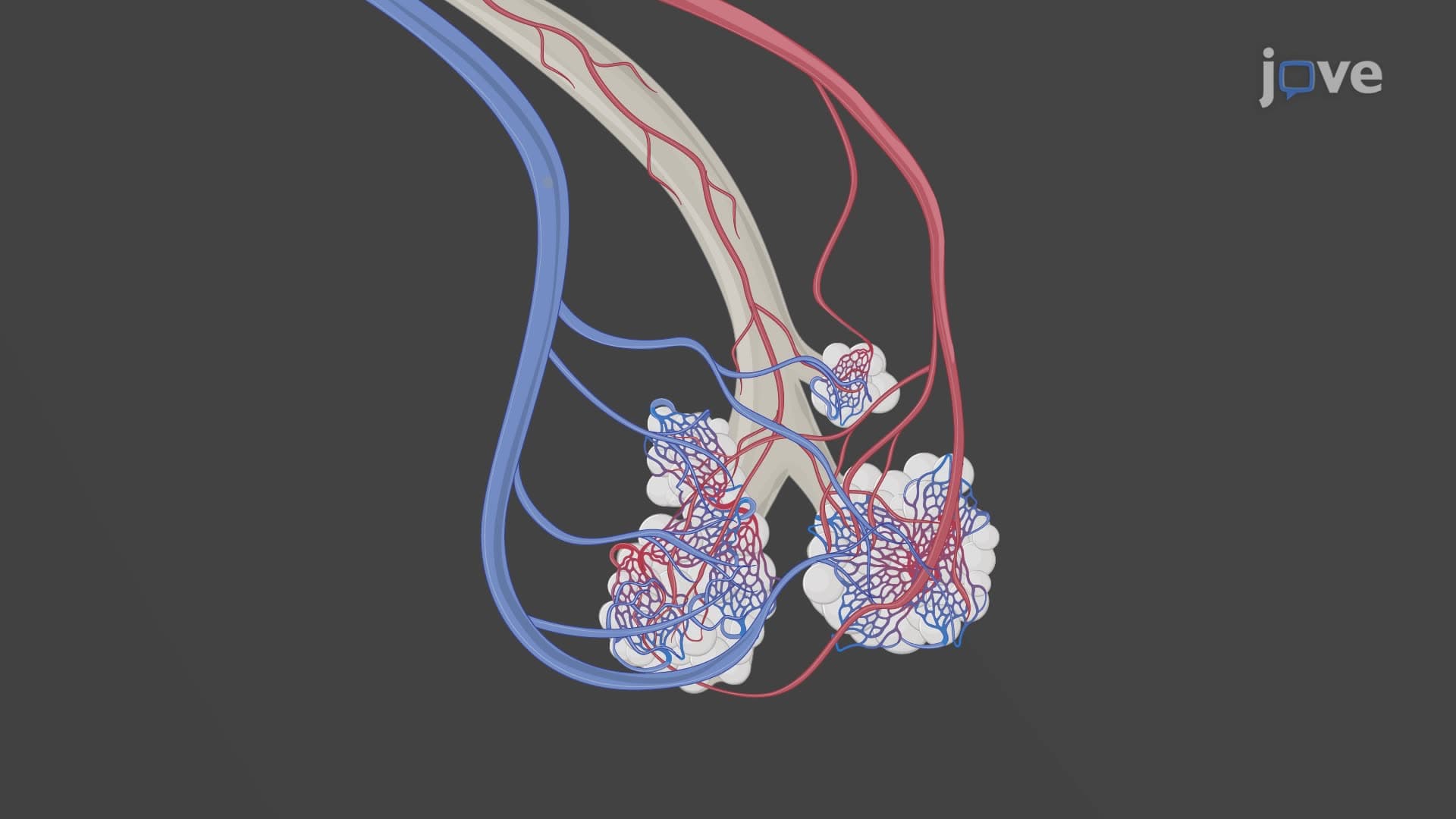
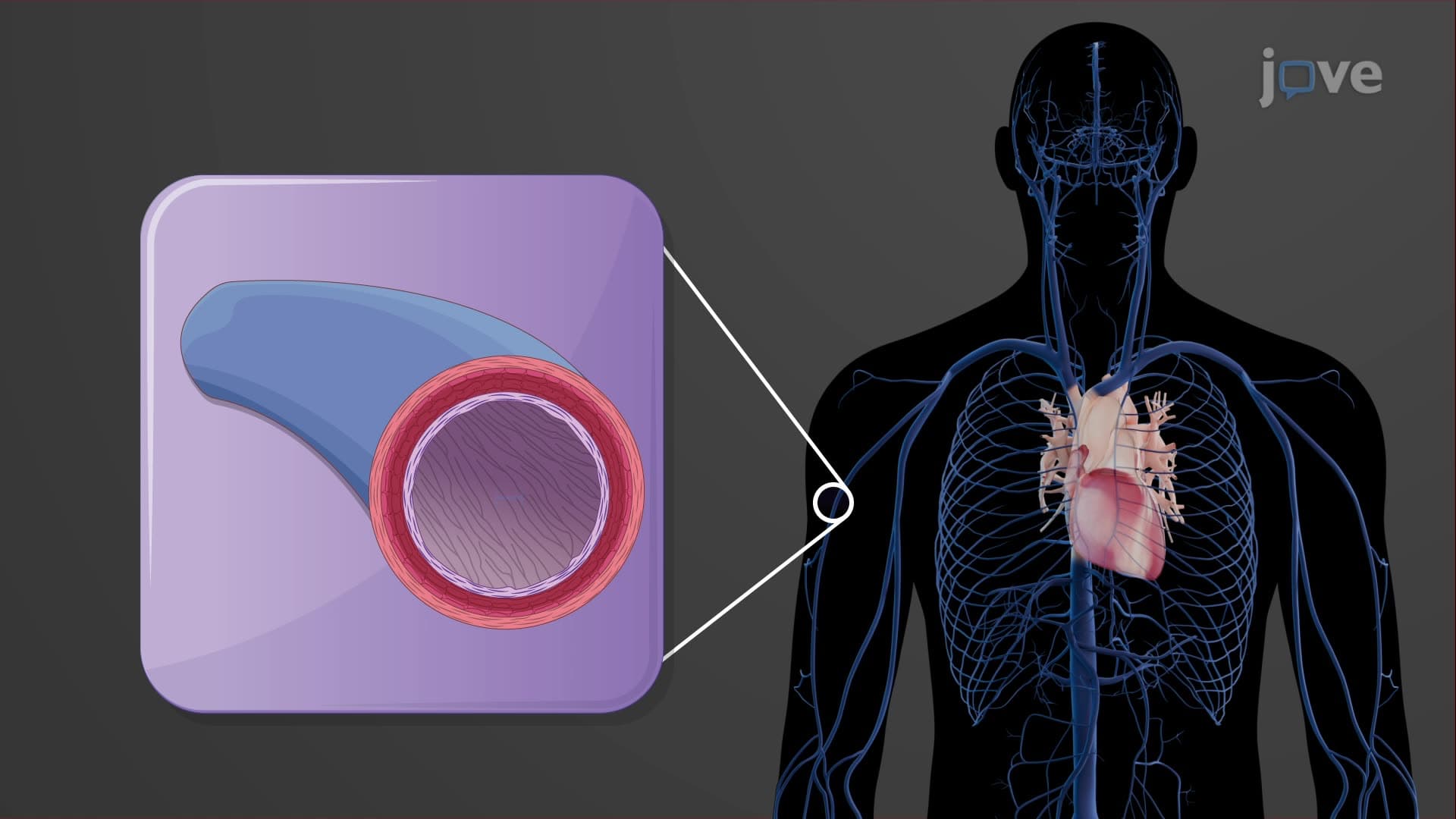
What are veins in the cardiovascular system? Veins represent the sophisticated return network that transports deoxygenated blood back to the heart, completing the circulatory loop. Unlike their high-pressure arterial counterparts, veins operate in a low-pressure environment, requiring specialized structural adaptations to overcome gravitational challenges and ensure efficient blood return.
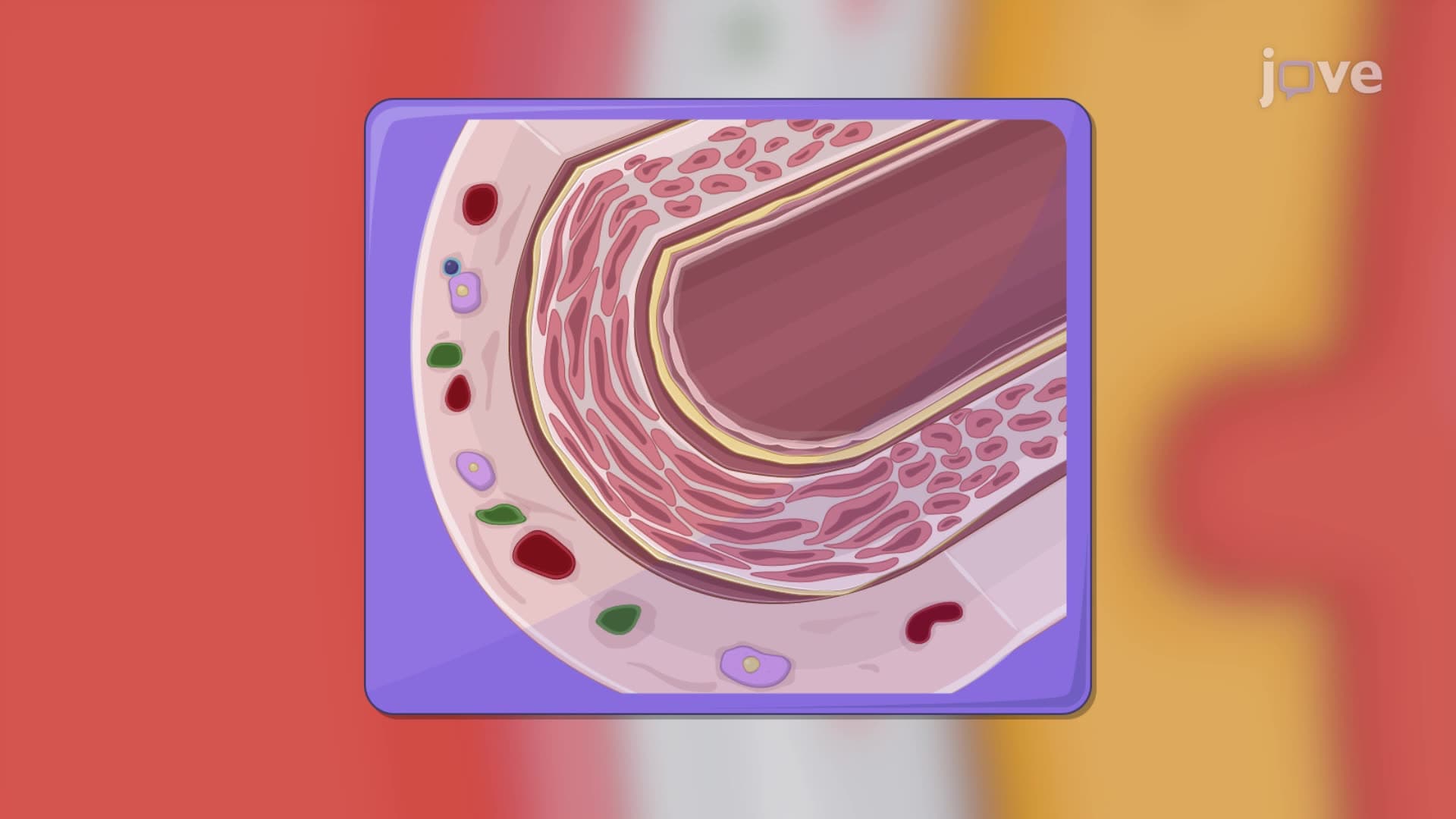
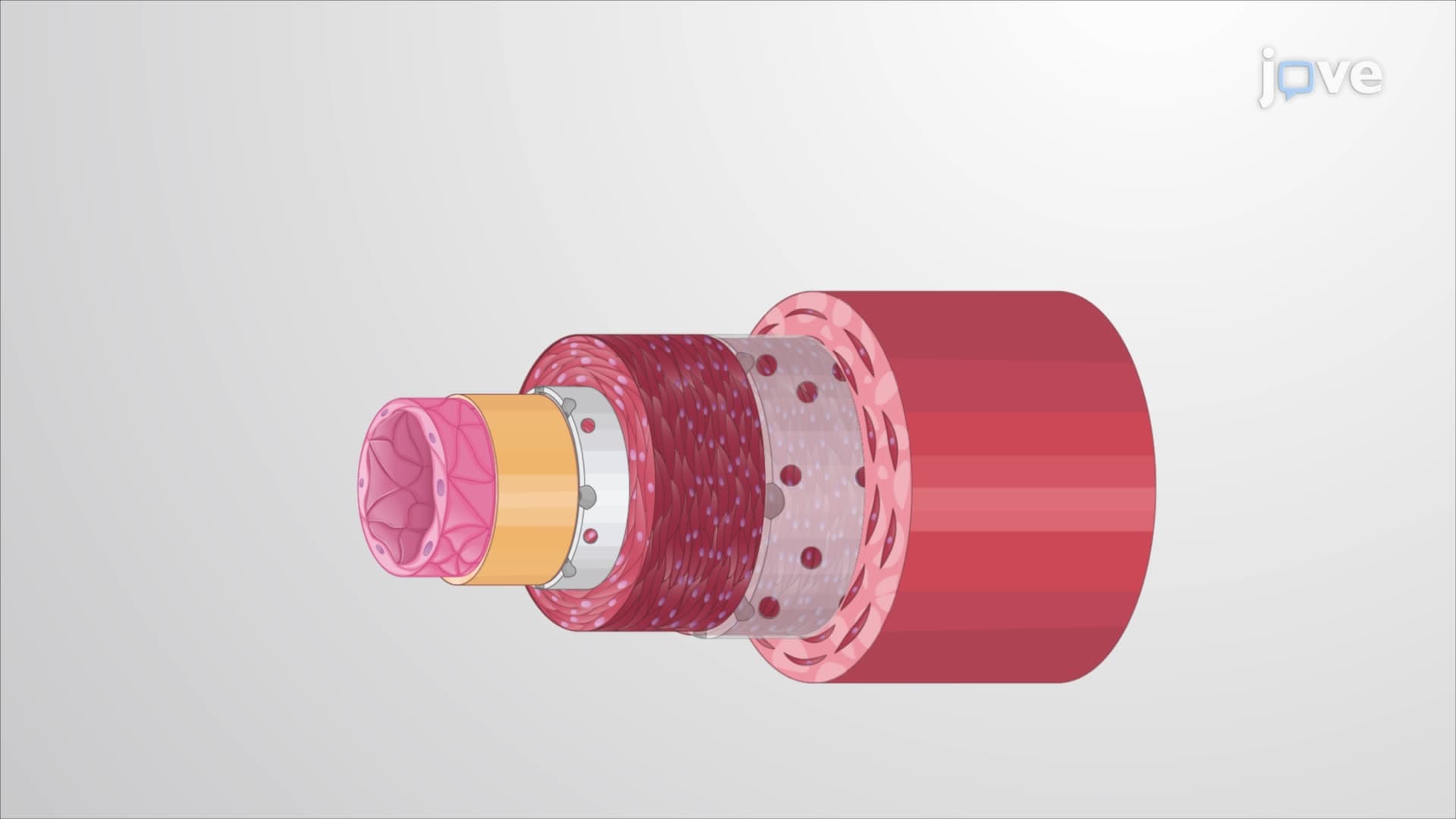
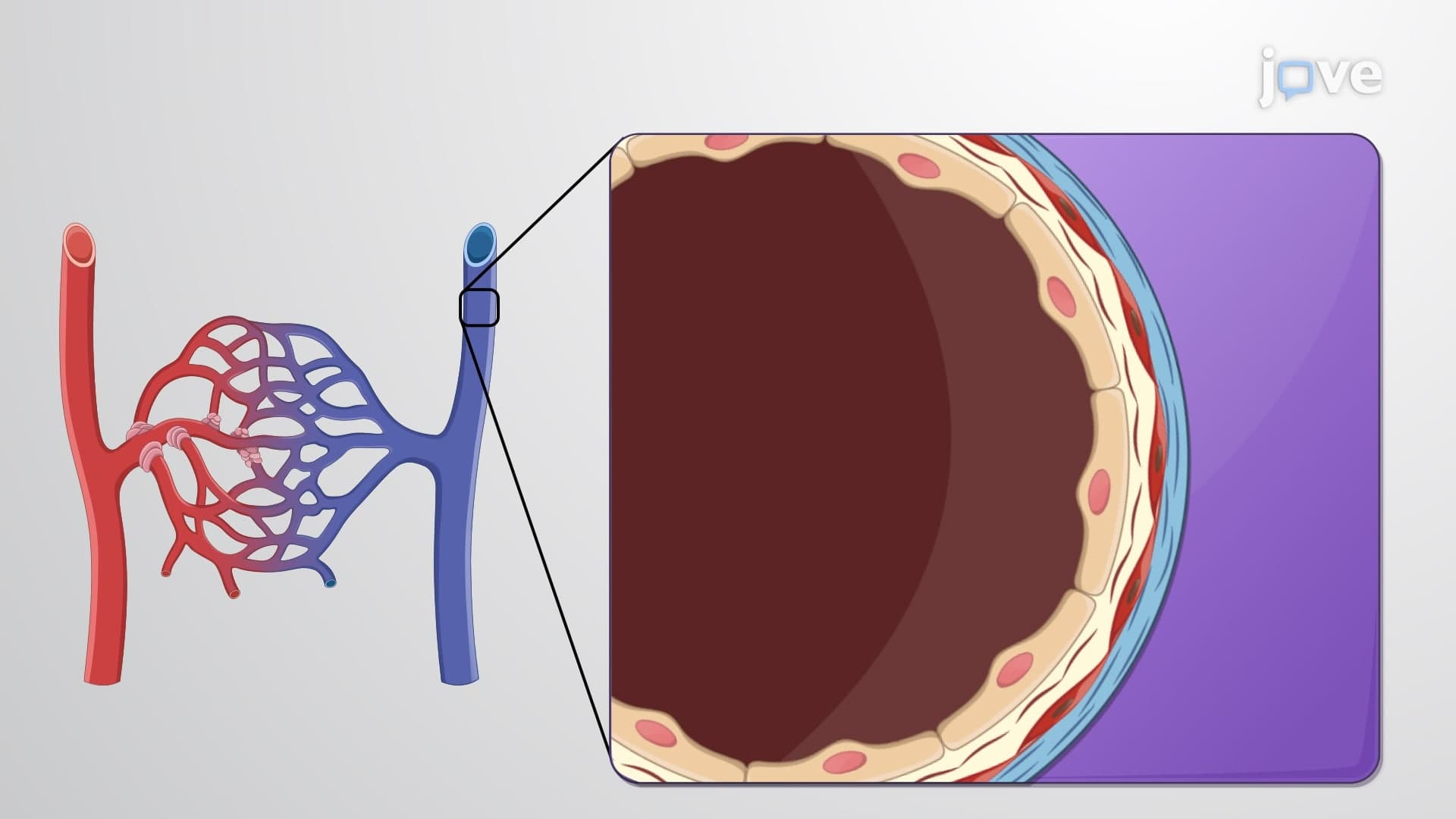
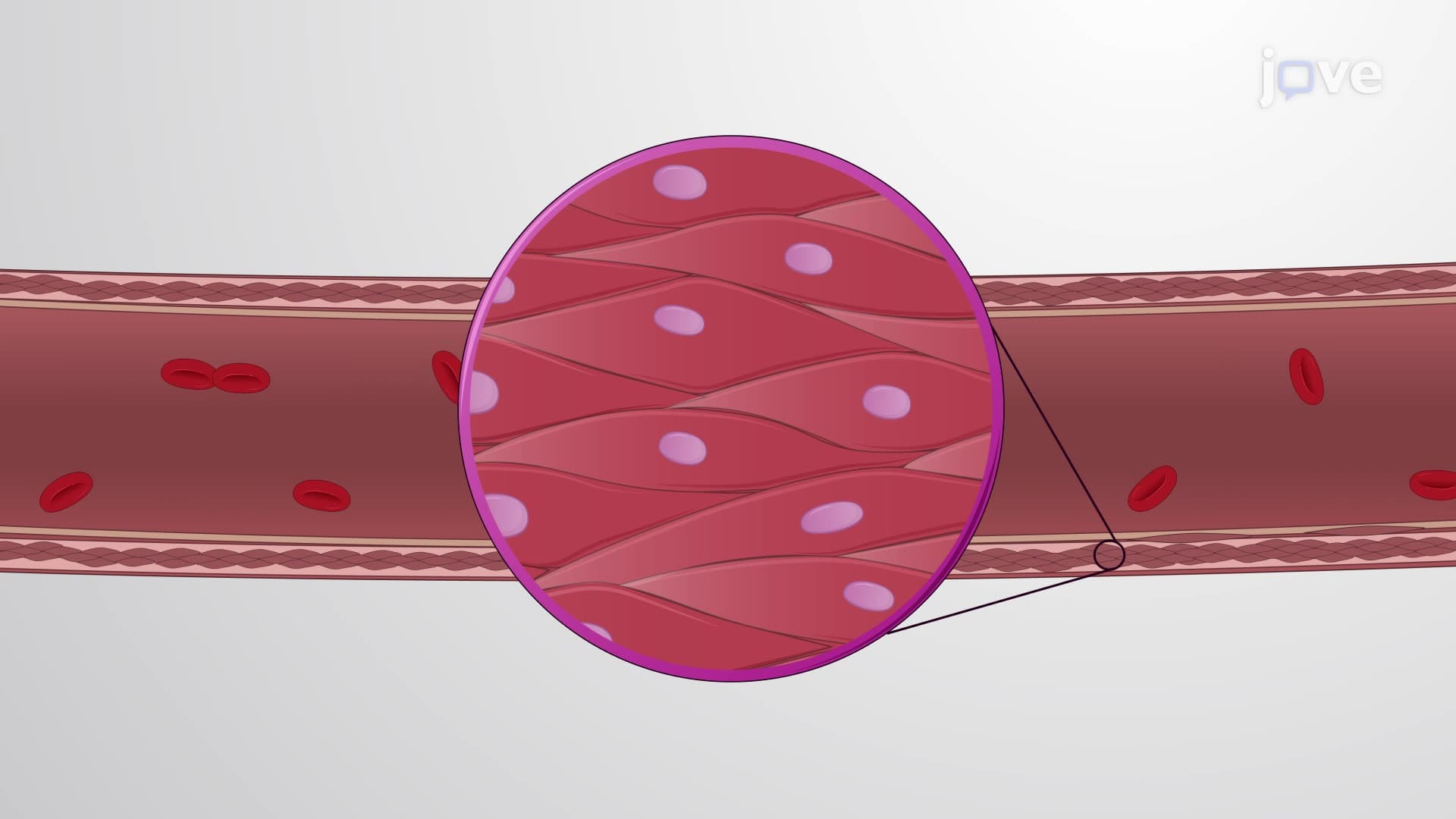
The vein structure and function centers on three distinct wall layers, each optimized for low-pressure transport. The tunica interna (innermost layer) features a thin endothelial lining that reduces friction and, in many veins, forms valve cusps. The tunica media (middle layer) contains fewer smooth muscle fibers compared to arteries, reflecting the reduced need for active pressure regulation. The tunica externa (outer layer) is remarkably well-developed, providing structural support through collagen and elastic fibers arranged longitudinally.
This architectural design allows veins to accommodate larger blood volumes-their lumens can expand from 0.5 millimeters to 3 centimeters in diameter. Students preparing for the MCAT should note that this structural flexibility makes veins excellent blood reservoirs, capable of holding approximately 60% of total blood volume at any given time.
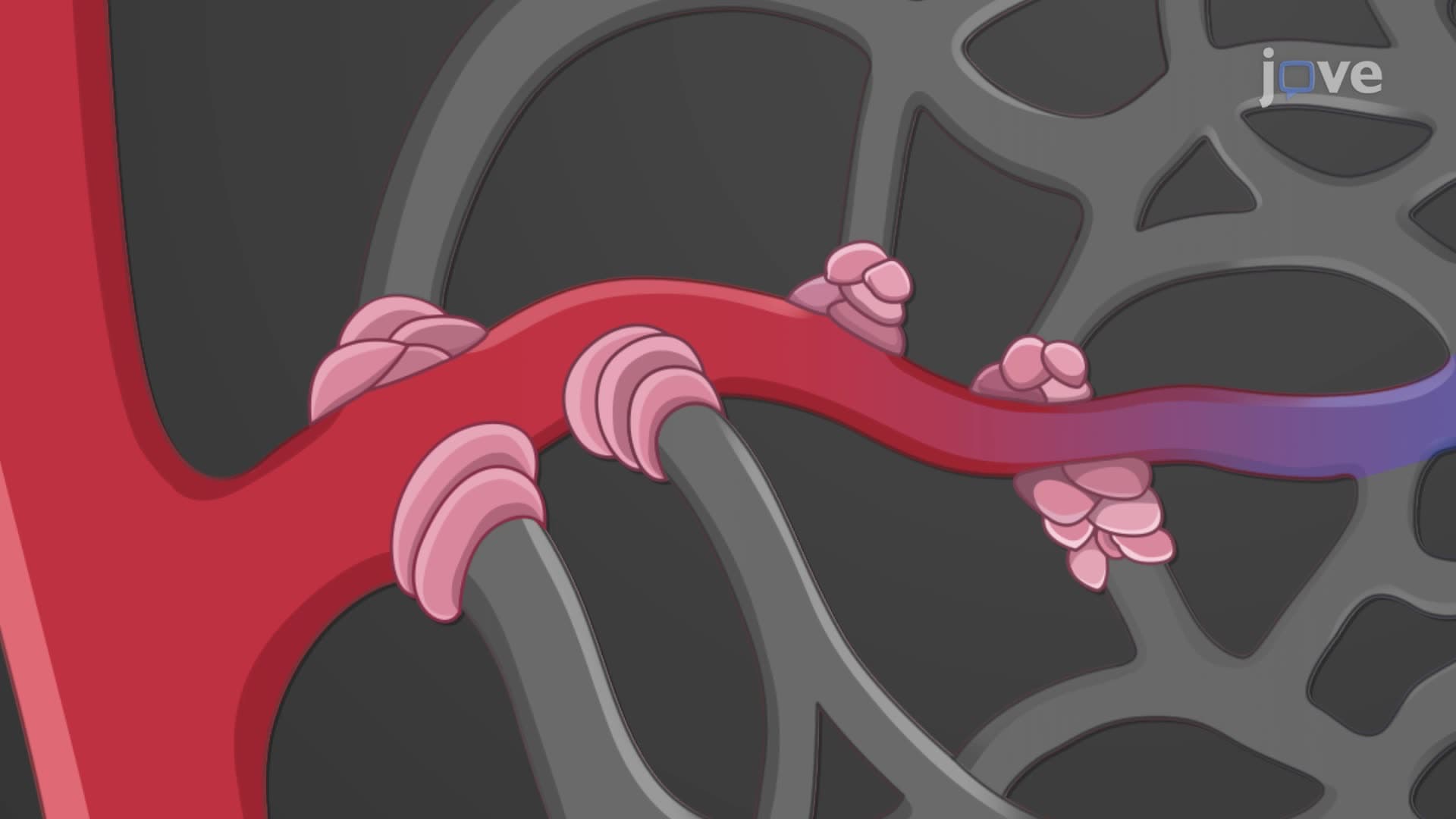
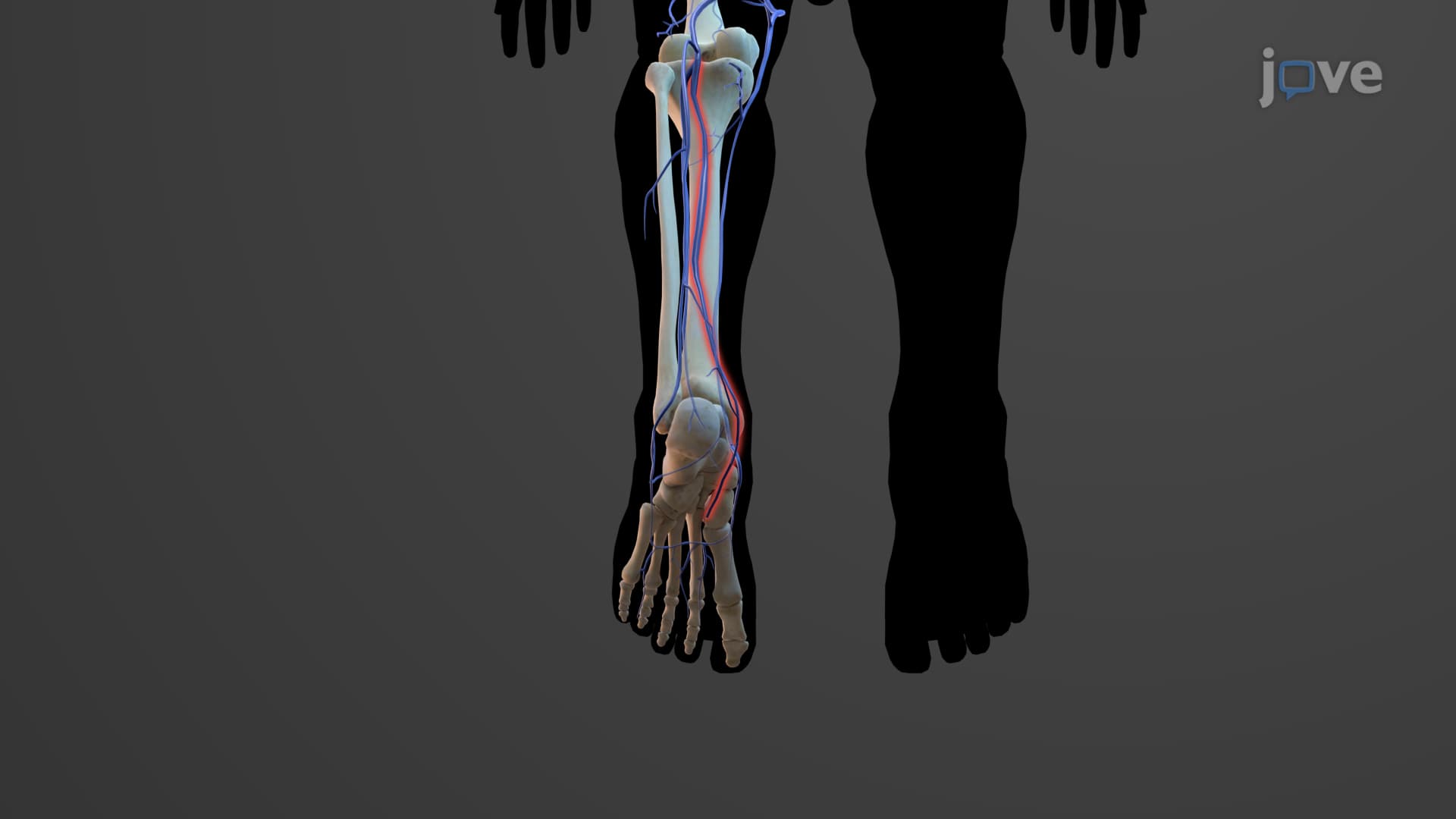
The vein valve one-way system represents one of circulation's most elegant solutions. These thin folds of tunica interna project into the vein lumen, creating flap-like cusps that open toward the heart and close when blood attempts to flow backward. This mechanism is particularly crucial in limb veins, where blood must travel against gravity. AP Biology students should understand that valve failure leads to varicose veins, a condition affecting over 25 million Americans.
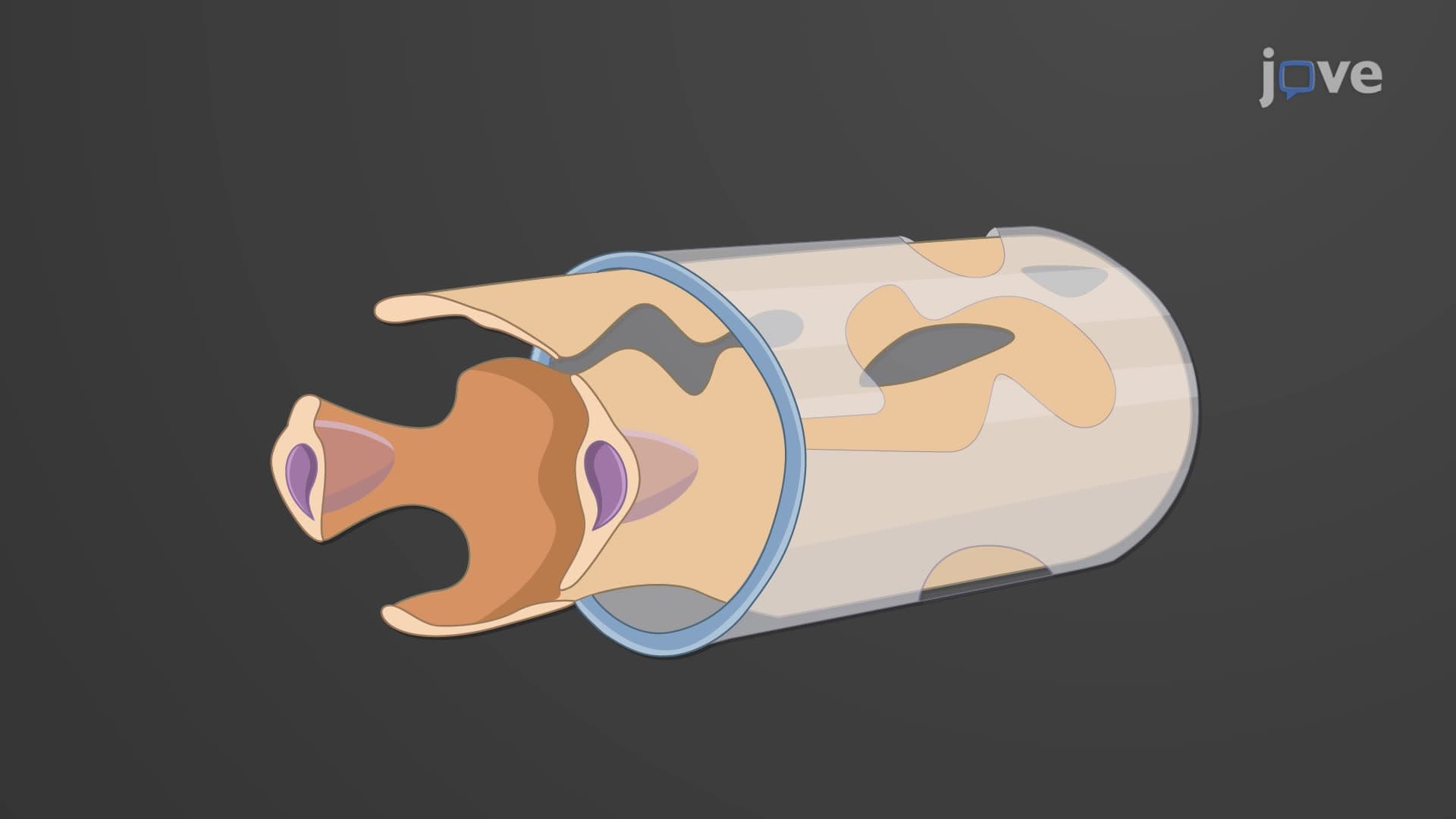
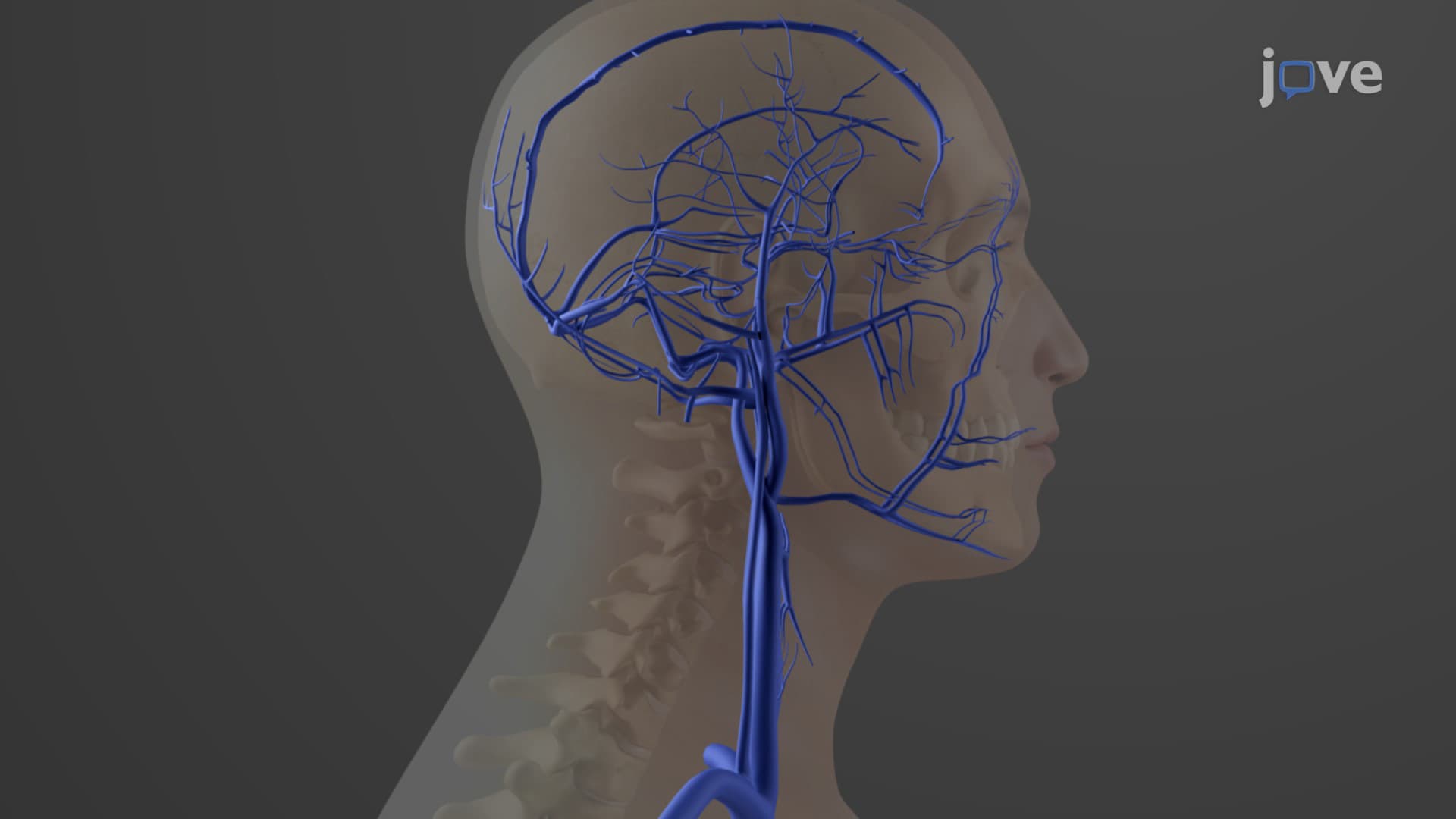
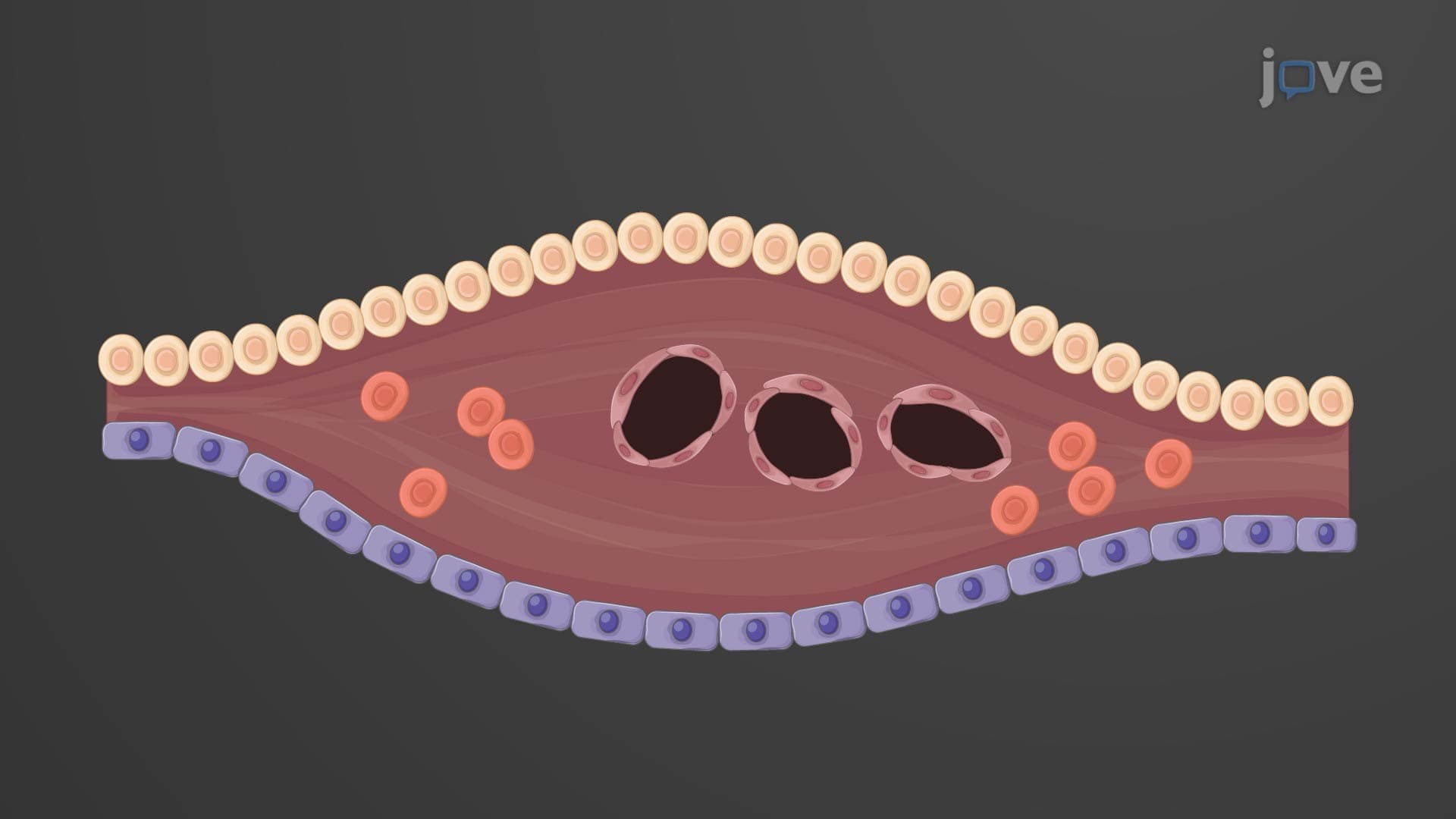
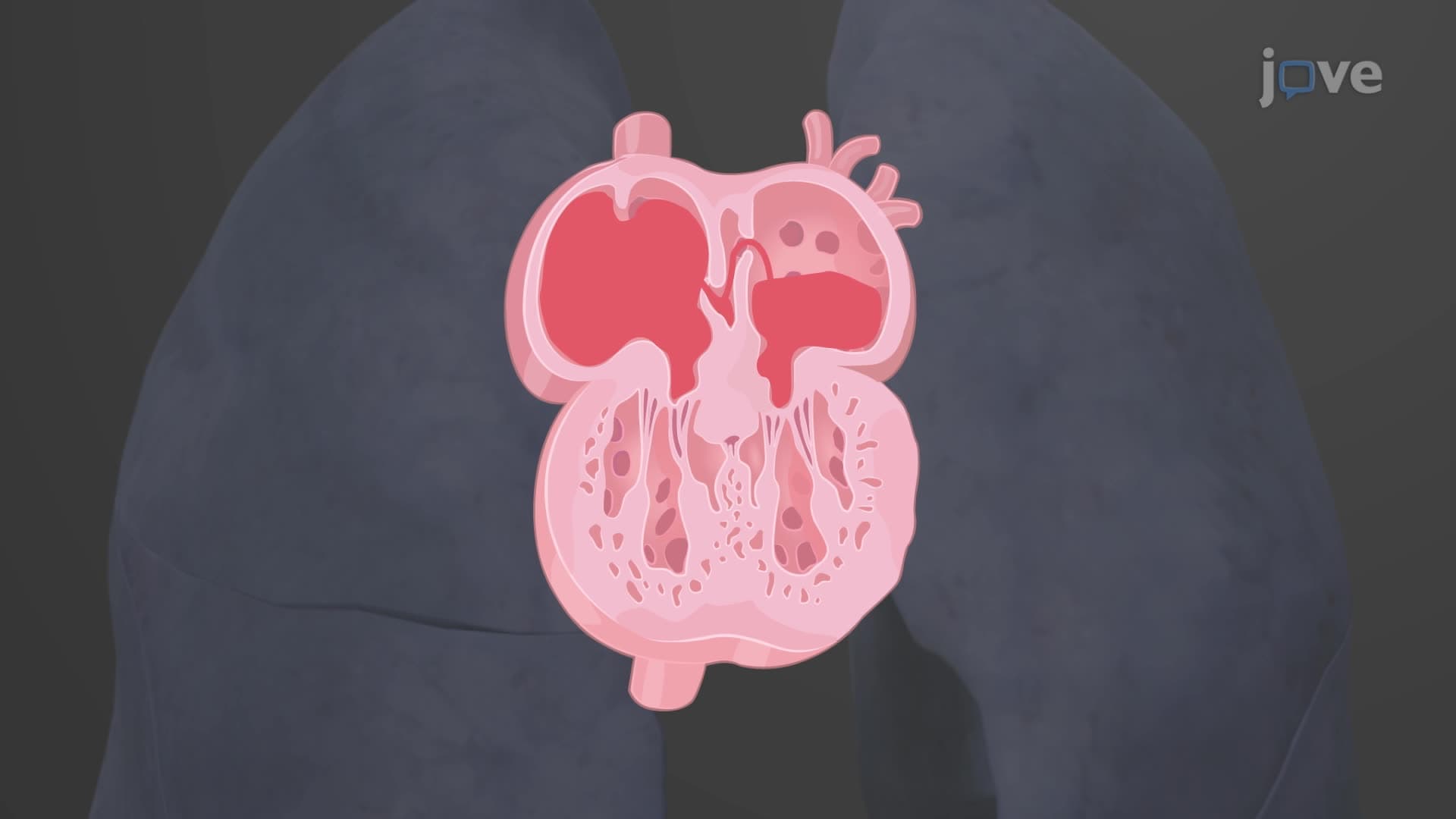
Venous sinuses represent highly specialized veins with unique structural modifications. The dural venous sinuses in the brain and the coronary sinus of the heart lack the typical three-layer structure, consisting only of endothelium. These adaptations facilitate specific functions-dural sinuses drain cerebrospinal fluid and blood from brain tissue, while the coronary sinus collects deoxygenated blood from heart muscle itself. Understanding these structures proves essential for students pursuing healthcare careers, as they're frequently tested on USMLE Step 1 examinations.
Related Micro-courses