Loading subject page…


149,645 views

Video Summary: What are Venules
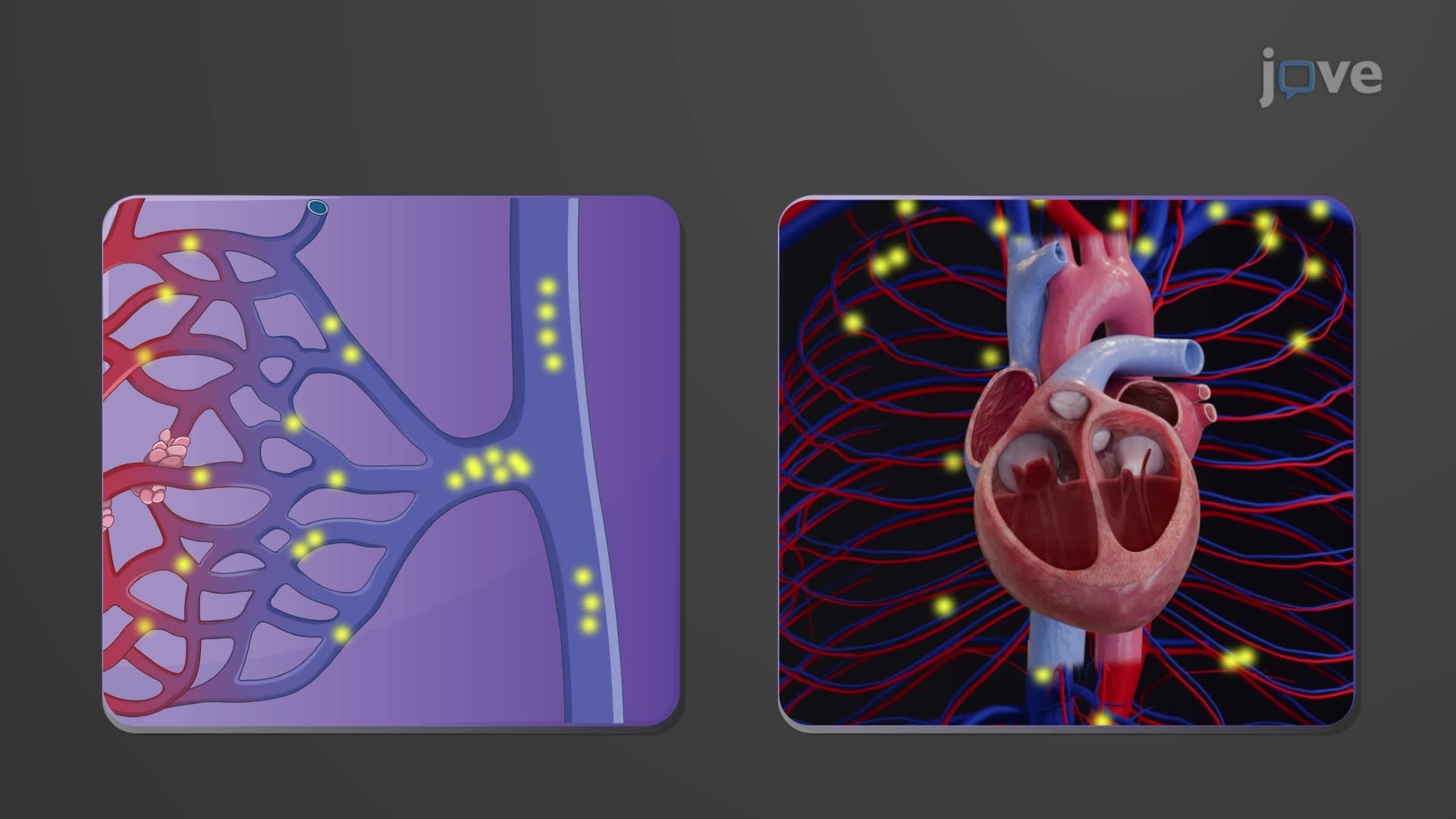
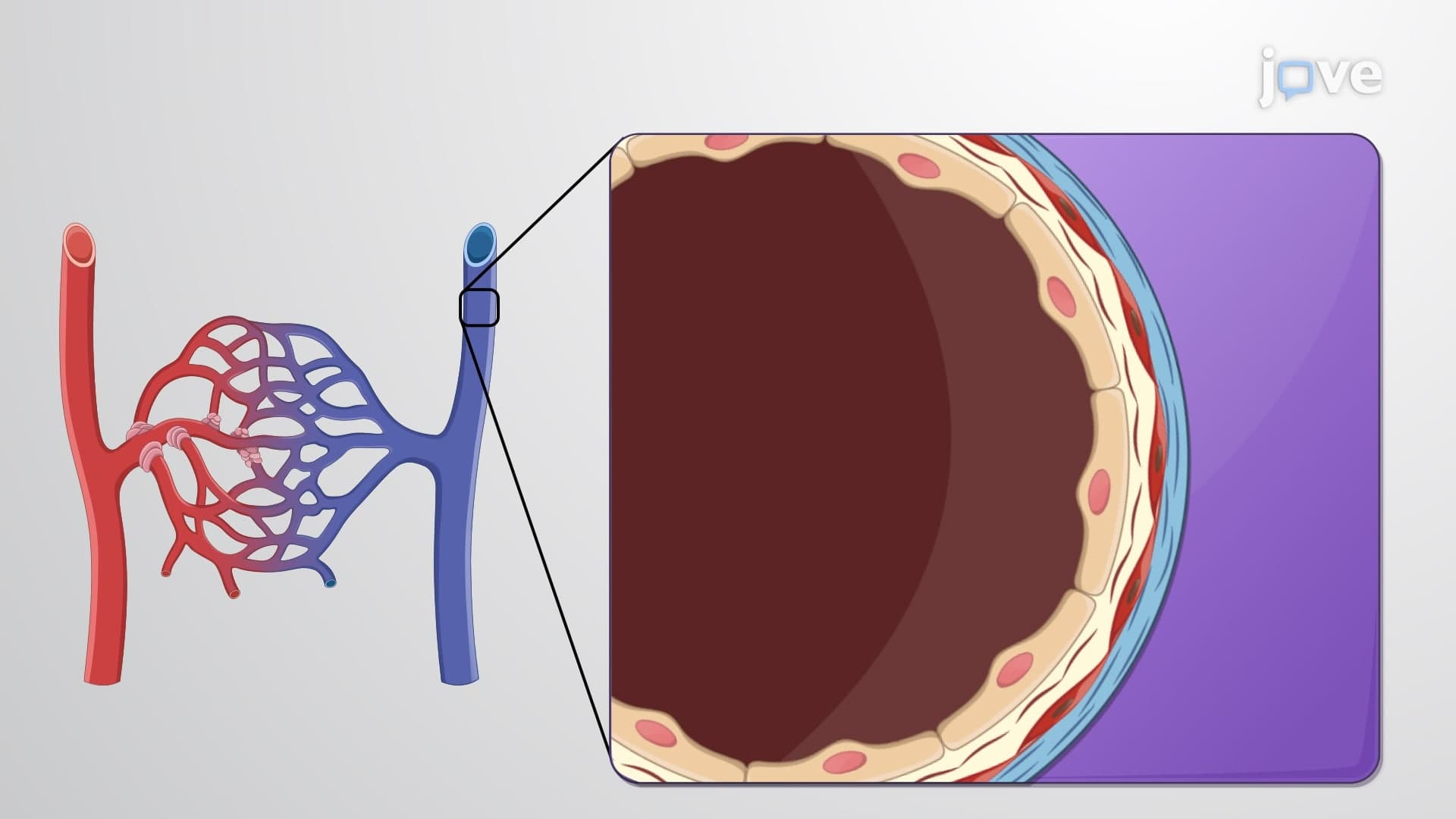
Ever wondered how blood from tiny capillaries gets back to your heart? Venules anatomy biology reveals these microscopic vessels as crucial blood collectors, ranging just 8-100 micrometers in diameter. In US medical schools, students study how postcapillary venules near tissue beds facilitate the immune response during inflammation, like when white blood cells squeeze through venule walls during a sprained ankle. Watch the full video on JoVE Coach to master this concept with expert-led visuals and step-by-step explanations.
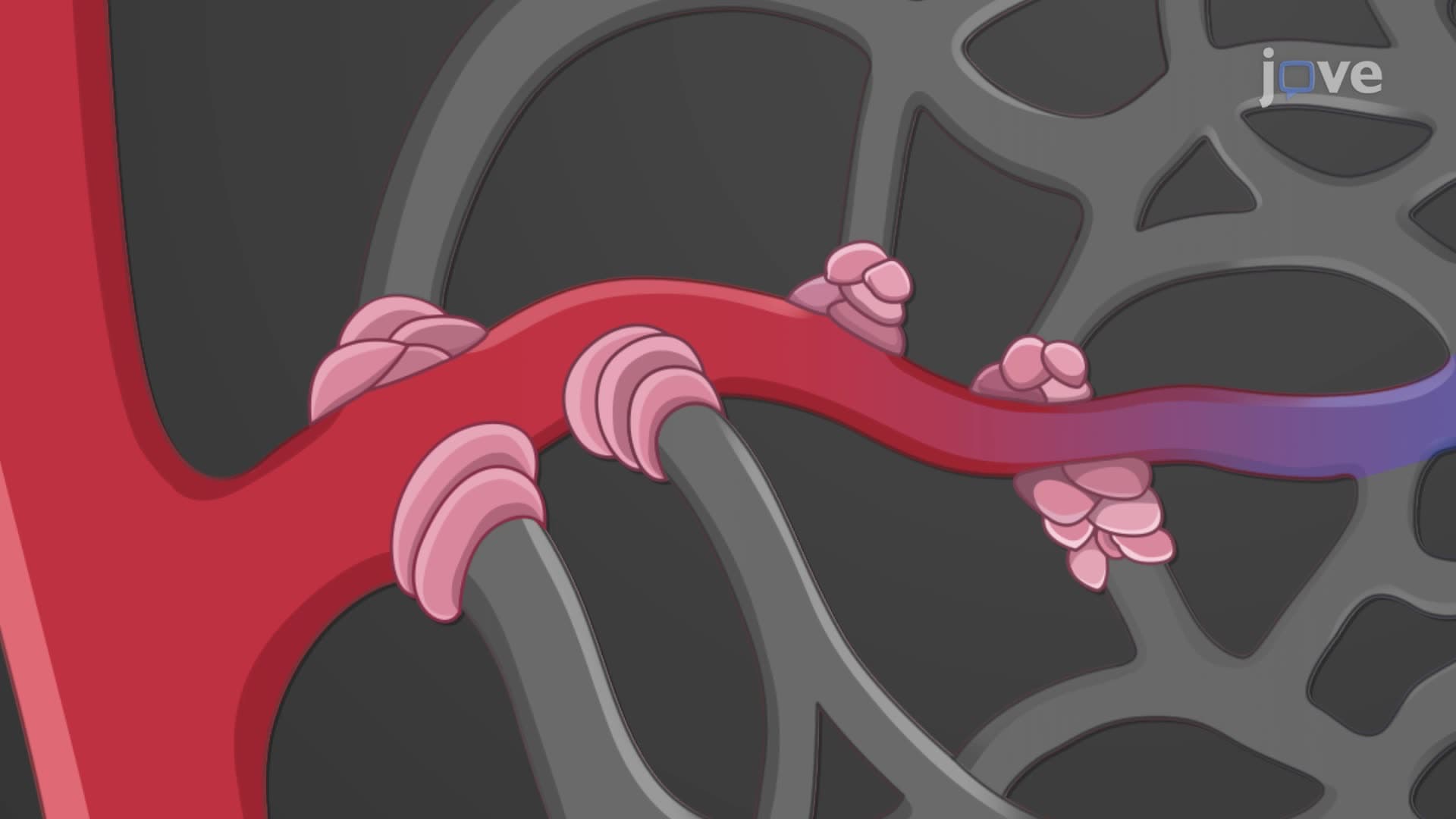
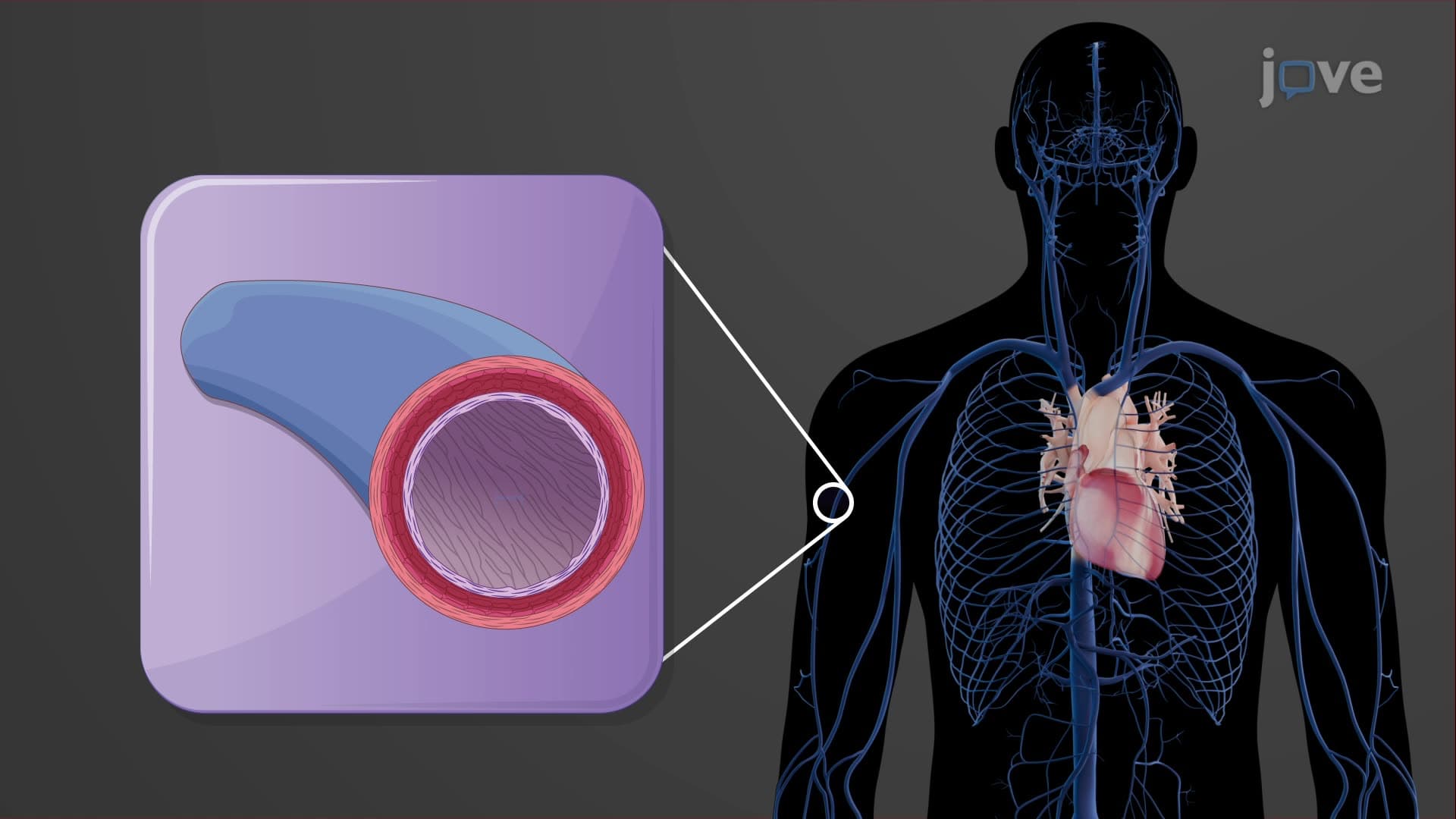
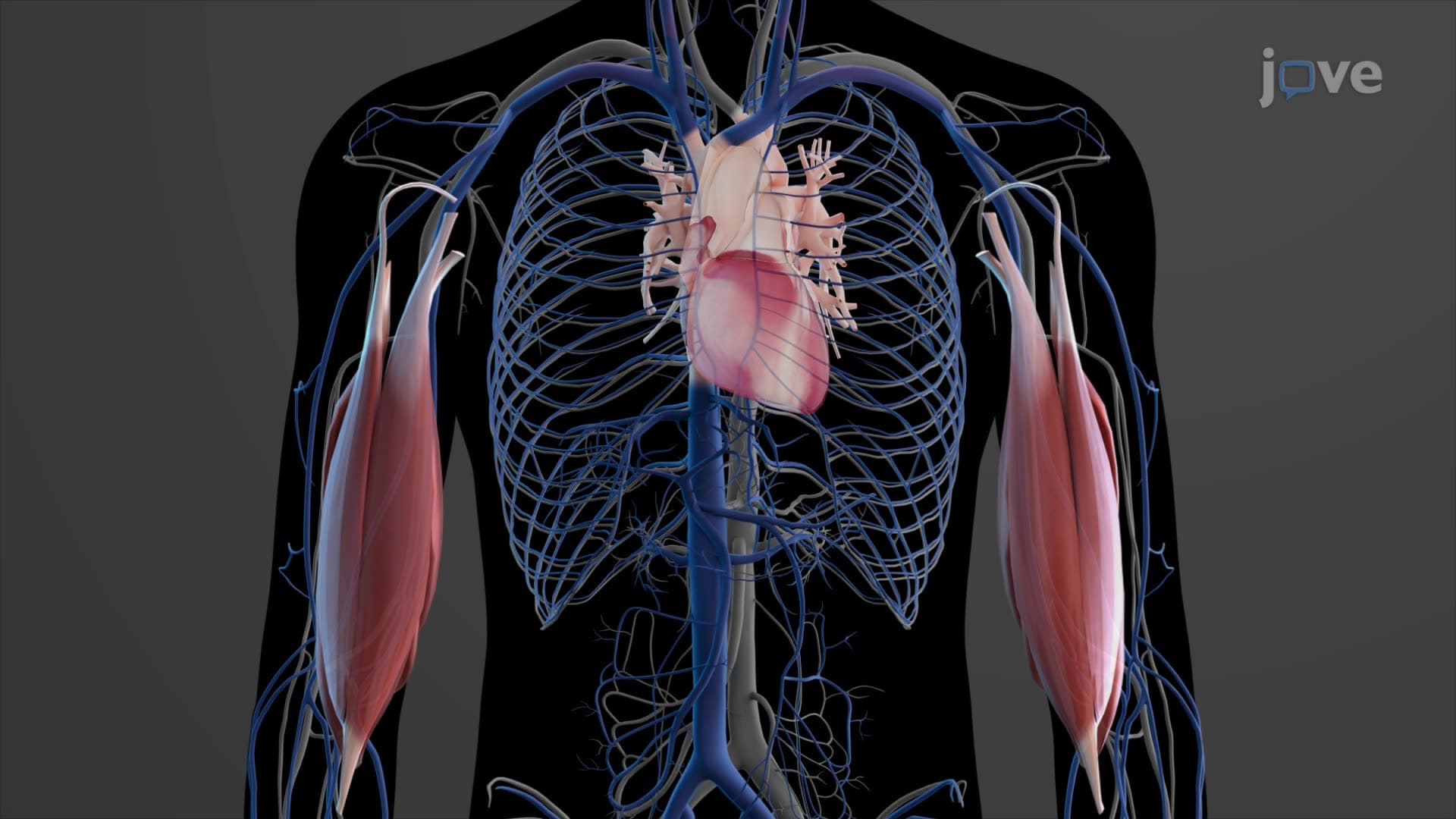
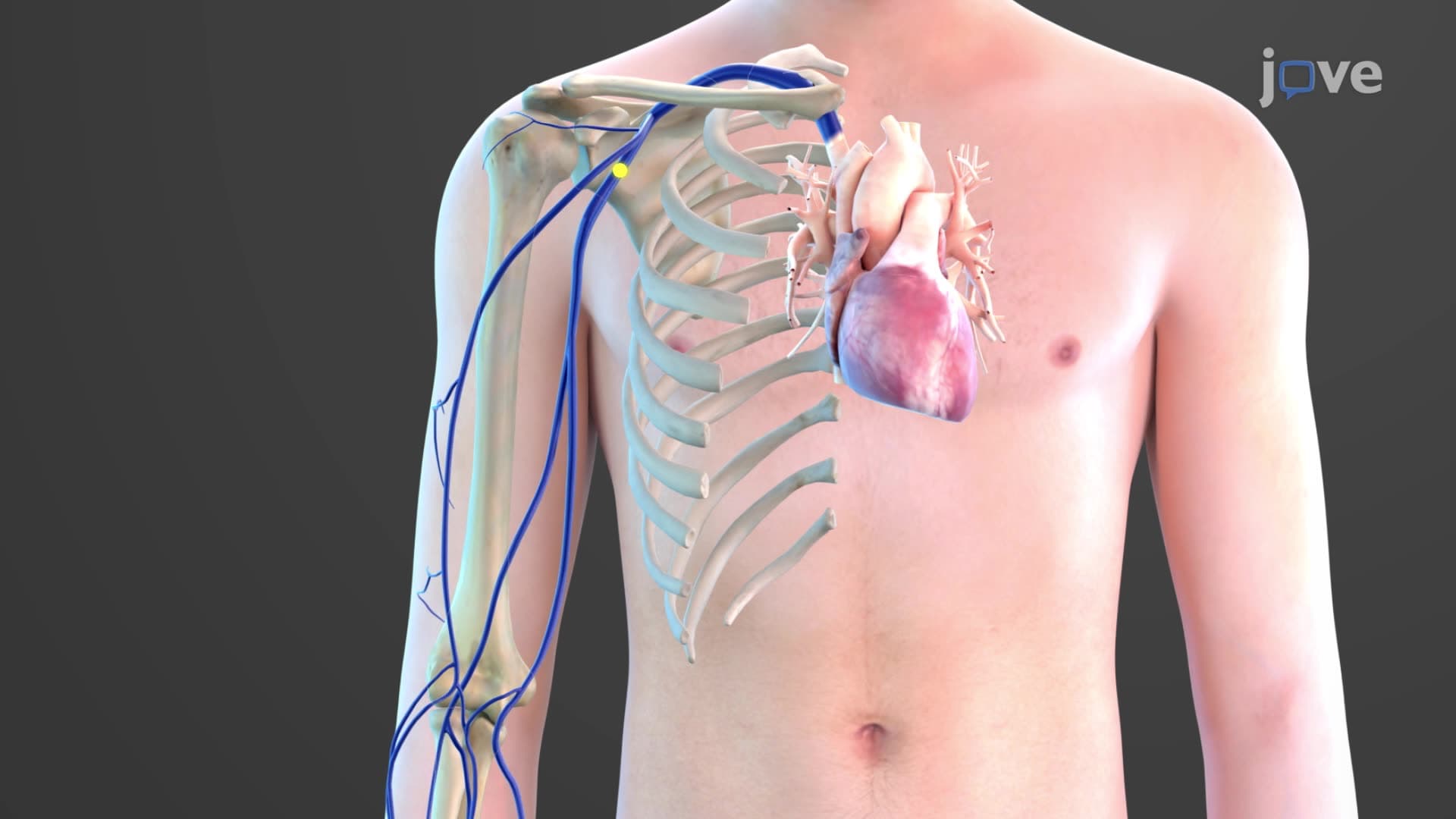
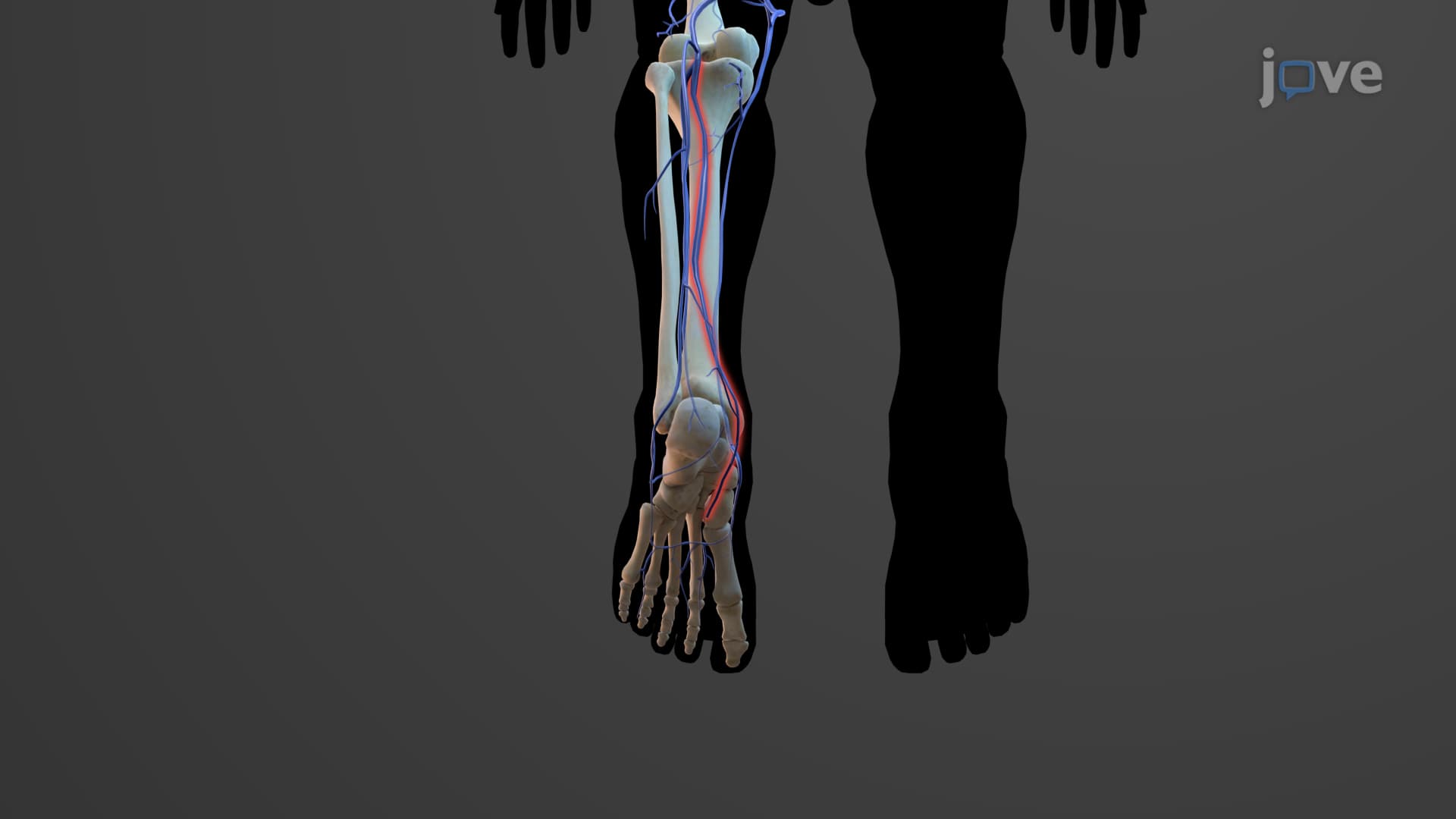
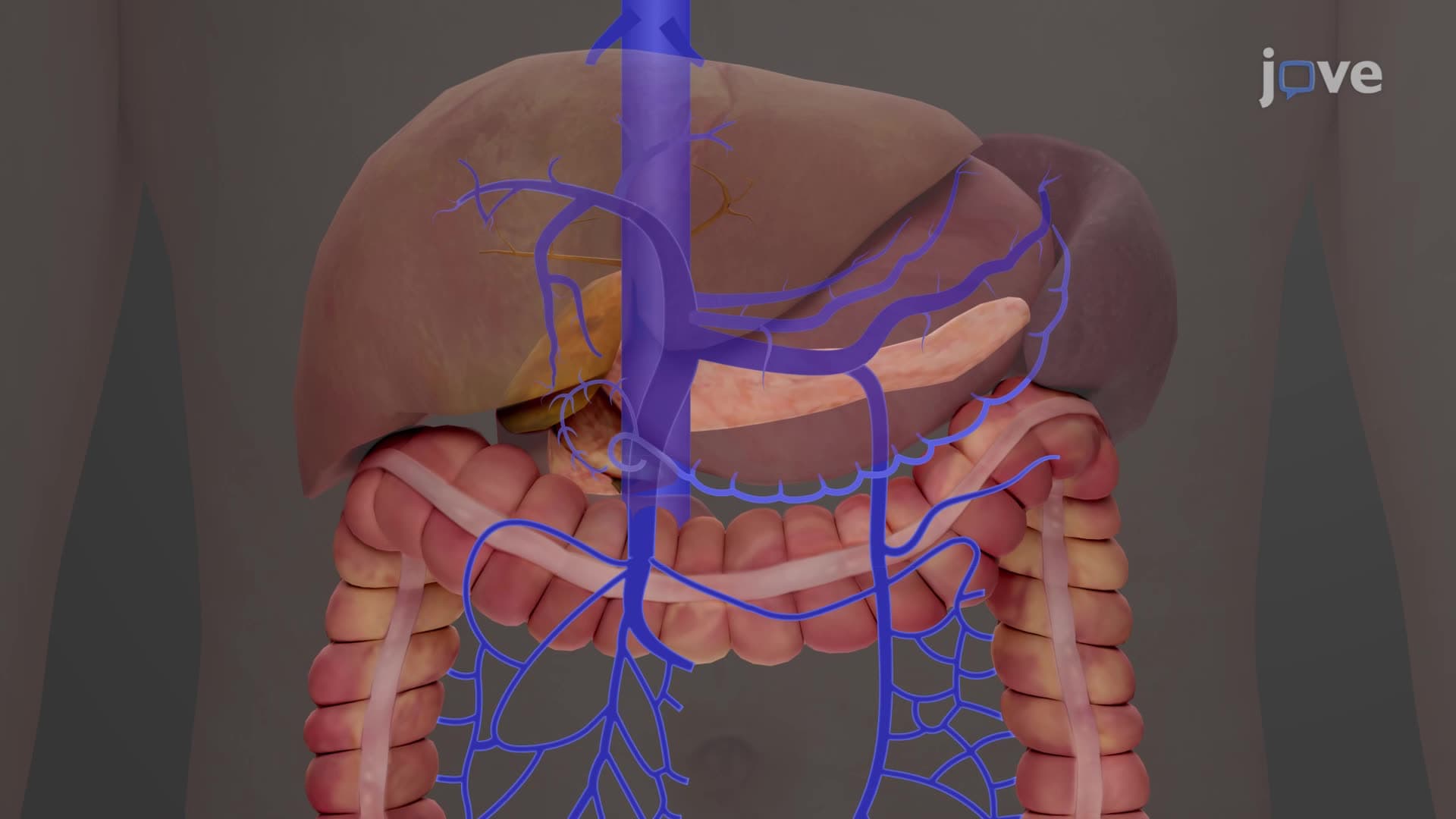
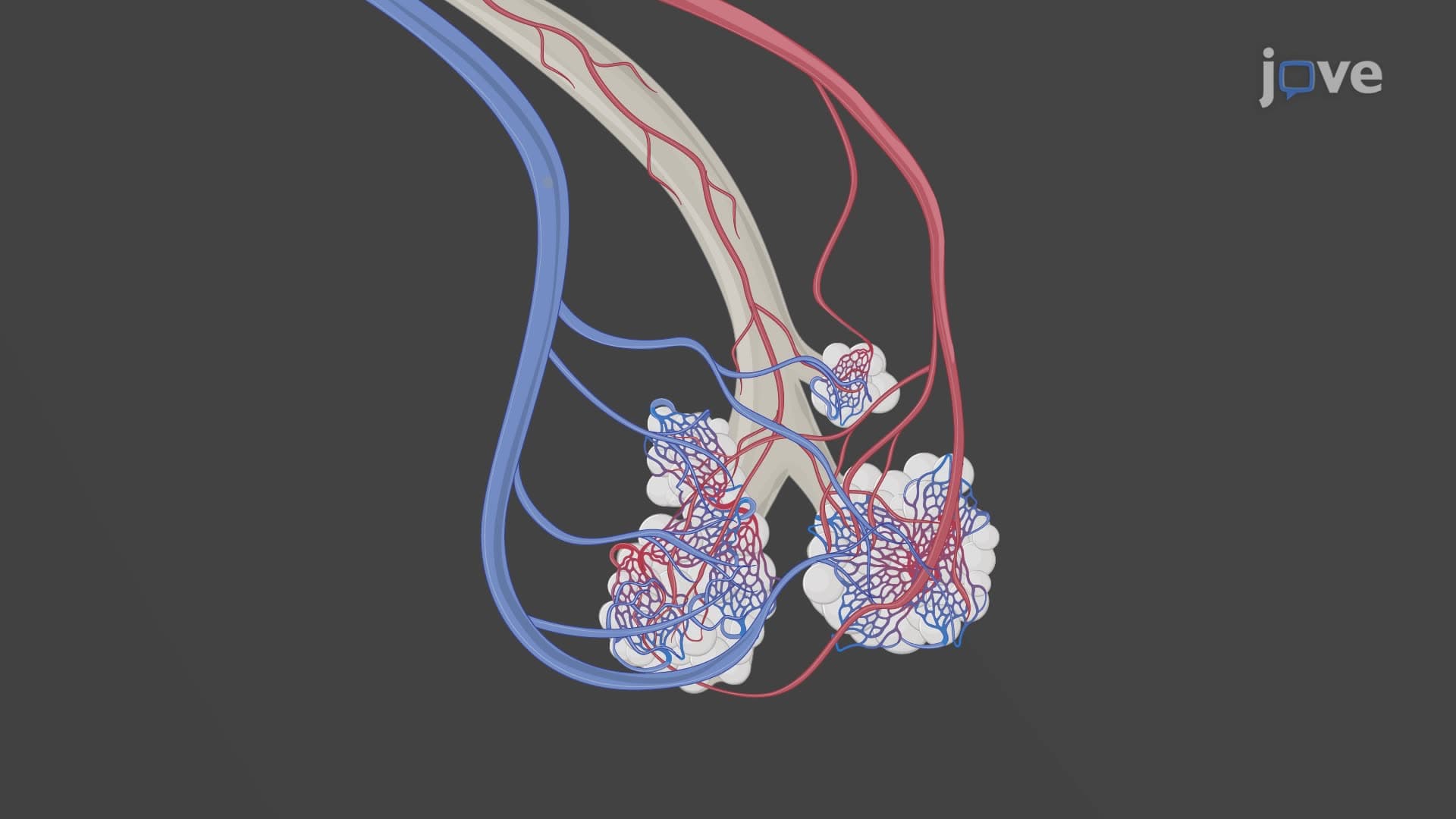
Venules anatomy biology forms a fundamental component of cardiovascular physiology that students encounter in AP Biology, college anatomy courses, and pre-medical studies. These microscopic vessels serve as the critical link between capillary beds and larger veins, collecting deoxygenated blood from tissues throughout the body.
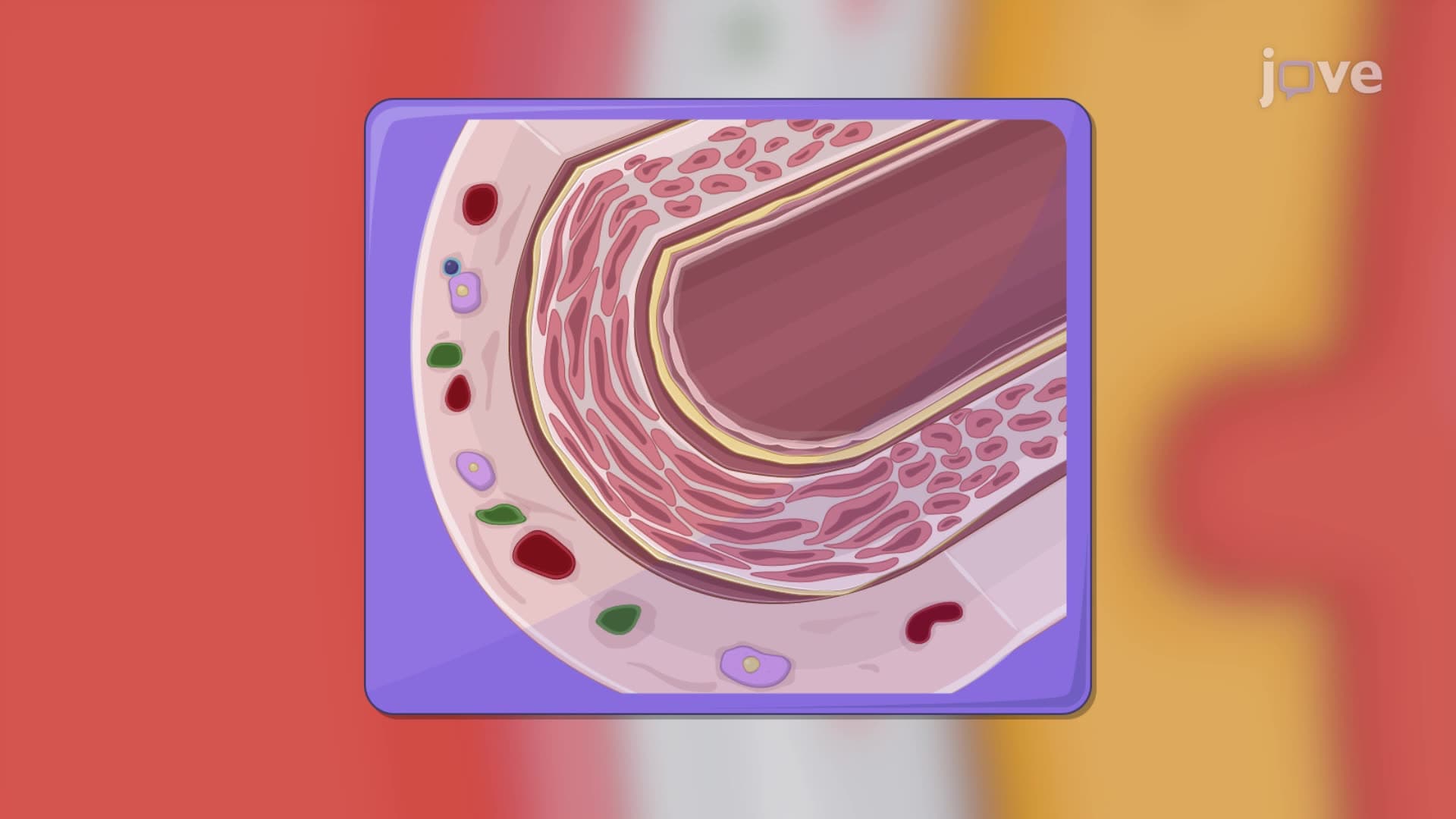
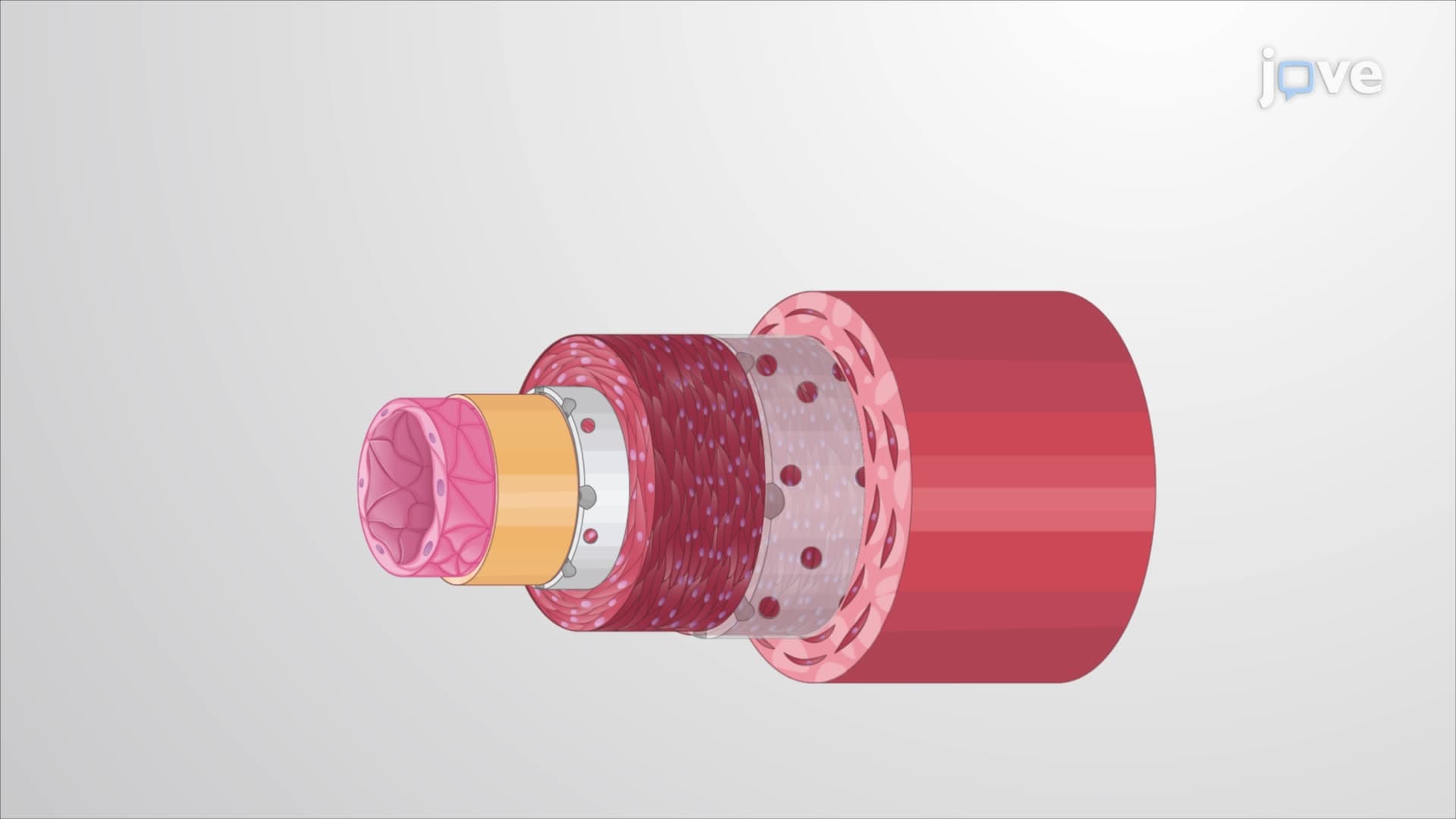
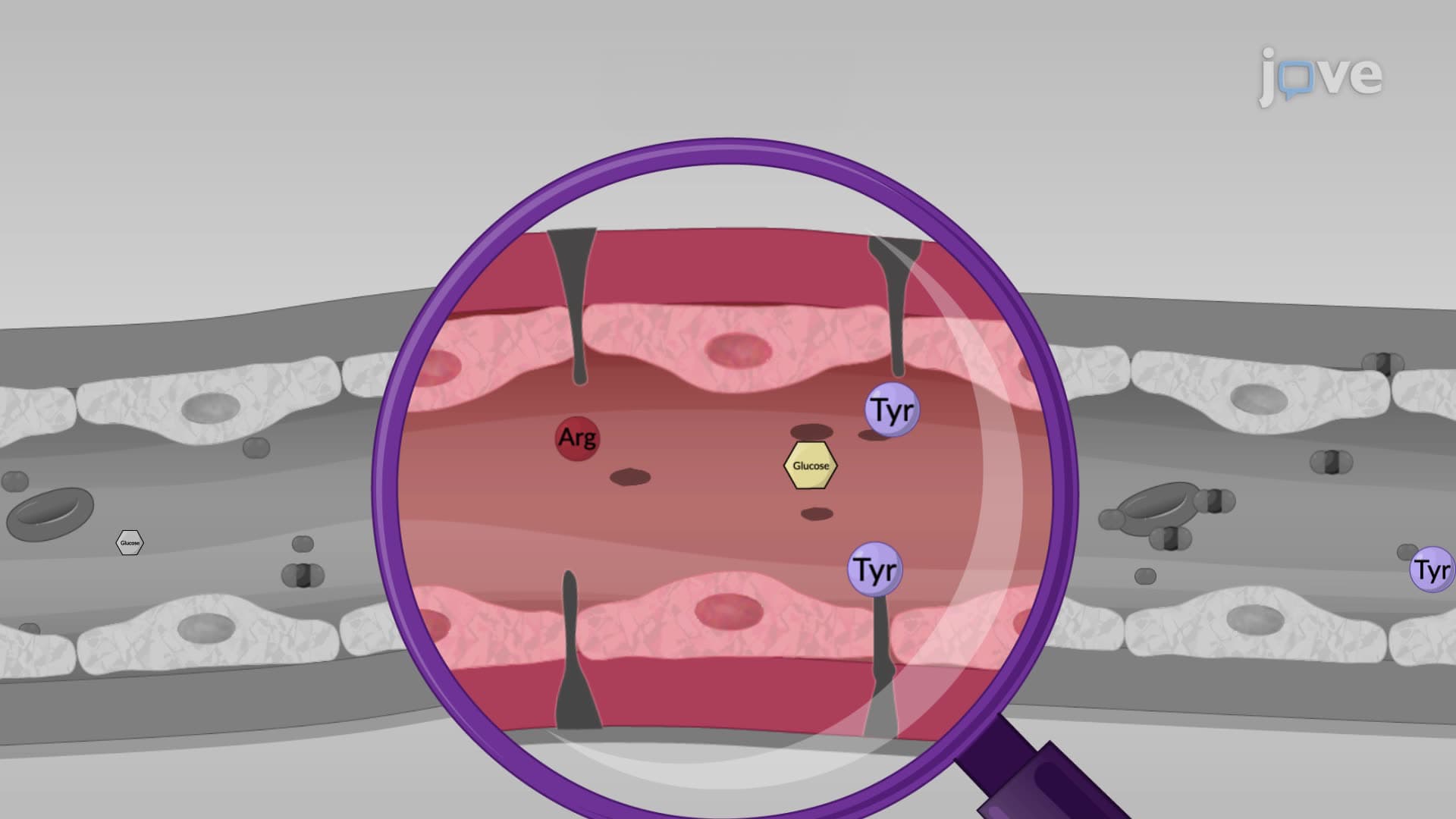
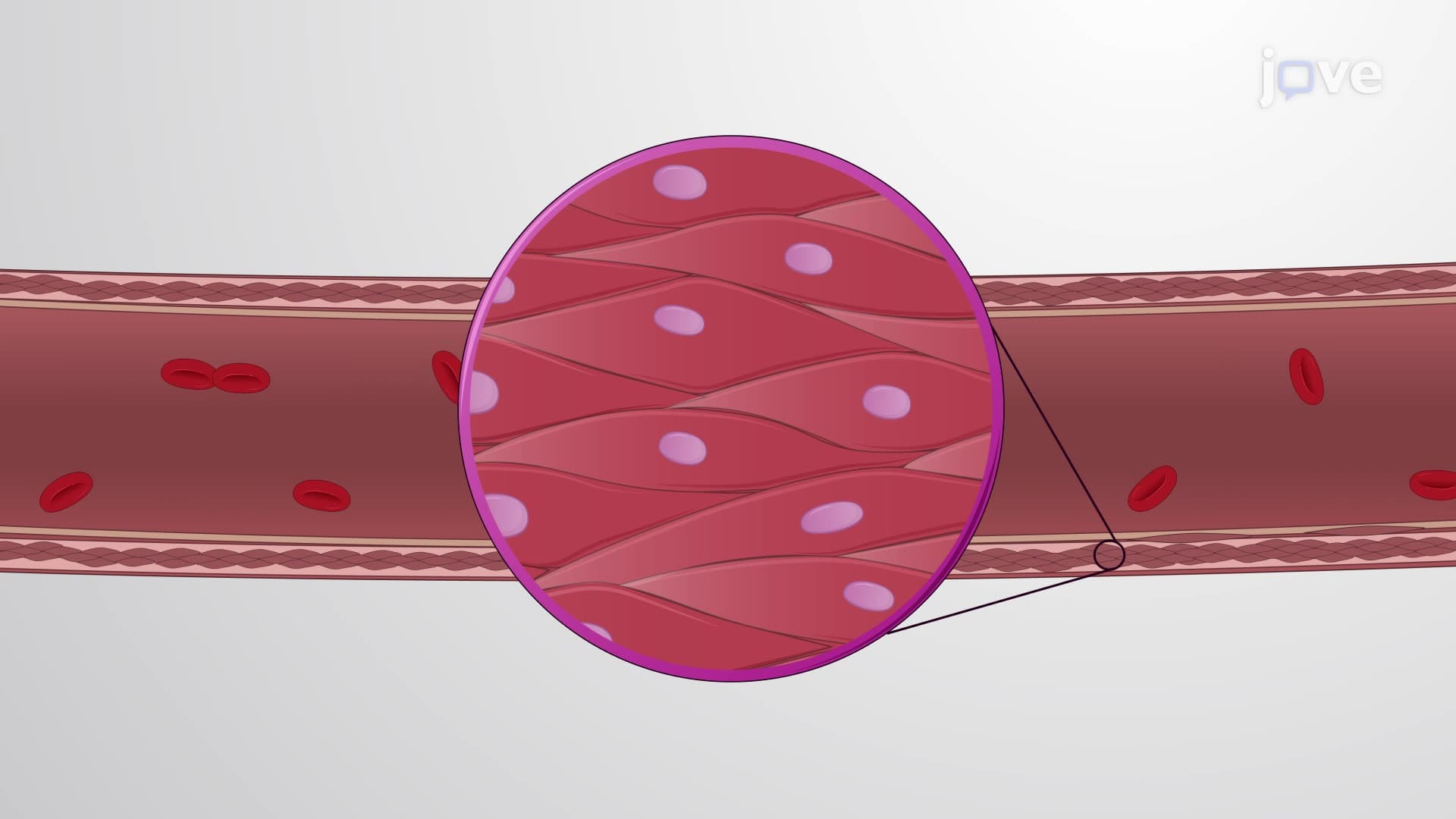
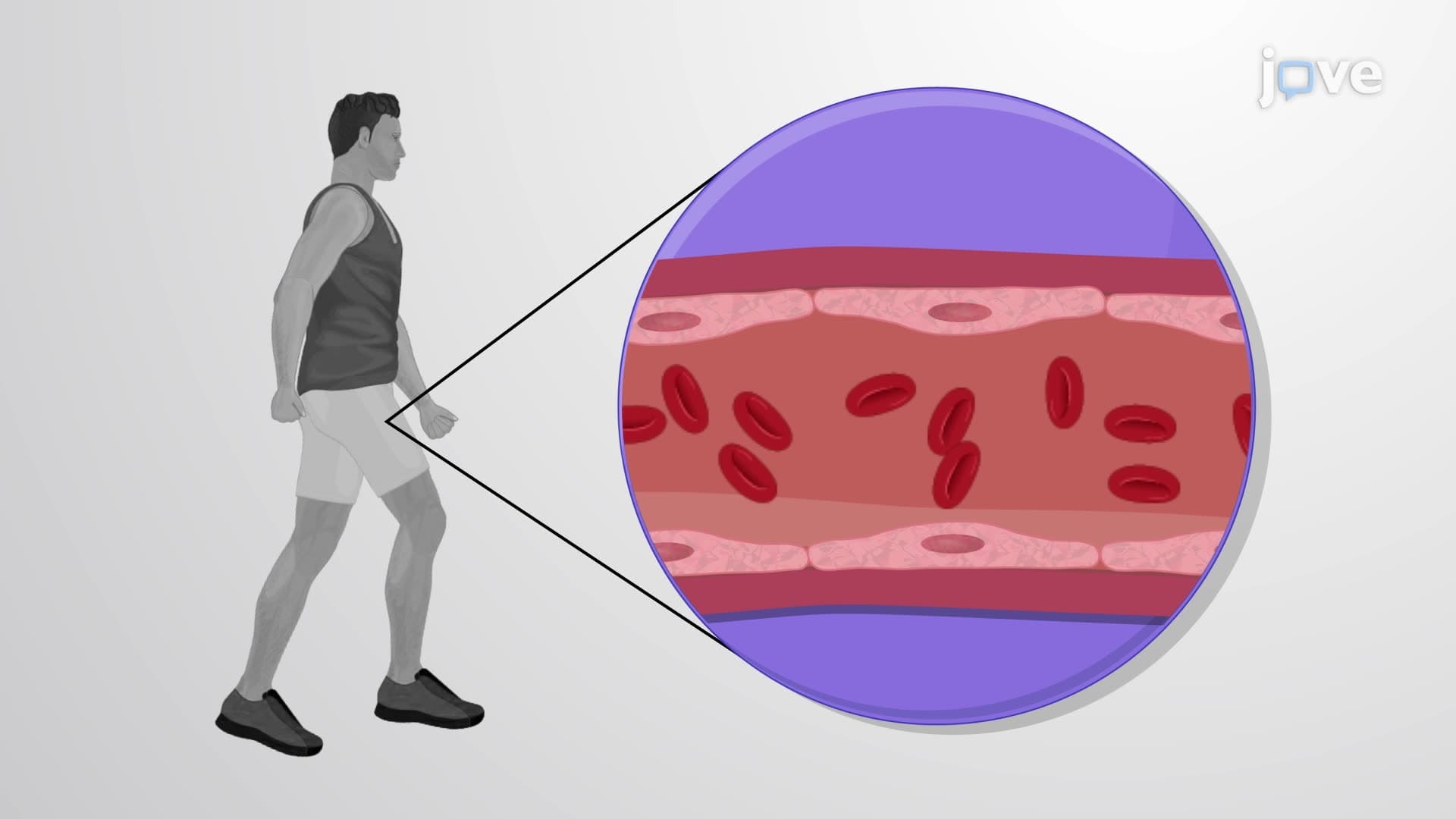
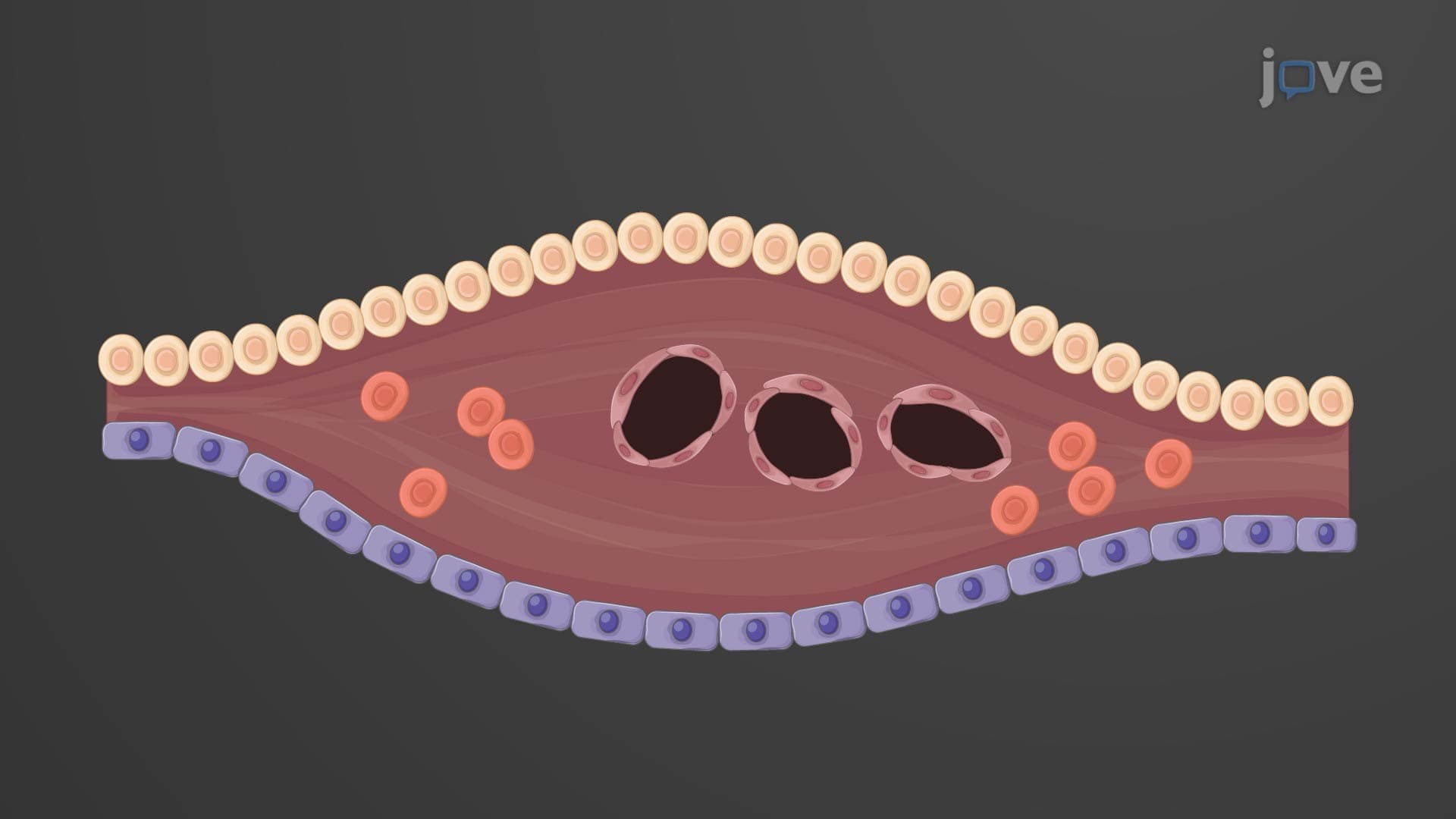
The venule structure and function demonstrates remarkable adaptation to physiological needs. Postcapillary venules, measuring 8-30 micrometers in diameter, possess the thinnest walls in the vascular system. Their structure includes a single endothelial layer surrounded by minimal smooth muscle and connective tissue. This design maximizes permeability, allowing efficient exchange of nutrients, waste products, and immune cells.
As venules progress away from capillary beds, they acquire additional smooth muscle layers, transforming into muscular venules spanning 50-200 micrometers. This structural evolution reflects their changing function-from exchange vessels to transport conduits. Students preparing for the MCAT often encounter questions about this structural-functional relationship.
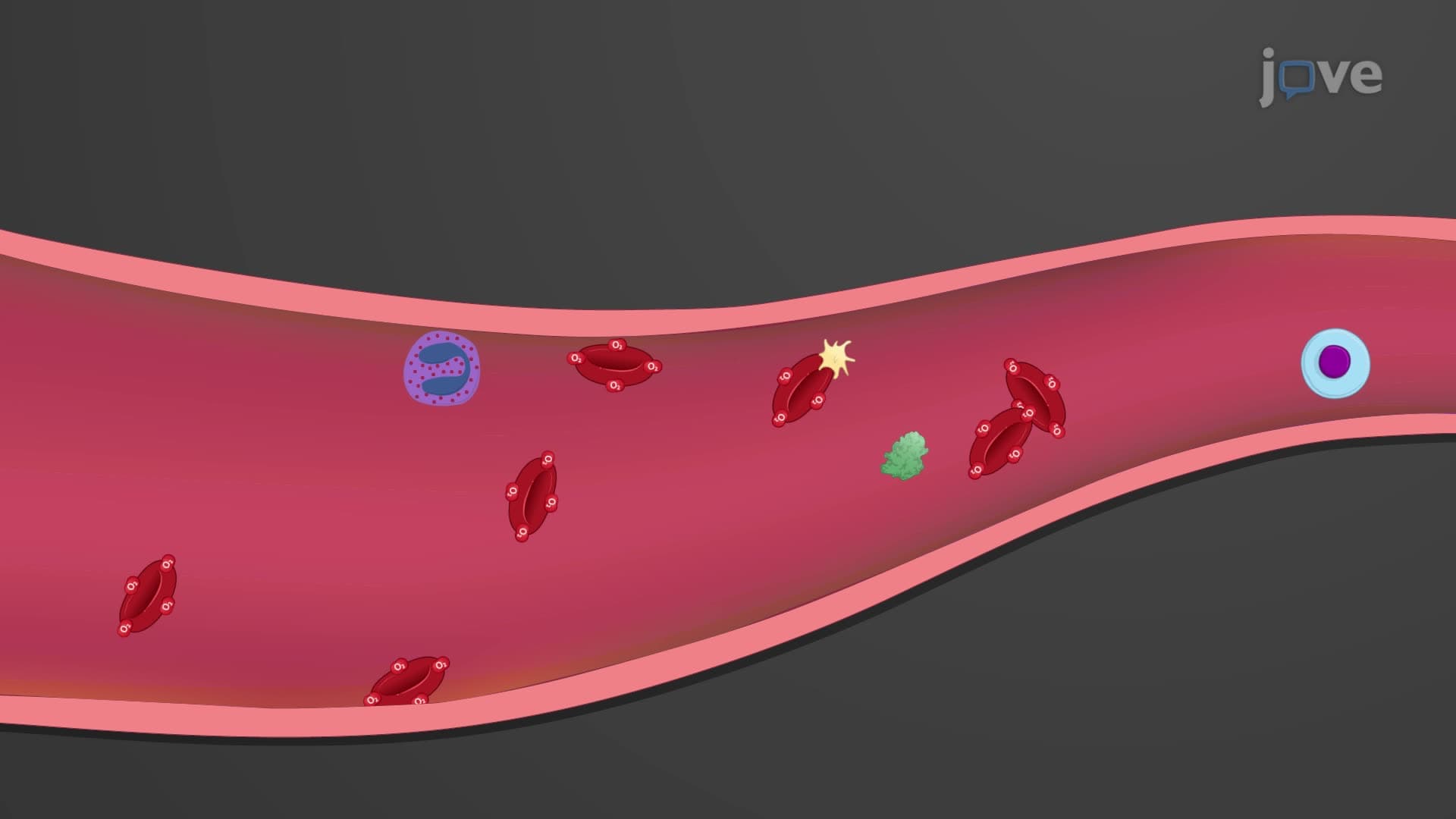
What are venules in vascular anatomy becomes particularly relevant when studying inflammation and immune responses. During allergic reactions or infections, postcapillary venules become primary sites where white blood cells exit the bloodstream. For example, during a bee sting reaction in a patient at Johns Hopkins Hospital, histamine causes venule dilation and increased permeability, allowing immune cells to reach affected tissues.
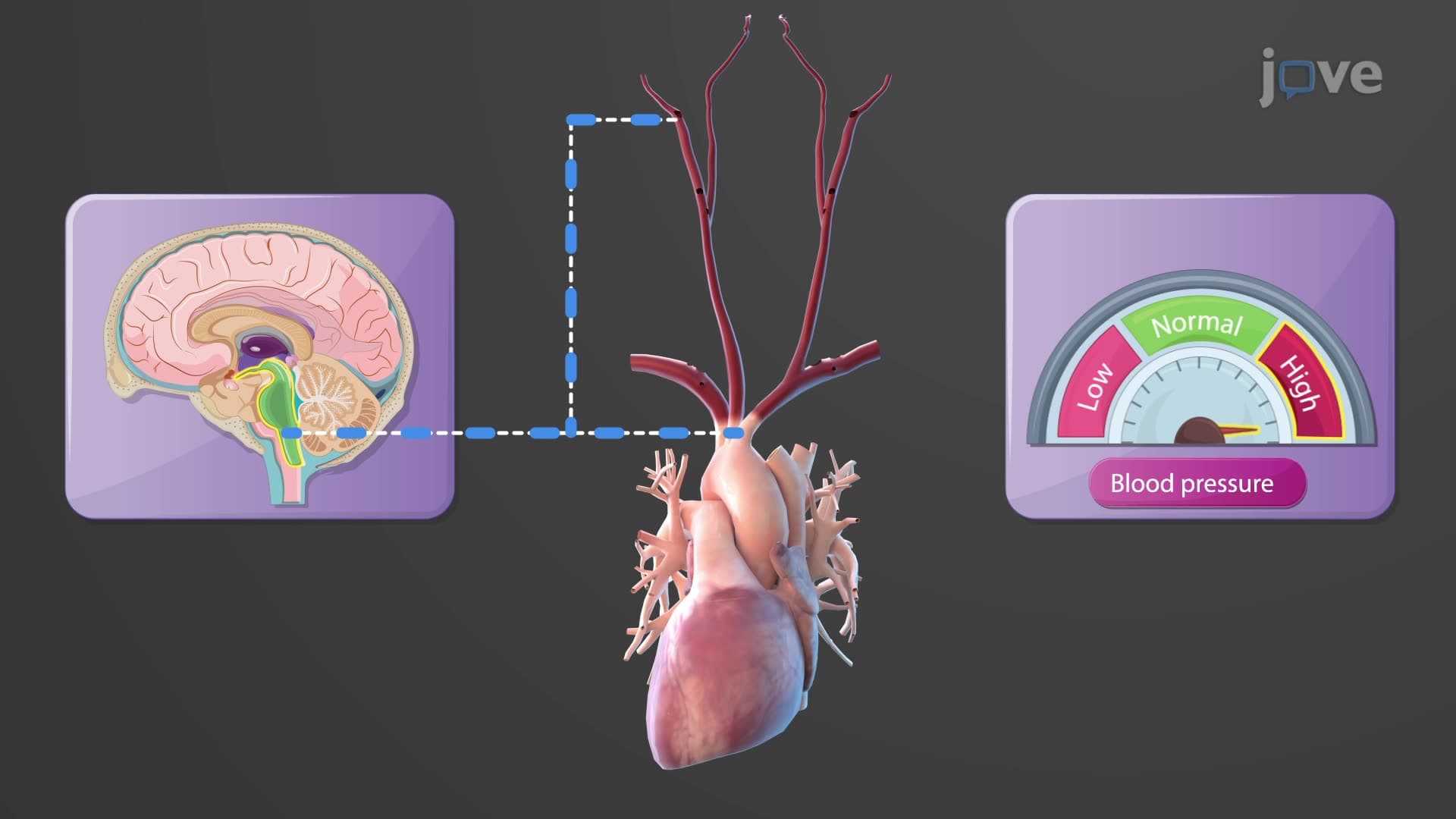
Venules serve as capacitance vessels, capable of significant expansion to accommodate varying blood volumes. This reservoir function proves crucial during hemorrhage or dehydration, when venules can constrict to maintain central blood pressure. Medical students at Harvard Medical School study how venule compliance contributes to overall cardiovascular homeostasis, particularly relevant for USMLE Step 1 examinations.
Related Micro-courses