Loading subject page…


149,645 views

Video Summary: What Is Anastomoses
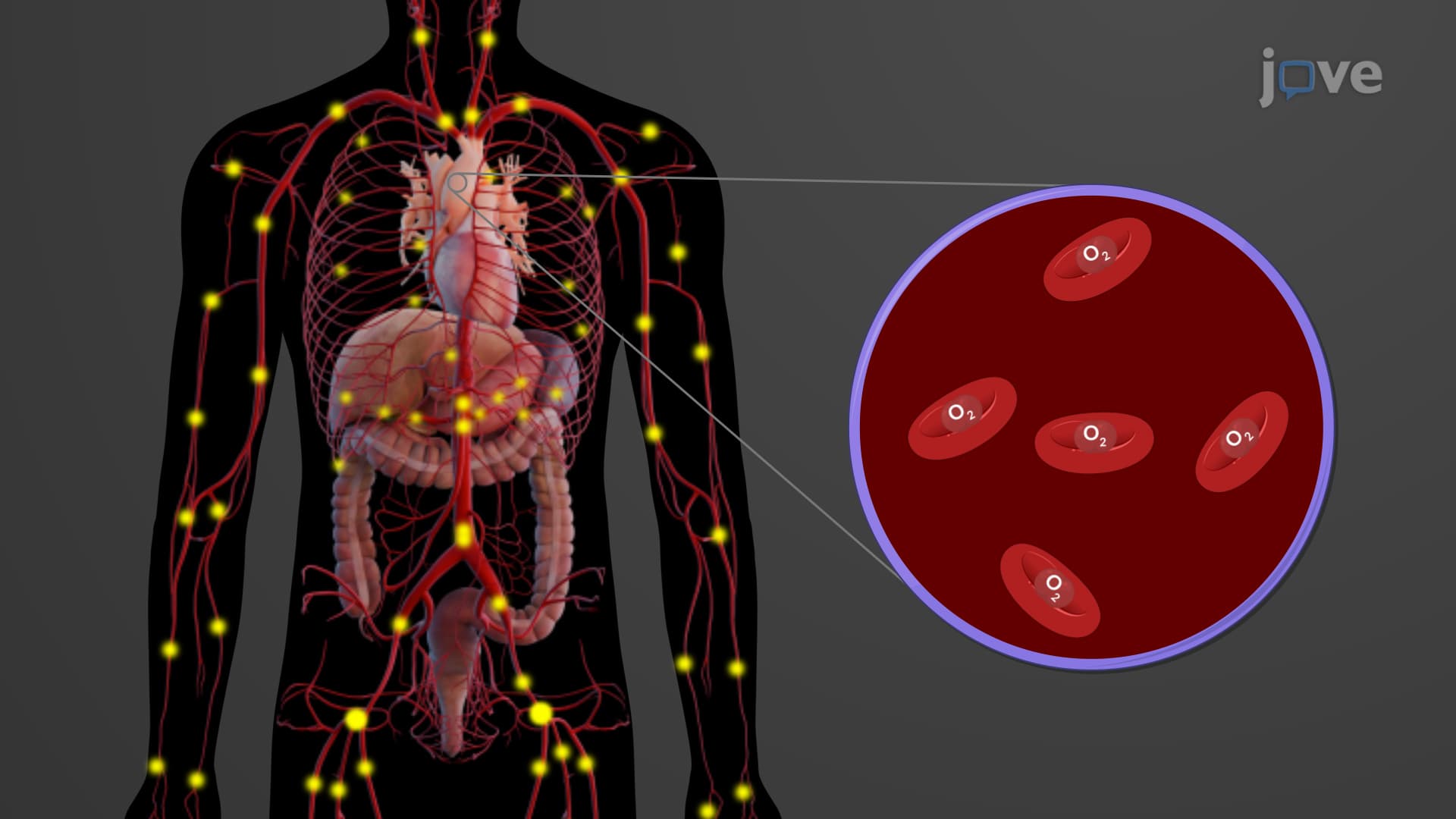
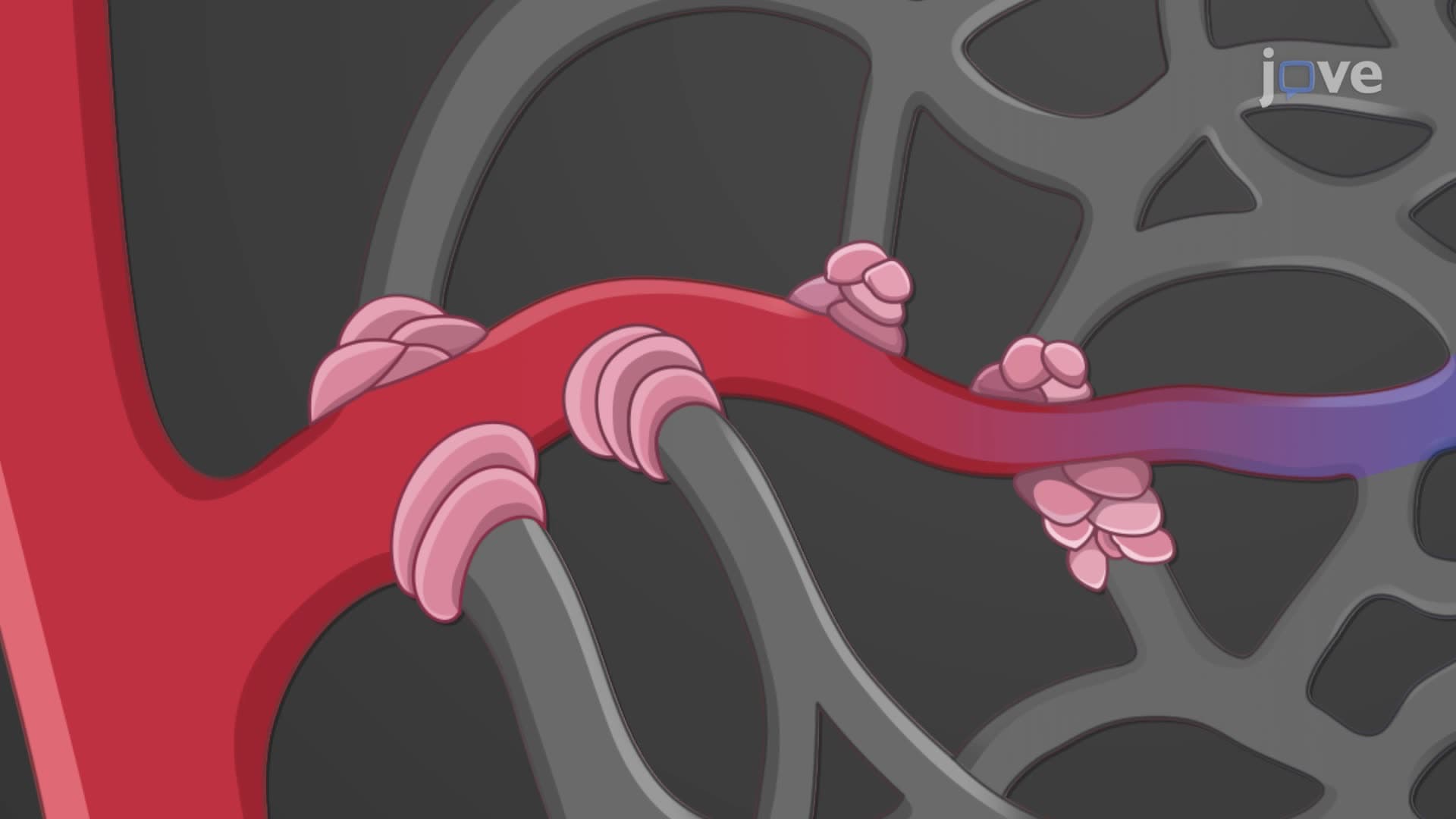
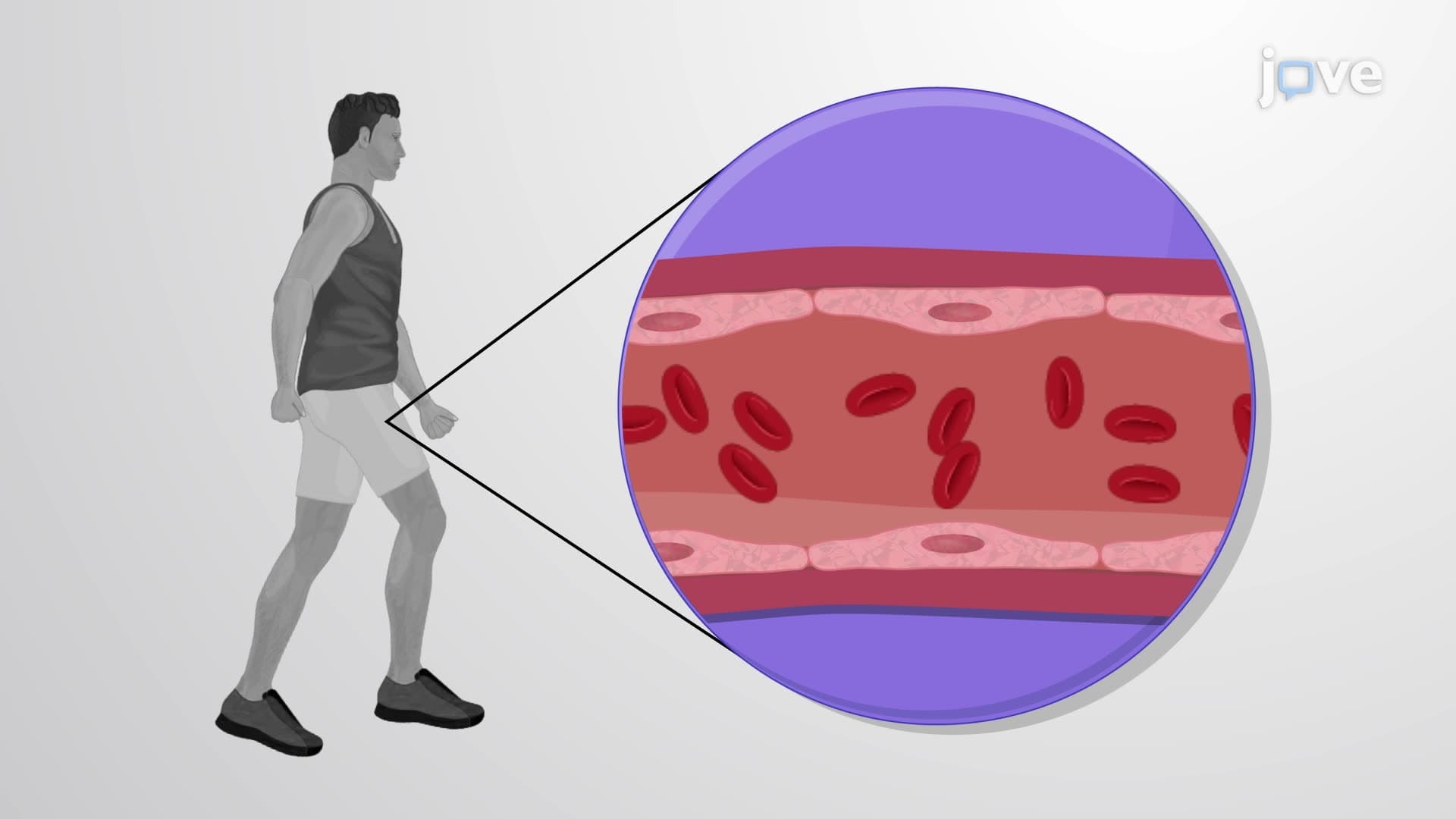
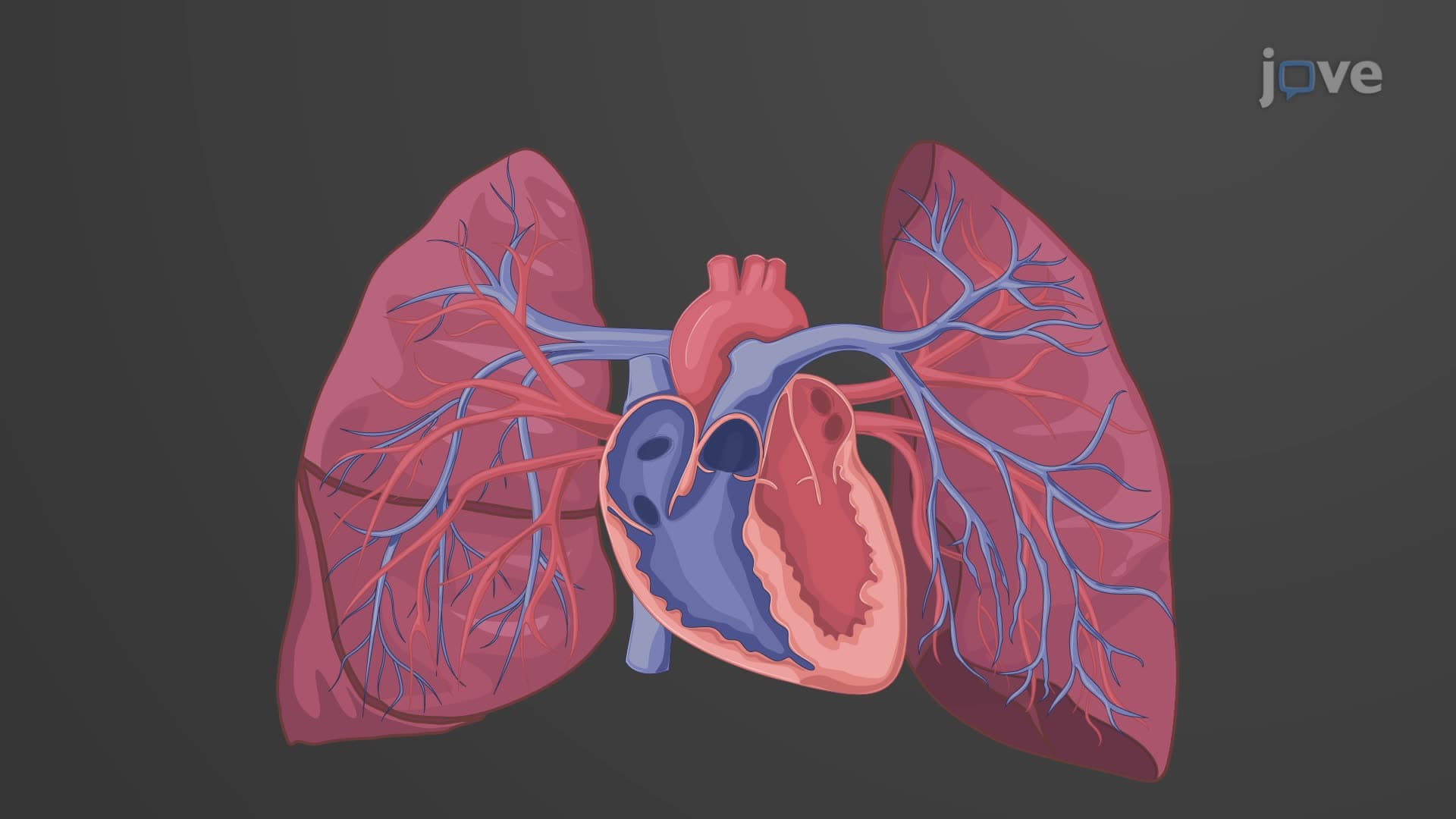
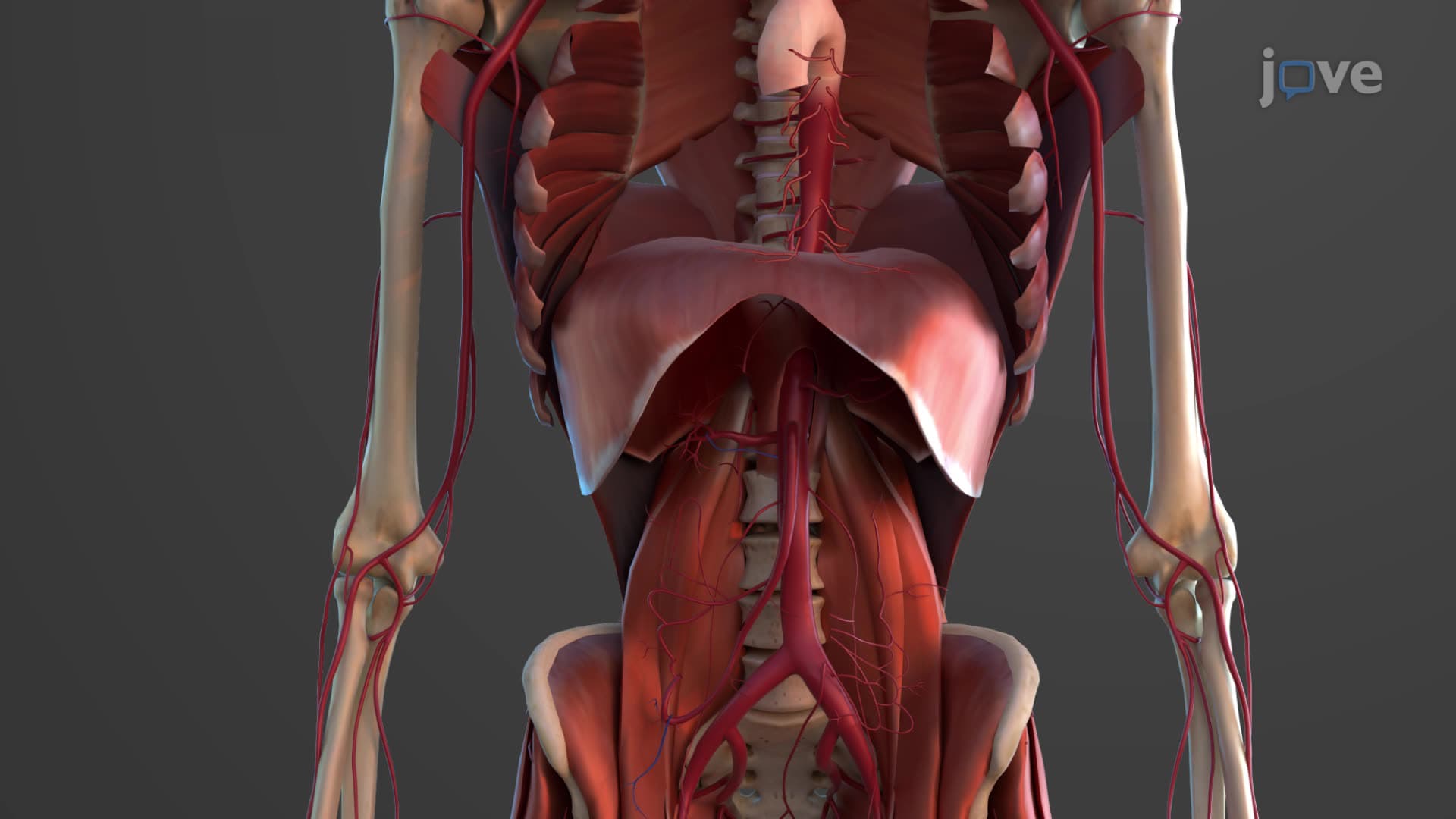
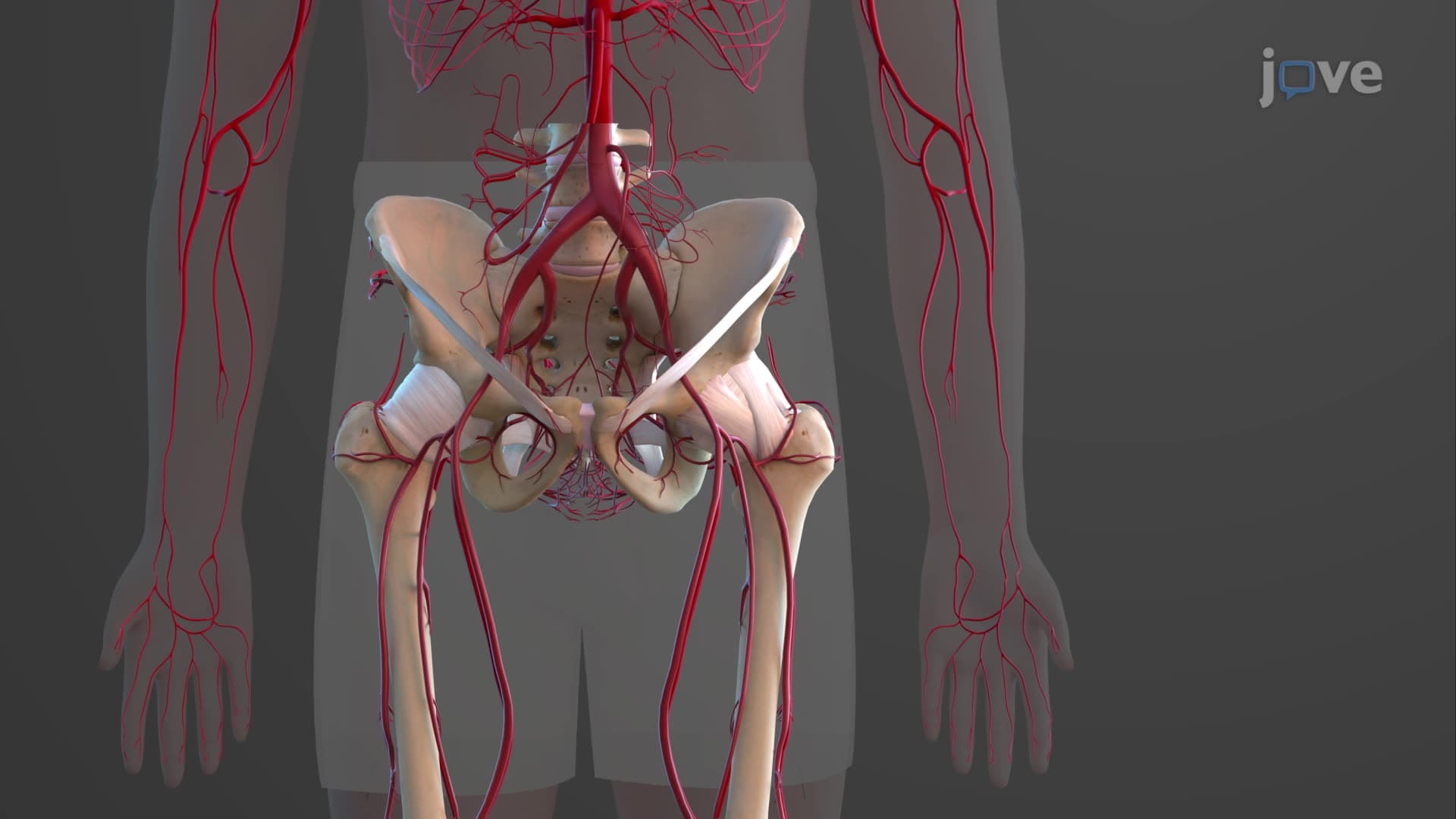
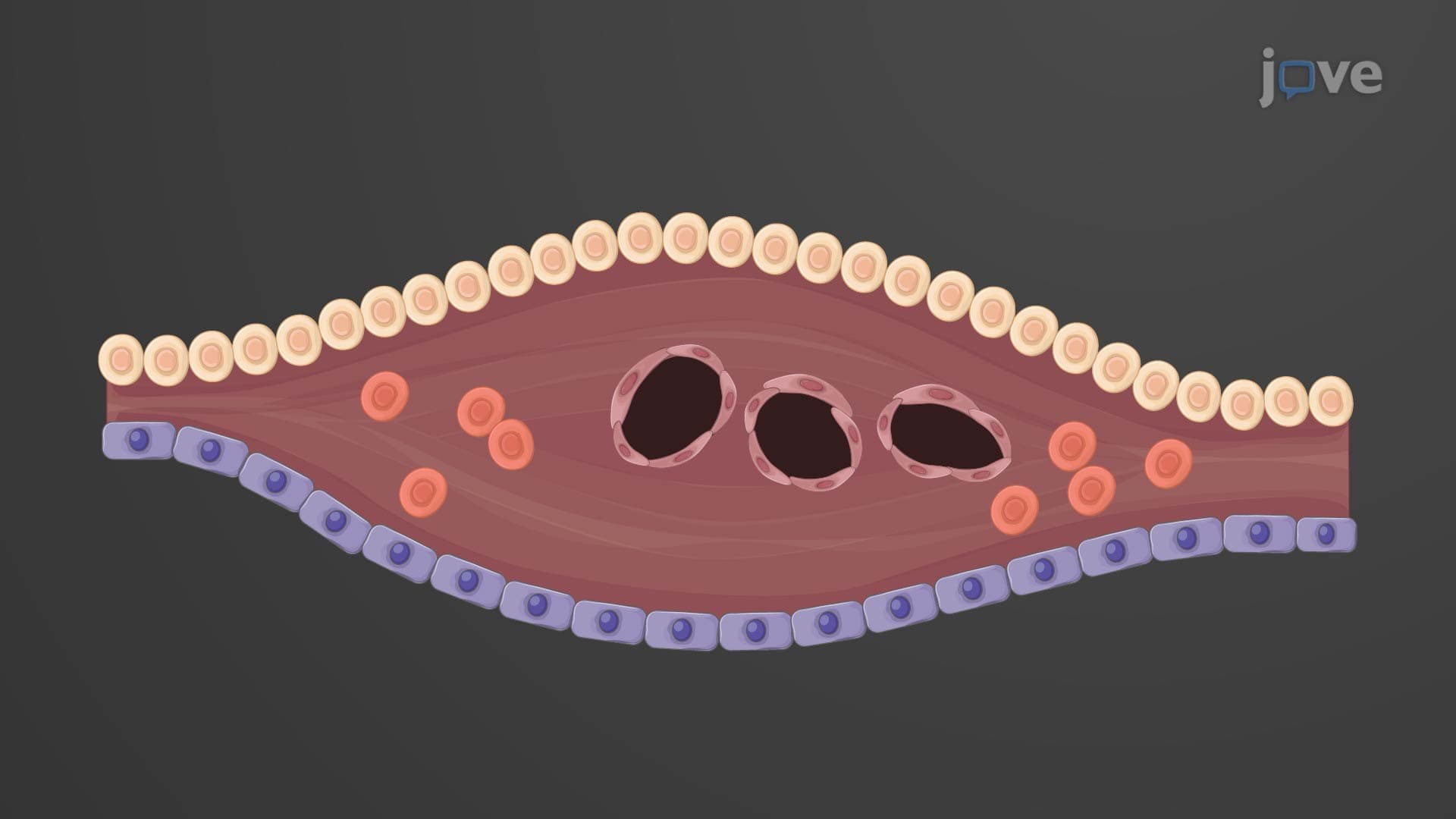
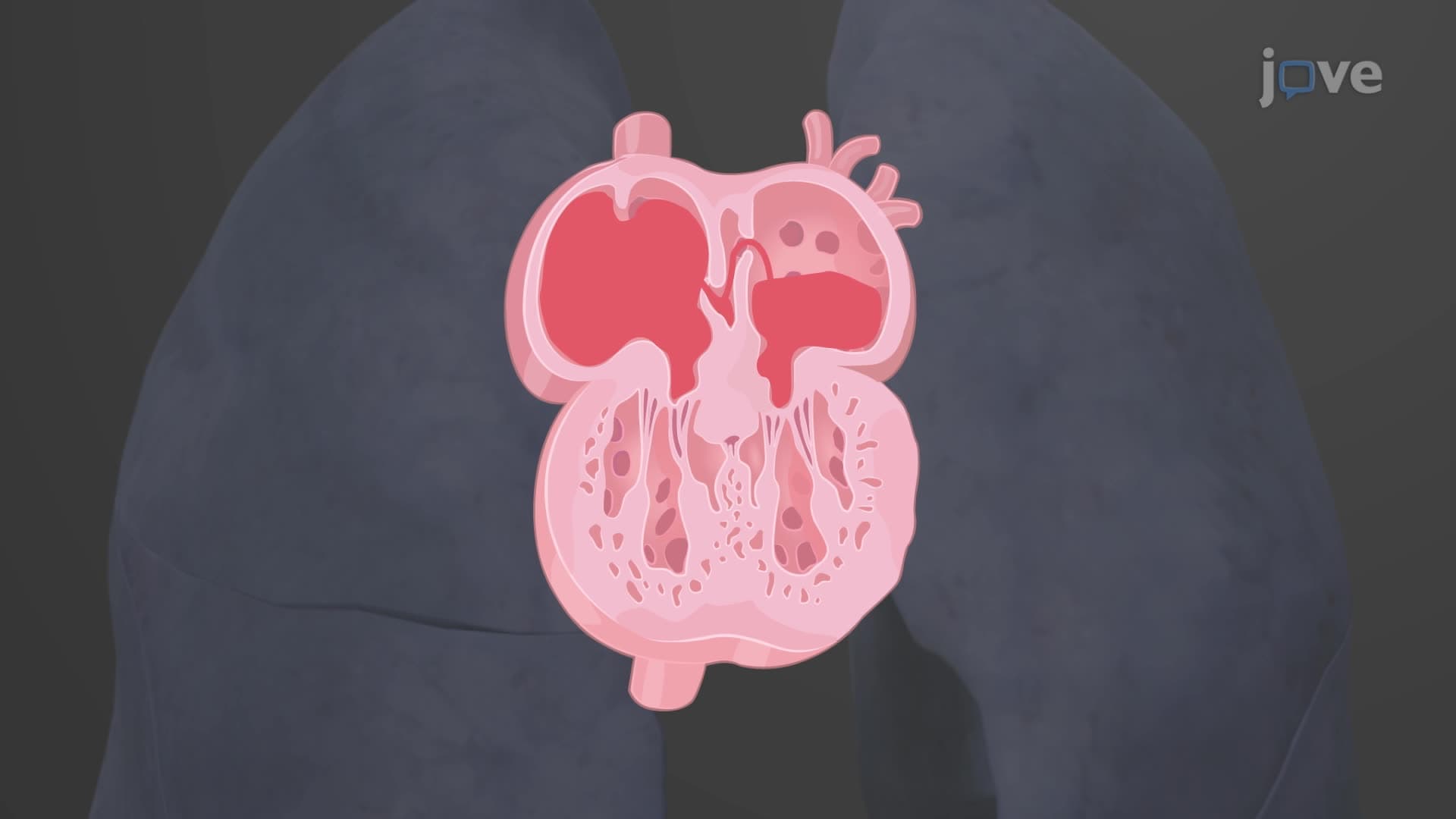
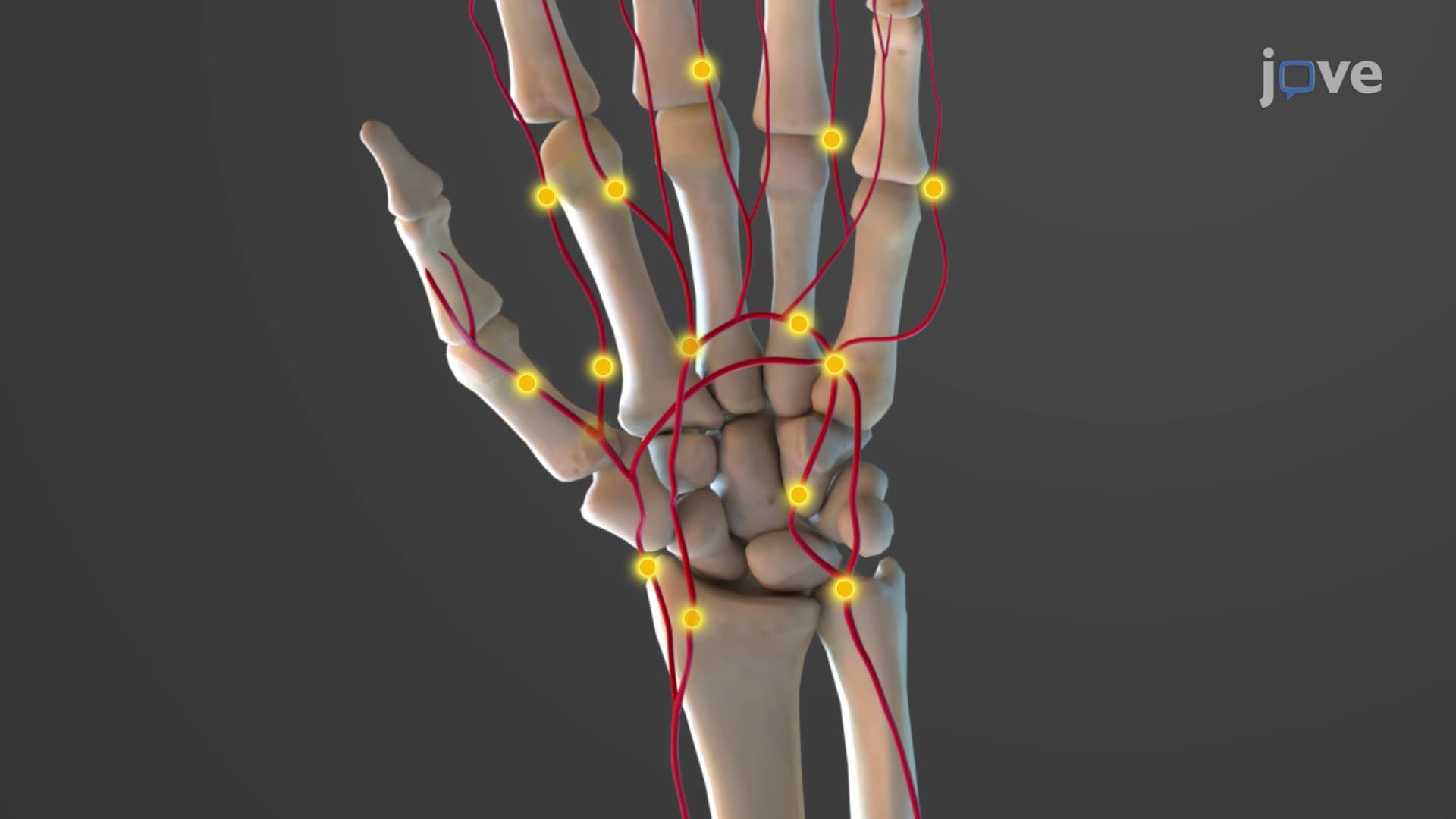
Did you know that when a major artery to your heart becomes blocked during a heart attack, tiny backup blood vessels can literally save your life? Anastomoses vascular anatomy involves the critical connections between blood vessels that create these life-saving alternate pathways. In cardiovascular surgery at institutions like the Mayo Clinic, surgeons routinely create surgical anastomoses during bypass procedures to restore blood flow around blocked coronary arteries. Understanding what are anastomoses in vascular anatomy reveals how our circulatory system maintains redundant pathways for optimal tissue perfusion. Watch the full video on JoVE Coach to master this concept with expert-led visuals and step-by-step explanations.
Anastomoses vascular anatomy represents one of the most elegant examples of biological redundancy in human physiology. These vascular connections function as the body's built-in insurance policy, ensuring that critical organs receive continuous blood supply even when primary vessels become compromised. Medical students studying for the MCAT encounter this concept extensively in cardiovascular physiology sections, where understanding collateral circulation can make the difference between correct and incorrect answers on complex clinical scenarios.
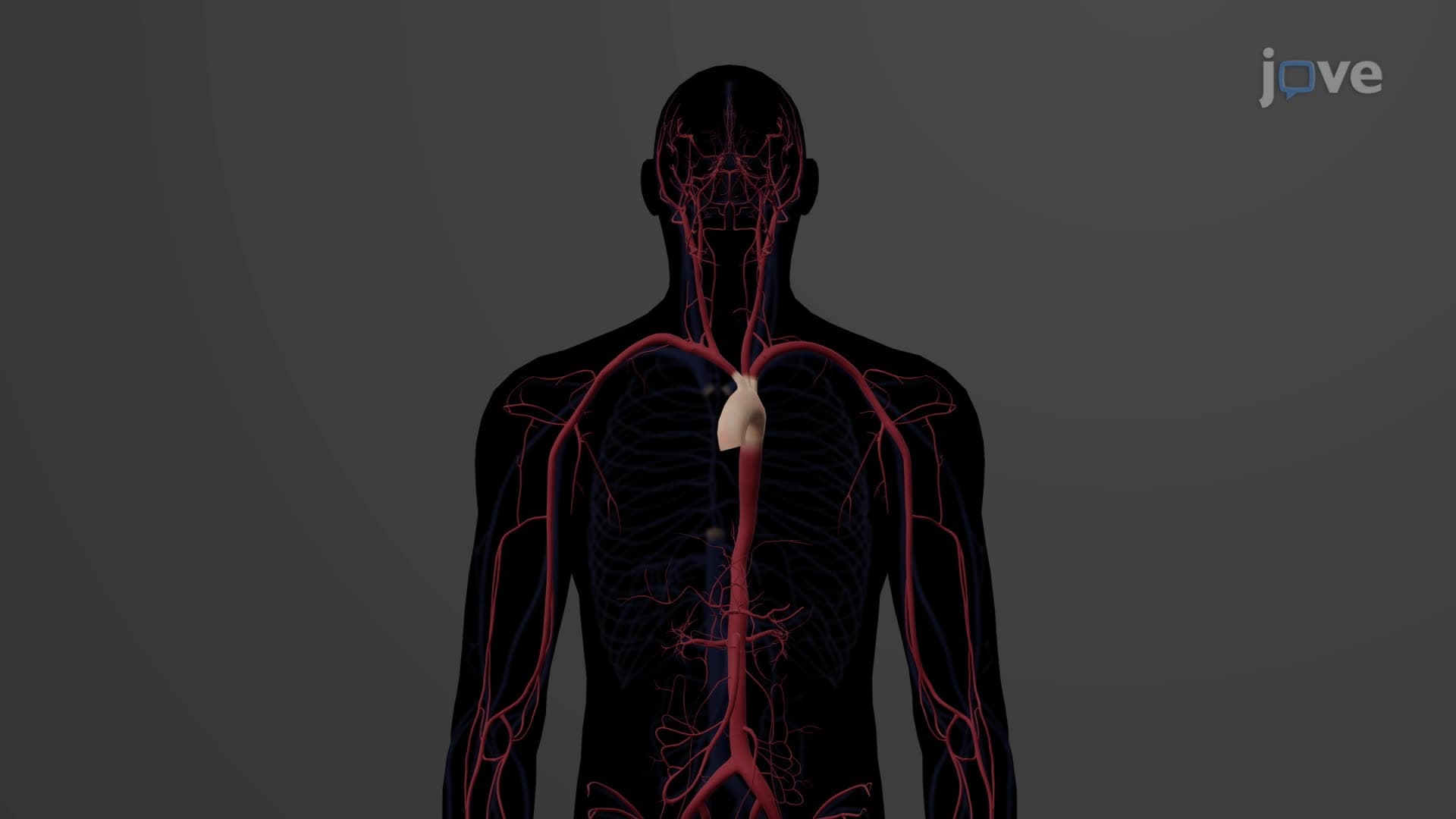
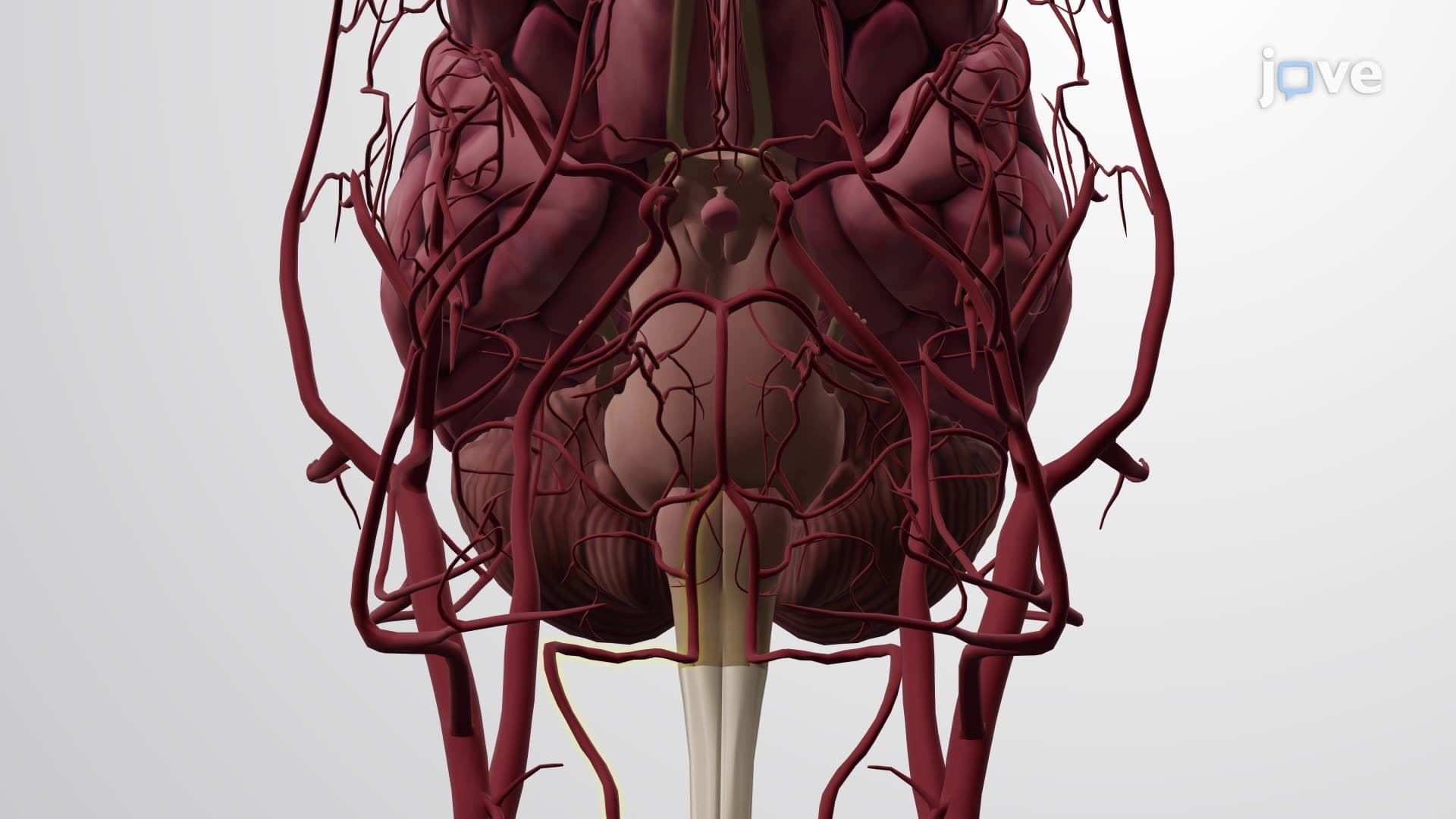
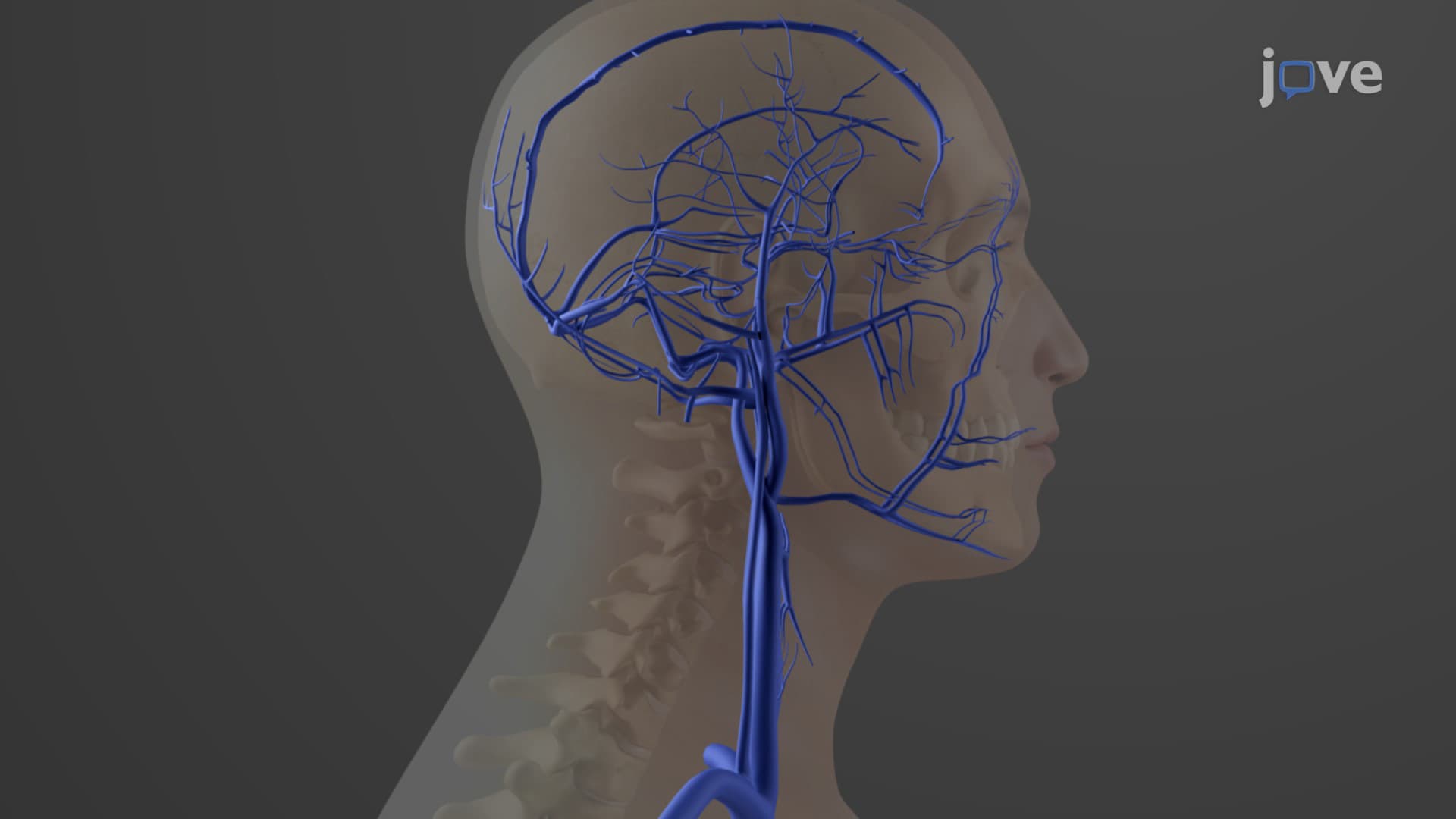
Arterial anastomosis collateral circulation proves most critical in high-demand organs like the brain and heart. The Circle of Willis exemplifies this perfectly-when neurologists at institutions like Johns Hopkins treat stroke patients, they rely on understanding how this arterial ring can compensate for blocked cerebral arteries. Students preparing for AP Biology exams should note that not all arteries participate in anastomotic networks. End arteries, such as those supplying the retina or kidneys, lack these connections, making blockages in these vessels particularly dangerous and often resulting in tissue death.
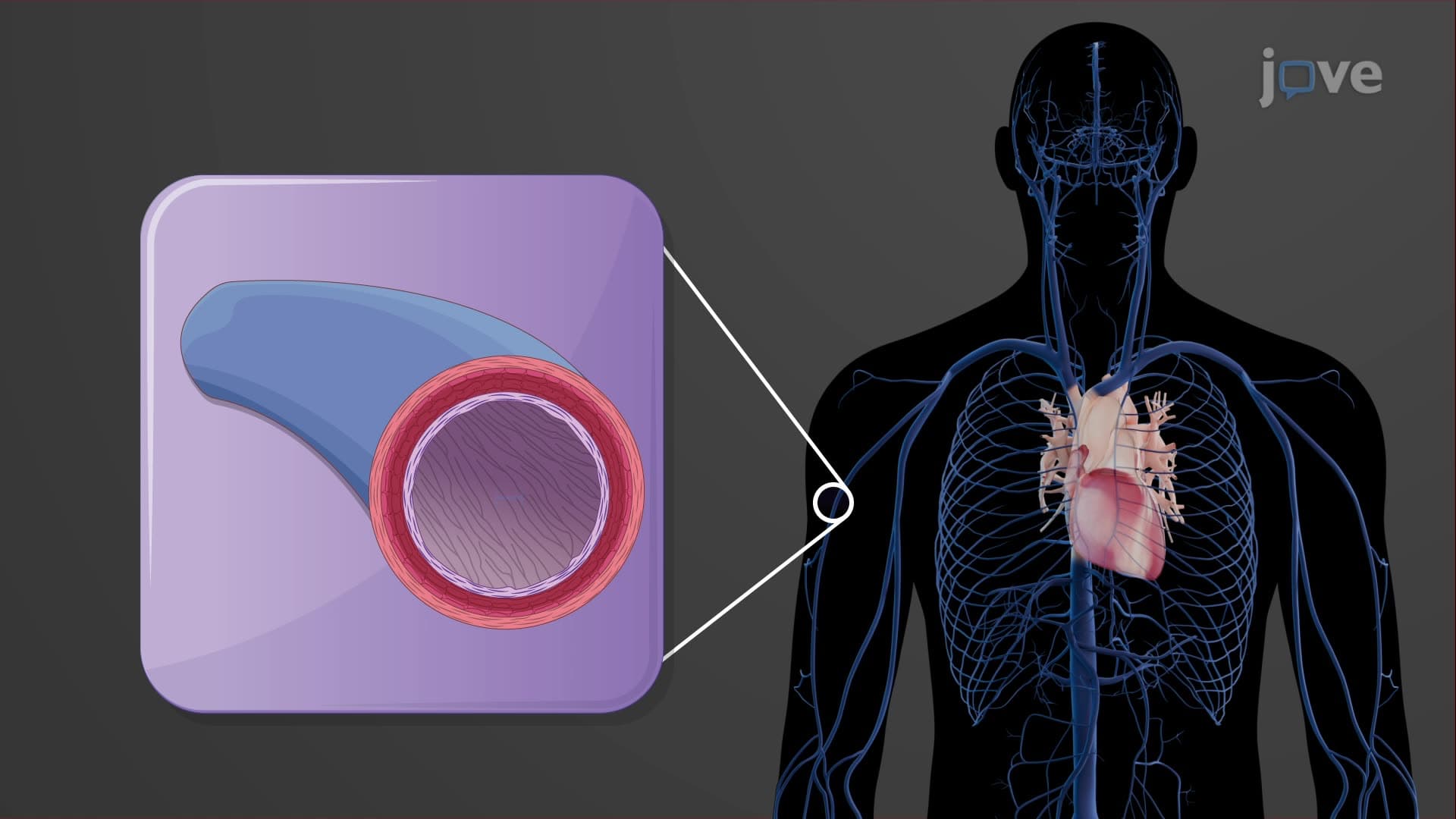
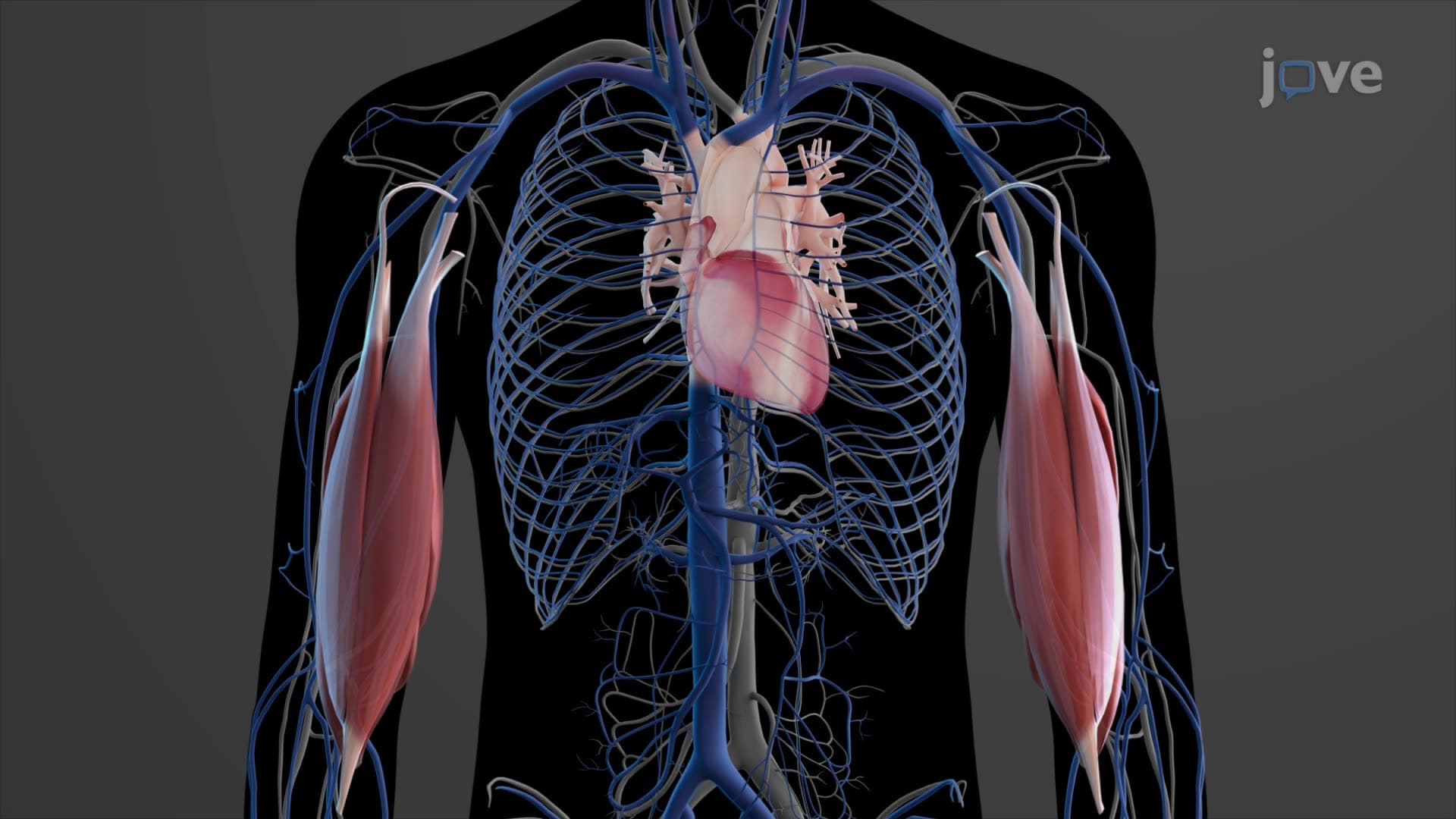
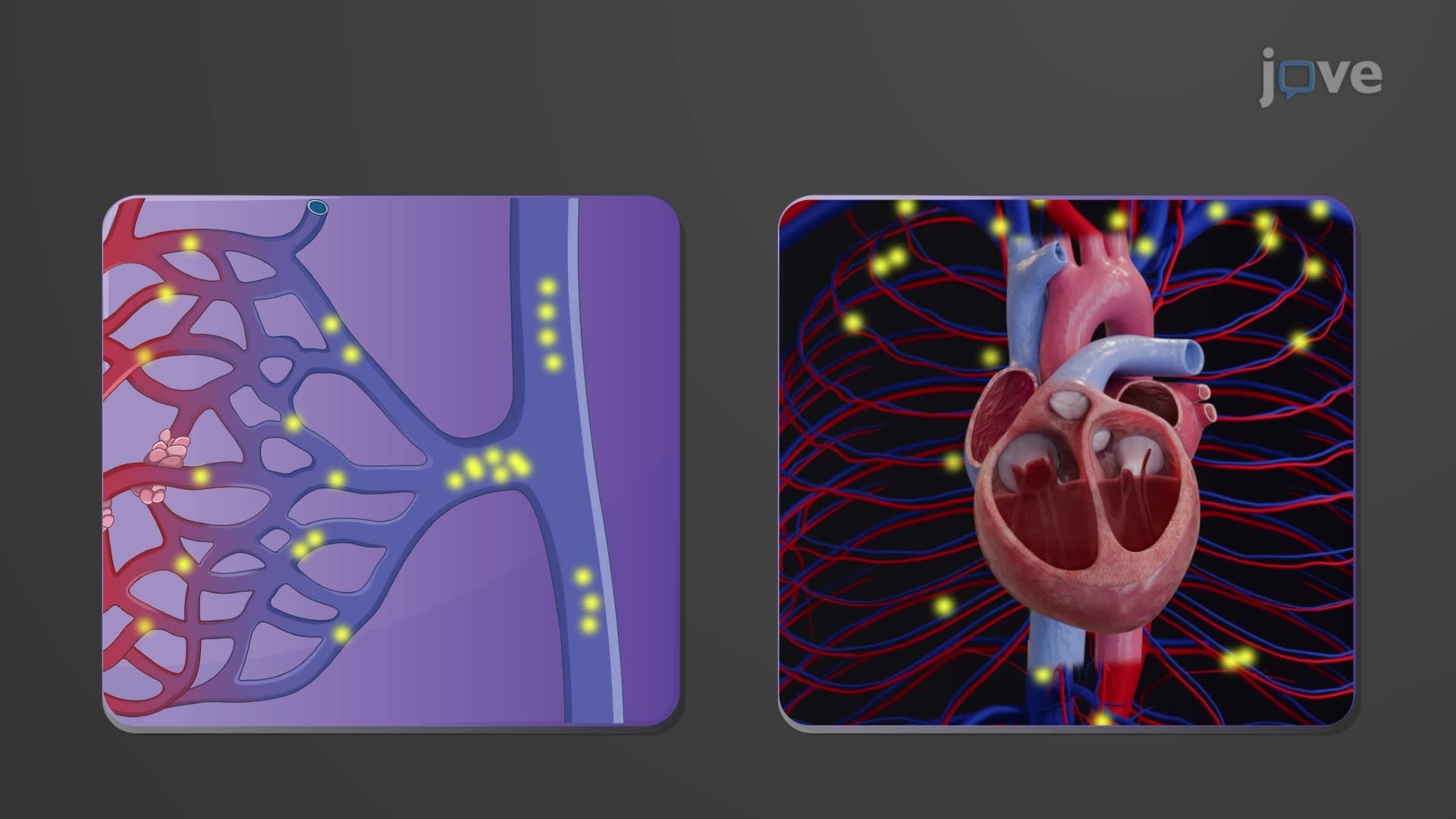
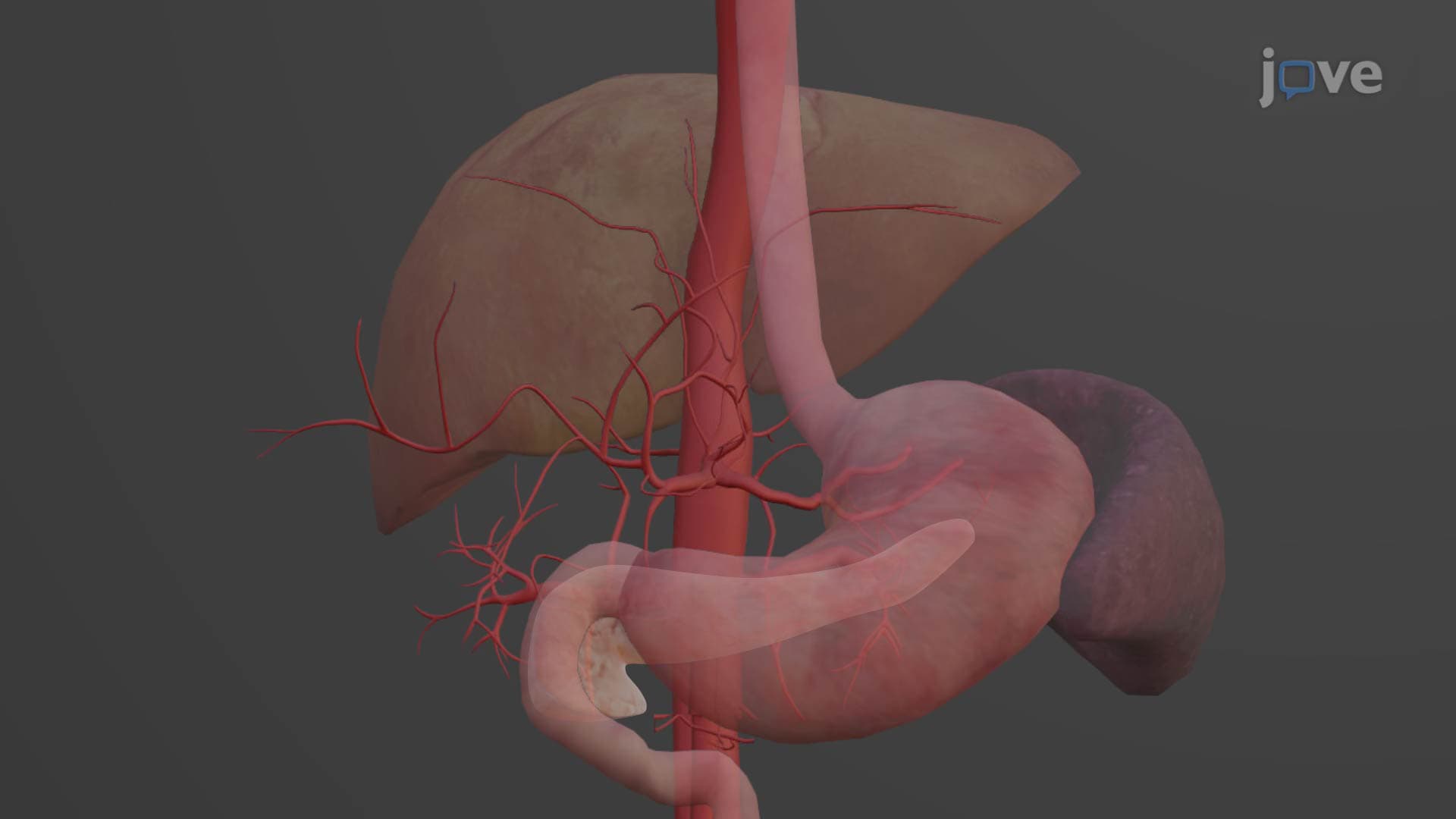
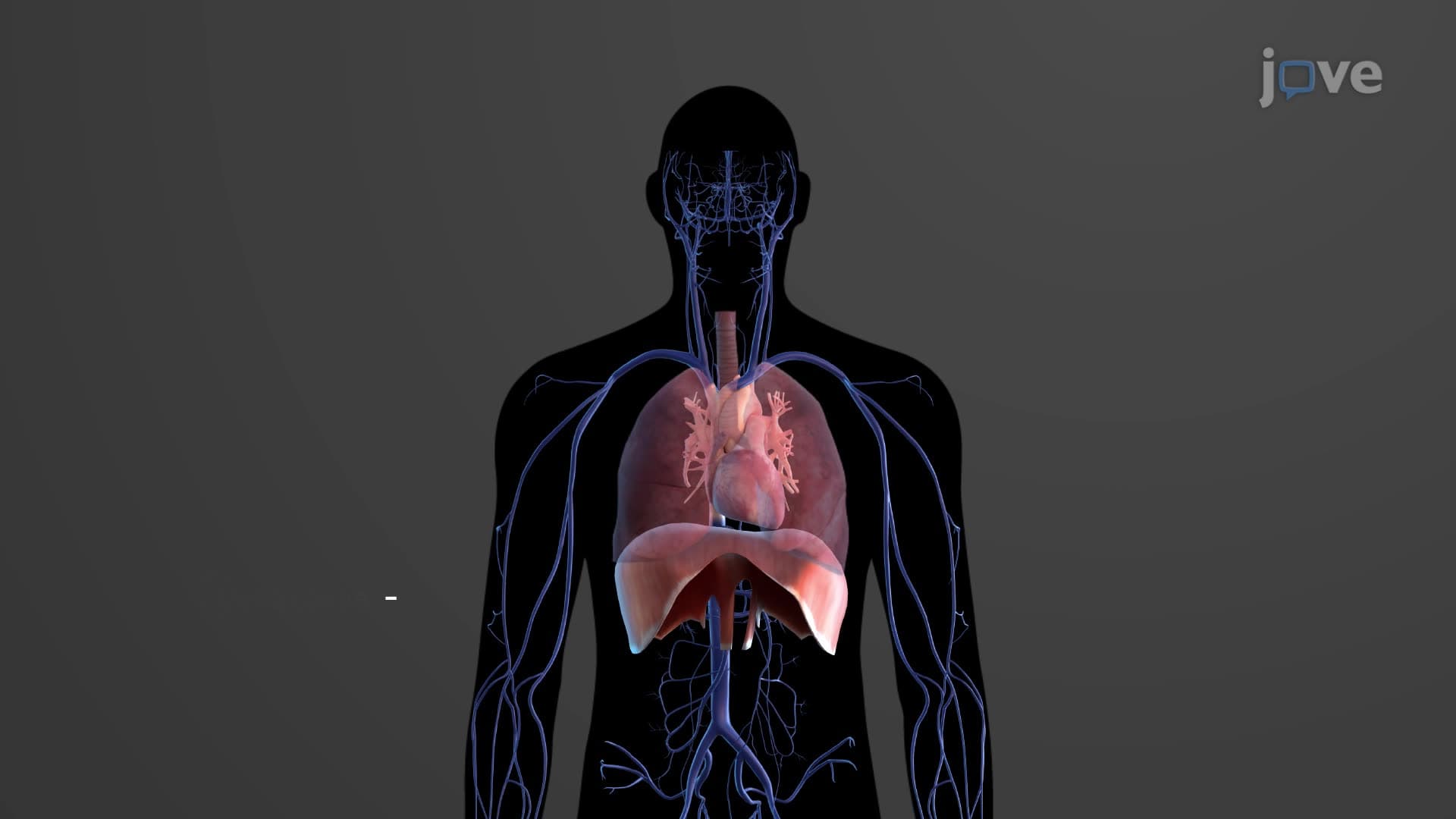
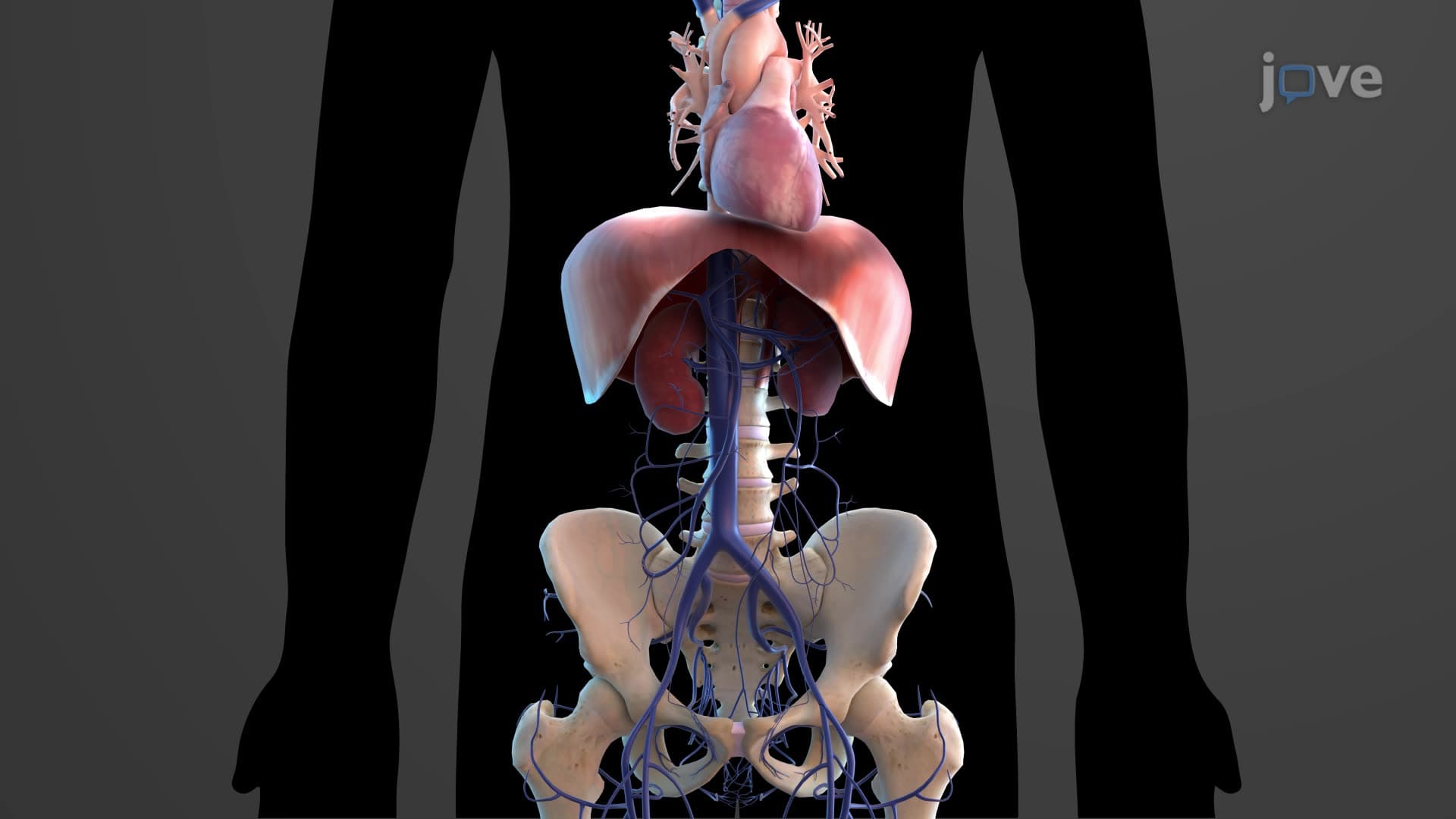
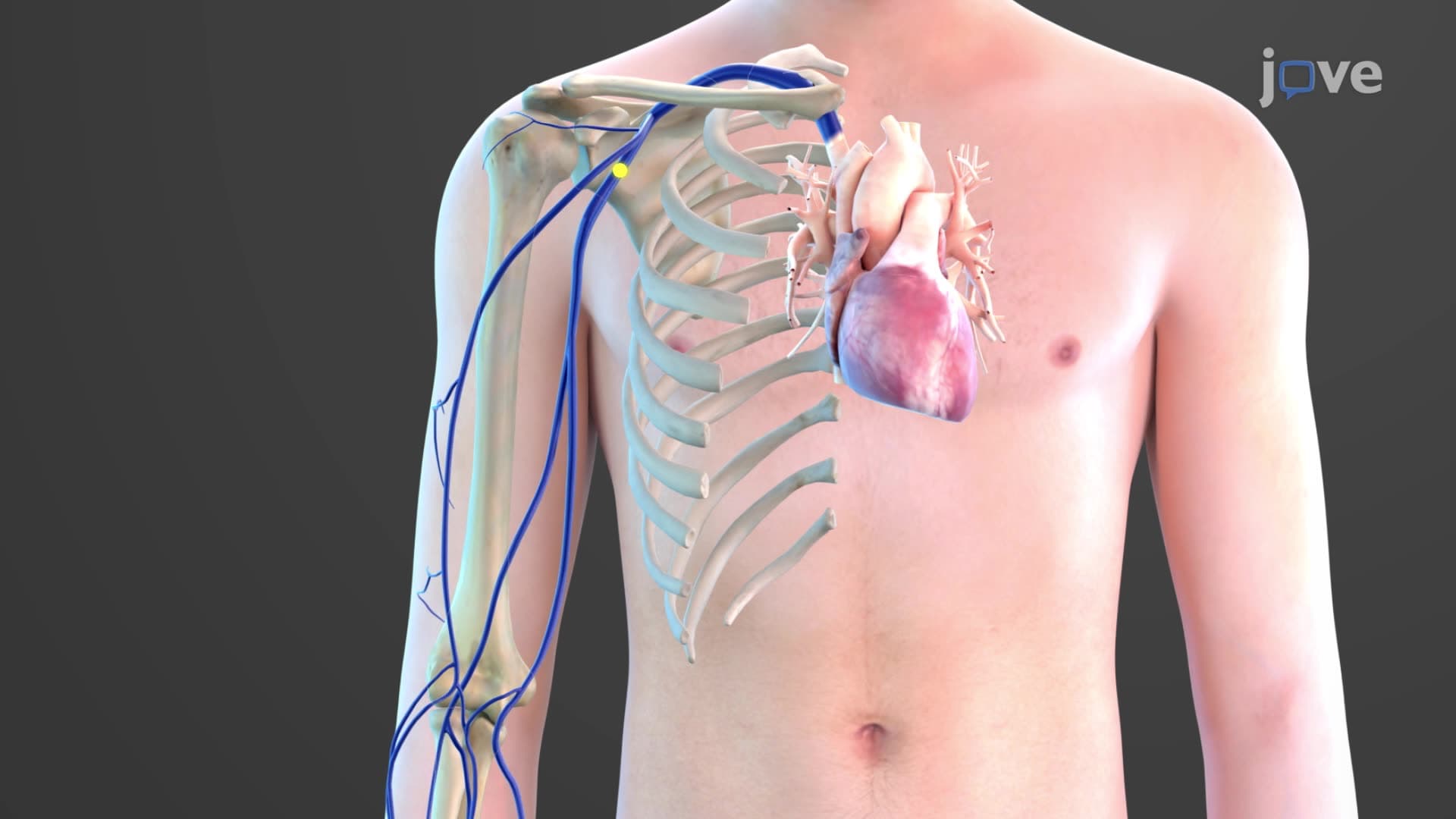
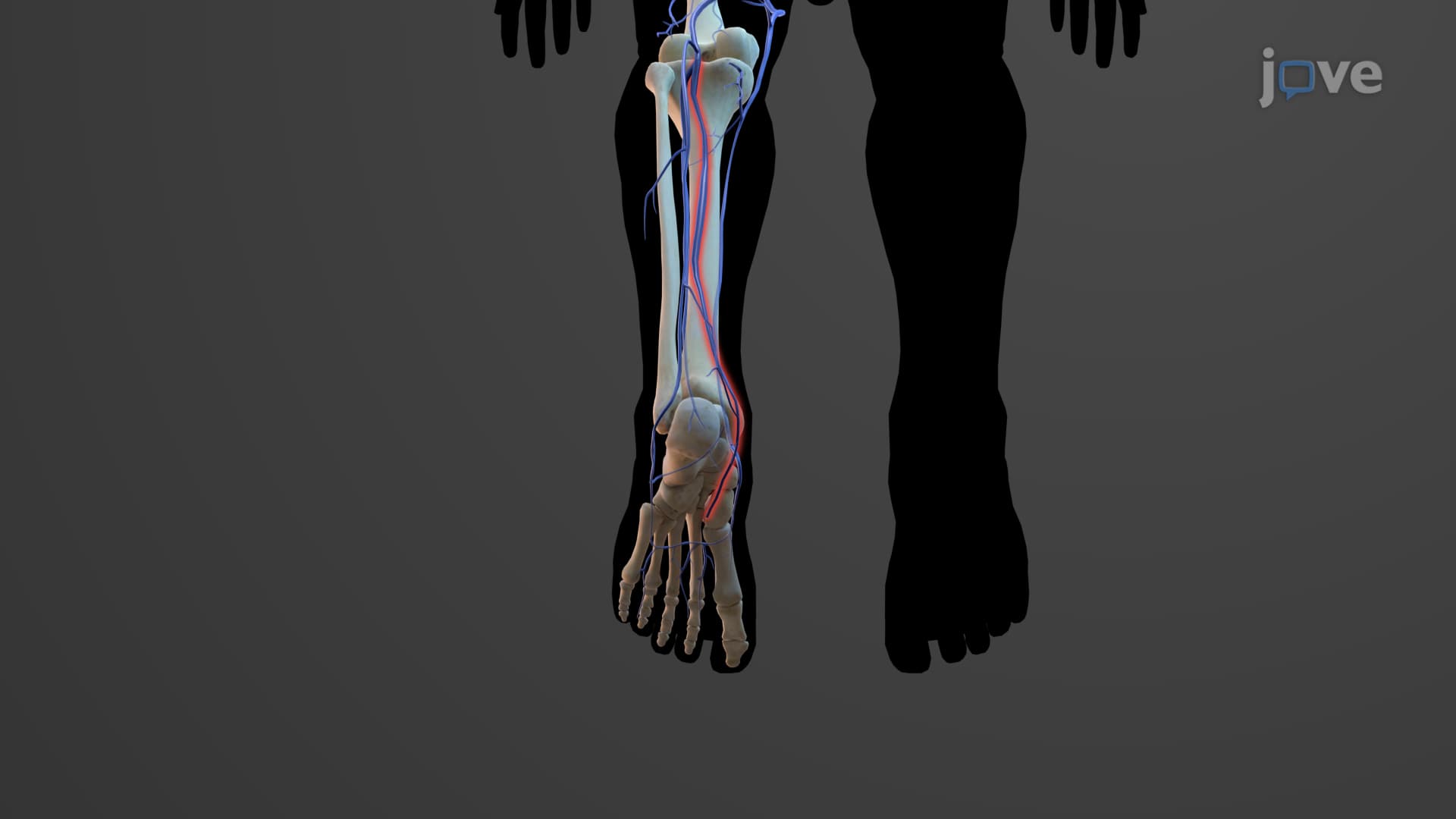
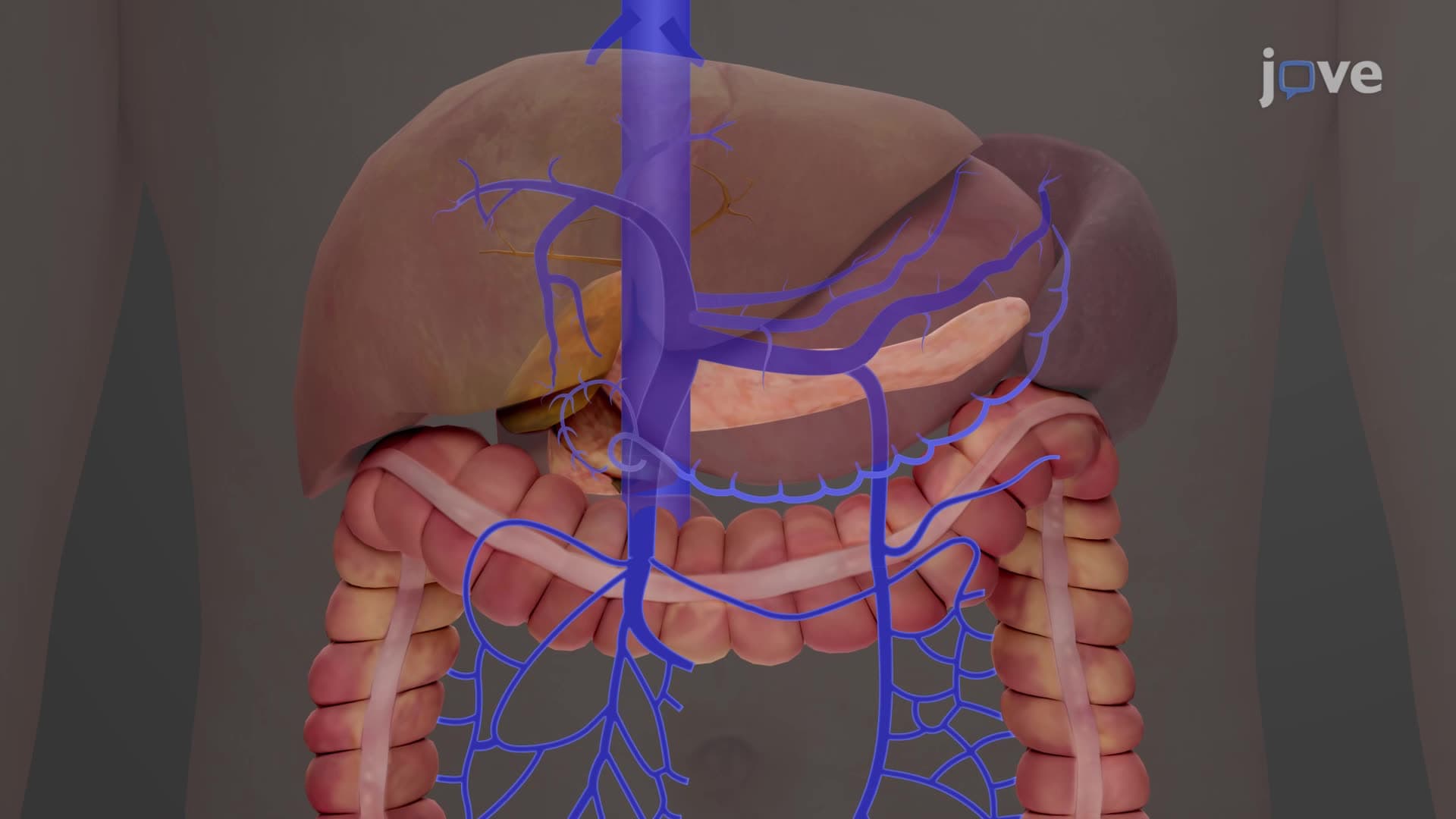
Venous anastomosis connection patterns differ significantly from arterial networks. Unlike arteries, veins throughout the body form extensive anastomotic networks, particularly evident in the superficial and deep venous systems of the extremities. This explains why varicose veins rarely cause serious complications-alternate venous pathways maintain blood return to the heart. College anatomy students studying for USMLE Step 1 frequently encounter questions about portal-systemic anastomoses, where portal circulation connects with systemic venous circulation, creating potential sites for complications in liver disease.
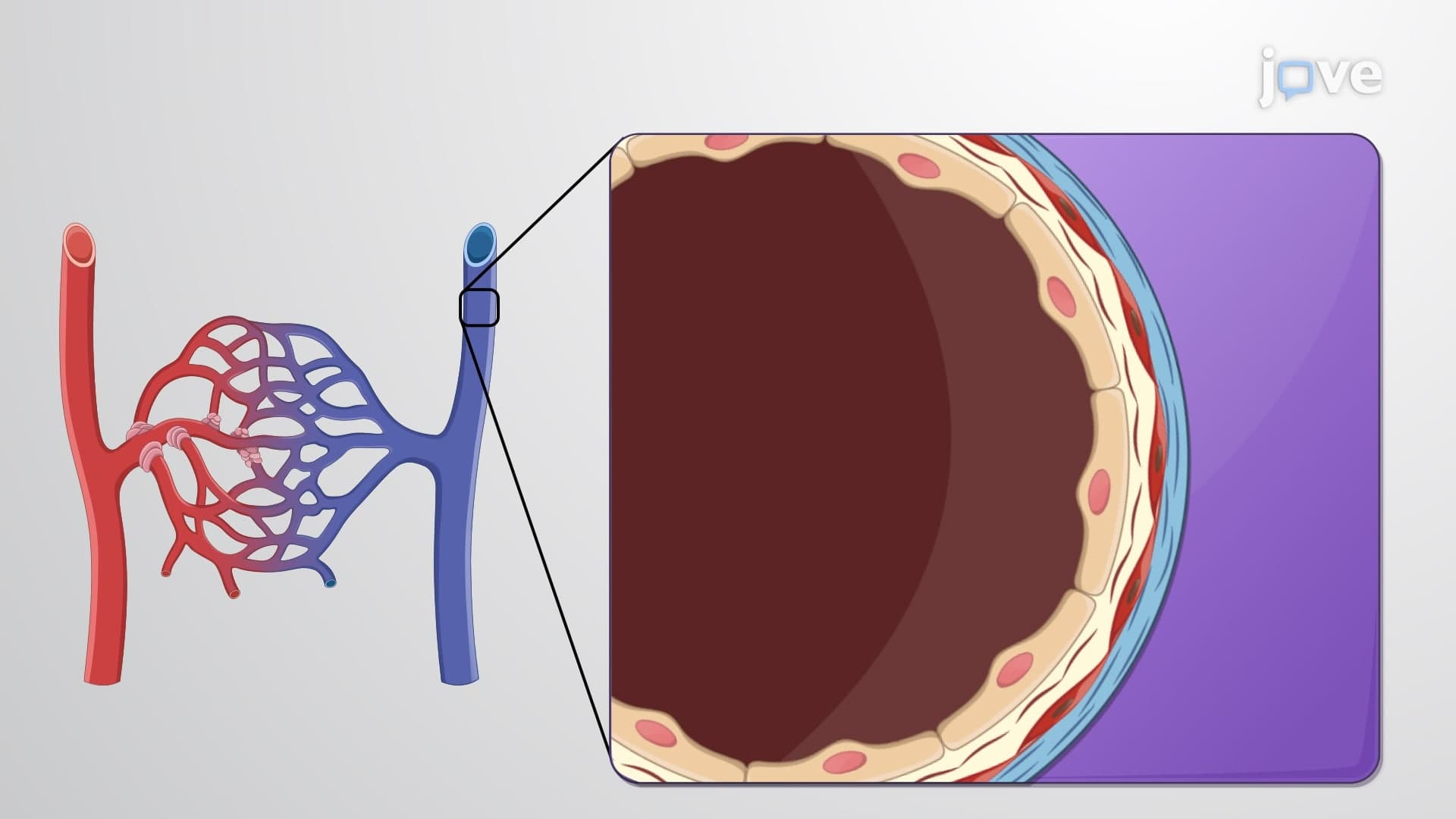
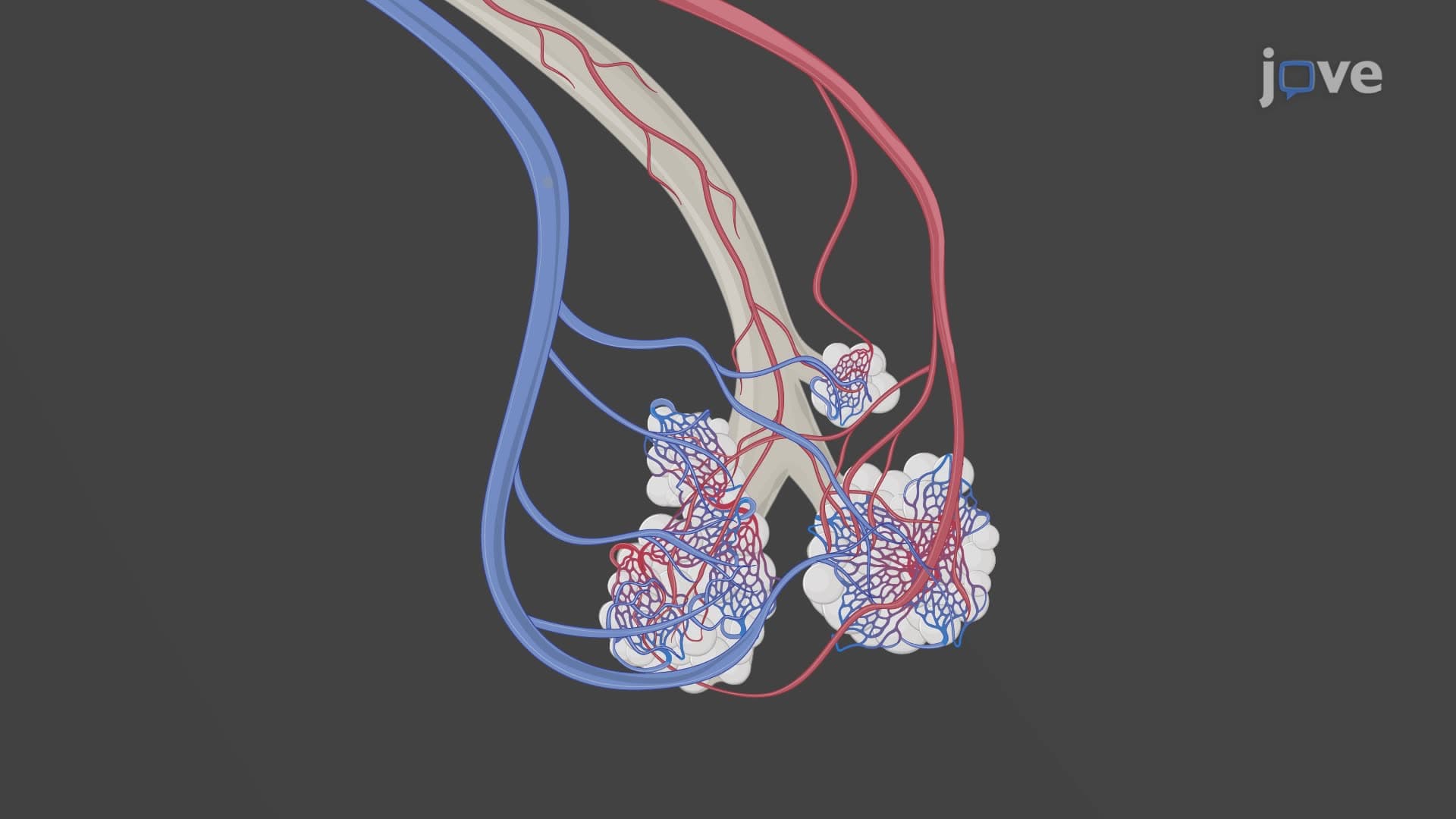
Arteriovenous anastomosis connections serve specialized functions, particularly in thermoregulation and blood pressure control. These direct artery-to-vein connections bypass capillary beds entirely, allowing rapid blood flow changes. Cardiac surgeons regularly create artificial anastomoses during coronary artery bypass grafting (CABG), where saphenous vein grafts or internal mammary arteries are connected to coronary arteries beyond blockages.
Students preparing for nursing entrance exams like NCLEX-RN should understand that collateral circulation anastomosis development can occur naturally over time. When coronary arteries gradually narrow due to atherosclerosis, the body can develop collateral vessels that partially compensate for reduced blood flow. This process, called arteriogenesis, explains why some patients with significant coronary disease remain relatively asymptomatic while others experience severe symptoms with less blockage.
Related Micro-courses