Loading subject page…


149,649 views


Video Summary: What Is Arteries Upper Limbs
Ever wondered why EMTs check your pulse at the wrist during emergencies? The upper limb arteries anatomy creates a sophisticated highway system that delivers life-sustaining blood from your heart to your fingertips. This intricate network, featuring major vessels like the subclavian, axillary, and brachial arteries, ensures that a basketball player at Duke University can maintain precise hand control during a crucial free throw. What is arteries upper limbs becomes clear when you understand how these vessels branch and interconnect to supply every tissue in your arm and hand. Watch the full video on JoVE Coach to master this concept with expert-led visuals and step-by-step explanations.
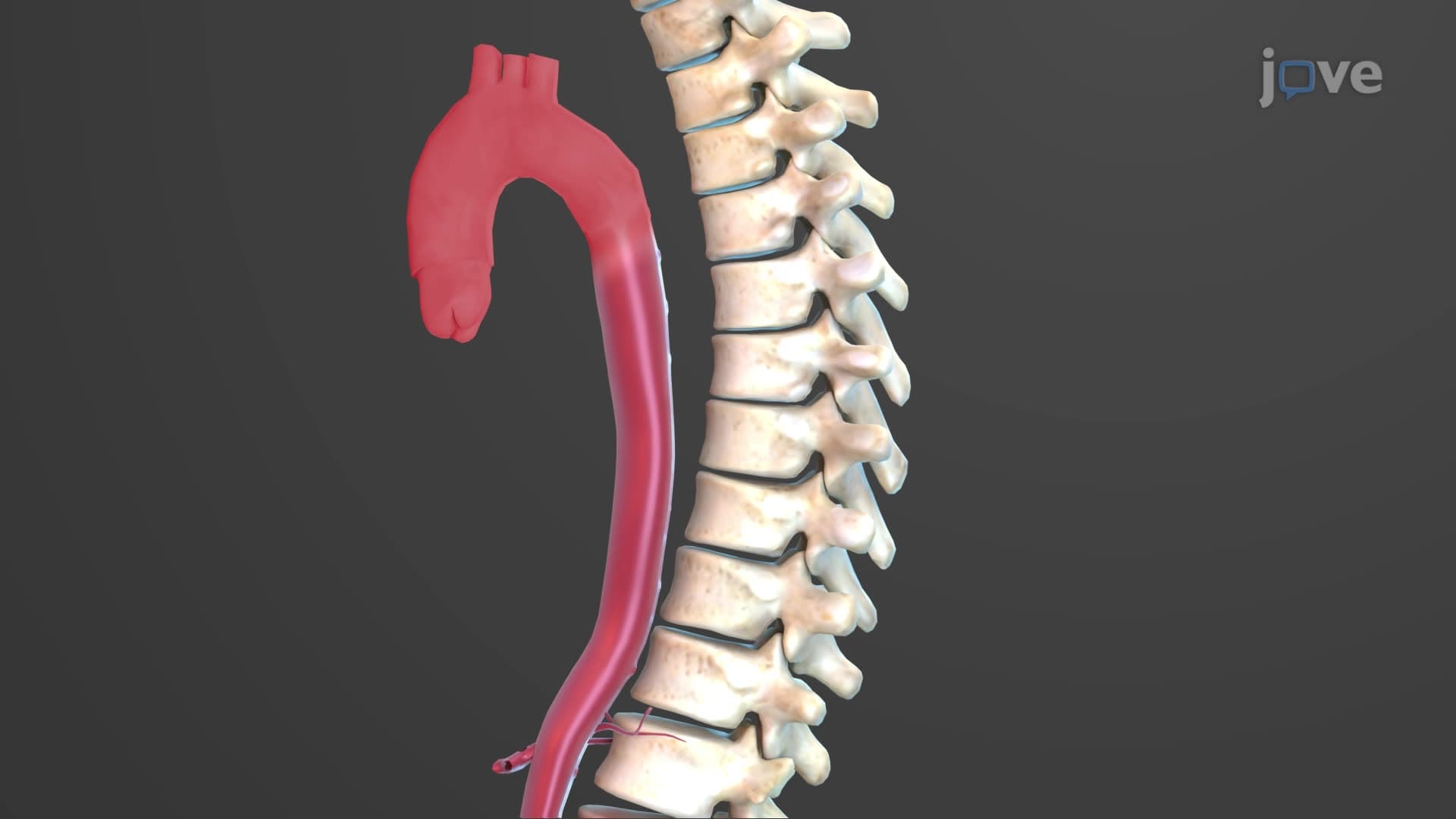
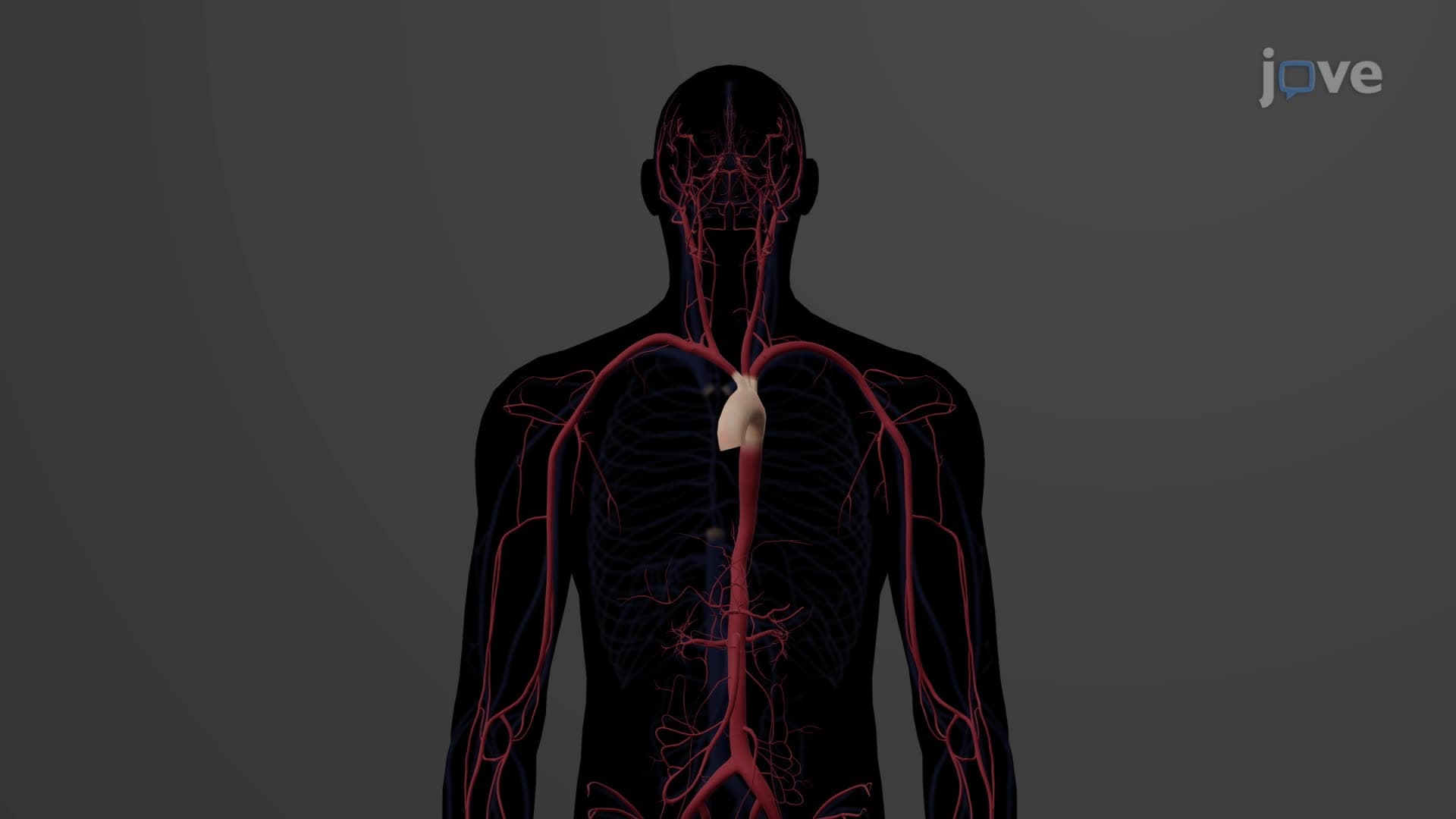
The upper limb arteries anatomy represents one of the body's most elegant circulatory designs, ensuring robust blood supply to structures essential for human function and dexterity. This vascular network originates from the subclavian artery, which emerges from the aortic arch and immediately establishes the foundation for all arm arteries explained anatomy.
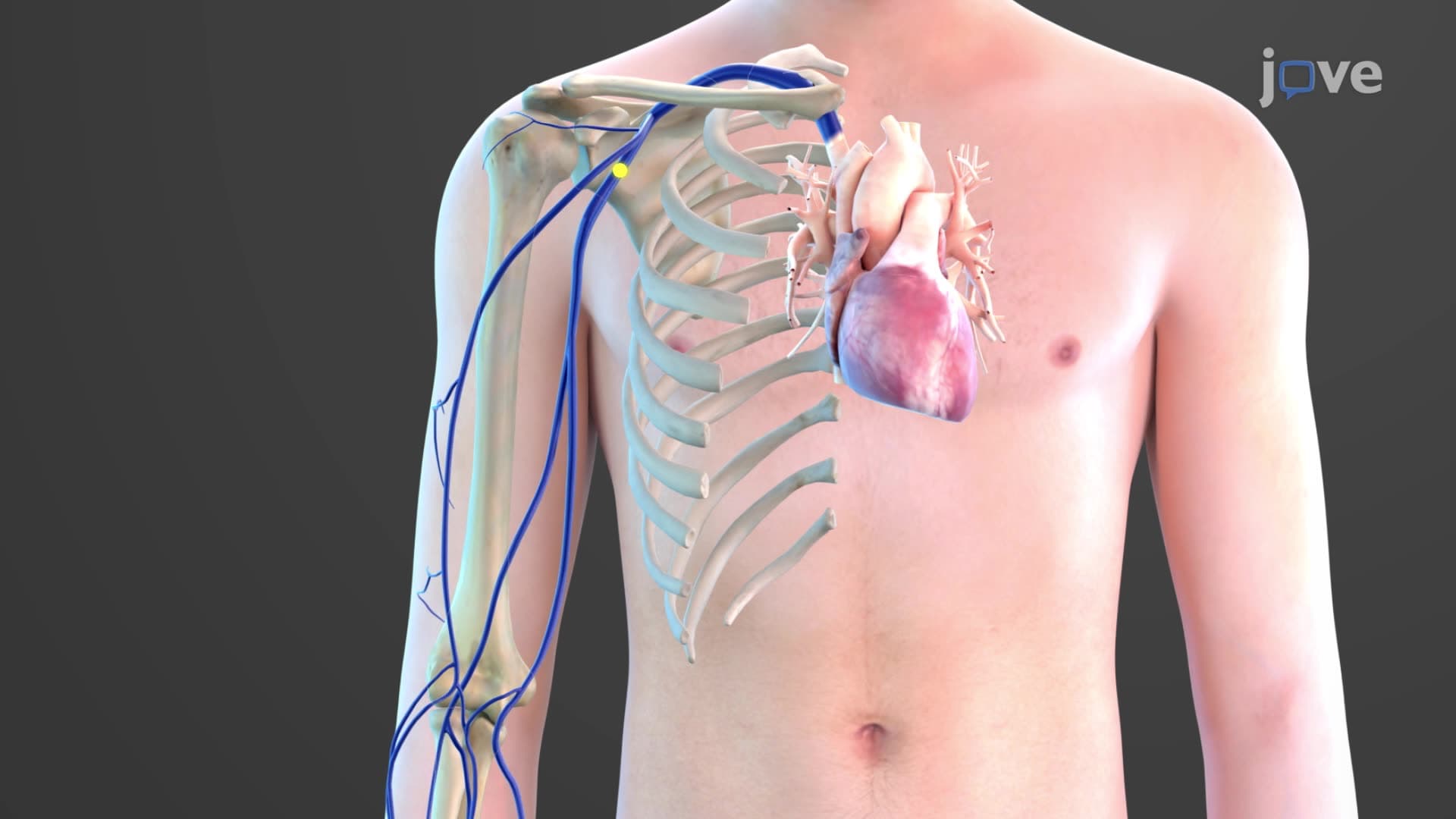
The journey begins as the subclavian artery courses laterally beneath the clavicle, navigating through the narrow space between the first rib and collarbone. This anatomical corridor, known as the thoracic outlet, represents a critical transition zone where the vessel transforms into the axillary artery upon entering the armpit region. The subclavian axillary brachial progression demonstrates how anatomical boundaries define arterial naming conventions while maintaining continuous blood flow.
In clinical practice, this transition zone holds particular importance for medical professionals. Emergency medicine physicians at hospitals like Johns Hopkins regularly assess this area when treating trauma patients, as injuries here can compromise entire limb circulation. The axillary artery's strategic location allows it to supply not only the arm but also crucial chest wall and shoulder structures, making it vital for athletes and manual laborers.
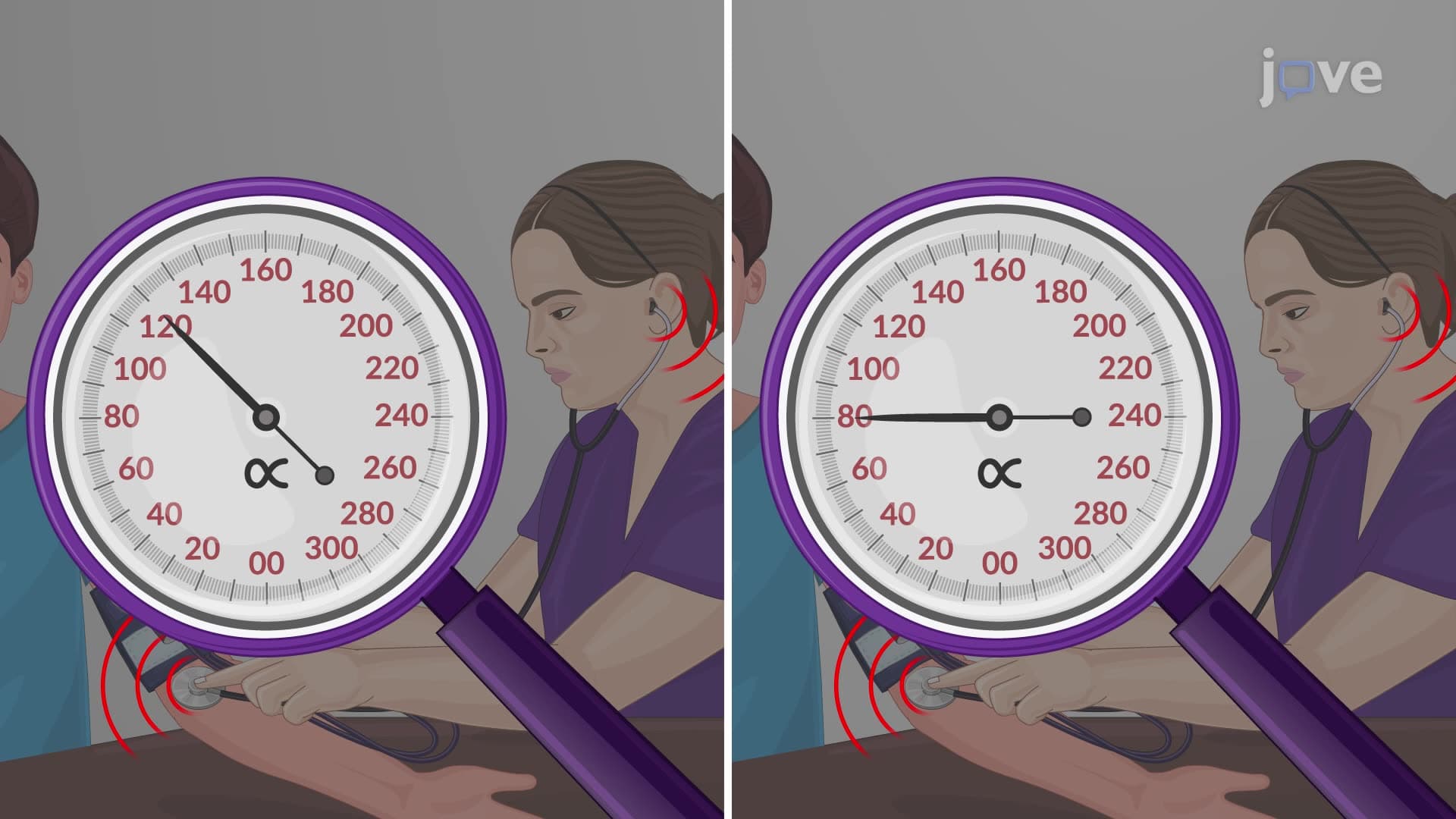
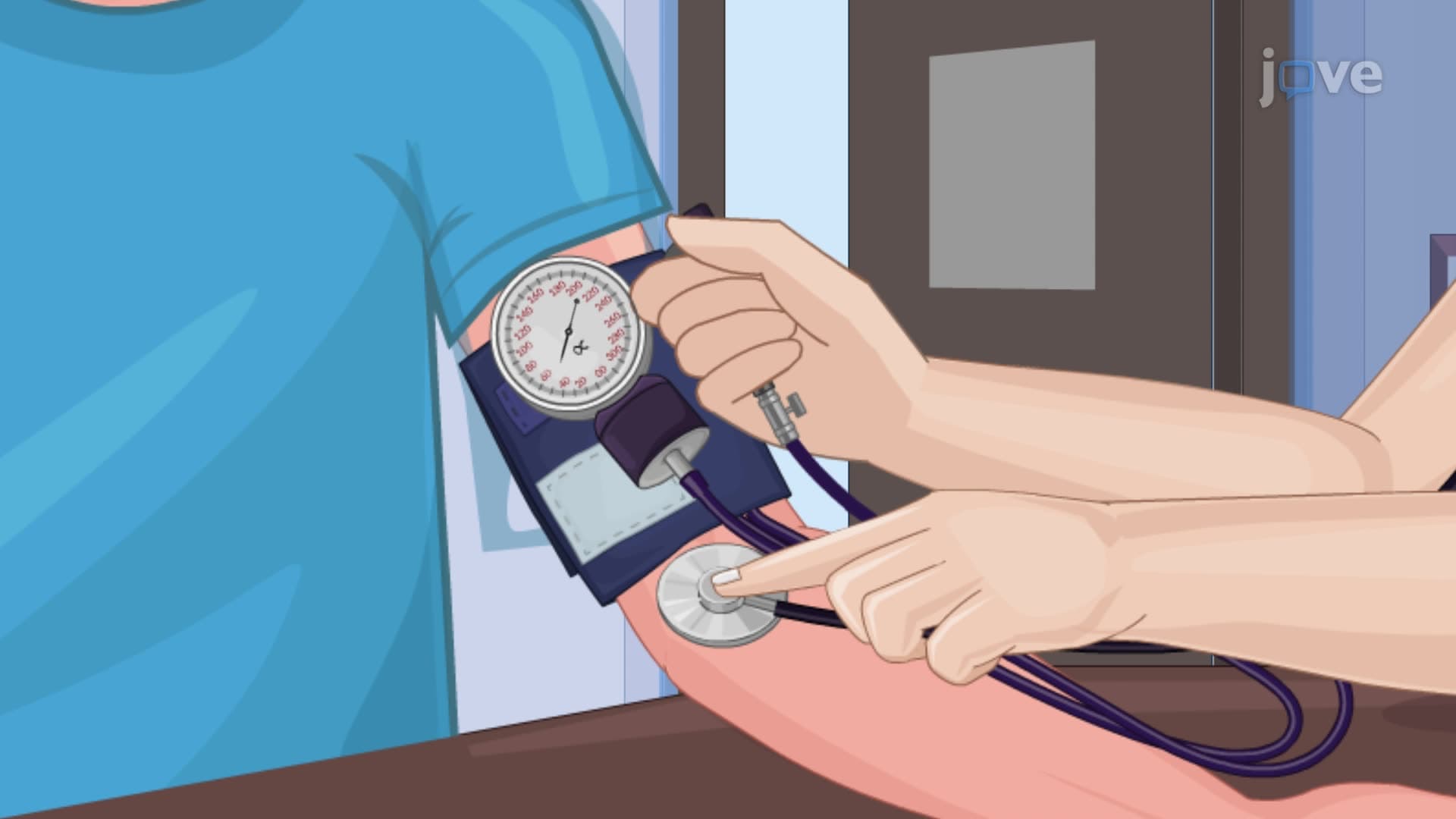
The brachial artery serves as the primary conduit for upper limb arterial supply, traveling along the medial aspect of the humerus throughout the arm. This positioning makes it easily accessible for blood pressure measurements-a standard procedure taught in nursing programs across US healthcare institutions. Students preparing for the NCLEX exam must understand how proper cuff placement over the brachial artery ensures accurate readings.
The brachial artery's clinical significance extends beyond routine vitals. Orthopedic surgeons performing elbow procedures must carefully navigate around this vessel, as its proximity to surgical sites requires precise anatomical knowledge. Medical students at institutions like Harvard Medical School study this relationship extensively when preparing for USMLE examinations.
Below the elbow, the radial ulnar artery arm system creates redundant circulation pathways that exemplify biological efficiency. The radial artery, running along the thumb side of the forearm, provides the familiar pulse point at the wrist that healthcare providers check thousands of times daily across US hospitals. Meanwhile, the ulnar artery supplies the pinky side, creating a balanced distribution system.
This dual arrangement proves crucial in emergency medicine scenarios. If trauma compromises one vessel, the other can often maintain adequate circulation through collateral pathways. Paramedics training at institutions like UCLA's EMS program learn to assess both pulses when evaluating hand circulation.
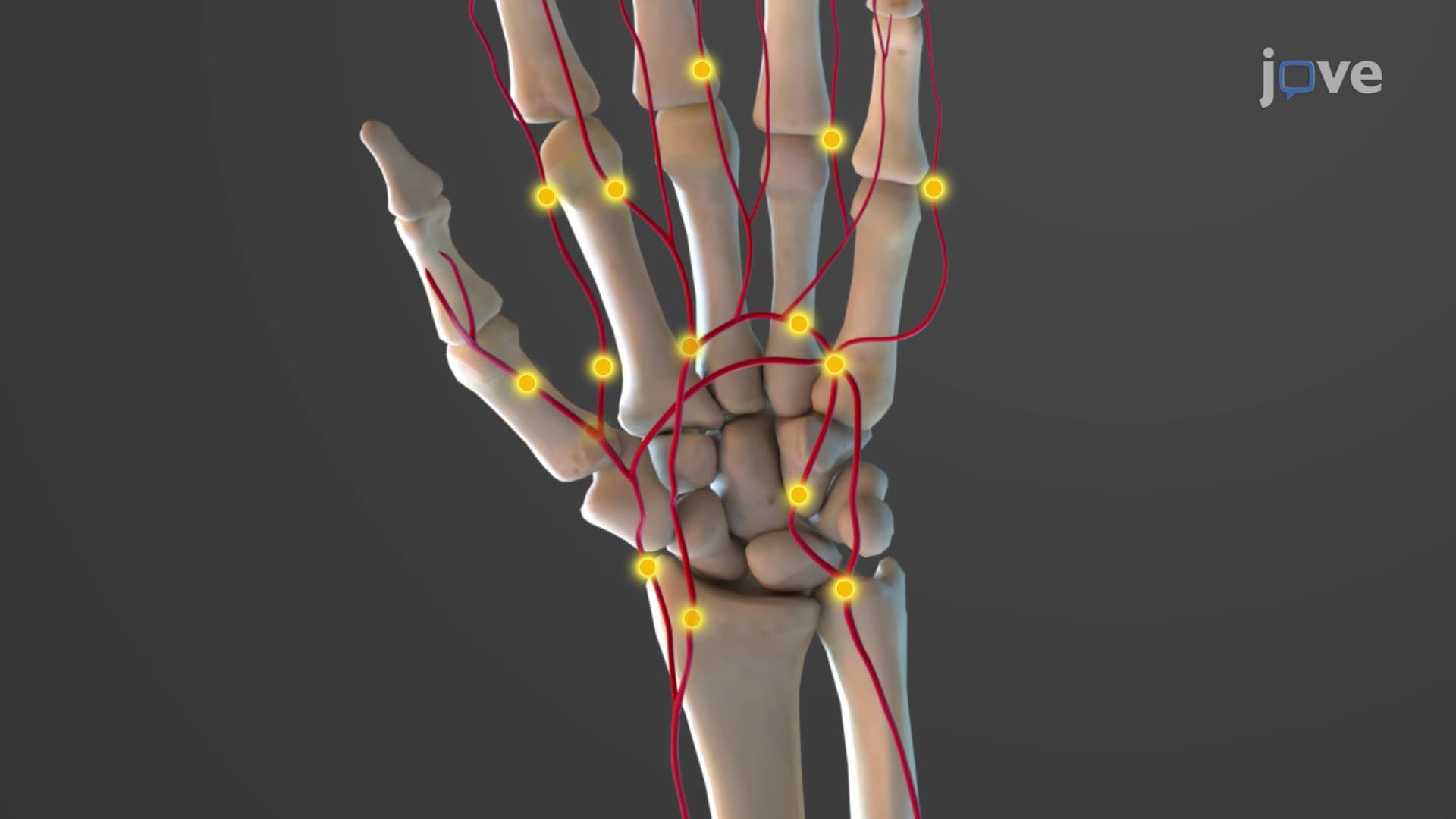
The palmar arch upper limb system represents the culmination of upper extremity circulation, where radial and ulnar arteries reconnect through superficial and deep networks. These anastomoses create redundant pathways ensuring that even if one major vessel becomes compromised, hand circulation can continue through alternative routes. This concept frequently appears on AP Biology exams when testing students' understanding of circulatory system adaptations.
Related Micro-courses