Loading subject page…


149,651 views


Video Summary: What Is Blood Pressure
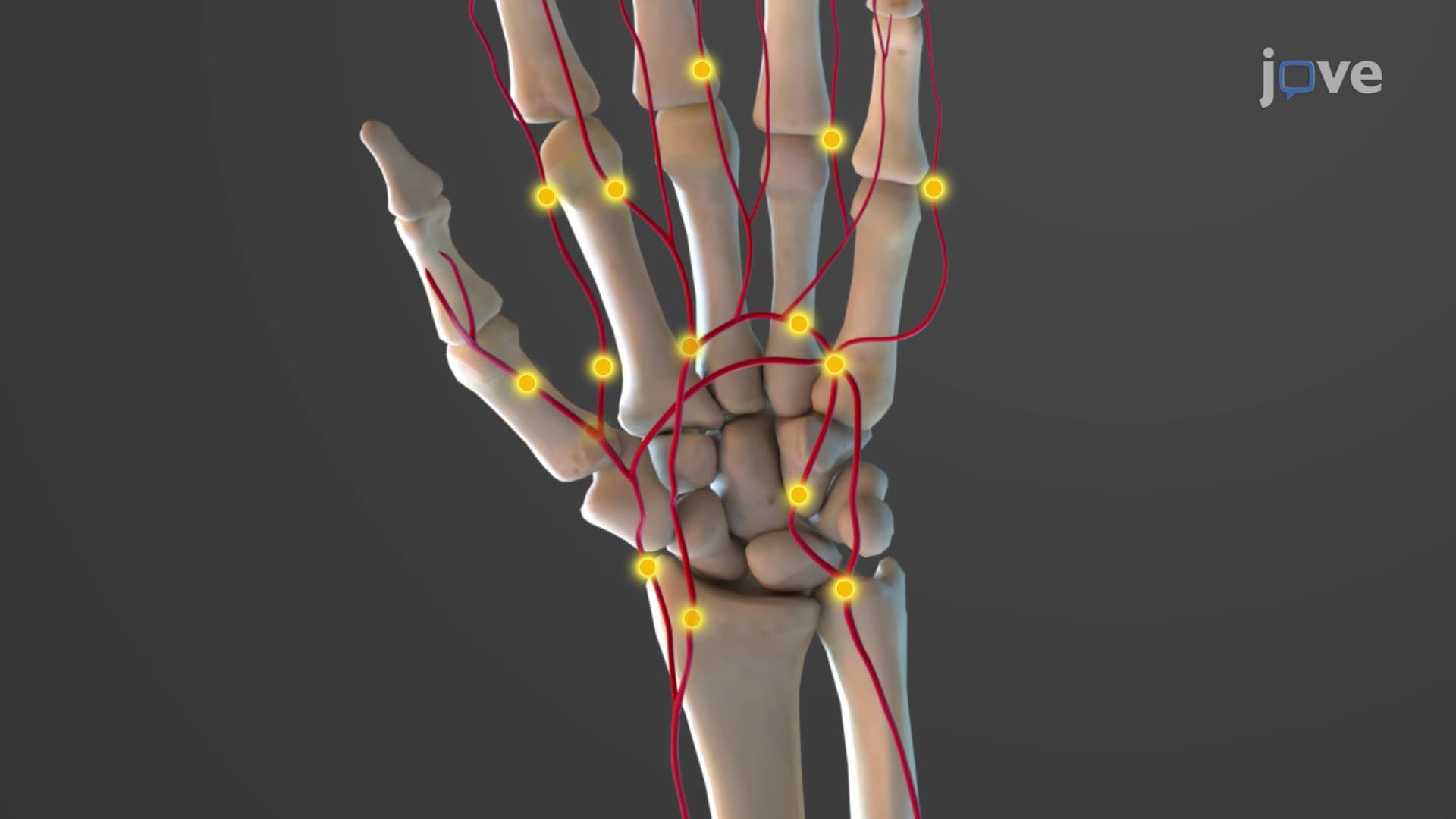
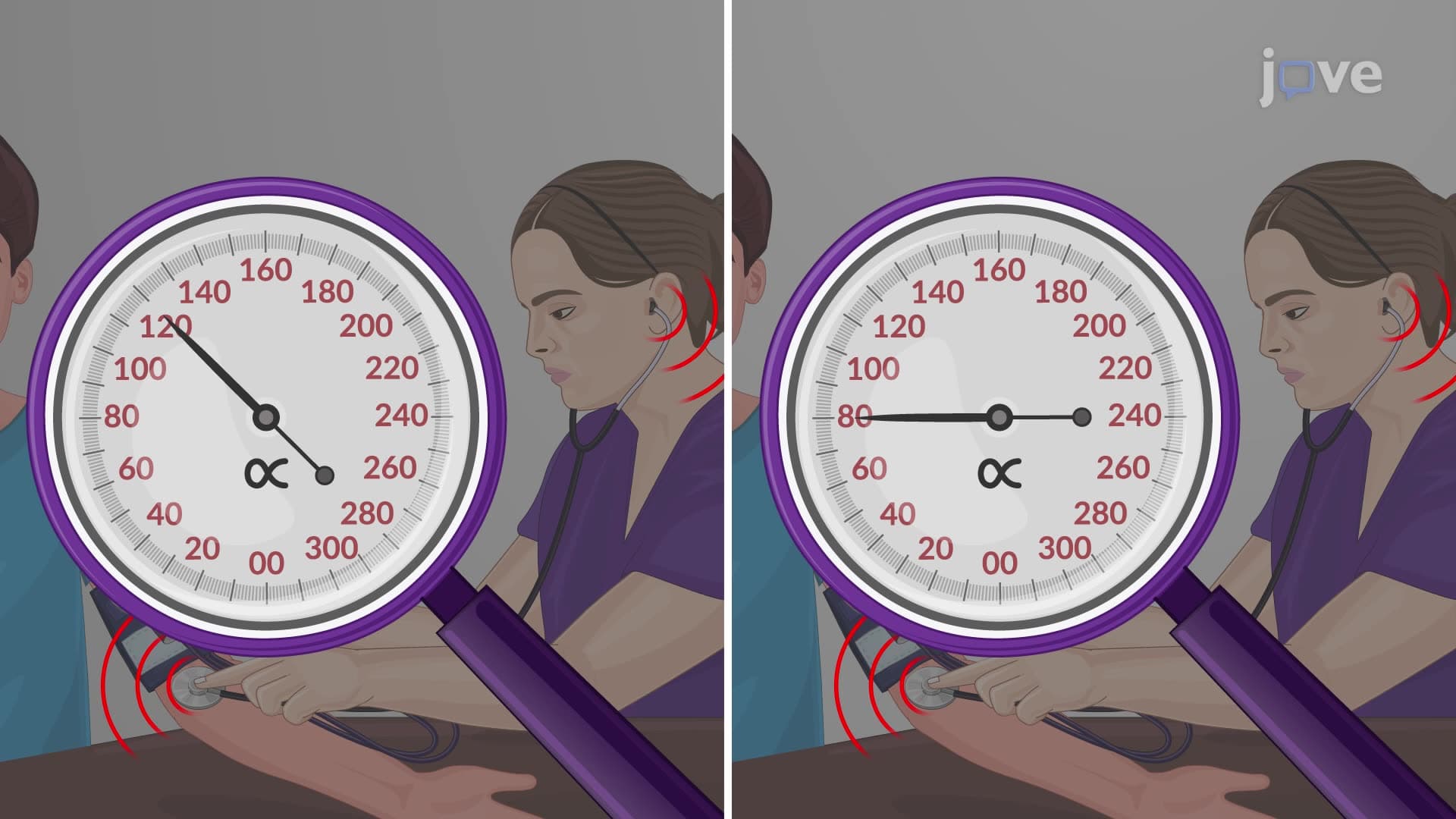
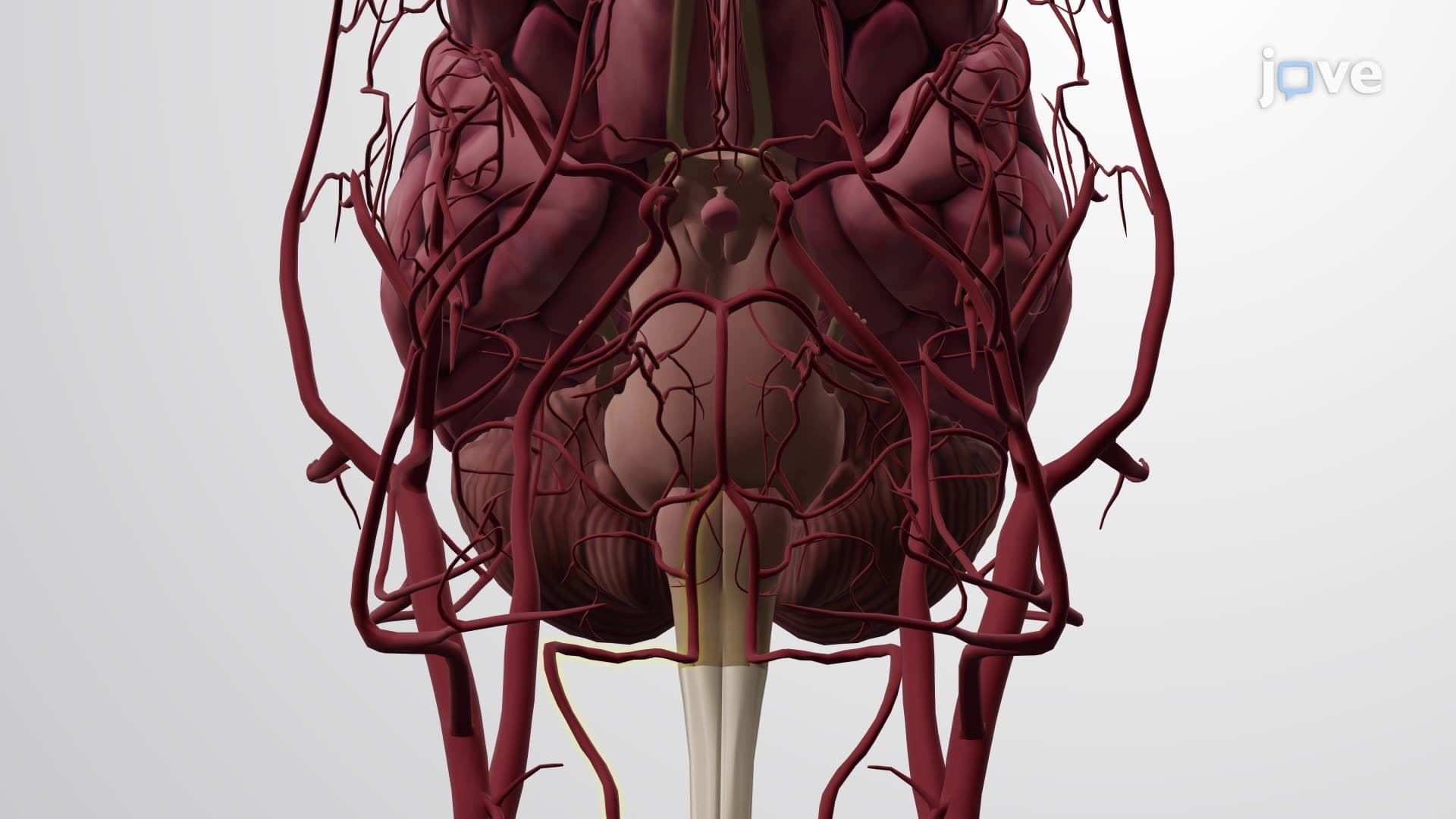
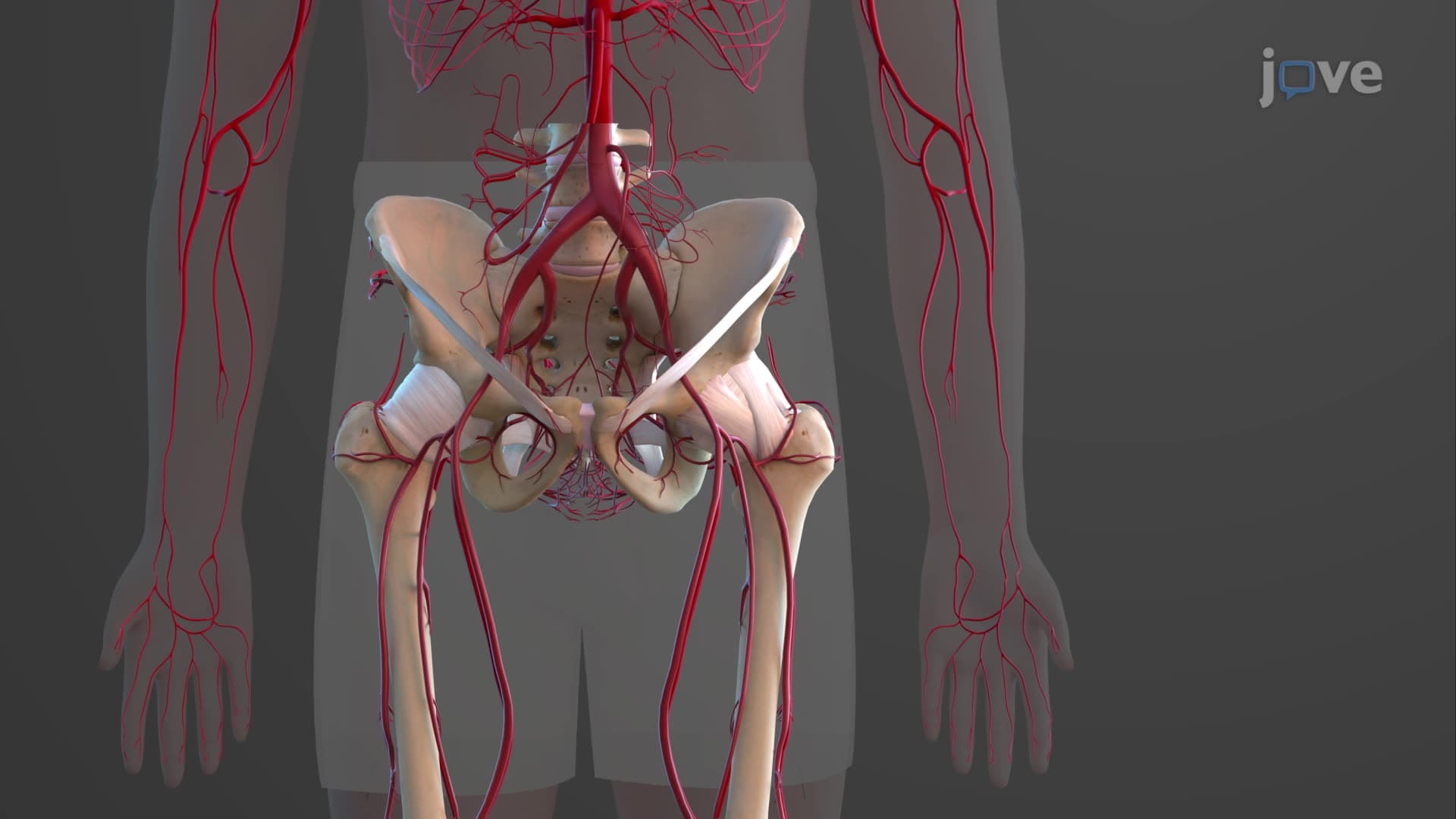
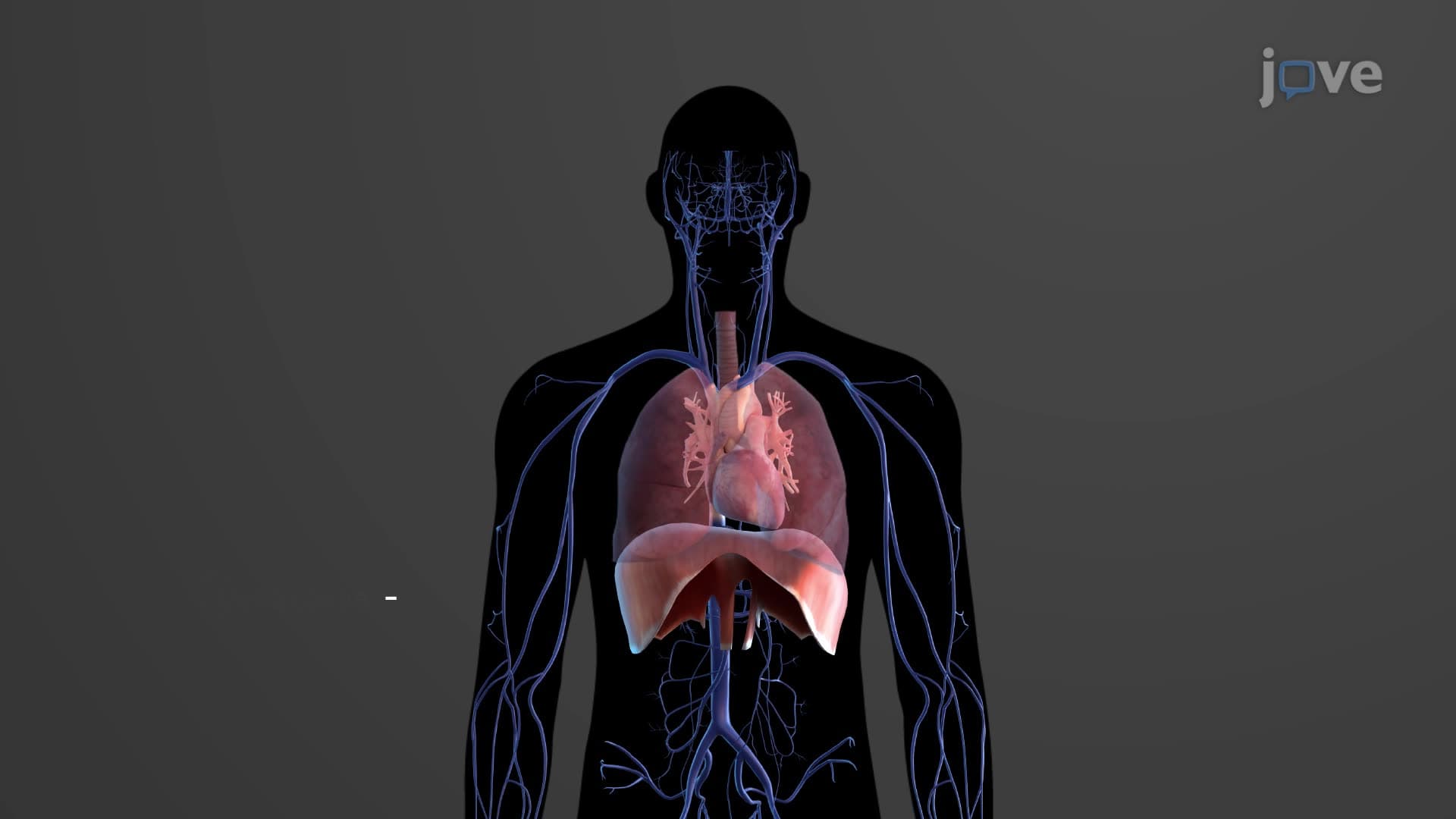
Ever wonder why doctors always check your arm with that inflatable cuff? Blood pressure physiology reveals how your heart creates a powerful force that pushes blood through over 60,000 miles of blood vessels in your body. In the US, nearly half of adults have high blood pressure, making this cardiovascular concept crucial for understanding human health. What is blood pressure becomes clear when you learn it's the hydrostatic force blood exerts against vessel walls, measured as systolic over diastolic pressure in millimeters of mercury. Watch the full video on JoVE Coach to master this concept with expert-led visuals and step-by-step explanations.
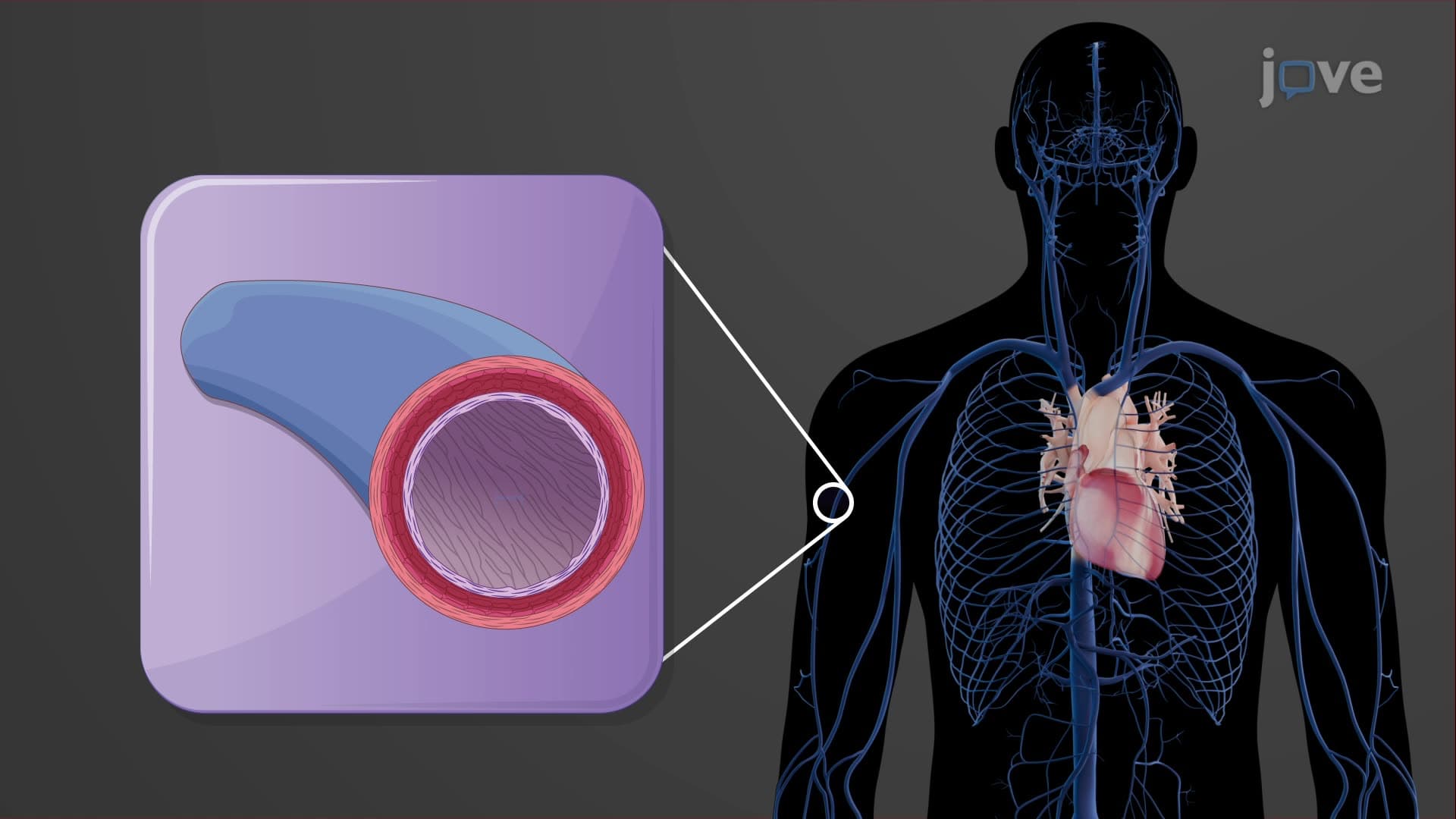
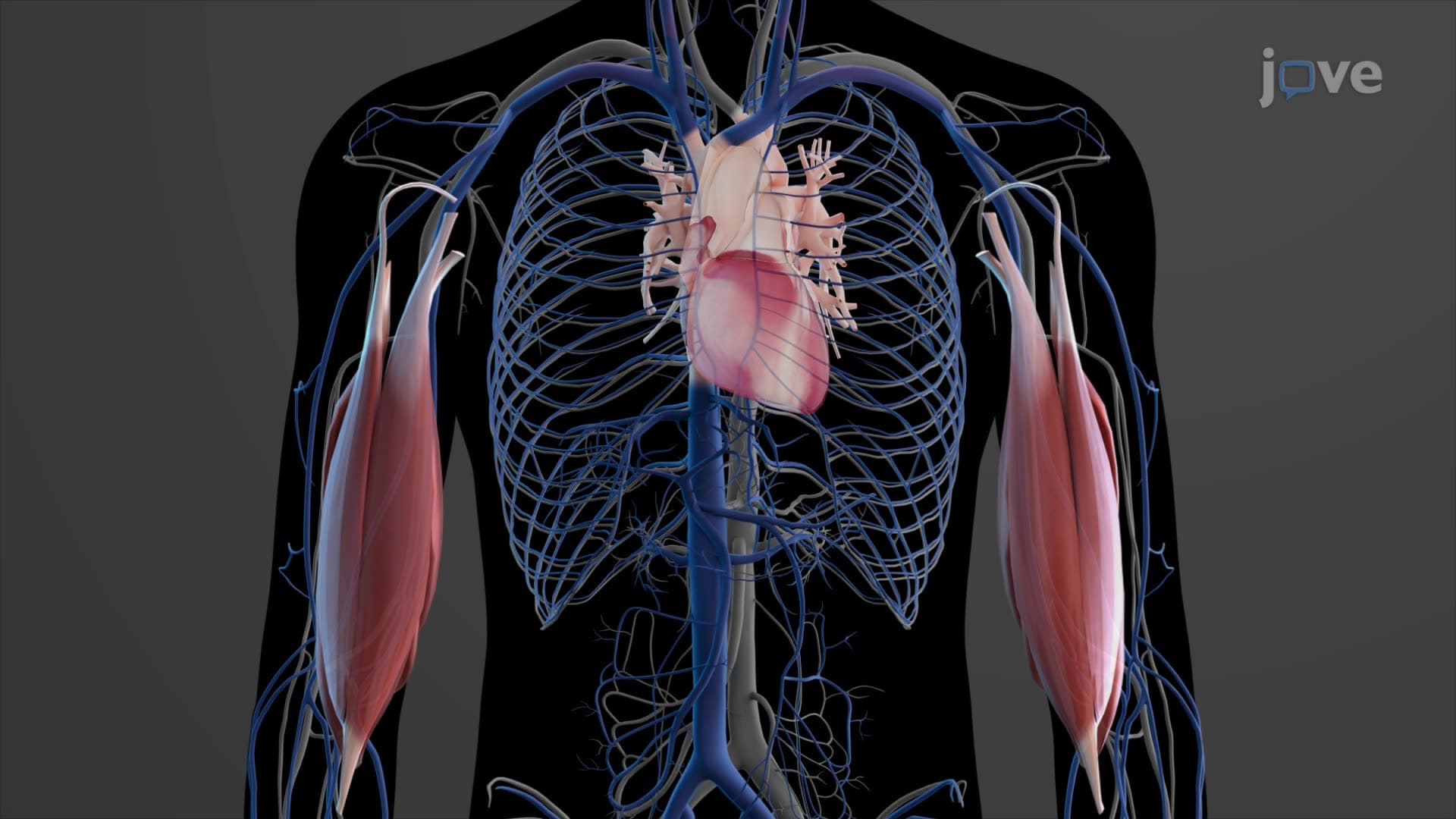
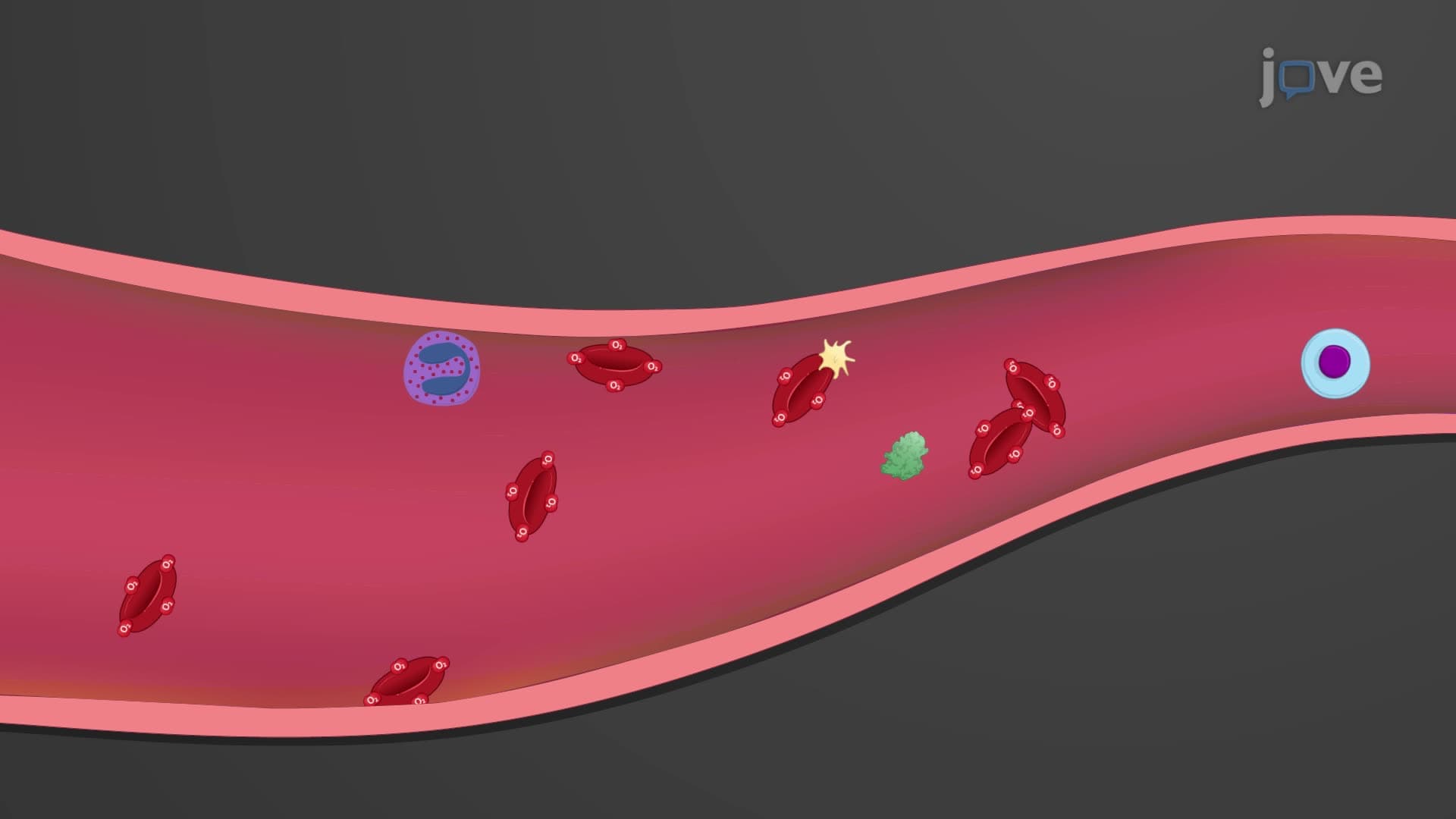
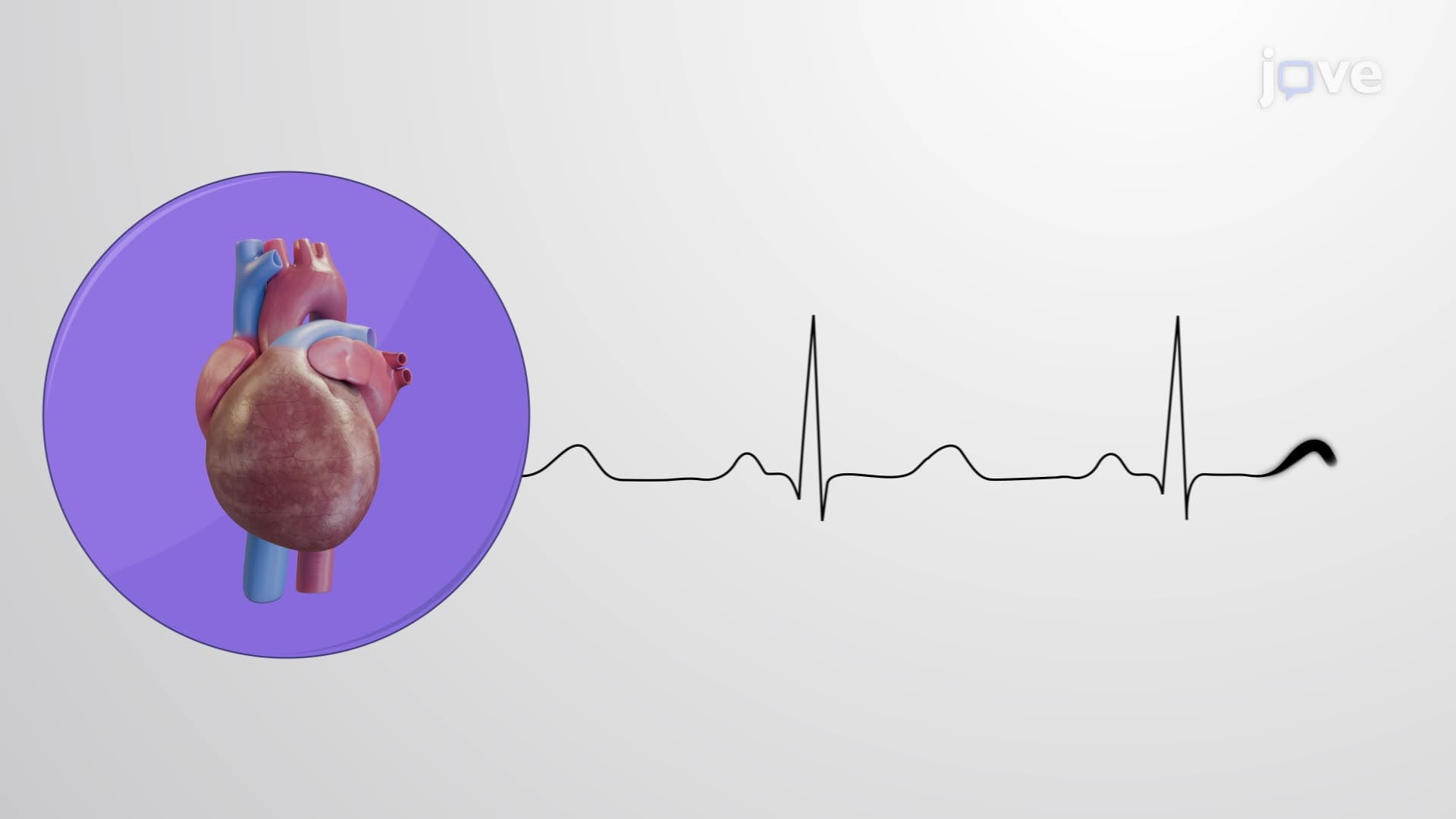
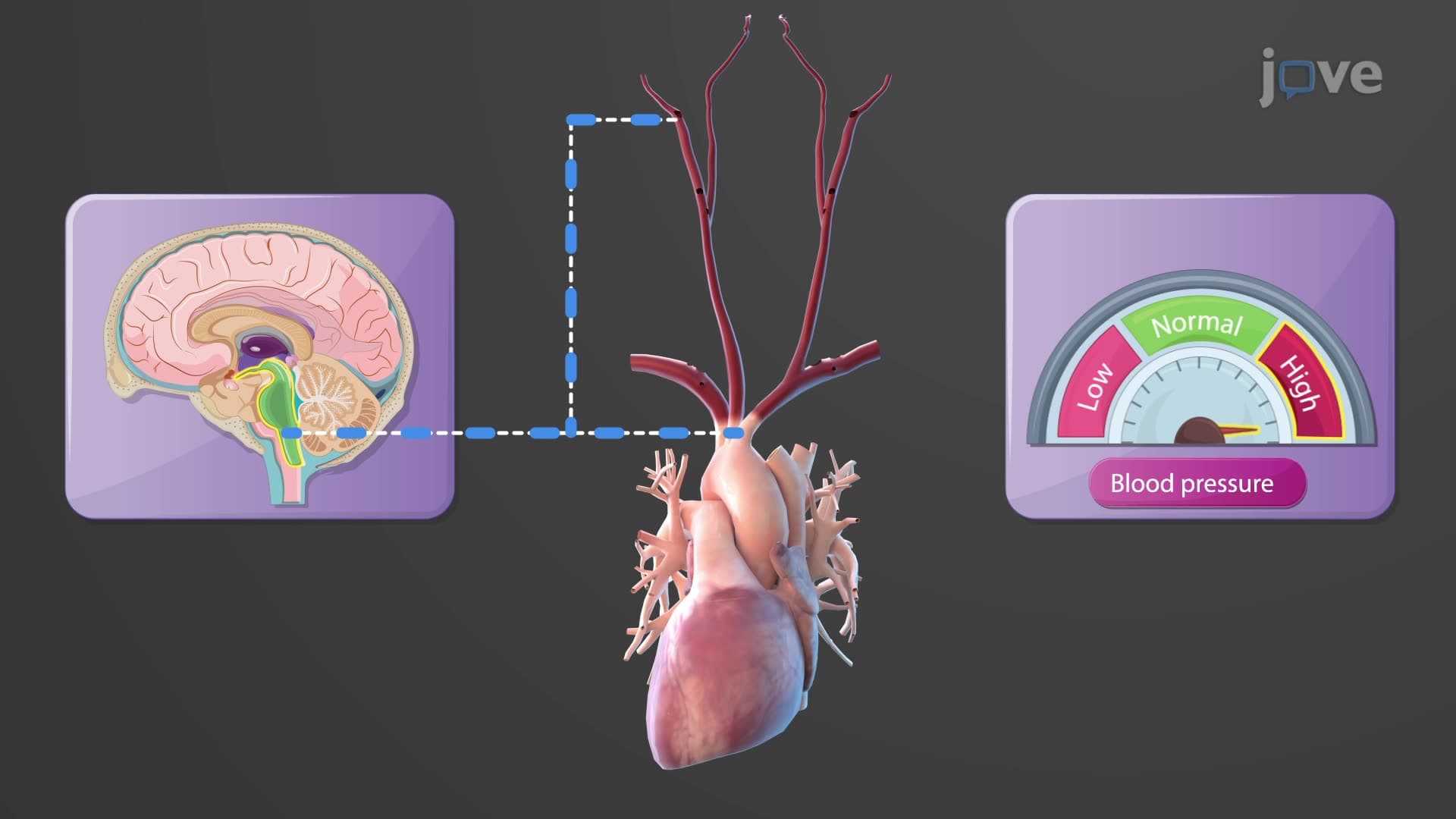
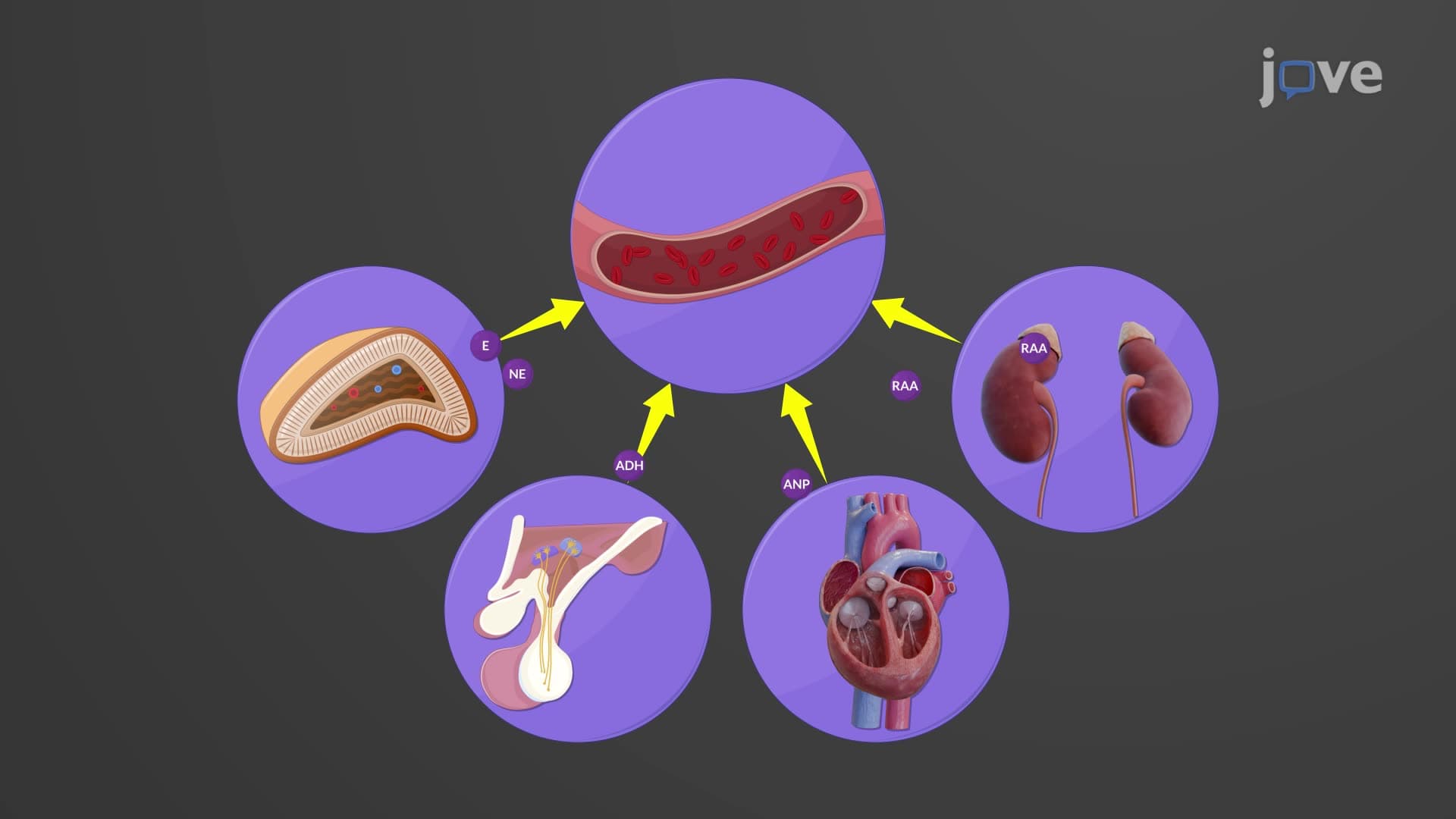
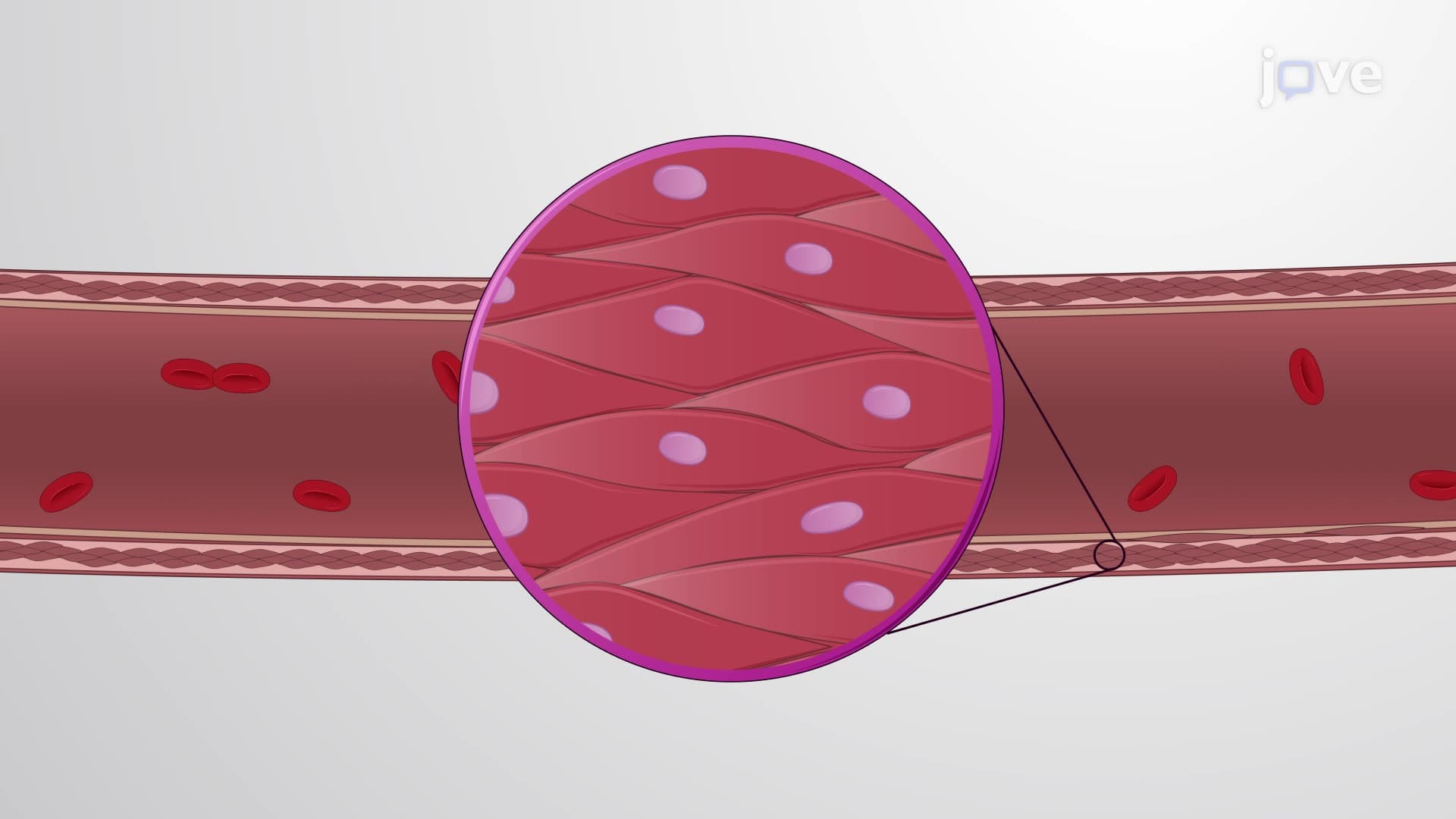
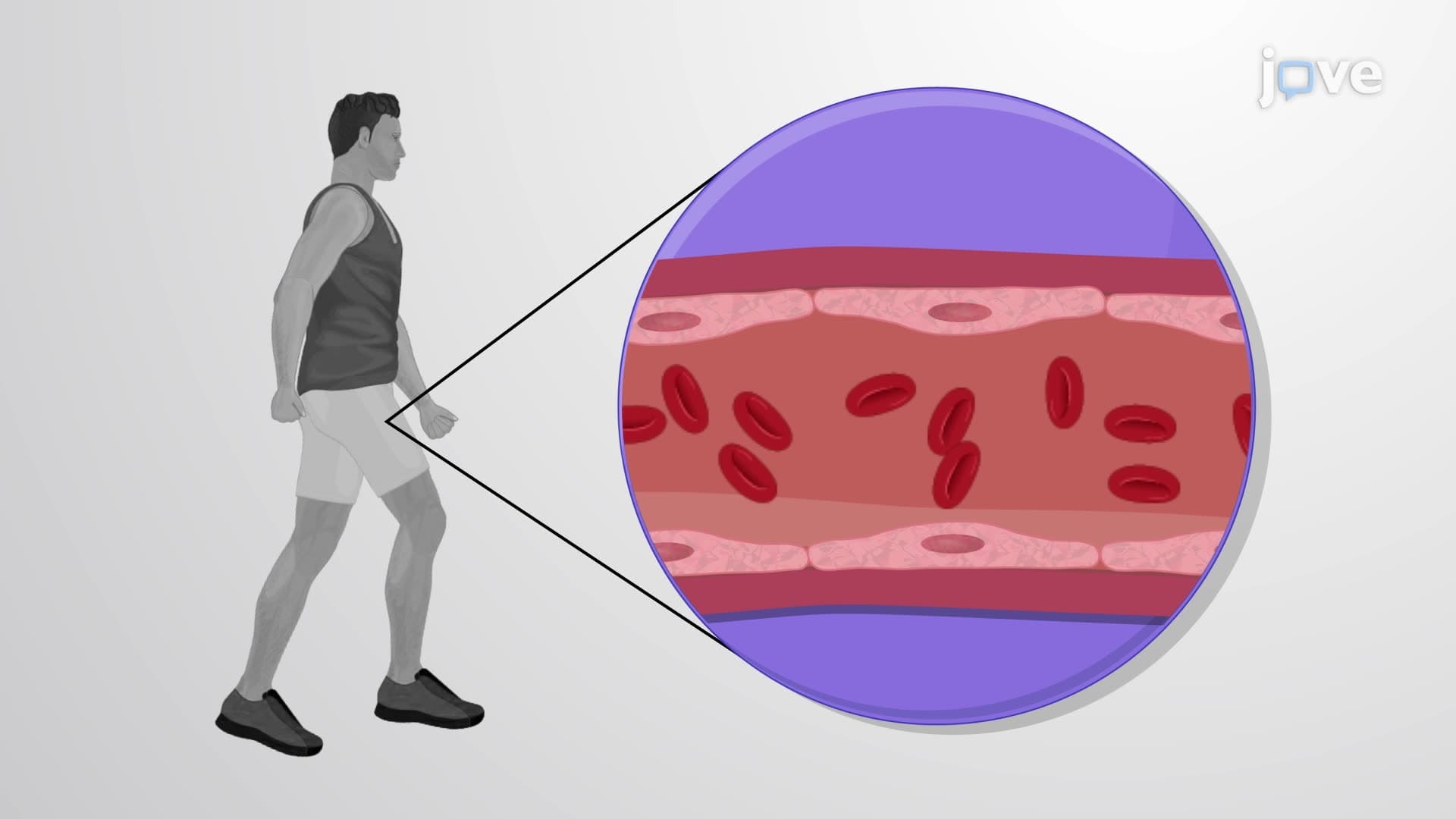
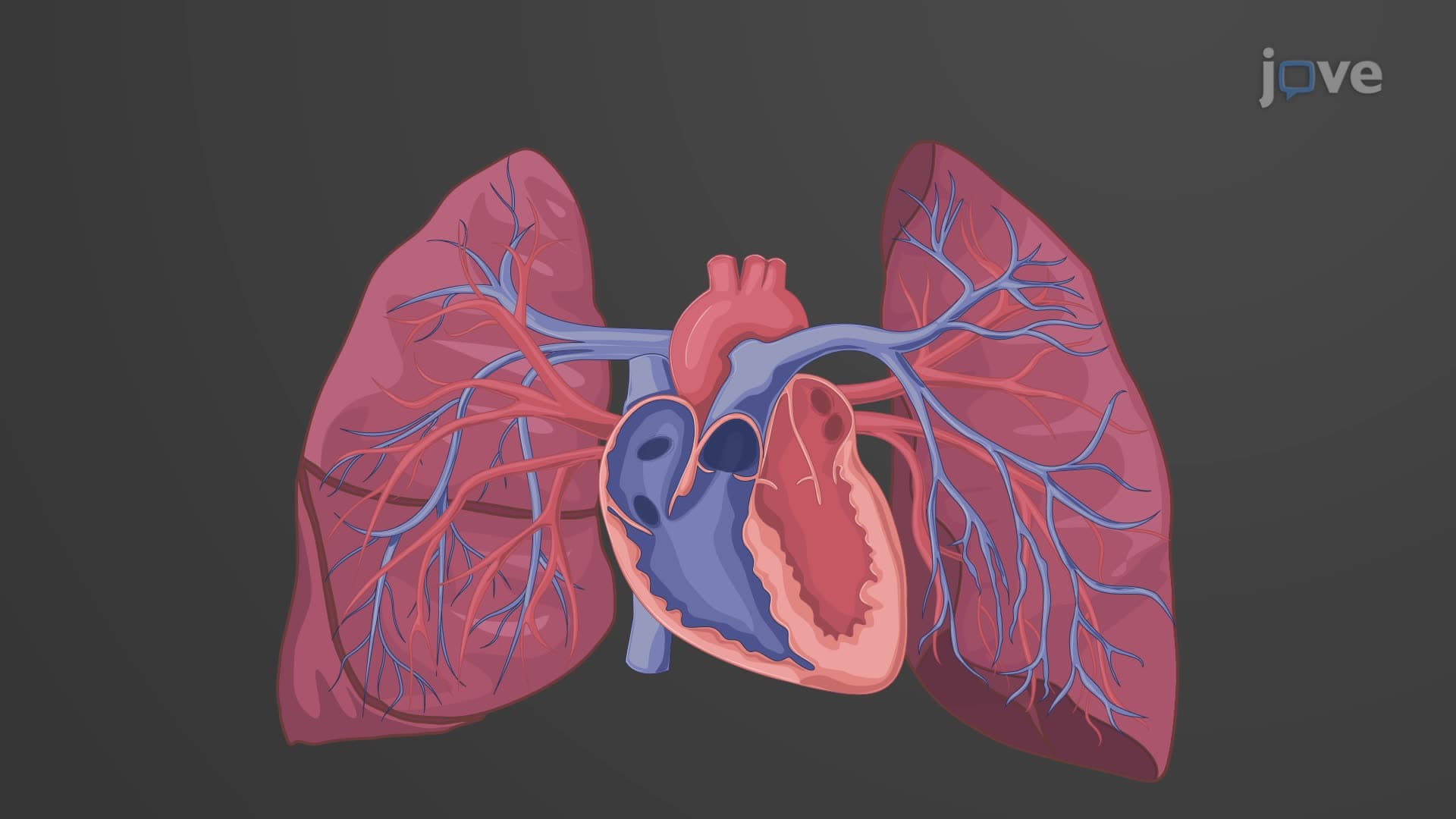
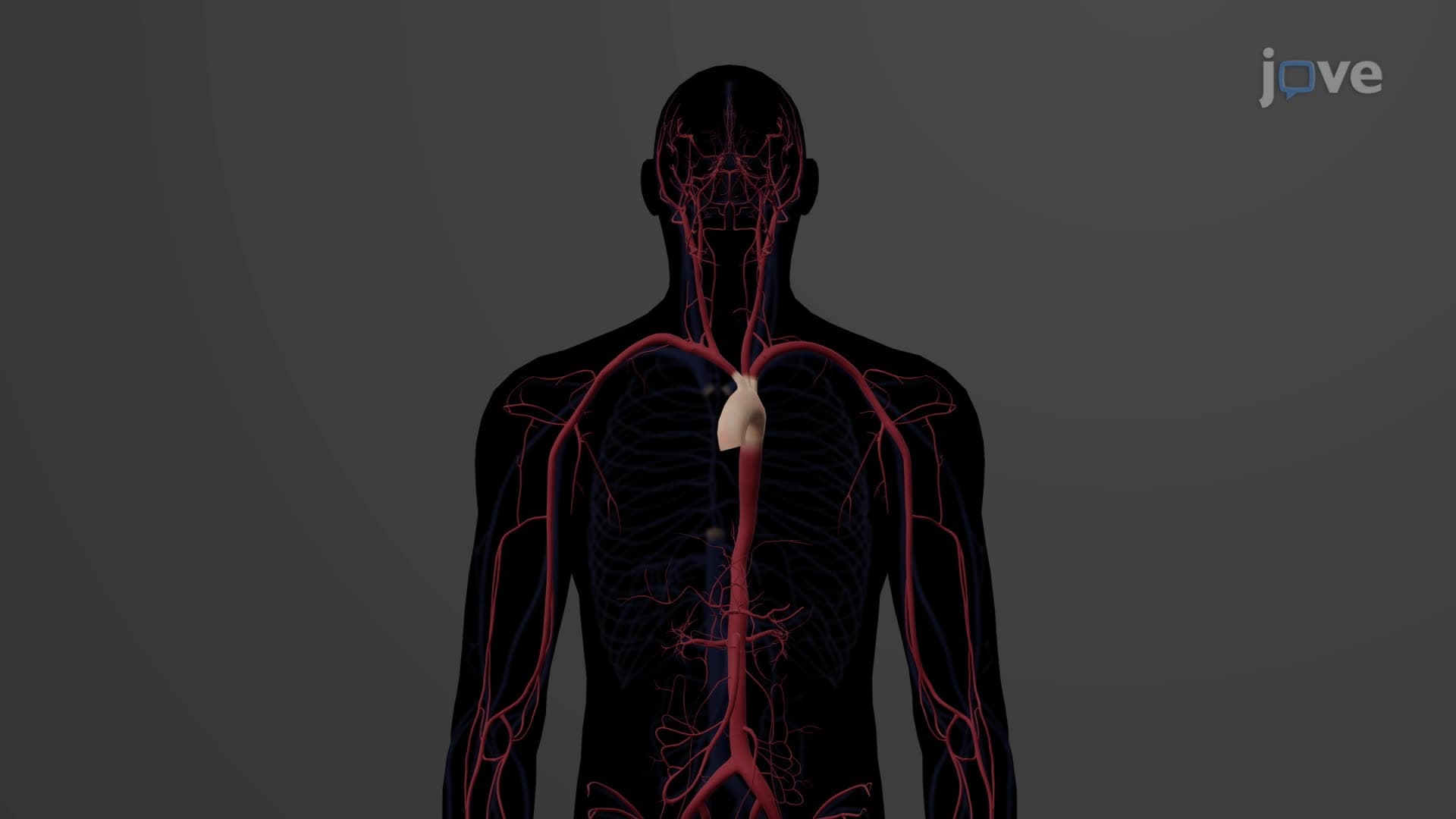
Blood pressure physiology forms the foundation of cardiovascular function, representing the force that blood exerts against arterial walls as it circulates through your body. This pressure results from the heart's pumping action combined with the resistance of blood vessels, creating a dynamic system that ensures oxygen and nutrients reach every cell.
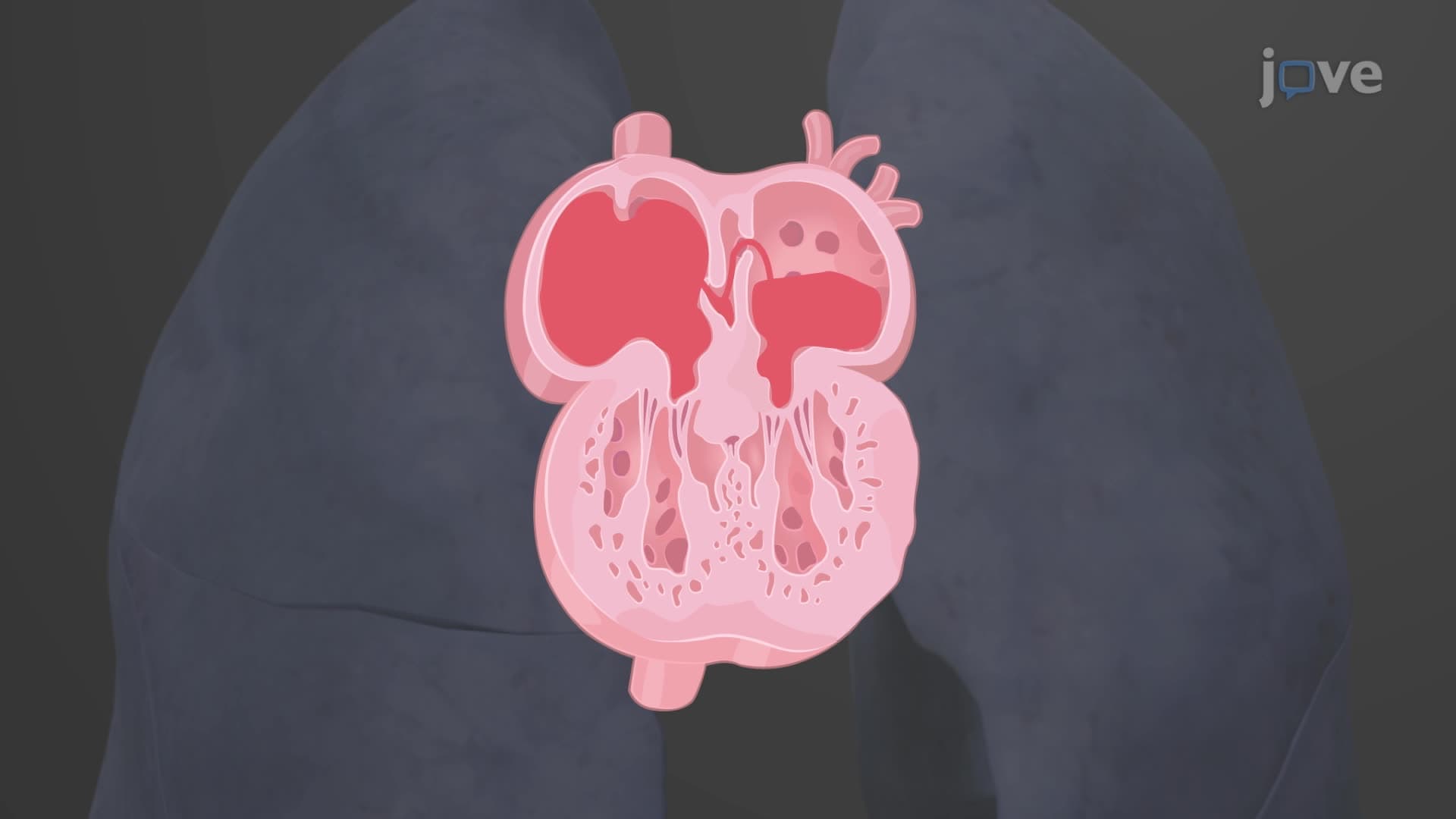
The blood pressure explained biology reveals two critical measurements. Systolic pressure, typically around 110-120 mm Hg in healthy adults, occurs when the left ventricle contracts and pushes blood into the aorta. This represents the maximum pressure in your arterial system. Diastolic pressure, normally 70-80 mm Hg, measures the pressure when your heart relaxes between beats, allowing the ventricles to refill with blood.
These measurements appear as a fraction (like 120/80 mm Hg) on medical charts across US hospitals and clinics. The difference between systolic and diastolic pressure, called pulse pressure, provides additional insights into cardiovascular health that medical students learn in courses at institutions like Johns Hopkins and Harvard Medical School.
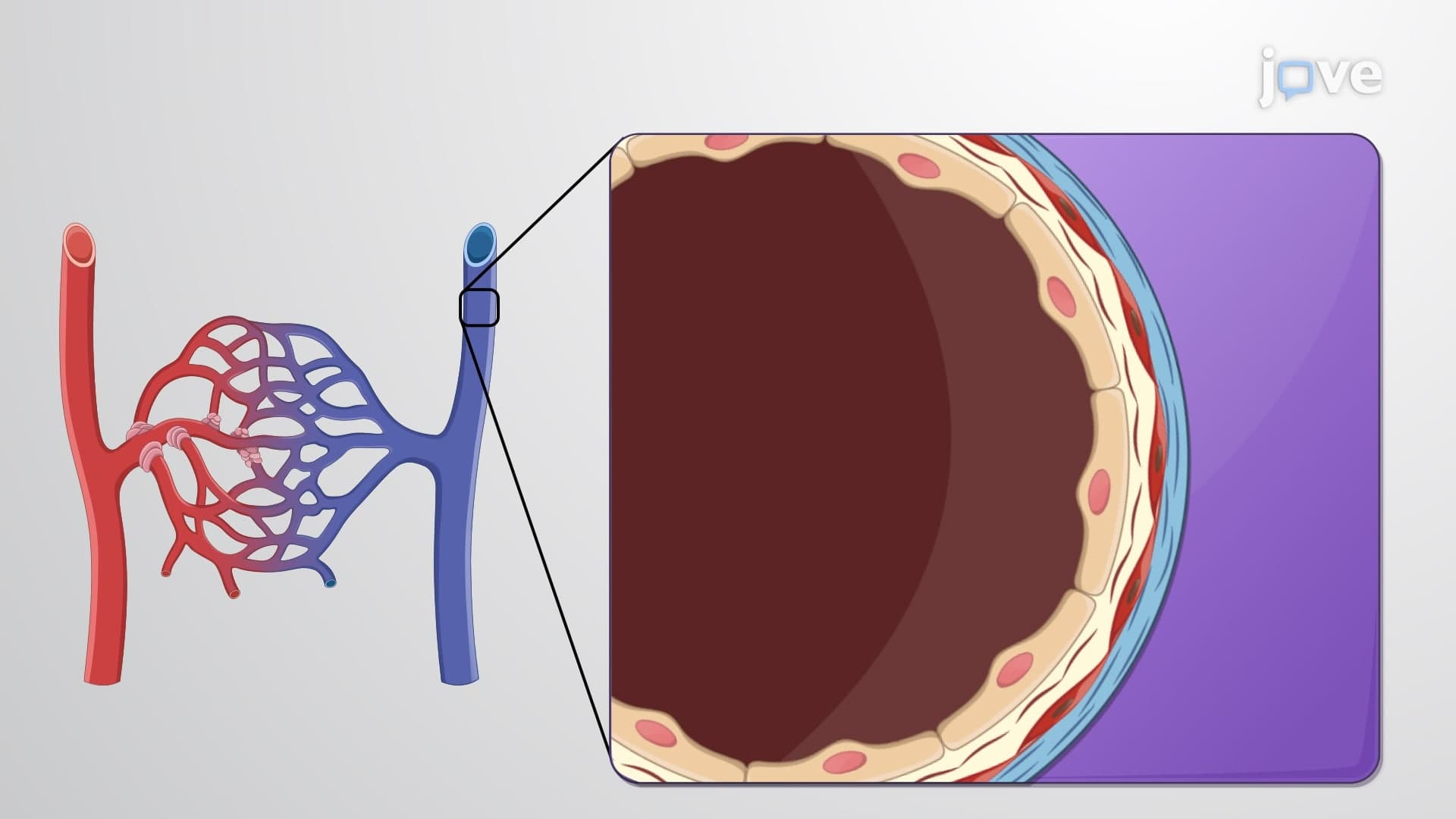
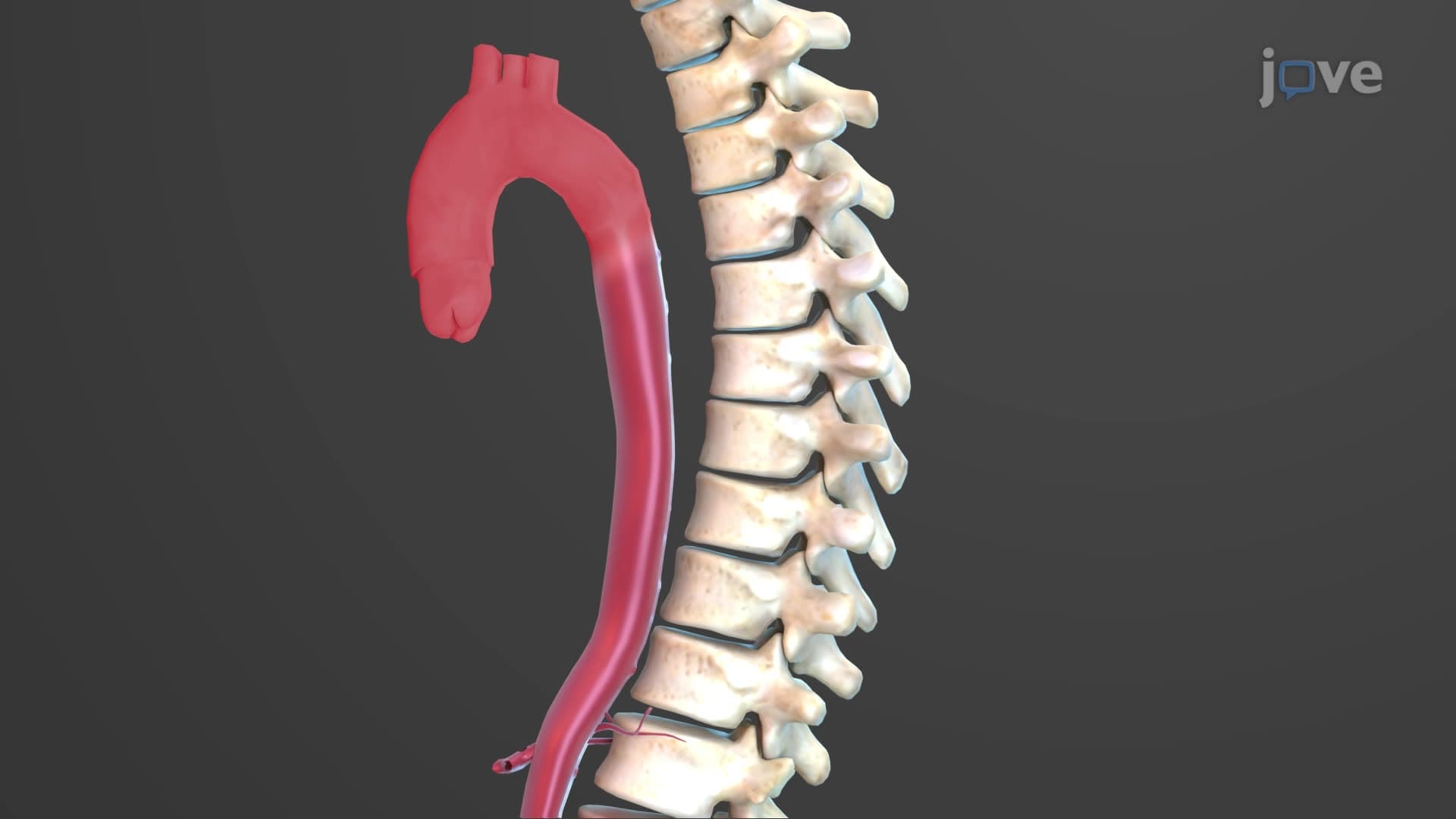
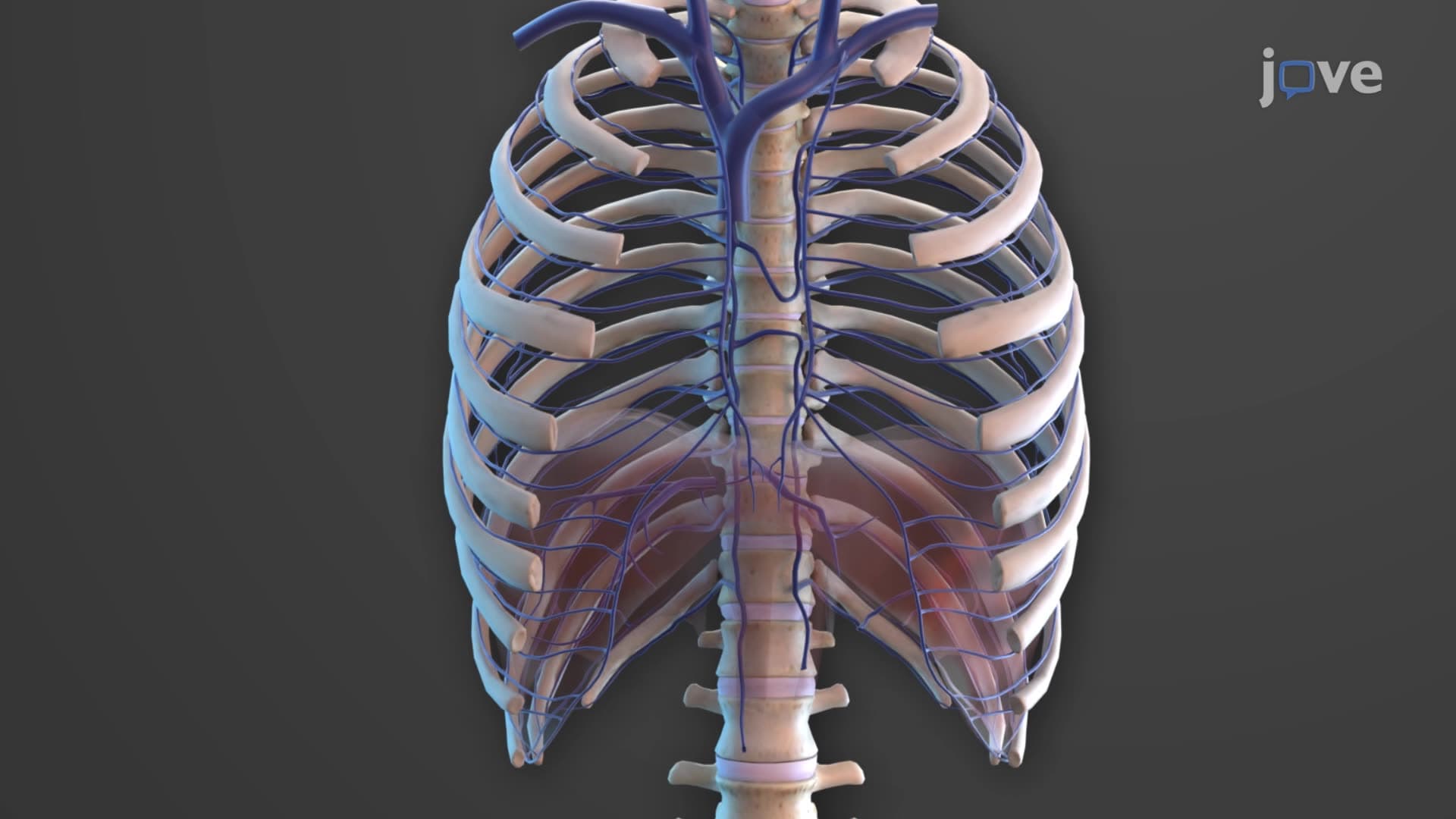
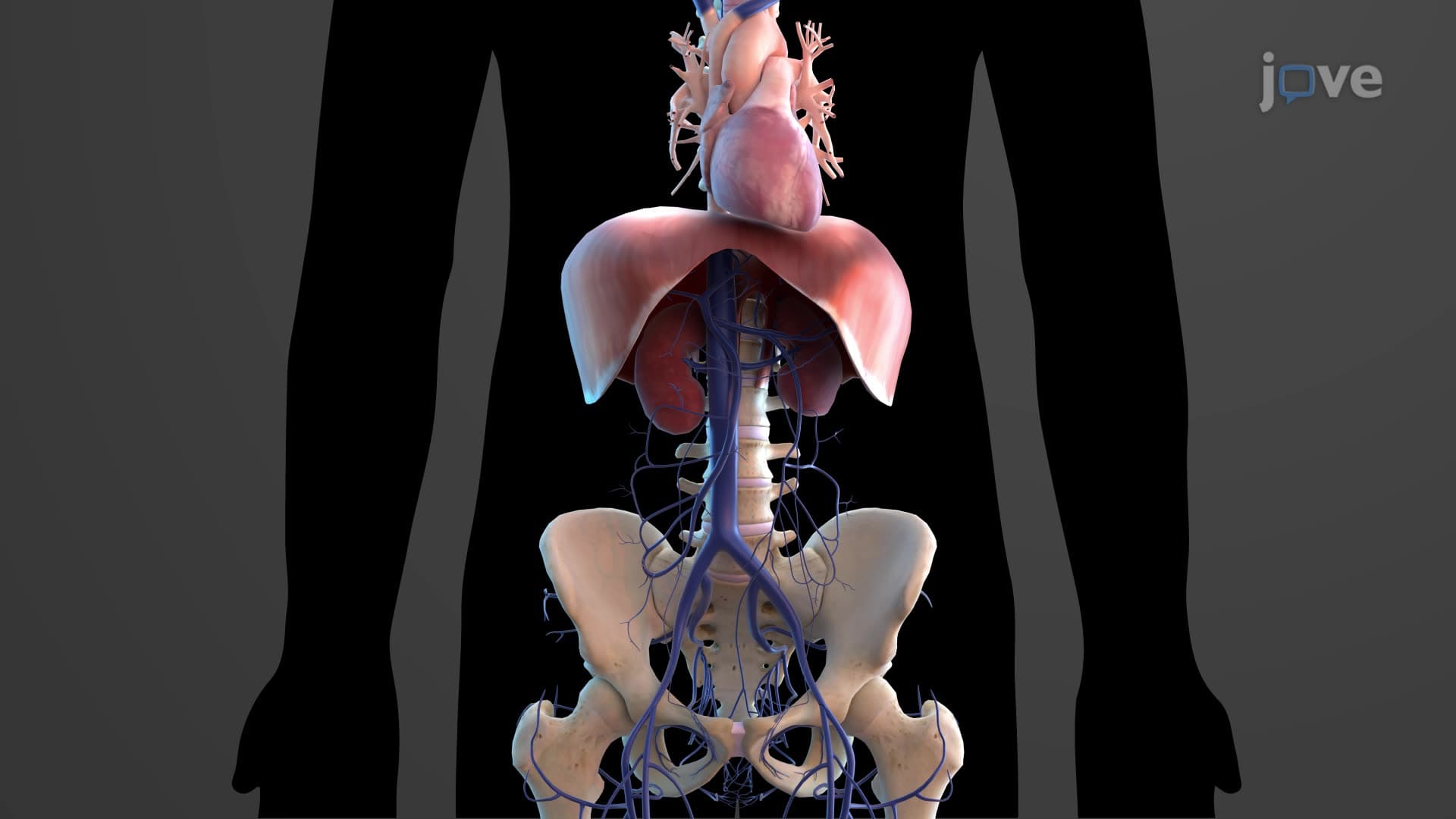
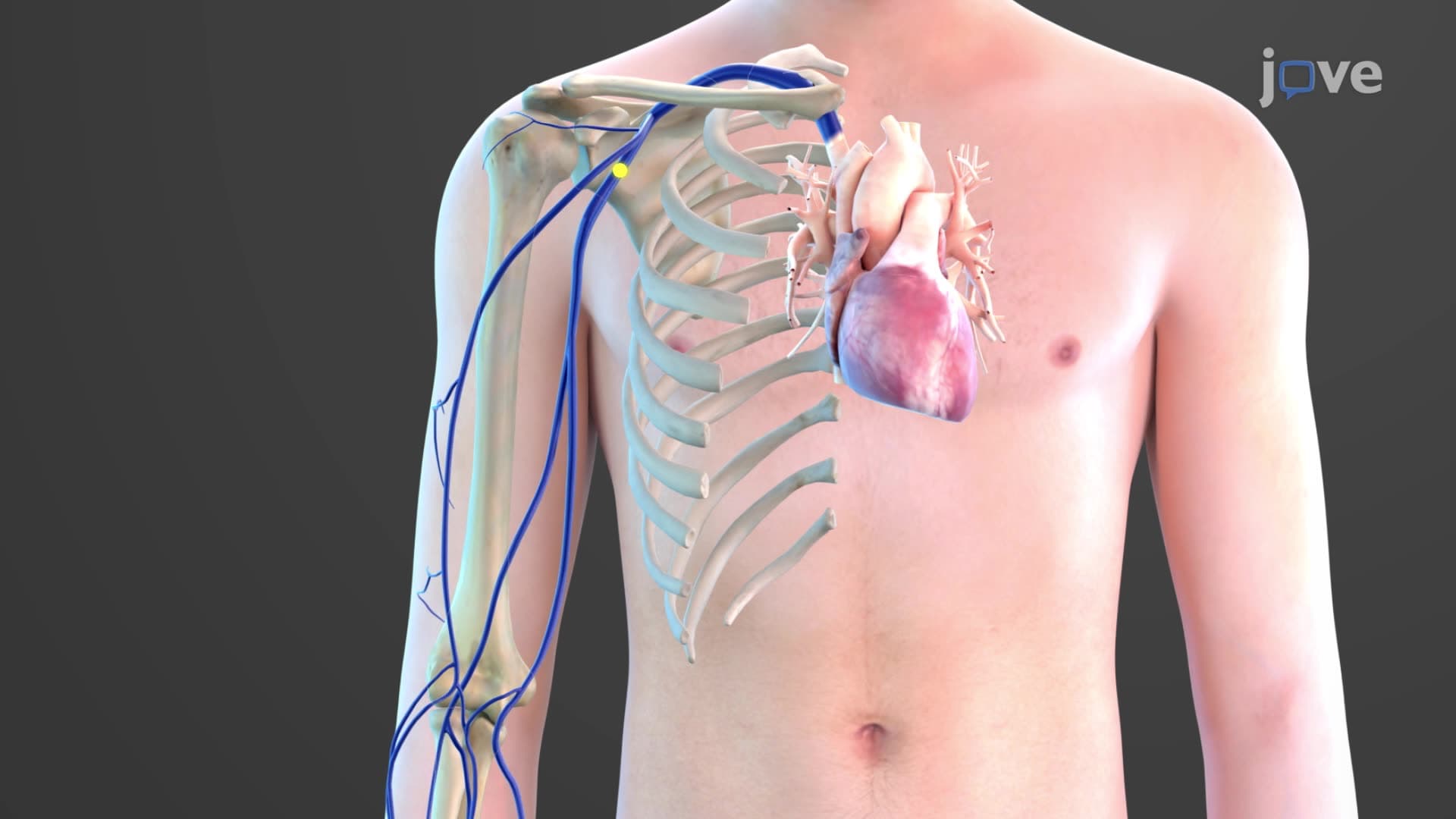
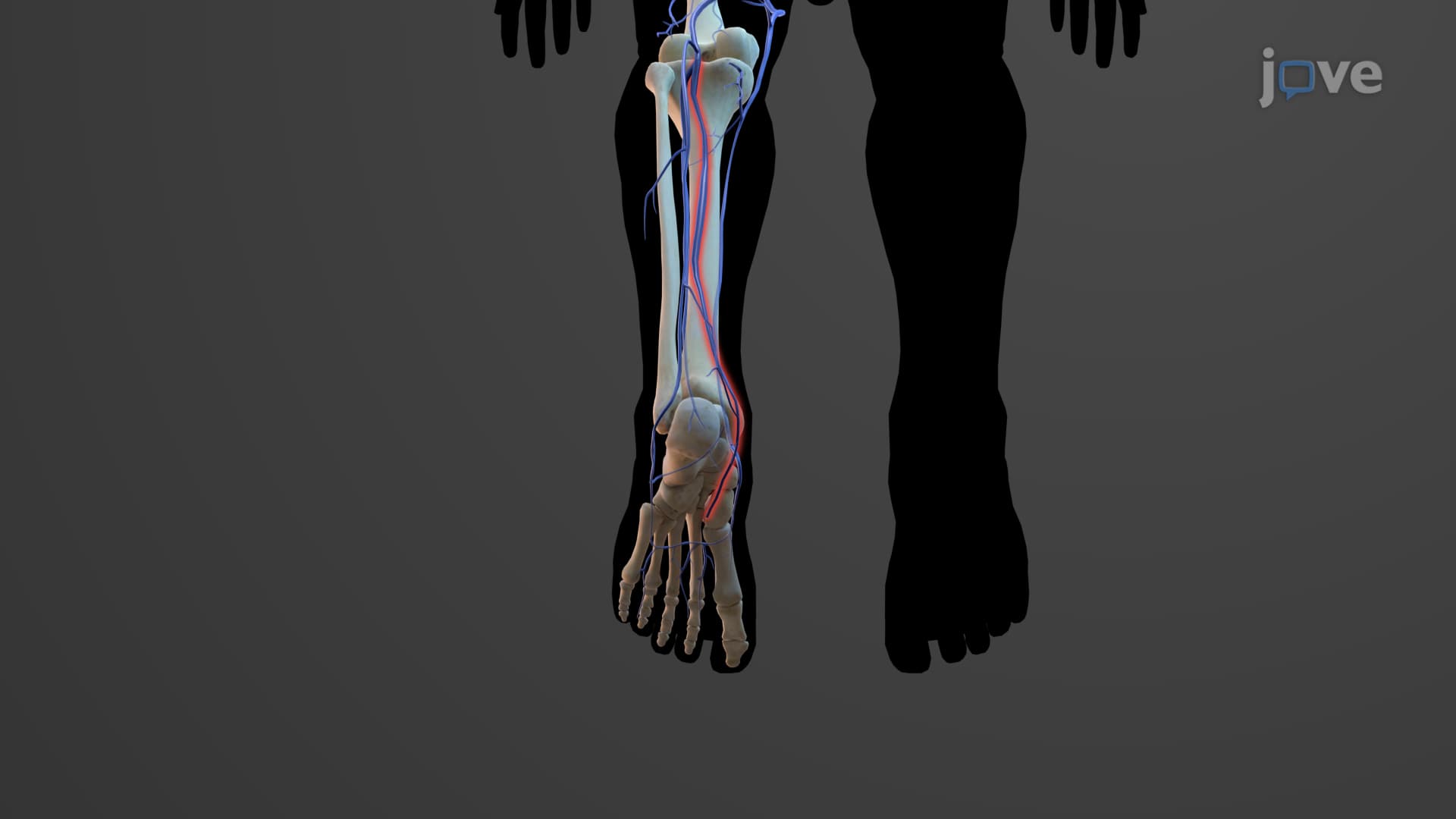
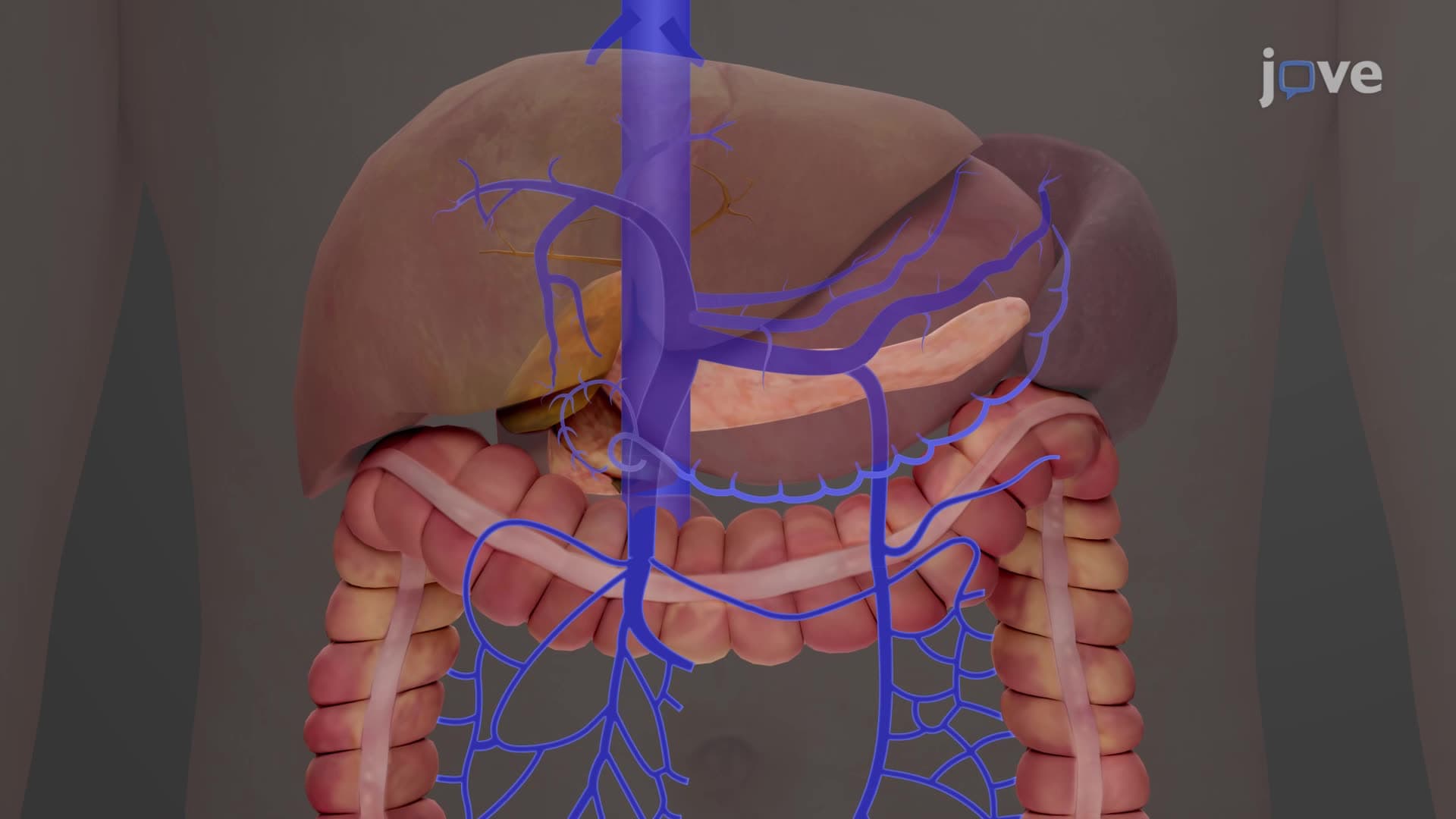
What is blood pressure in cardiovascular physiology becomes clearer when examining pressure changes throughout circulation. Starting at approximately 100 mm Hg in the aorta, pressure drops to 35 mm Hg in arterioles and capillaries, then further decreases to 16 mm Hg in venules and veins, finally reaching near 0 mm Hg when blood returns to the right atrium.
This pressure gradient flow drives circulation without requiring additional energy input. The pressure drop occurs because blood encounters resistance from vessel walls, vessel branching, and blood viscosity. Students preparing for the MCAT often encounter questions about these pressure relationships in passages about cardiovascular disease.
Healthcare providers calculate mean arterial pressure (MAP) using the formula: MAP = [(2 × diastolic) + systolic] ÷ 3. For a patient with 120/80 mm Hg readings, MAP equals approximately 93 mm Hg. This calculation appears frequently on NCLEX exams for nursing students and provides a single value representing average pressure throughout the cardiac cycle.
Understanding these blood pressure determinants helps pre-med students excel in physiology courses at universities nationwide, from UCLA to Duke University, while preparing them for clinical rotations where accurate blood pressure interpretation can be life-saving.
Related Micro-courses