Loading subject page…


149,645 views

Video Summary: What Is Capillary Beds
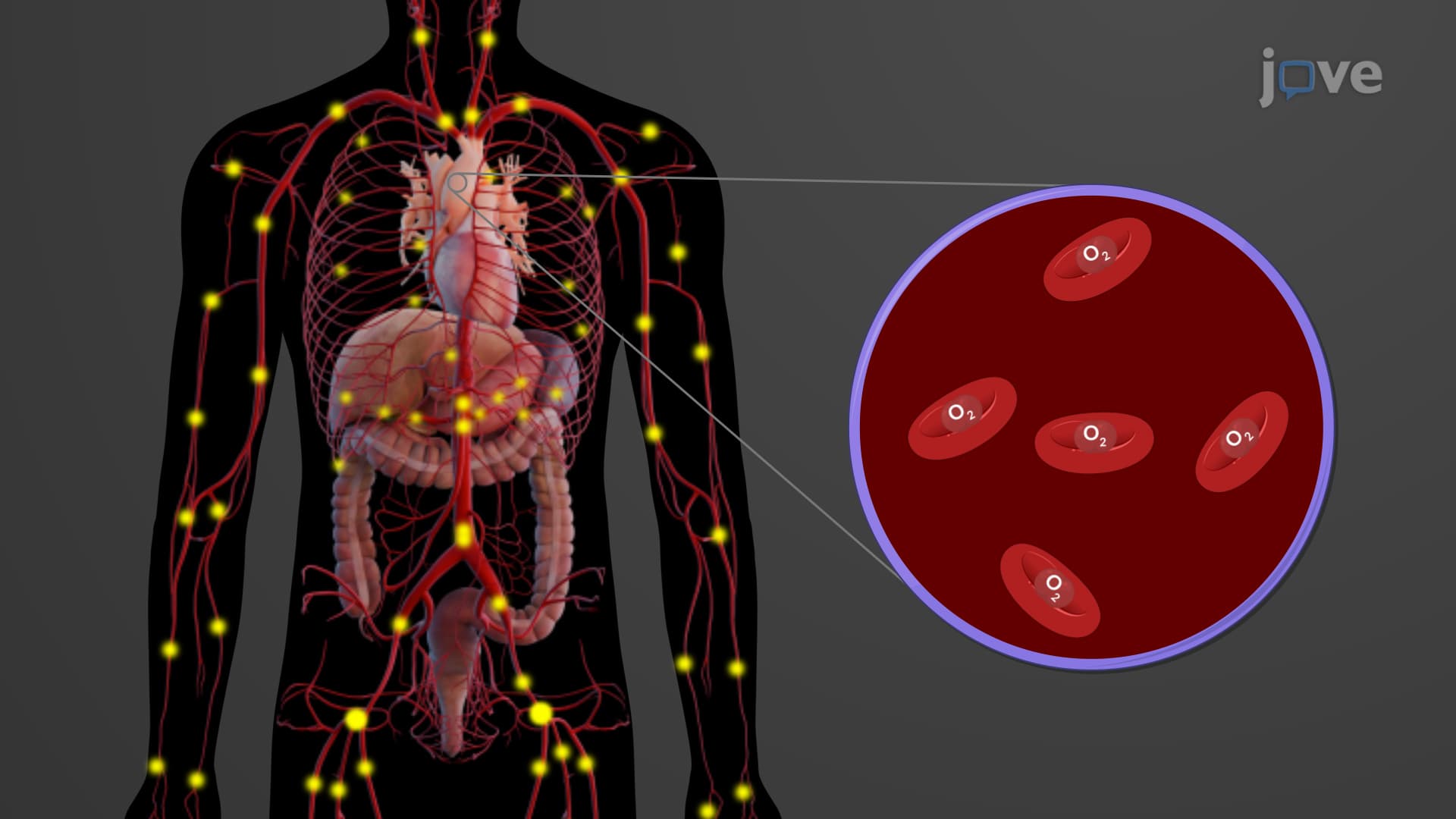
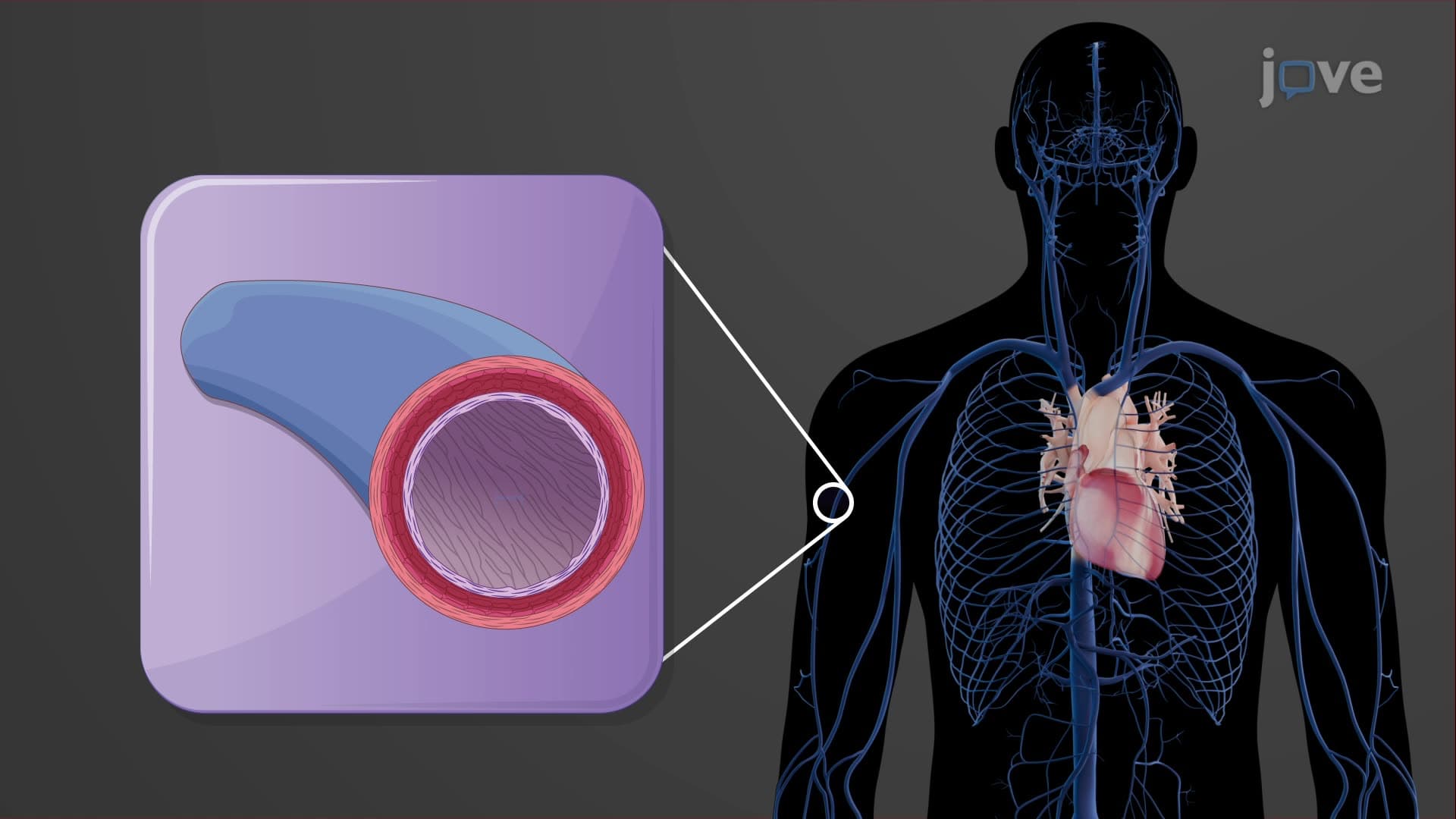
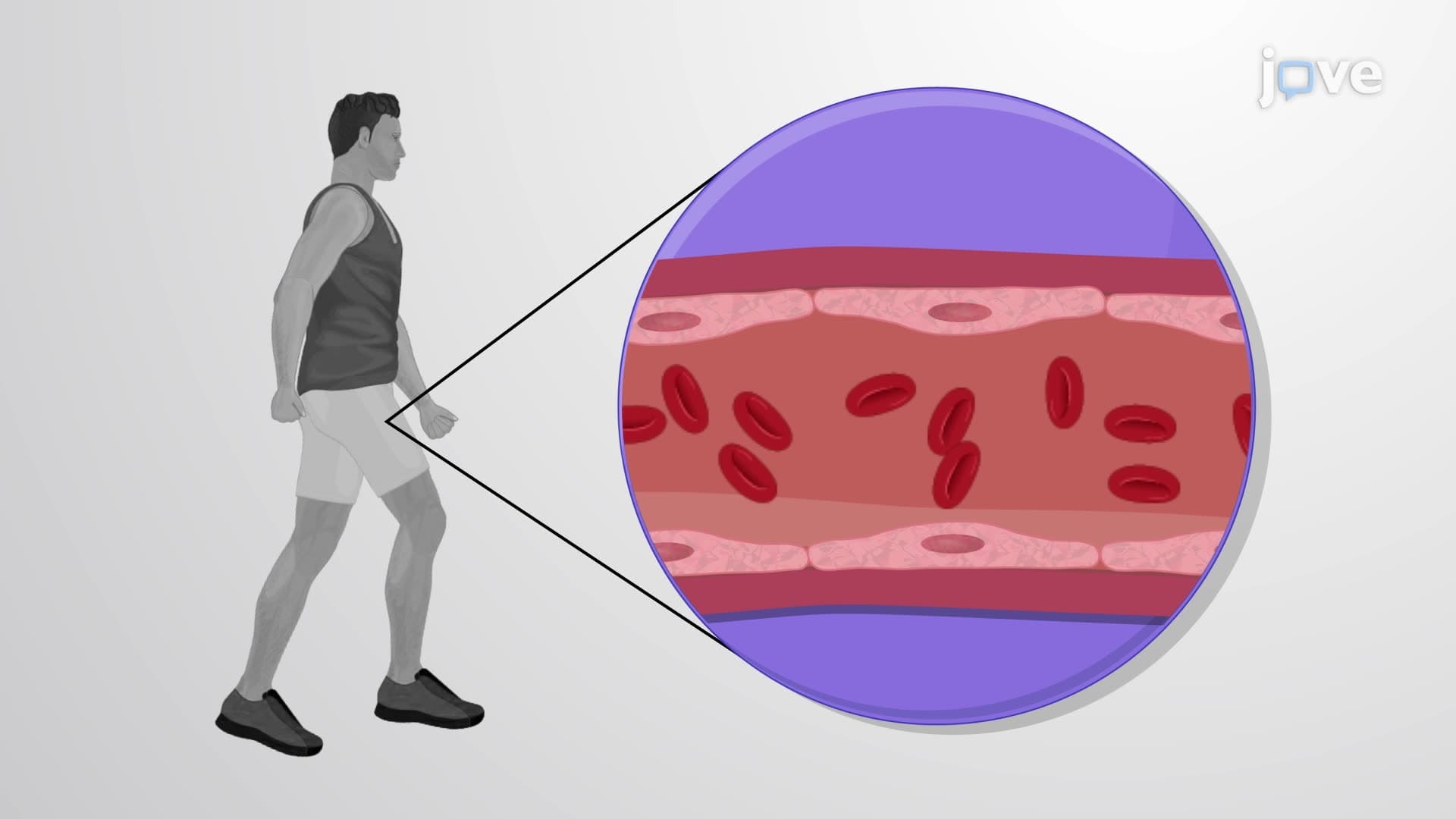
Ever wondered how your muscles get the oxygen they need during a basketball game while your digestive system takes priority after lunch? Capillary beds anatomy reveals the body's remarkable ability to direct blood flow precisely where it's needed. These microscopic networks of 10-100 tiny vessels act like traffic controllers, opening and closing pathways between arterioles and venules. For example, during exercise at a US high school track meet, capillary beds in leg muscles receive increased blood flow while those in the digestive tract temporarily close. Watch the full video on JoVE Coach to master this concept with expert-led visuals and step-by-step explanations.
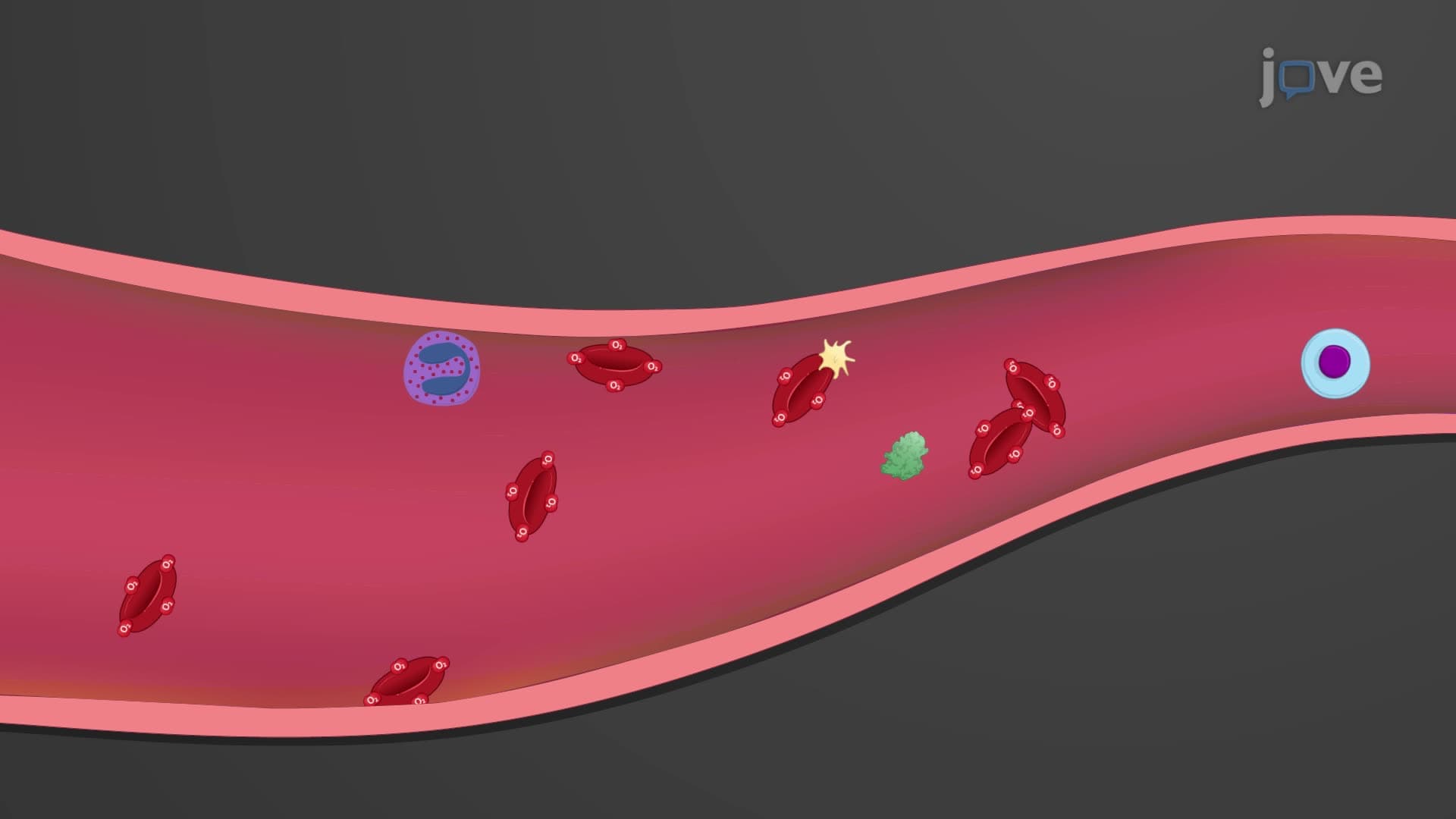
Capillary beds anatomy represents one of the most elegant examples of form following function in human physiology. These intricate networks serve as the critical interface where the cardiovascular system fulfills its primary mission: delivering oxygen and nutrients to tissues while removing metabolic waste products.
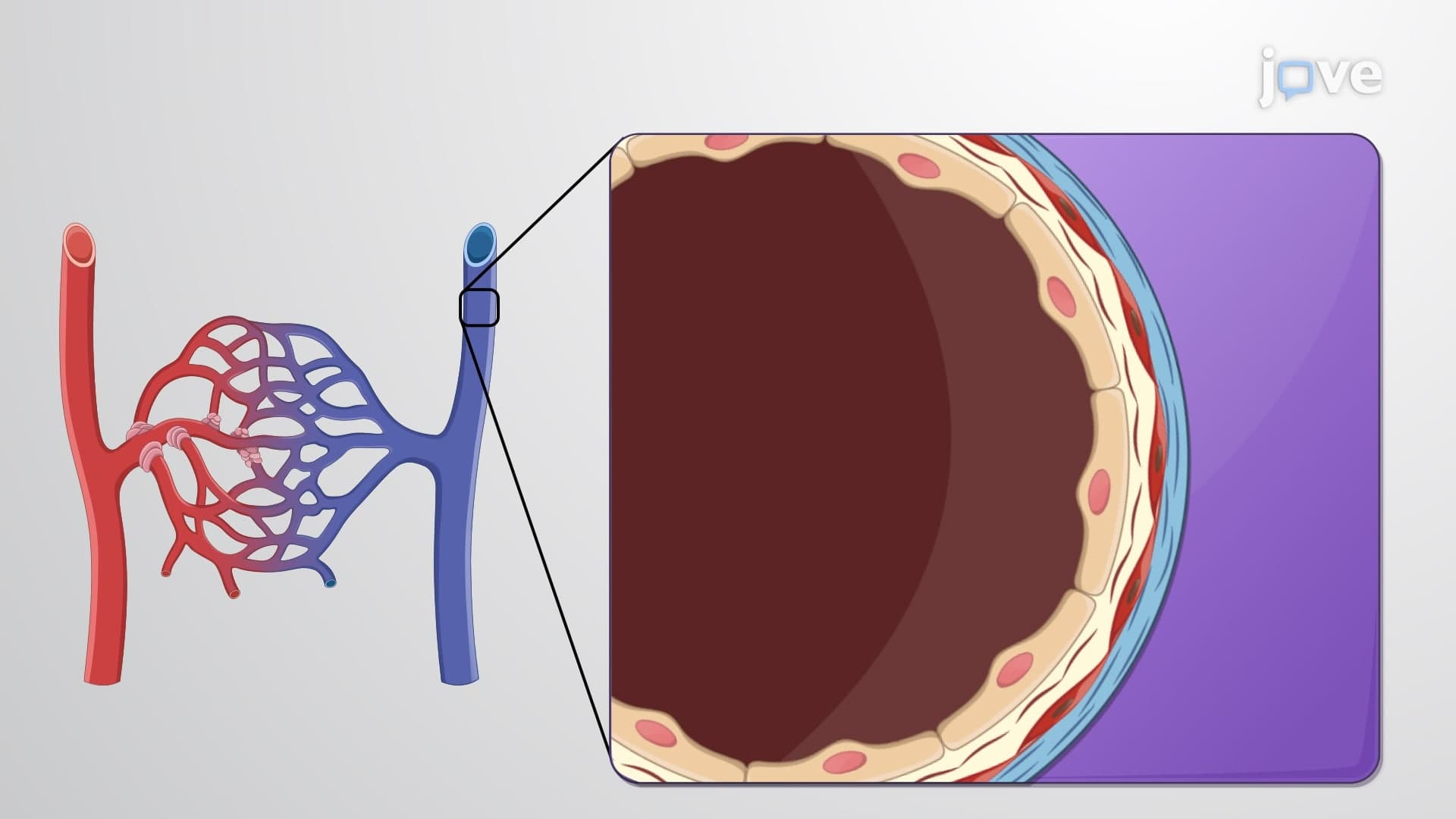
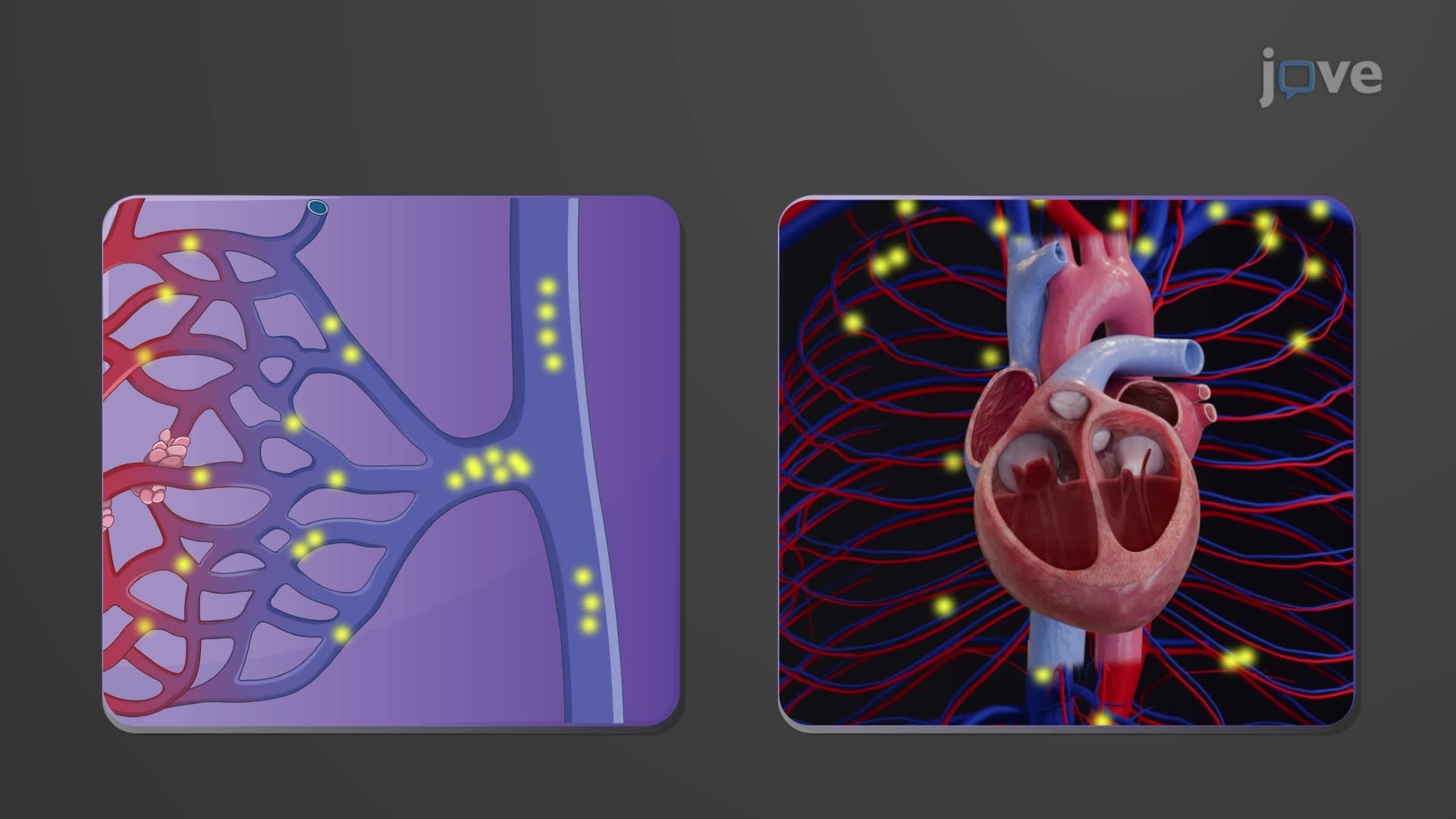
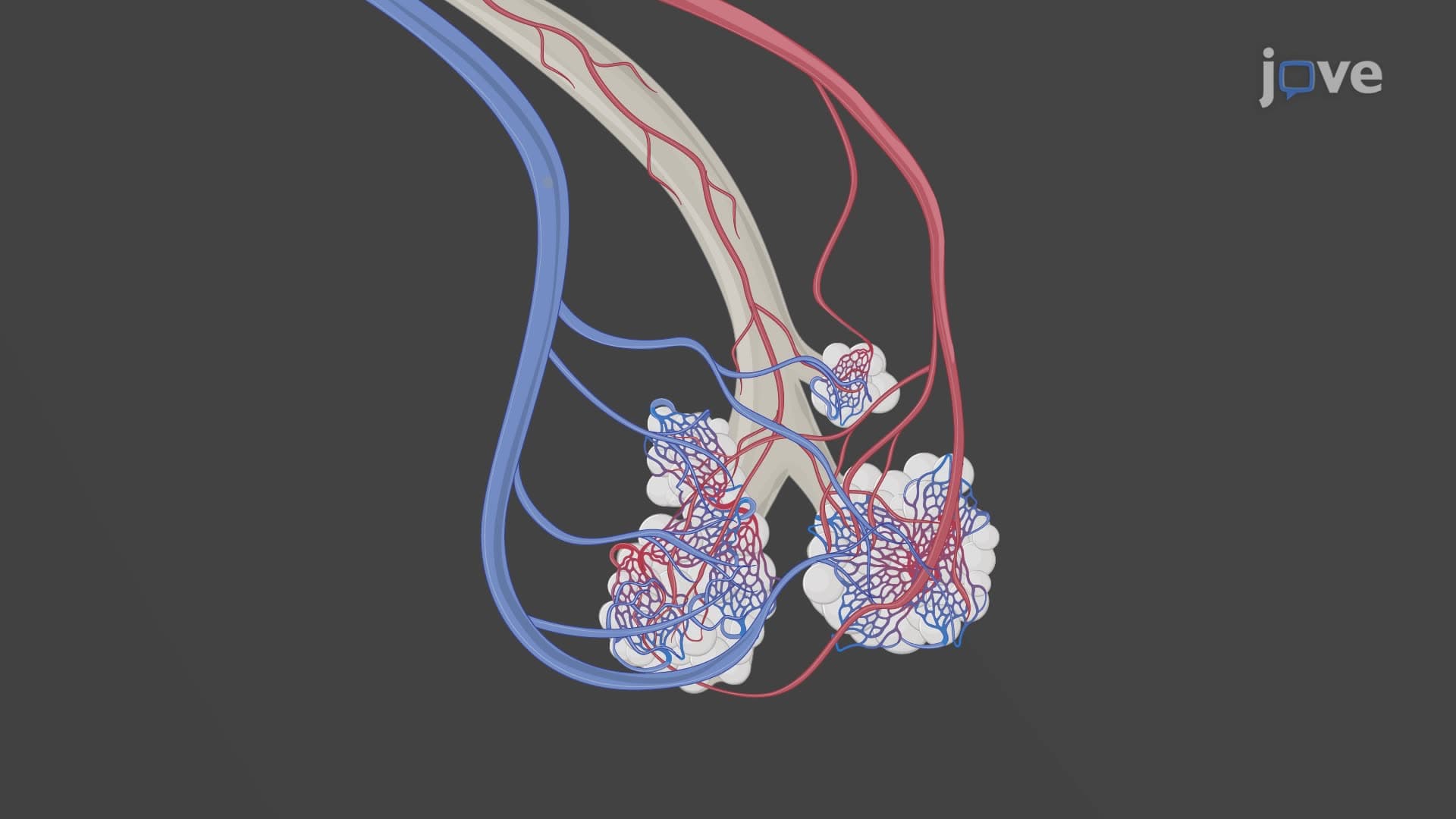
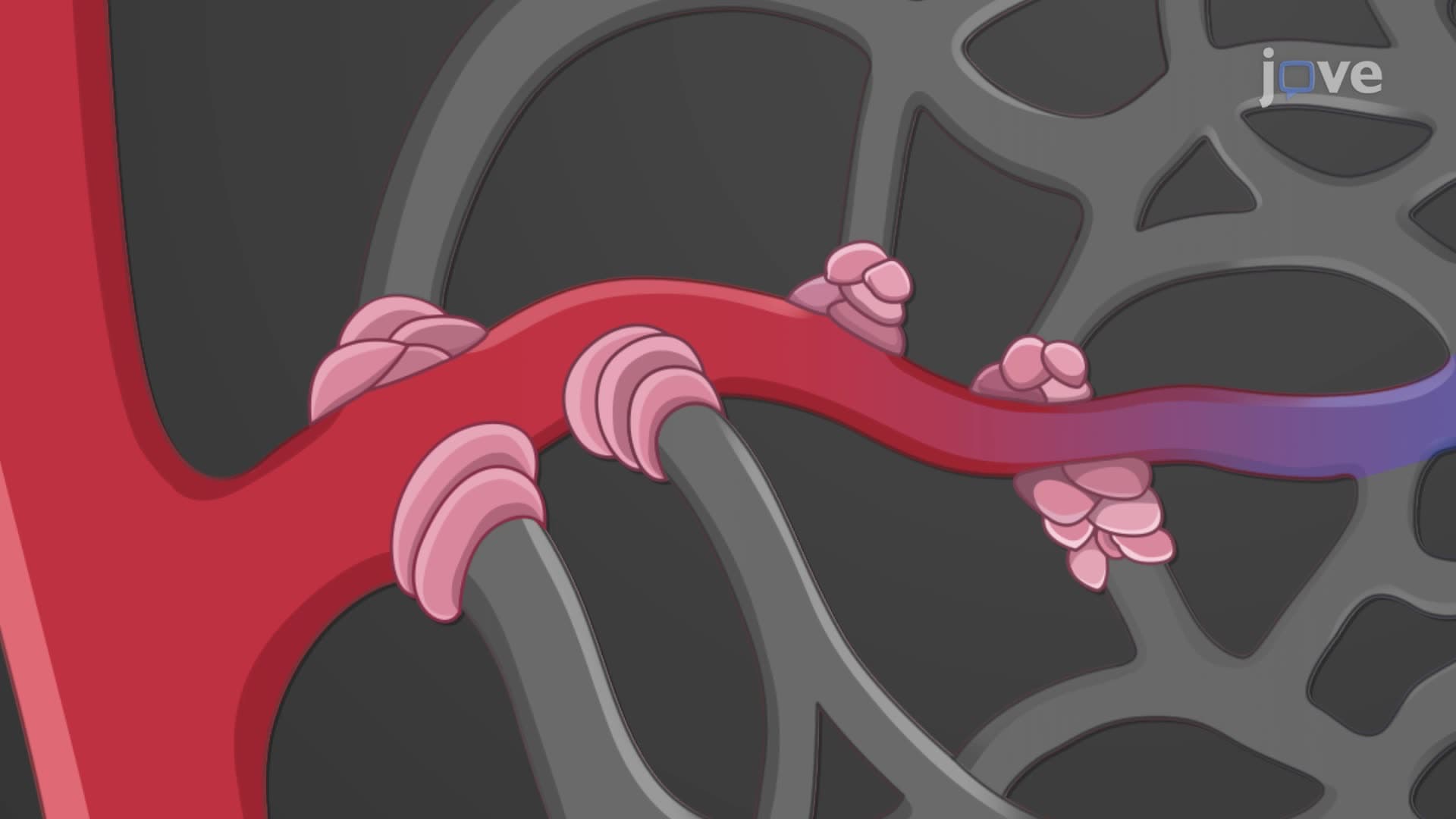
The capillary bed structure function relationship begins with understanding its architectural components. Each capillary bed contains 10 to 100 individual capillaries arranged in a web-like pattern between a terminal arteriole and a postcapillary venule. This design maximizes surface area for exchange while maintaining efficient blood flow patterns.
The metarteriole capillary bed connection forms the entry point for this network. Metarterioles are short transitional vessels that branch from terminal arterioles, featuring both endothelial cells and scattered smooth muscle fibers. These vessels give rise to true capillaries while also connecting directly to thoroughfare channels, creating dual pathways for blood flow.
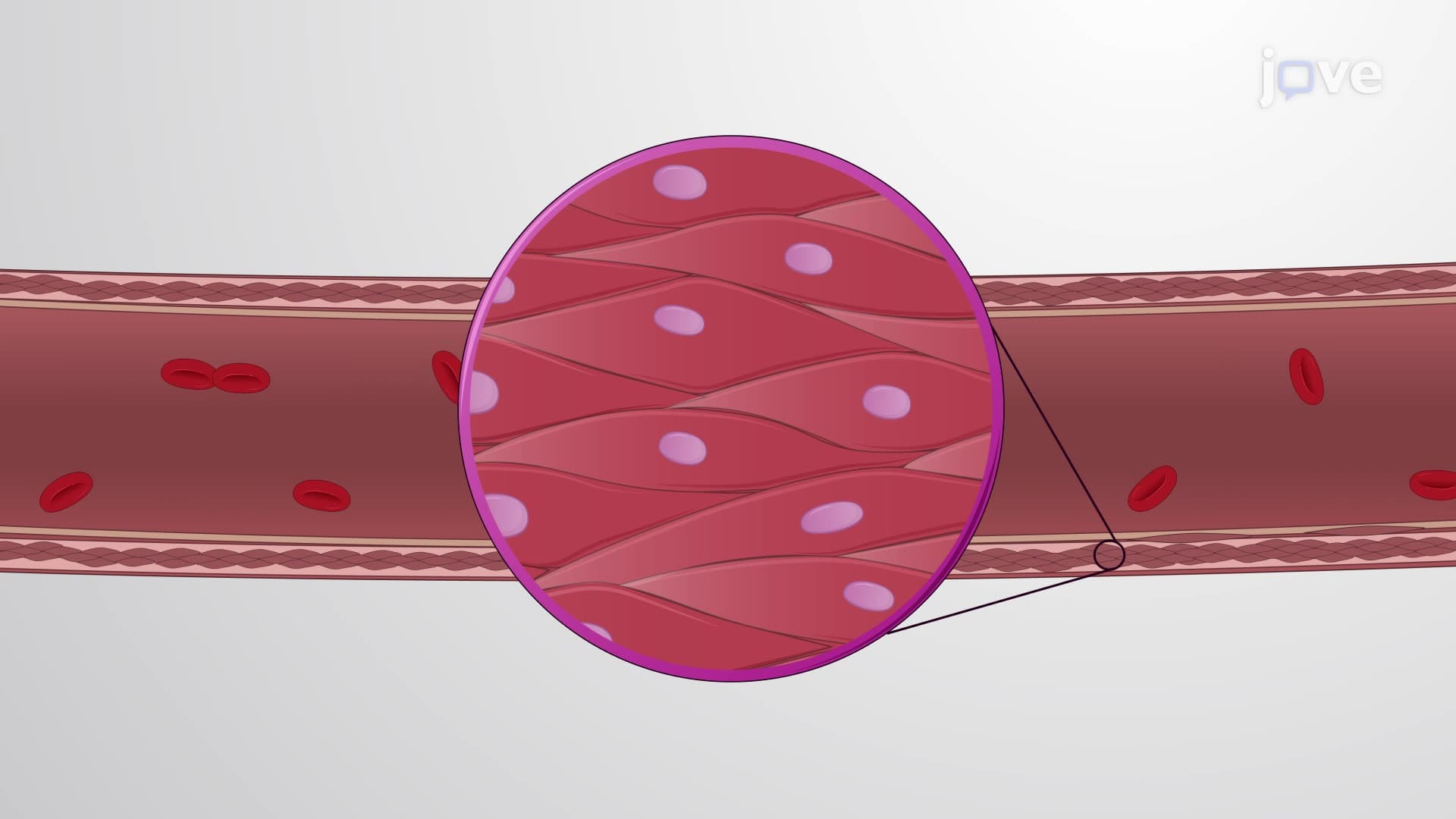
At the junction where each true capillary branches from a metarteriole sits a precapillary sphincter-a ring of smooth muscle that acts as a microscopic gate. Precapillary sphincter control determines whether blood enters the capillary bed for exchange or bypasses it entirely through the thoroughfare channel route.
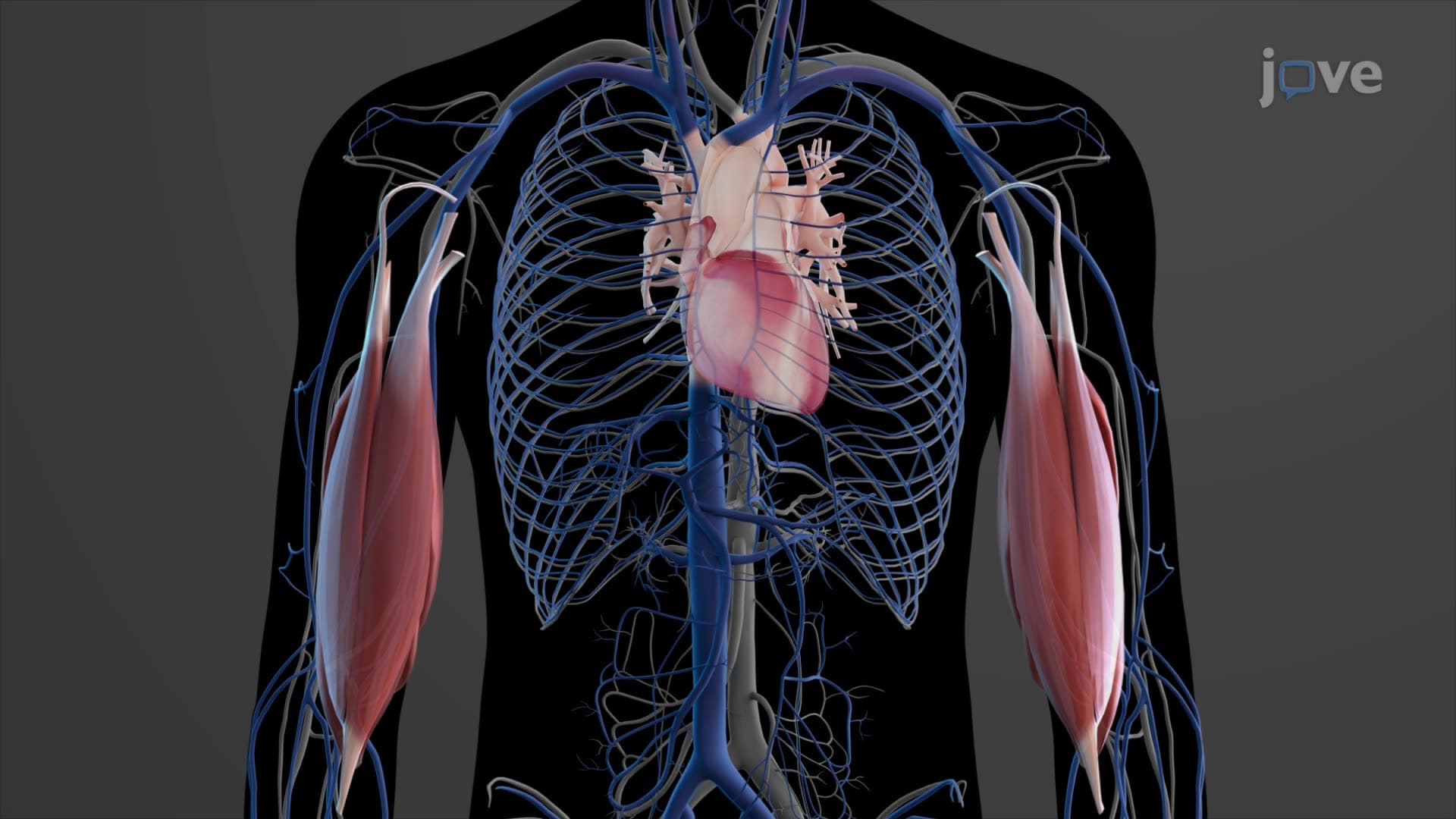
The true capillary bed anatomy becomes most impressive when examining its functional capabilities. During periods of high metabolic demand-such as when a student athlete runs the 400-meter dash at a California high school track meet-precapillary sphincters in skeletal muscle dilate, increasing capillary bed flow dramatically. Simultaneously, sphincters in digestive tissues constrict, redirecting blood to where it's most needed.
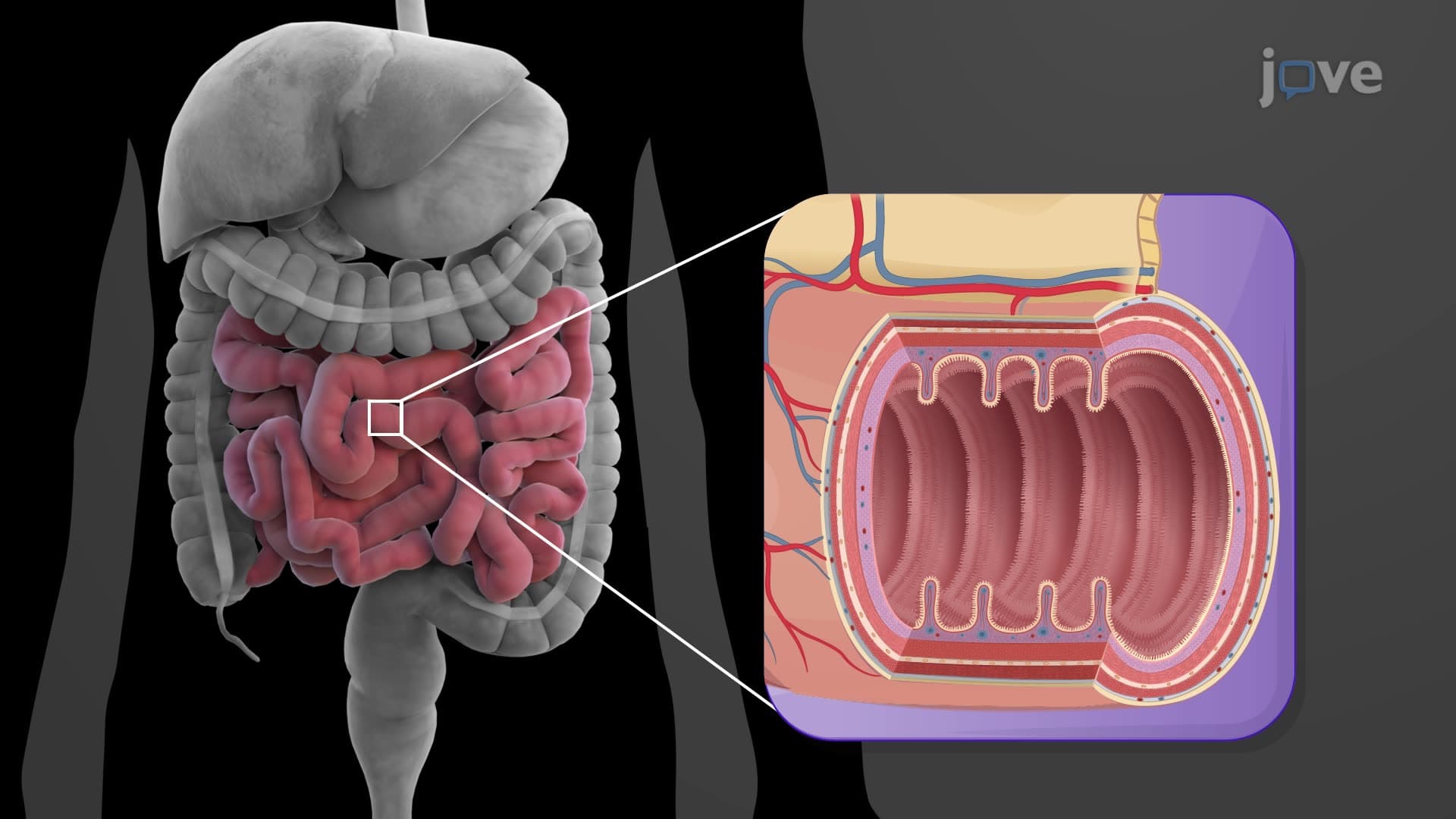
This selective perfusion mechanism explains why eating a large meal before exercise can cause digestive discomfort. The body must choose between supplying blood to active muscles or to the digestive system processing food. Thoroughfare channel capillary bypass routes allow blood to maintain circulation even when tissue-specific exchange isn't required.
Understanding what are capillary beds in vascular anatomy proves essential for success on standardized exams including the MCAT, AP Biology, and college physiology courses. Test questions frequently explore scenarios involving exercise physiology, temperature regulation, and pathological conditions affecting microcirculation.
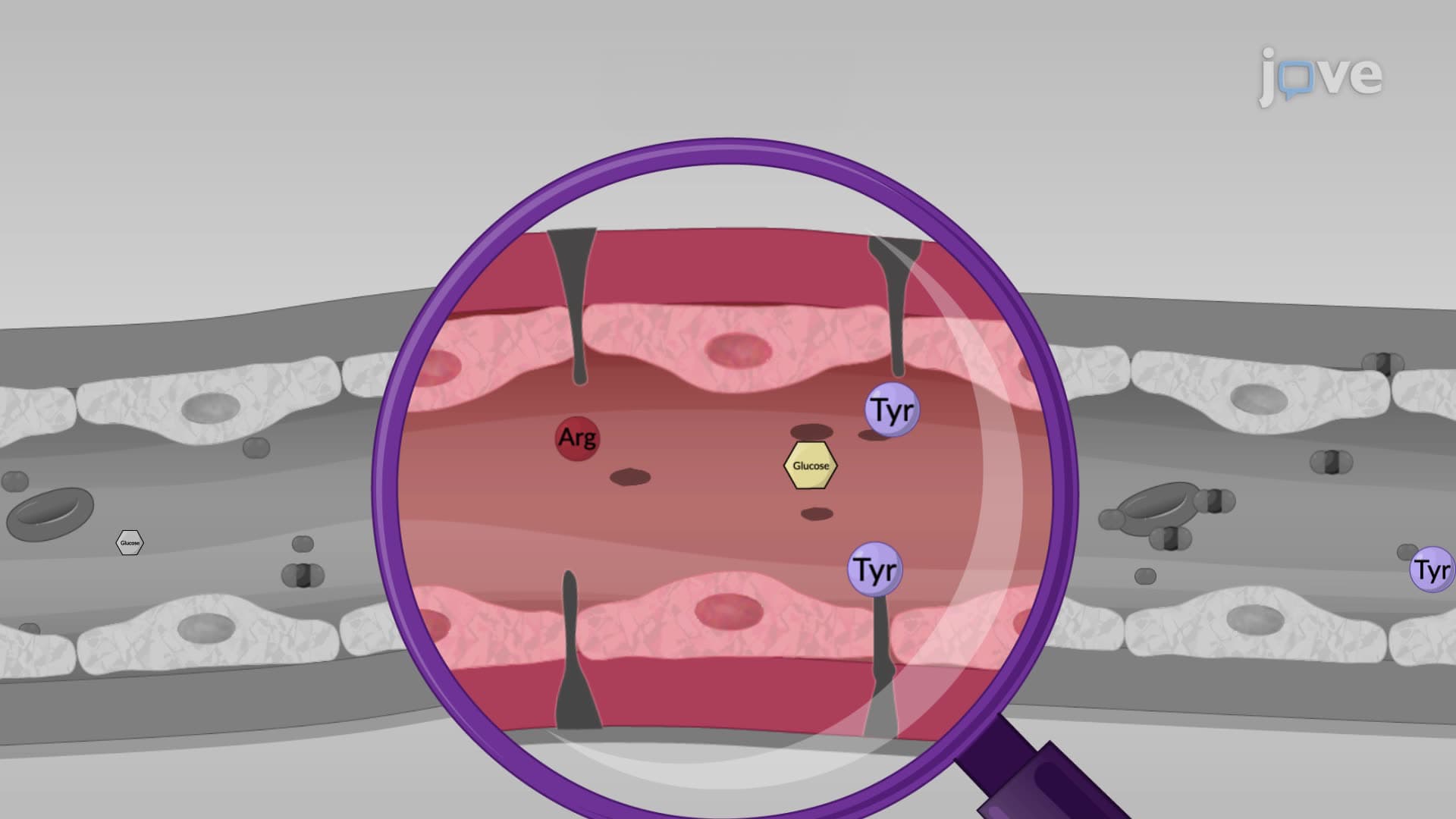
For instance, diabetes complications often involve capillary bed dysfunction, particularly in retinal and renal tissues. Students preparing for healthcare programs should recognize how hypertension affects capillary bed structure and function, as this knowledge appears regularly on NCLEX and HESI A2 examinations.
The concept also connects to broader physiological principles tested on AP Biology exams, including homeostasis, transport mechanisms, and system integration. College students in pre-med tracks will encounter capillary bed physiology again in advanced courses covering cardiovascular pathophysiology and pharmacology.
Related Micro-courses