Loading subject page…


149,645 views

Video Summary: What Is Capillary Exchange
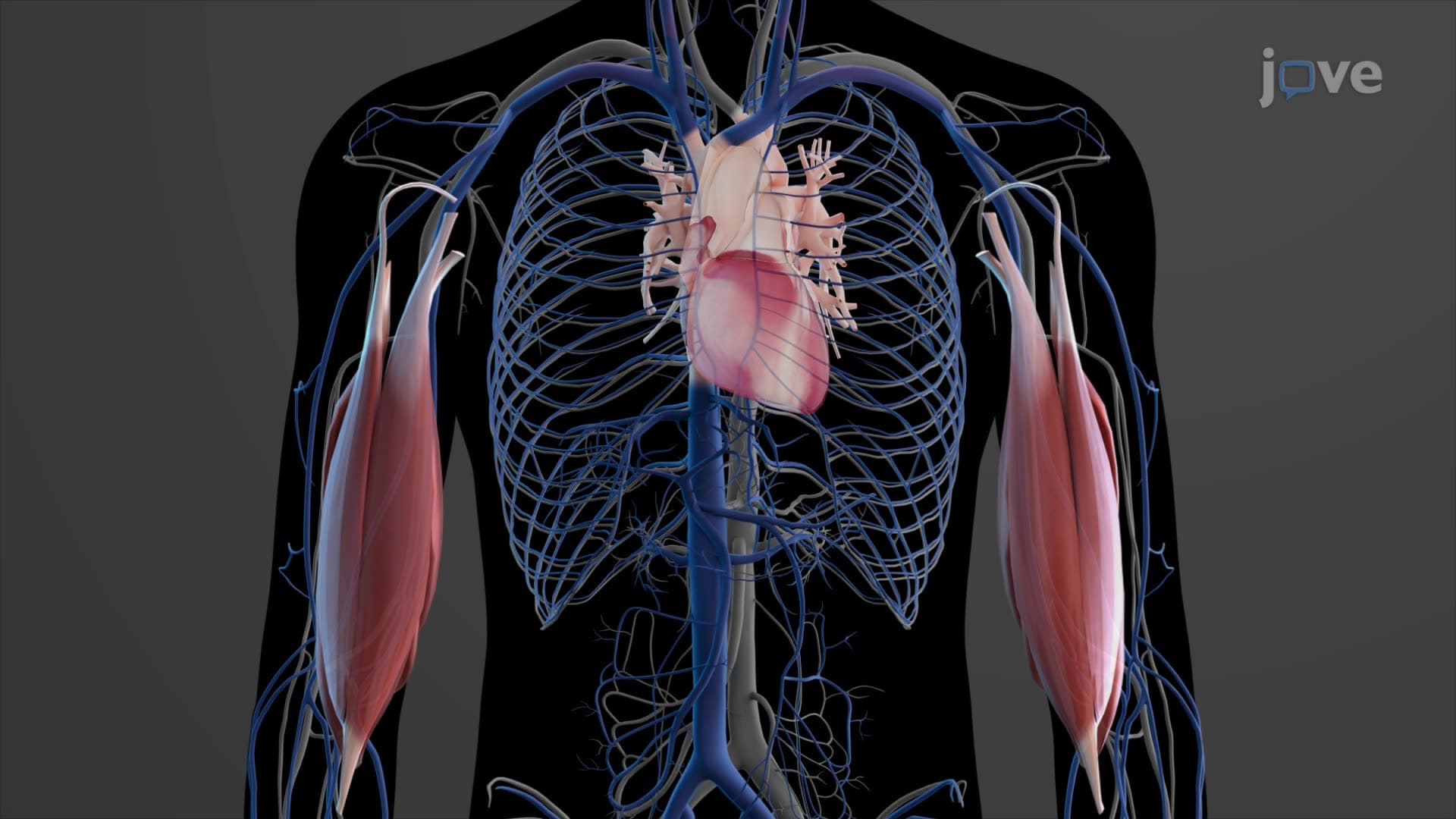
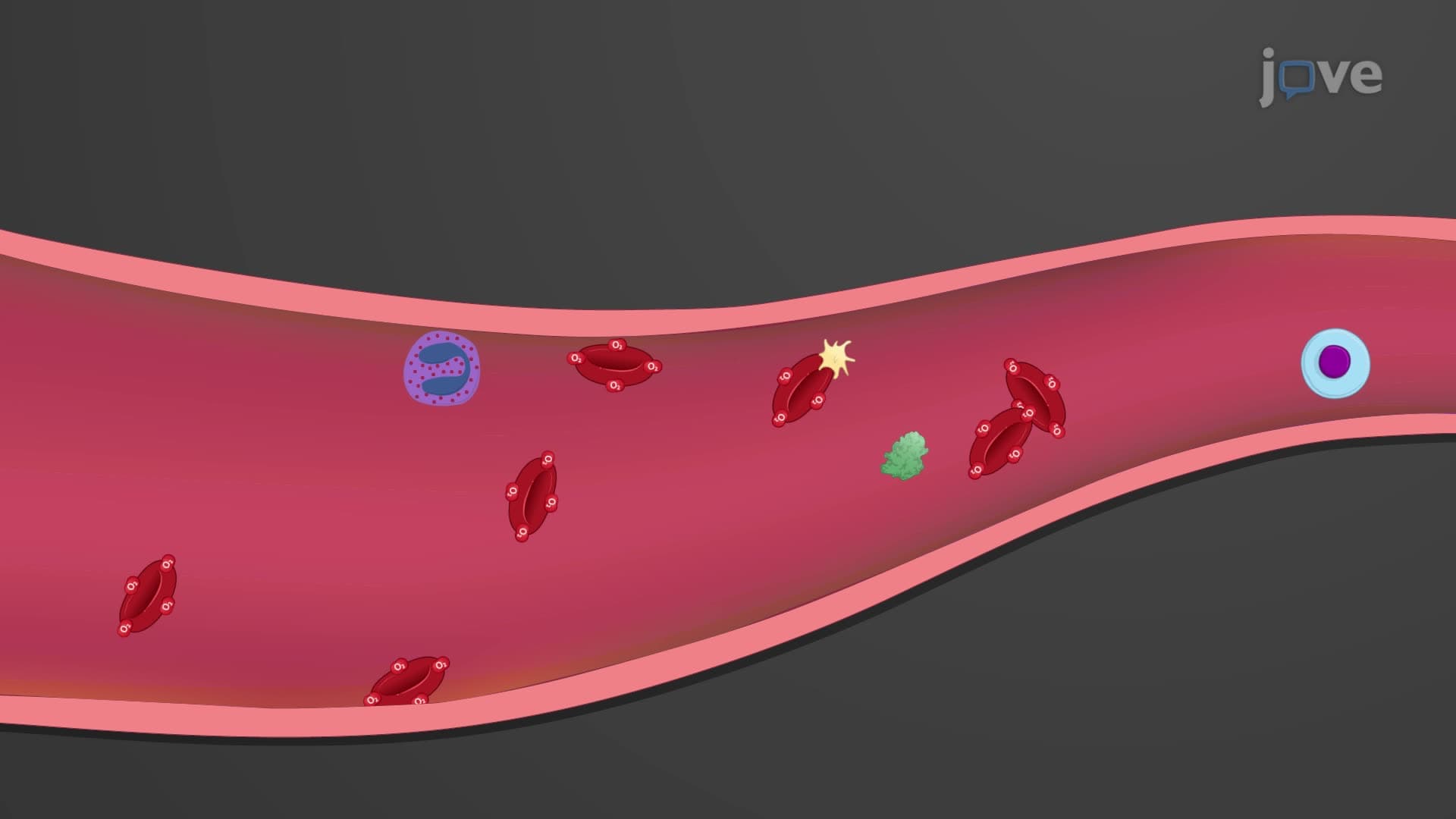
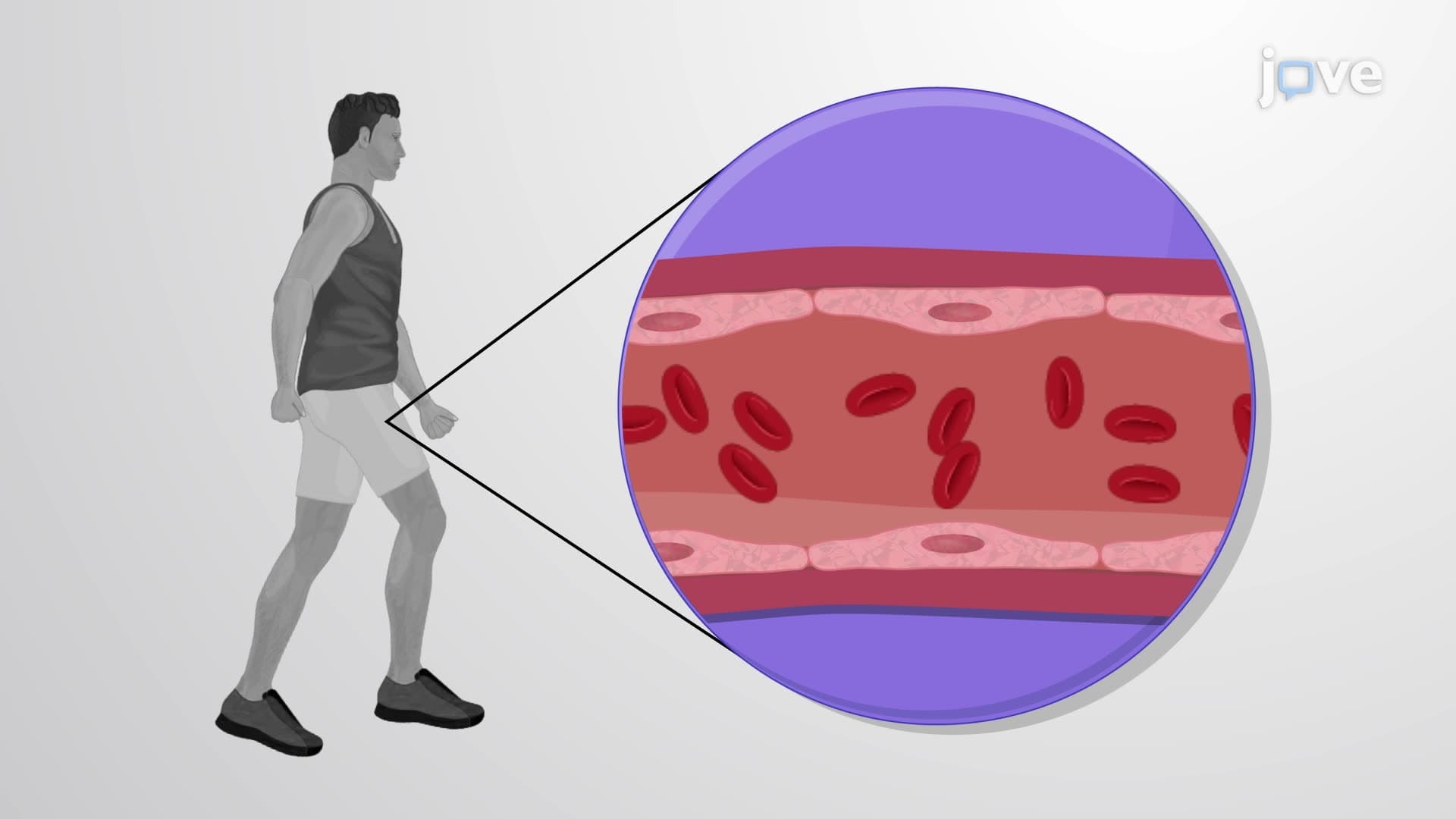
Did you know that every minute, about 20 billion capillaries in your body facilitate the exchange of oxygen, nutrients, and waste materials? Capillary exchange physiology governs this critical process where substances move between blood and surrounding tissues. For instance, when you exercise at a high school track meet, your muscle cells rapidly exchange oxygen and carbon dioxide through capillary walls. What is capillary exchange involves three key mechanisms: diffusion, transcytosis, and bulk flow working together to maintain cellular homeostasis. Watch the full video on JoVE Coach to master this concept with expert-led visuals and step-by-step explanations.
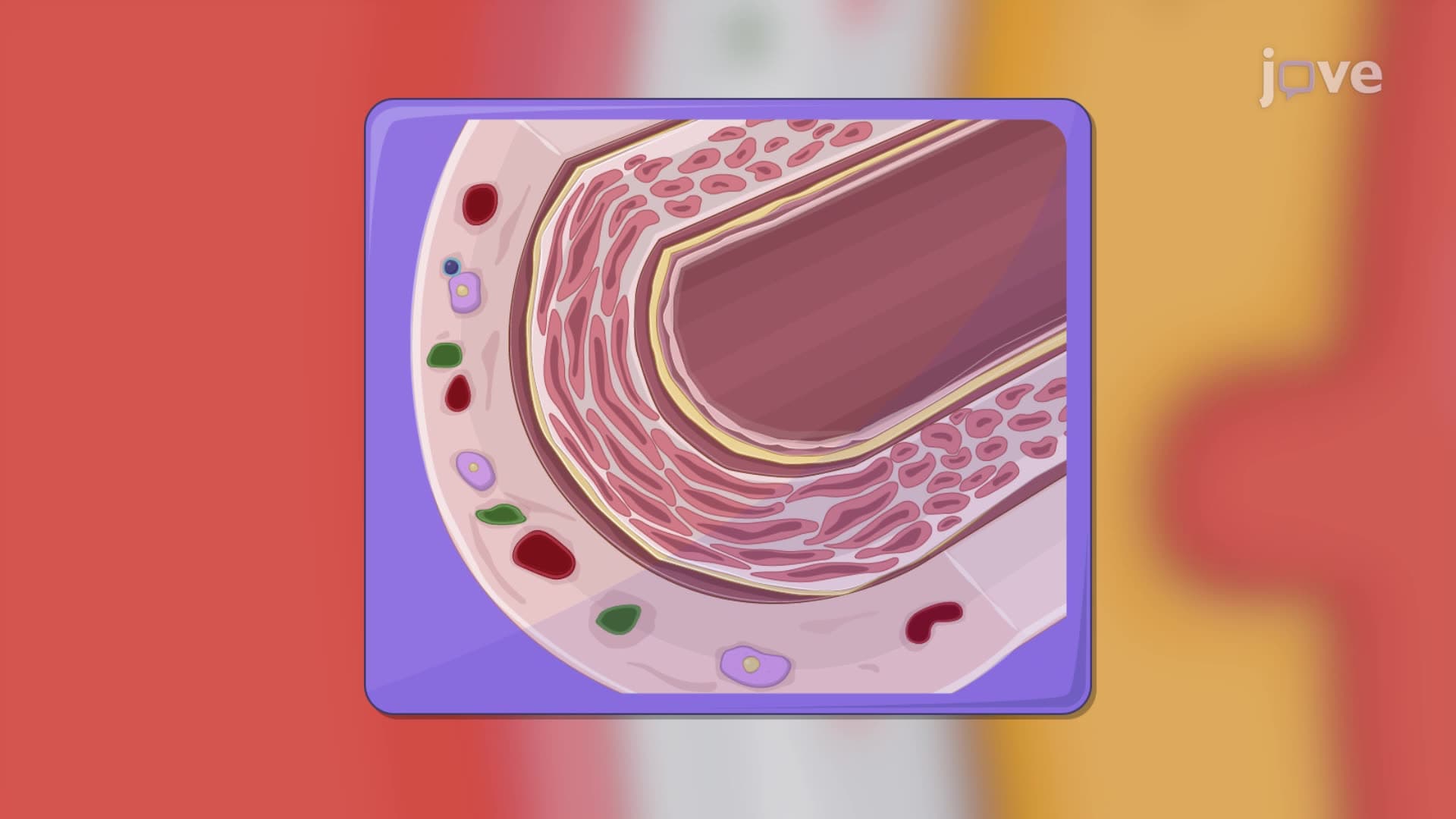
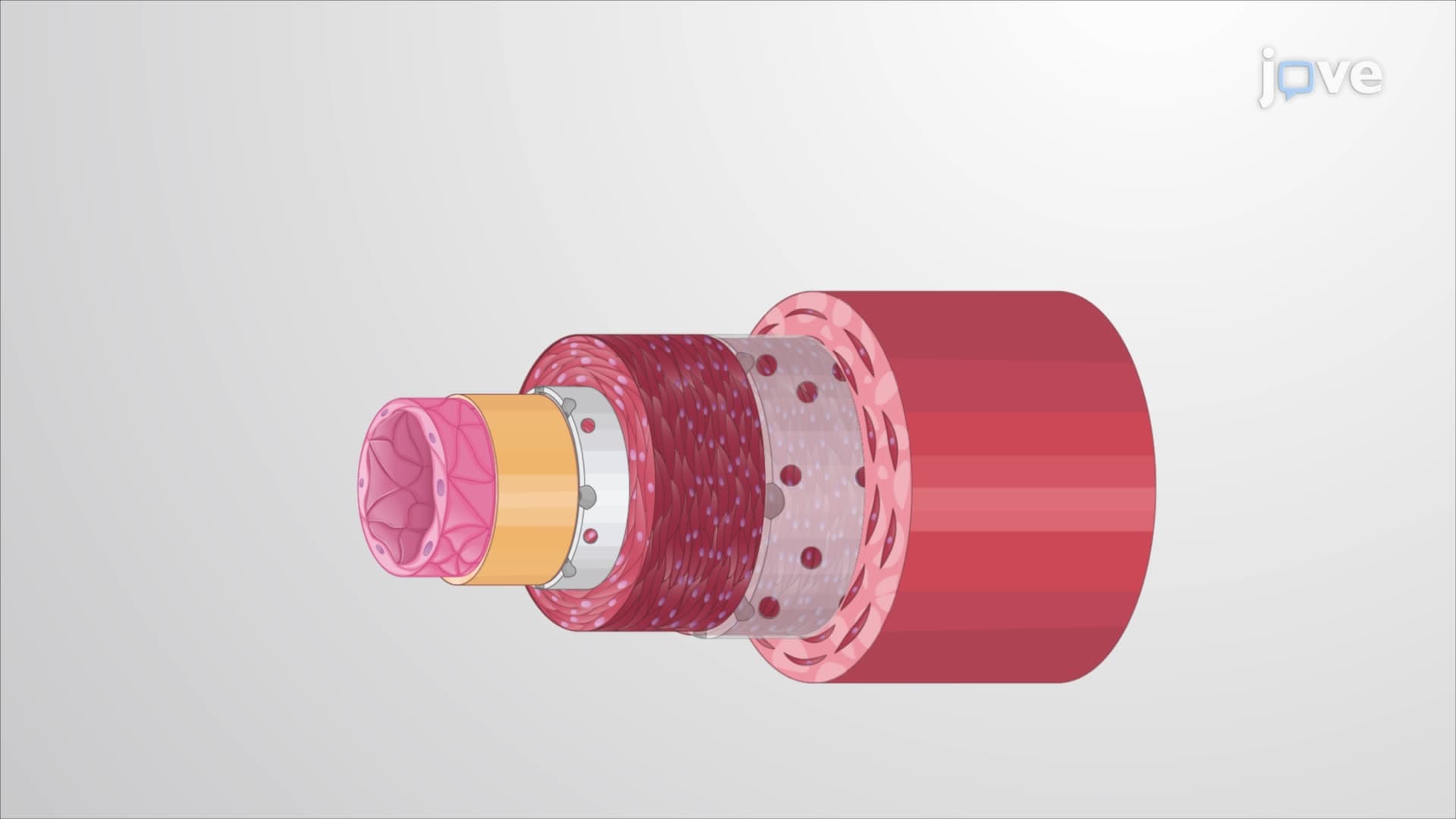
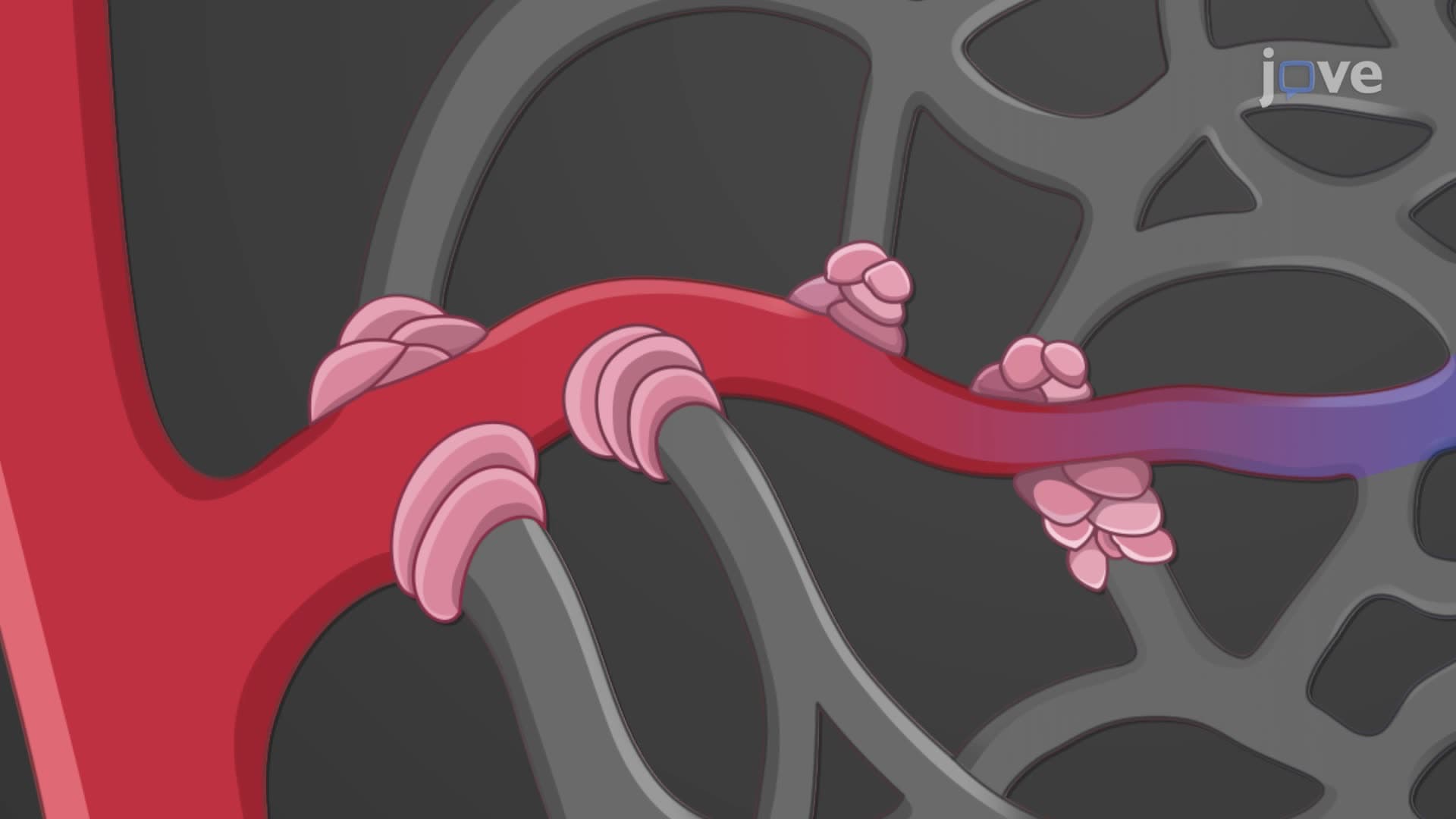
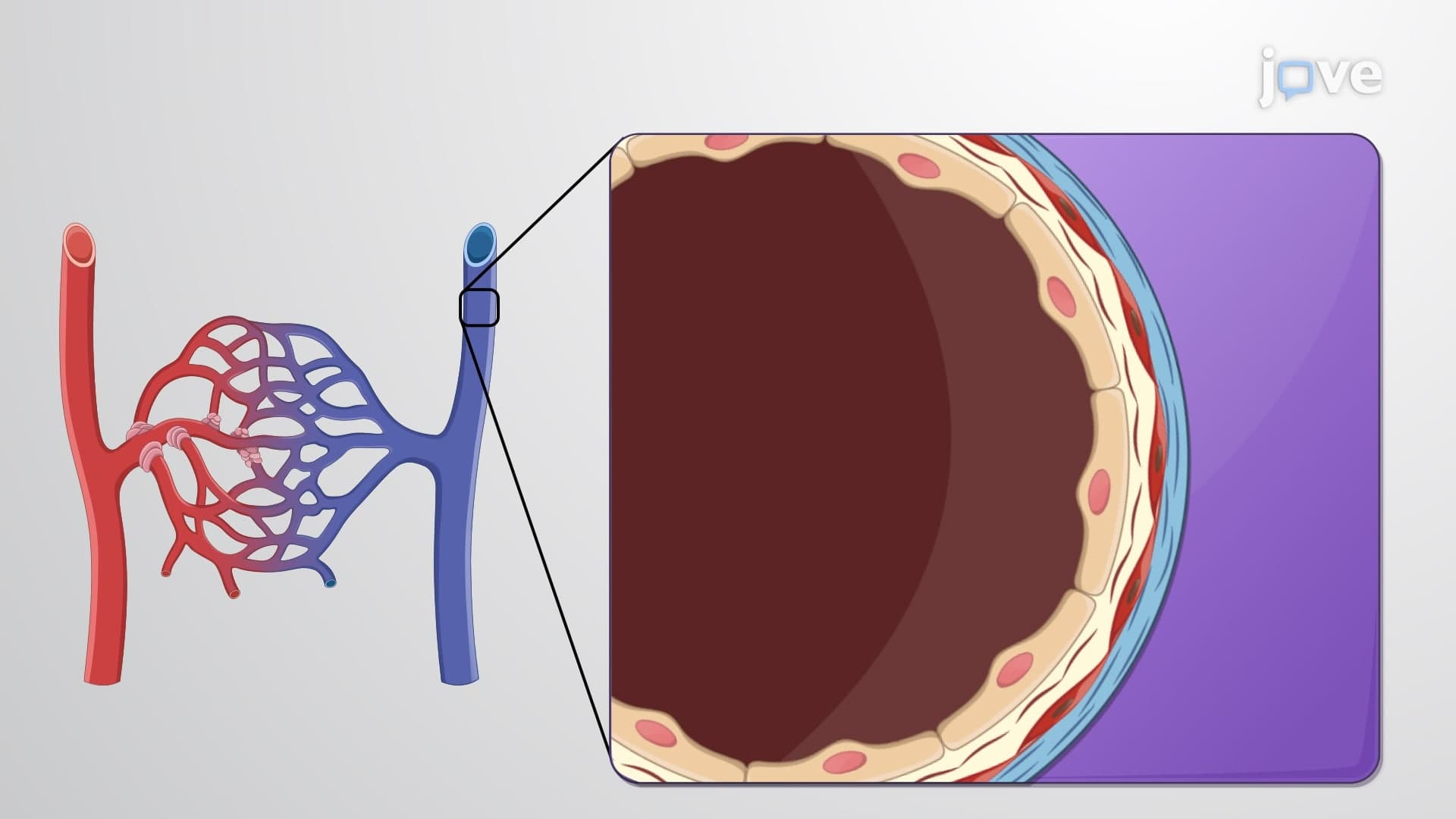
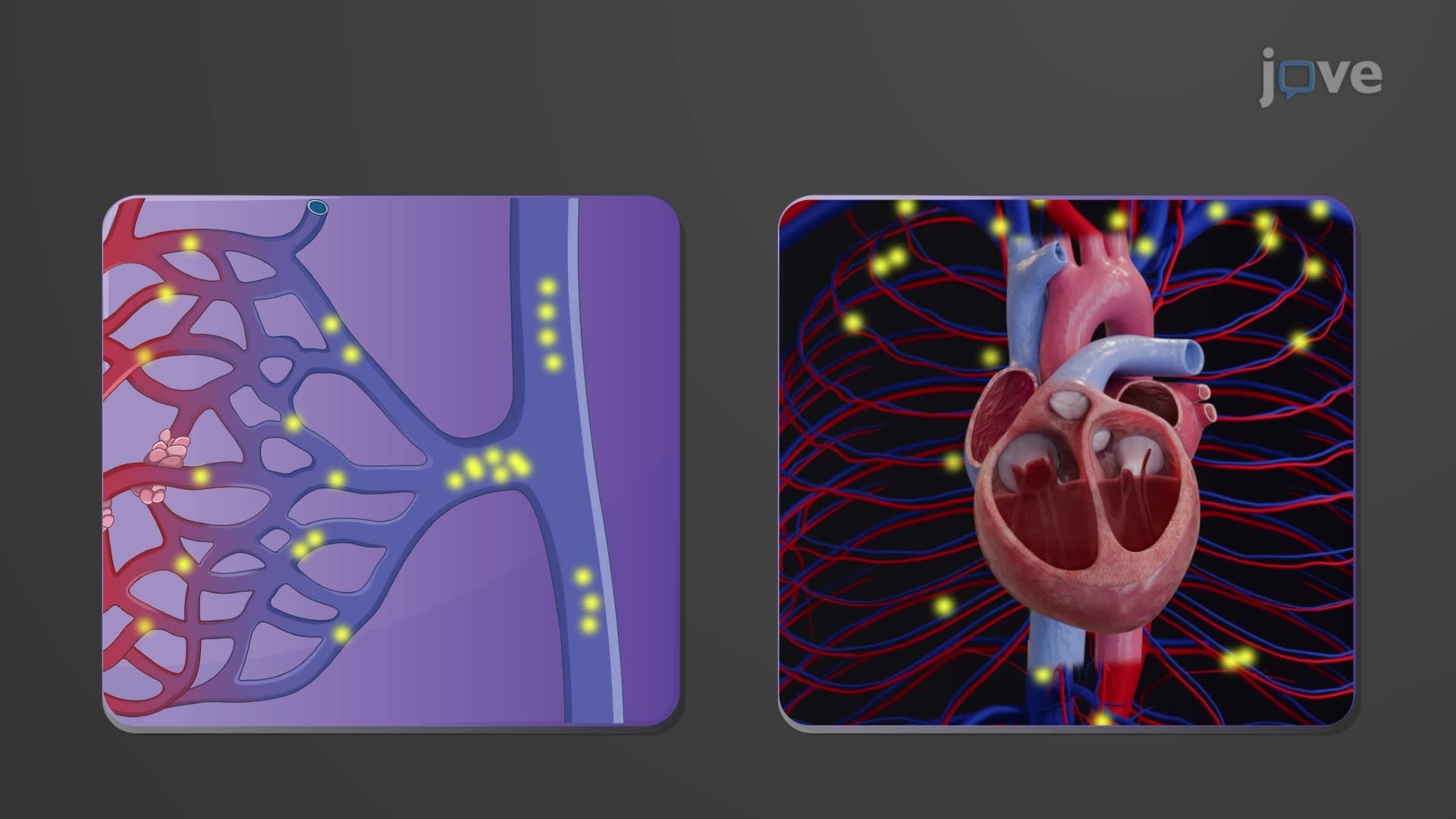
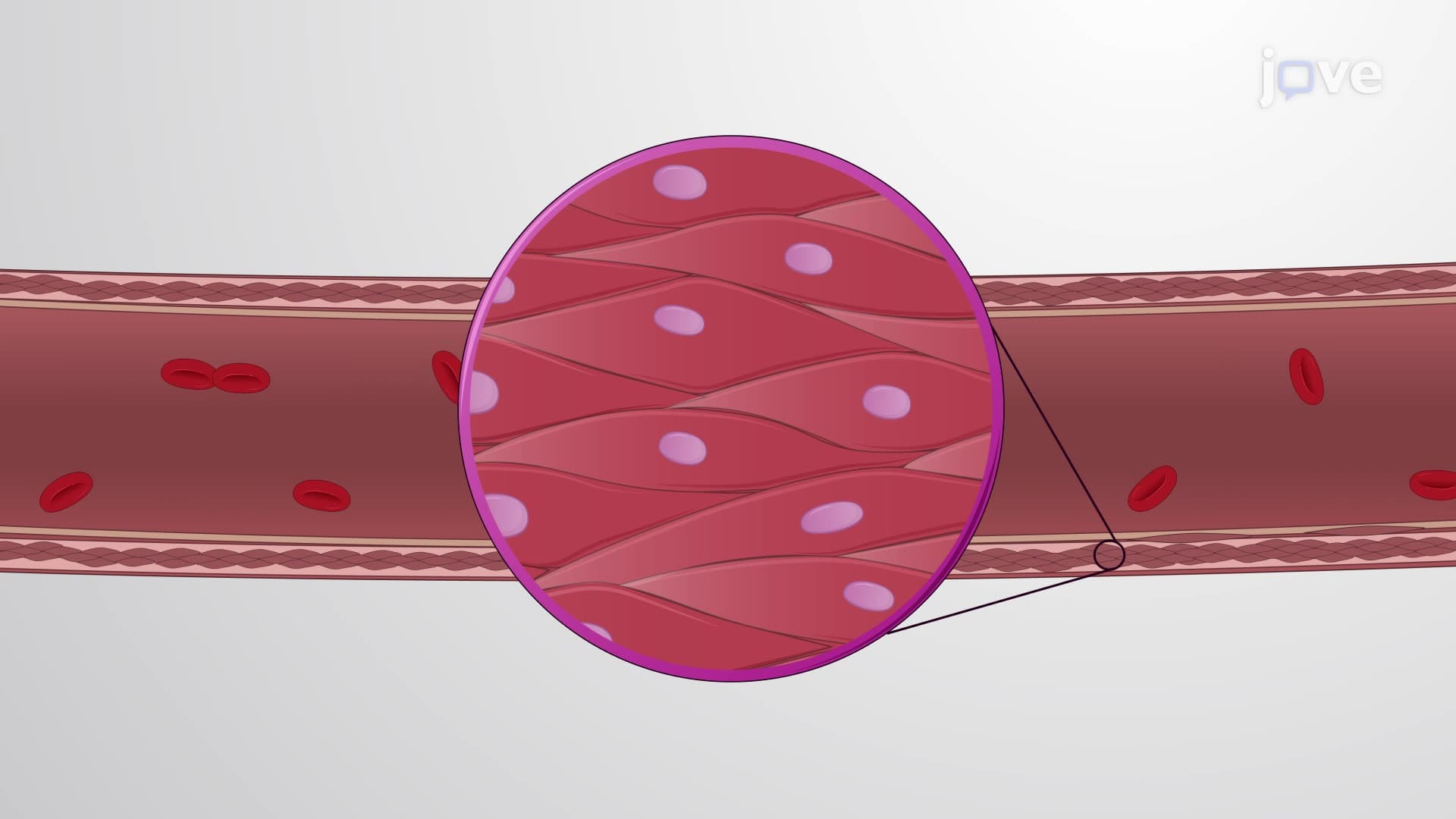
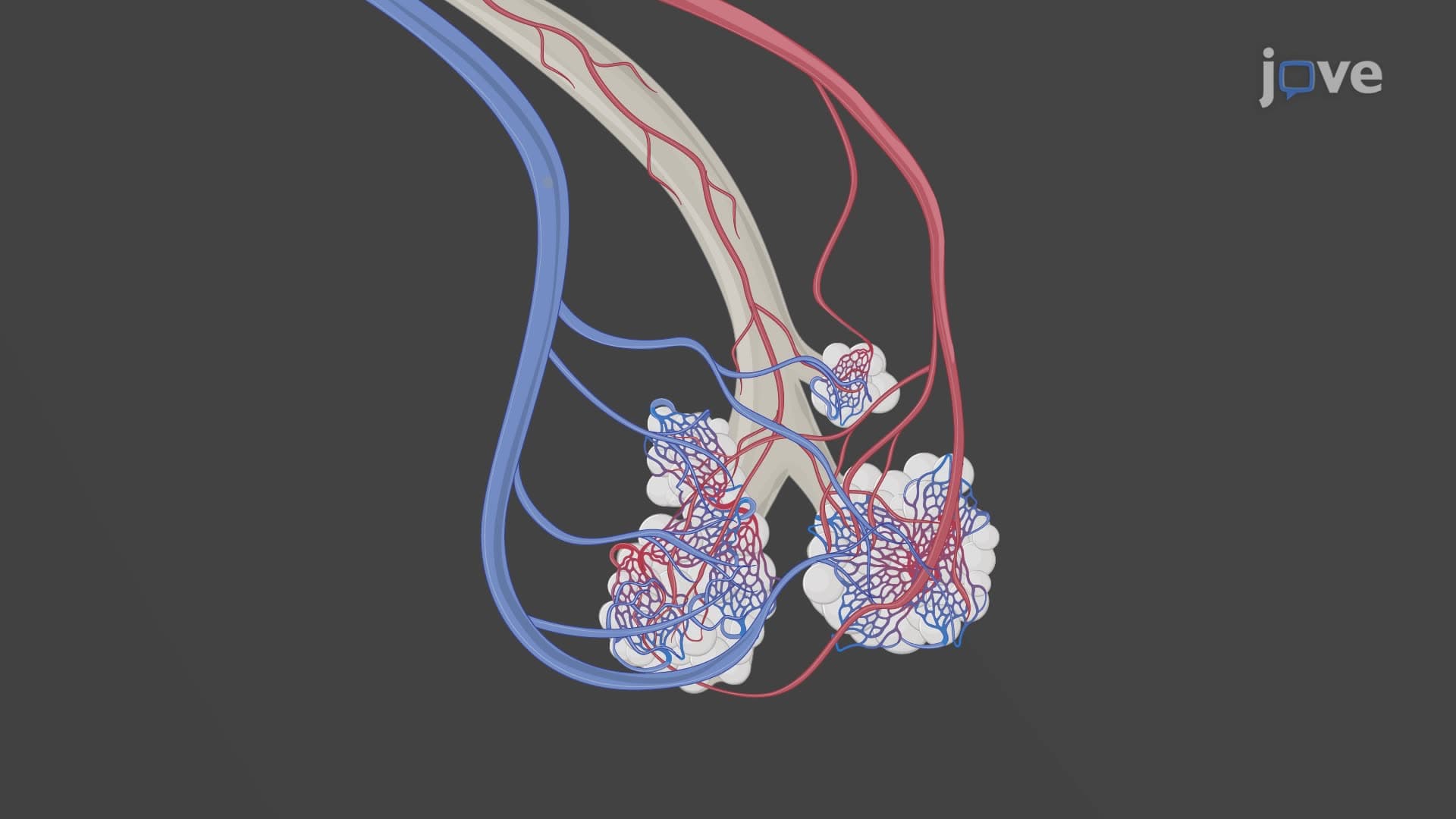
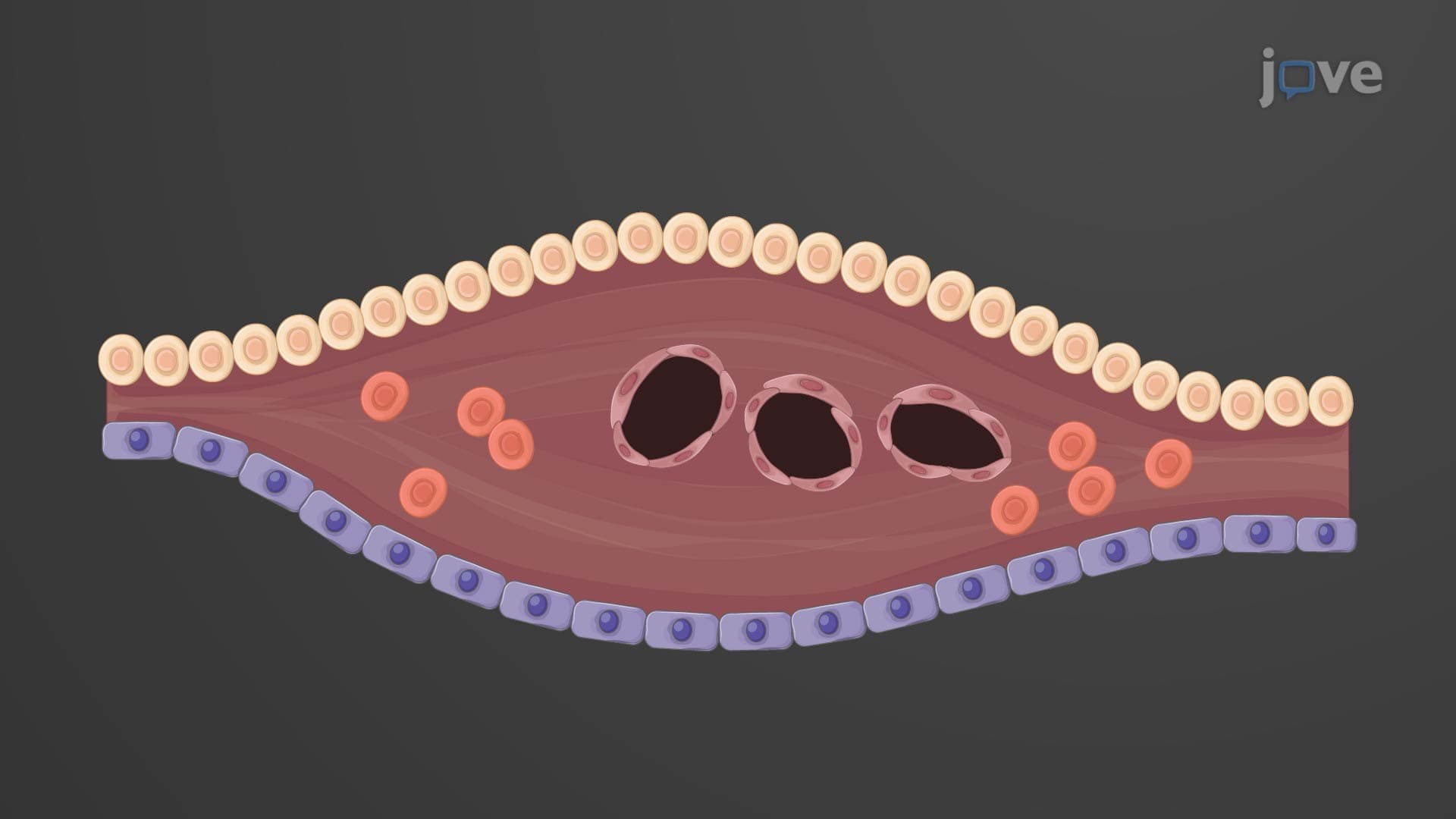
Capillary exchange physiology represents one of the most elegant examples of biological transport systems. This process occurs across approximately 10 billion capillaries in the human body, with a total surface area roughly equivalent to a tennis court. The exchange happens at the capillary-tissue interface, where single-cell-thick endothelial walls facilitate bidirectional movement of essential substances.
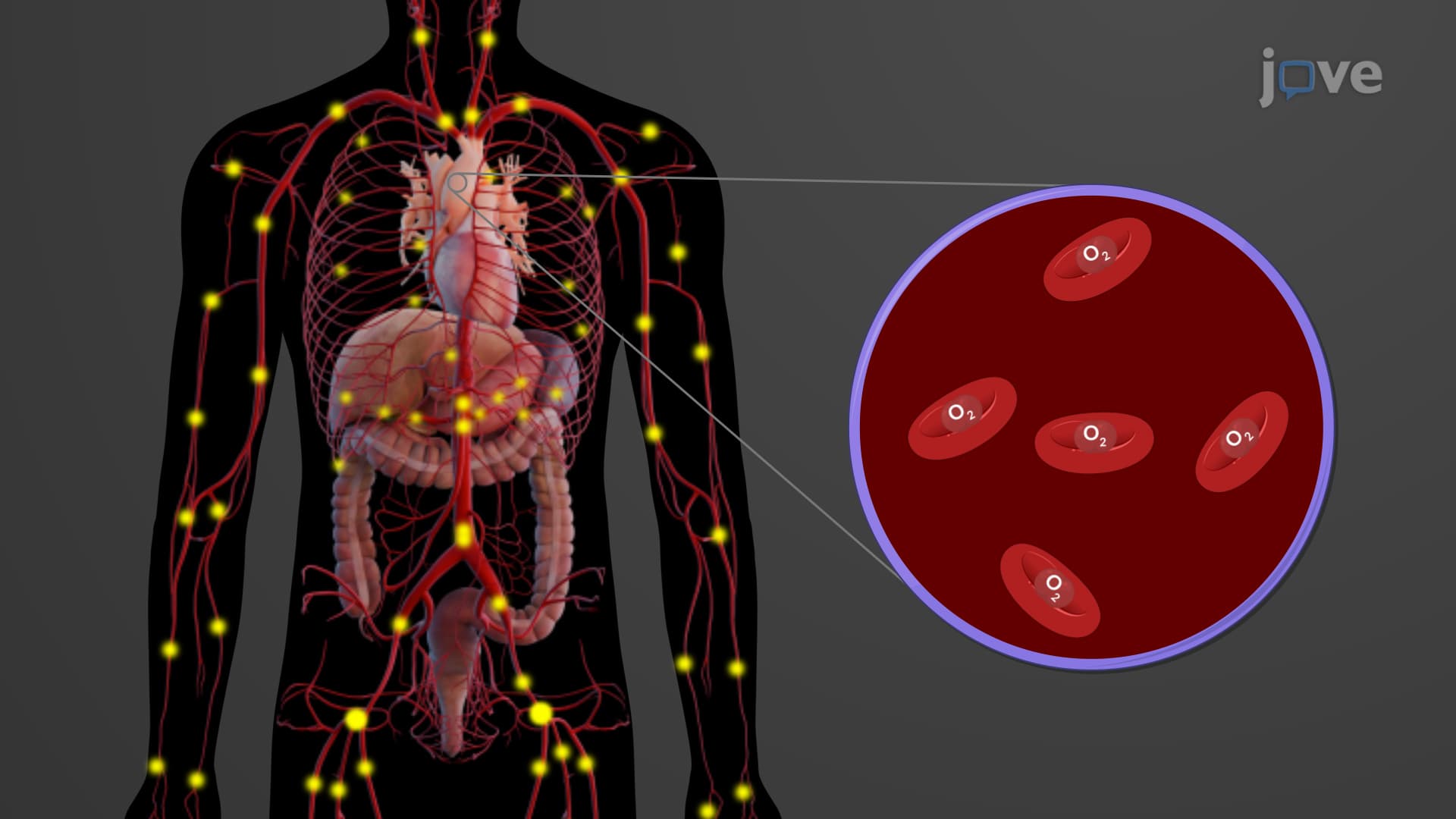
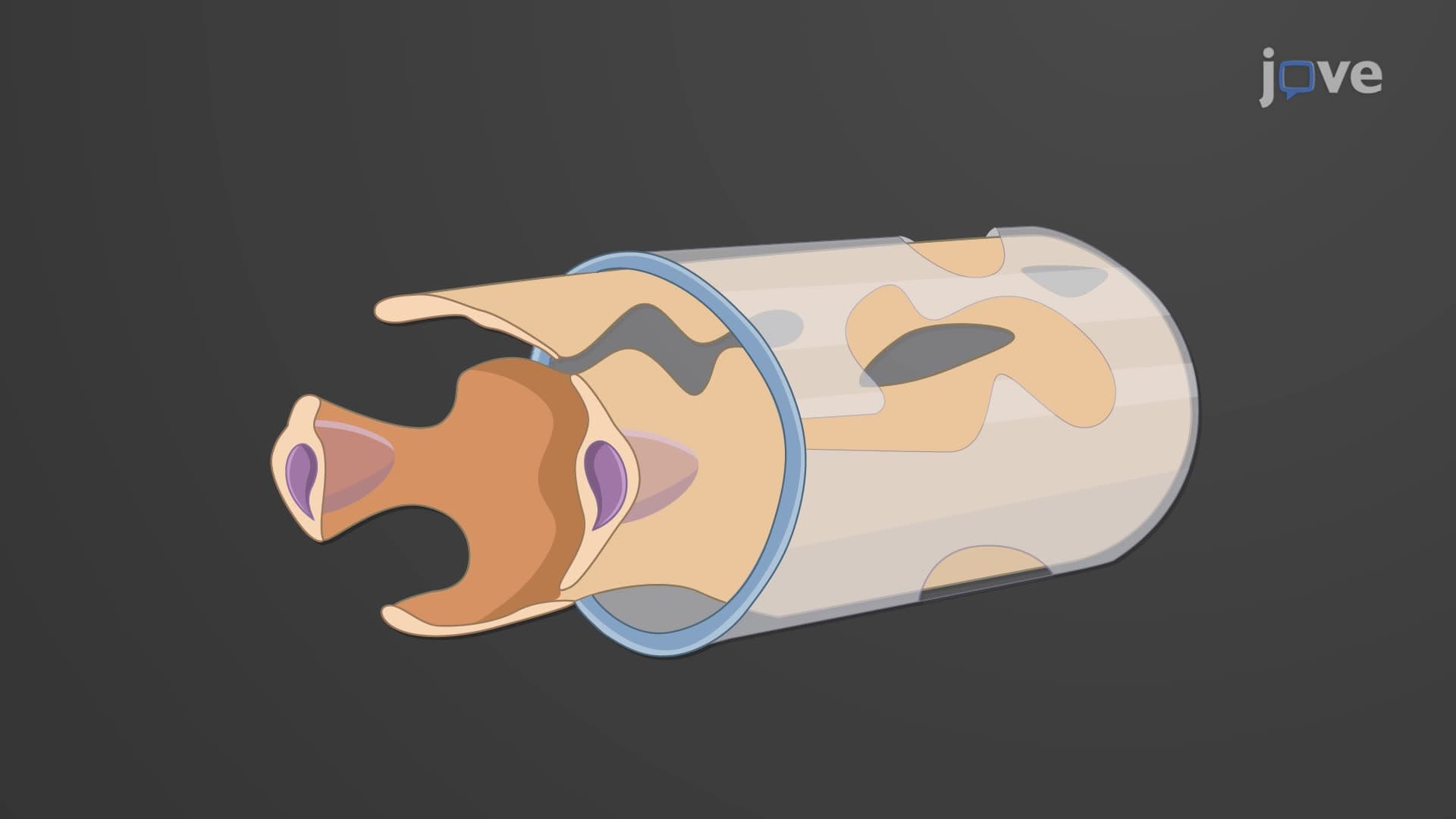
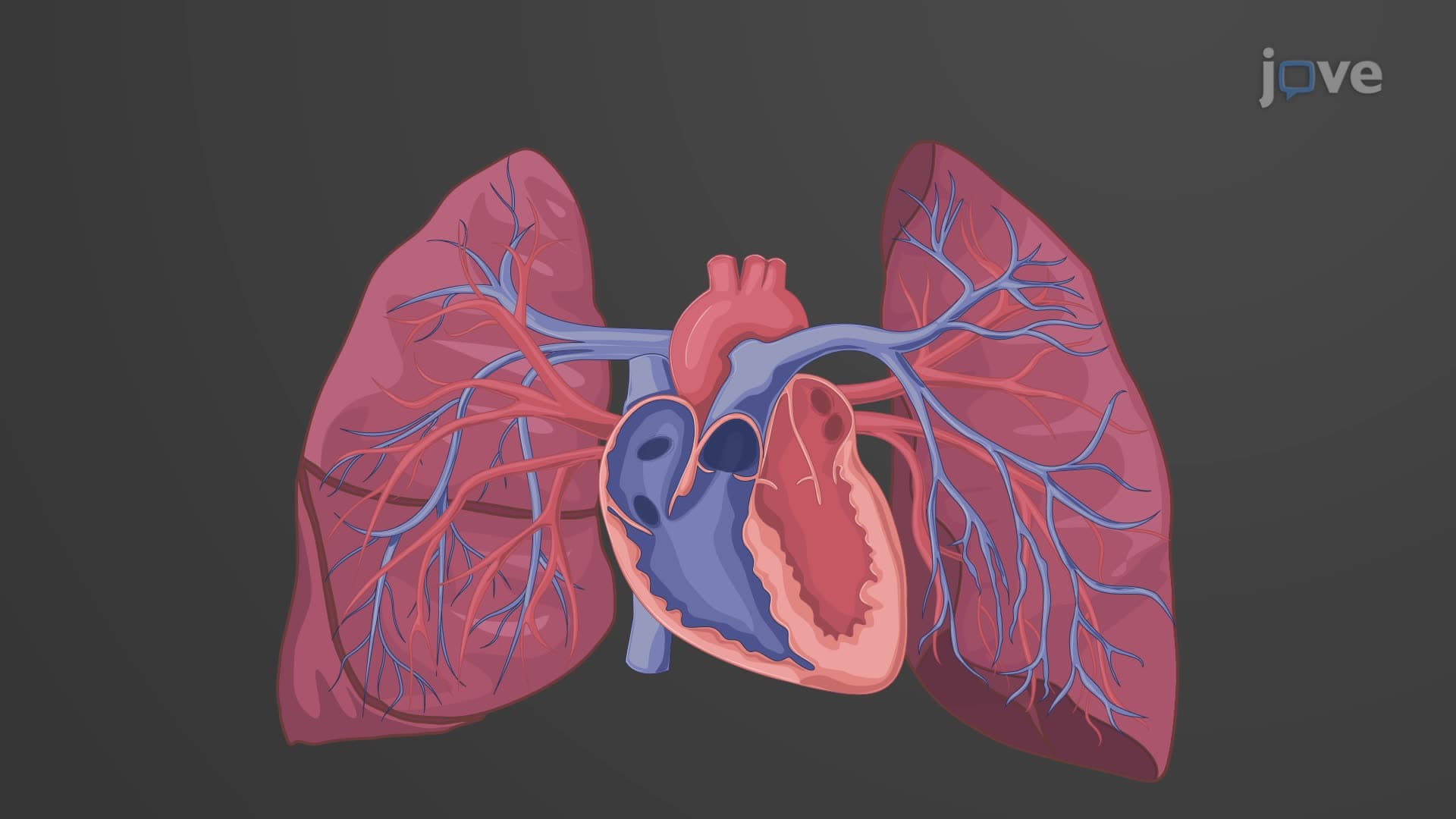
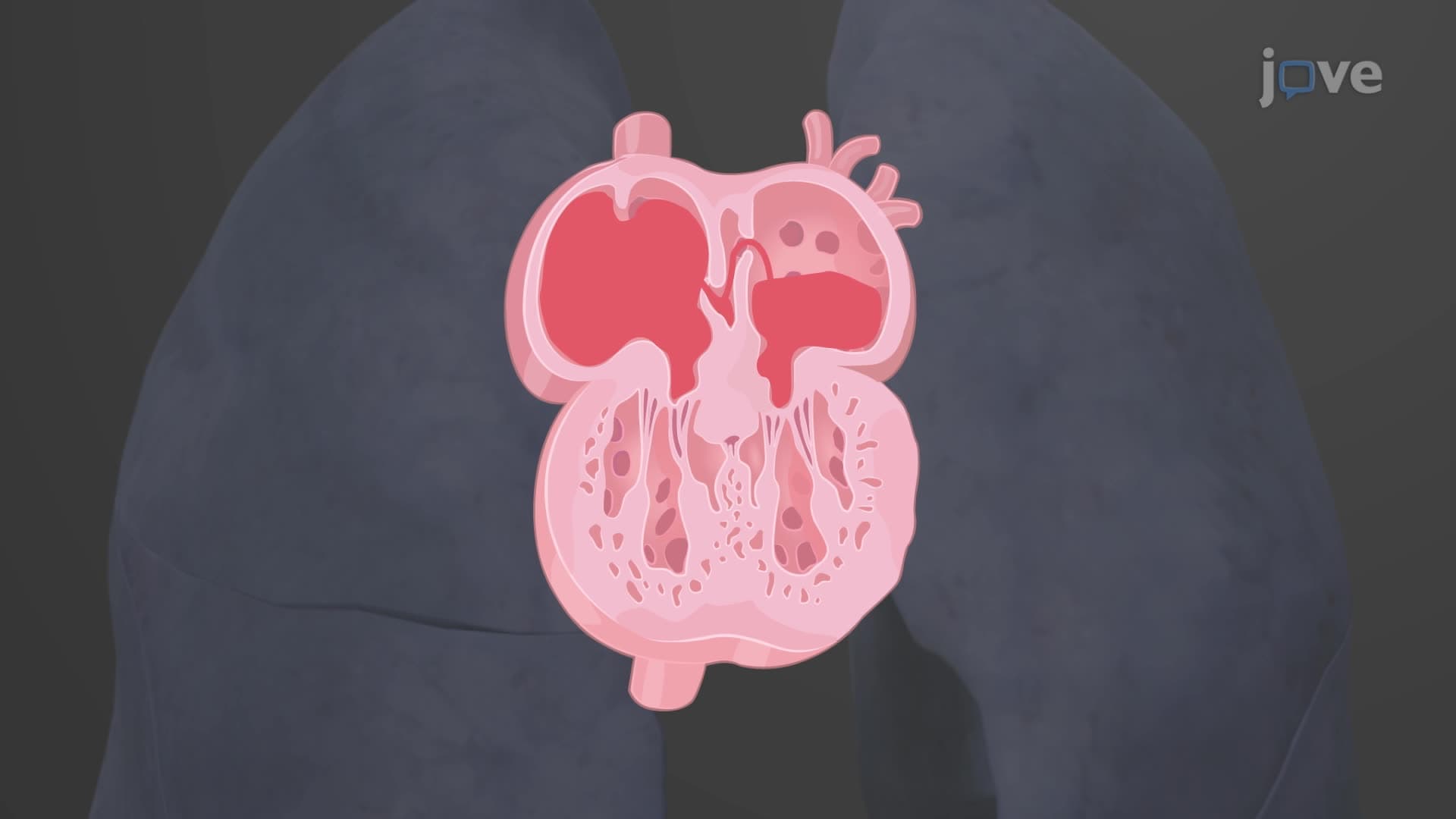
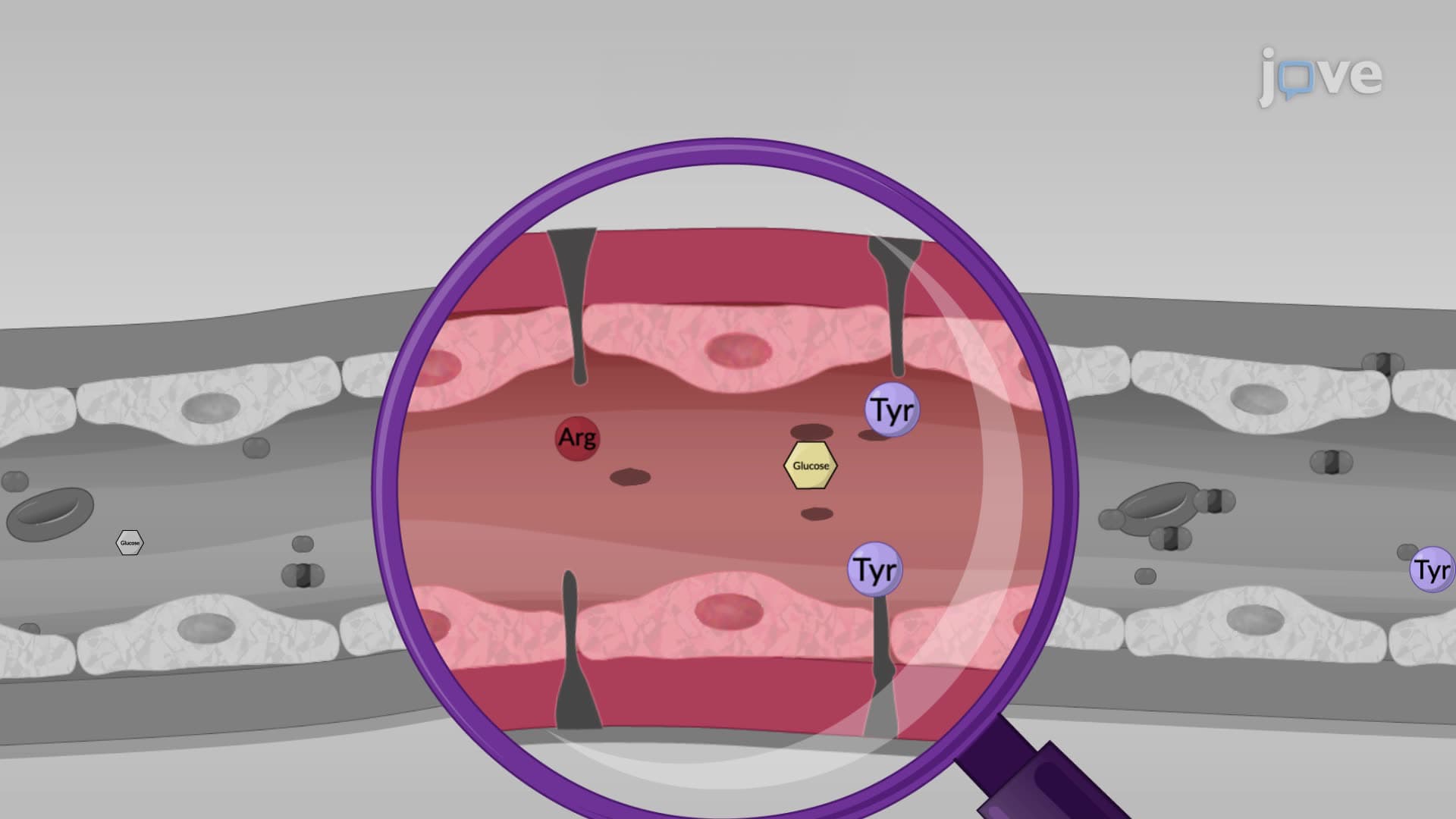
How capillary exchange works through diffusion follows Fick's law, where molecules move down concentration gradients. Oxygen-rich blood from pulmonary circulation delivers O₂ to metabolically active tissues, while simultaneously collecting CO₂ waste. Small lipid-soluble molecules like steroid hormones pass directly through endothelial cell membranes, while water-soluble substances such as glucose utilize intercellular clefts or fenestrations. This selective permeability ensures that essential nutrients reach target cells while maintaining blood-tissue barriers.
Transcytosis enables transport of large molecules that cannot cross through diffusion alone. Insulin, a critical hormone for glucose regulation, exemplifies this process-endothelial cells engulf insulin molecules in pinocytic vesicles and transport them across the capillary wall. Starling forces capillary dynamics govern bulk flow, where hydrostatic osmotic pressure differences determine whether filtration or reabsorption predominates. At arterial ends of capillaries, higher hydrostatic pressure drives filtration, while venous ends favor reabsorption due to increased oncotic pressure.
Understanding capillary fluid movement proves essential for MCAT preparation, particularly in cardiovascular and renal physiology sections. Net filtration capillary calculations frequently appear on AP Biology exams, requiring students to apply Starling's equation. Medical conditions like congestive heart failure demonstrate disrupted capillary exchange, where increased hydrostatic pressure leads to pulmonary edema-a concept tested on USMLE Step 1 examinations.
Related Micro-courses