Loading subject page…


149,651 views

Video Summary: What Is Hepatic Portal System
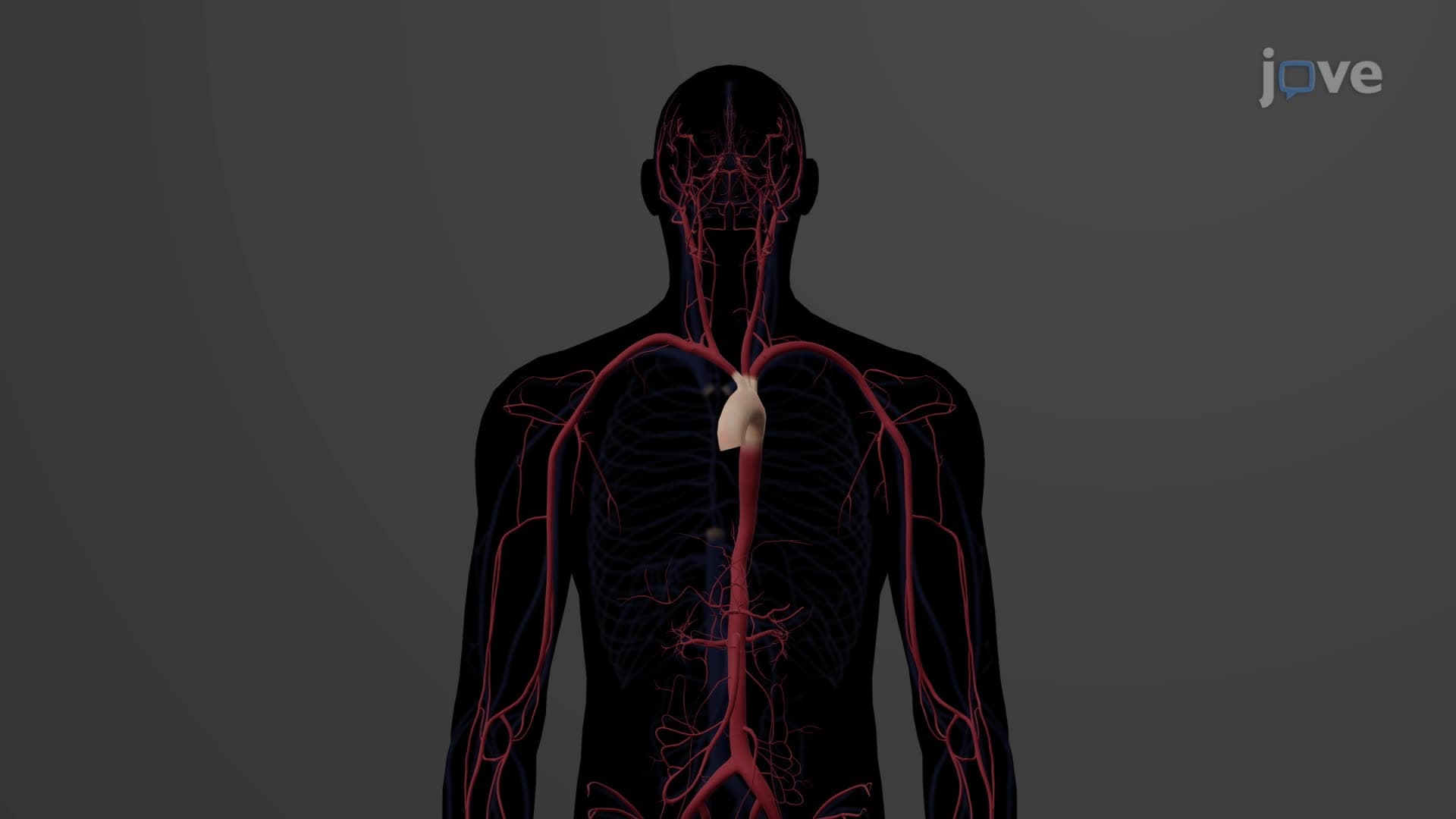
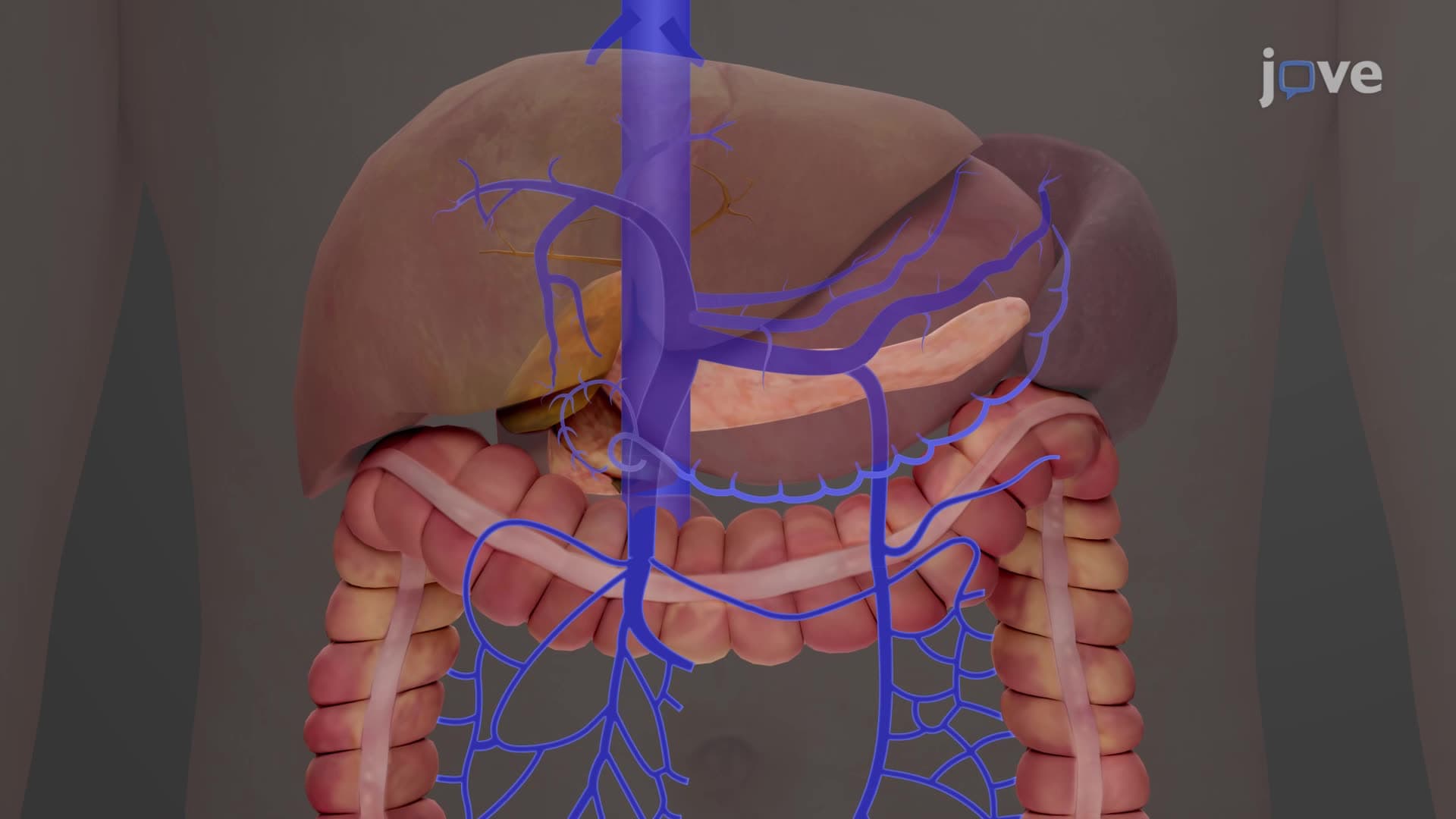
Did you know that after eating a meal at McDonald's, your blood doesn't go directly to your heart but makes a special detour through your liver first? The hepatic portal system anatomy creates this unique two-stop circulation pathway, where nutrient-rich blood from your digestive organs travels through the portal vein to the liver before reaching general circulation. This specialized vascular network ensures your liver can process nutrients, filter toxins, and regulate blood sugar levels immediately after absorption. Watch the full video on JoVE Coach to master this concept with expert-led visuals and step-by-step explanations.
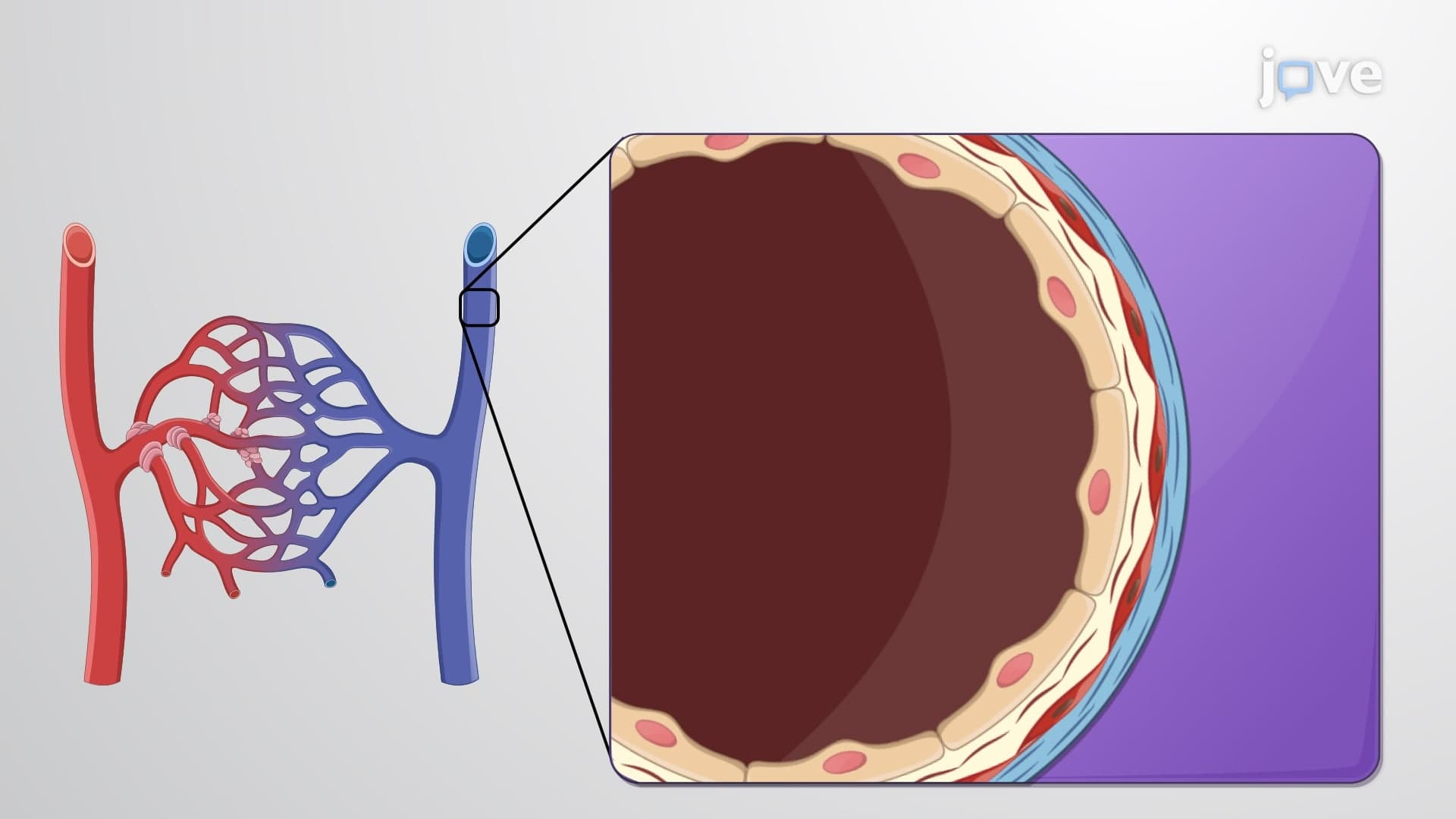
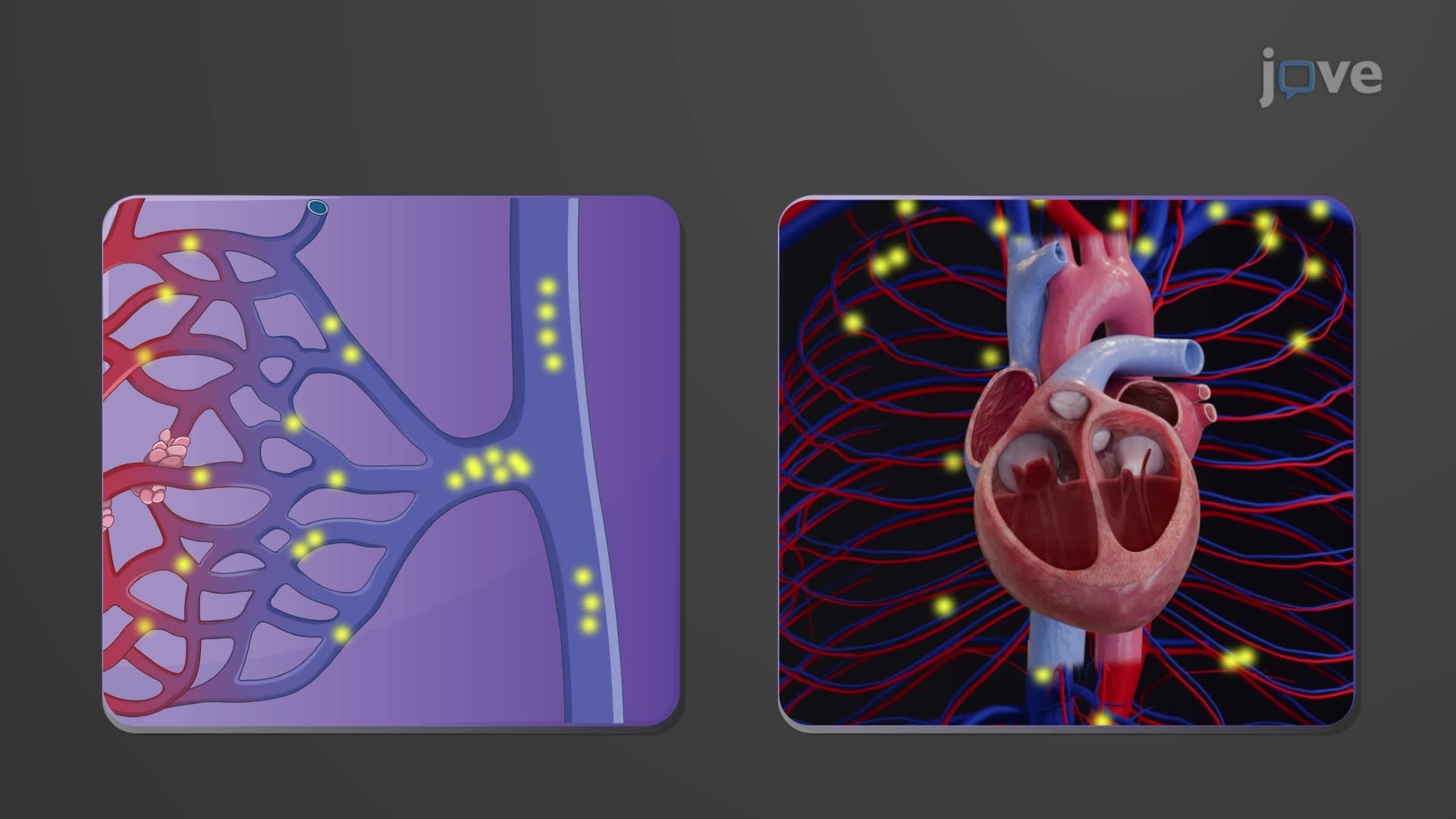
The hepatic portal system represents one of medicine's most elegant vascular designs, creating a specialized highway that ensures your liver gets first access to everything you consume. Unlike typical circulation where blood flows from organs directly back to the heart, portal circulation liver explained involves a detour system where blood from digestive organs pools together before entering the liver.
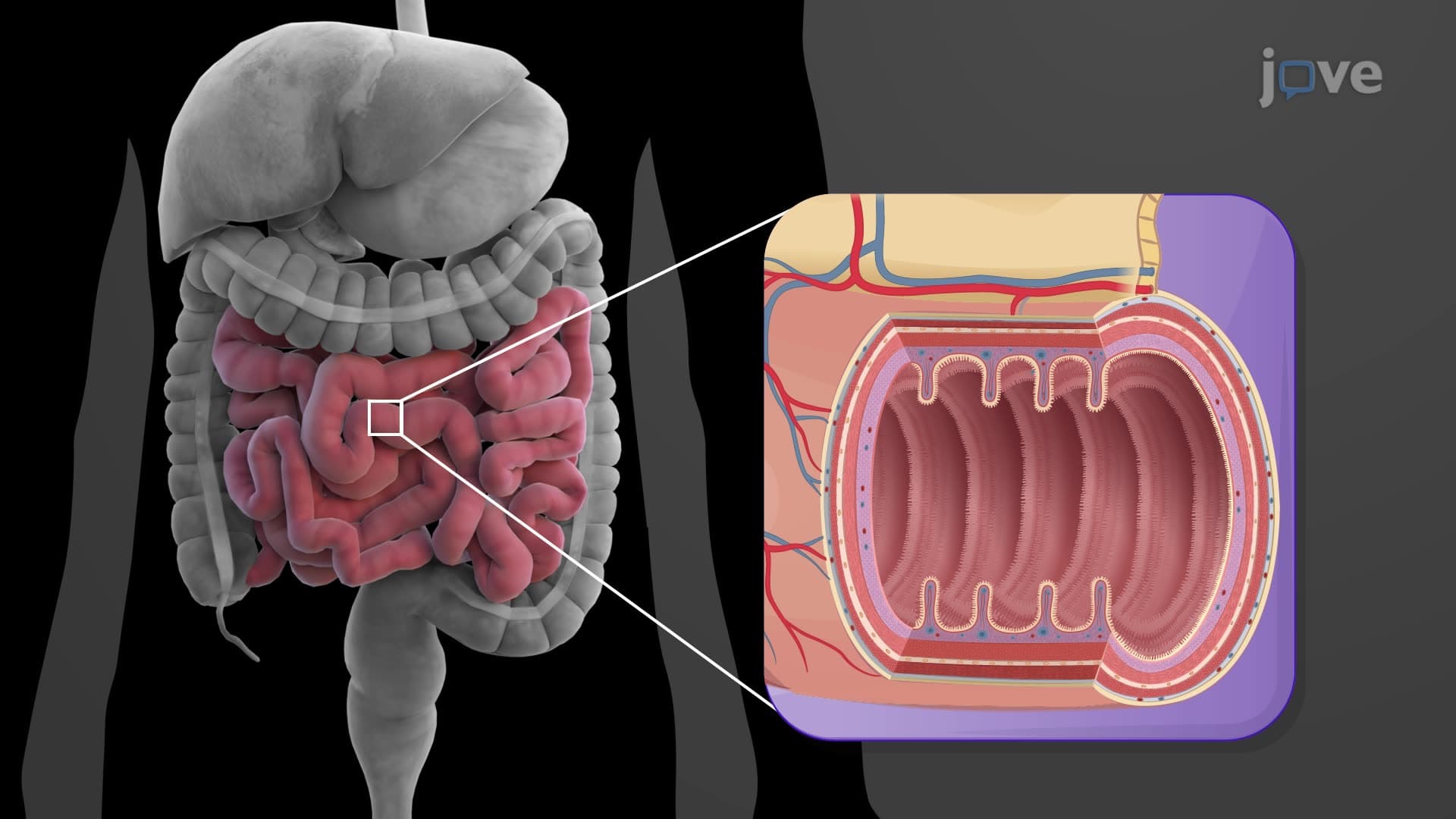
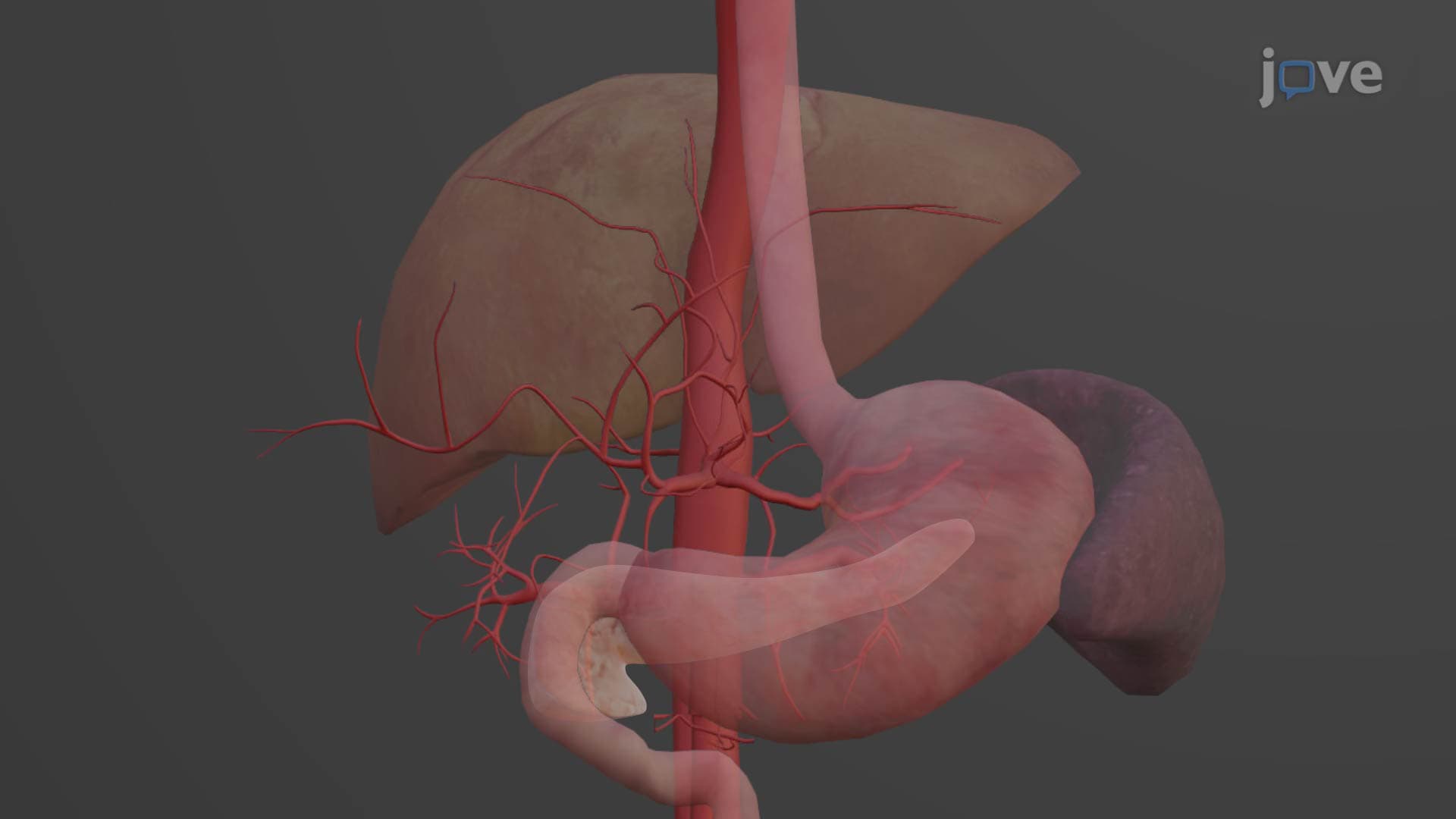
This portal hepatic system anatomy consists of three major tributaries that merge to form the main portal vein. The superior mesenteric vein collects blood from the small intestine, cecum, and ascending colon-essentially the primary nutrient absorption sites. The inferior mesenteric vein drains the descending colon and rectum, while the splenic vein carries blood from the spleen, stomach's greater curvature, and pancreas. These vessels unite behind the pancreas to form the hepatic portal vein, which then branches extensively within the liver.
The hepatic portal blood flow creates what physicians call "first-pass metabolism"-a crucial process tested extensively on the MCAT and in medical school physiology courses. When you take an oral medication like acetaminophen (Tylenol), the drug must survive this hepatic processing before reaching systemic circulation. This explains why oral medications often require higher doses than intravenous ones.
For AP Biology students, understanding this concept helps explain why alcohol affects the body gradually rather than instantly. The liver metabolizes alcohol through this portal system, which is why blood alcohol levels rise slowly after drinking and why liver disease dramatically affects alcohol tolerance.
Medical students studying for USMLE Step 1 frequently encounter questions about portal hypertension-a condition where portal vein liver circulation becomes obstructed. This can occur in liver cirrhosis, affecting approximately 4.5 million Americans annually according to the American Liver Foundation. When portal pressure rises, blood seeks alternative routes, creating dangerous varices in the esophagus and stomach.
The mesenteric splenic portal system also plays a vital role in glucose homeostasis. After a carbohydrate-rich meal, glucose-laden blood travels through this system, allowing the liver to store excess glucose as glycogen or convert it to fat. This process is fundamental to understanding diabetes mellitus and appears regularly on nursing exams like the NCLEX and TEAS.
Related Micro-courses