Loading video…


 38 Concepts
 149.7K views

Video Summary: What Is Overview of Systemic Arteries
Every minute, your heart pumps 5 liters of blood through a sophisticated highway system that delivers oxygen to every cell in your body-this systemic arteries overview anatomy network is more complex than the entire US interstate system. The major systemic arteries explained begin with the aorta and branch into specialized circuits including coronary arteries feeding your heart muscle, carotid arteries supplying your brain, and renal arteries nourishing your kidneys-just like how major highways branch into state routes and local streets. Watch the full video on JoVE Coach to master this concept with expert-led visuals and step-by-step explanations.
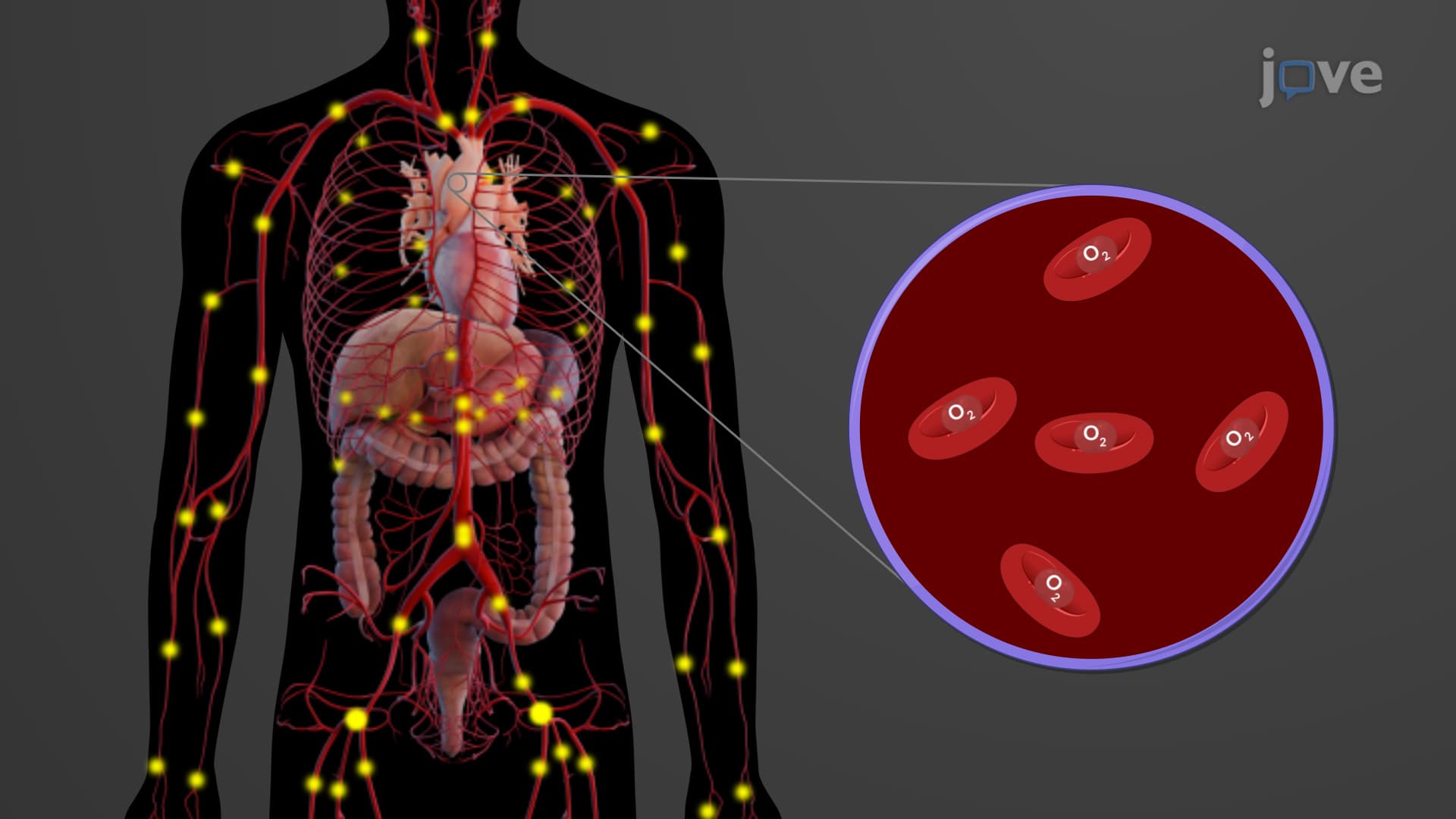
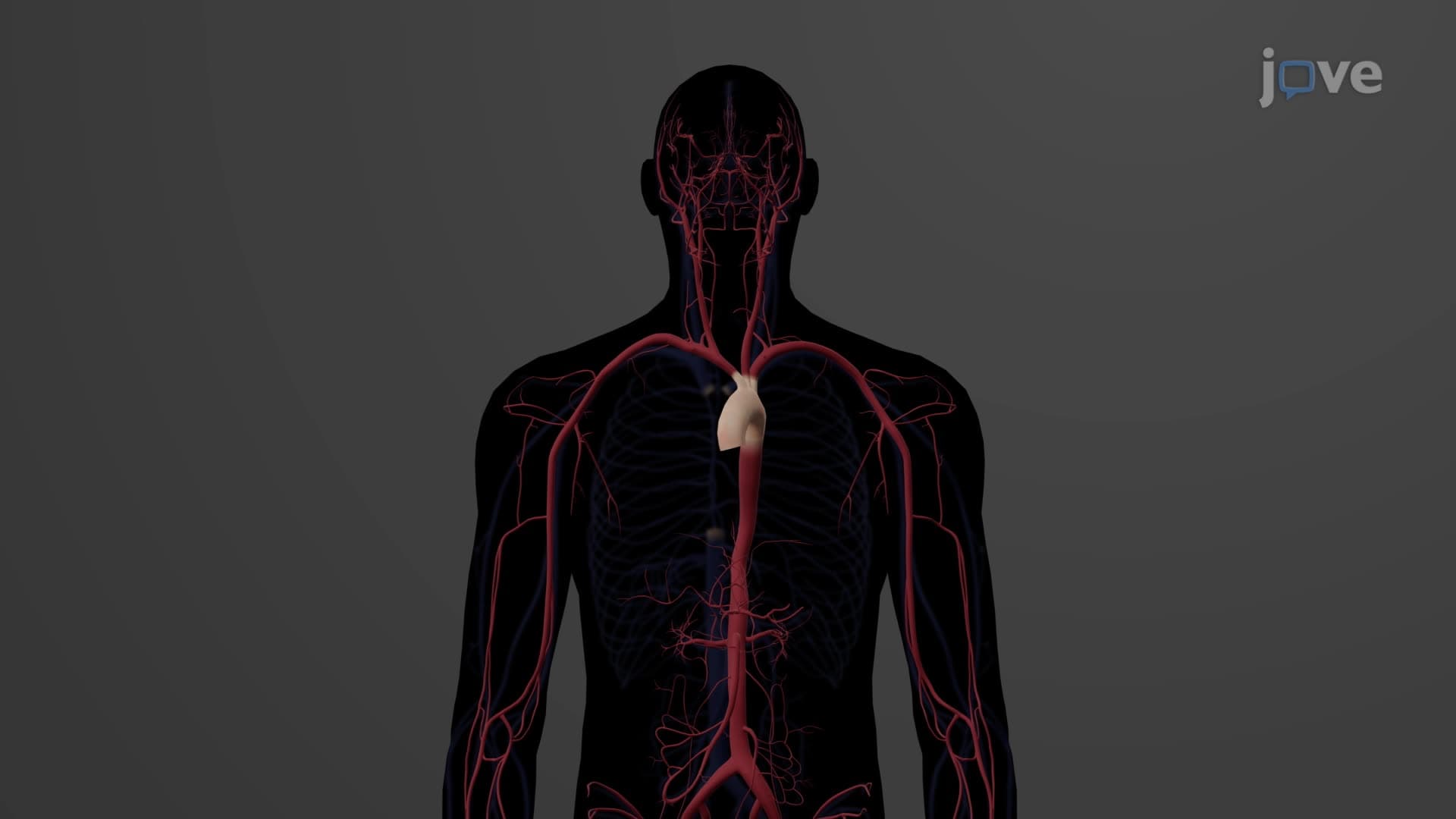
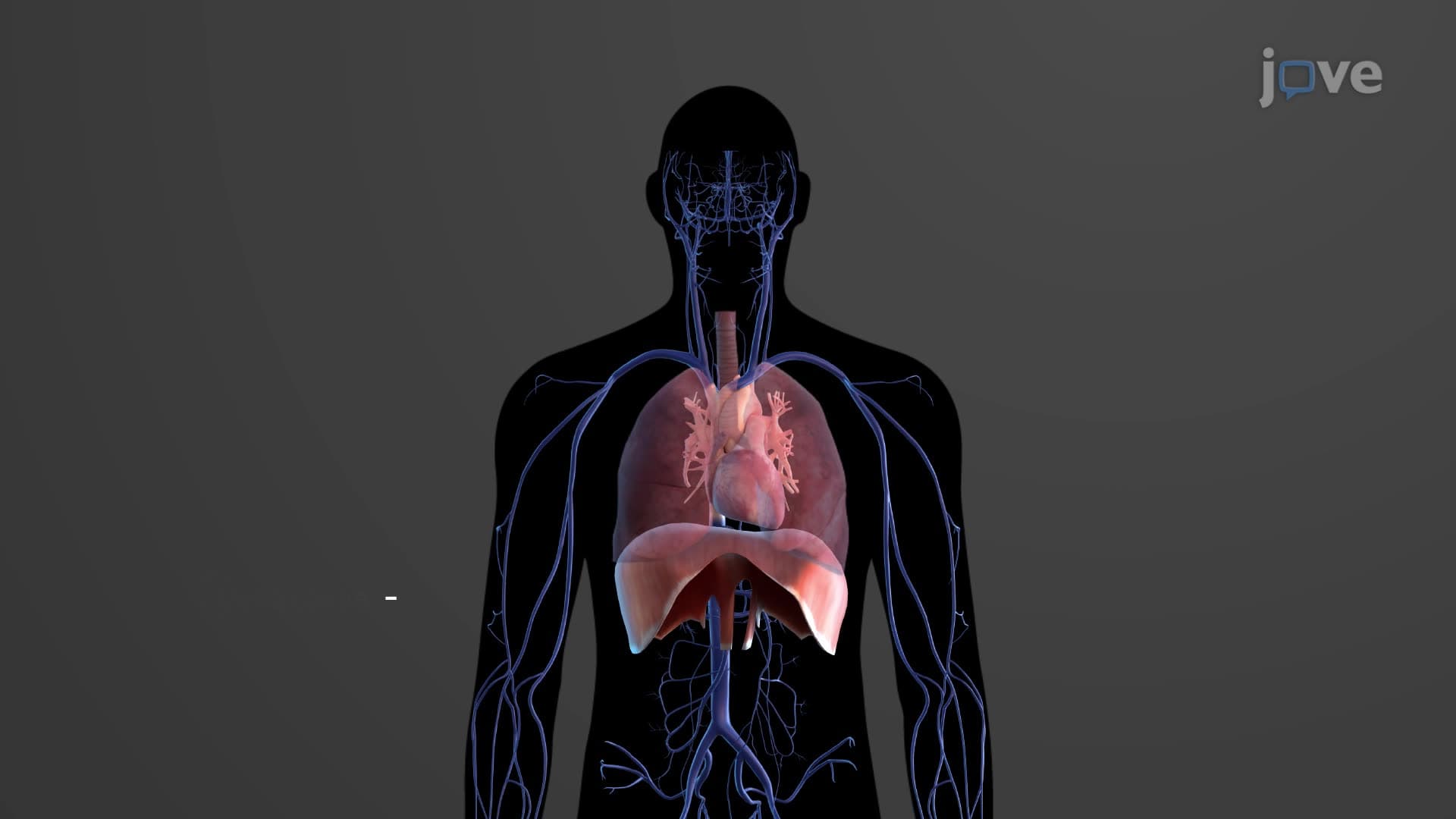
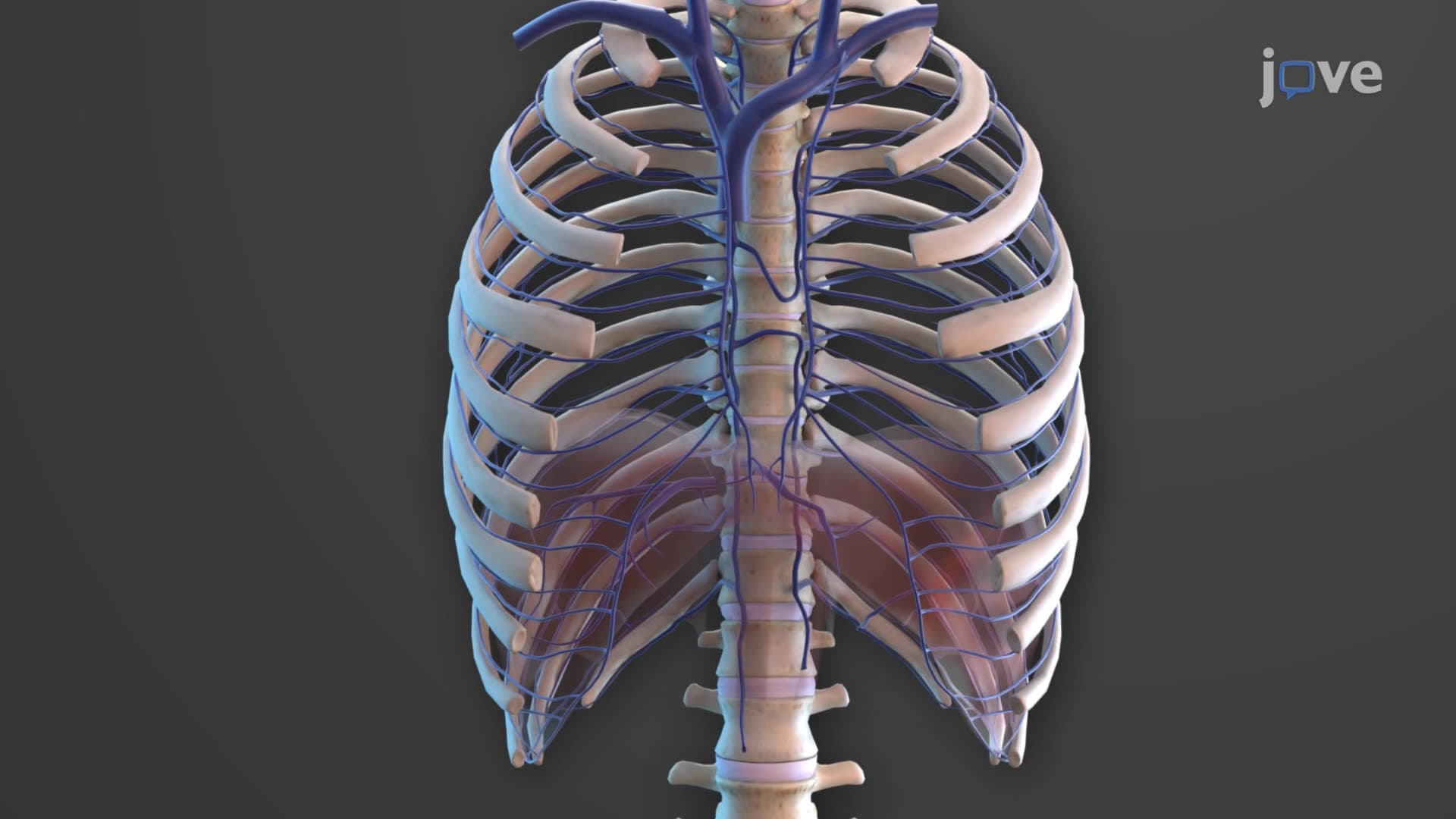
The systemic arterial system represents one of the most sophisticated distribution networks in biology, rivaling the complexity of major metropolitan water supply systems. This systemic arteries overview anatomy encompasses every vessel that carries oxygen-rich blood from the left ventricle to body tissues, forming an intricate branching pattern that ensures no cell is more than a few micrometers from its blood supply.
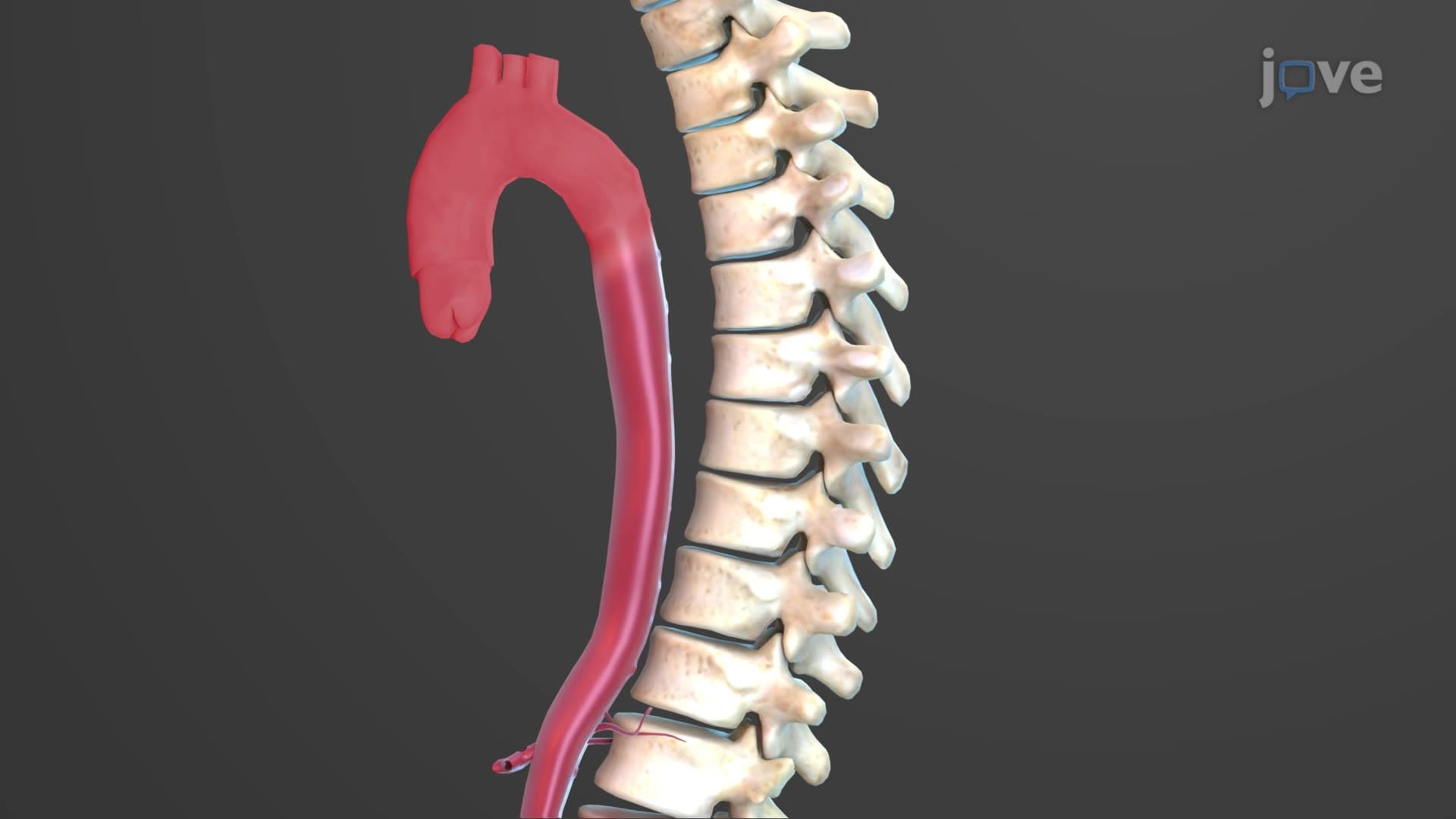
The aorta branches systemic circulation begins immediately as blood exits the left ventricle through the aortic valve. The ascending aorta gives rise to the coronary arteries-the heart's own blood supply that's so critical that blockages here cause heart attacks, affecting over 805,000 Americans annually according to the CDC. The aortic arch then branches into three major vessels: the brachiocephalic trunk, left common carotid, and left subclavian arteries, which supply the head, neck, and upper extremities.
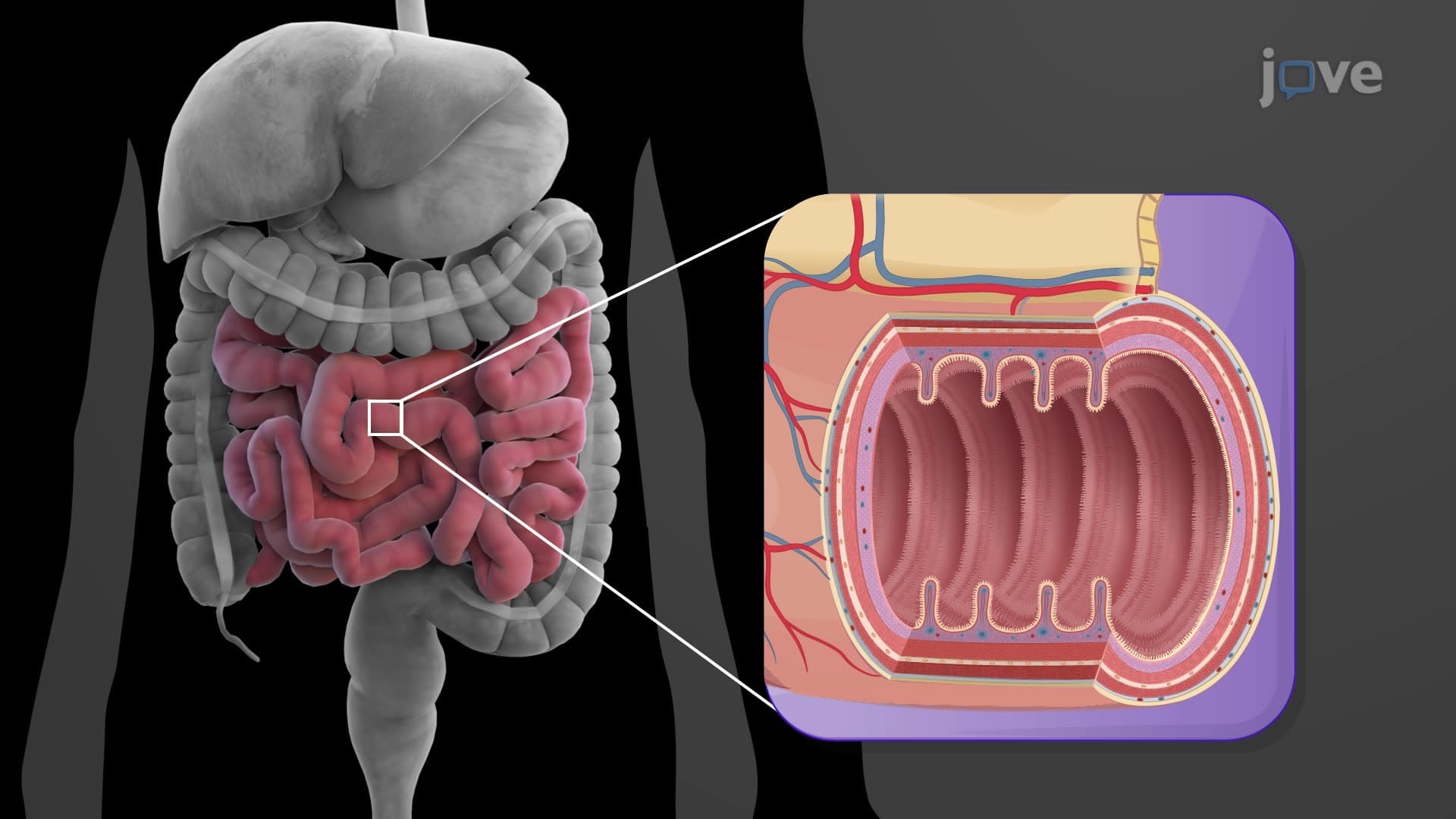
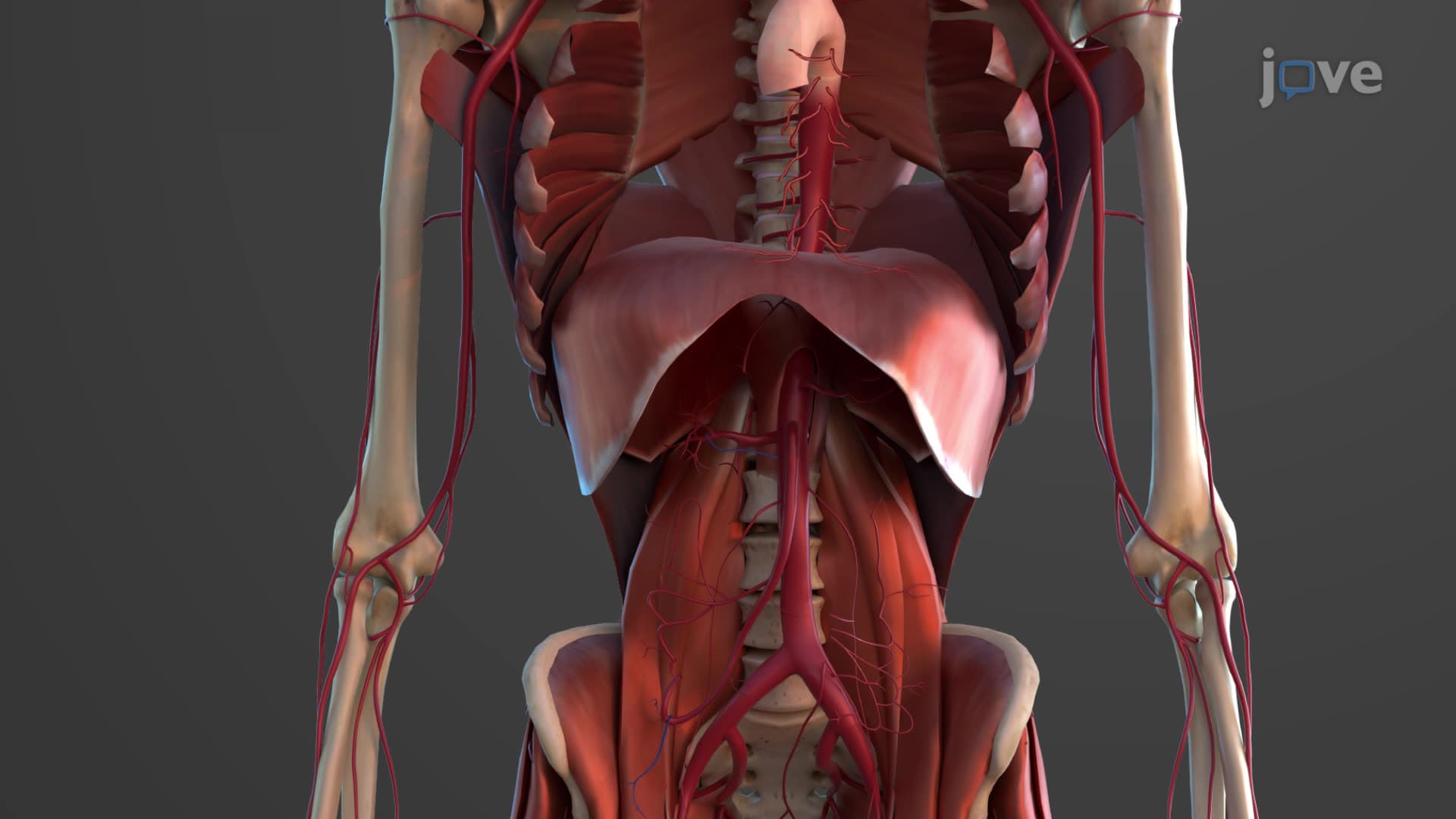
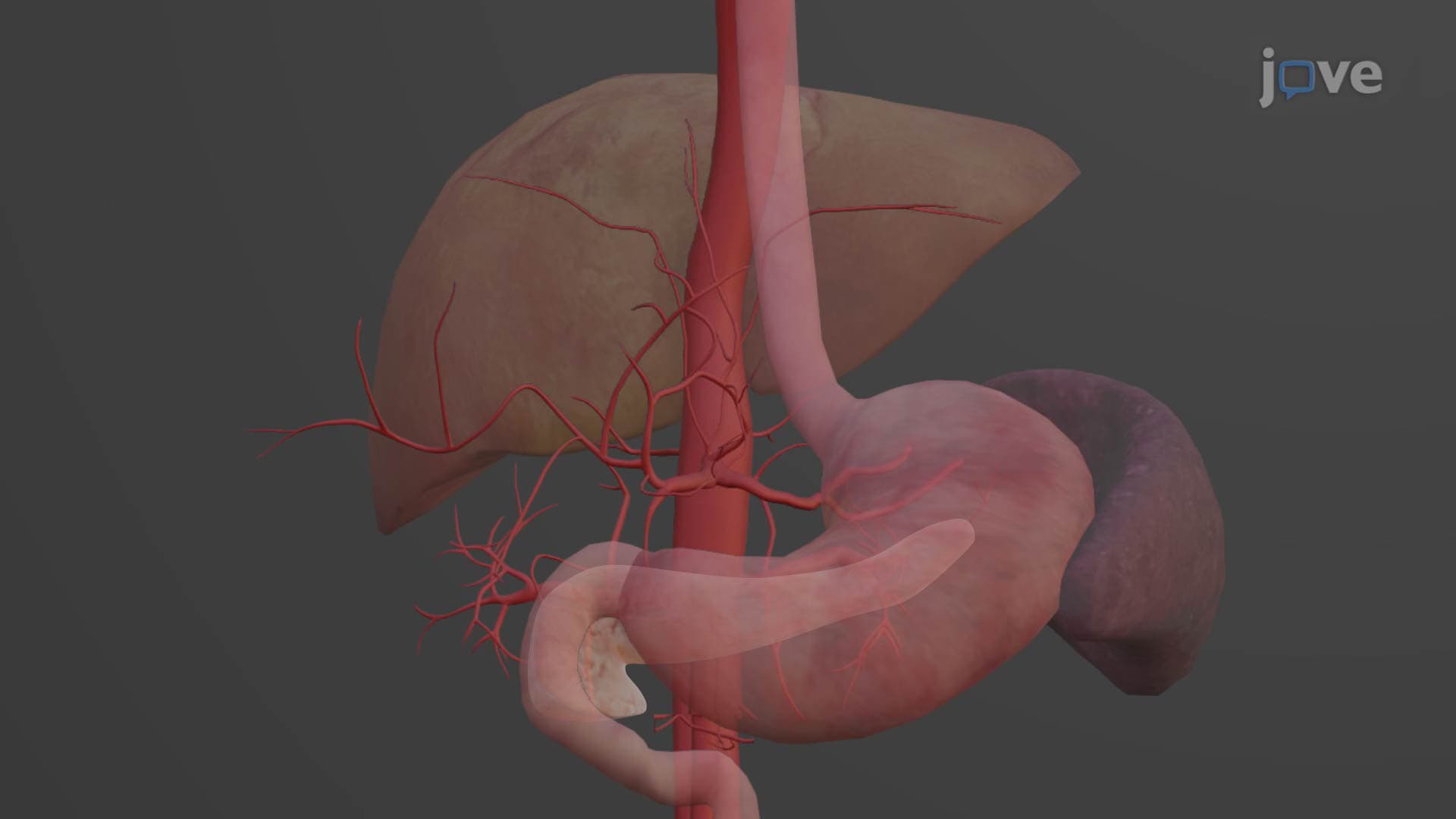
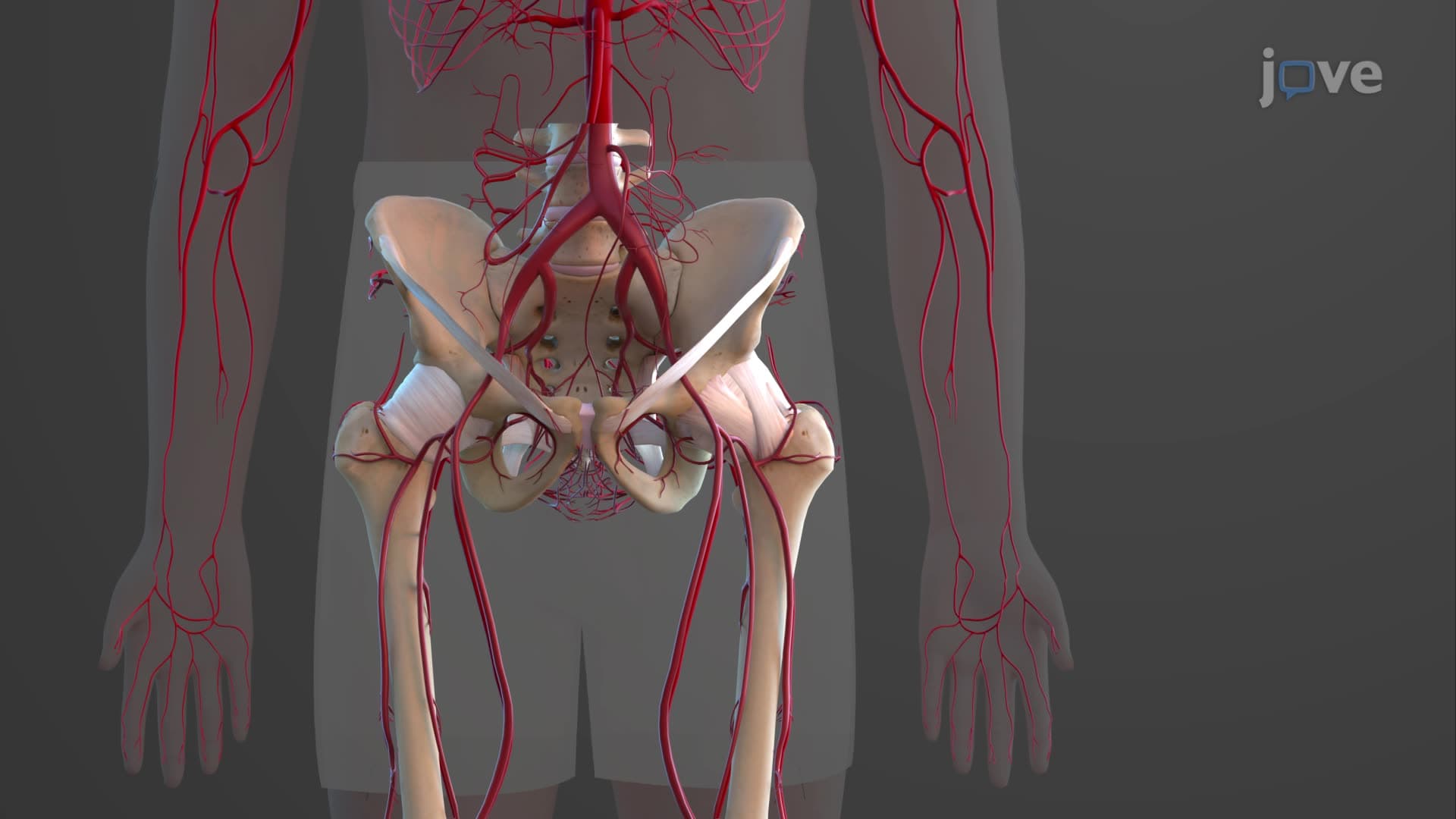
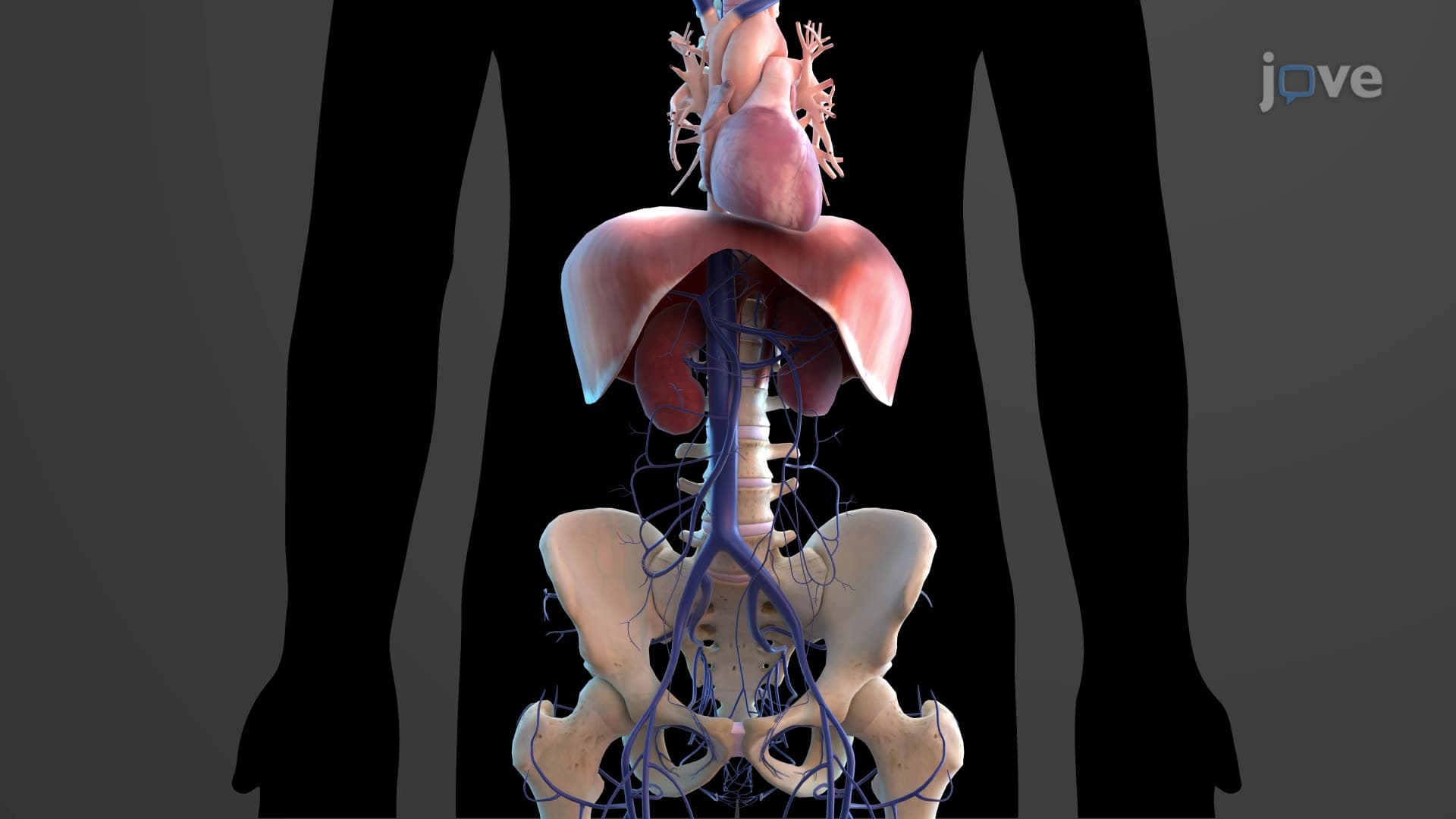
As the aorta descends through the thorax and abdomen, it continues branching in a pattern medical students memorize for MCAT and USMLE exams. Major branches include the celiac trunk (feeding the stomach, liver, and spleen), superior and inferior mesenteric arteries (supplying the intestines), and renal arteries (filtering blood through the kidneys). This systemic arterial distribution follows a logical pattern where larger organs with higher metabolic demands receive larger arterial supplies.
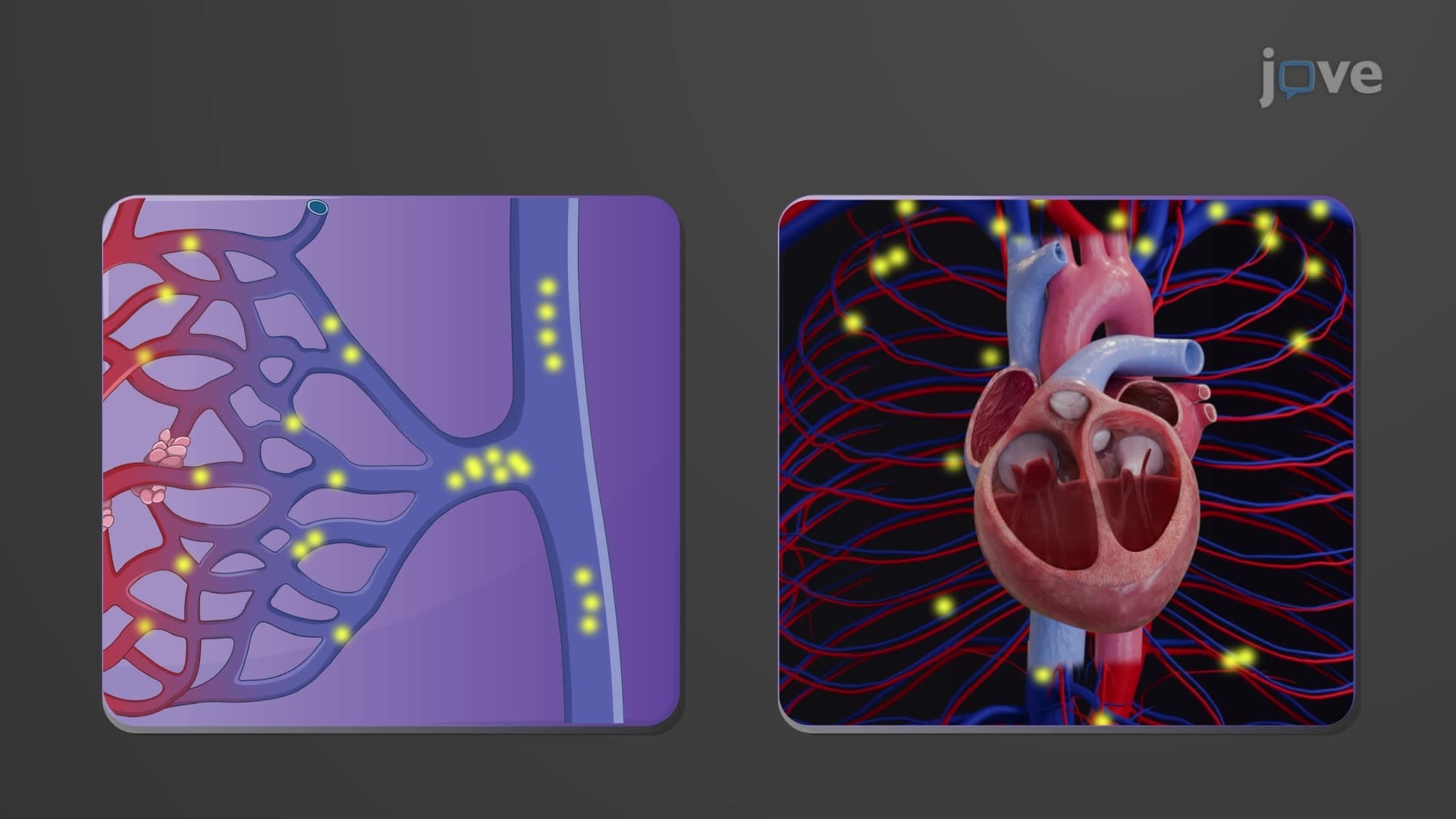
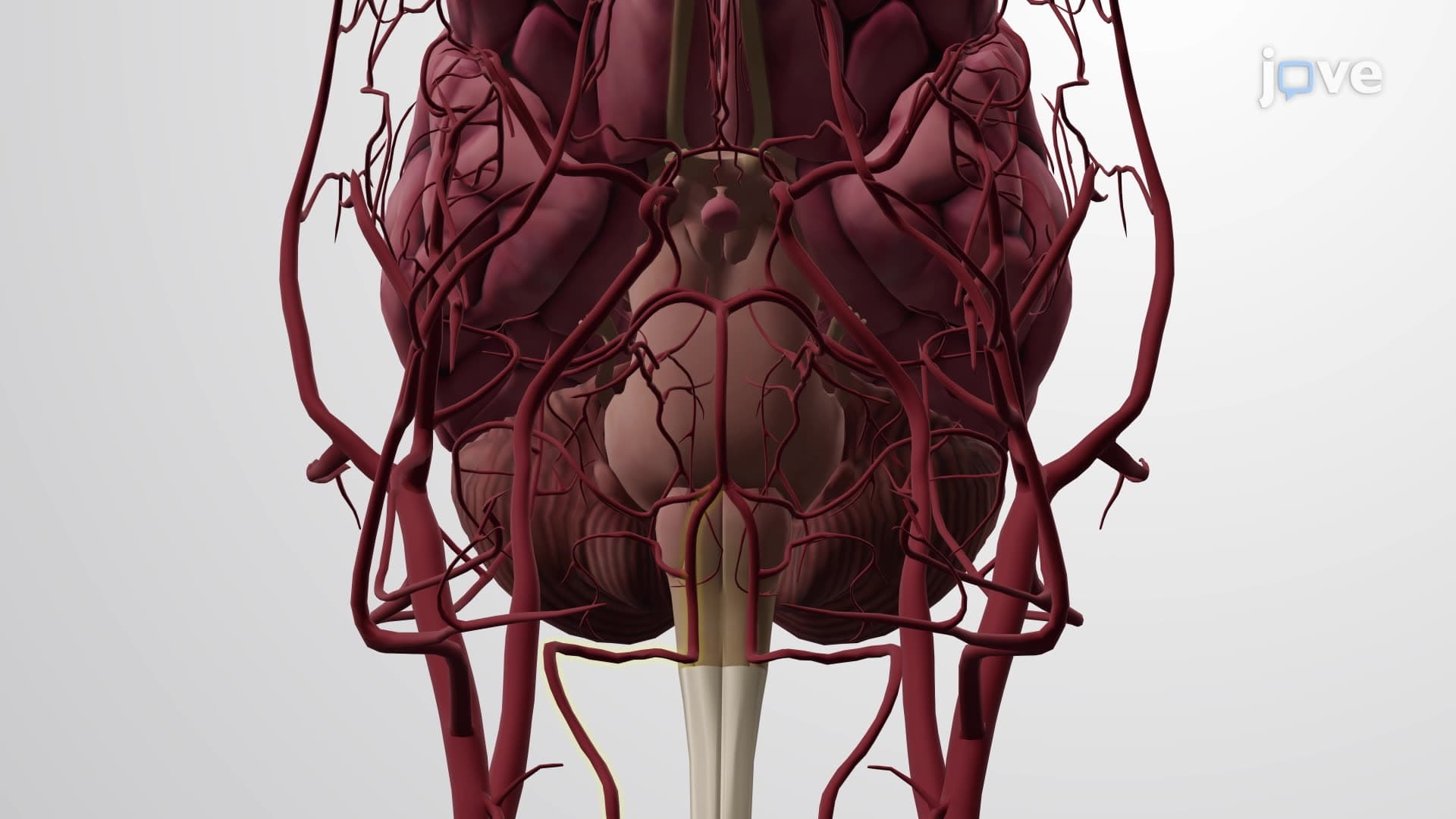
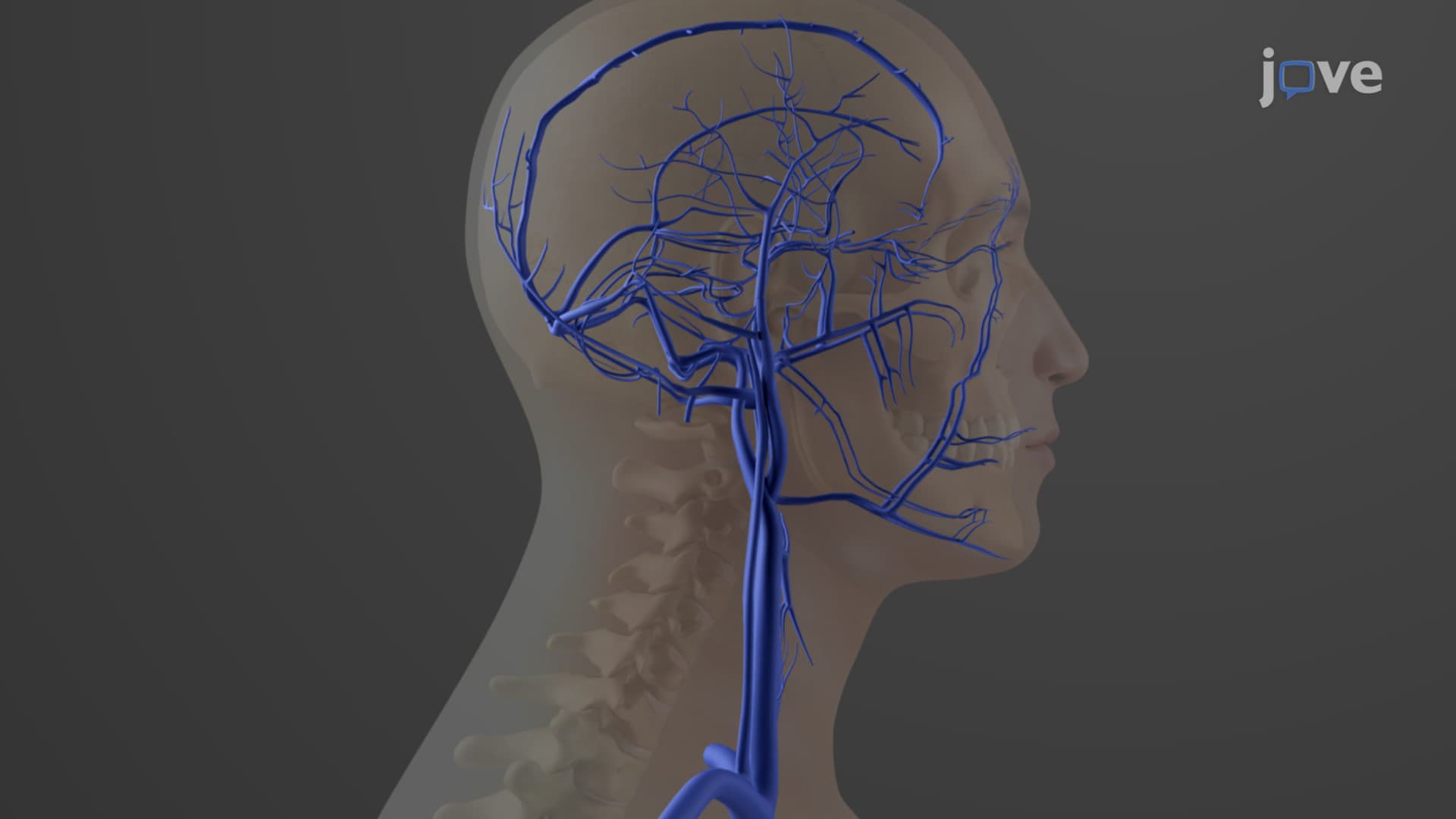
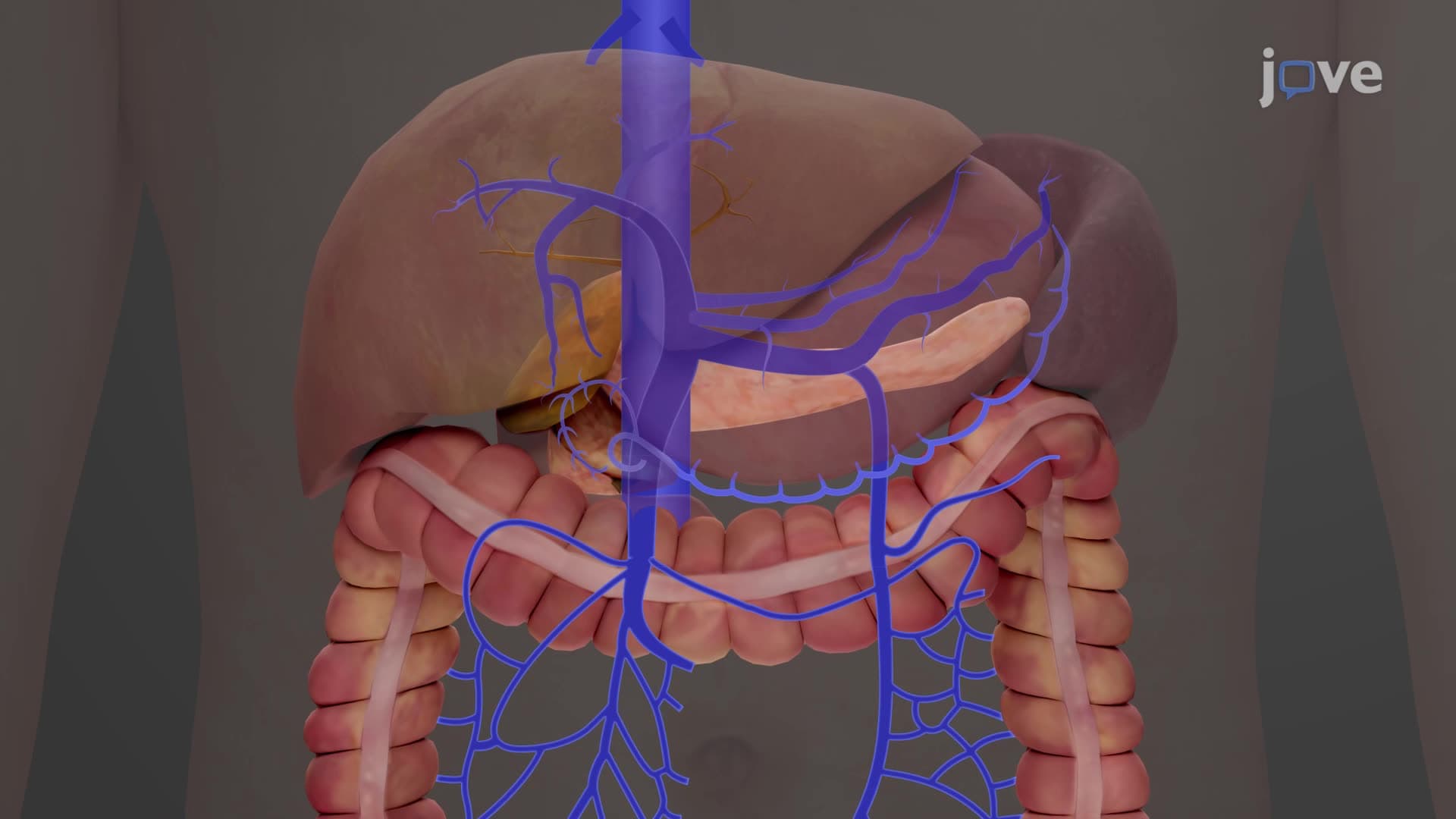
The major systemic arteries explained include three specialized subsystems that AP Biology students must understand. Coronary circulation operates under unique pressures, with most blood flow occurring during diastole when the heart muscle relaxes. Cerebral circulation maintains constant flow despite position changes through the Circle of Willis-a redundant system that prevents stroke if one vessel becomes blocked. The hepatic portal system represents a unique arrangement where blood from the digestive tract passes through the liver before returning to the heart, allowing for immediate processing of absorbed nutrients and toxins.
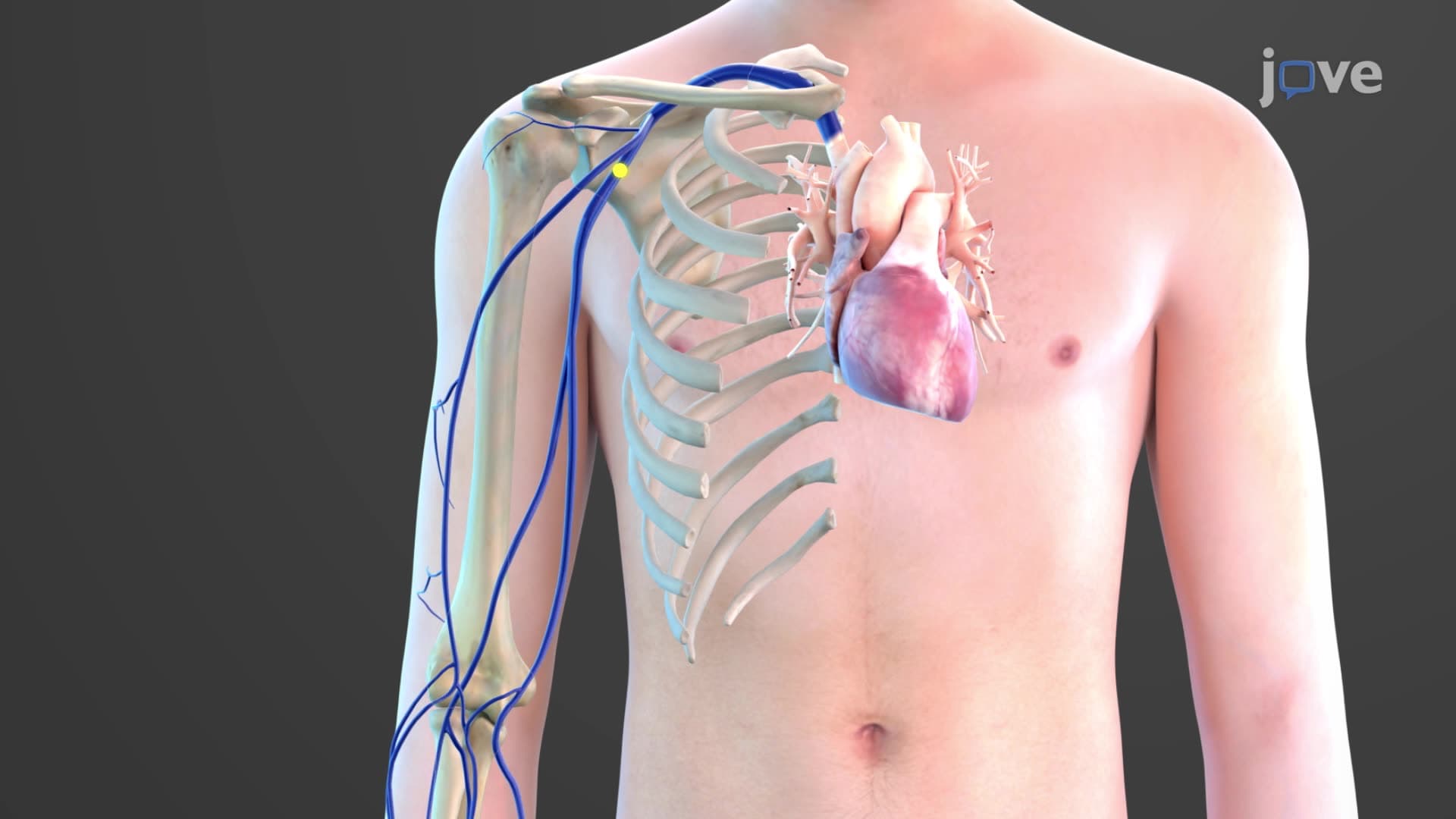
Understanding the arterial tree systemic organization proves essential for healthcare professionals interpreting diagnostic tests and planning treatments. When cardiologists perform cardiac catheterizations at major US medical centers like Mayo Clinic or Cleveland Clinic, they navigate this arterial roadmap to identify and treat blockages. Similarly, radiologists reading CT angiograms must recognize normal branching patterns to identify abnormalities that might indicate disease or developmental variations.
Related Micro-courses