Loading video…


 38 Concepts
 149.7K views

Video Summary: What Is Overview of Systemic Veins
Every minute, your heart pumps nearly 5 liters of blood, but how does all that deoxygenated blood find its way back? The systemic veins overview anatomy reveals a sophisticated highway system that returns blood from every tissue to your heart's right atrium. Consider how pregnancy can compress the inferior vena cava, causing swollen ankles in expectant mothers across American maternity wards. Watch the full video on JoVE Coach to master this concept with expert-led visuals and step-by-step explanations.
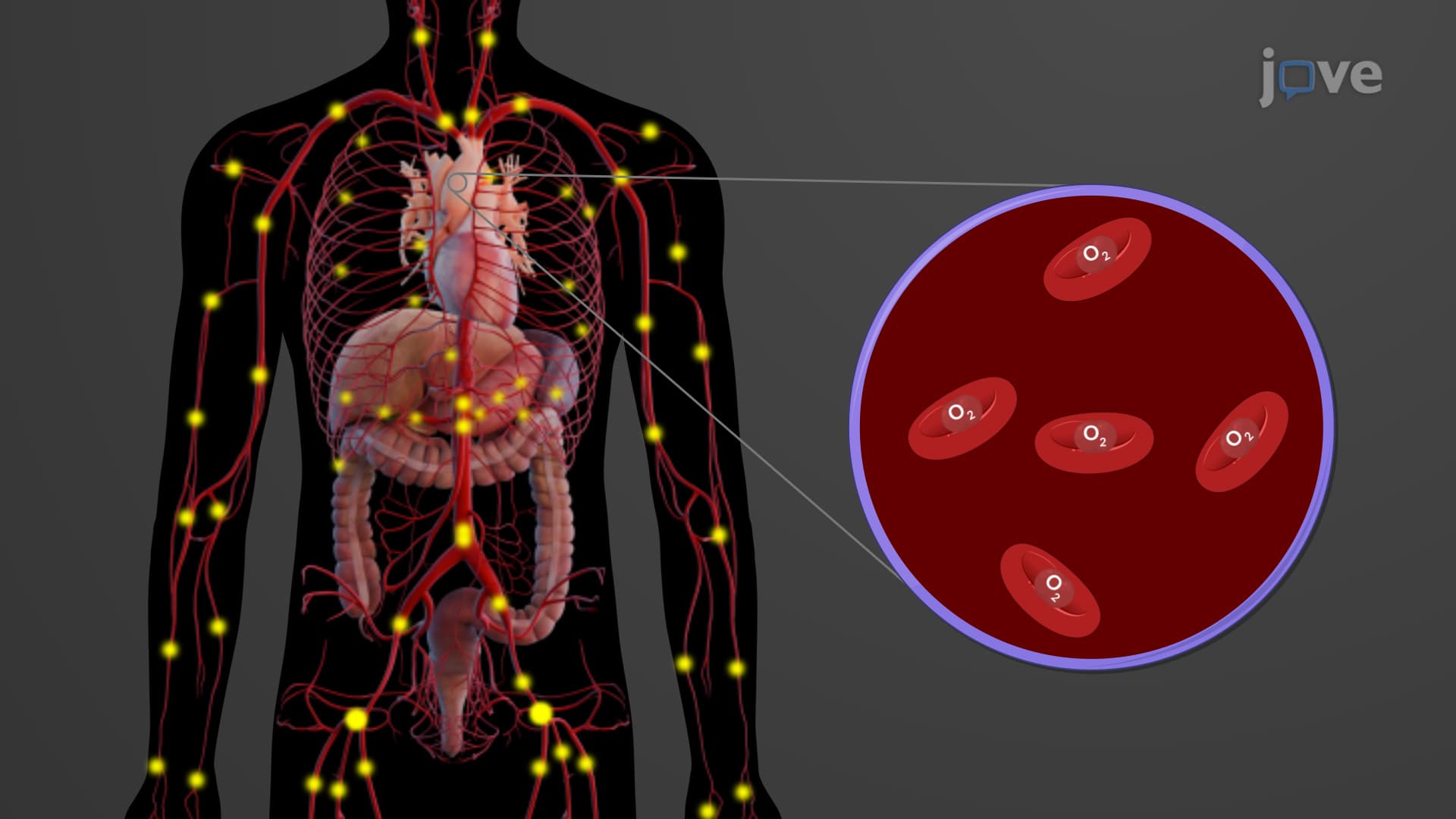
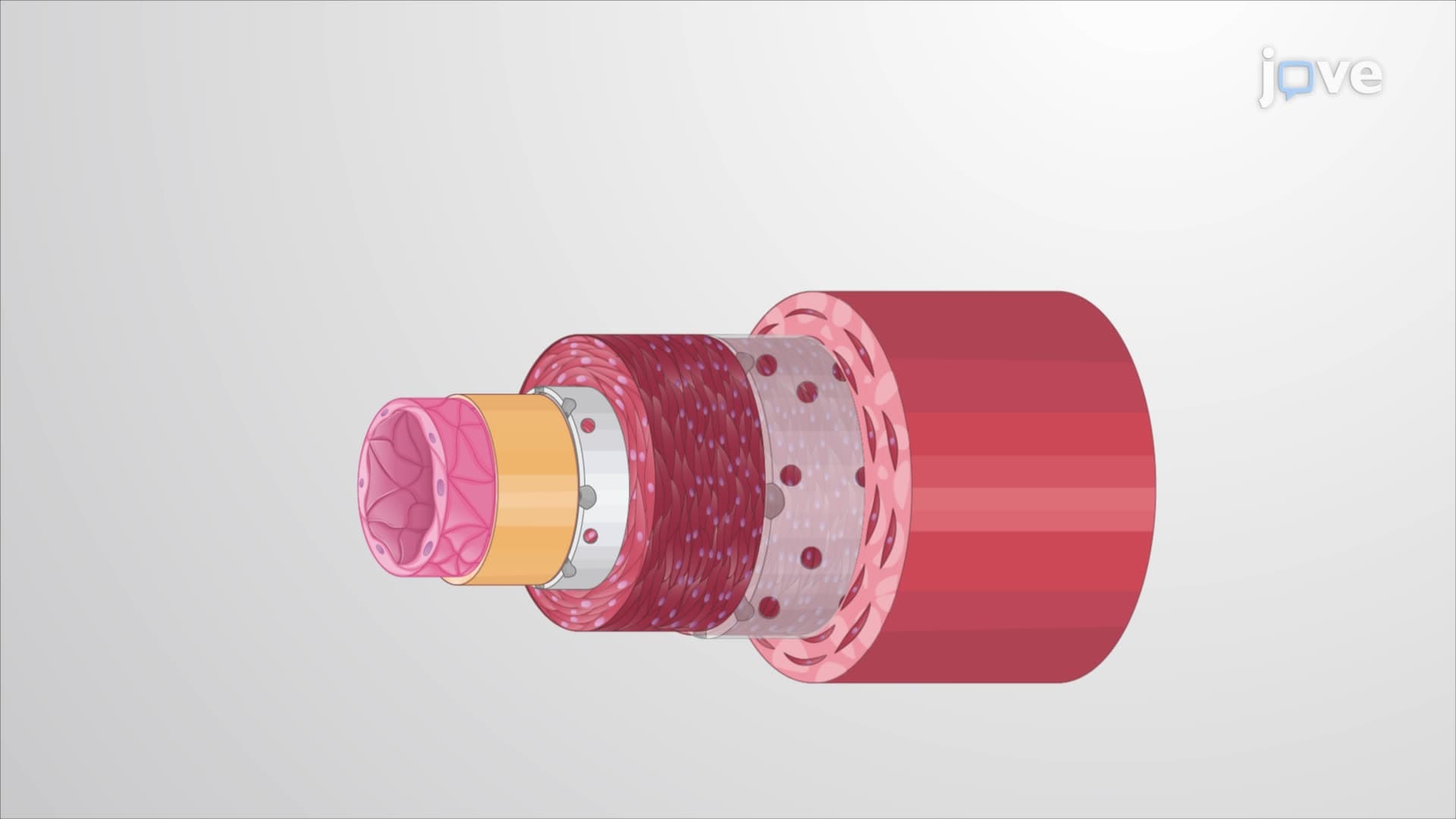
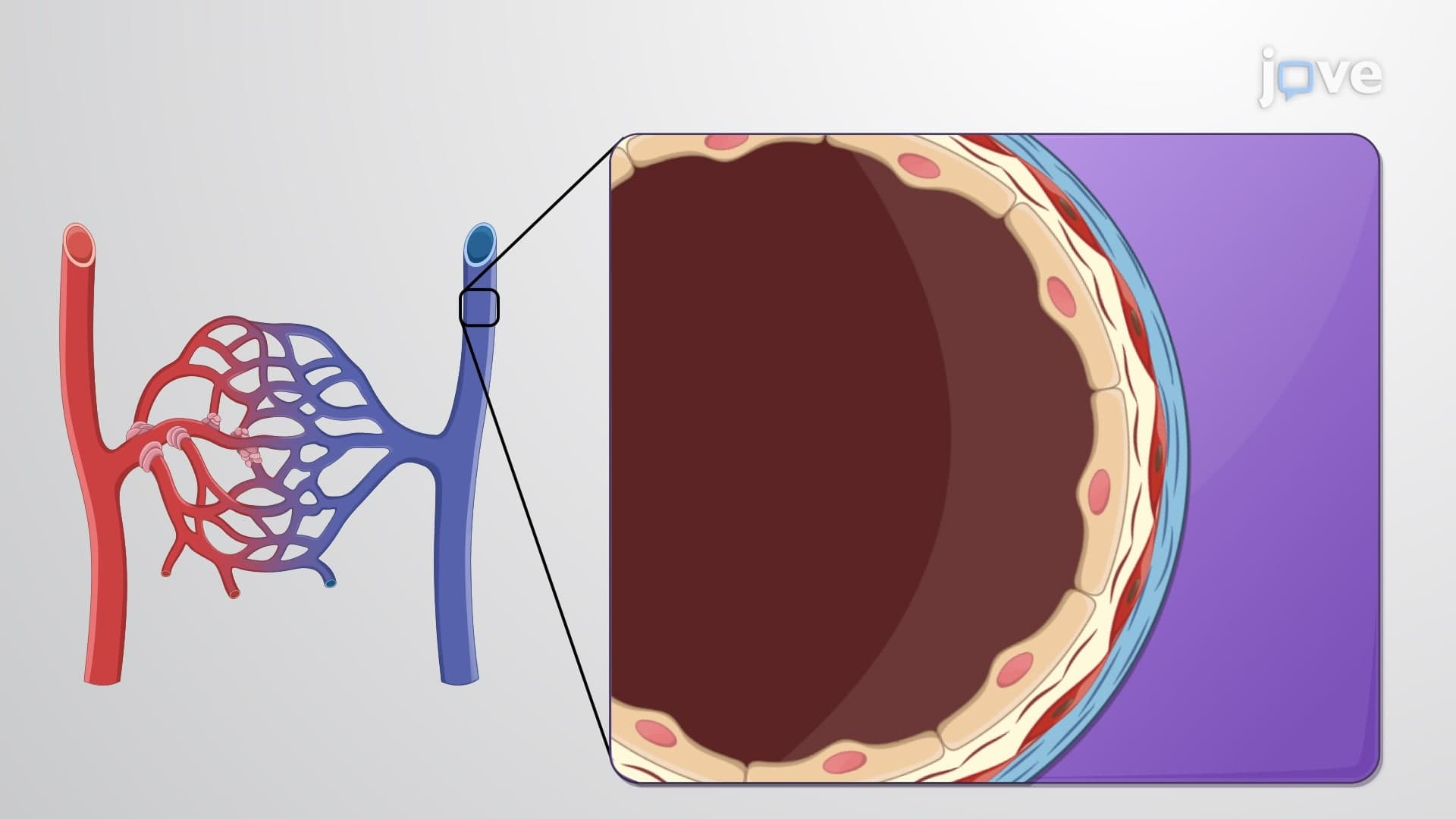
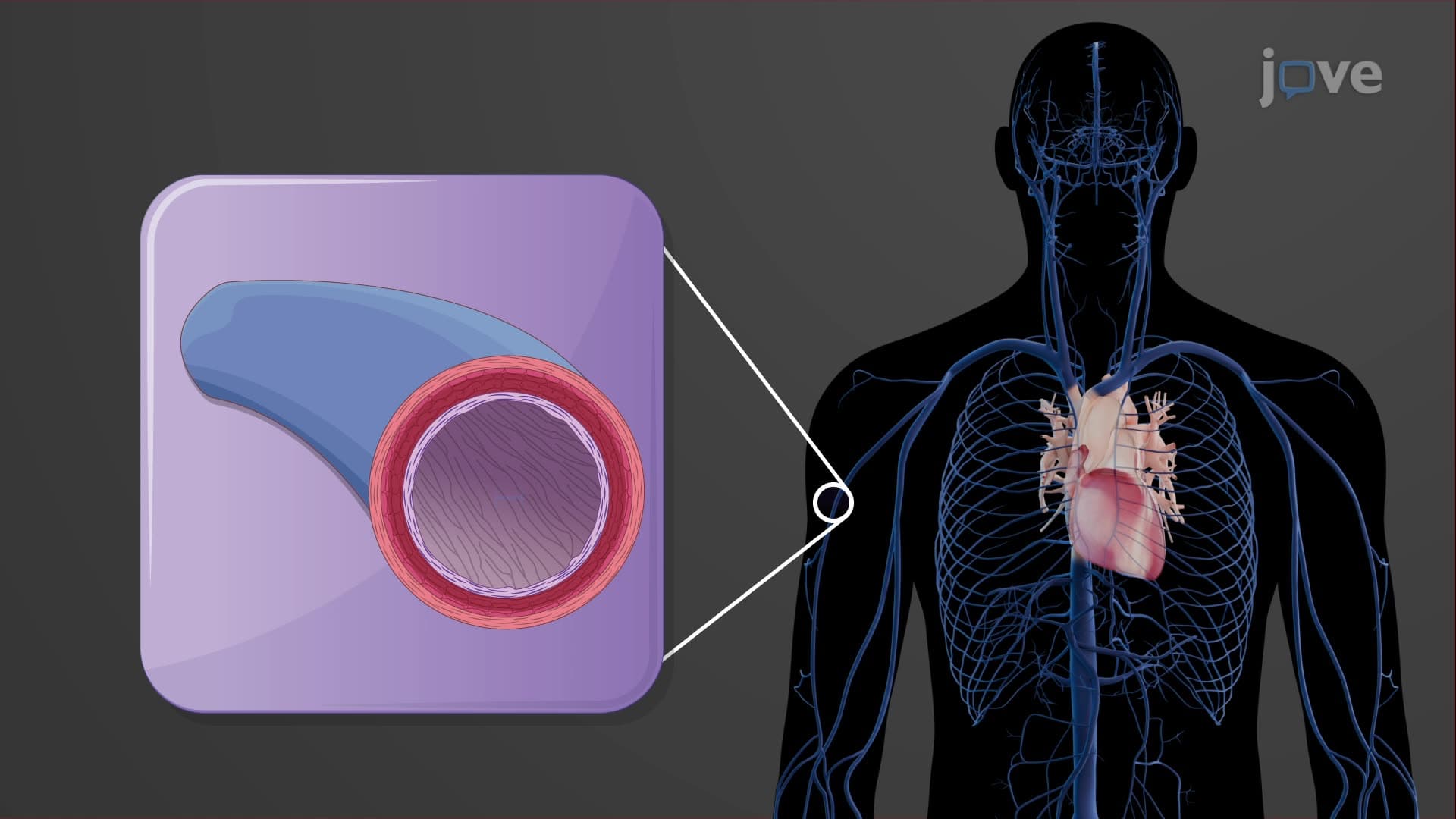
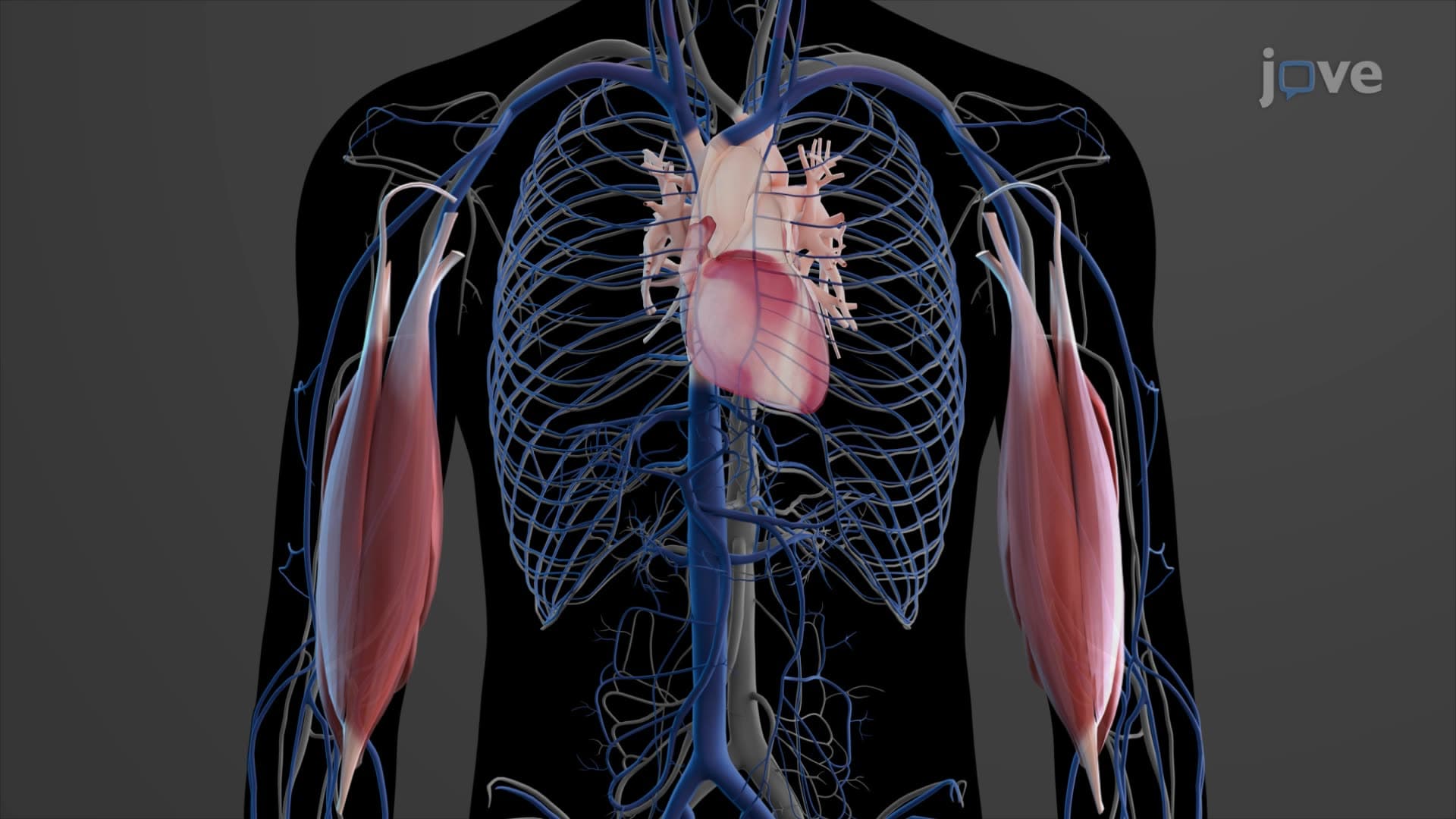
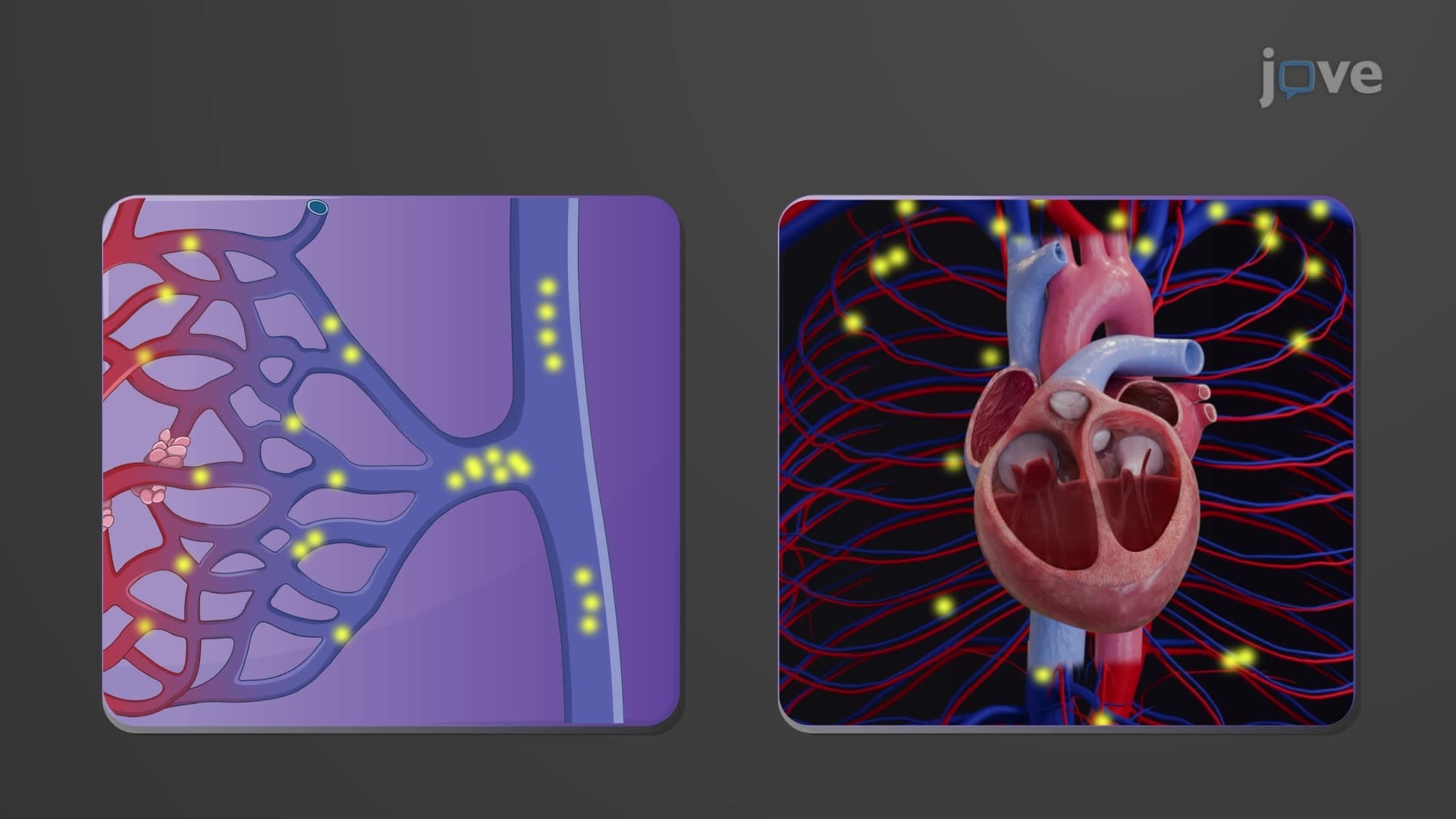
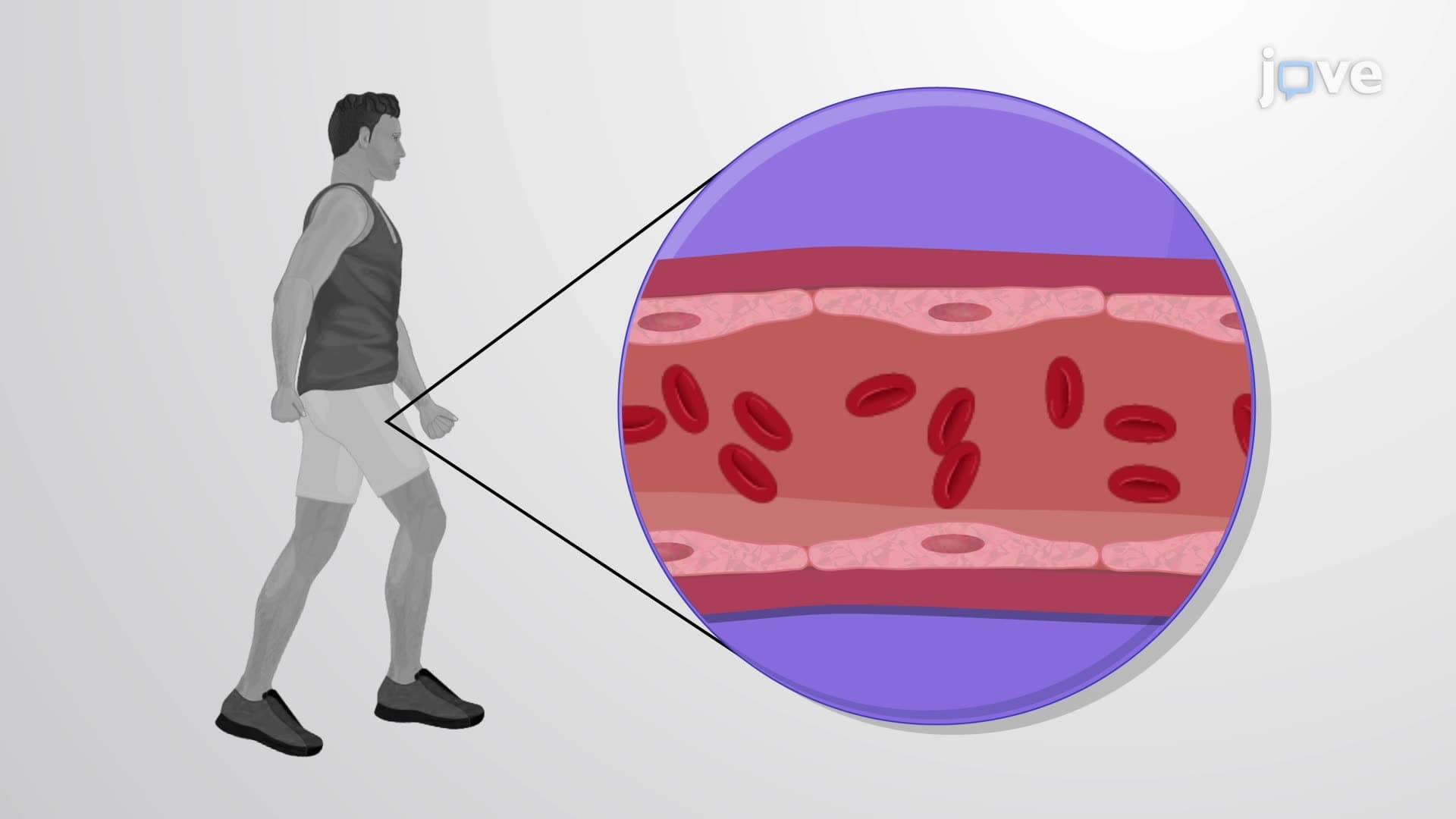
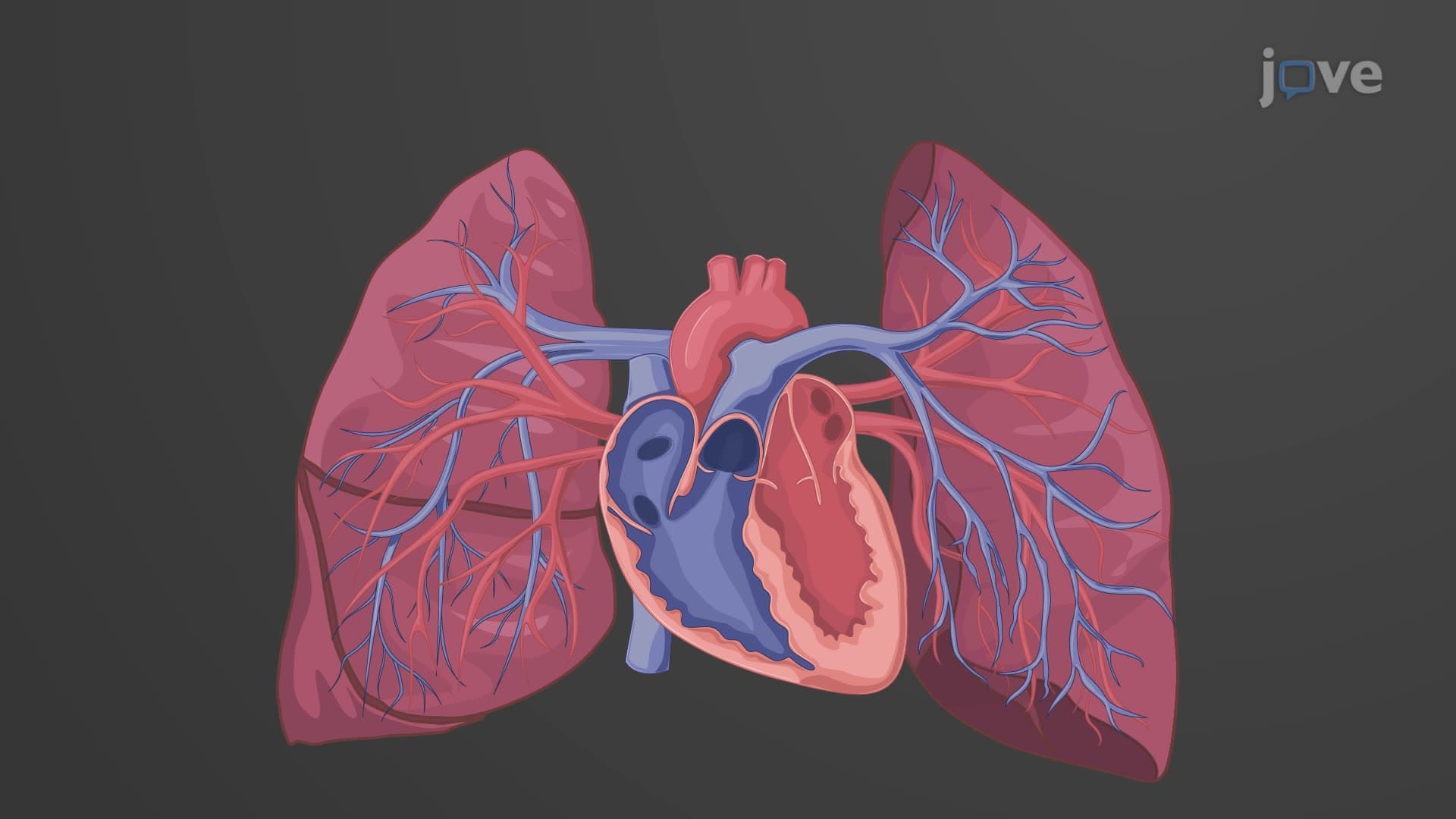
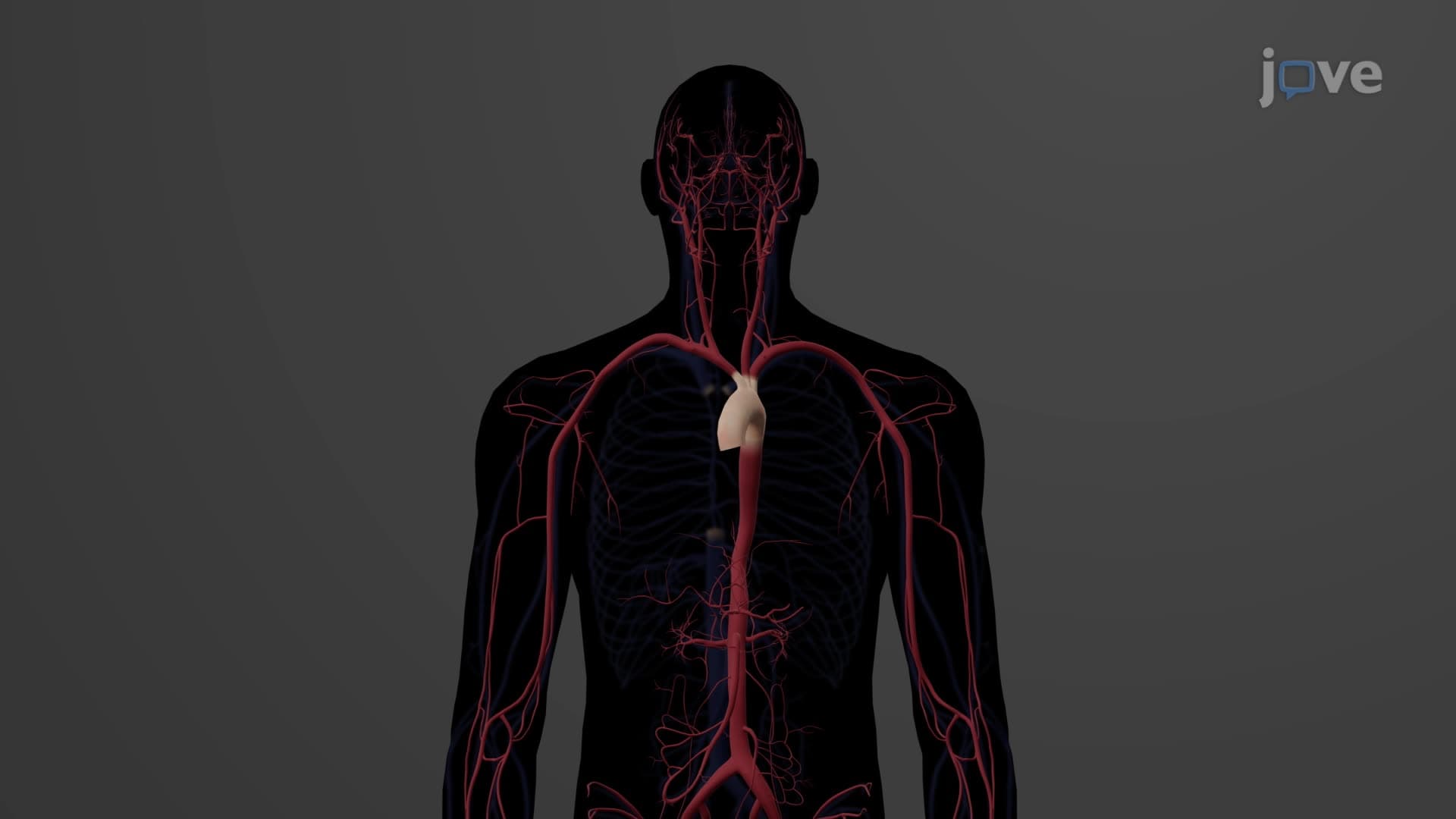
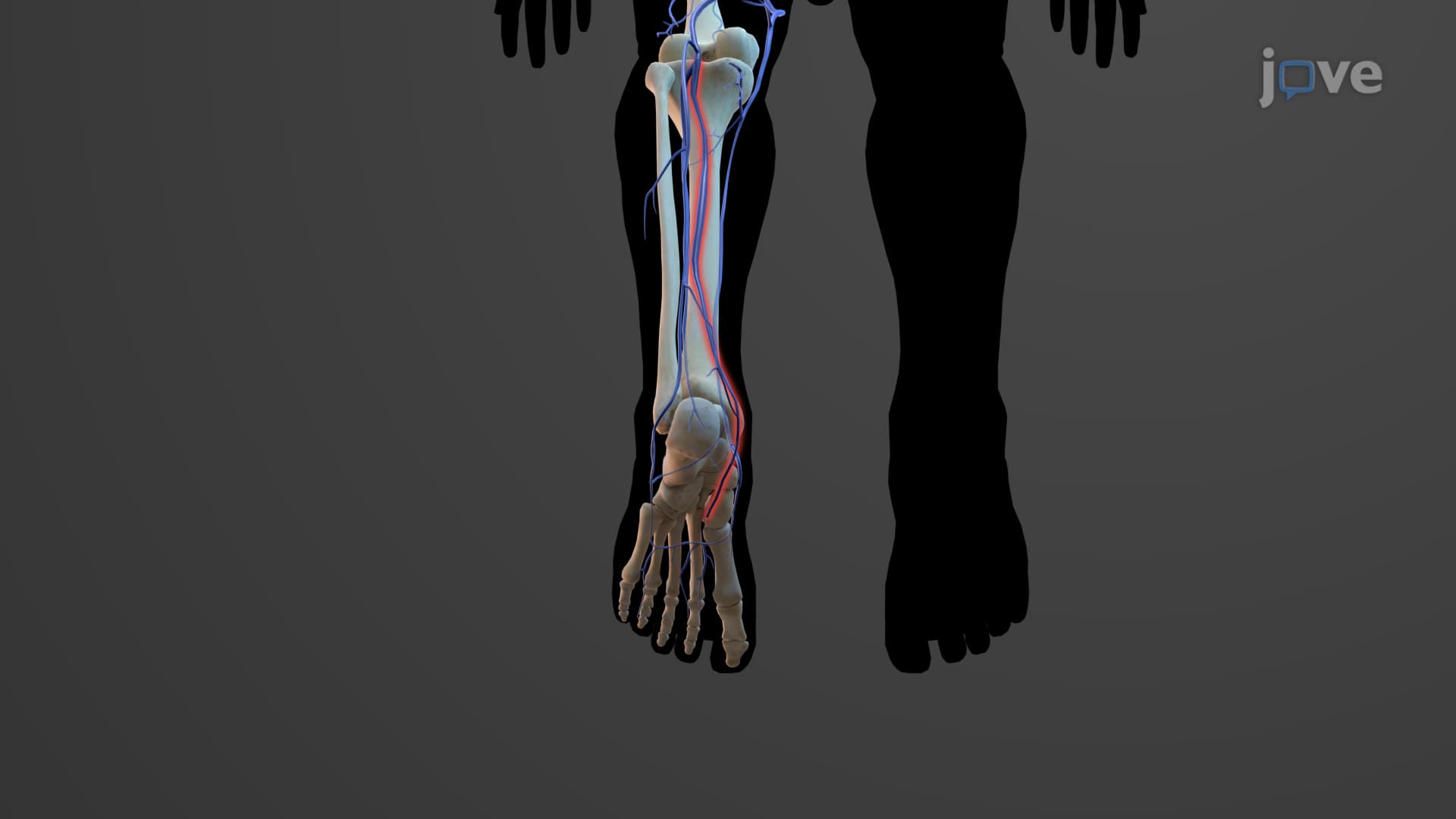
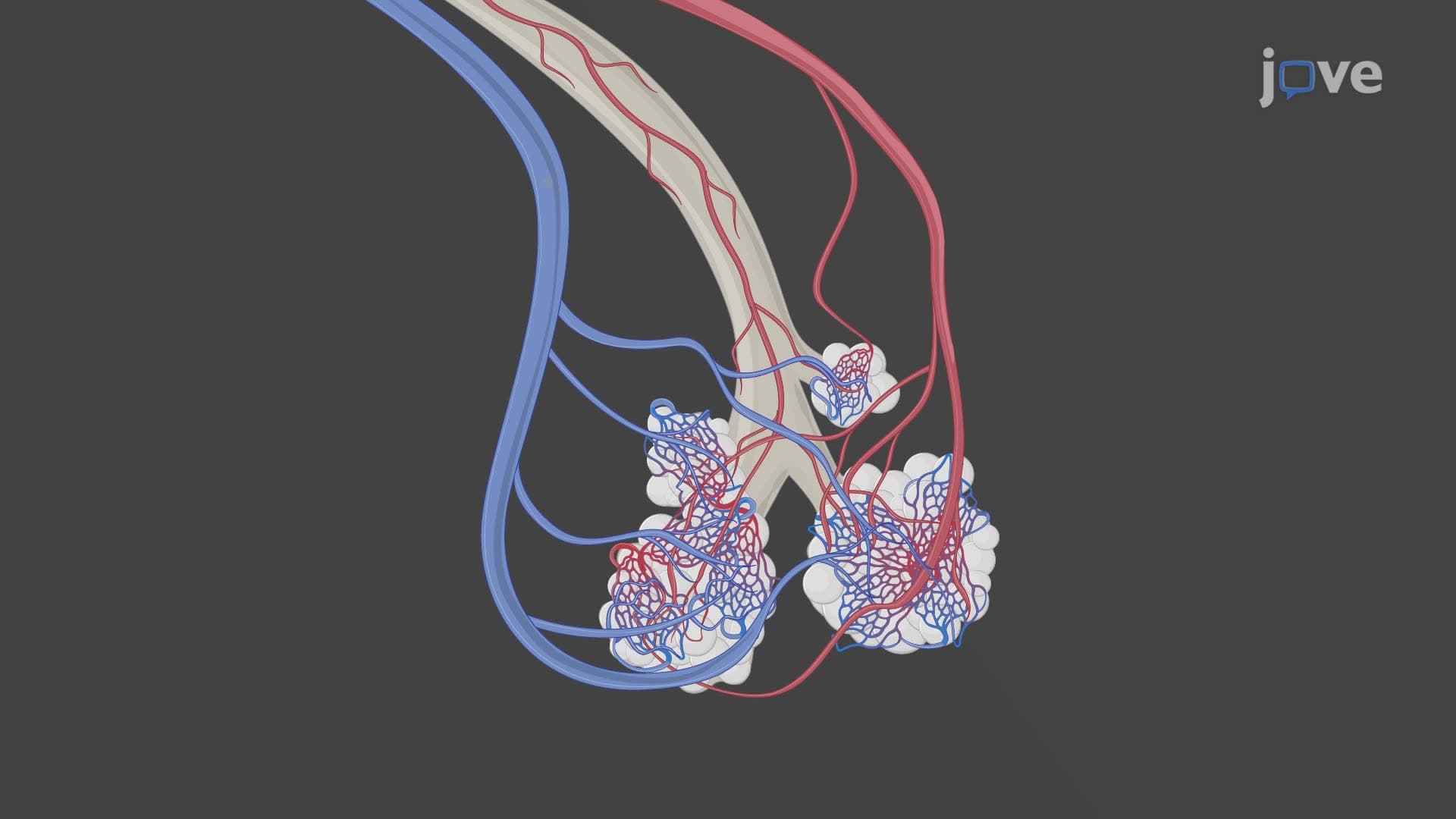
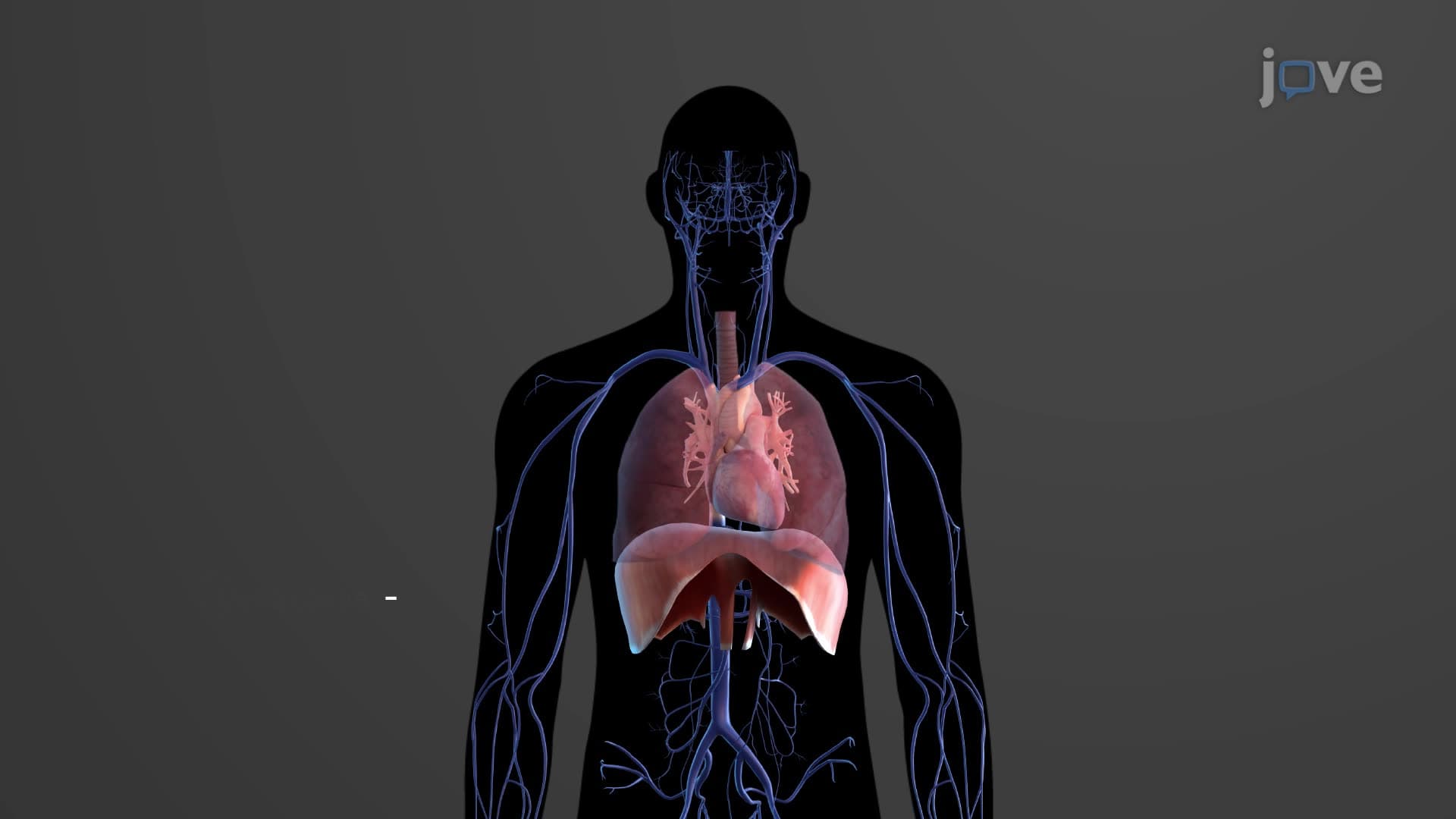
The systemic veins overview anatomy encompasses the entire network responsible for collecting deoxygenated blood from body tissues and delivering it back to the heart. Unlike arteries that carry oxygen-rich blood away from the heart, systemic veins form the return pathway, creating a continuous circulation loop essential for life.
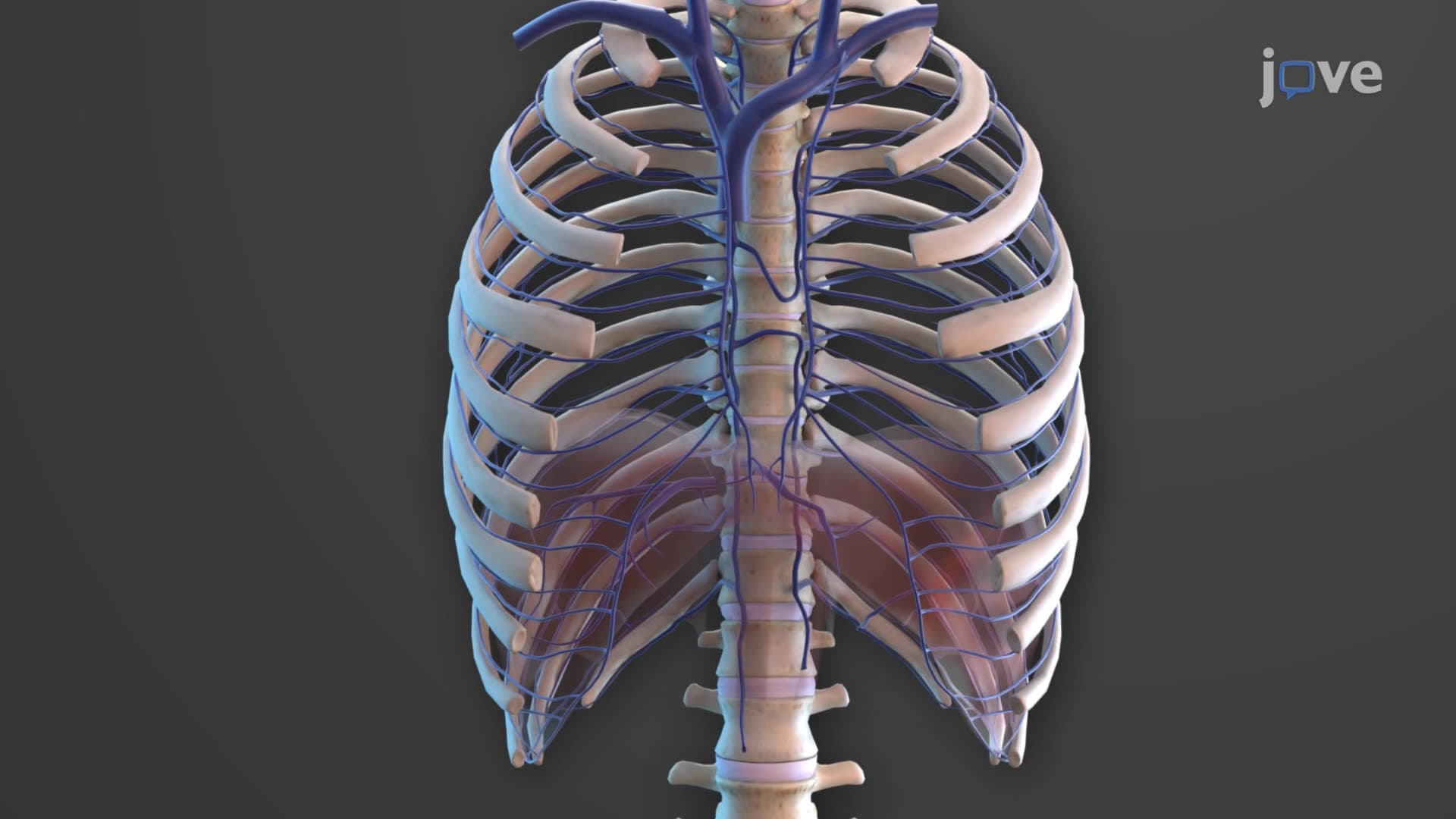
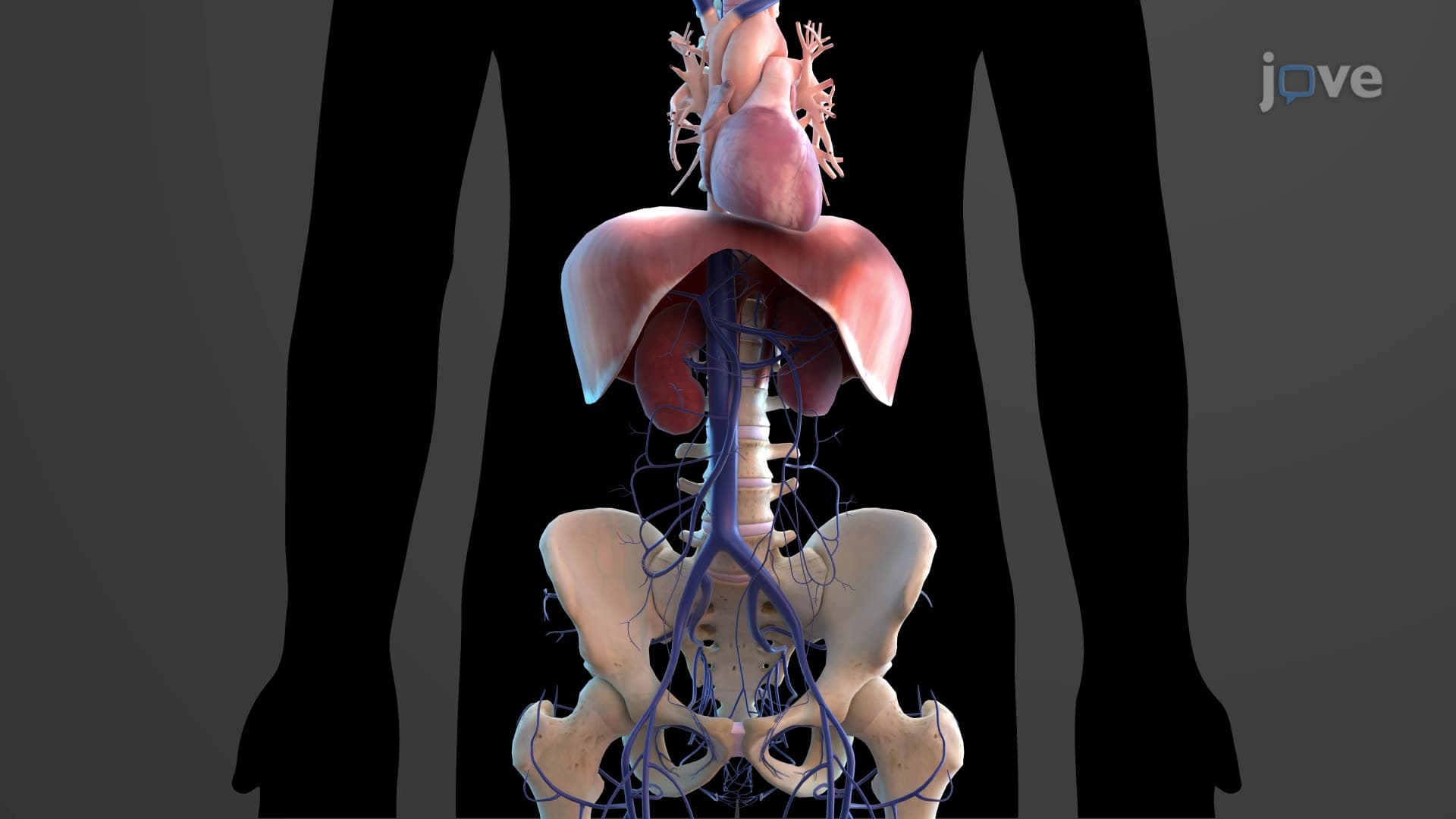
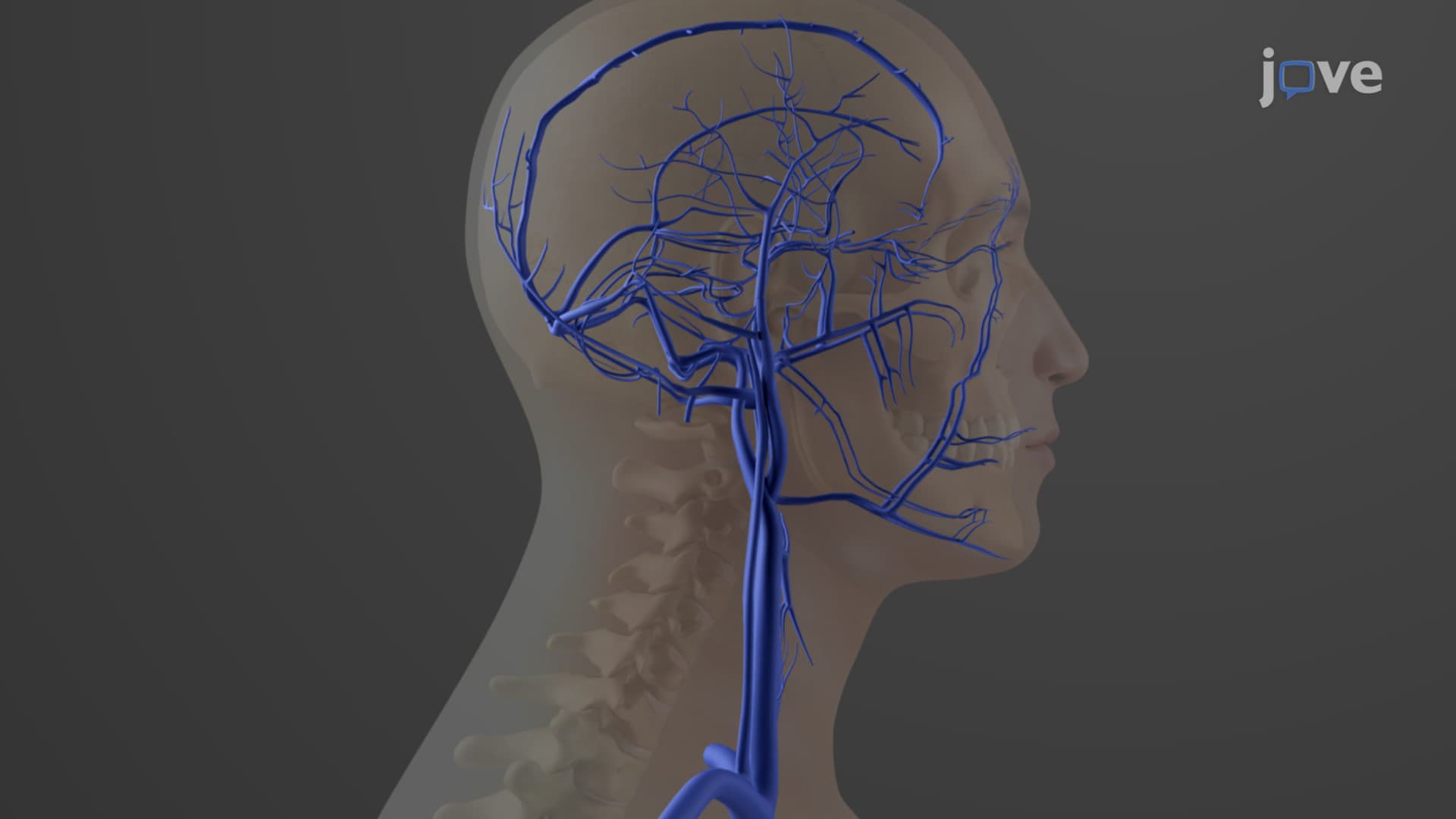
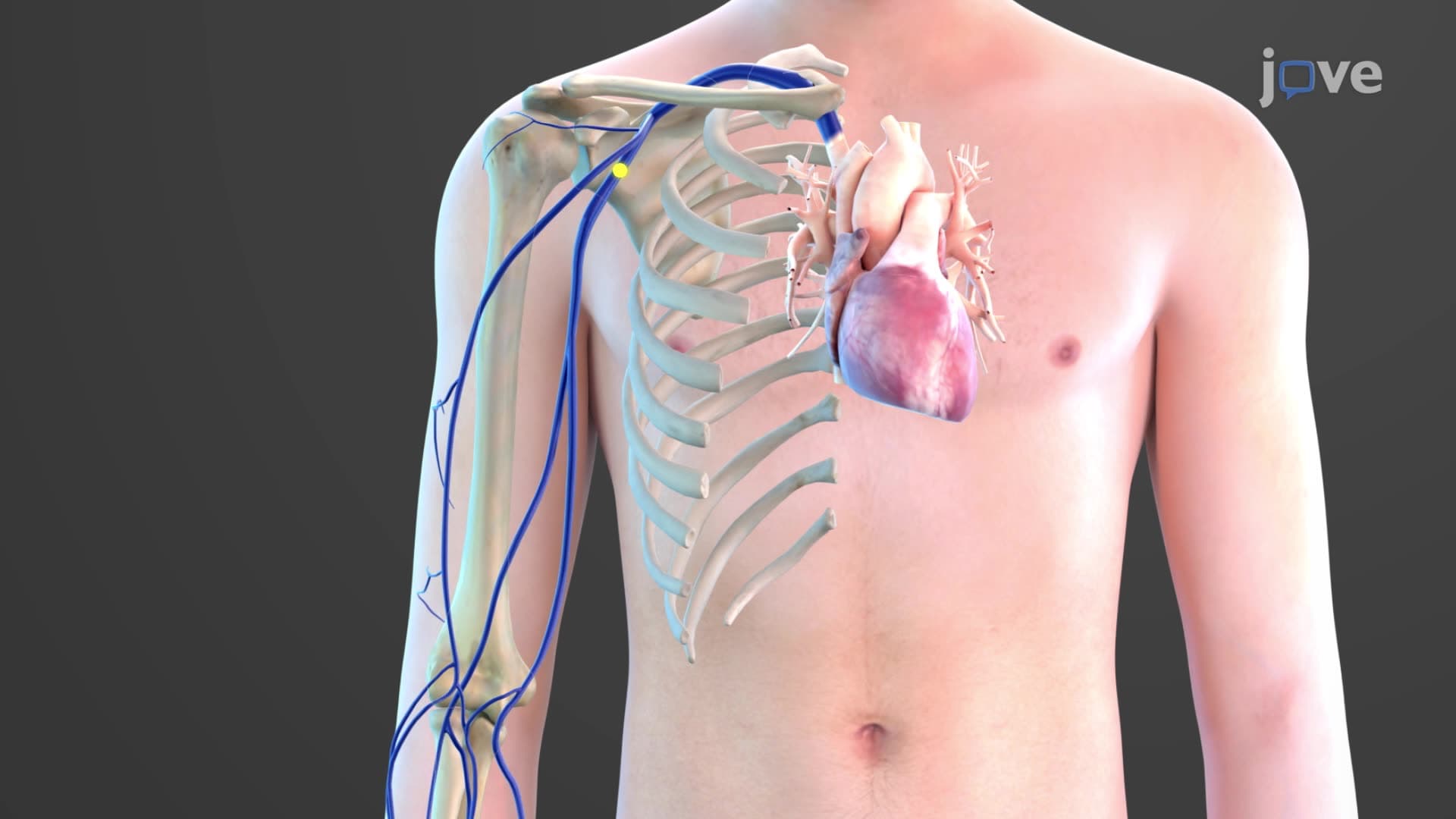
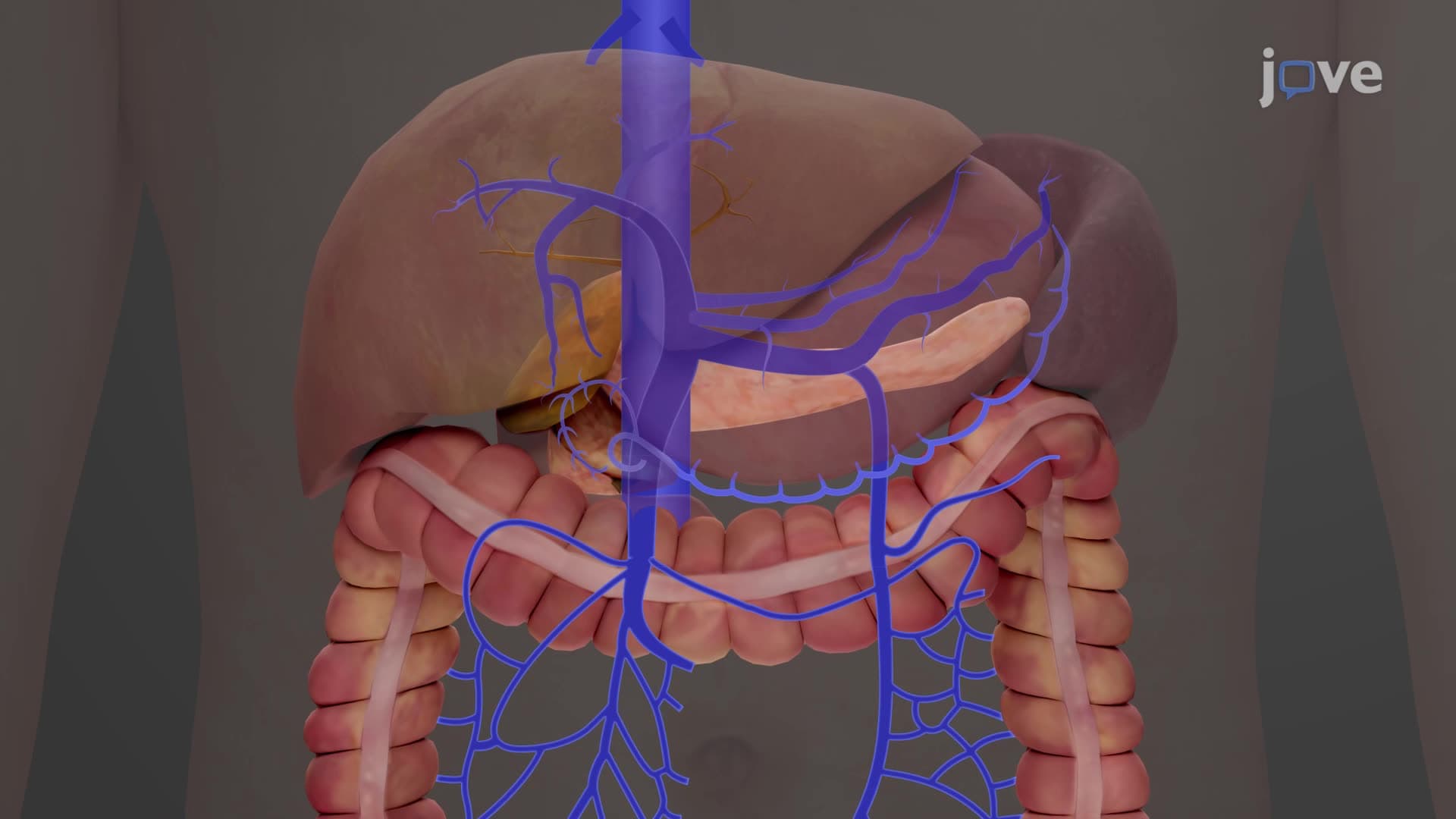
The major systemic veins explained centers on three critical structures. The superior vena cava serves as the primary drainage vessel for everything above the diaphragm-head, neck, arms, and upper chest. Meanwhile, the inferior vena cava, the body's largest vein, handles the massive task of draining the abdomen, pelvis, and legs. Students preparing for the MCAT often focus on remembering this diaphragmatic division, as it frequently appears in cardiovascular physiology questions.
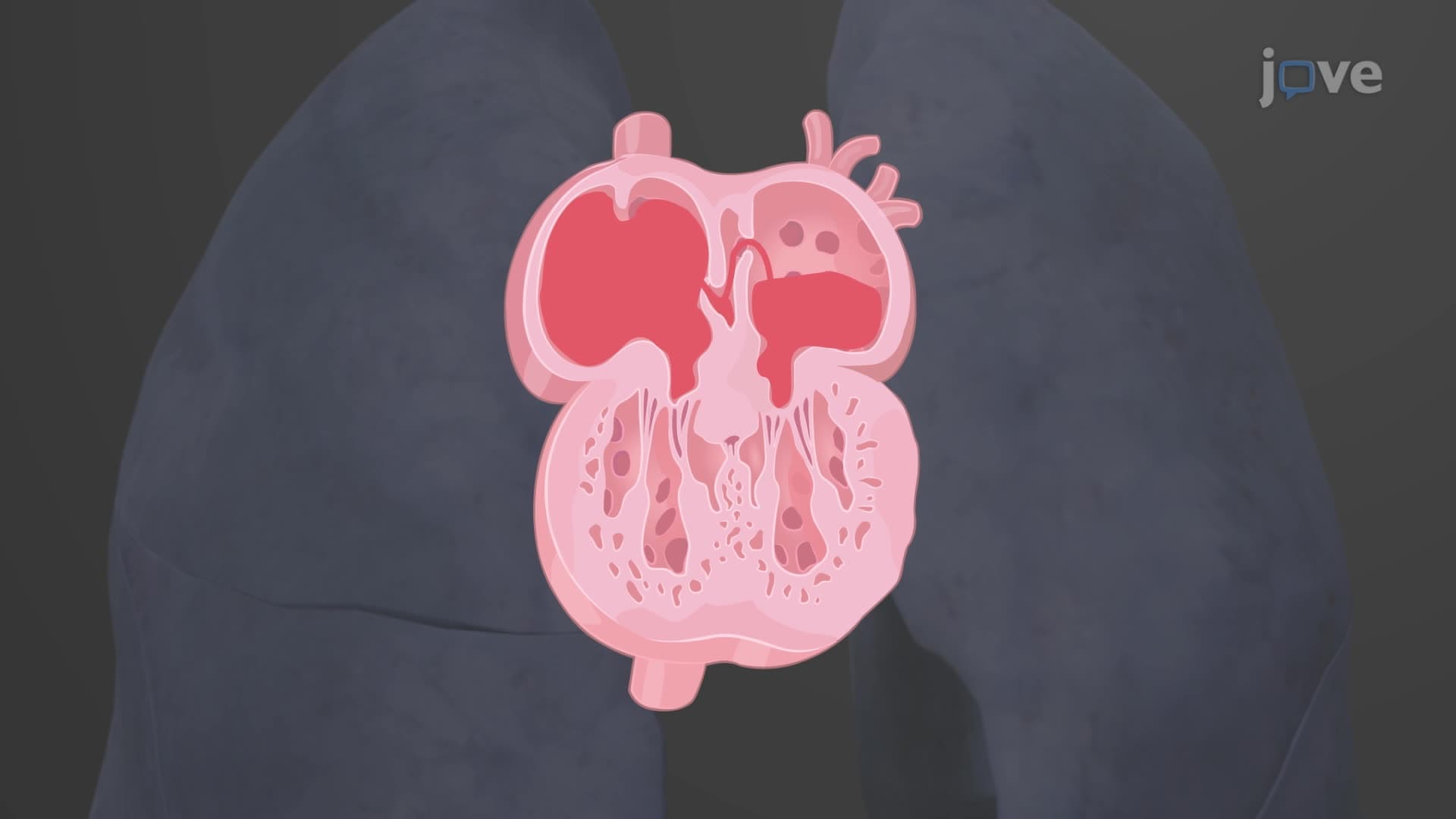
The coronary sinus represents a specialized systemic vein dedicated exclusively to heart muscle drainage. Located in the posterior coronary sulcus, it receives blood from three major cardiac veins: the great cardiac vein (anterior), middle cardiac vein (posterior), and small cardiac vein (posterior). This arrangement ensures the heart muscle itself receives proper venous drainage separate from the rest of the body.
Understanding systemic venous return overview proves crucial in medical practice. During pregnancy, the growing uterus can compress the inferior vena cava, reducing venous return and causing characteristic ankle and foot swelling seen in obstetrics units across hospitals like Mayo Clinic or Cleveland Clinic. This compression illustrates how anatomical changes can disrupt normal venous flow patterns.
Emergency medicine physicians regularly encounter situations where systemic venous function becomes compromised. Heart failure patients often present with elevated jugular venous pressure, indicating backup in the superior vena cava system. AP Biology students studying circulatory systems should understand how these clinical presentations directly relate to the anatomical drainage patterns they're learning.
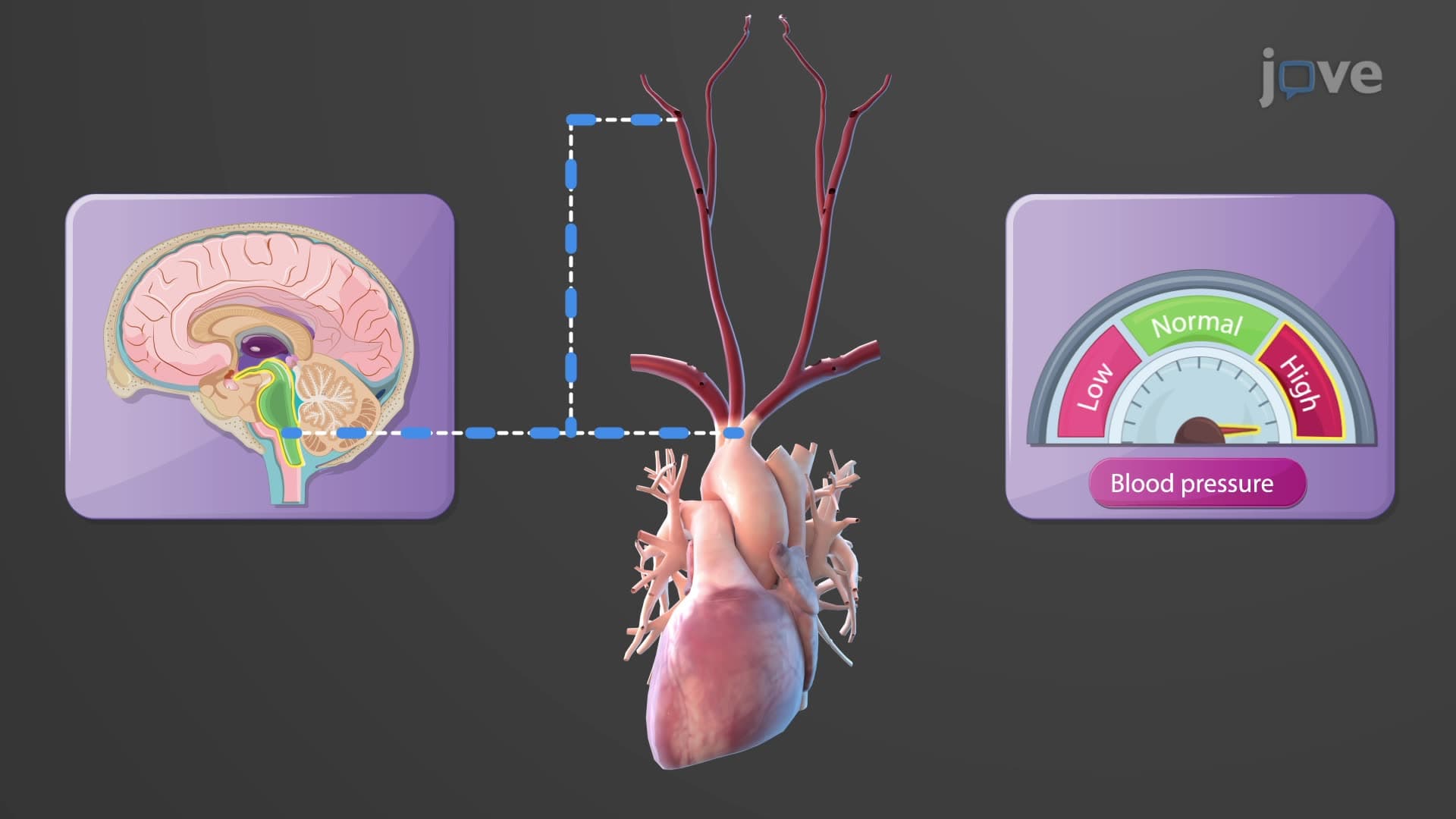
The systemic vein overview connects directly to cardiac output and blood pressure regulation. When systemic veins dilate, venous return decreases, reducing cardiac filling and subsequently lowering blood pressure-a principle underlying many cardiovascular medications. College physiology courses emphasize this venous return-cardiac output relationship, making it essential knowledge for pre-med students planning MCAT preparation.
Related Micro-courses