Loading subject page…


149,645 views

Video Summary: What Is Pulse
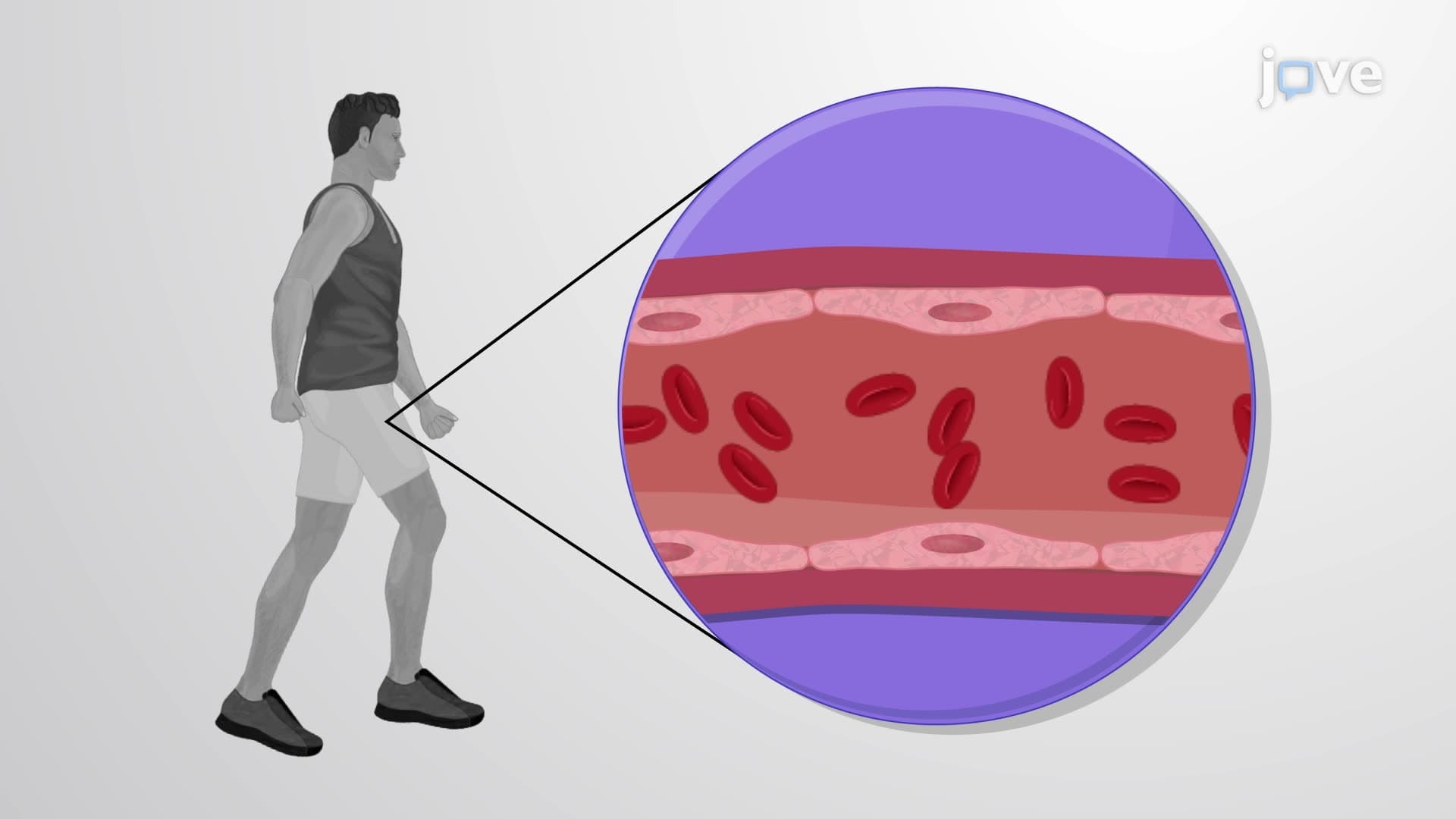
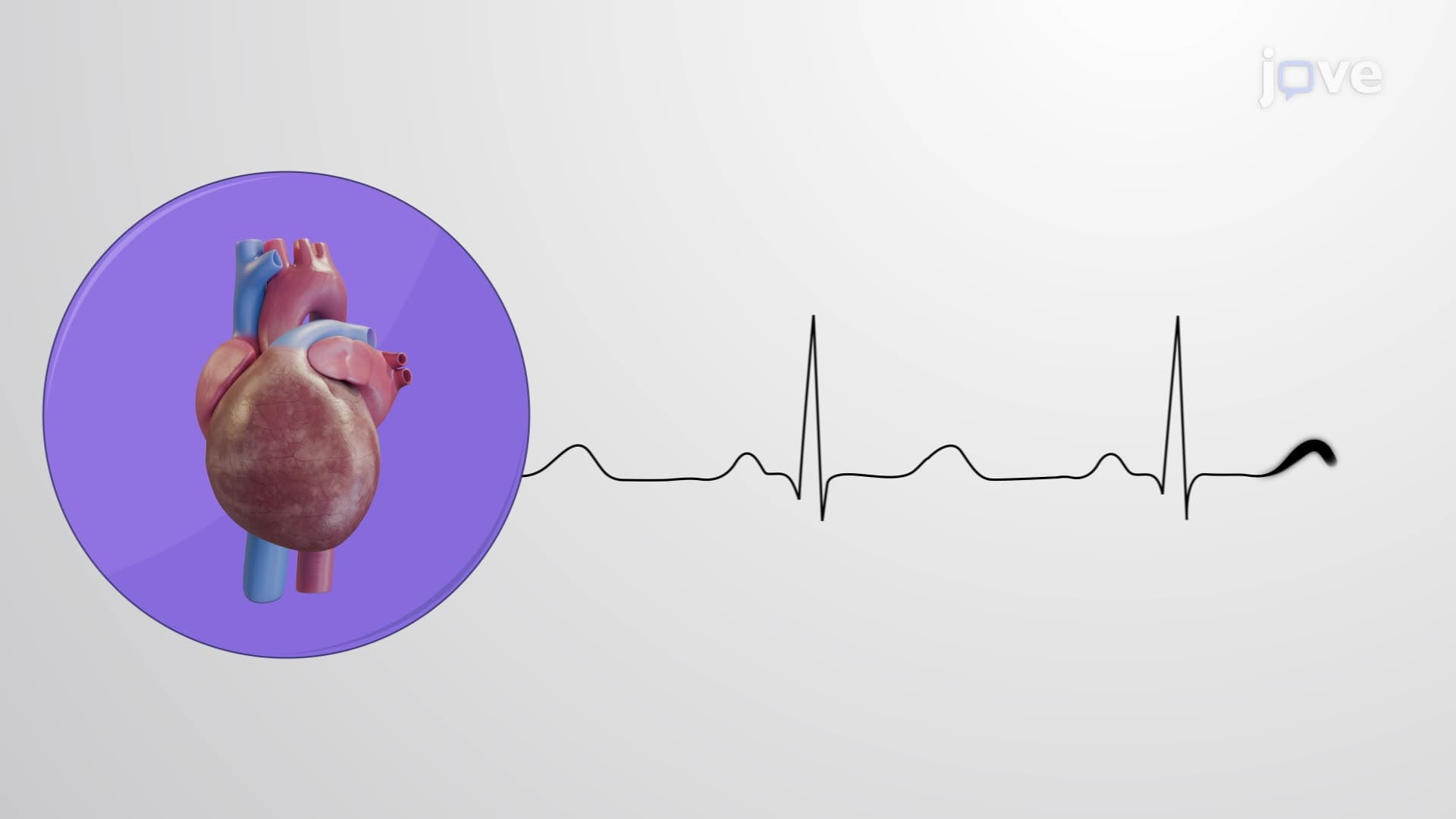
Every time your heart beats during a basketball game, a pressure wave travels through your arteries at nearly 15 feet per second. Arterial pulse physiology demonstrates how elastic arteries expand and recoil with each heartbeat, creating the pulse you feel at your wrist. Emergency room physicians at Johns Hopkins Hospital rely on pulse assessment to quickly evaluate patient cardiovascular health, measuring both rhythm regularity and rate per minute. Understanding what is pulse reveals crucial insights into heart function and circulation status. Watch the full video on JoVE Coach to master this concept with expert-led visuals and step-by-step explanations.
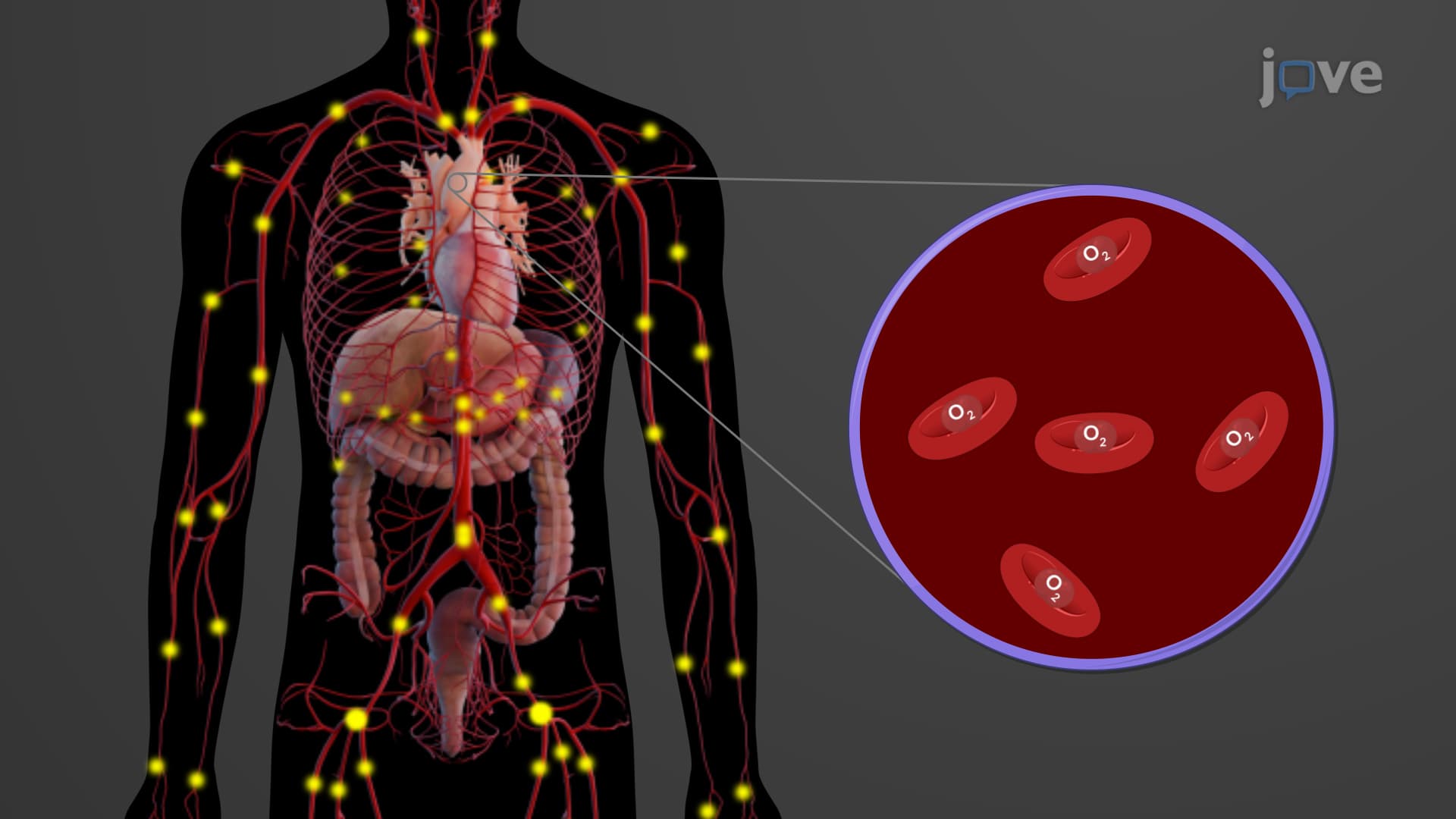
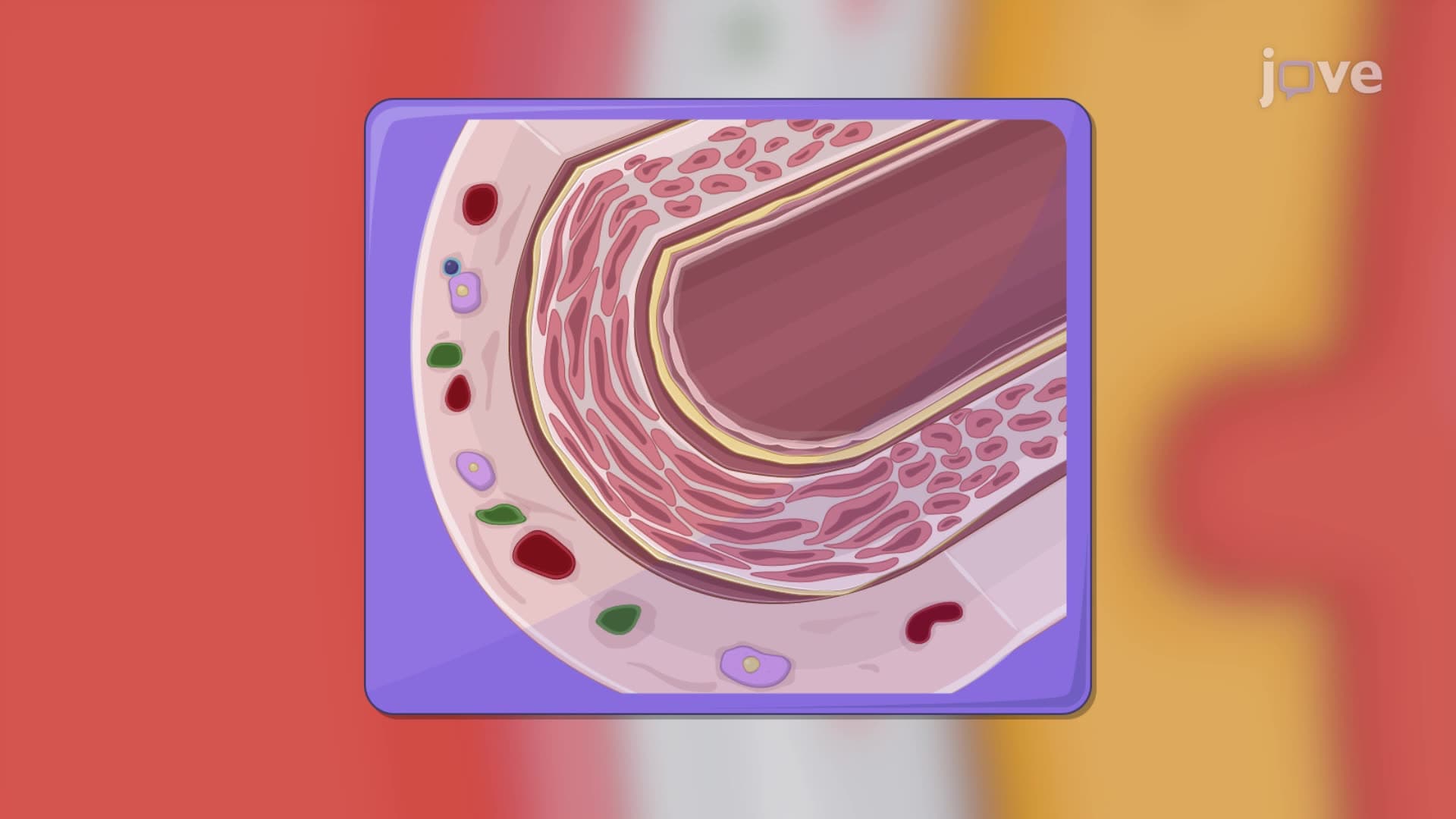
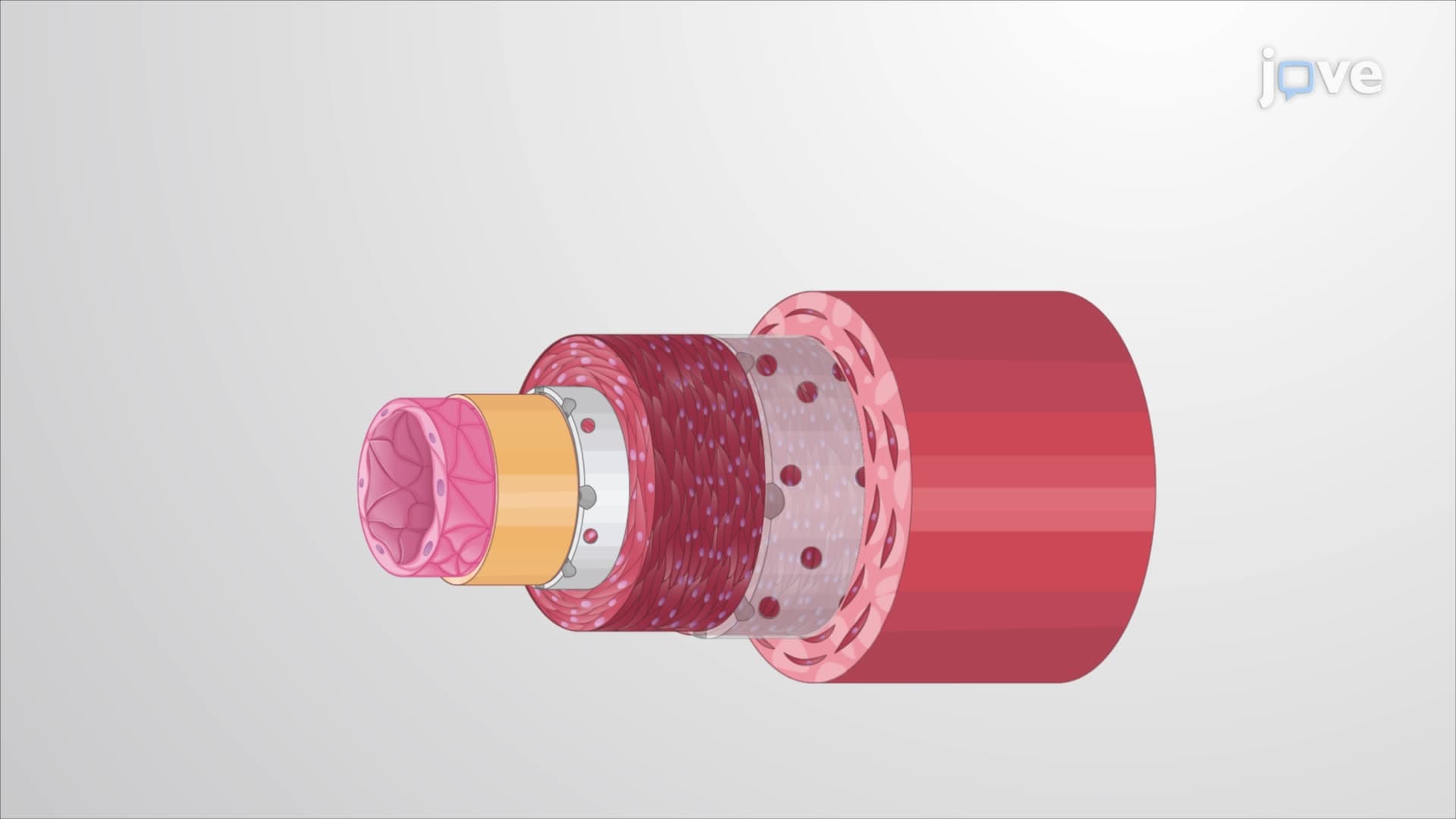
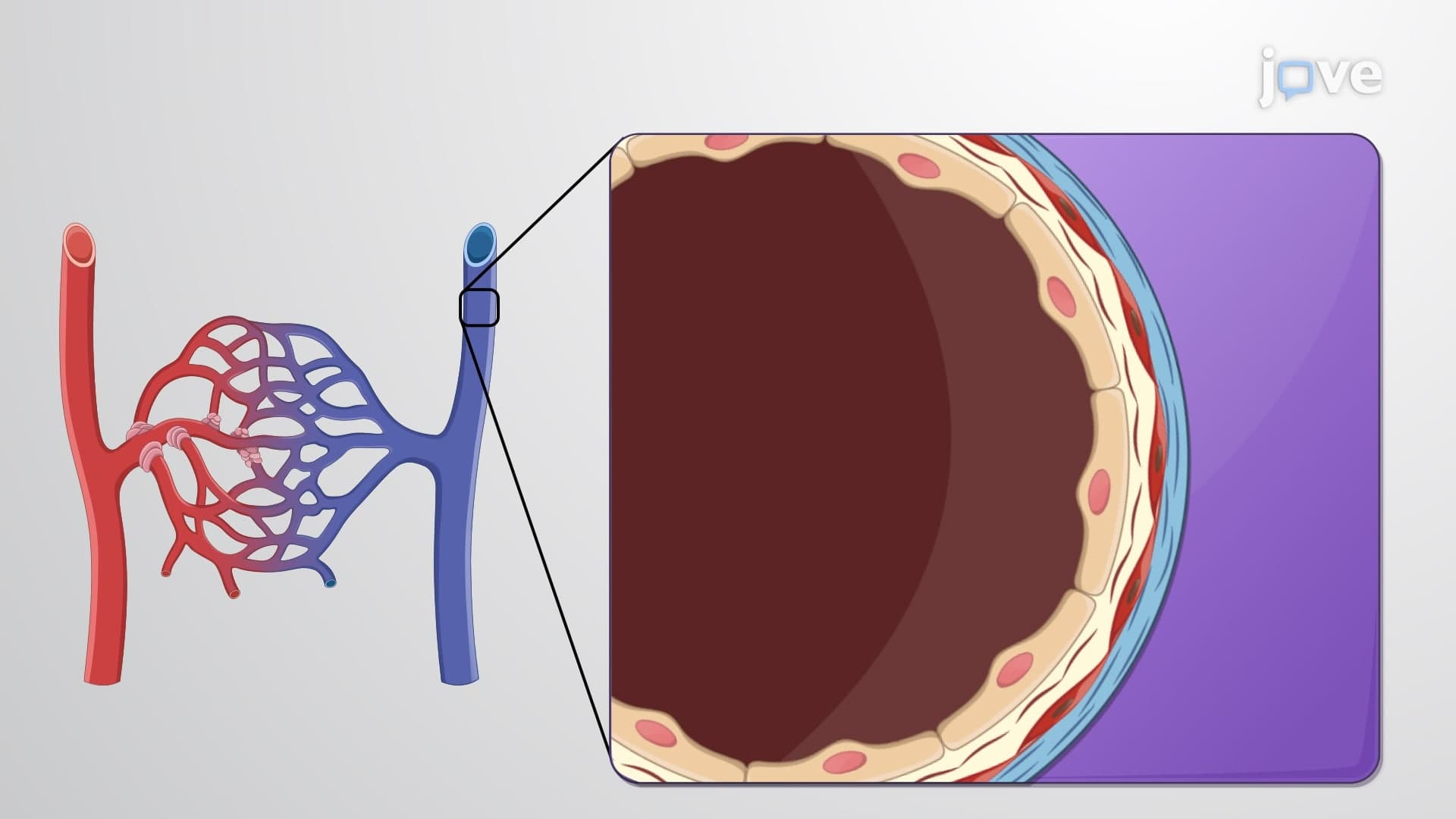
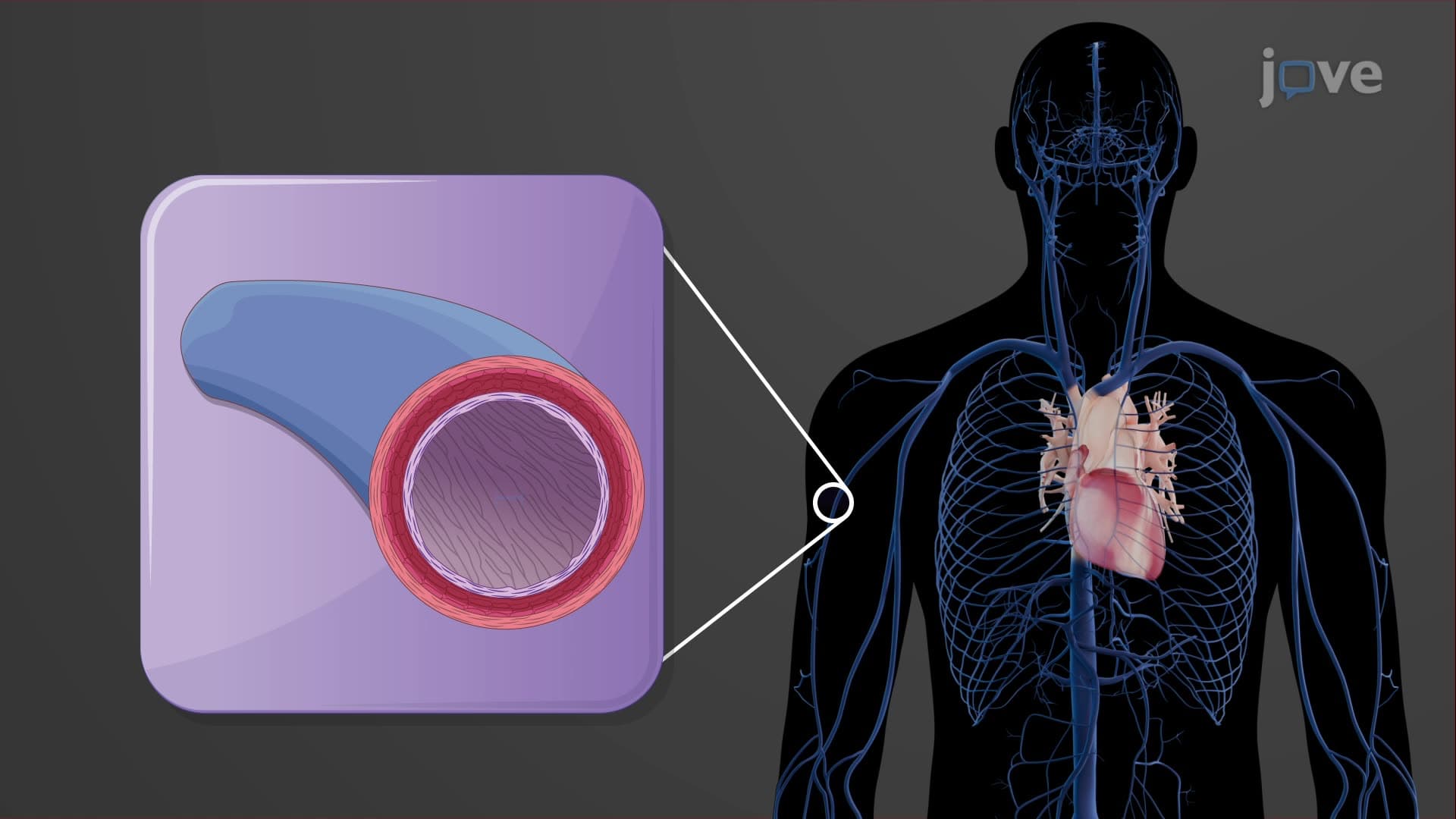
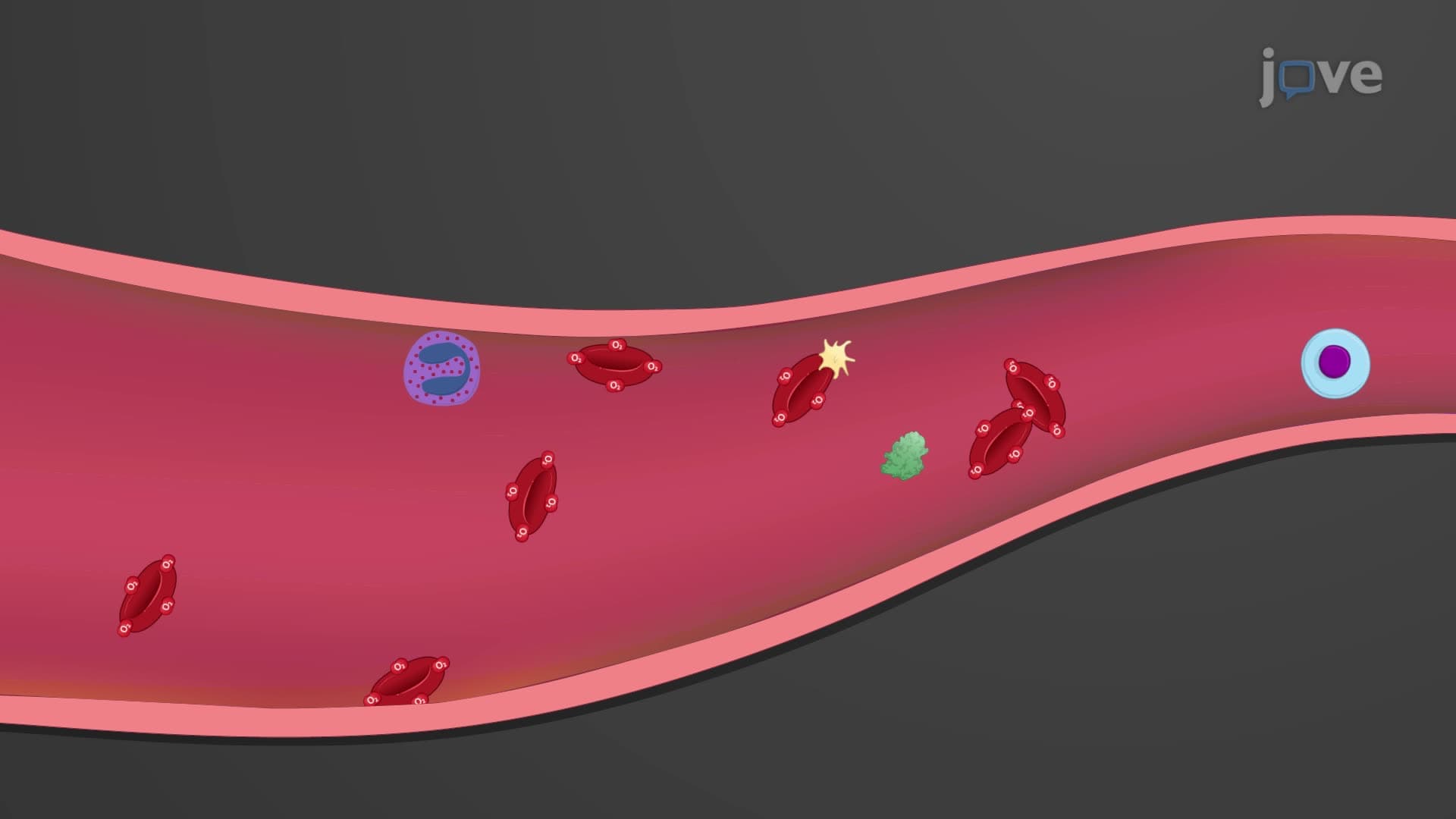
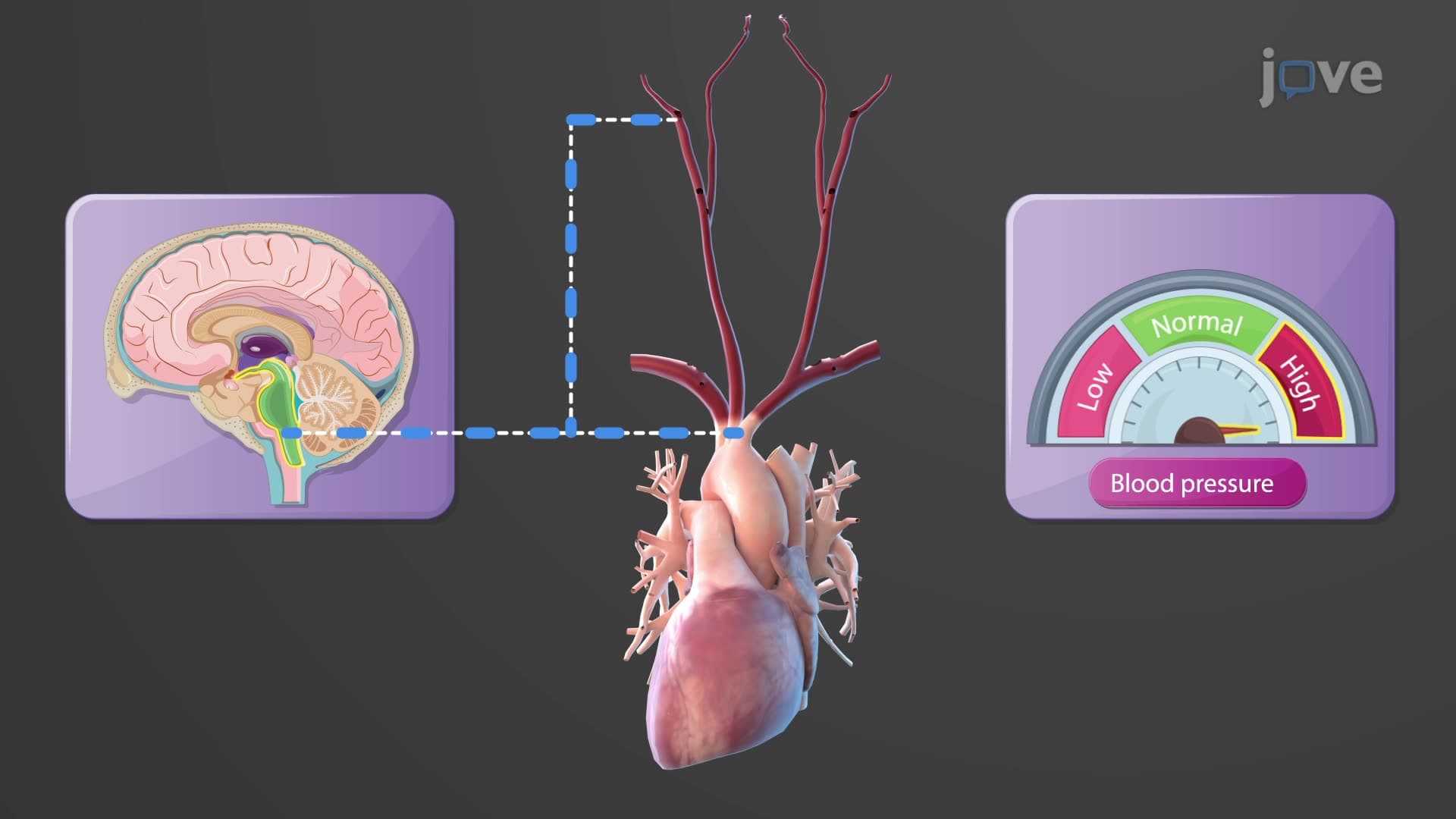
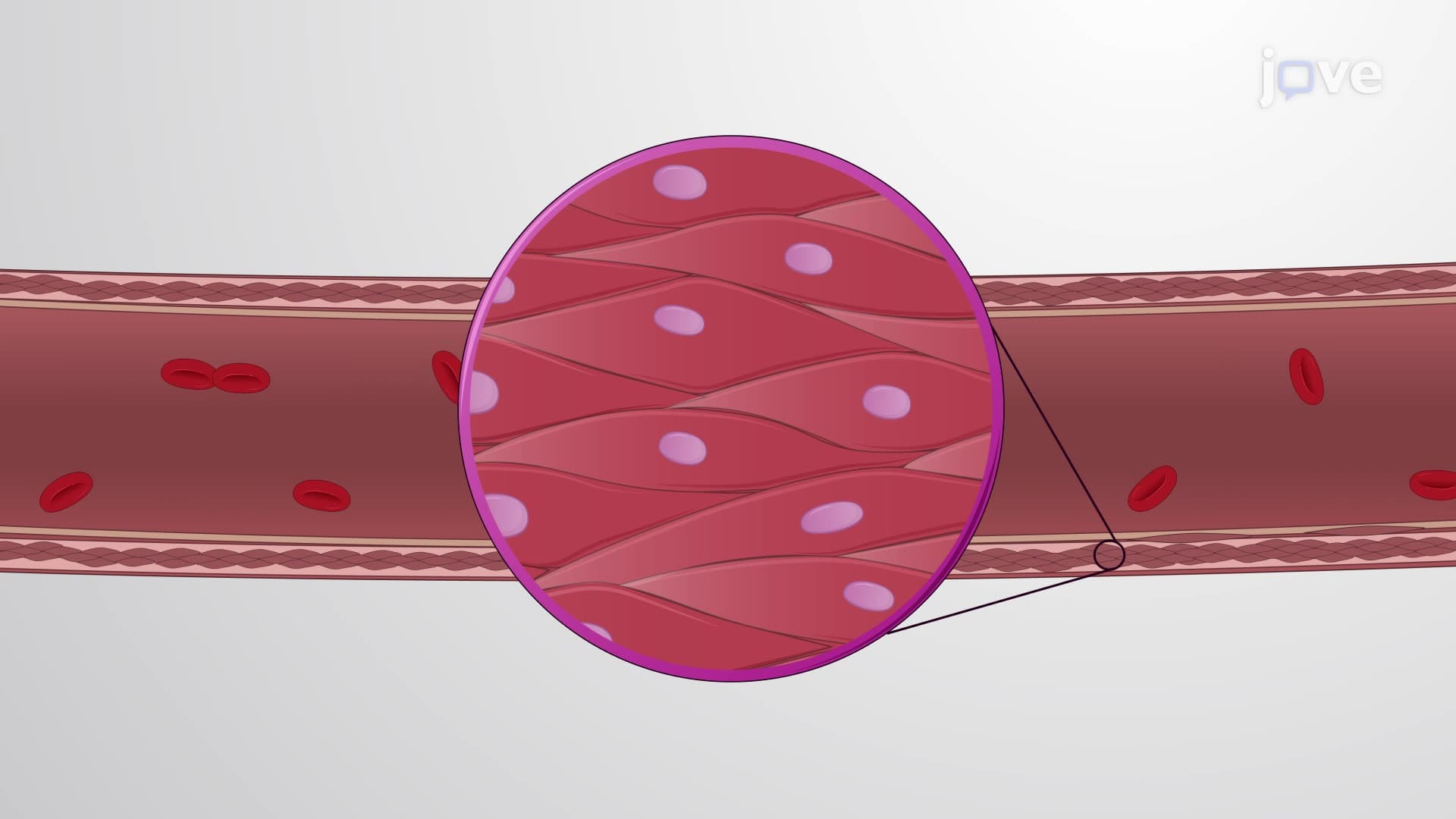
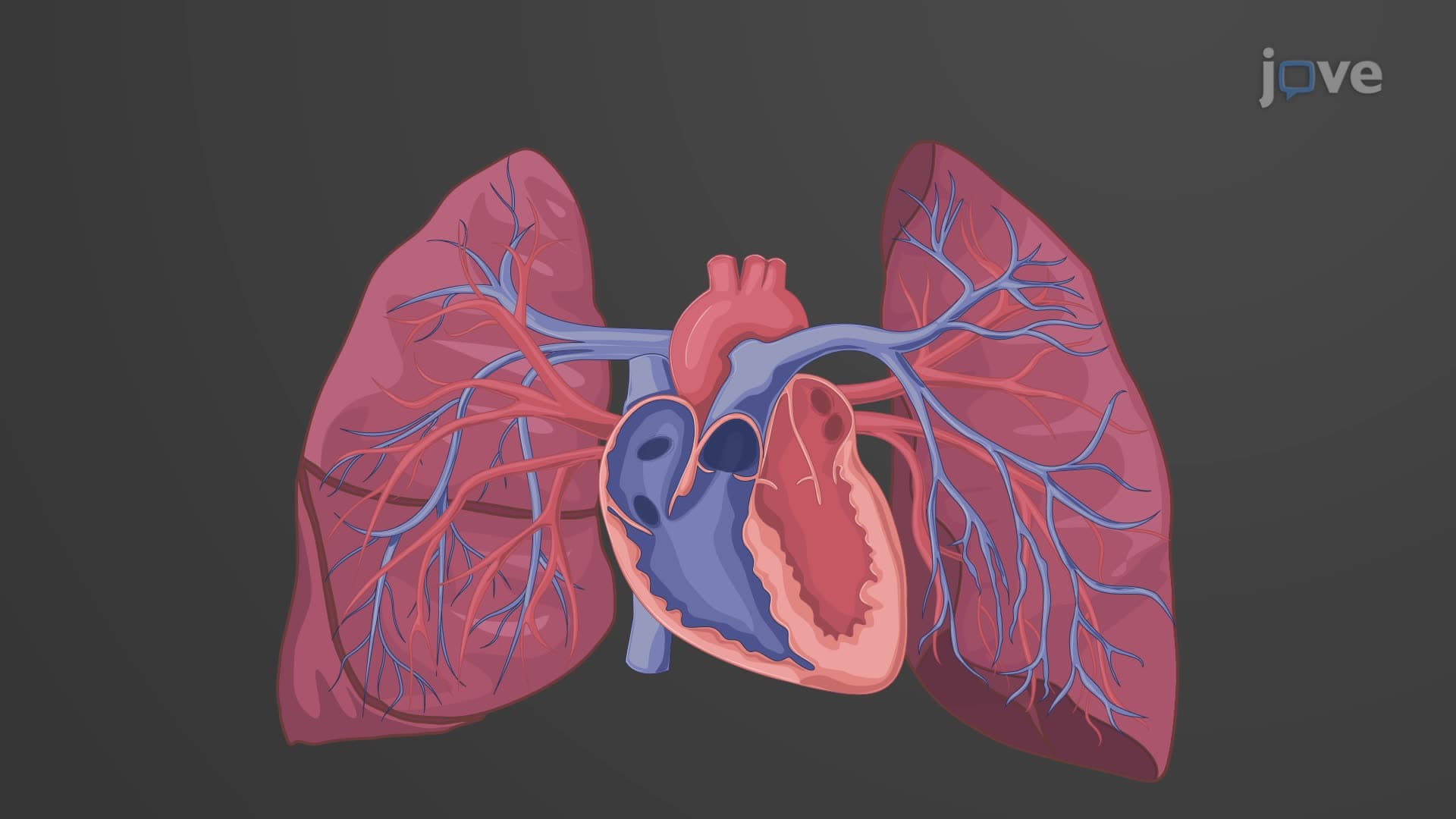
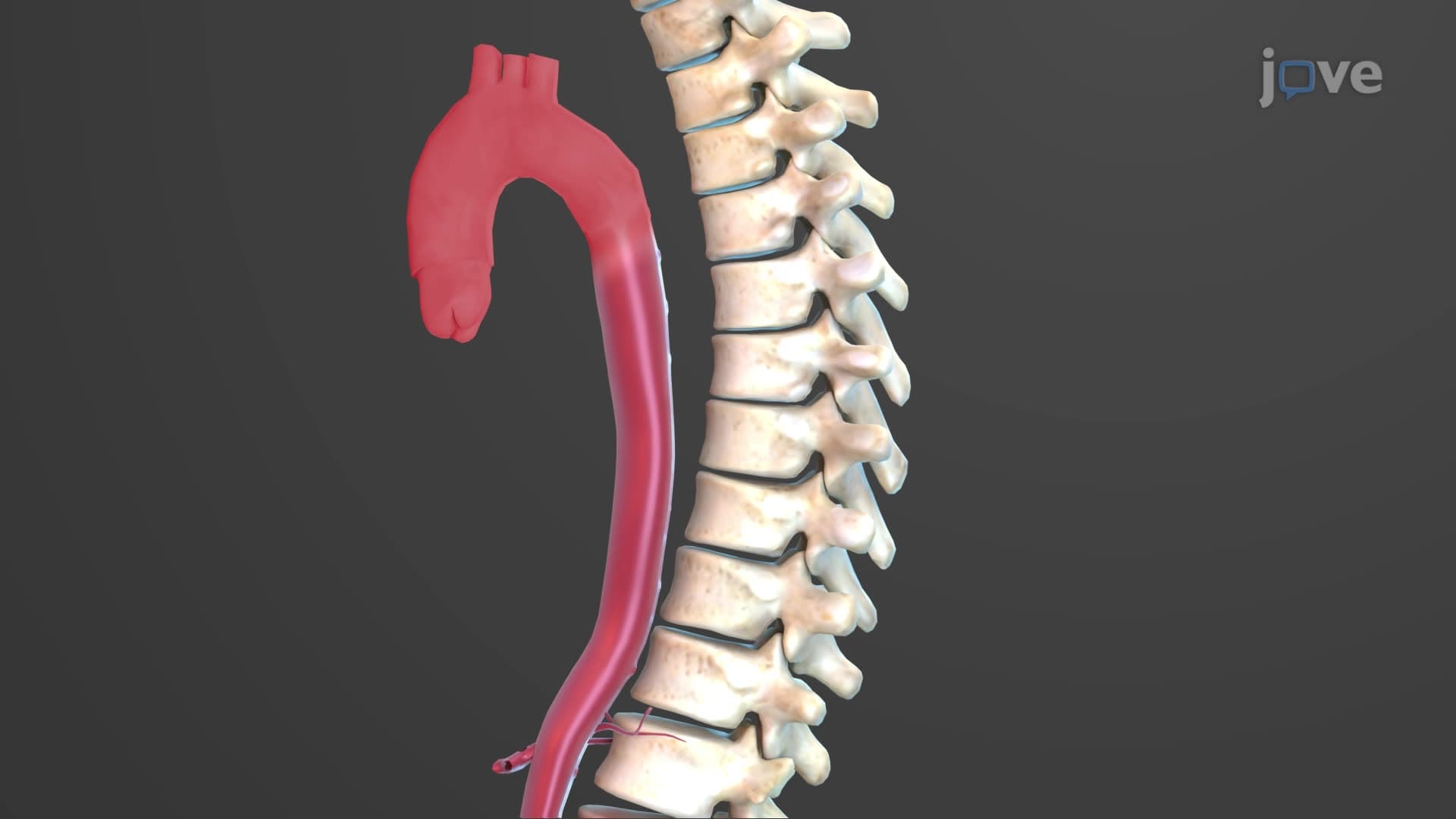
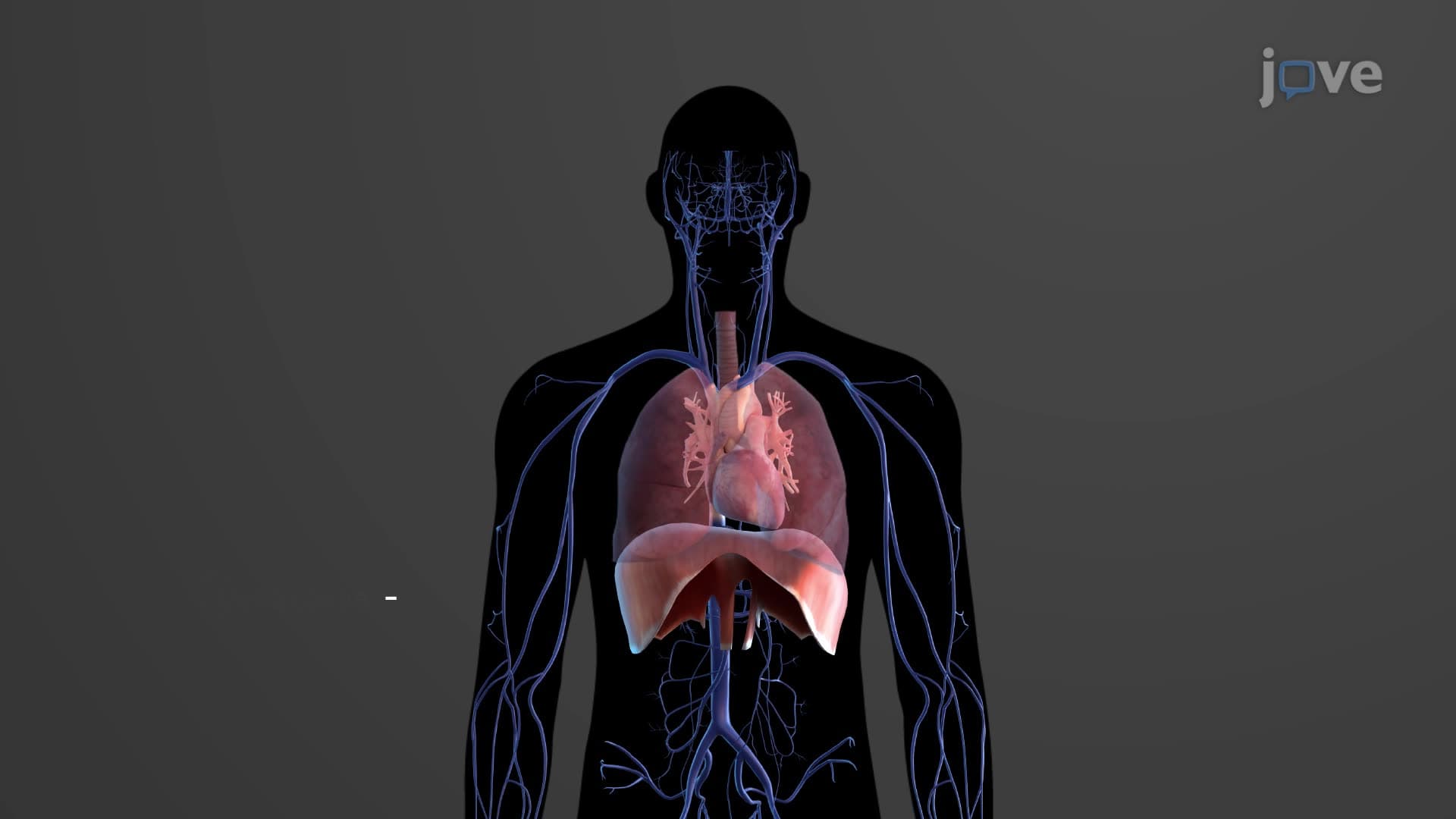
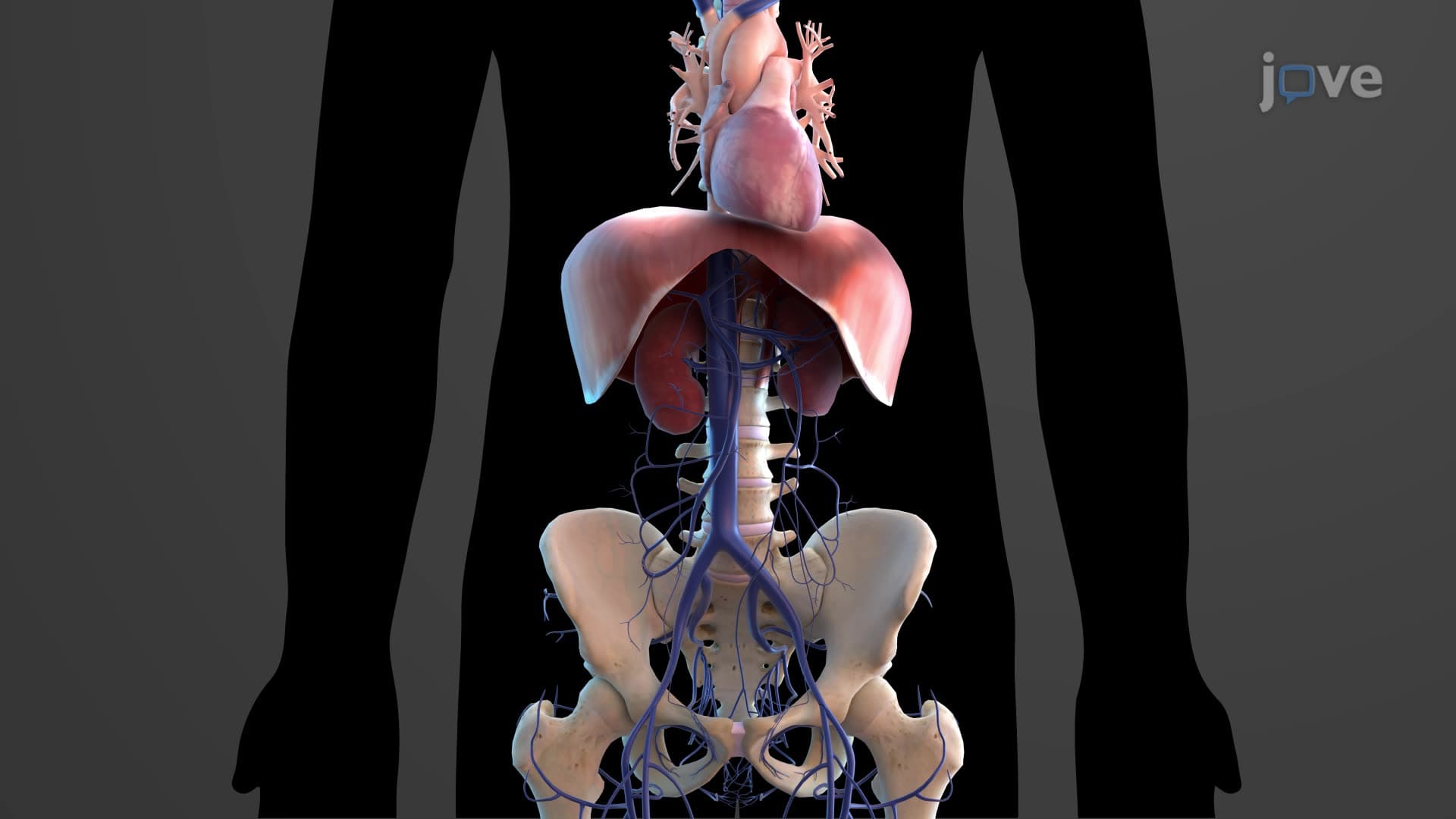
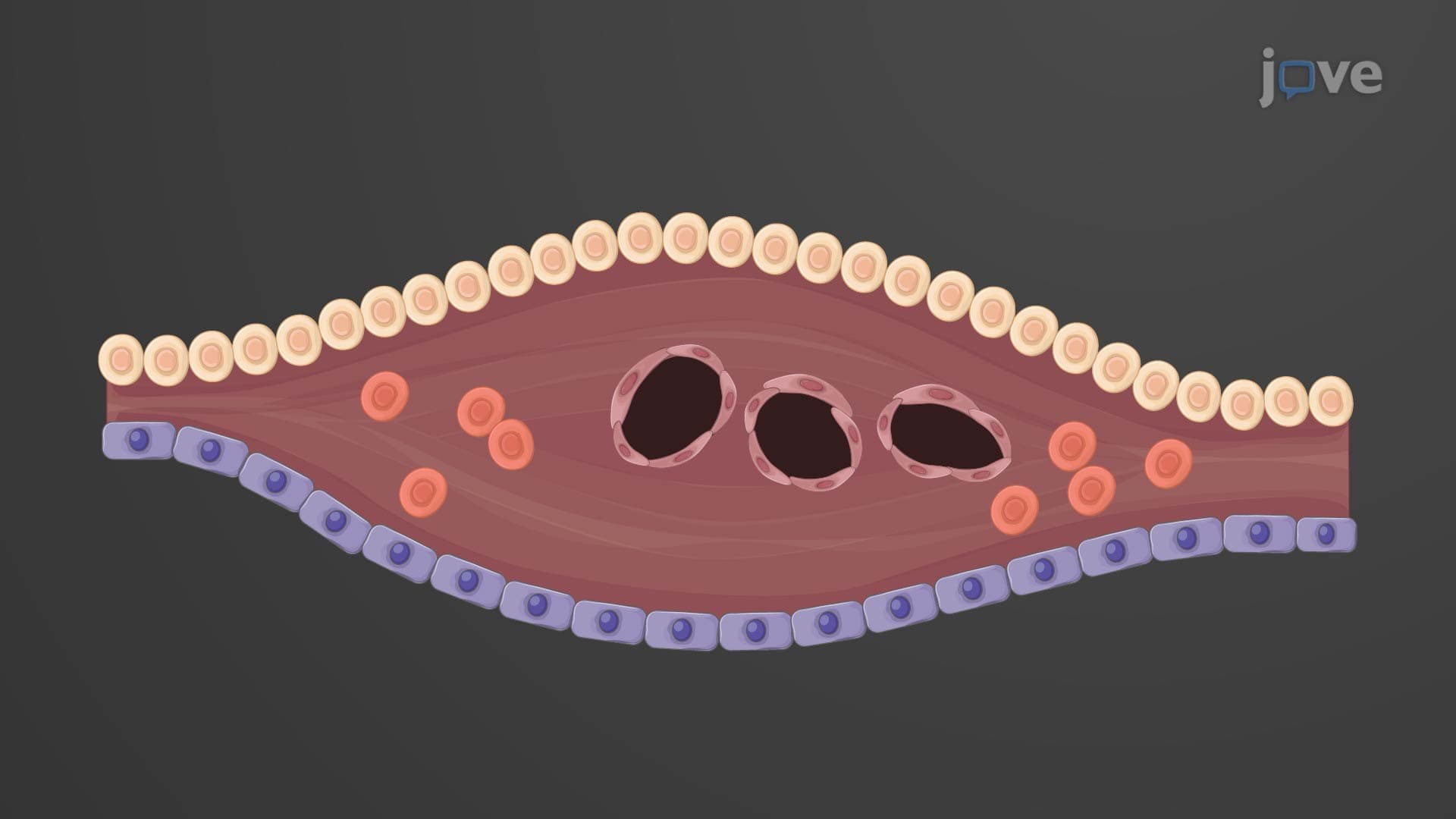
Arterial pulse physiology centers on understanding how blood ejection from the left ventricle creates traveling pressure waves throughout the arterial system. When the heart contracts during systole, it forces blood into the elastic aorta, causing arterial walls to stretch. This expansion propagates as a pulse wave that travels faster than the actual blood flow, reaching peripheral arteries in milliseconds.
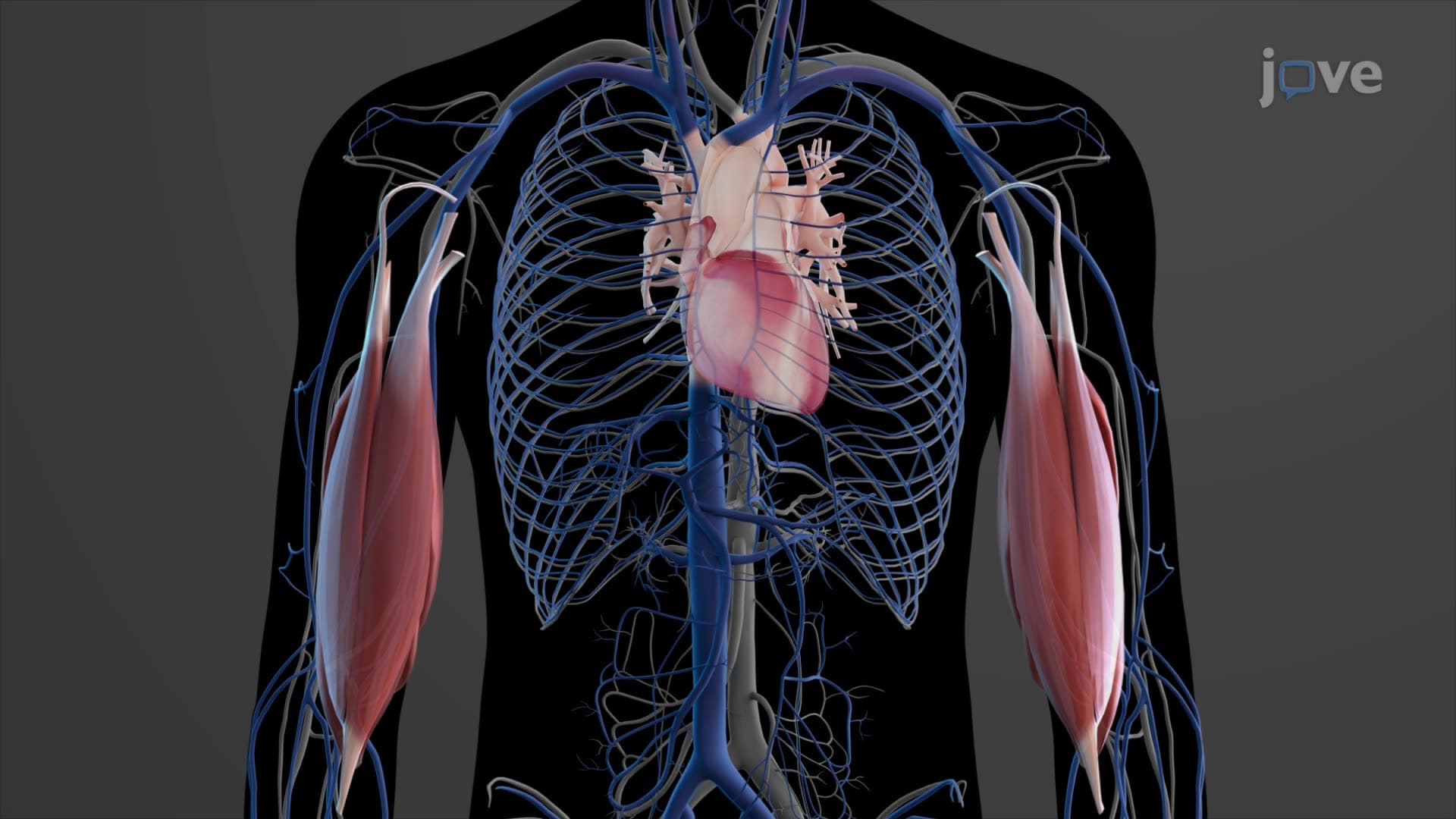
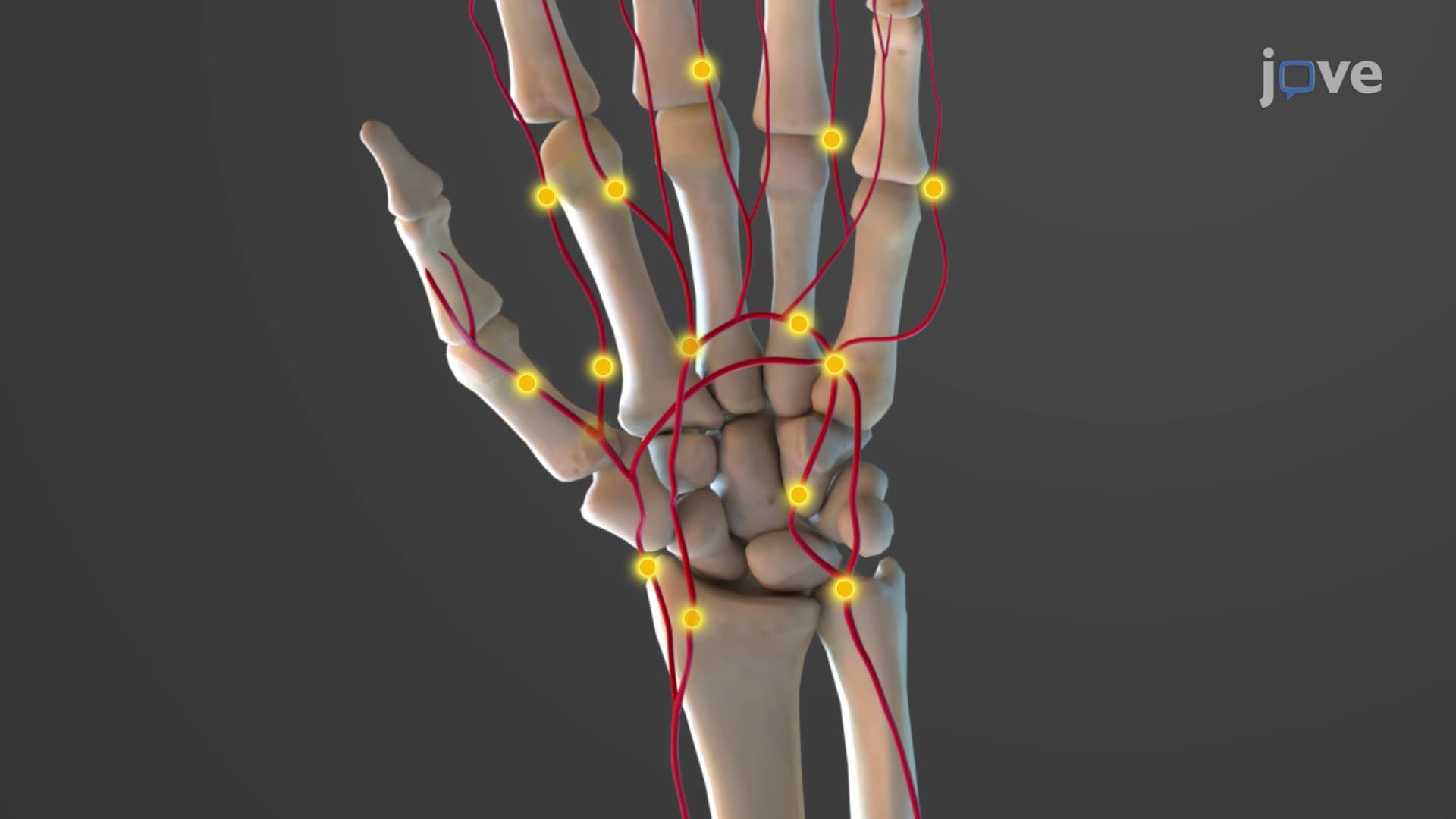
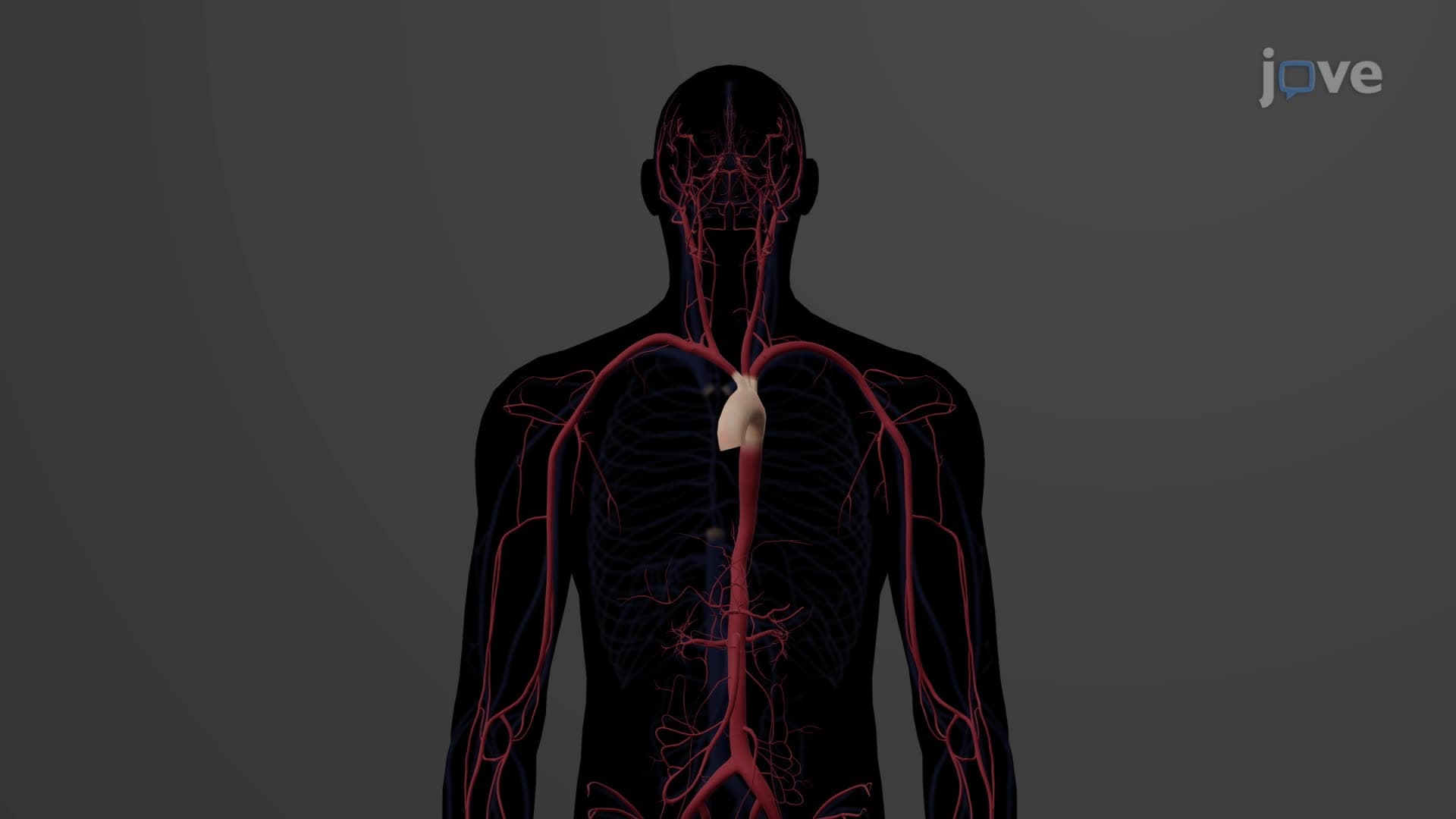
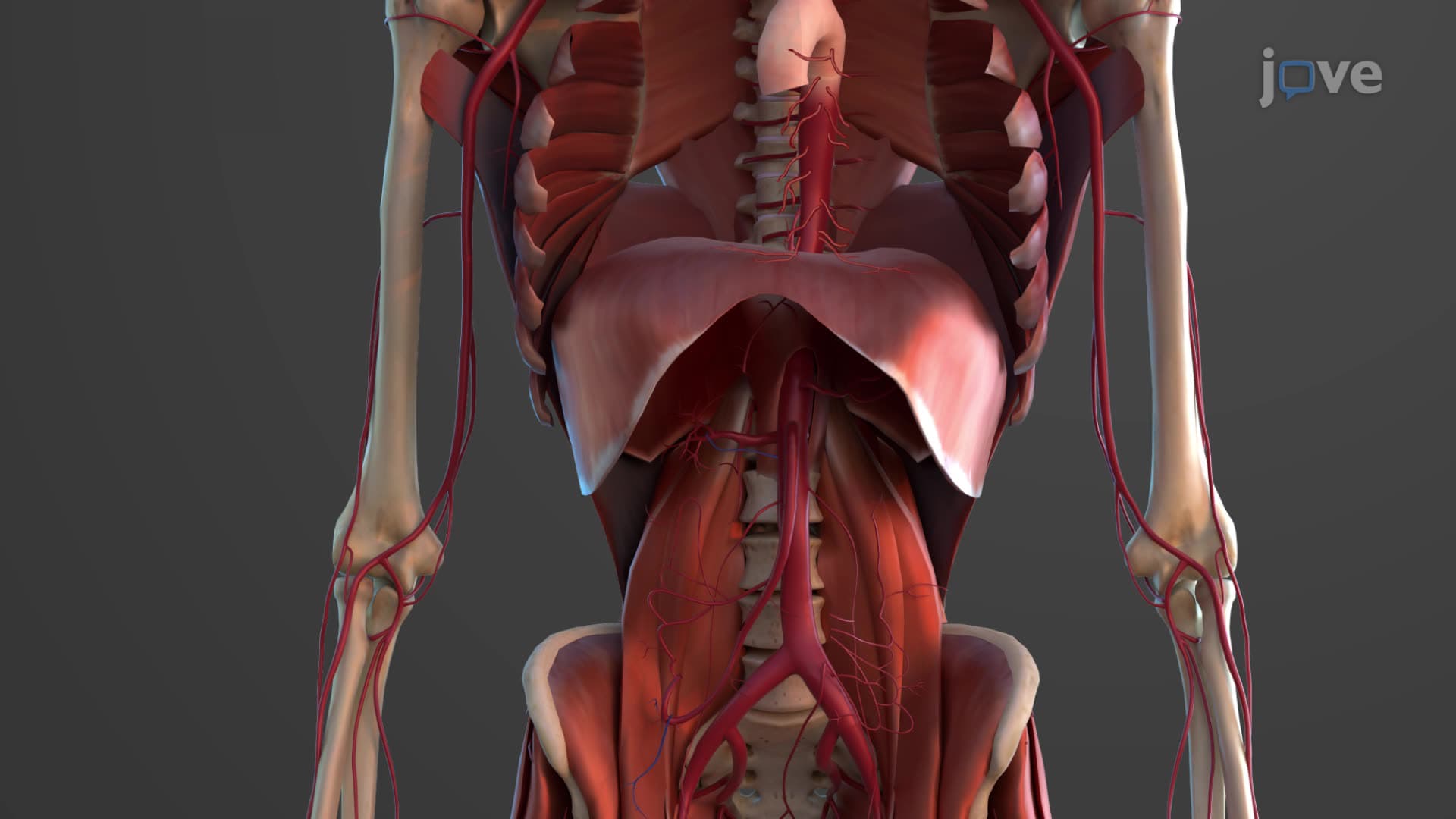
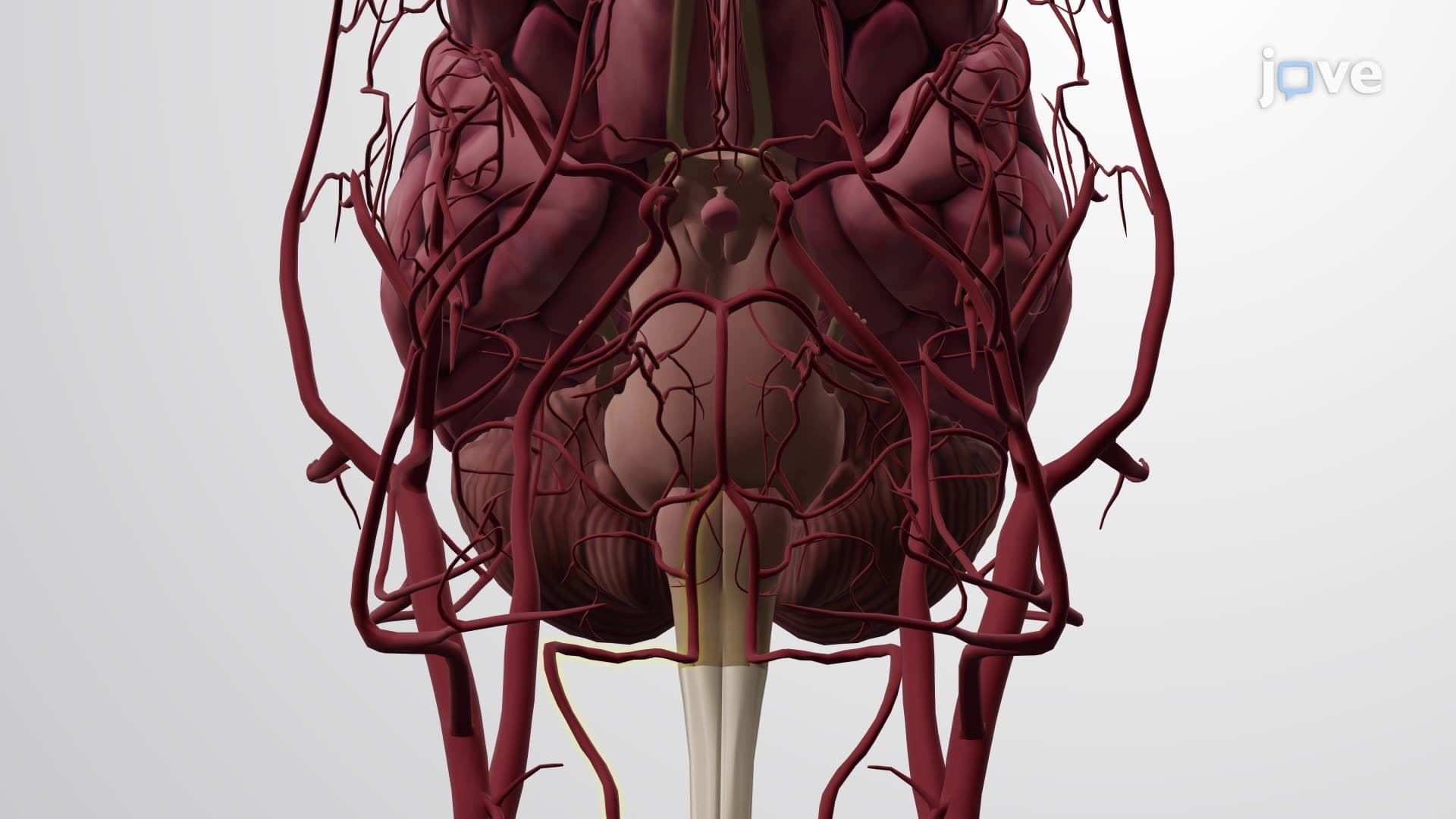
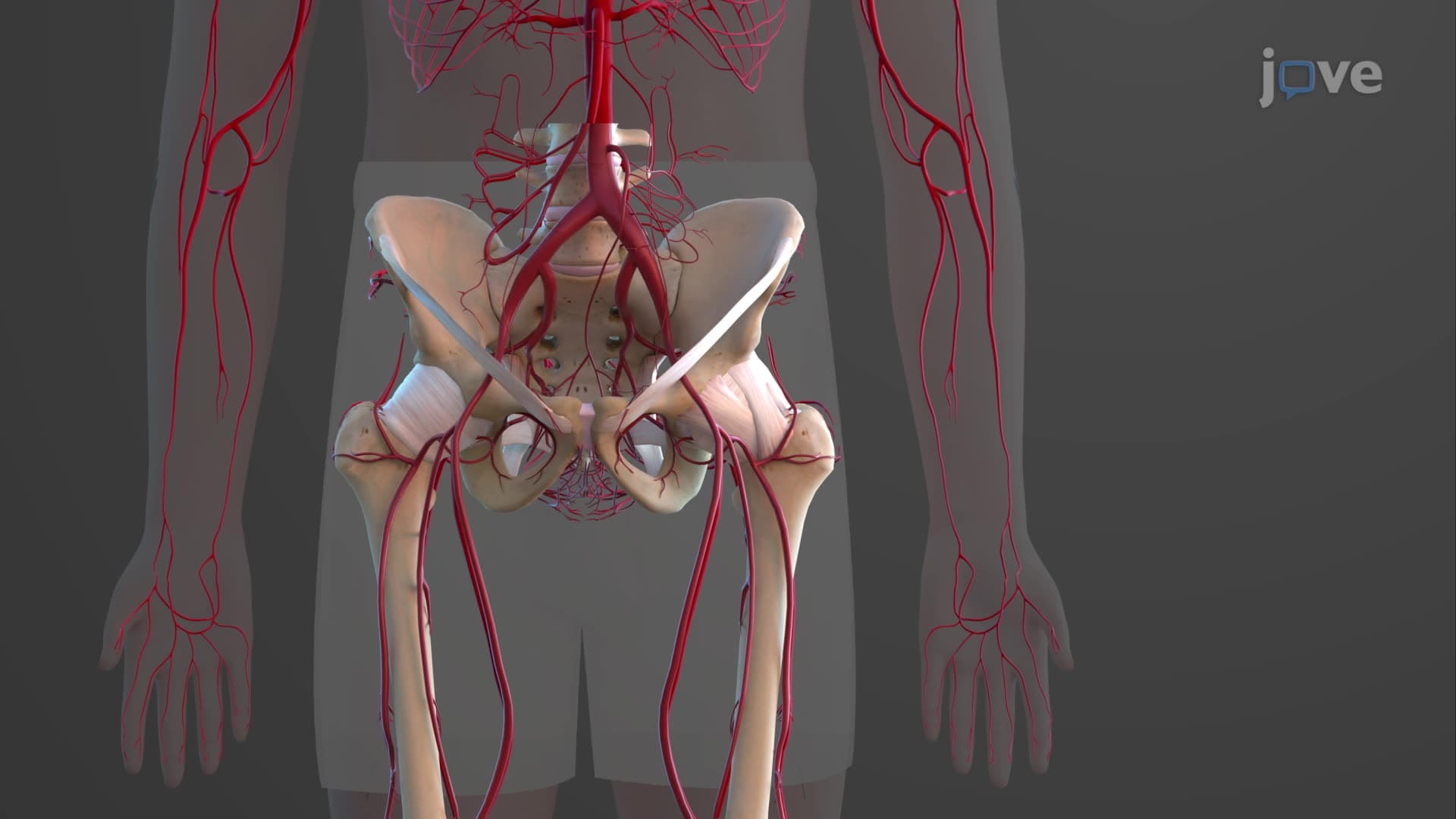
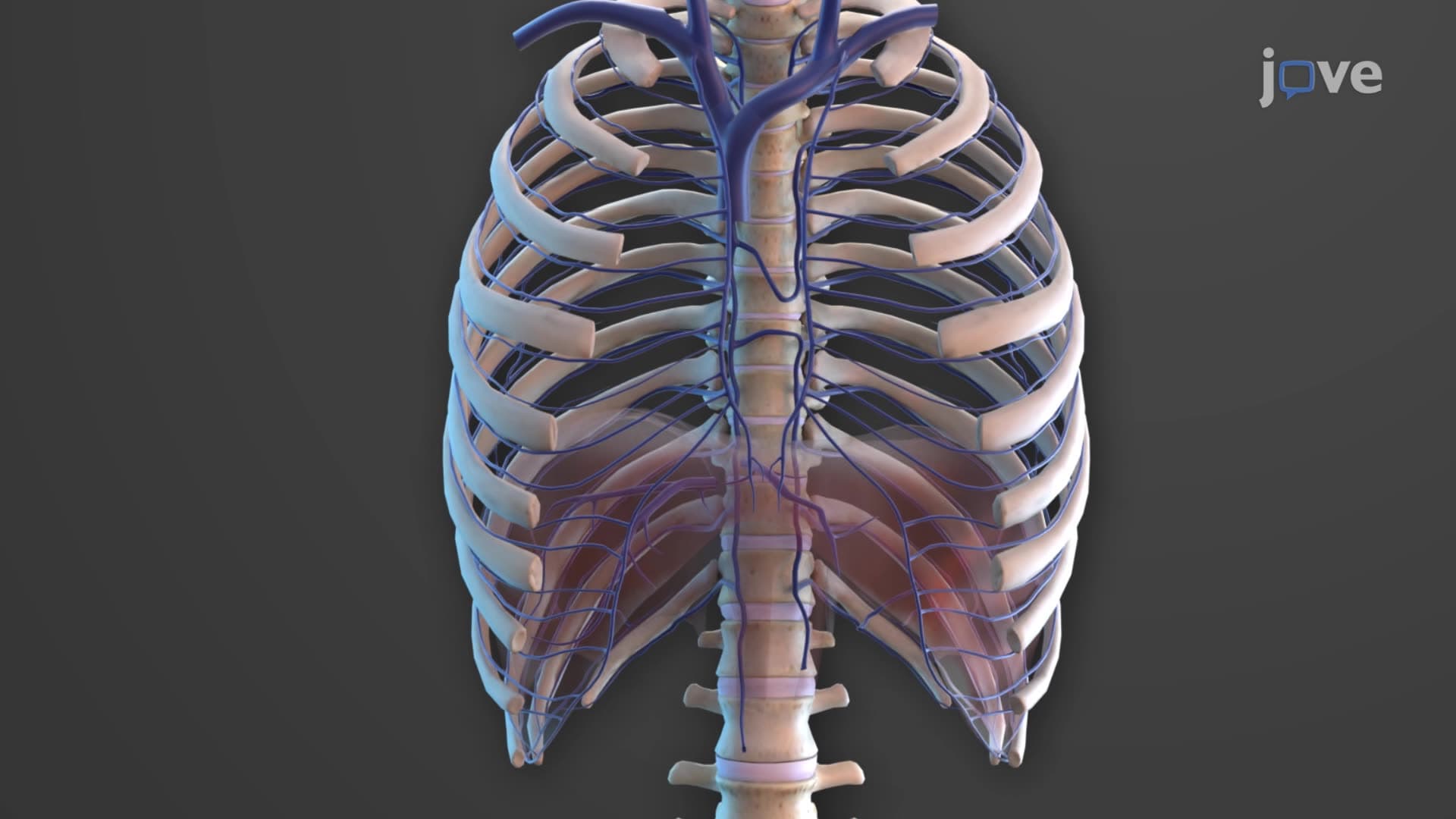
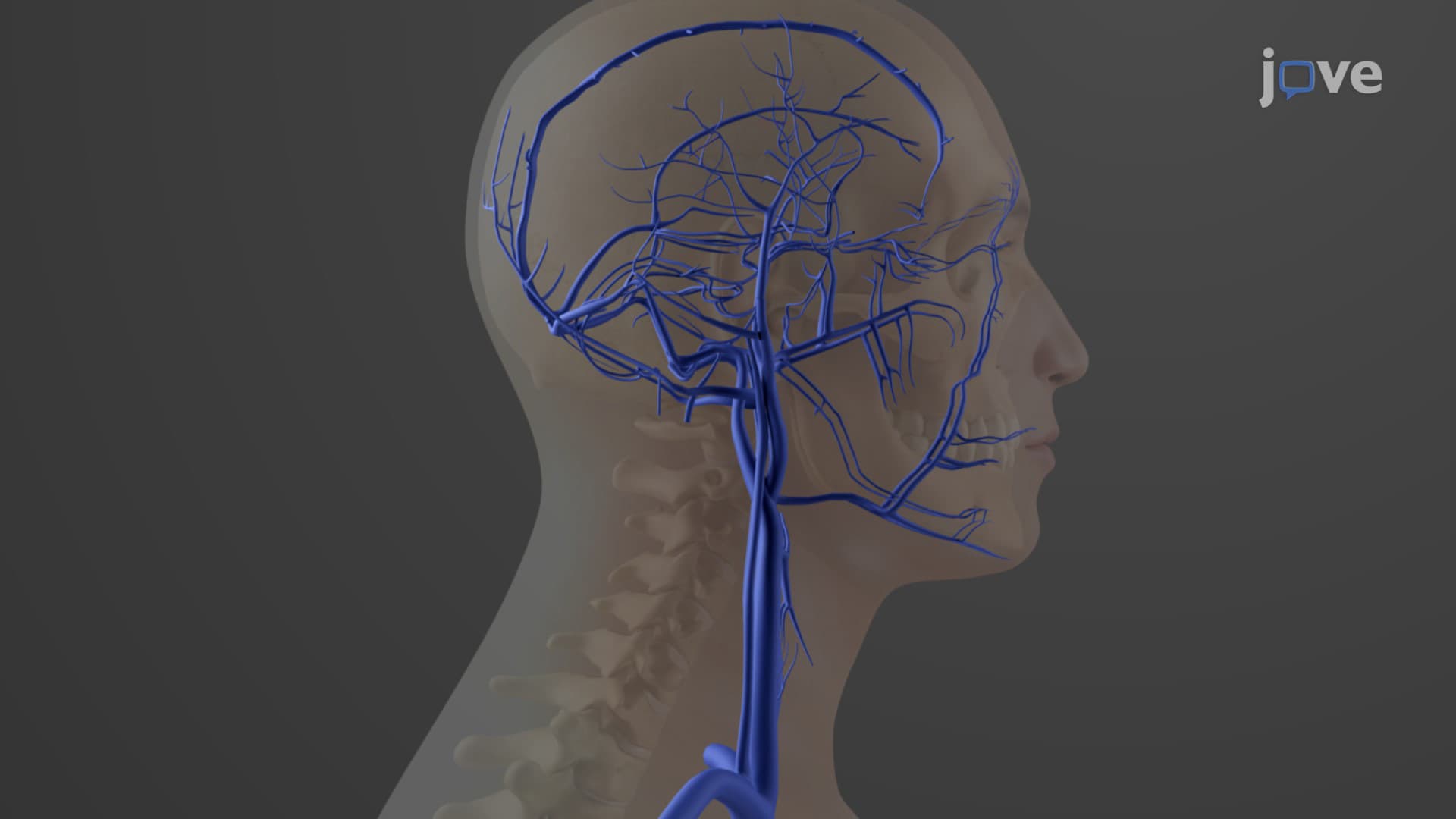
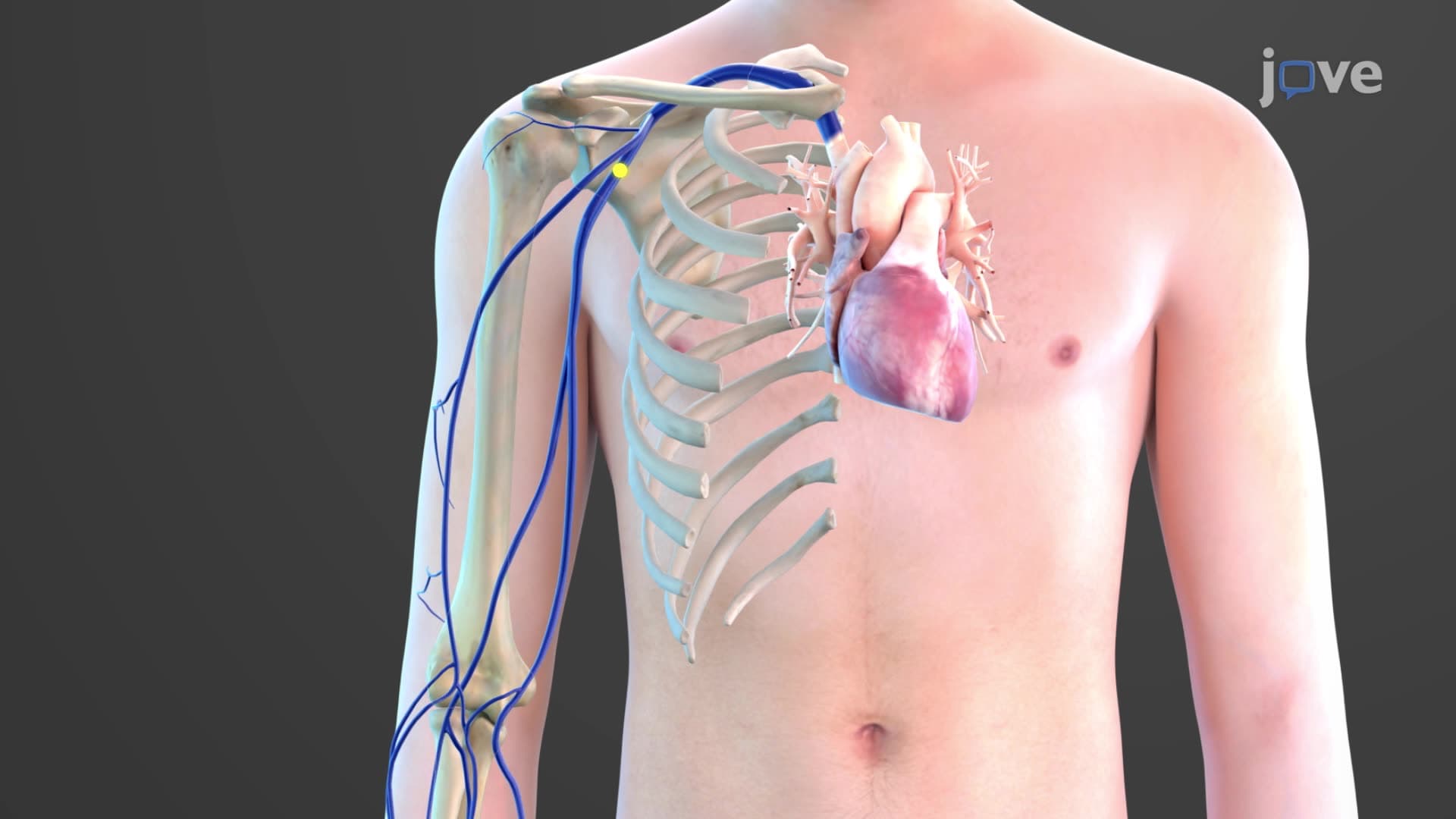
Pulse measurement explained biology involves palpating arteries where they lie close to the skin surface over bone structures. The radial artery at the wrist remains the most common site, but healthcare providers also use the carotid artery (neck), brachial artery (elbow), and temporal artery (temple). Proper technique requires using fingertips (not thumb) to feel the arterial wall's rhythmic expansion against underlying bone.
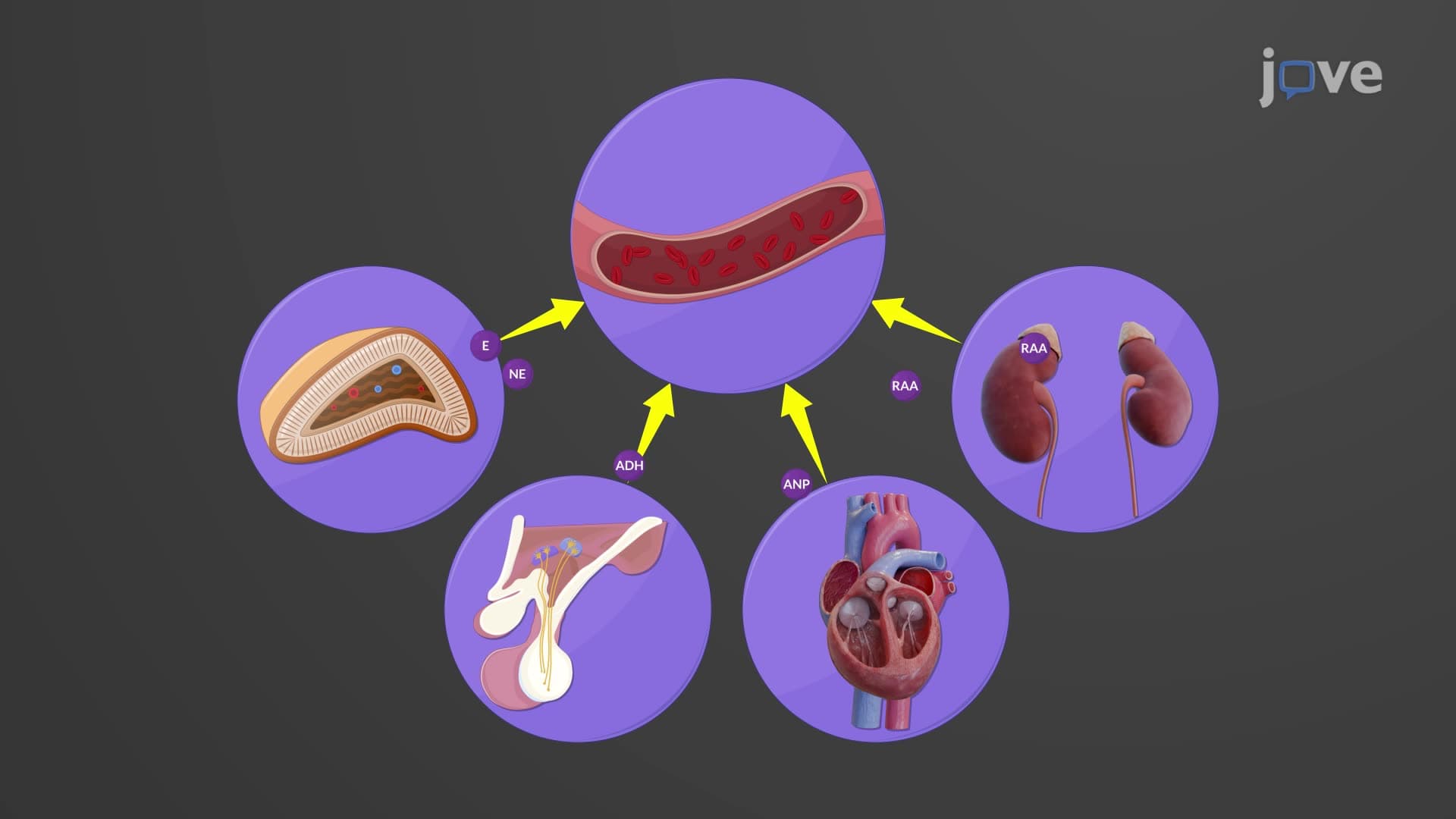
The pulse reflects both pulse rate heart rate synchronization and arterial elasticity. Young, healthy arteries produce strong, regular pulses, while aging or diseased vessels may show diminished amplitude. Pulse amplitude pressure varies with cardiac output, blood volume, and vessel compliance. Nurses in American hospitals routinely assess pulse quality, noting whether it feels strong, weak, bounding, or thready.
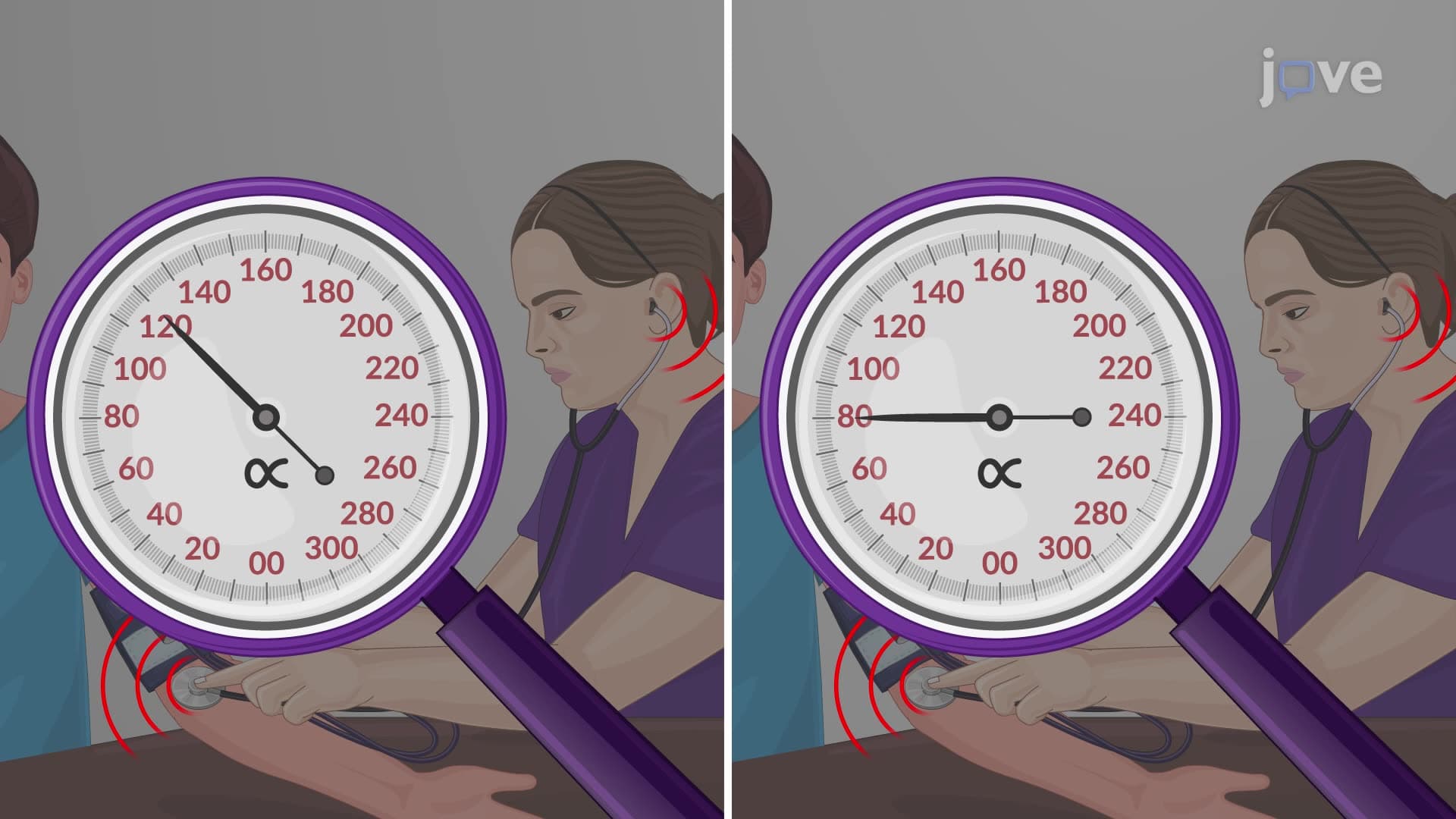
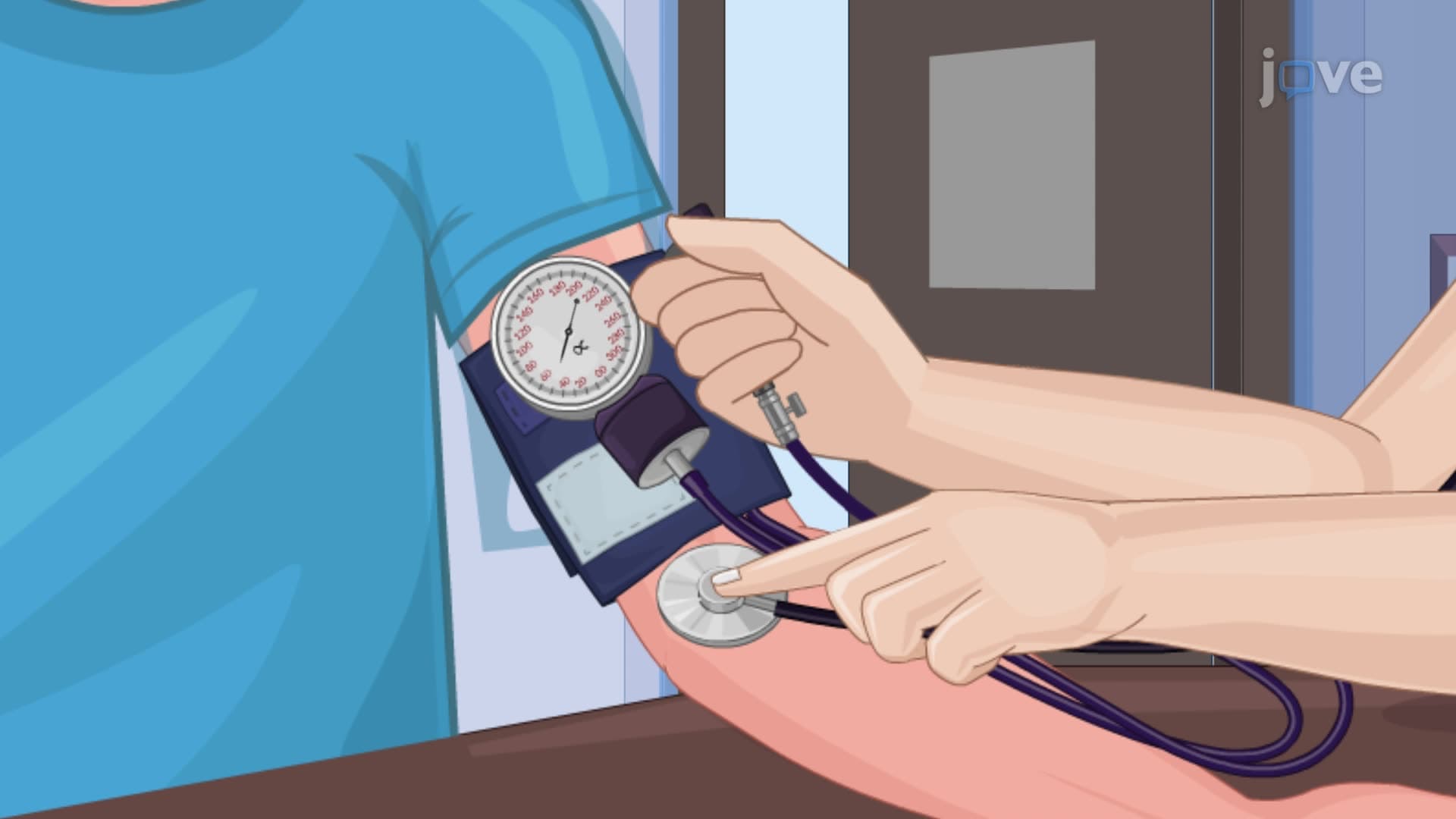
Understanding what is pulse in cardiovascular physiology proves essential for MCAT preparation and nursing school exams like NCLEX. Students studying for AP Biology encounter pulse concepts when learning circulatory system mechanics. Medical students preparing for USMLE Step 1 must master pulse pressure calculations, where pulse pressure equals systolic minus diastolic pressure. Pulse pressure systolic diastolic relationships help diagnose conditions like aortic stenosis or arterial stiffening, making this concept crucial for future healthcare professionals.
Related Micro-courses