Loading subject page…


149,649 views

Video Summary: What Is Vascular Resistance
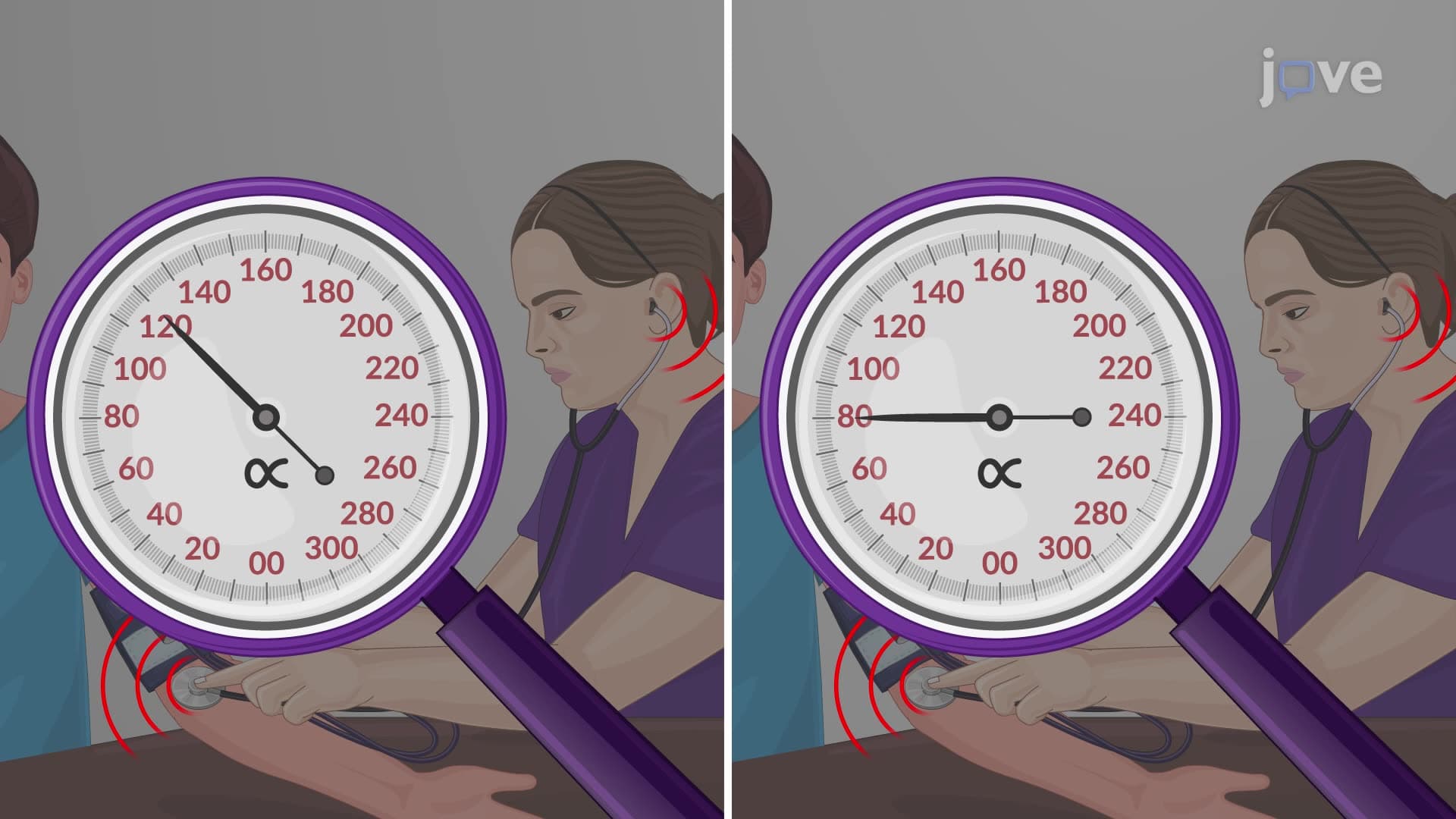
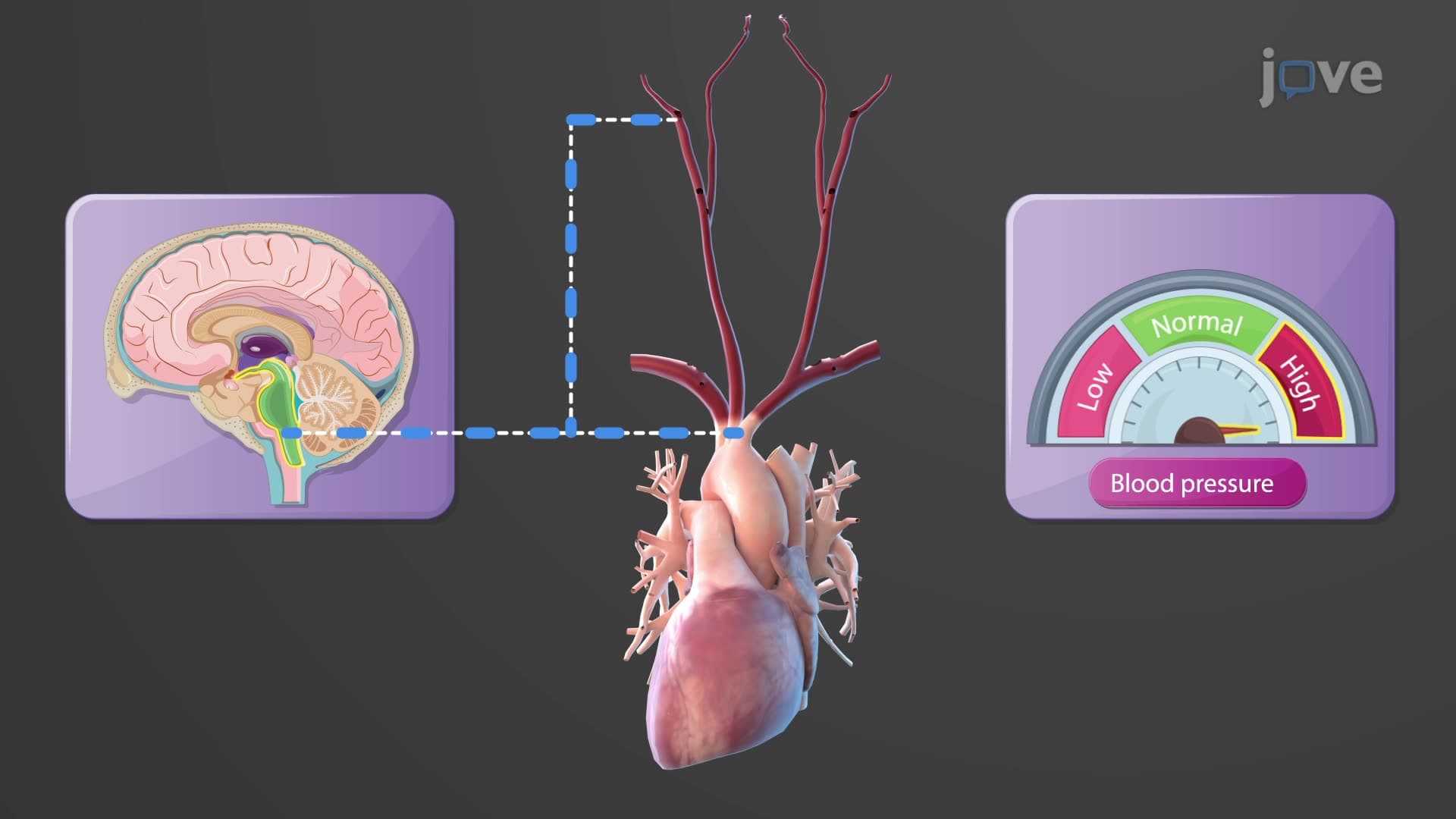
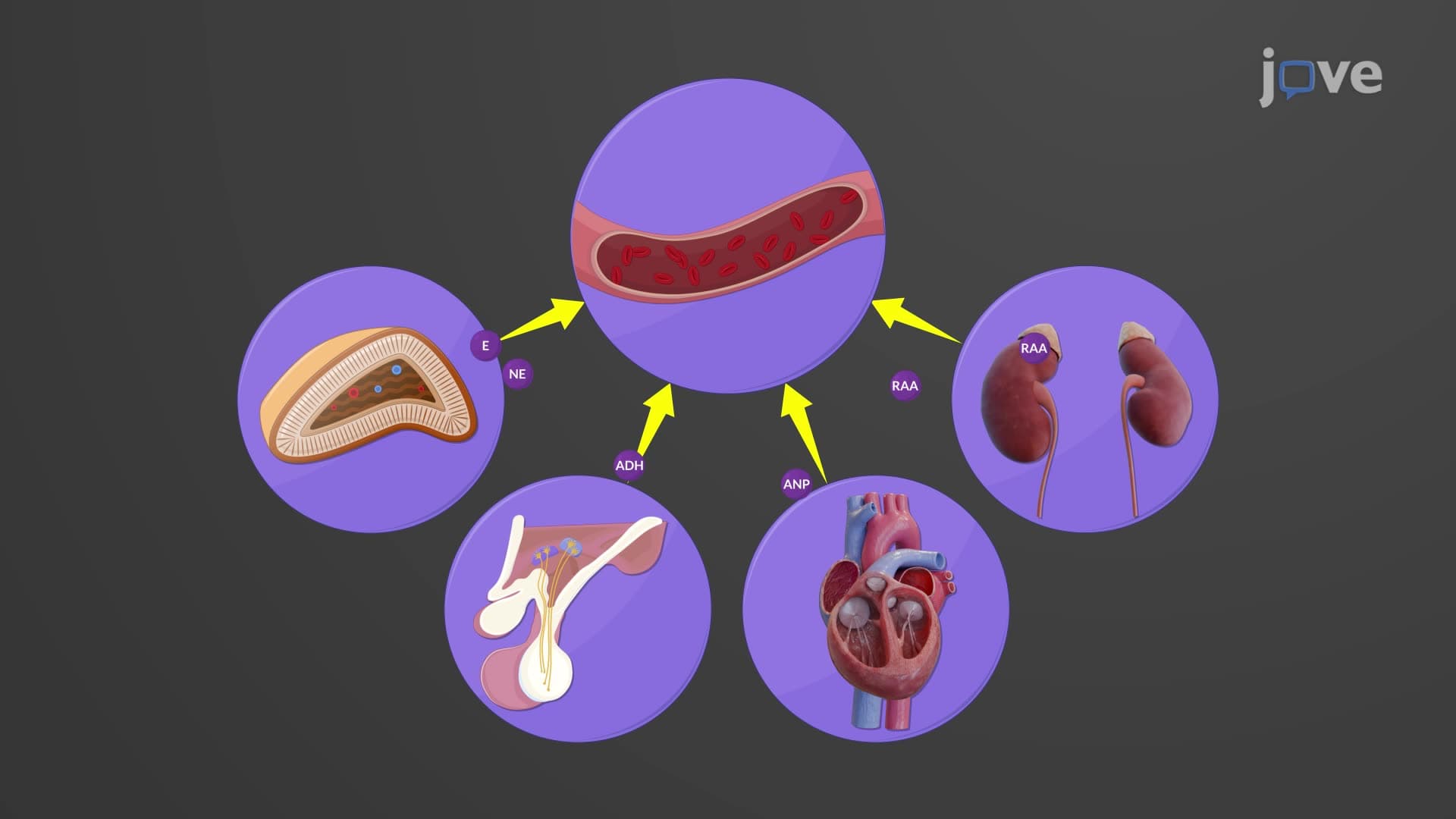
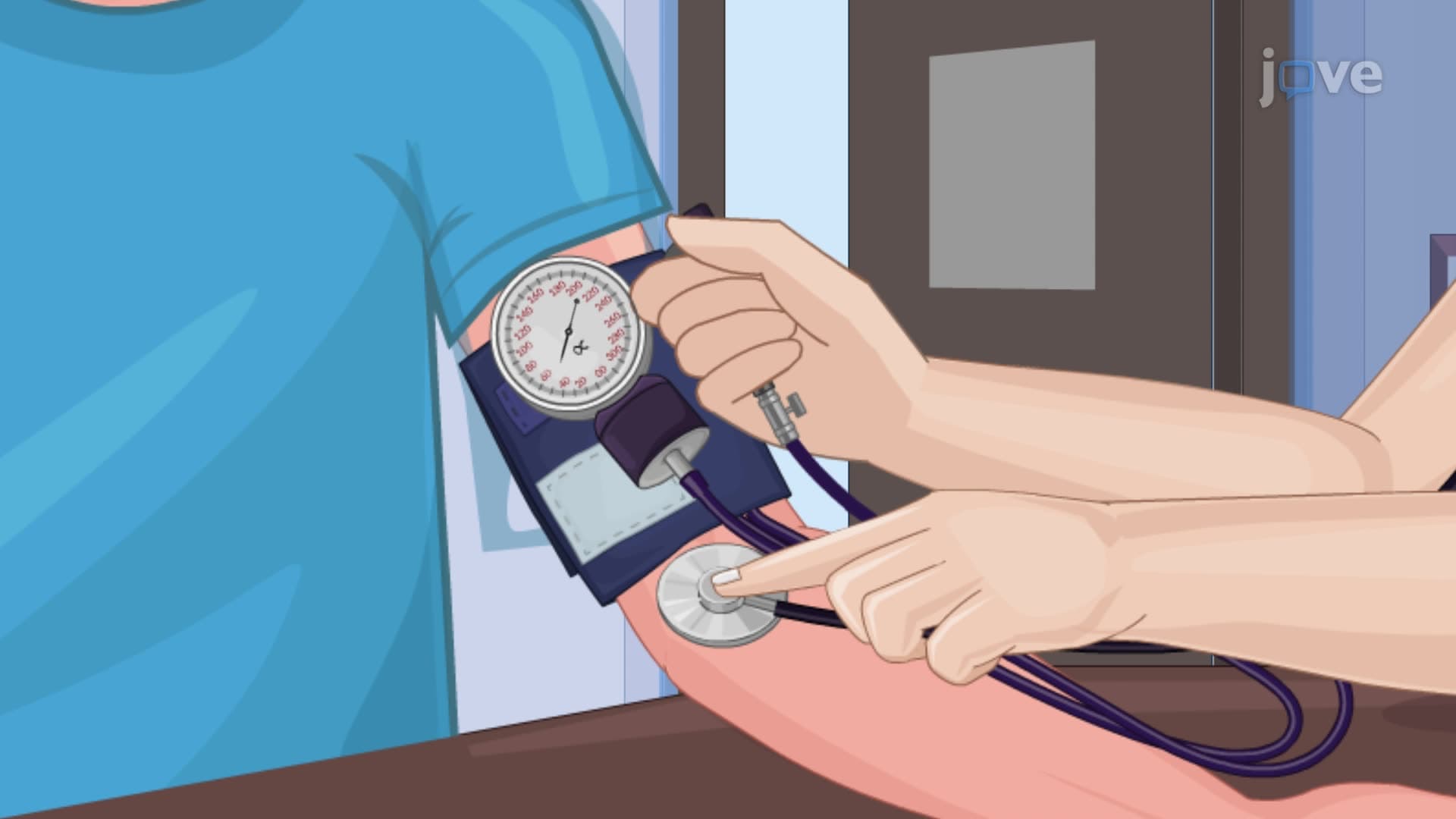
Ever wondered why your blood pressure spikes during a medical exam? Vascular resistance physiology explains how your cardiovascular system creates the pressure needed to pump blood throughout your body. When a patient at Johns Hopkins Hospital has high blood pressure, doctors examine three key factors that determine what is vascular resistance in physiology: blood thickness, vessel length, and diameter. Understanding vascular resistance helps explain everything from why obesity increases blood pressure to how your arterioles control circulation. Watch the full video on JoVE Coach to master this concept with expert-led visuals and step-by-step explanations.
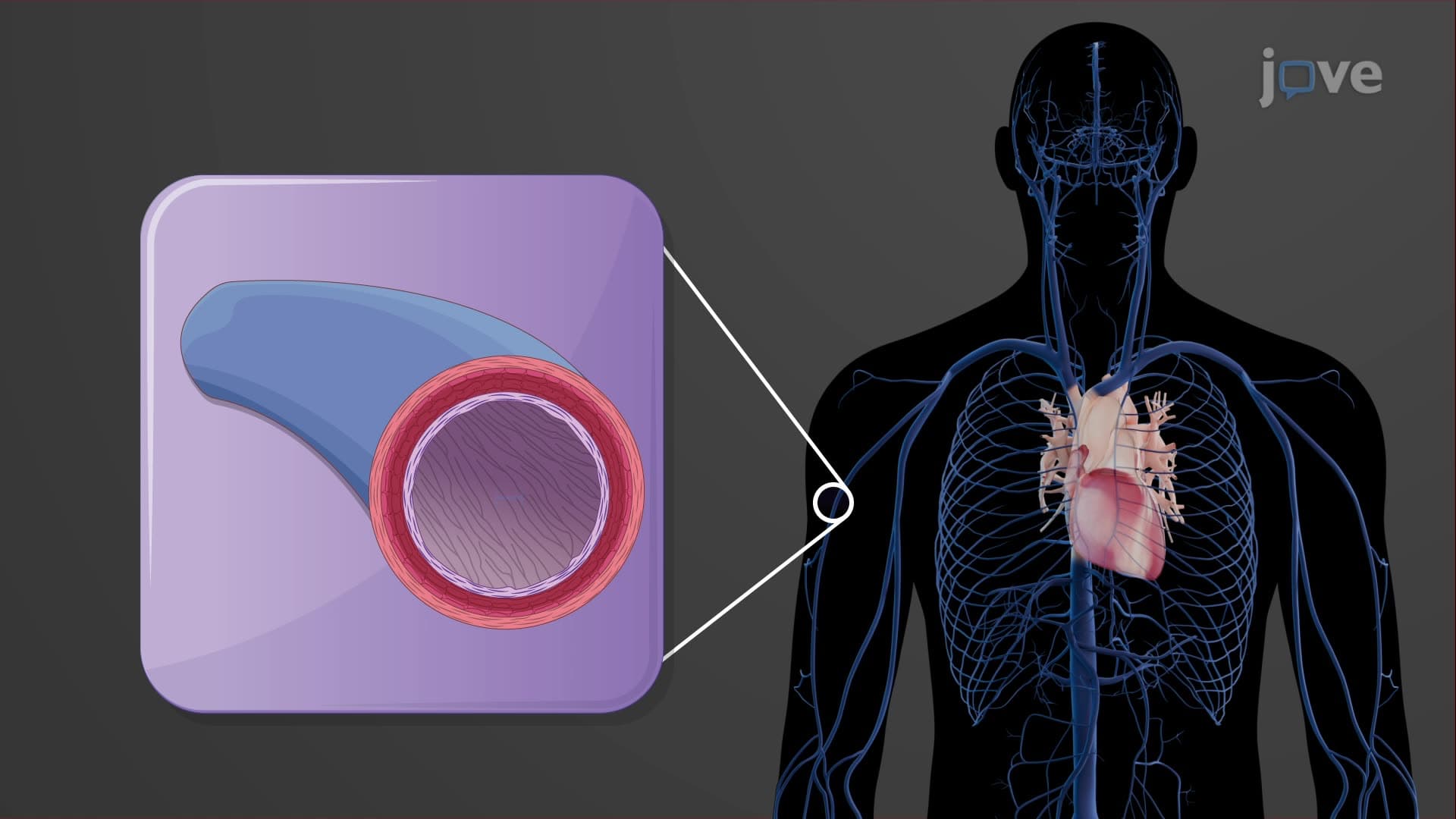
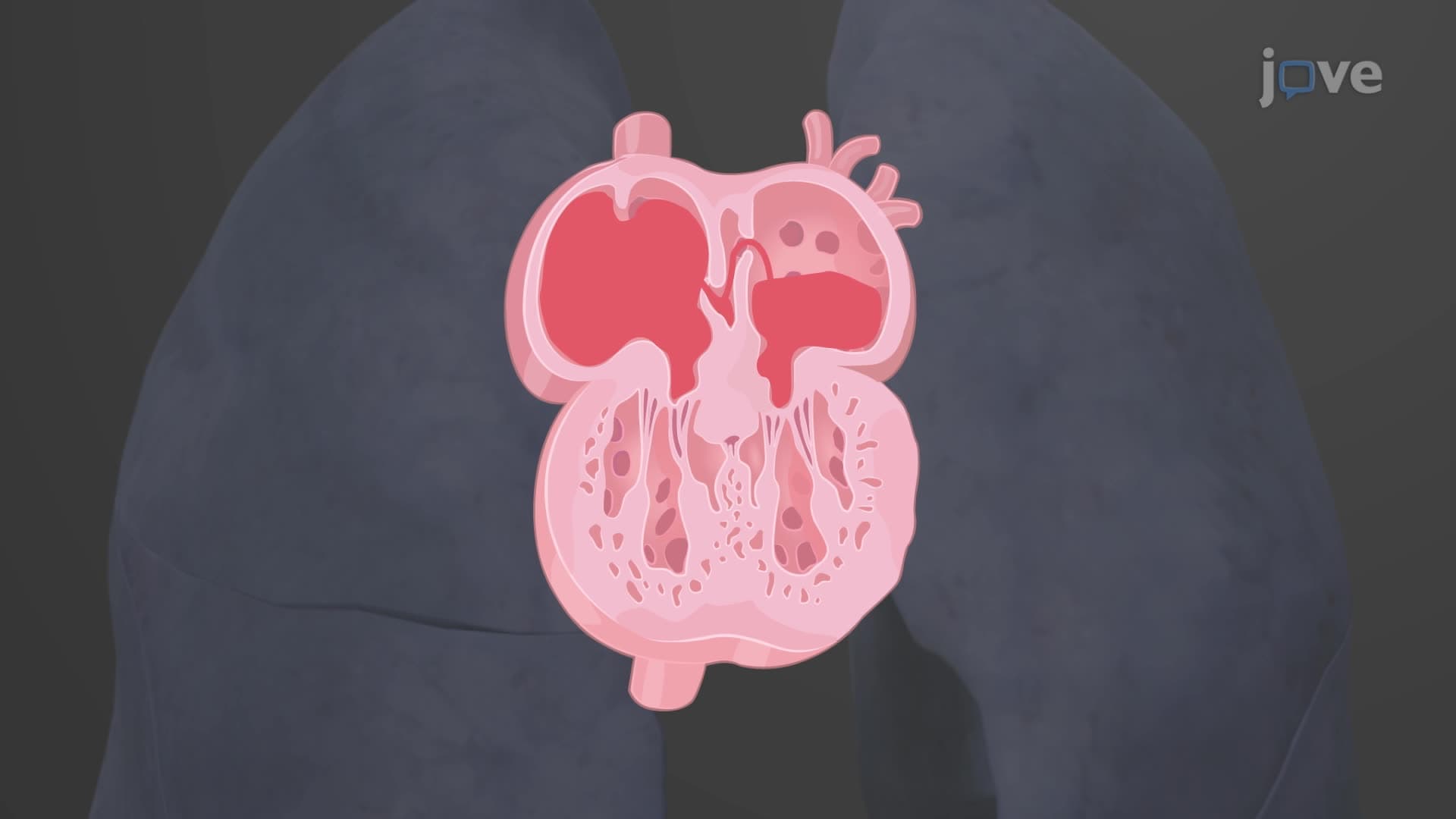
Vascular resistance physiology forms the foundation for understanding how your cardiovascular system maintains blood pressure and ensures adequate tissue perfusion. When blood flows through your vessels, friction between the moving blood and vessel walls creates a resistive force that your heart must overcome to maintain circulation. This concept appears frequently on the MCAT, AP Biology exams, and college physiology courses because it connects basic physics principles with clinical medicine.
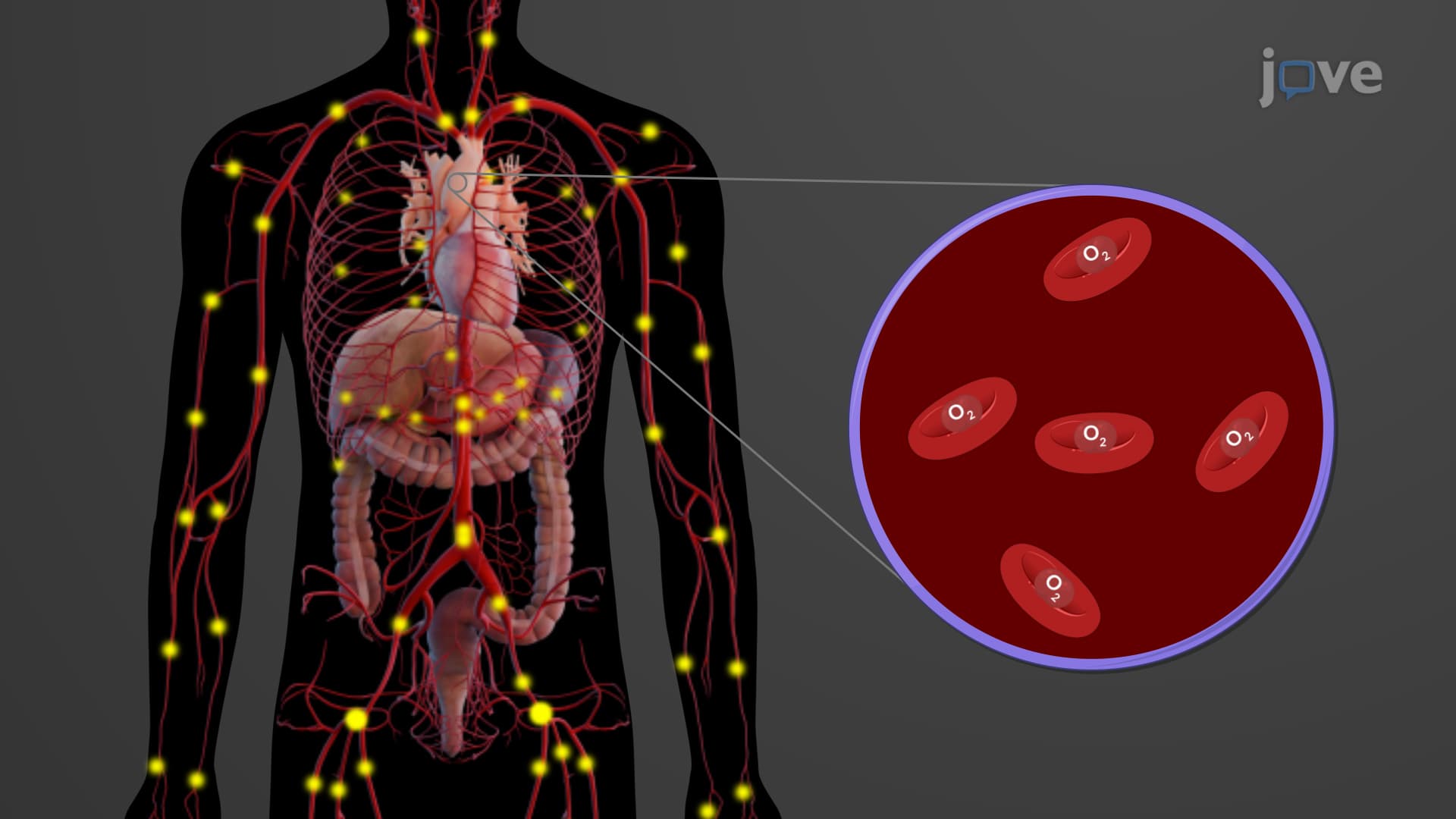
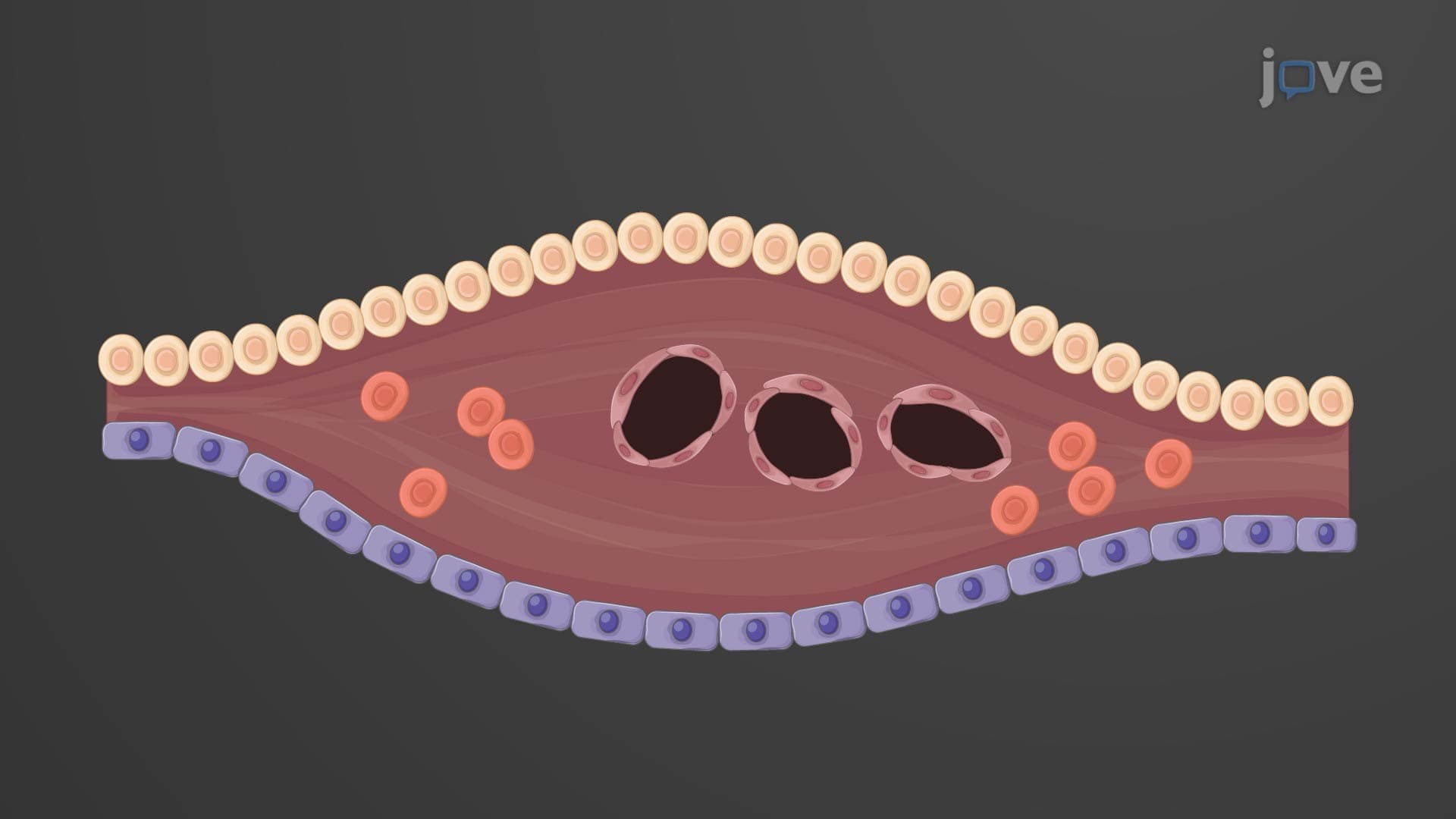
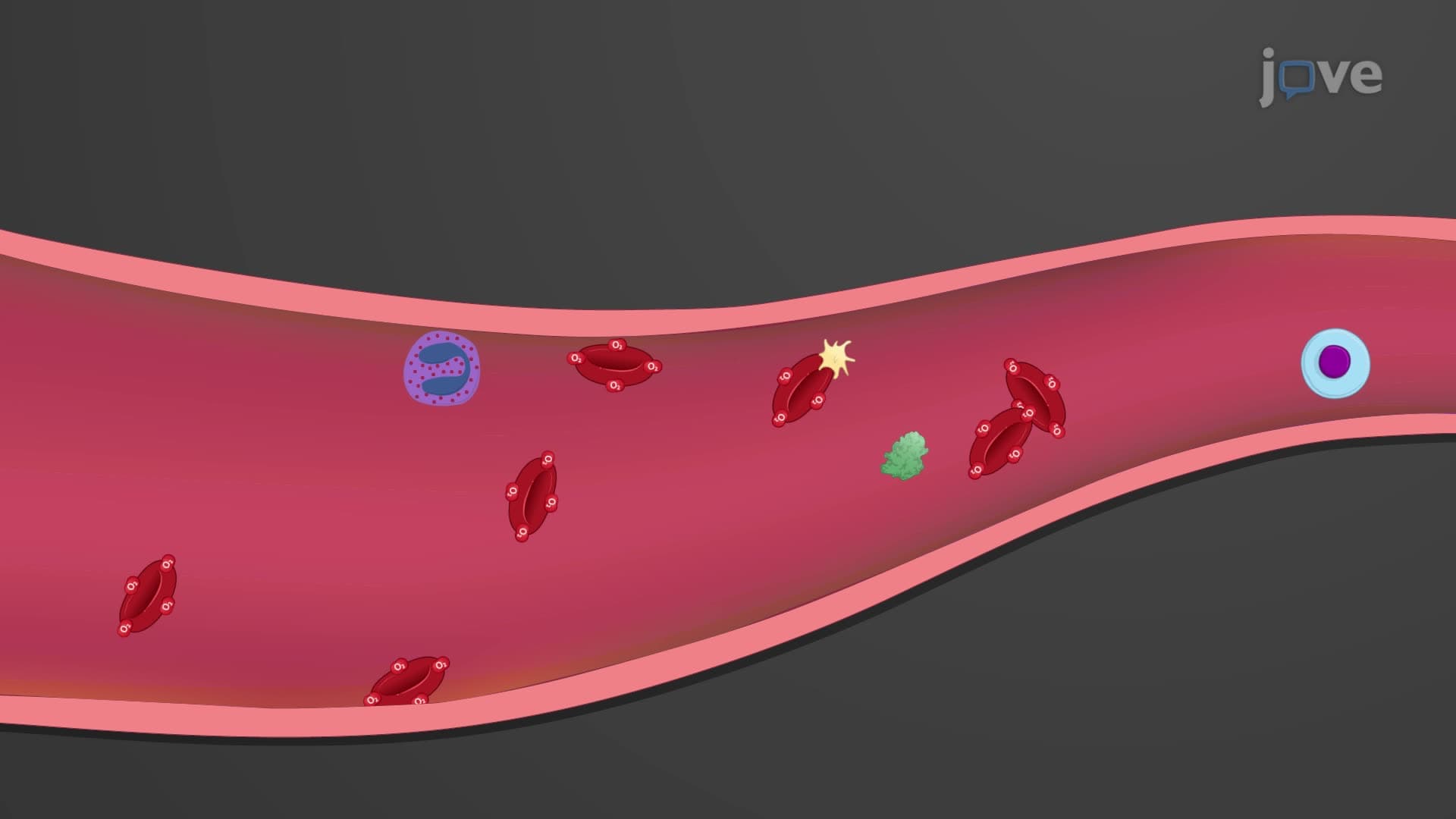
Blood viscosity represents the first major determinant of vascular resistance. Normal blood viscosity remains relatively constant, but certain conditions dramatically alter this parameter. Polycythemia, where red blood cell count exceeds normal ranges (above 48% hematocrit in women, 52% in men), increases blood thickness and resistance. Patients at Cleveland Clinic with this condition often present with elevated blood pressure because their hearts work harder to pump thicker blood through the same vessels.
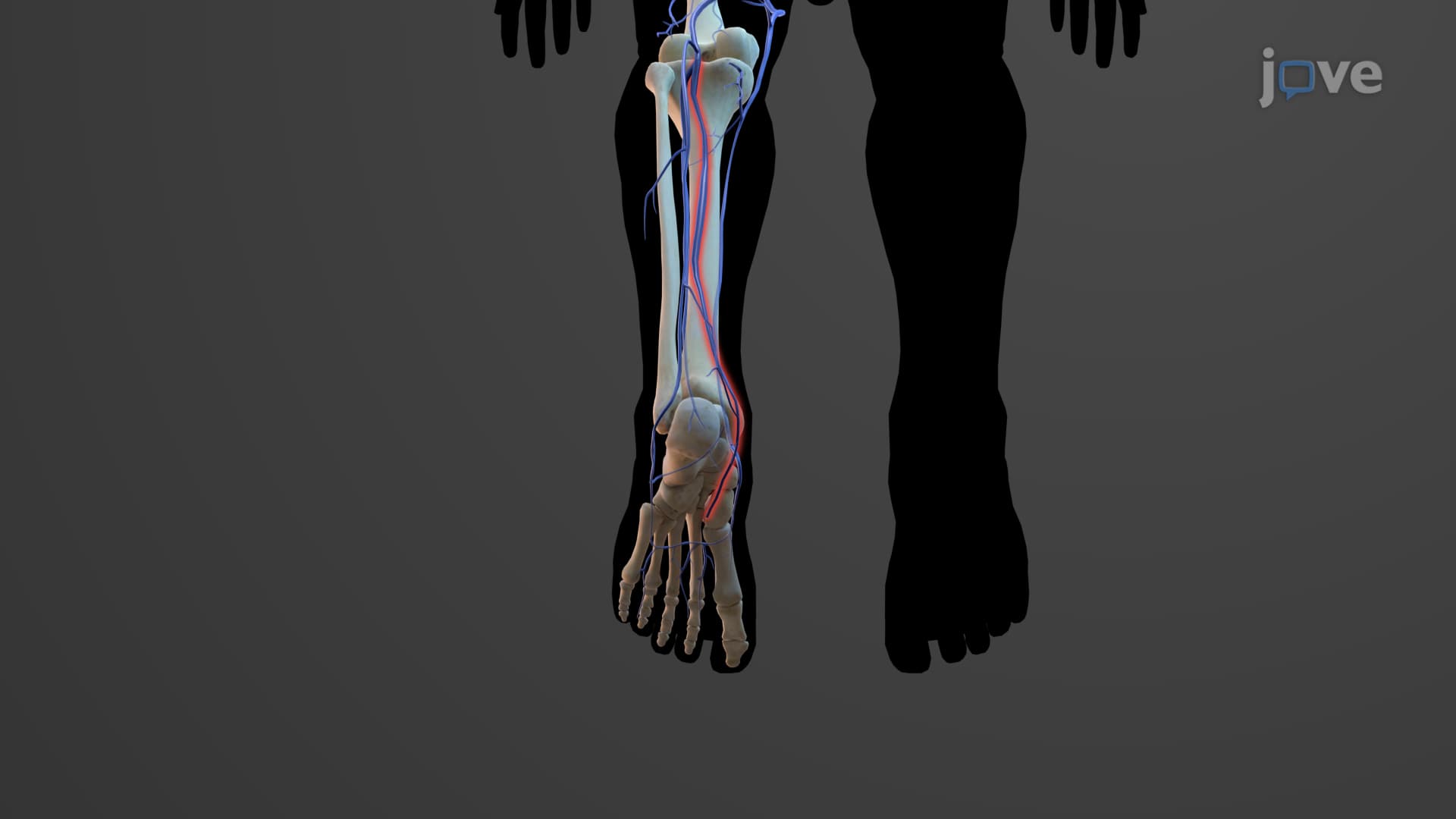
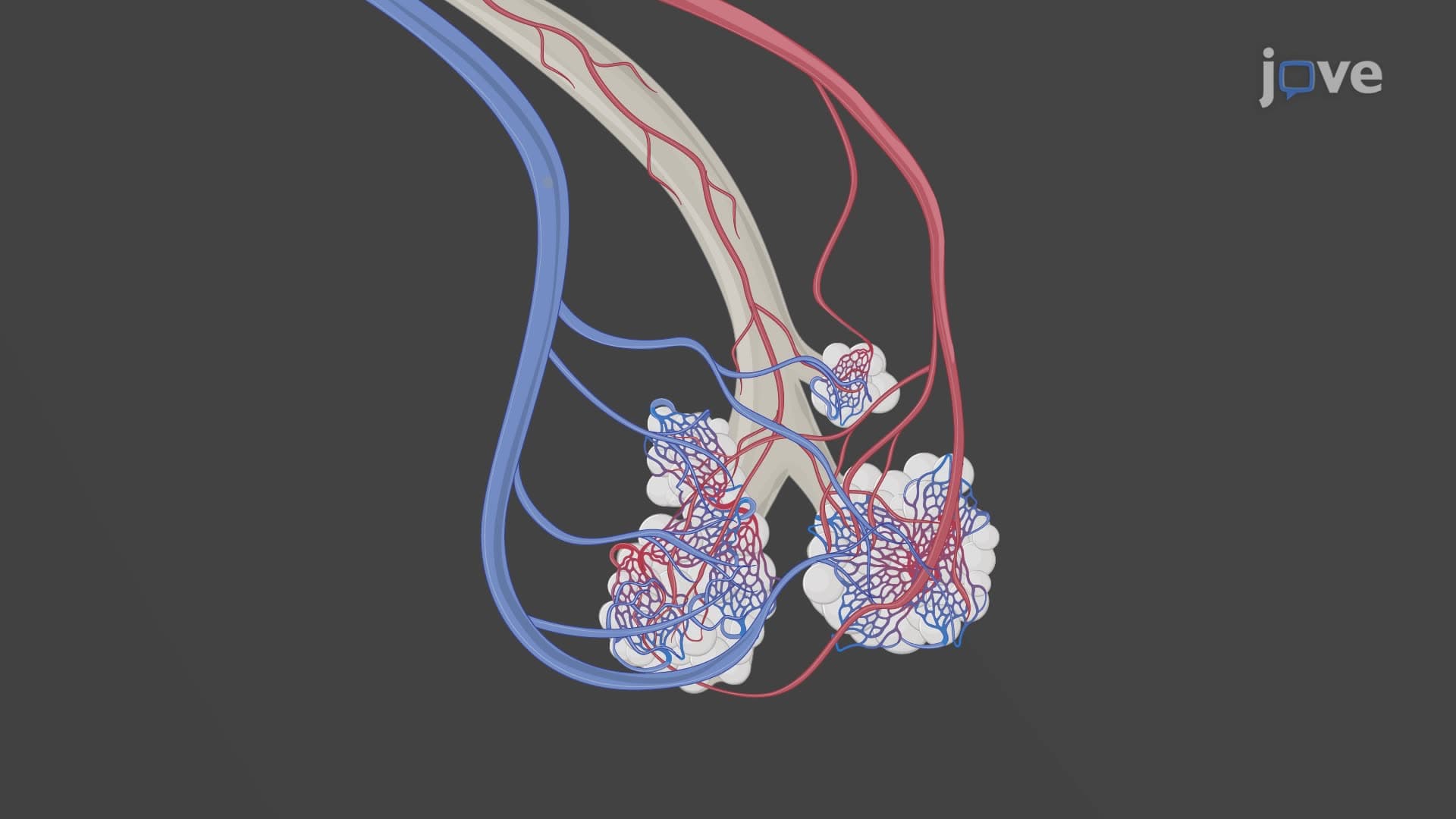
Vessel length contributes to peripheral vascular resistance in a directly proportional relationship. While vessel length stays relatively constant in healthy adults, obesity creates additional blood vessels within adipose tissue, effectively increasing total vessel length and contributing to hypertension. This explains why weight loss often reduces blood pressure even before significant cardiovascular improvements occur.
Vessel diameter resistance follows Poiseuille's law, where resistance varies inversely with the fourth power of radius. This means even small changes in diameter create dramatic resistance changes. A 50% reduction in diameter increases resistance by 16 times, explaining why atherosclerotic plaques cause such significant cardiovascular problems.
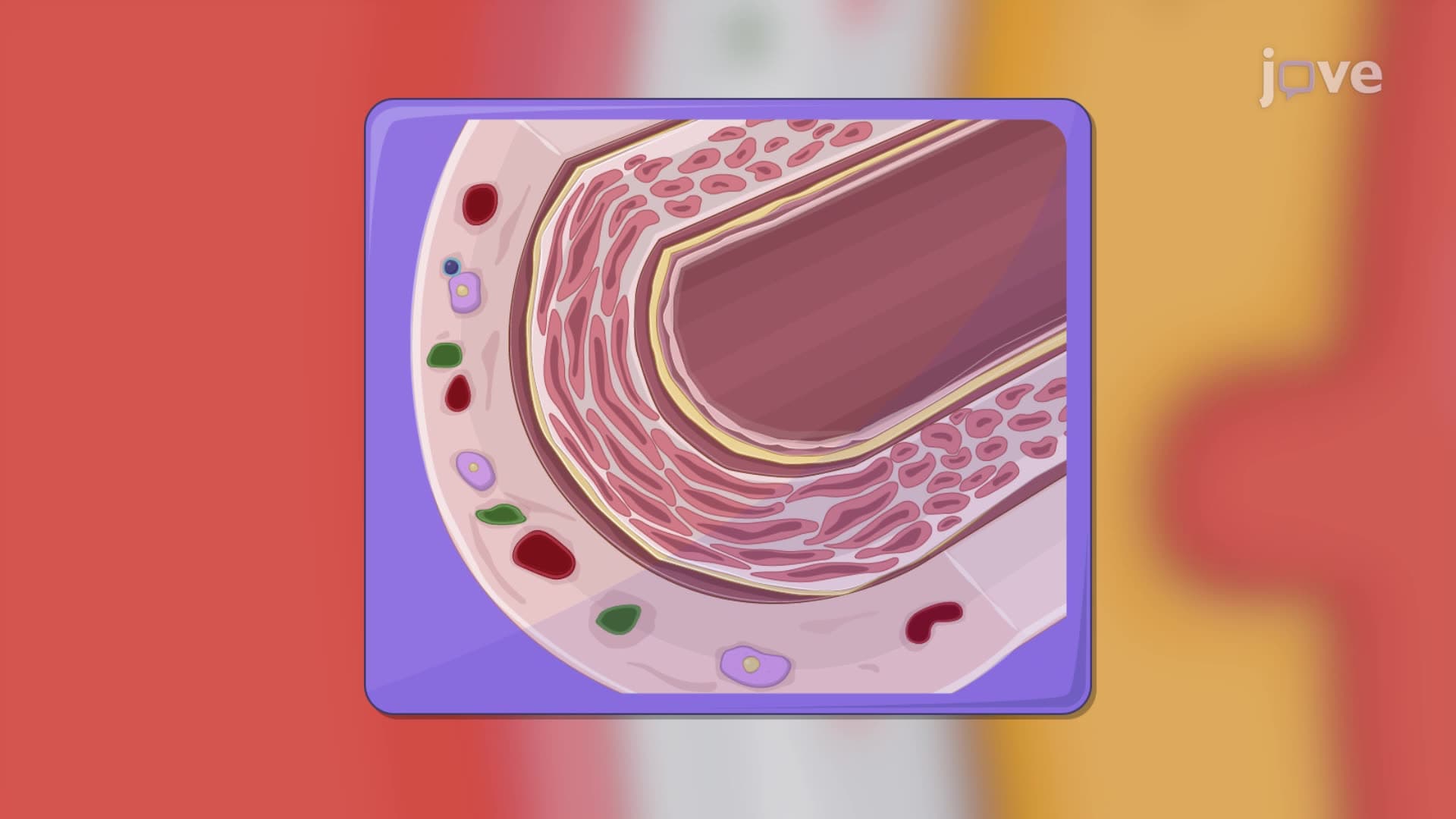
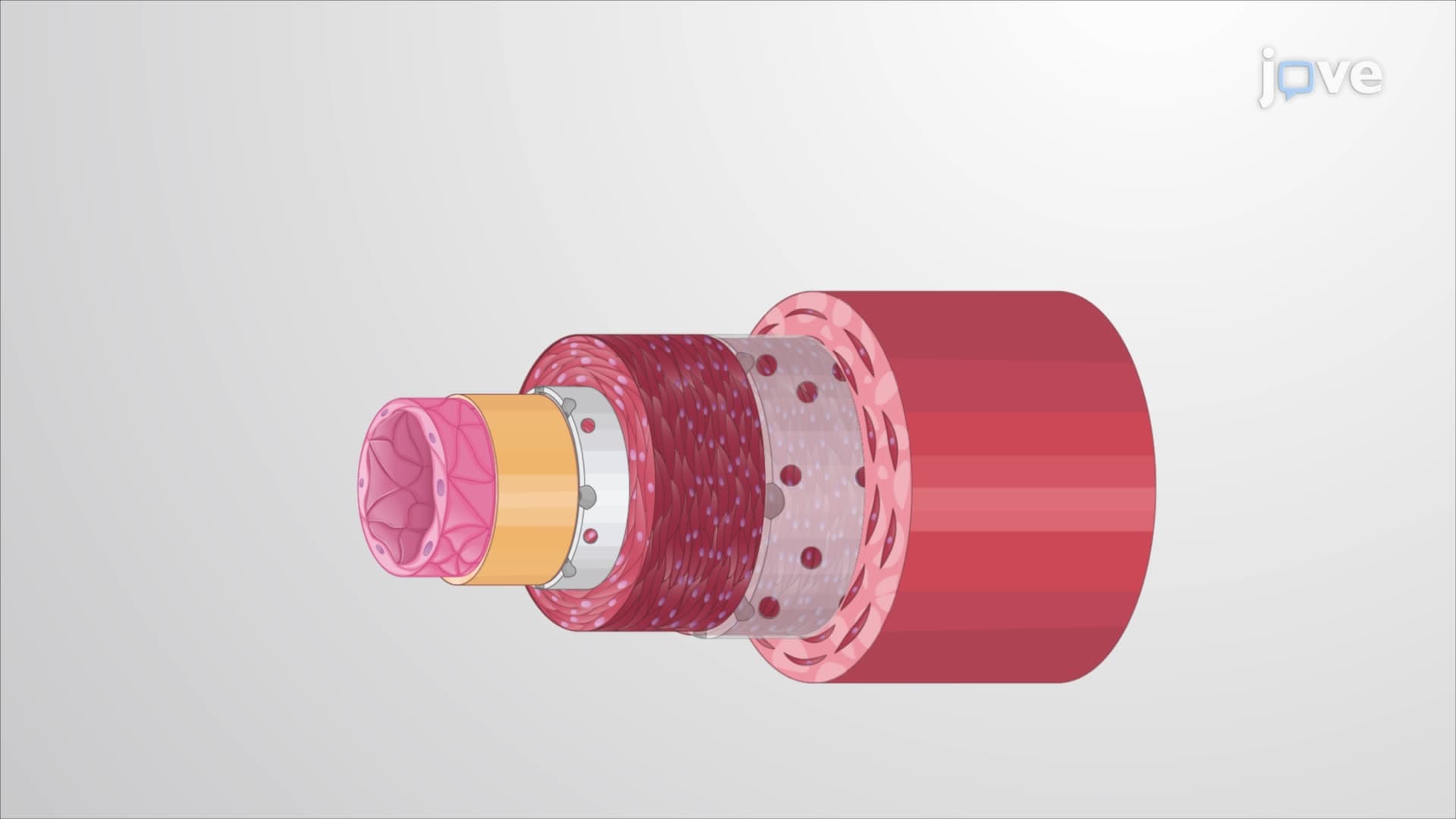
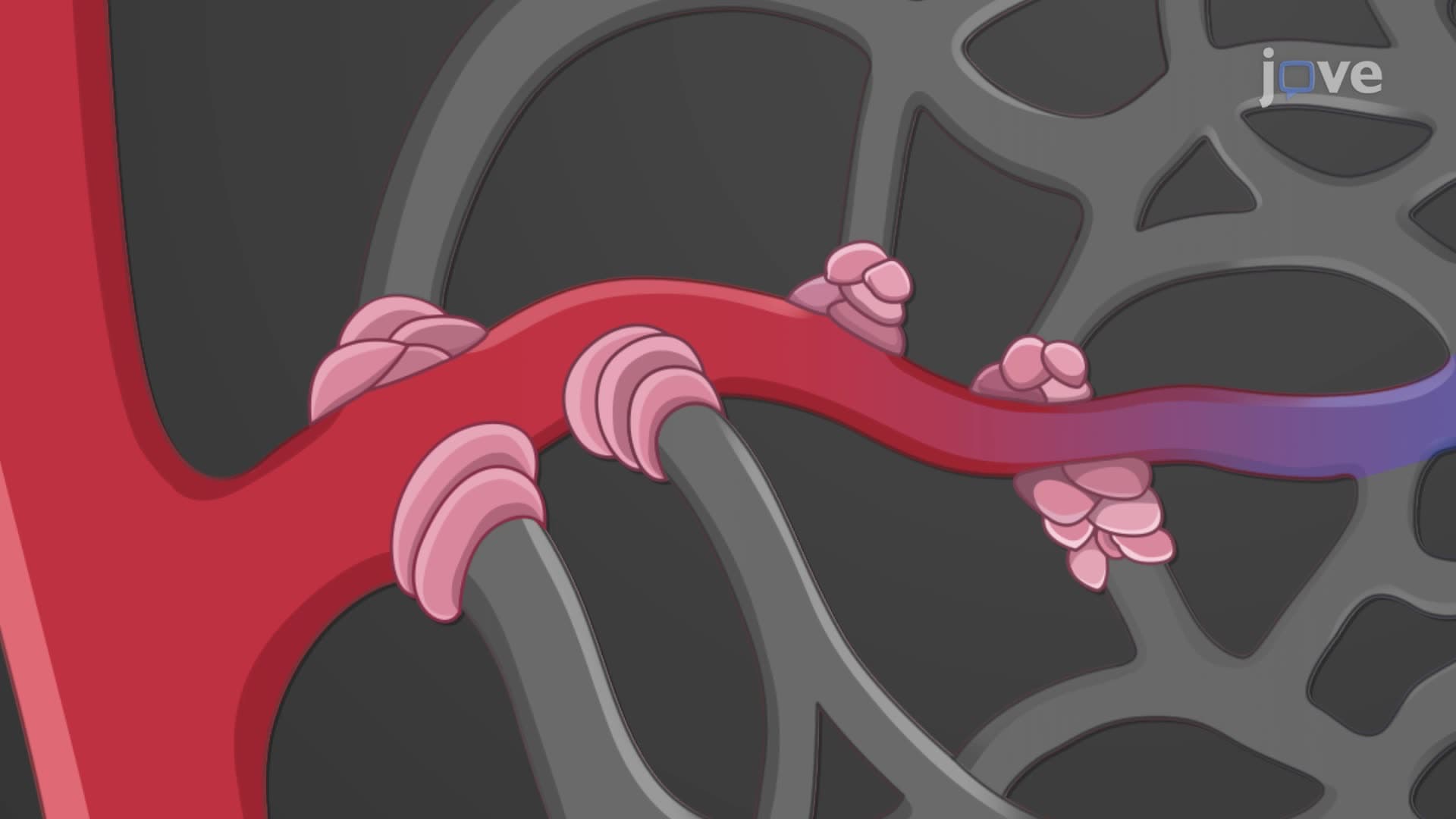
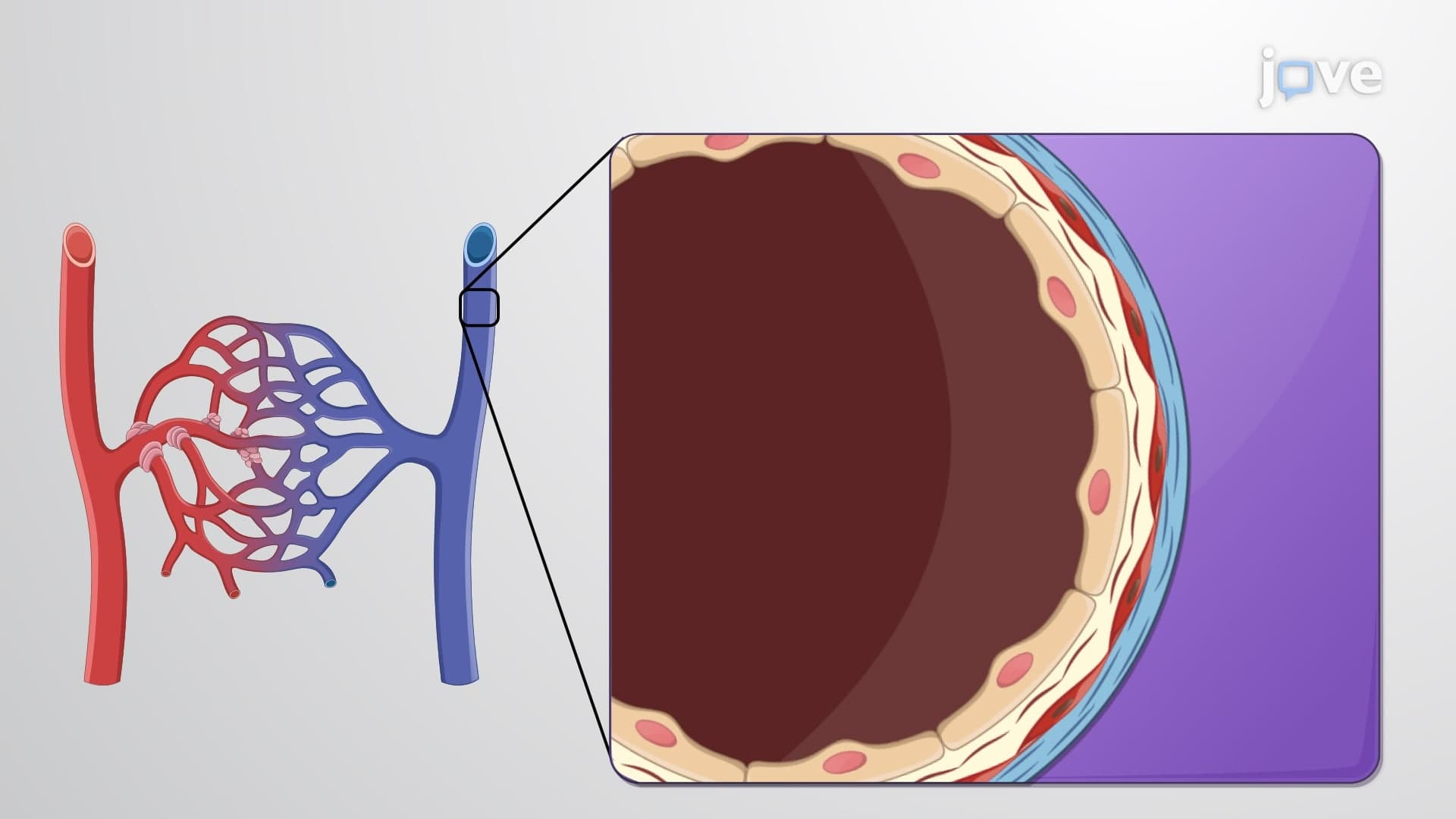
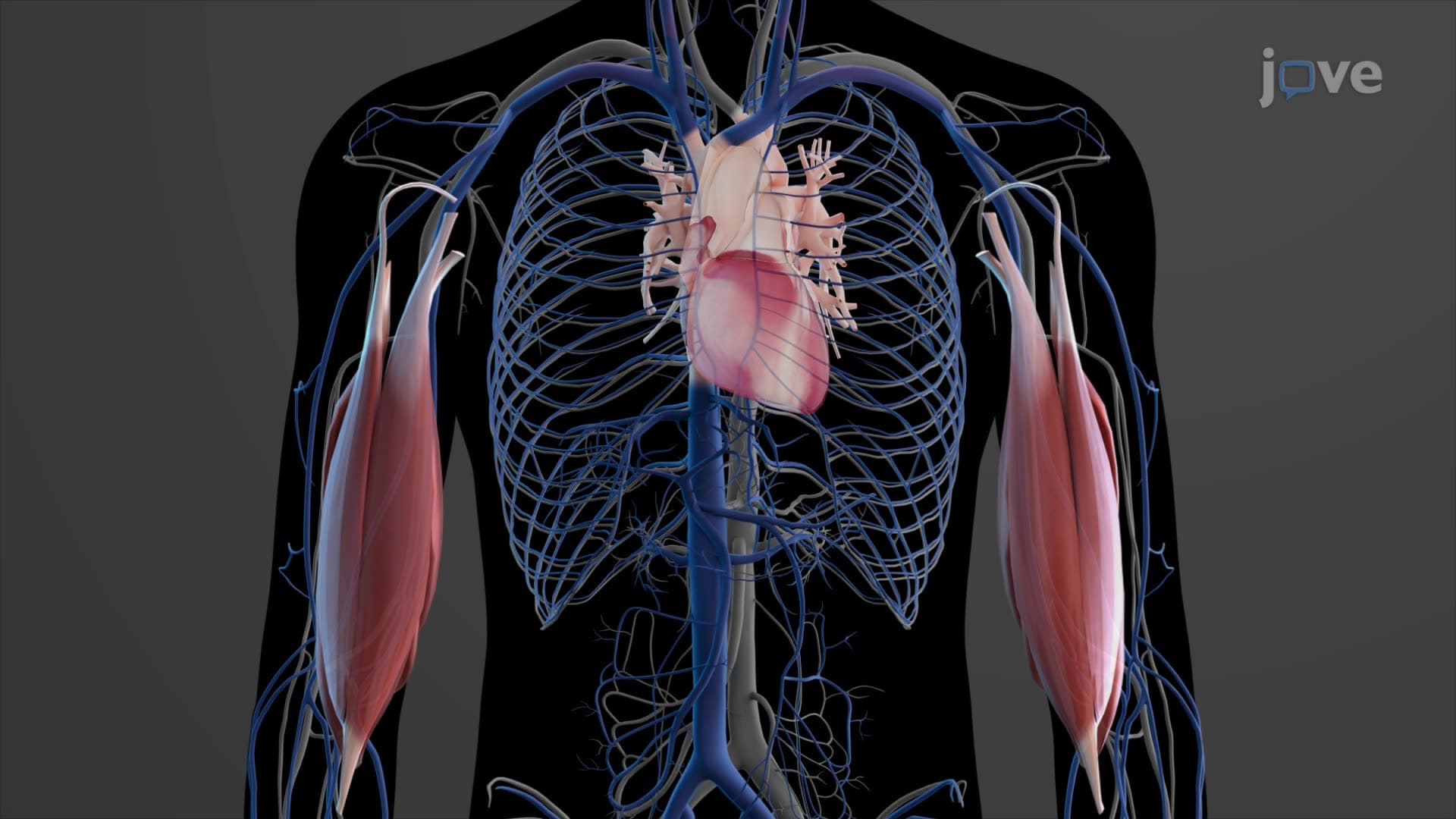
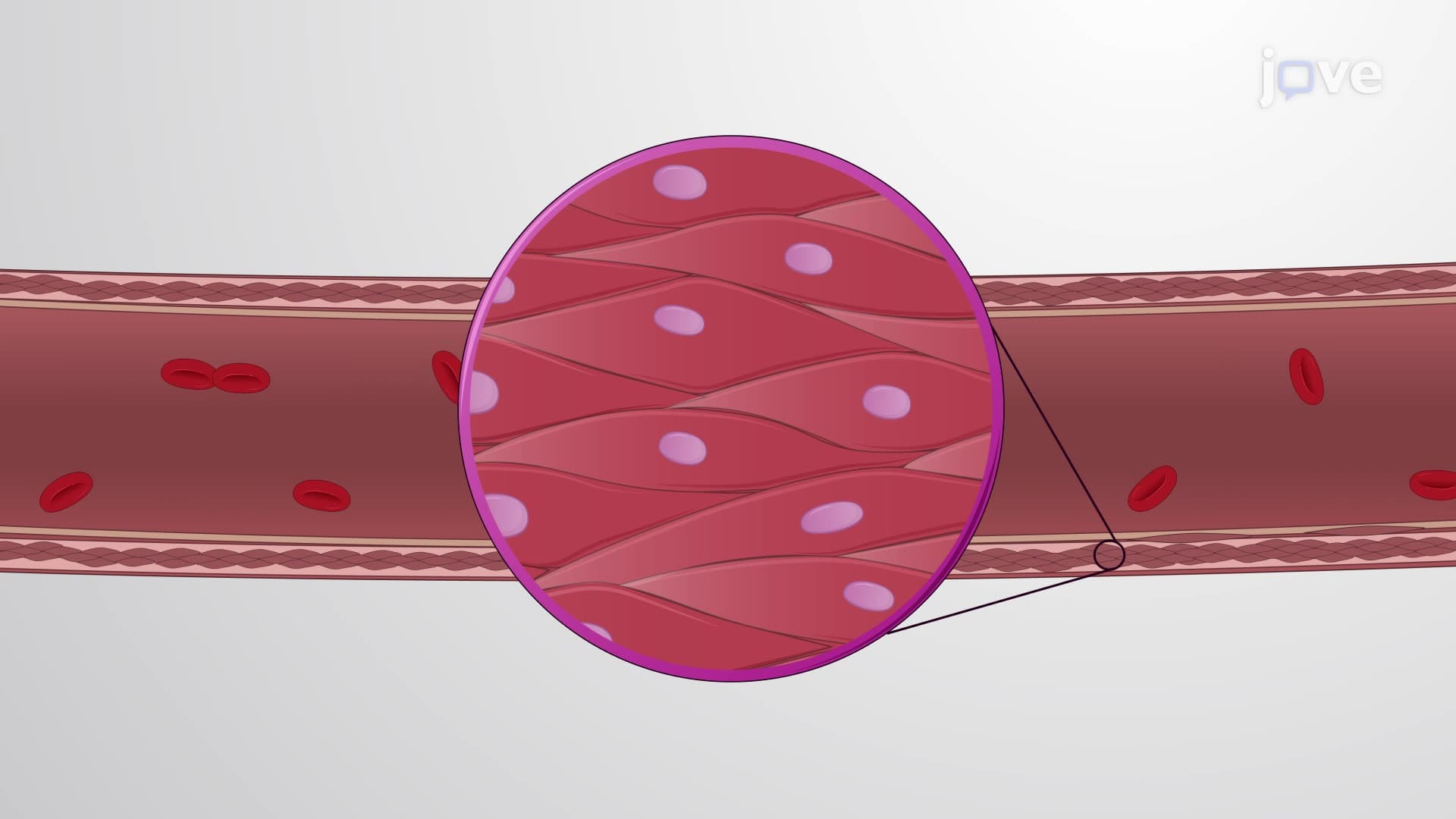
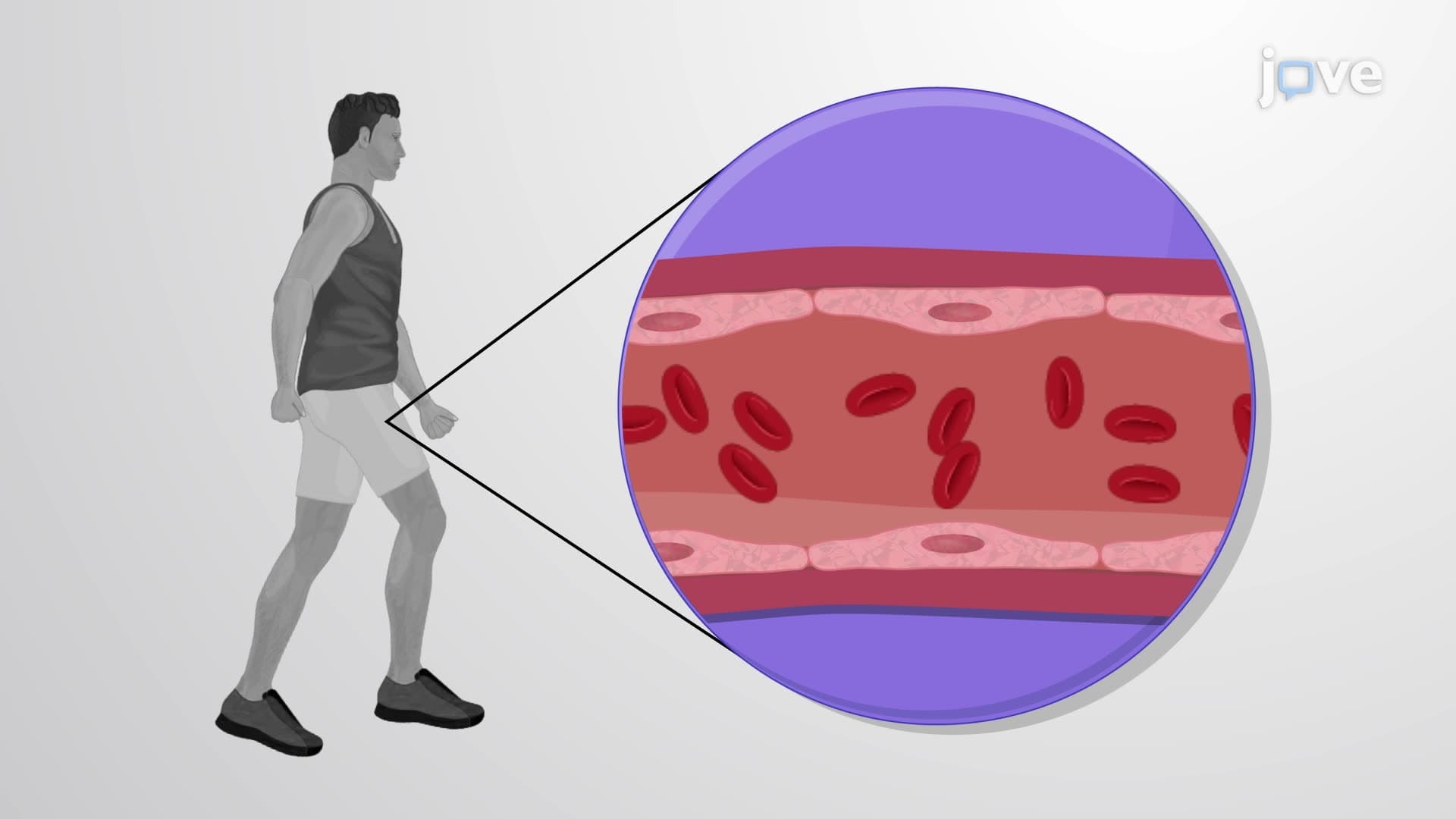
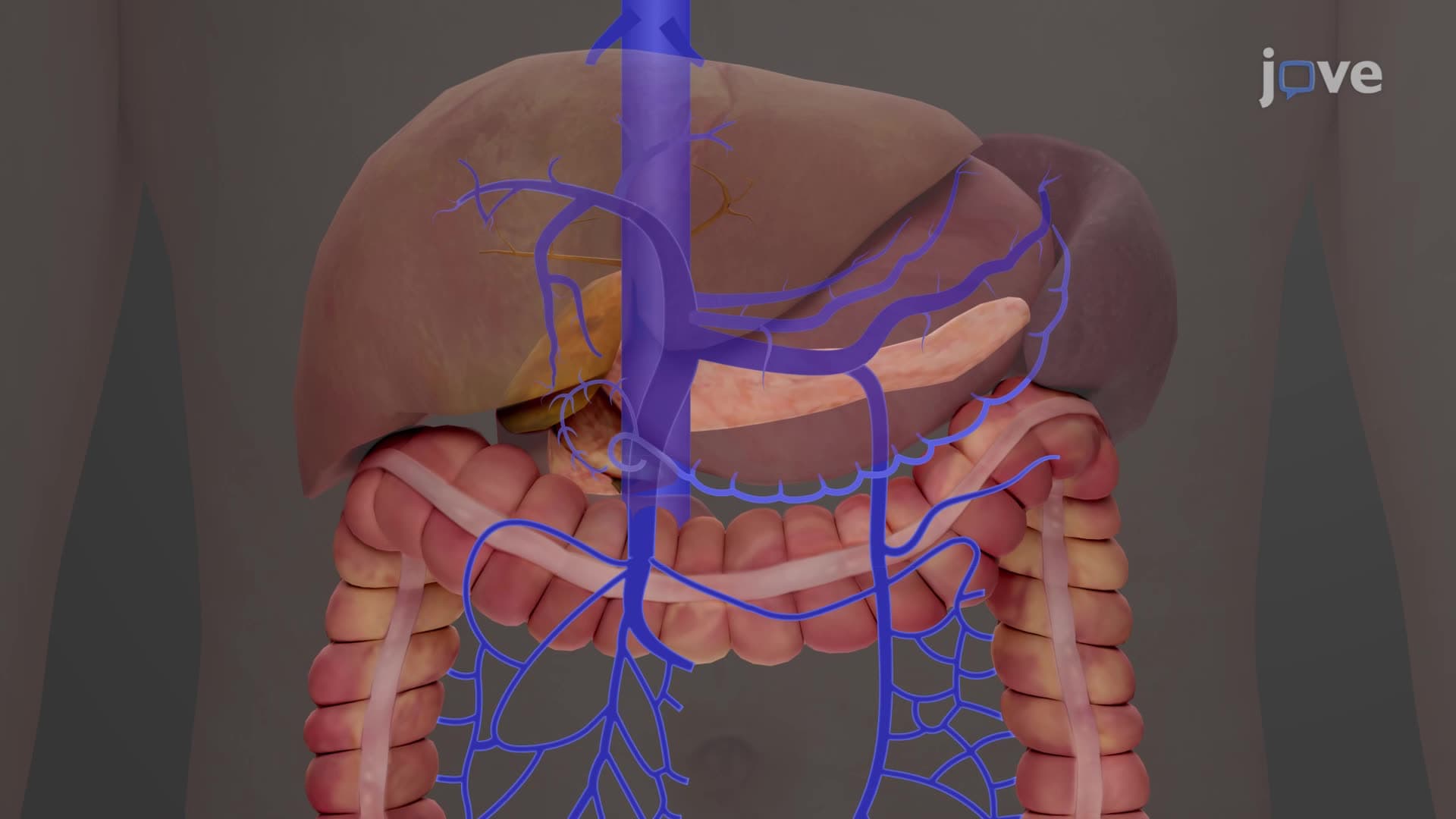
Arterioles, often called "resistance vessels," contribute most to total peripheral resistance despite being microscopic. These vessels actively constrict and dilate through smooth muscle contraction, allowing your body to regulate blood pressure and direct flow to specific tissues. During exercise, skeletal muscle arterioles dilate while digestive system vessels constrict, redistributing blood flow without changing cardiac output.
Understanding Poiseuille vascular resistance helps students excel on standardized exams and clinical scenarios. The MCAT frequently tests the relationship between vessel radius and flow rate, while AP Biology emphasizes how cardiovascular regulation maintains homeostasis. Medical students encounter these concepts when studying hypertension medications that target different resistance components, ACE inhibitors affect vessel diameter, while diuretics reduce blood volume and viscosity.
Related Micro-courses