Loading subject page…


149,645 views

Video Summary: What Is Venous Return
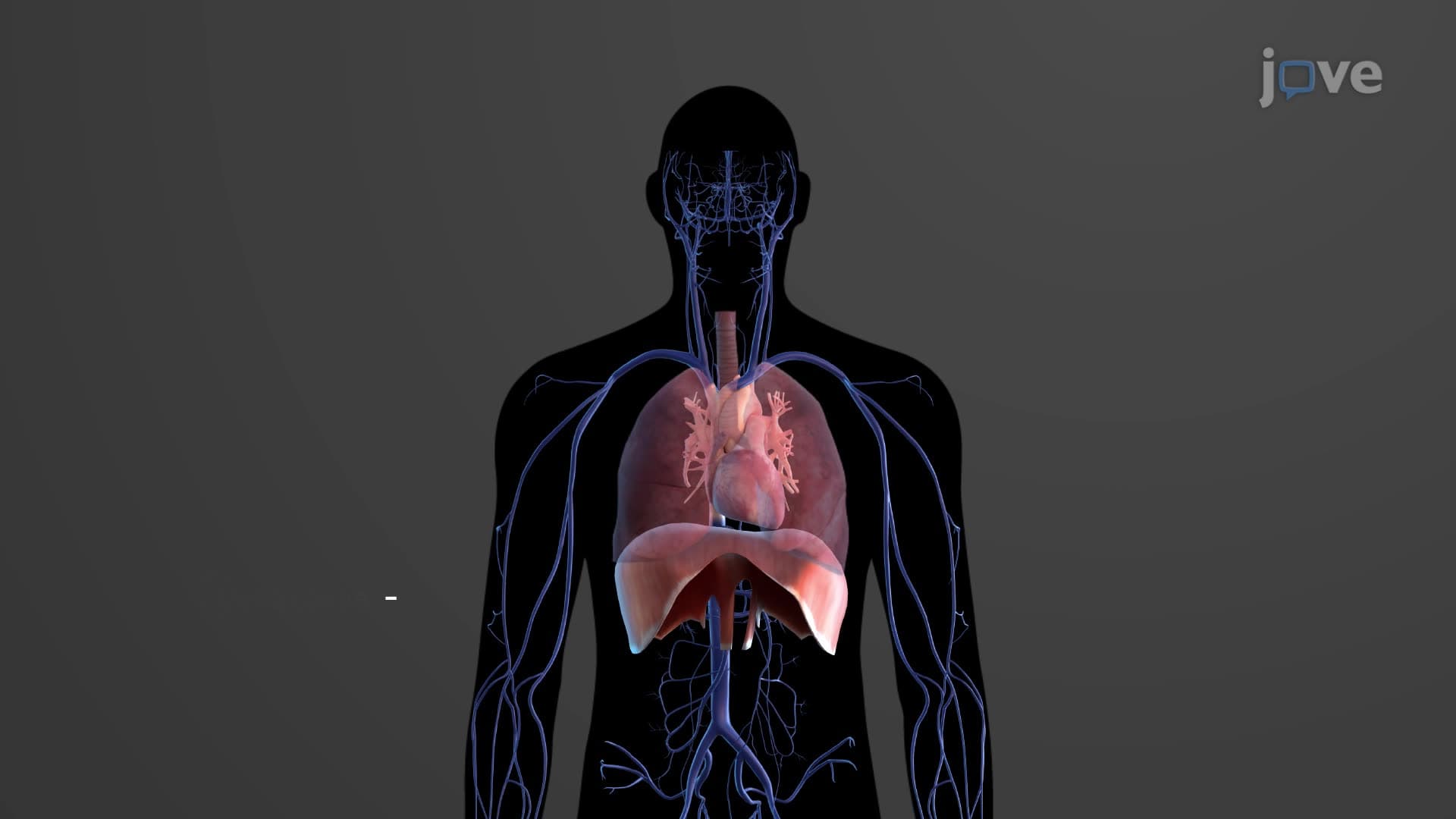
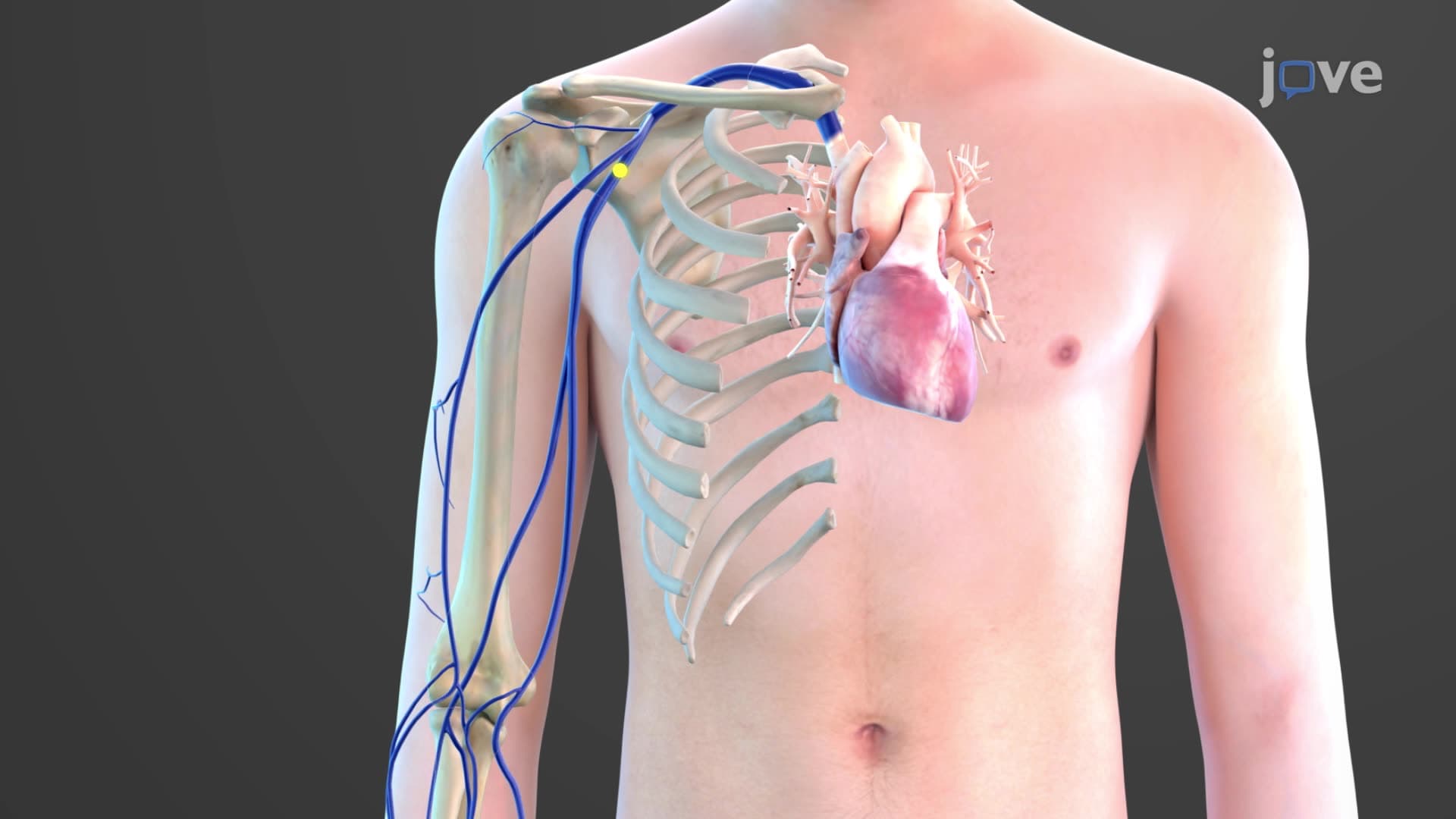
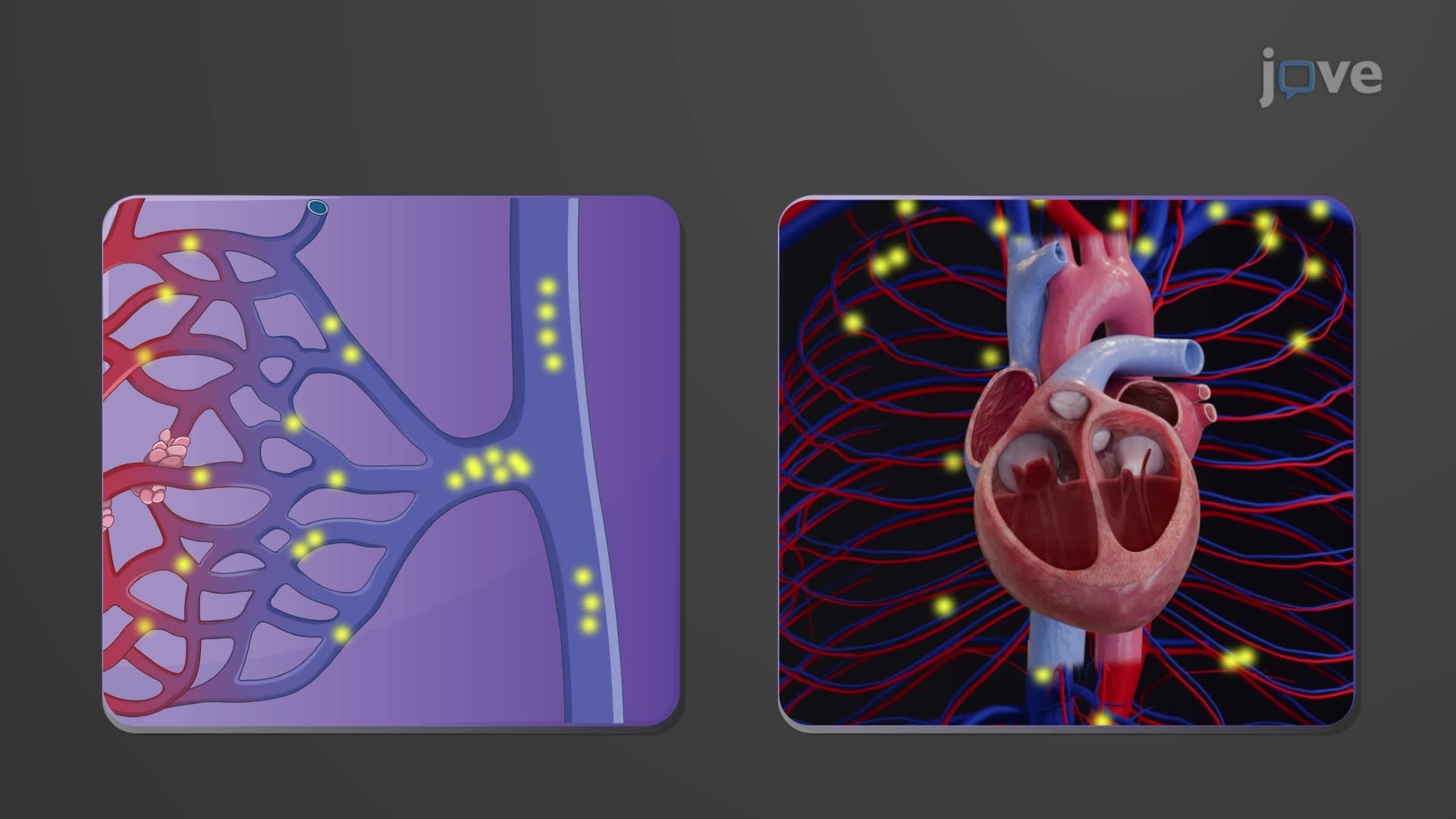
Ever wonder how blood traveling through your feet makes it back up to your heart against gravity? Venous return physiology involves fascinating mechanisms that work like biological pumps to push blood upward. Consider a nurse working a 12-hour shift at Johns Hopkins Hospital-her leg muscles and breathing patterns actively help circulate blood back to her heart through sophisticated pumping systems. What is venous return becomes clear when you understand these coordinated physiological processes. Watch the full video on JoVE Coach to master this concept with expert-led visuals and step-by-step explanations.
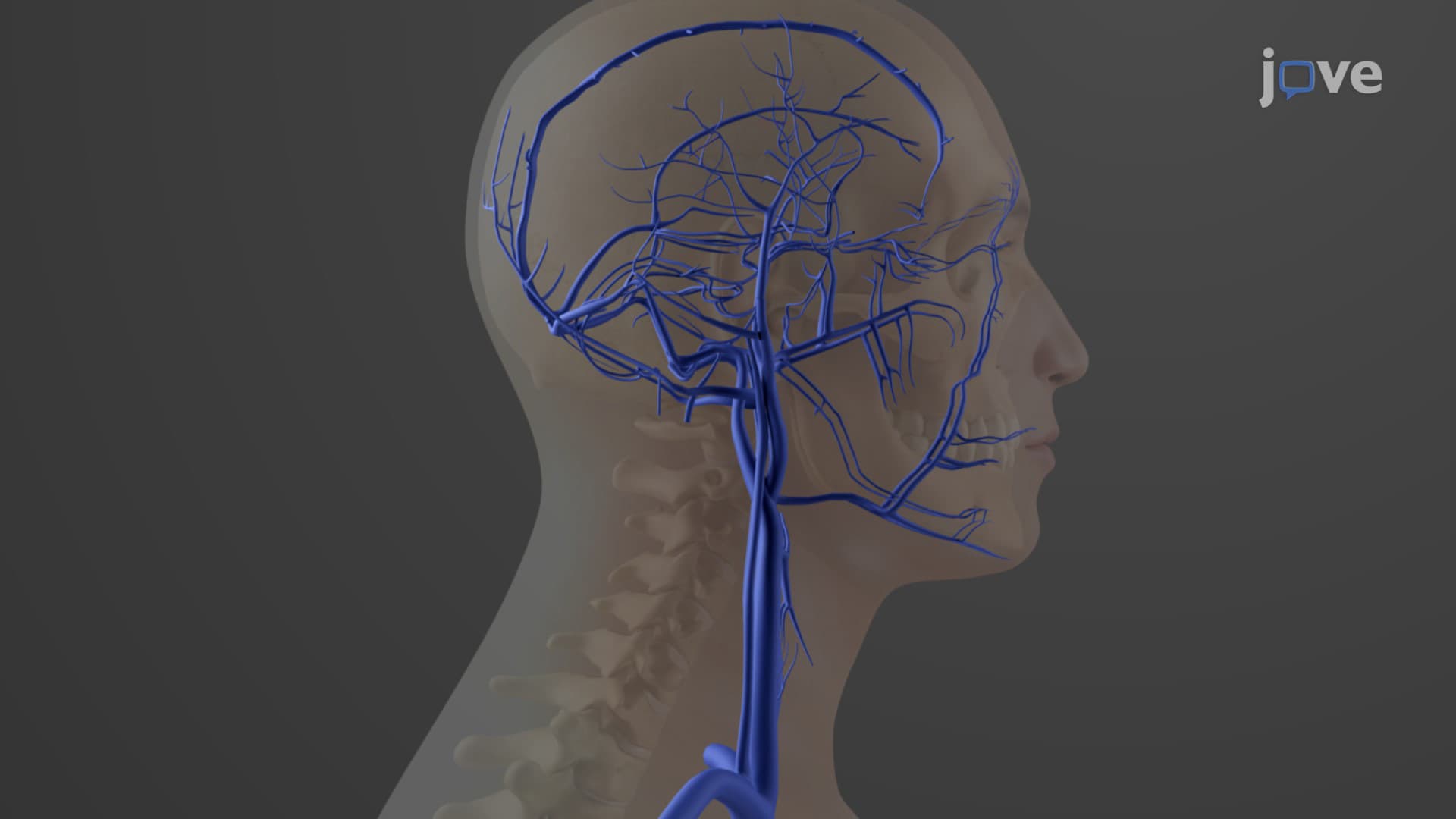
Venous return physiology represents one of the cardiovascular system's most elegant solutions to a mechanical challenge: how to move blood from the body's periphery back to the heart, often against gravitational forces. This process becomes particularly important when studying for the MCAT or AP Biology, as it demonstrates the integration of multiple physiological systems working in coordination.
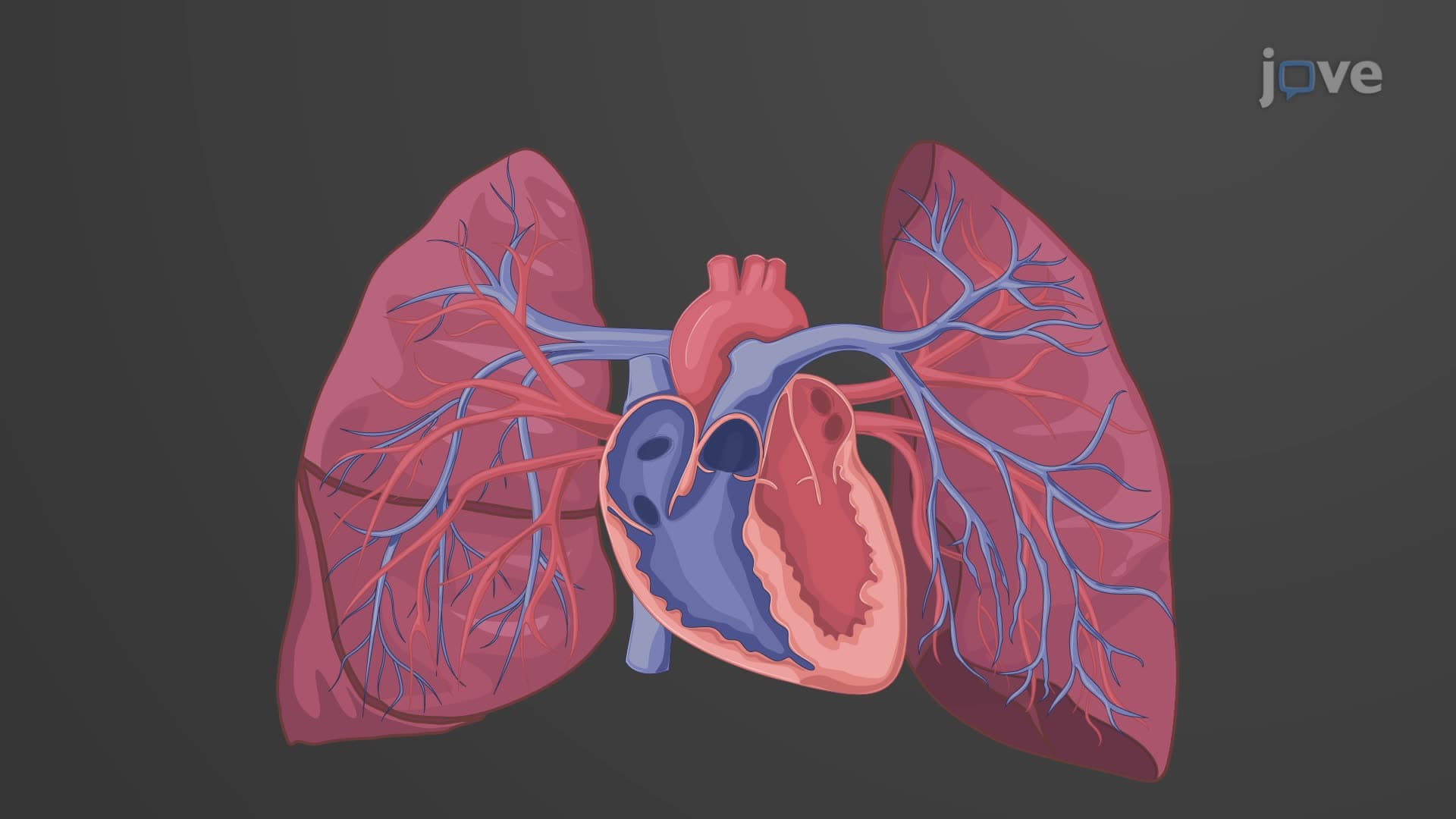
The primary driving force behind venous return stems from pressure differences between the venous system and the right ventricle. Unlike arterial circulation, which relies on powerful heart contractions, venous circulation operates under much lower pressures, requiring additional mechanisms to ensure adequate blood return. Medical students at institutions like Harvard Medical School learn that understanding these mechanisms is crucial for interpreting clinical scenarios involving heart failure, shock, and circulatory disorders.
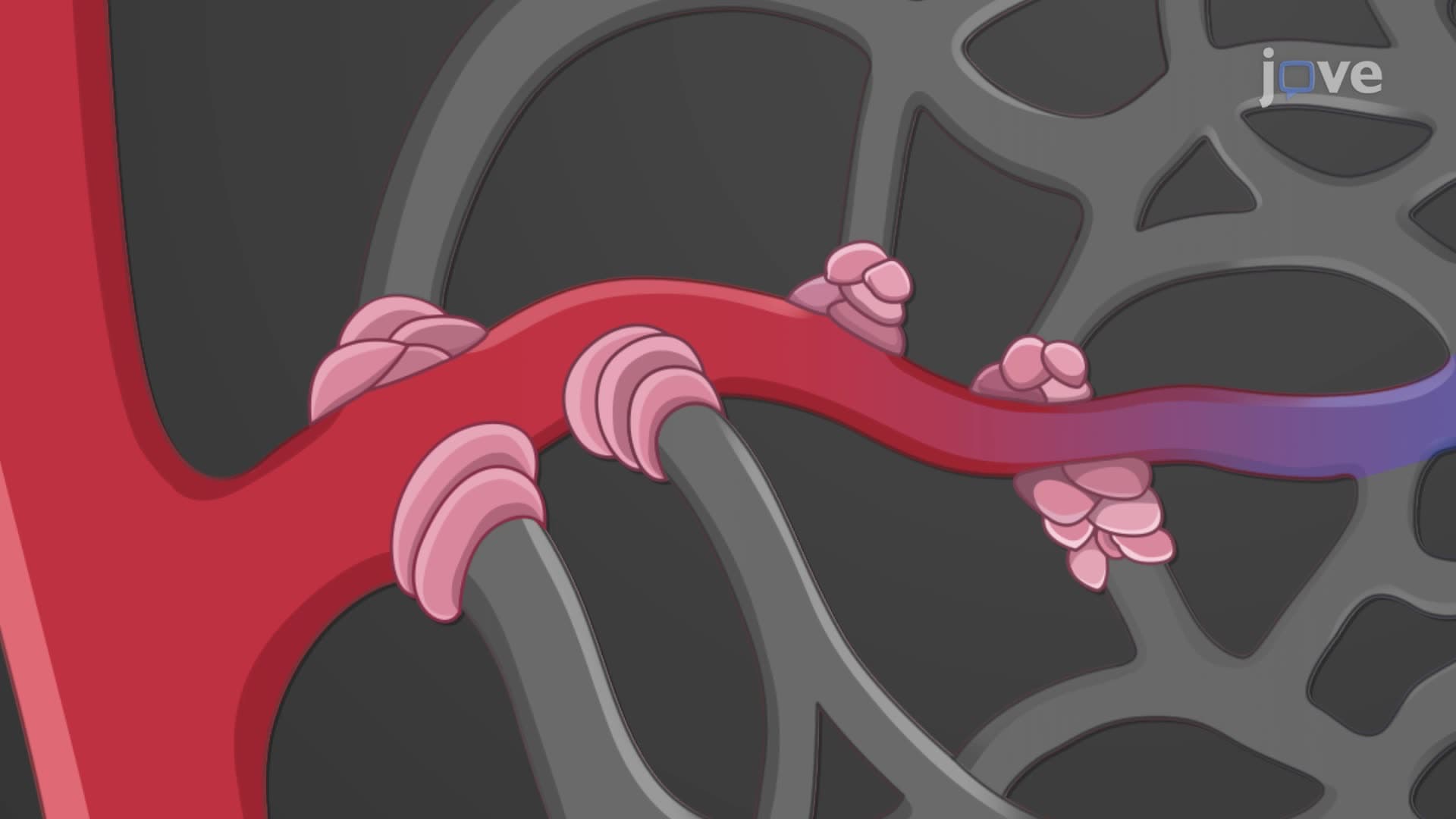
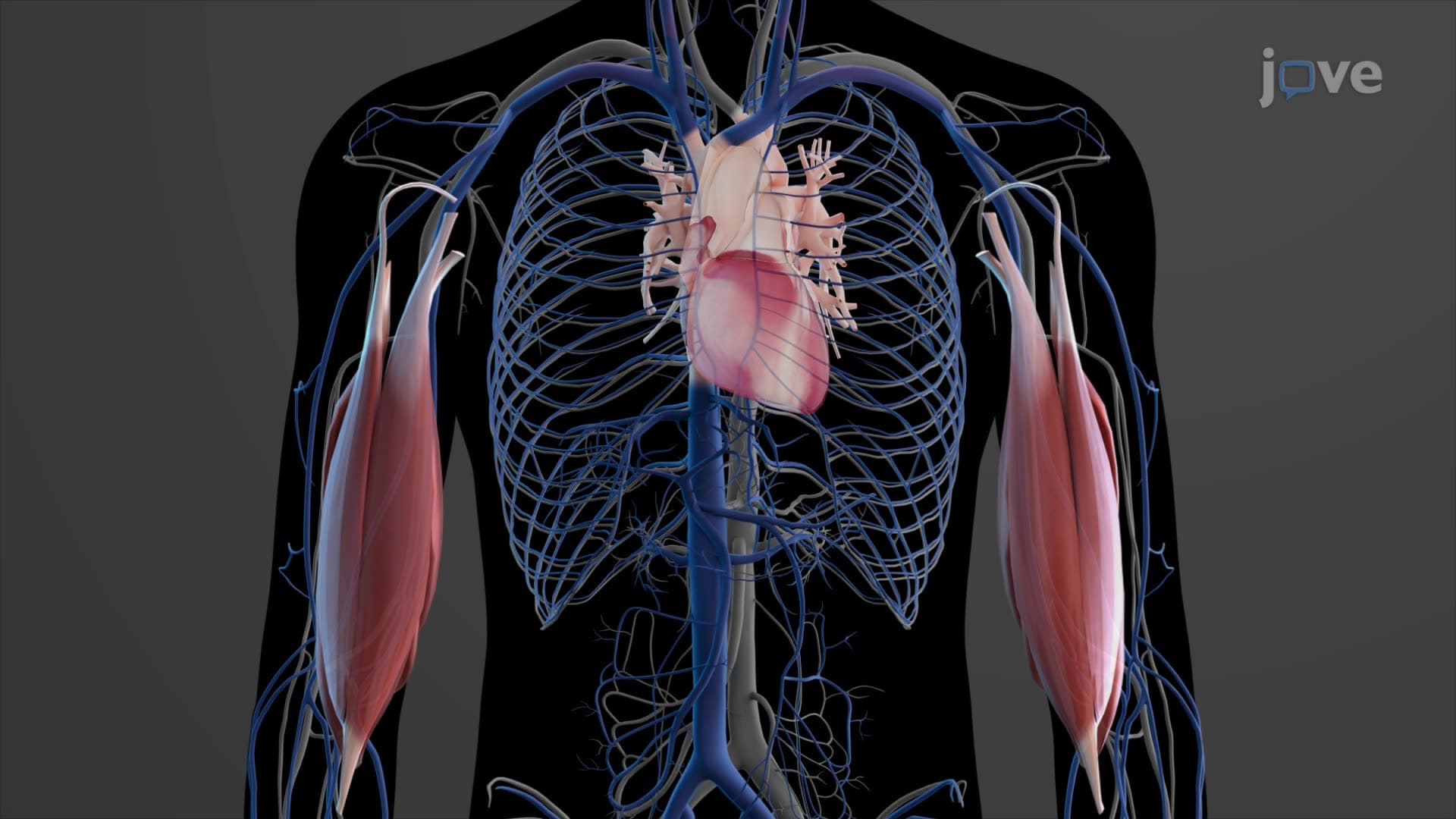
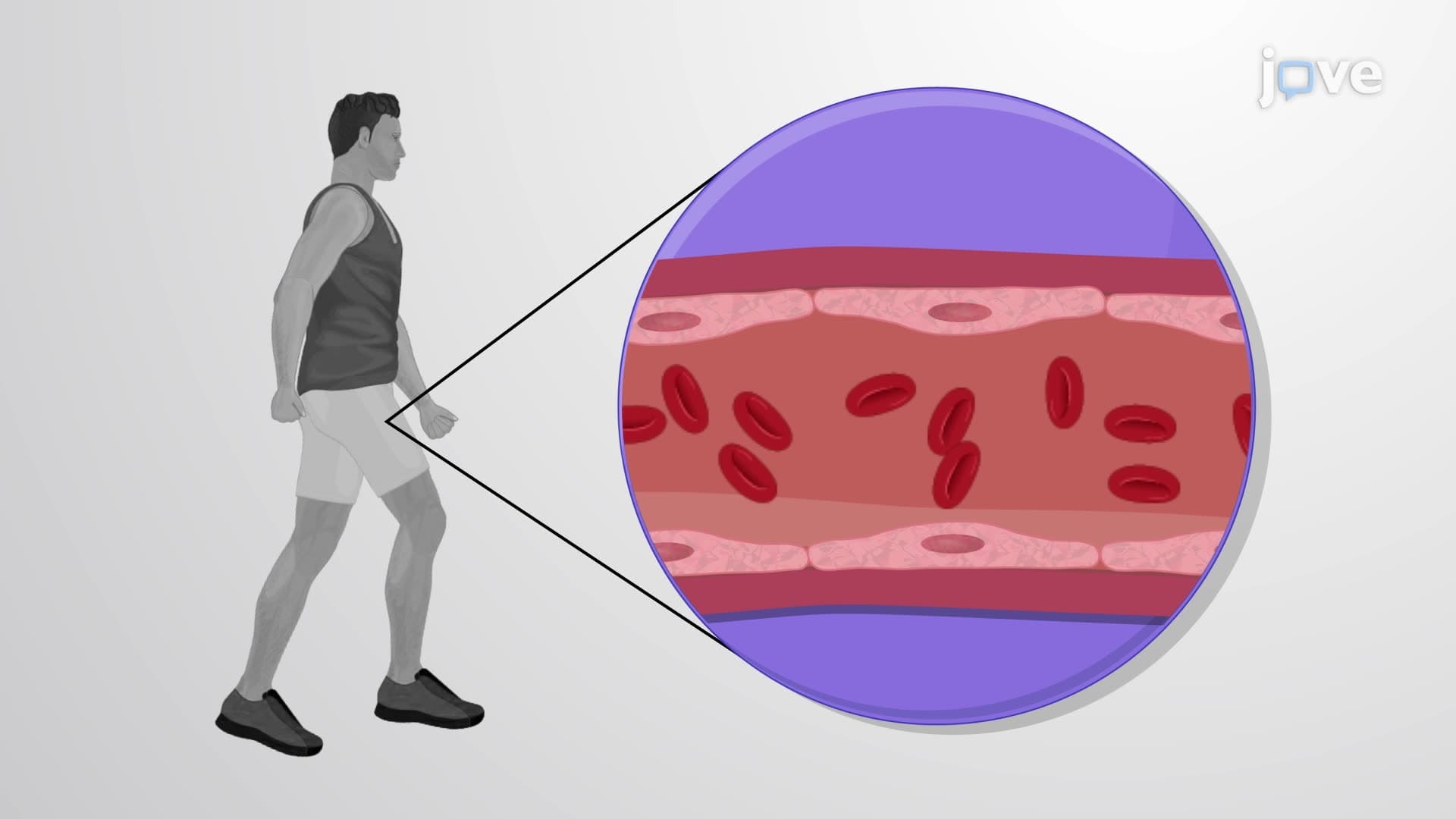
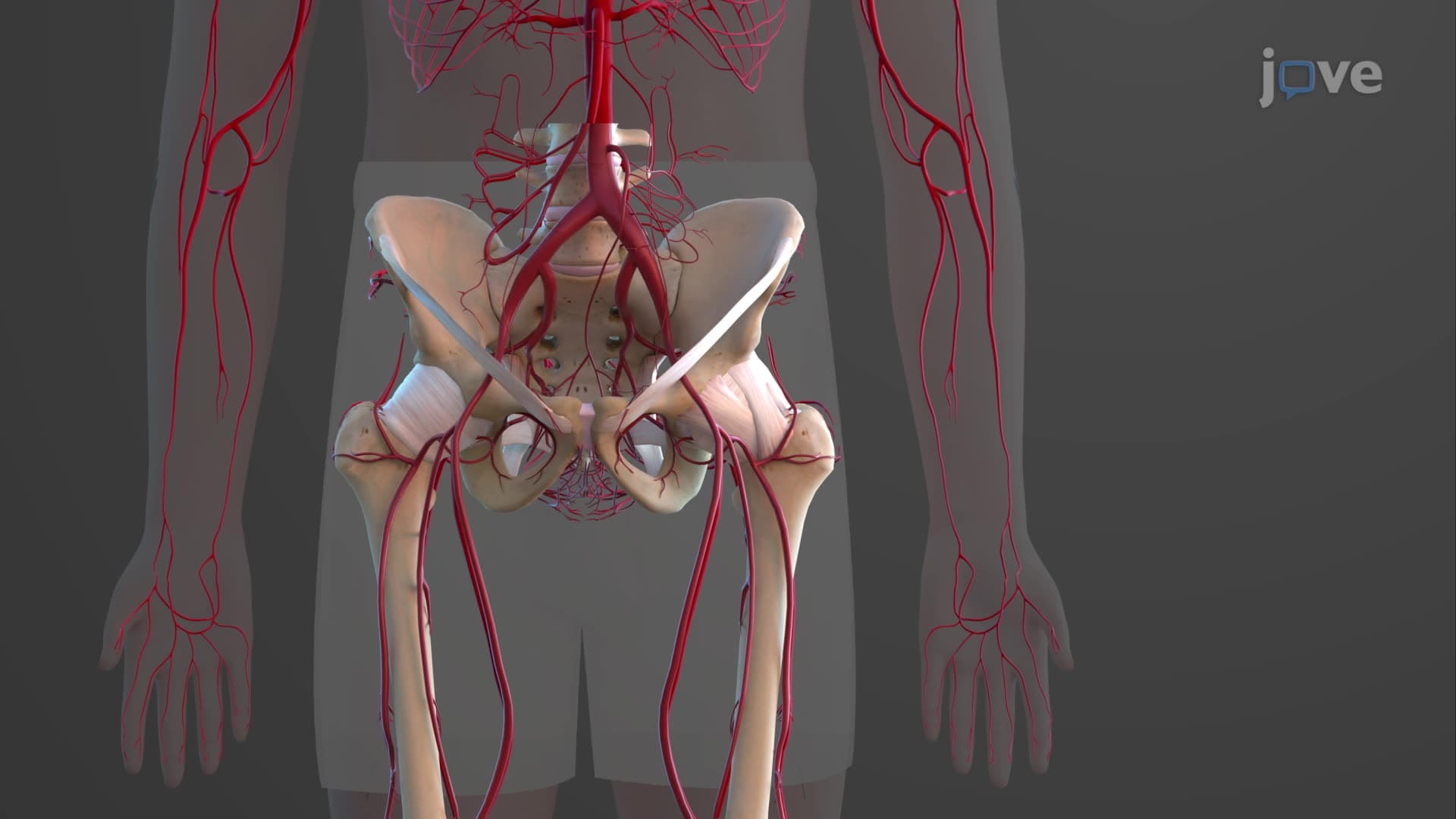
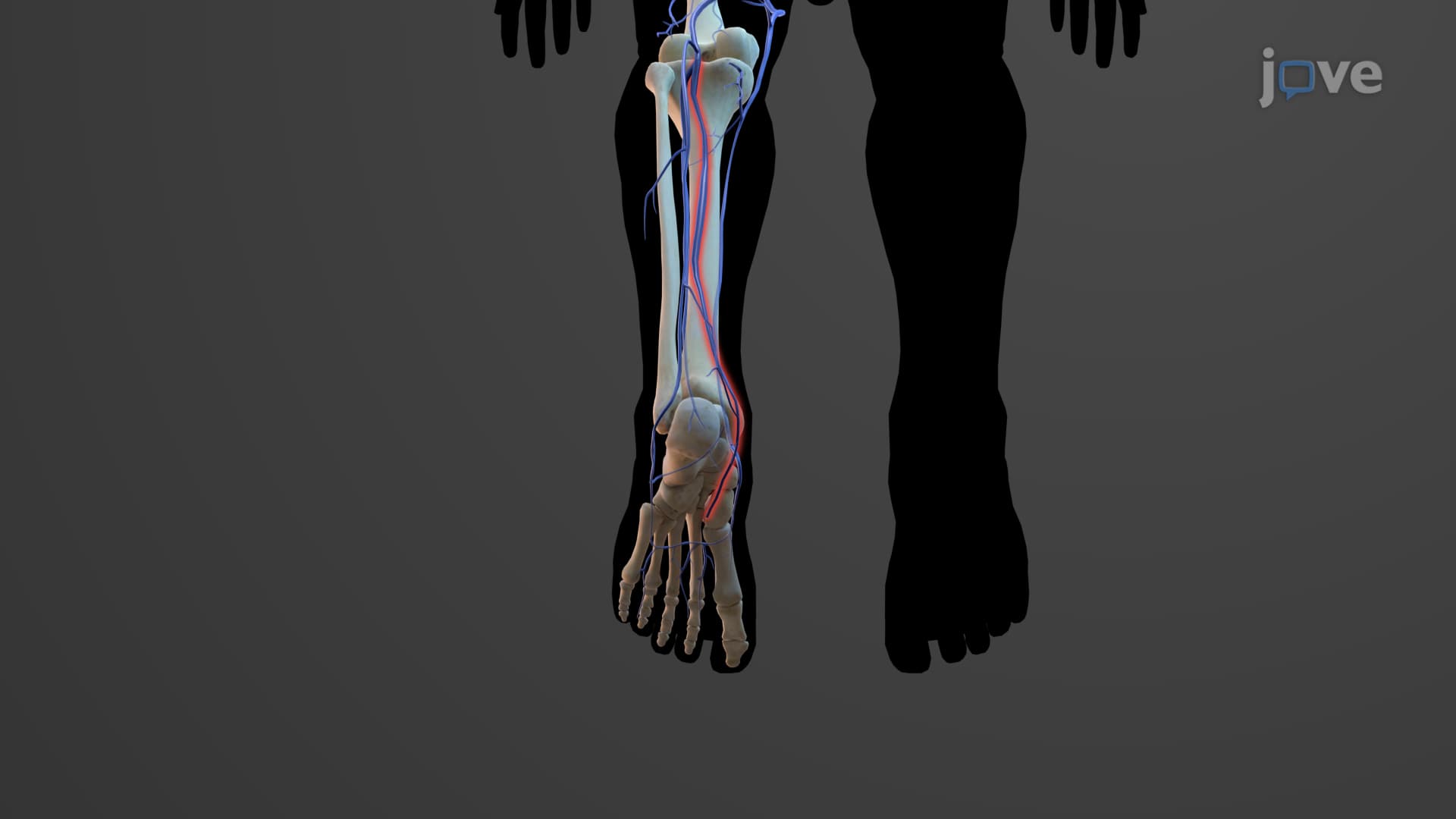
The skeletal muscle pump venous mechanism functions as a sophisticated biological pump system. When you contract your calf muscles-such as when a basketball player at Duke University jumps for a rebound-the surrounding muscles compress nearby veins, forcing blood upward through a series of one-way valves. This "milking" action becomes especially important during prolonged standing or when working against gravity.
The sequential nature of this process is remarkable: muscle contraction opens proximal valves while closing distal ones, creating a unidirectional flow pattern. During relaxation, the cycle reverses, allowing more blood to enter the compressed vessel segment. This mechanism explains why prolonged immobility, such as during long flights from New York to Los Angeles, can lead to blood pooling and increased risk of venous complications.
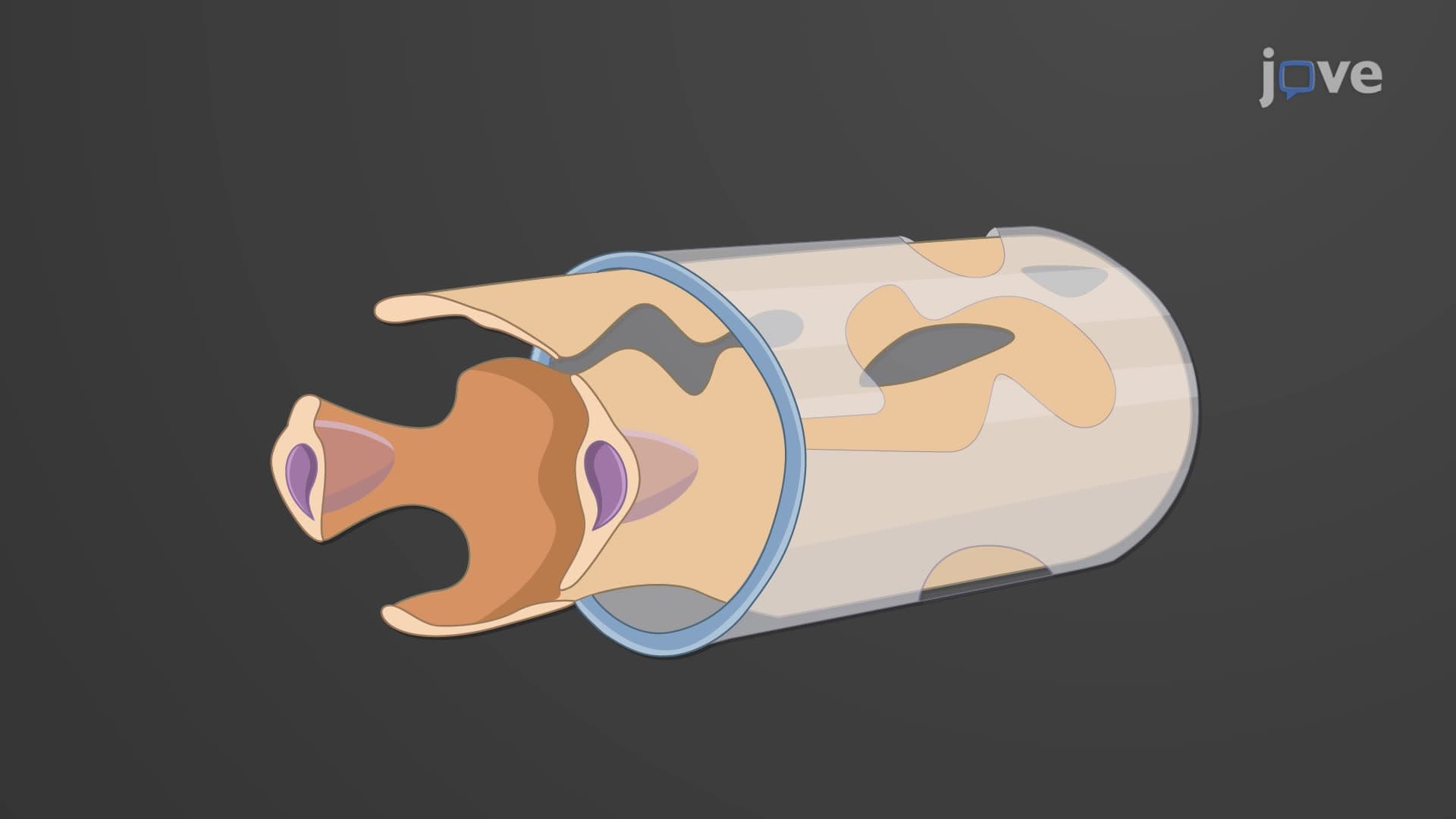
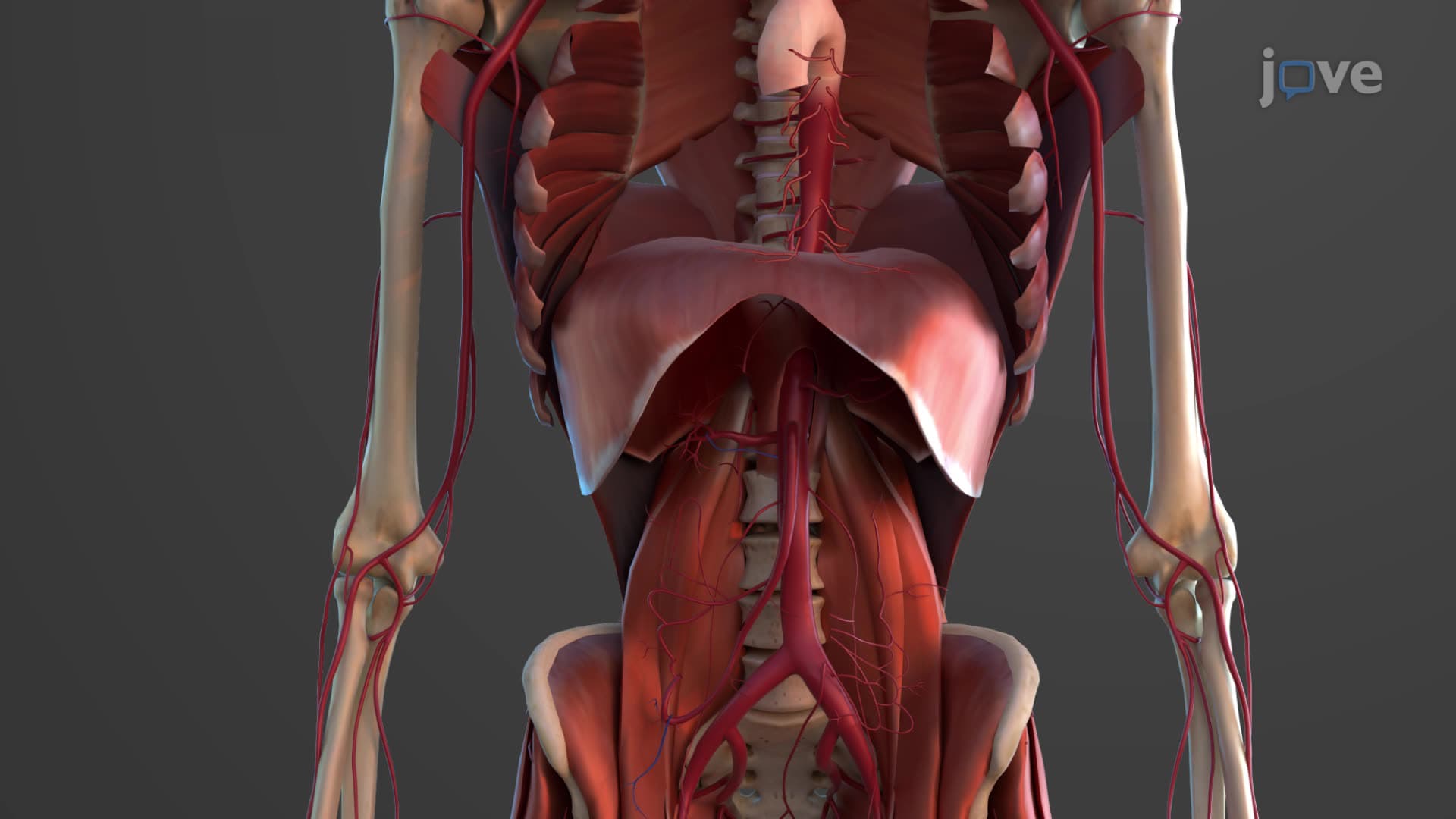
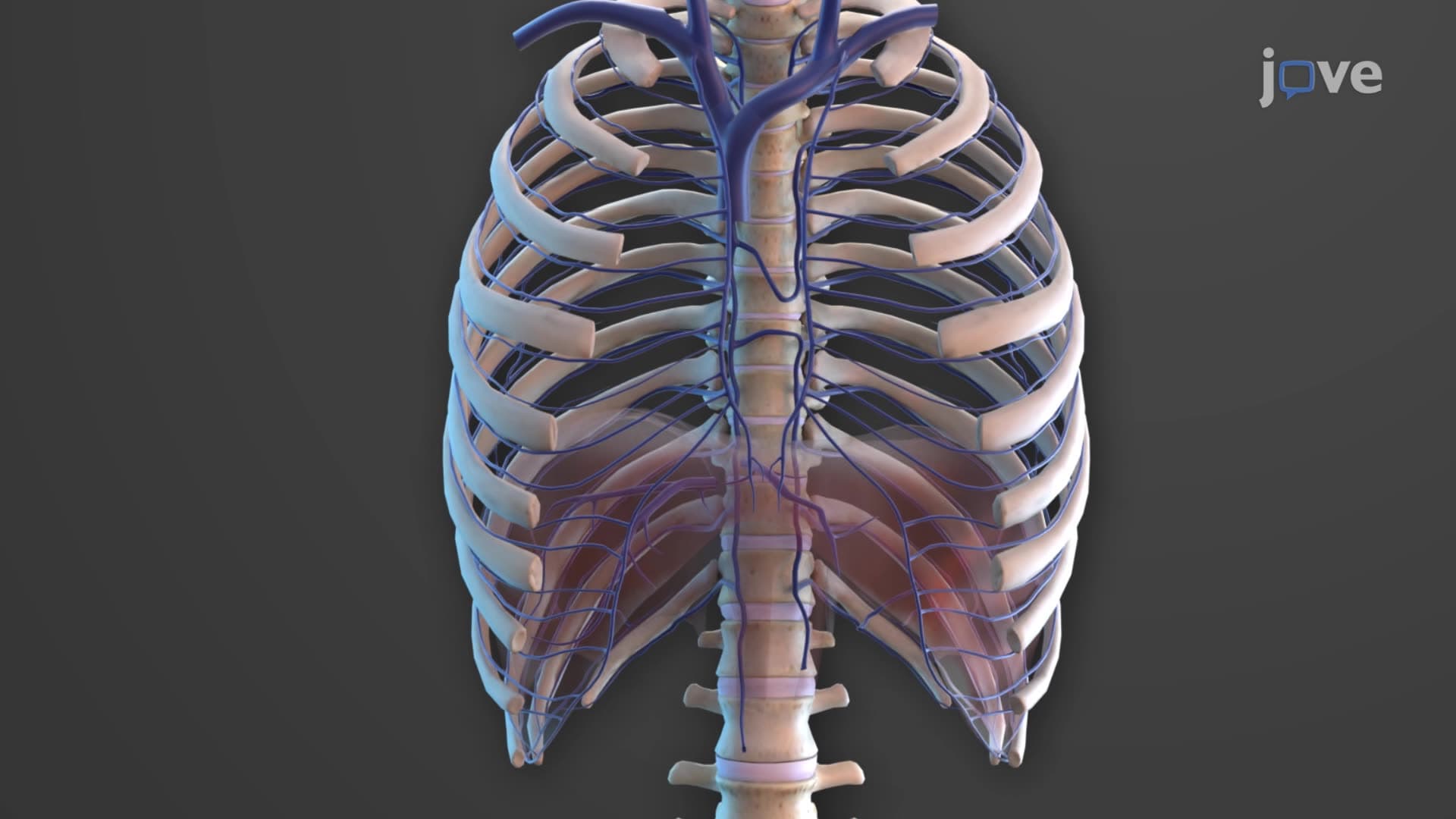
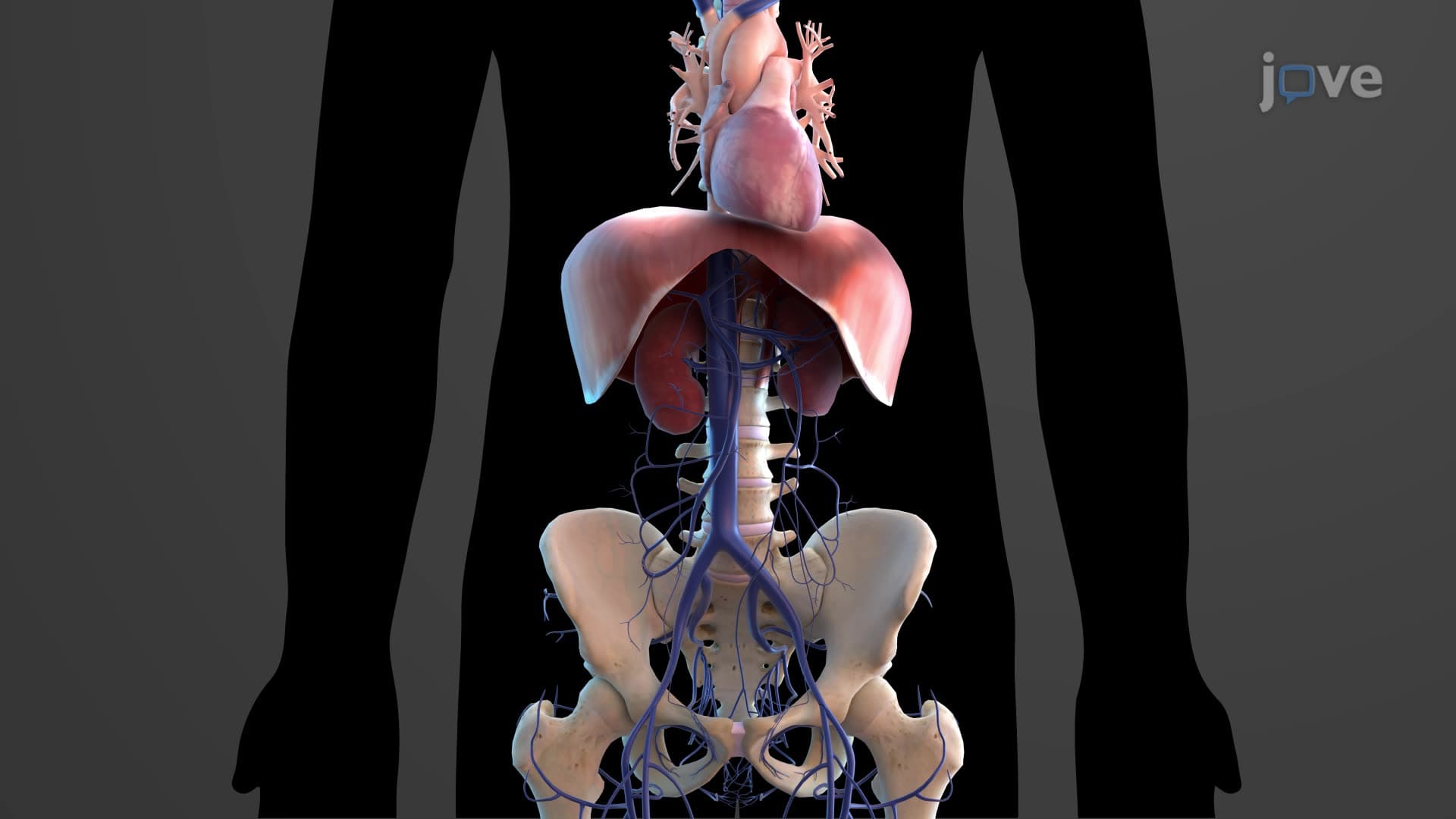
The respiratory pump venous system leverages the mechanical aspects of breathing to enhance blood return. During inspiration, the diaphragm descends, creating a pressure differential that facilitates venous flow. This mechanism becomes particularly evident during deep breathing exercises taught in physical therapy programs at institutions like the University of Southern California.
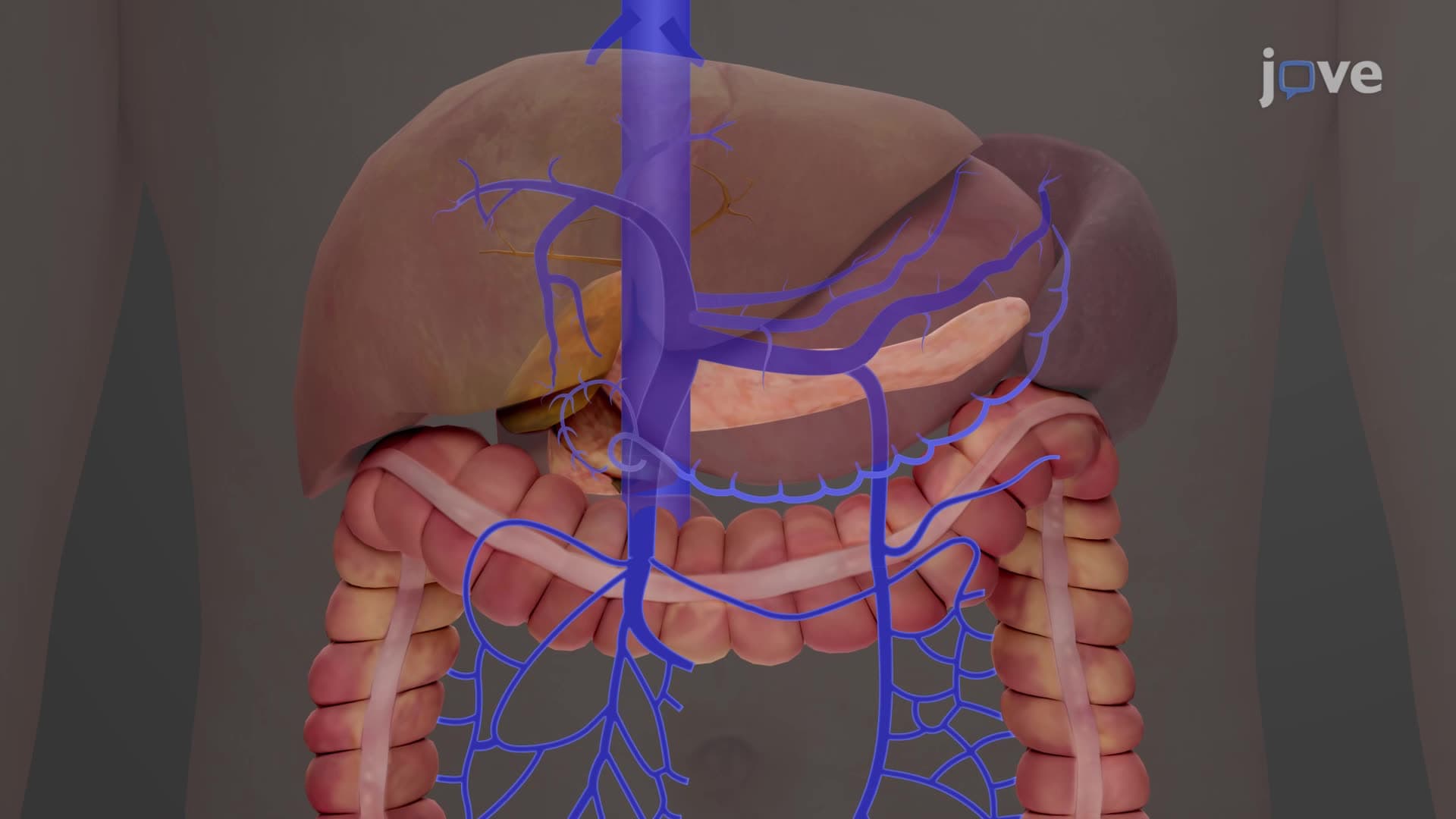
When thoracic pressure decreases during inspiration, it creates a suction effect that draws blood toward the heart. Simultaneously, increased abdominal pressure helps squeeze blood from abdominal vessels upward. This dual-pressure system explains why controlled breathing techniques can improve circulation and why respiratory distress often correlates with circulatory complications in clinical settings.
Related Micro-courses