Loading subject page…

- Biology
- Osmoregulation and Excretion
- Comparative Excretory Systems
Micro-course: Osmoregulation and Excretion
338,101 views
Learn key concepts and earn your certificate.



Comparative Excretory Systems

00:00
02:24
Video Summary: What are Comparative Excretory Systems
Ever wondered how a desert kangaroo rat survives without drinking water while a dolphin processes gallons daily? Comparative excretory systems reveal the fascinating adaptations animals use to eliminate toxic nitrogen waste while balancing water conservation and energy costs. From ammonia-excreting fish in Lake Superior to uric acid-producing roadrunners in Arizona deserts, understanding what are comparative excretory systems explains how evolution shaped these critical survival mechanisms. Watch the full video on JoVE Coach to master this concept with expert-led visuals and step-by-step explanations.
- Understand what are comparative excretory systems and how they represent evolutionary adaptations to different environments and lifestyles
- Identify the three primary forms of nitrogenous waste (ammonia, urea, uric acid) and their relative toxicity levels
- Compare energy costs and water requirements across different excretory strategies used by various animal groups
- Analyze how habitat constraints influence the evolution of specific waste elimination methods
- Evaluate the trade-offs between water conservation and metabolic energy investment in excretory processes
- Apply knowledge of excretory system variations to predict which animals use specific waste elimination strategies
- Recognize connections between reproductive strategies and nitrogenous waste removal mechanisms
- Explore how fossil evidence supports theories about excretory system evolution from aquatic to terrestrial environments
Understanding What are Comparative Excretory Systems
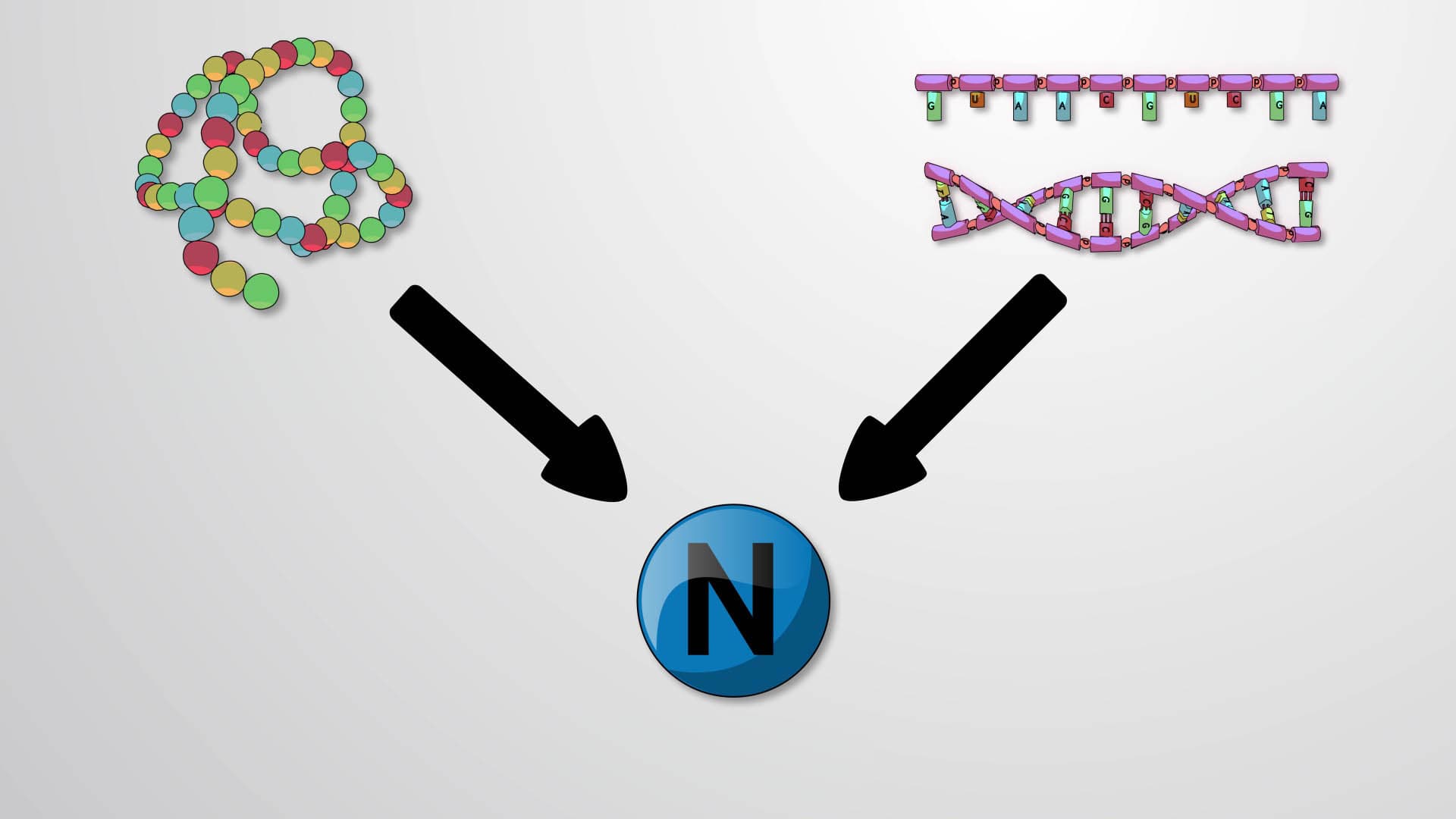
Comparative excretory systems represent one of biology's most elegant examples of form following function. These systems evolved as animals faced the universal challenge of eliminating toxic nitrogen waste from protein and nucleic acid metabolism while adapting to diverse environmental constraints. The comparative approach reveals how similar physiological problems yield dramatically different solutions across species.
Three Primary Excretory Strategies and Their Trade-offs
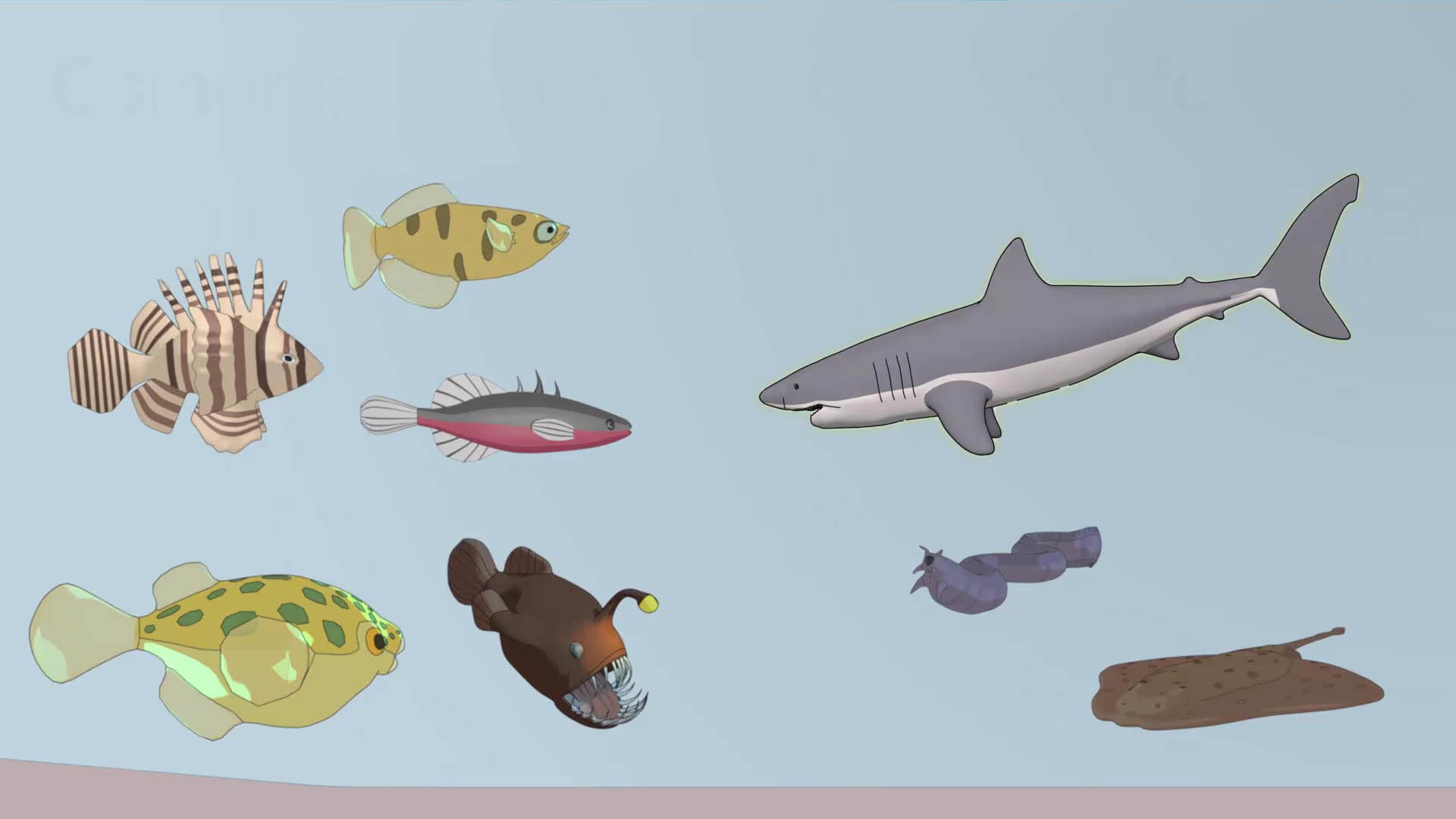
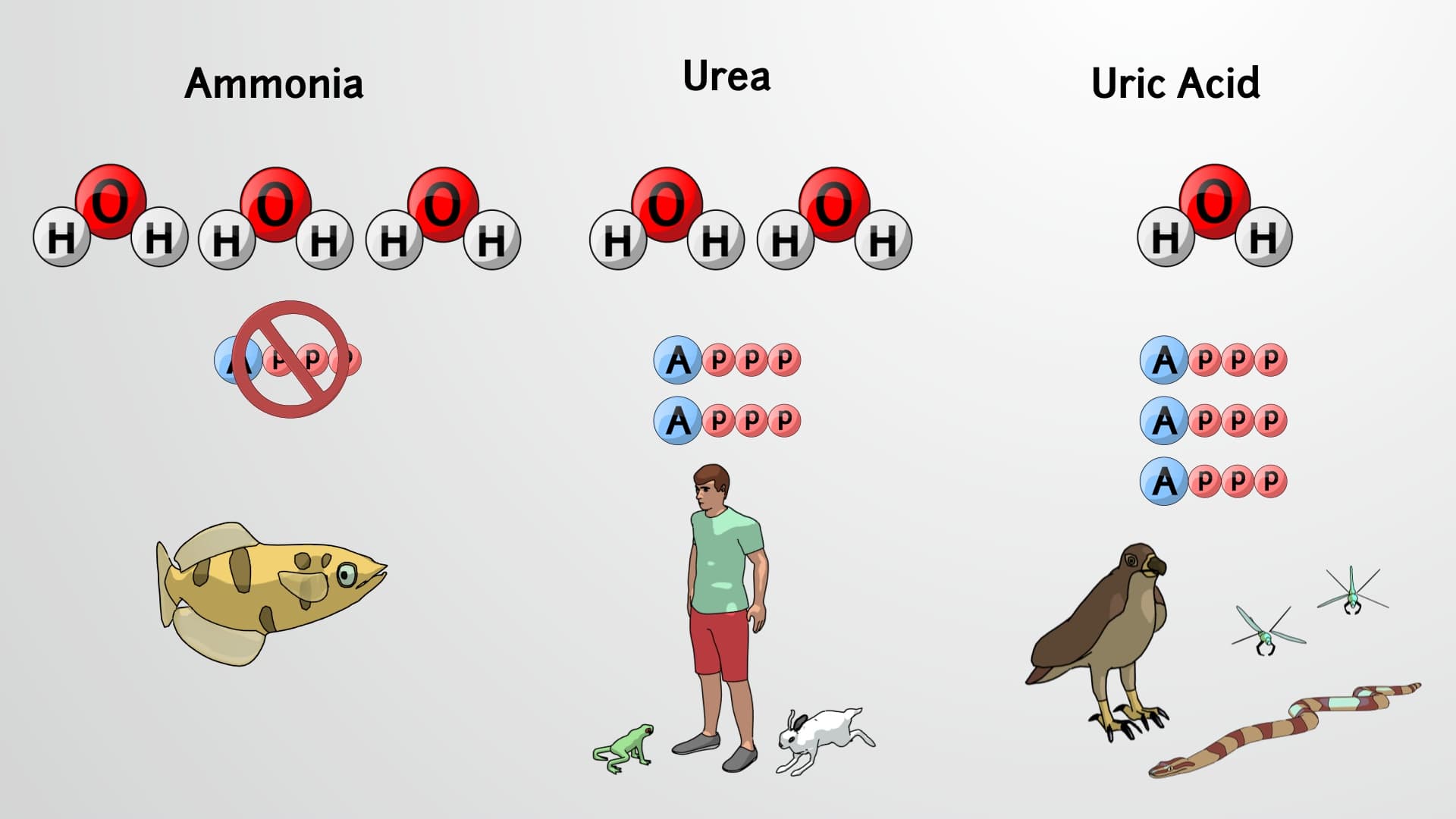
Animals employ three main strategies for nitrogen waste elimination, each representing different evolutionary compromises. Ammonia excretion requires minimal energy investment but demands abundant water for dilution due to ammonia's extreme toxicity. Fish in the Great Lakes exemplify this strategy, releasing ammonia directly through their gills into surrounding water. Urea production requires moderate energy expenditure but significantly reduces water loss, making it ideal for mammals like white-tailed deer that must balance hydration with terrestrial mobility. Uric acid synthesis demands the highest energy investment but enables maximum water conservation, perfectly suiting desert animals like Arizona's Gila monsters.
Environmental Pressures Shaping Excretory Evolution
The transition from aquatic to terrestrial environments drove major excretory innovations. Early vertebrates inherited ammonia-based systems from their aquatic ancestors, but terrestrial colonization demanded water-conserving alternatives. This evolutionary pressure explains why reptiles and birds independently evolved uric acid pathways, enabling species like roadrunners to thrive in southwestern US deserts where water sources remain scarce for months.
Reproductive Constraints and Excretory Adaptations
Reproductive strategies create additional excretory challenges that shaped comparative systems. Mammalian placental development favors urea because this water-soluble compound easily crosses placental barriers, allowing fetal waste elimination through maternal circulation. Conversely, birds and reptiles produce uric acid because embryos develop within impermeable eggshells-urea would accumulate to toxic levels, while solid uric acid forms harmless crystalline deposits.
This topic frequently appears on AP Biology exams, particularly in questions comparing vertebrate adaptations to environmental challenges. MCAT passages often test understanding of energy-water trade-offs in physiological systems, making comparative excretory systems essential knowledge for pre-medical students.
Frequently Asked Questions
Comparative excretory systems are the diverse evolutionary solutions animals developed to eliminate toxic nitrogen waste while balancing water conservation and energy costs. Different species evolved distinct strategies based on their environmental constraints, water availability, and reproductive needs, resulting in ammonia, urea, or uric acid as primary waste products.
AP Biology frequently tests comparative excretory systems through questions about evolutionary adaptations and physiological trade-offs. Students encounter scenarios comparing desert versus aquatic animals, or analyzing data about energy costs and water requirements across different excretory strategies, often worth 4-6 points on free-response questions.
MCAT passages commonly feature comparative excretory systems within broader questions about homeostasis and evolutionary adaptation. These questions test your ability to analyze physiological trade-offs and predict which excretory strategy different organisms would employ based on environmental pressures and metabolic constraints.
US wildlife perfectly demonstrates comparative excretory systems principles across diverse habitats. Great Blue Herons excrete uric acid to conserve water during long flights, while brook trout release ammonia directly into streams, and black bears produce urea to balance their terrestrial lifestyle with seasonal water availability changes.
Understanding comparative excretory systems requires only basic chemistry concepts about molecular toxicity and solubility. The focus remains on biological adaptations and evolutionary trade-offs rather than complex biochemical pathways, making this topic accessible to students with introductory chemistry background.
Create comparison charts organizing animals by habitat, excretory product, energy cost, and water requirements. Focus on understanding the evolutionary logic behind each strategy rather than memorizing isolated facts, and practice explaining why specific animals evolved particular excretory adaptations.
Build on comparative excretory systems by studying osmoregulation, kidney structure across vertebrates, and broader comparative physiology topics. These concepts interconnect to reveal how animals maintain homeostasis across diverse environments, preparing you for advanced courses in animal physiology and evolutionary biology.
Related Micro-courses