Loading subject page…


338,101 views

Video Summary: What Is Filtration and Urine Formation
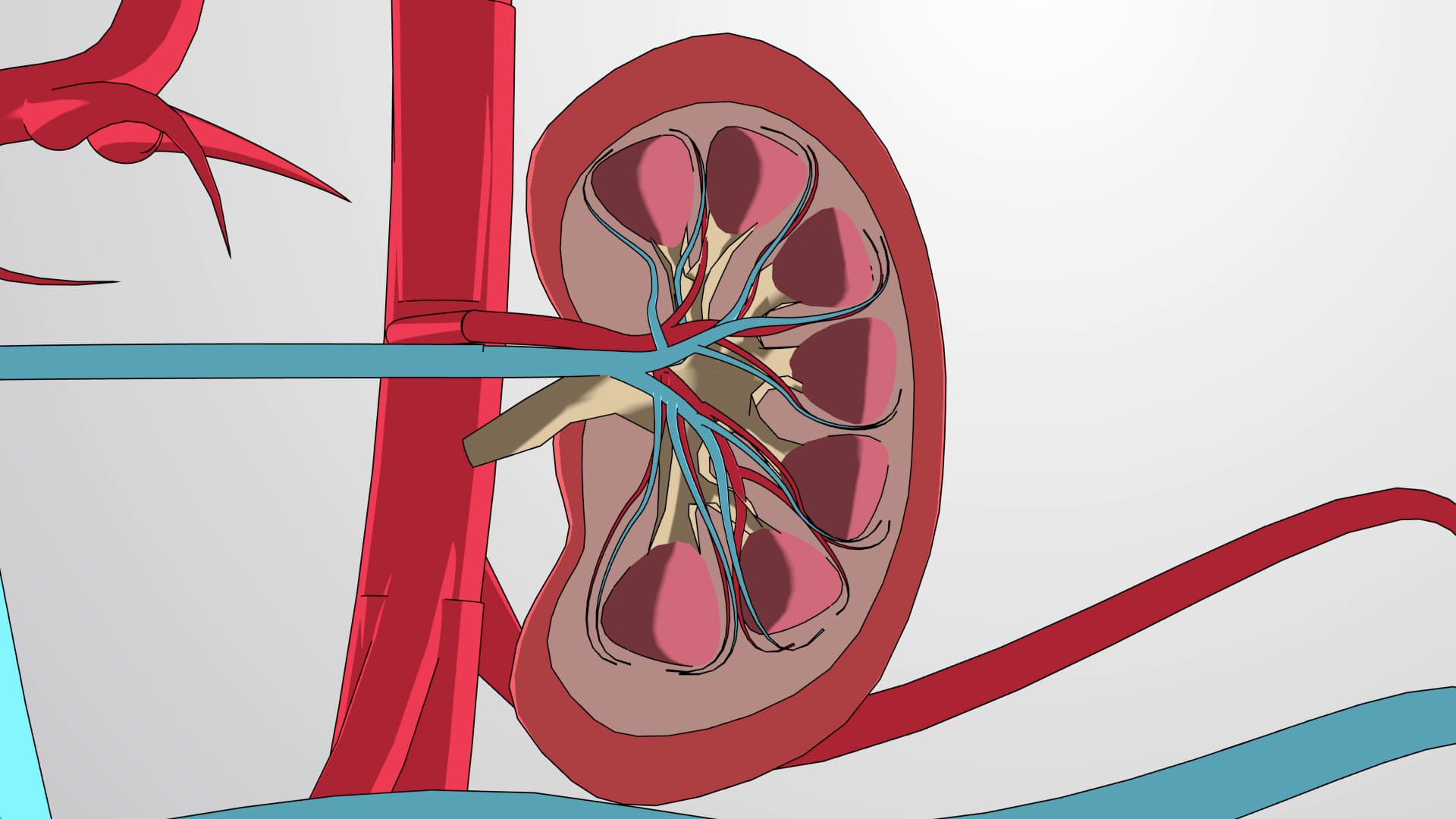
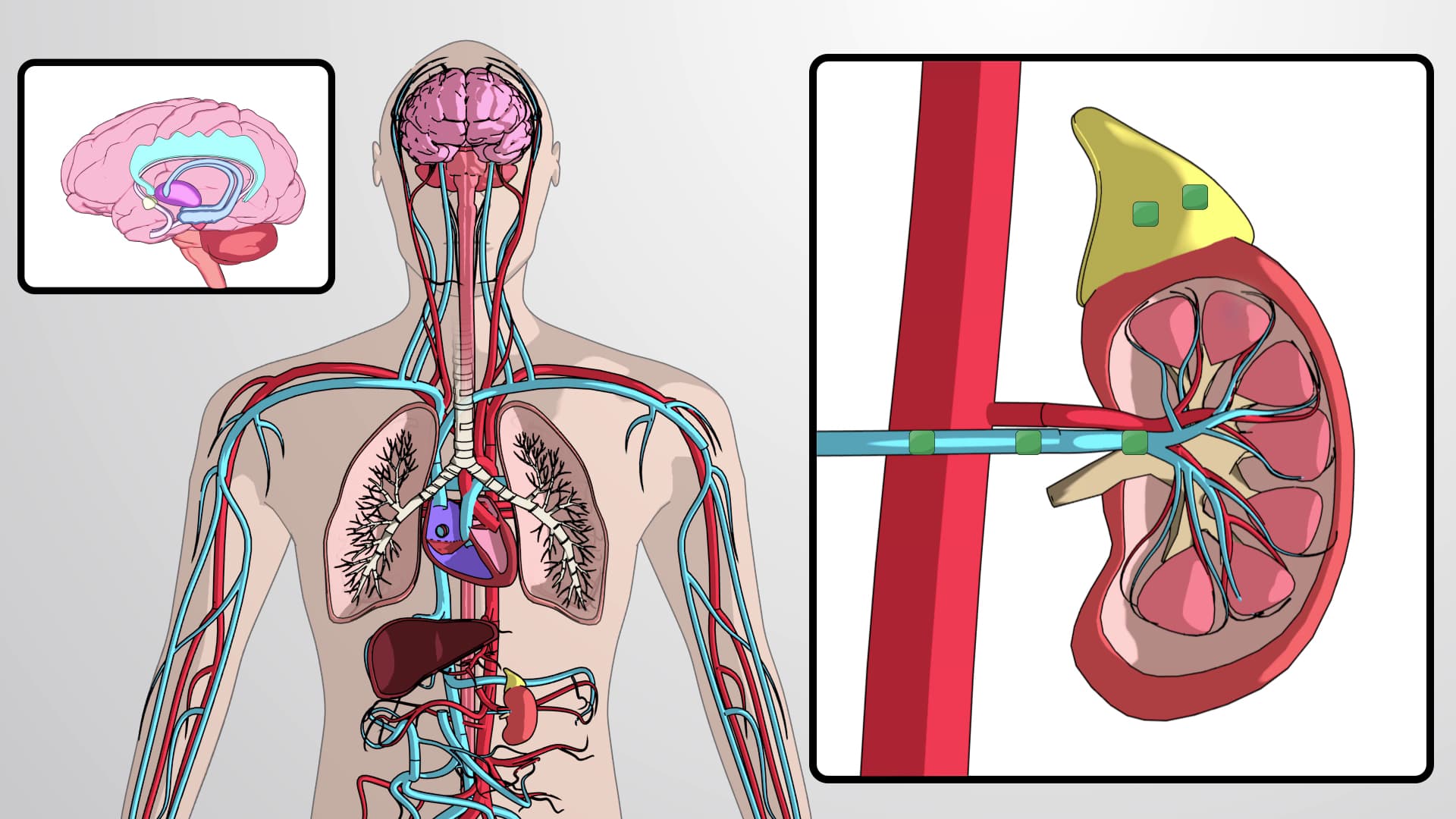
Your kidneys process approximately 180 liters of blood daily-equivalent to filling nearly 48 standard water bottles! This remarkable filtration urine formation process occurs through a sophisticated multi-step mechanism within nephrons, the kidney's functional units. Consider how patients with kidney disease at Johns Hopkins require dialysis to replicate this natural filtration system. What is Filtration And Urine Formation involves three critical phases: glomerular filtration, tubular reabsorption, and secretion, working together to maintain your body's chemical balance. Watch the full video on JoVE Coach to master this concept with expert-led visuals and step-by-step explanations.
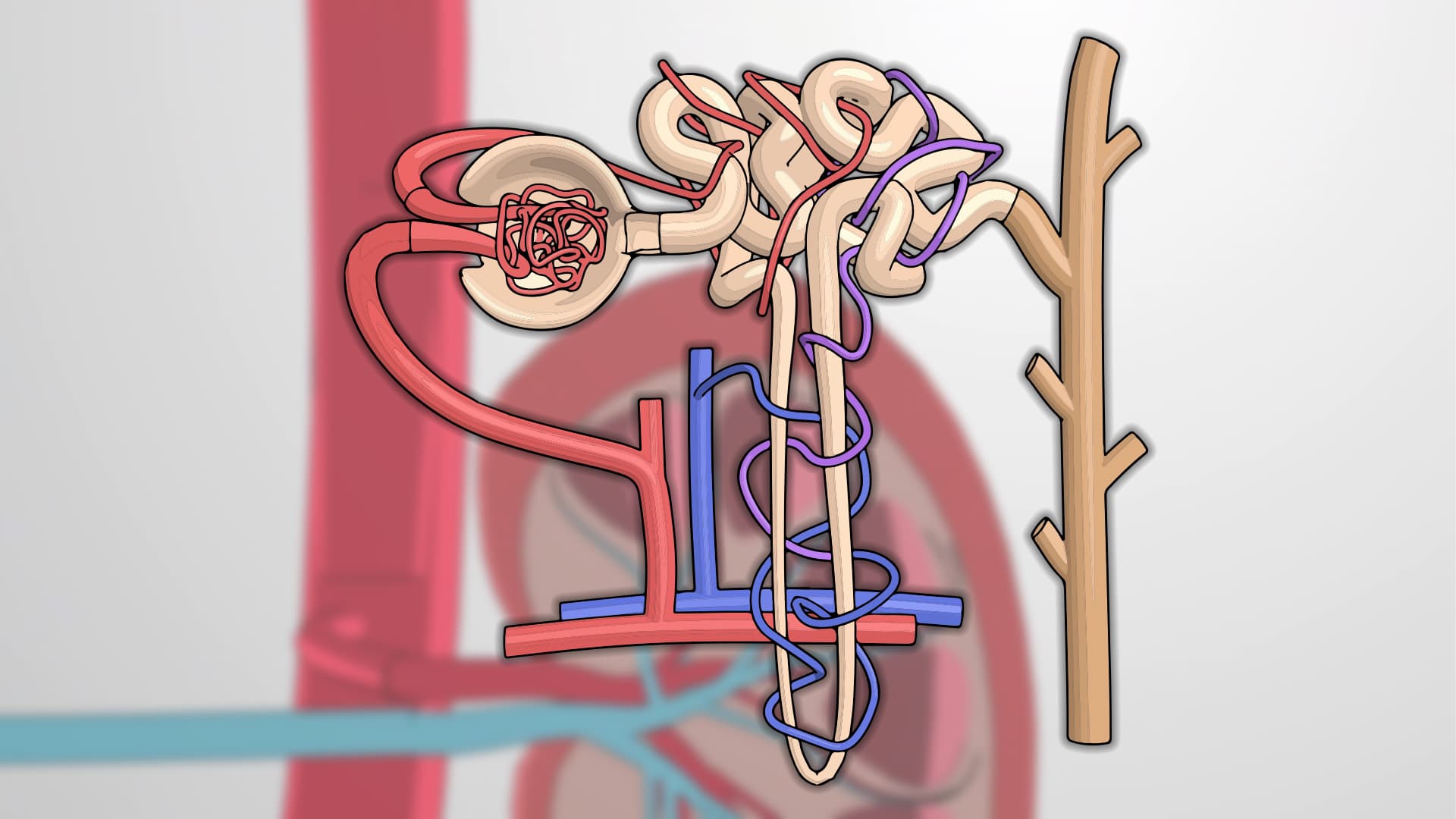
Filtration and urine formation represents one of biology's most elegant purification systems, where your kidneys continuously clean your blood while maintaining precise chemical balance. This process occurs within approximately 1 million nephrons per kidney, each functioning as a microscopic filtration unit capable of selective retention and elimination.
The filtration urine formation process begins in the renal corpuscle, where blood pressure forces plasma through the glomerular filtration barrier. This barrier consists of three layers: fenestrated capillary endothelium, basement membrane, and podocyte foot processes. The filtration rate averages 120-130 mL/minute in healthy adults, meaning your entire blood volume passes through kidney filtration roughly every 30 minutes.
Students preparing for the MCAT or AP Biology exams should understand that this process is non-selective for small molecules-glucose, amino acids, electrolytes, and waste products all initially pass through. The filtration pressure depends on three forces: glomerular hydrostatic pressure (favoring filtration), plasma colloid osmotic pressure, and capsular hydrostatic pressure (both opposing filtration).
The filtration and urine formation definition explained must include tubular reabsorption, where 99% of filtered water and valuable solutes return to circulation. In the proximal convoluted tubule, sodium-glucose transporters actively reabsorb all filtered glucose under normal conditions. This mechanism explains why glucose appears in urine only when blood glucose exceeds the renal threshold (approximately 180 mg/dL), a key concept in understanding diabetes mellitus.
The loop of Henle creates a concentration gradient through the countercurrent multiplier system. The descending limb's aquaporin-2 channels allow water reabsorption, while the ascending limb actively transports sodium and chloride without water permeability. This creates the medullary osmotic gradient essential for concentrating urine.
The distal convoluted tubule and collecting duct fine-tune electrolyte balance through hormonally regulated processes. Aldosterone increases sodium reabsorption and potassium secretion, while antidiuretic hormone (ADH) controls water reabsorption in the collecting duct. Para-aminohippuric acid (PAH) clearance studies, commonly referenced in renal physiology courses, demonstrate active secretion capabilities.
Understanding these mechanisms proves crucial for healthcare students taking the NCLEX or HESI A2, particularly when learning about diuretic medications and their sites of action within the nephron.
Related Micro-courses