Loading subject page…


338,101 views

Video Summary: What Is Hormonal Regulation
Ever wondered how your body maintains perfect blood pressure during a basketball game or while climbing stairs? Hormonal regulation orchestrates this complex process through chemical messengers that coordinate organ function. Consider how patients with hypertension rely on ACE inhibitors-medications that target the exact hormonal pathways discussed here. Understanding what is hormonal regulation reveals how your kidneys, liver, lungs, and brain work together in a sophisticated feedback loop to maintain homeostasis. Watch the full video on JoVE Coach to master this concept with expert-led visuals and step-by-step explanations.
Hormonal regulation represents one of biology's most elegant control systems, where chemical messengers coordinate complex physiological processes across multiple organs. This concept is fundamental to understanding how your body maintains homeostasis, particularly in blood pressure management through the renin-angiotensin-aldosterone system (RAAS).
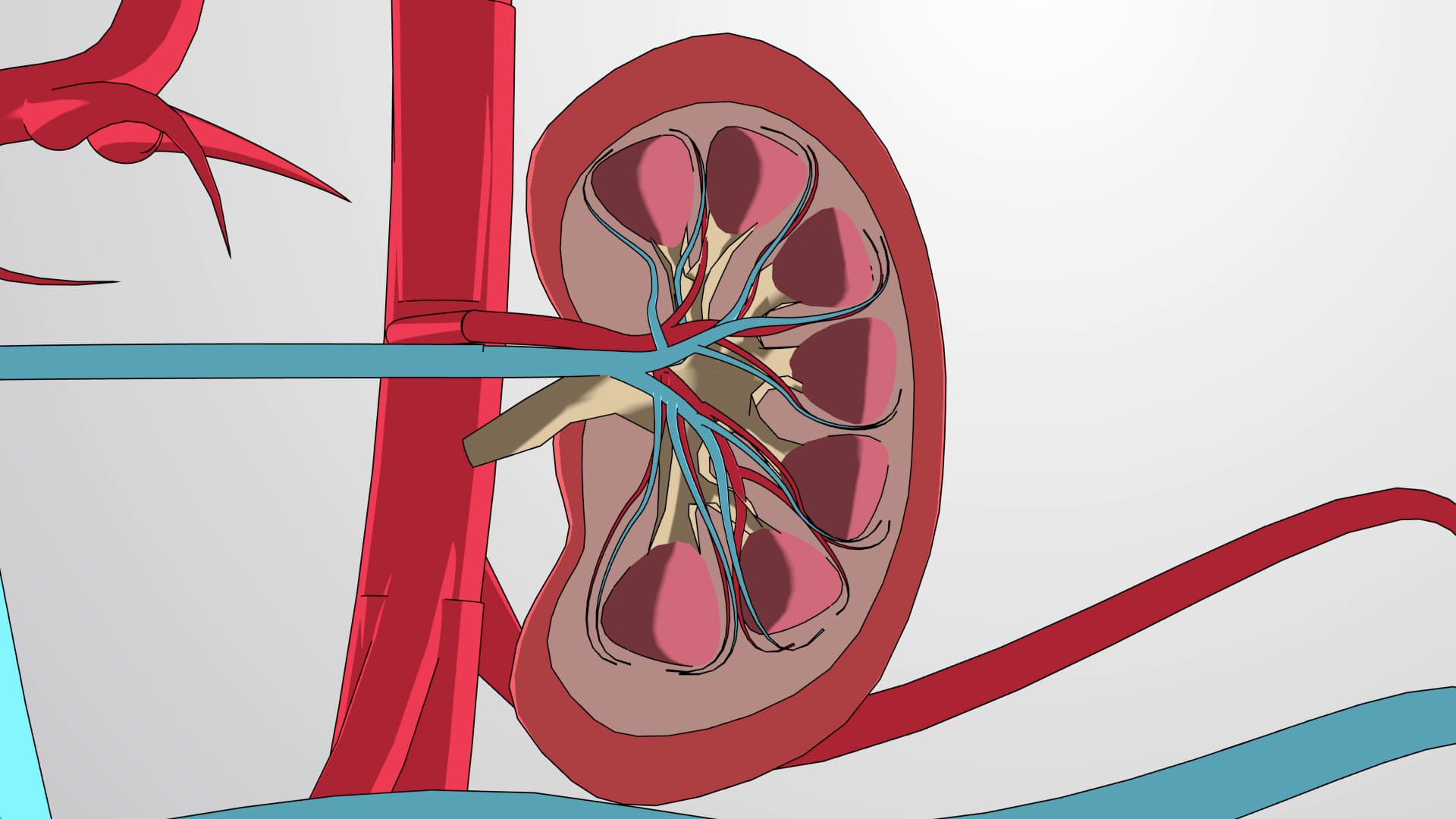
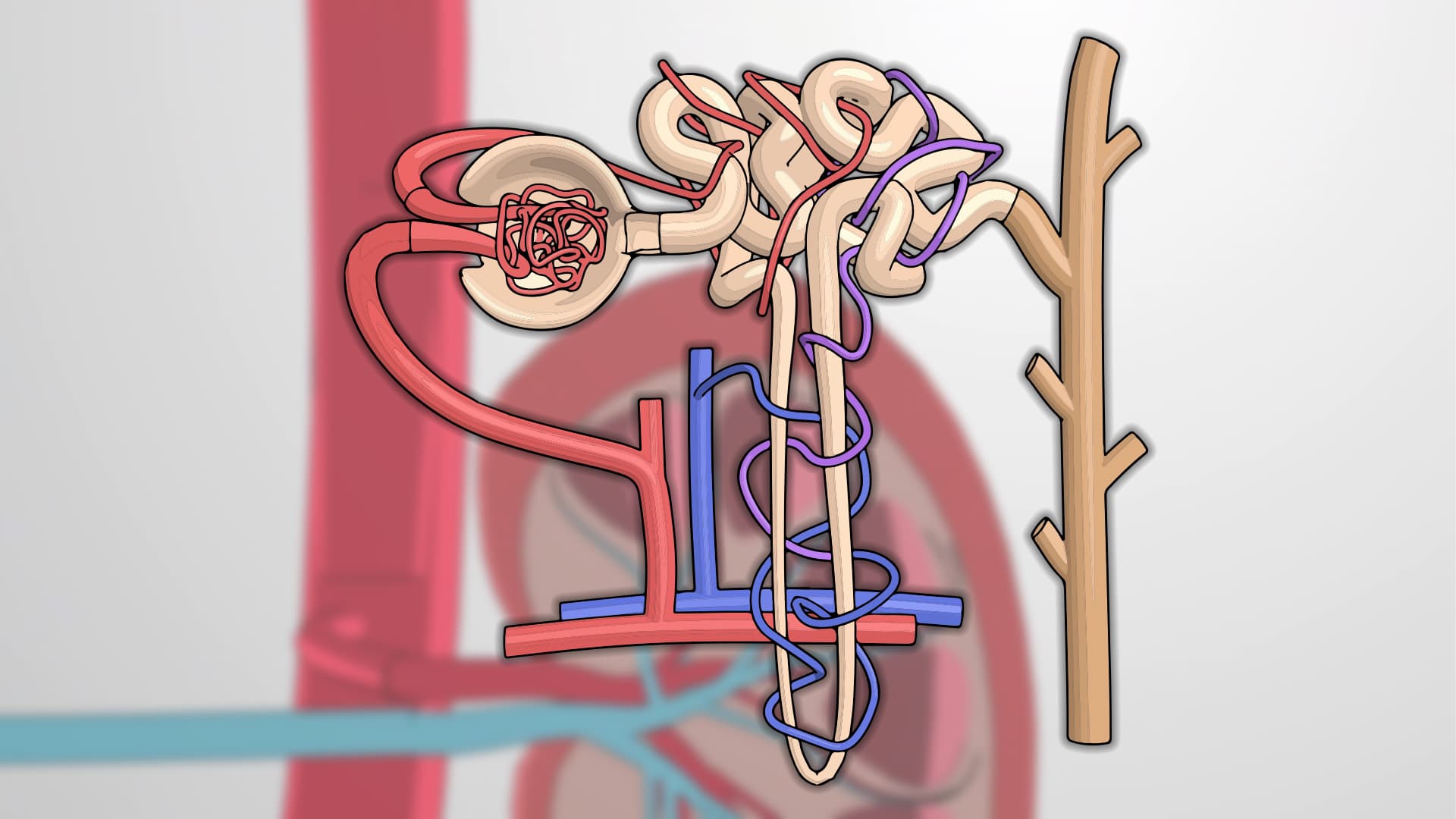
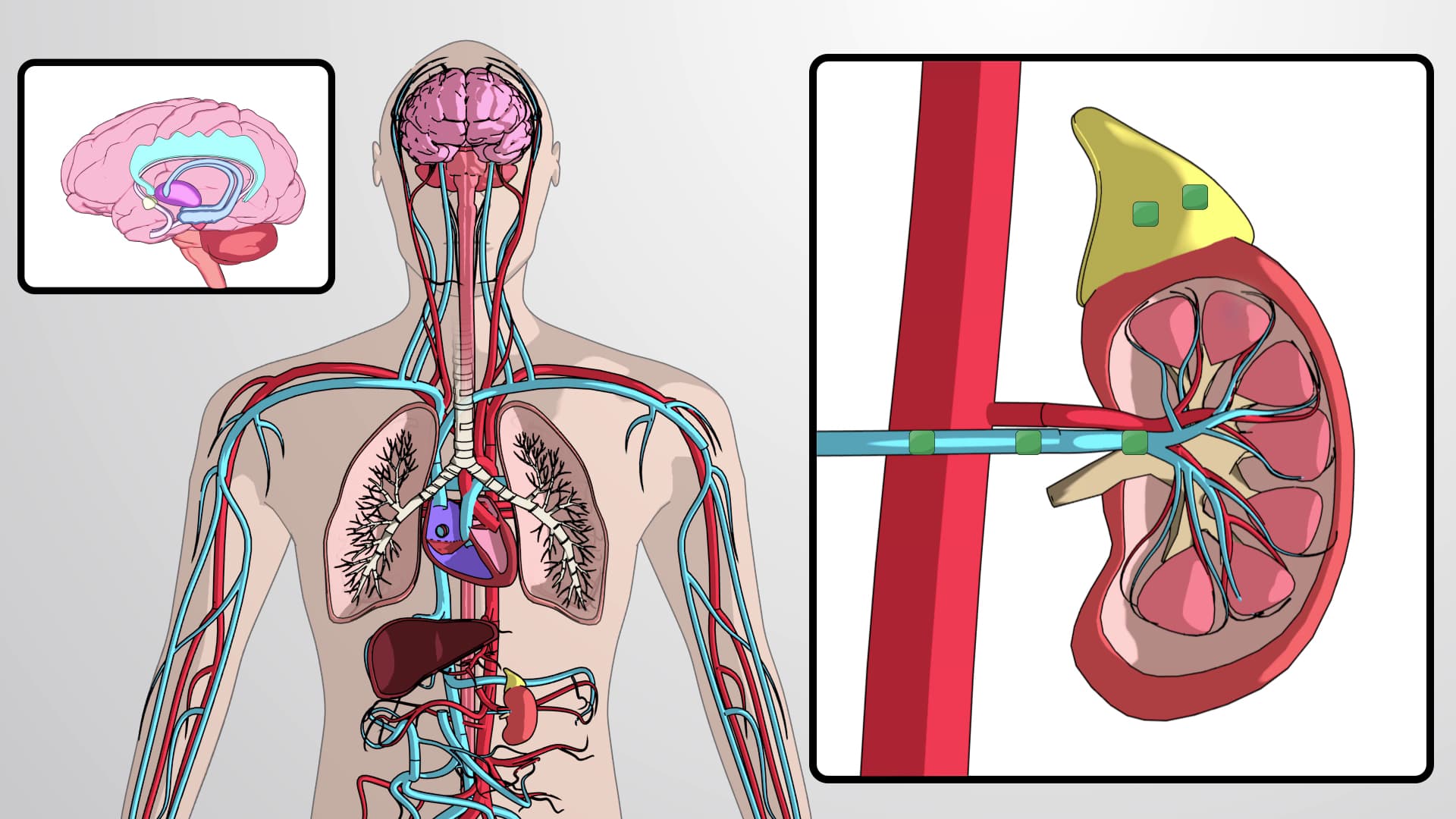
The hormonal regulation definition explained becomes clearer when examining RAAS as a sequential cascade. When blood pressure drops-perhaps during dehydration or blood loss-juxtaglomerular cells in the kidneys act as pressure sensors. These specialized cells release renin, initiating a chain reaction that spans four organ systems.
Renin converts liver-produced angiotensinogen into angiotensin I, which then travels to the lungs where angiotensin-converting enzyme (ACE) transforms it into the powerful angiotensin II. This demonstrates how hormonal regulation requires precise molecular interactions across distant organs-a concept frequently tested on AP Biology and college physiology exams.
Understanding this hormonal regulation overview has direct medical relevance. ACE inhibitors like lisinopril, prescribed to millions of Americans with hypertension, work by blocking the conversion of angiotensin I to angiotensin II. This therapeutic approach exemplifies how comprehending basic hormonal pathways translates into life-saving treatments.
The dual action of angiotensin II-vasoconstriction for immediate blood pressure elevation and aldosterone stimulation for long-term volume regulation-illustrates the sophistication of hormonal control mechanisms. This concept frequently appears on MCAT passages and college physiology exams, where students must trace cause-and-effect relationships through complex biological systems.
This hormonal regulation study guide concept connects to numerous other biological principles. The negative feedback loop established by RAAS demonstrates homeostatic control, while the multi-organ coordination showcases system-level integration. Students preparing for standardized tests should note how hormonal regulation intersects with topics like kidney physiology, cardiovascular function, and endocrine system coordination-making it a high-yield topic for comprehensive biology assessments.
Related Micro-courses