Loading subject page…

- Biology
- Osmoregulation and Excretion
- What Are Osmoregulation and Excretion?
Micro-course: Osmoregulation and Excretion
338,101 views
Learn key concepts and earn your certificate.



What Are Osmoregulation and Excretion?

00:00
02:12
Video Summary: What Is Osmoregulation and Excretion Explained
Did you know that without proper osmoregulation excretion processes, humans would die within days from toxic nitrogen buildup? Your kidneys filter an astounding 180 liters of blood daily, demonstrating the critical nature of What is Osmoregulation And Excretion Explained in maintaining life. From desert animals like kangaroo rats conserving every drop of water to marine fish actively pumping out excess salt, these biological processes showcase nature's remarkable adaptation strategies. Watch the full video on JoVE Coach to master this concept with expert-led visuals and step-by-step explanations.
- Understand What is Osmoregulation And Excretion Explained as interconnected processes that maintain cellular homeostasis and remove toxic waste products
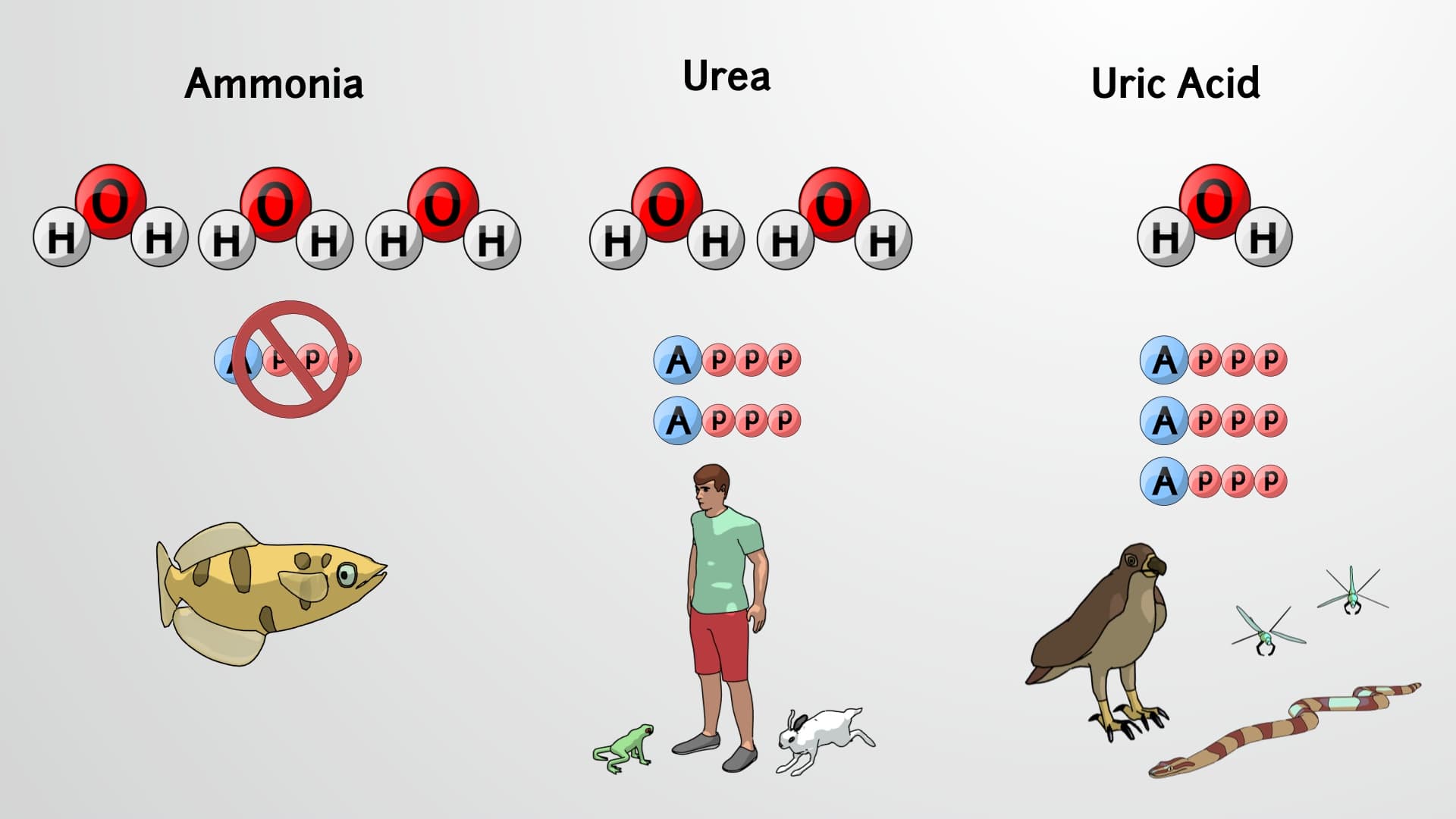
- Identify the three major nitrogenous waste forms (ammonia, urea, uric acid) and explain why different organisms use different excretory strategies
- Analyze the difference between osmoconformers and osmoregulators, comparing their energy costs and environmental adaptations
- Compare osmotic challenges faced by freshwater versus saltwater organisms and their corresponding physiological solutions
- Evaluate how kidney structure and function enable precise control of water and solute balance in vertebrates
- Apply osmoregulation principles to predict how organisms respond to environmental changes like dehydration or salt exposure
- Recognize the role of specialized excretory organs in different animal groups and their evolutionary advantages
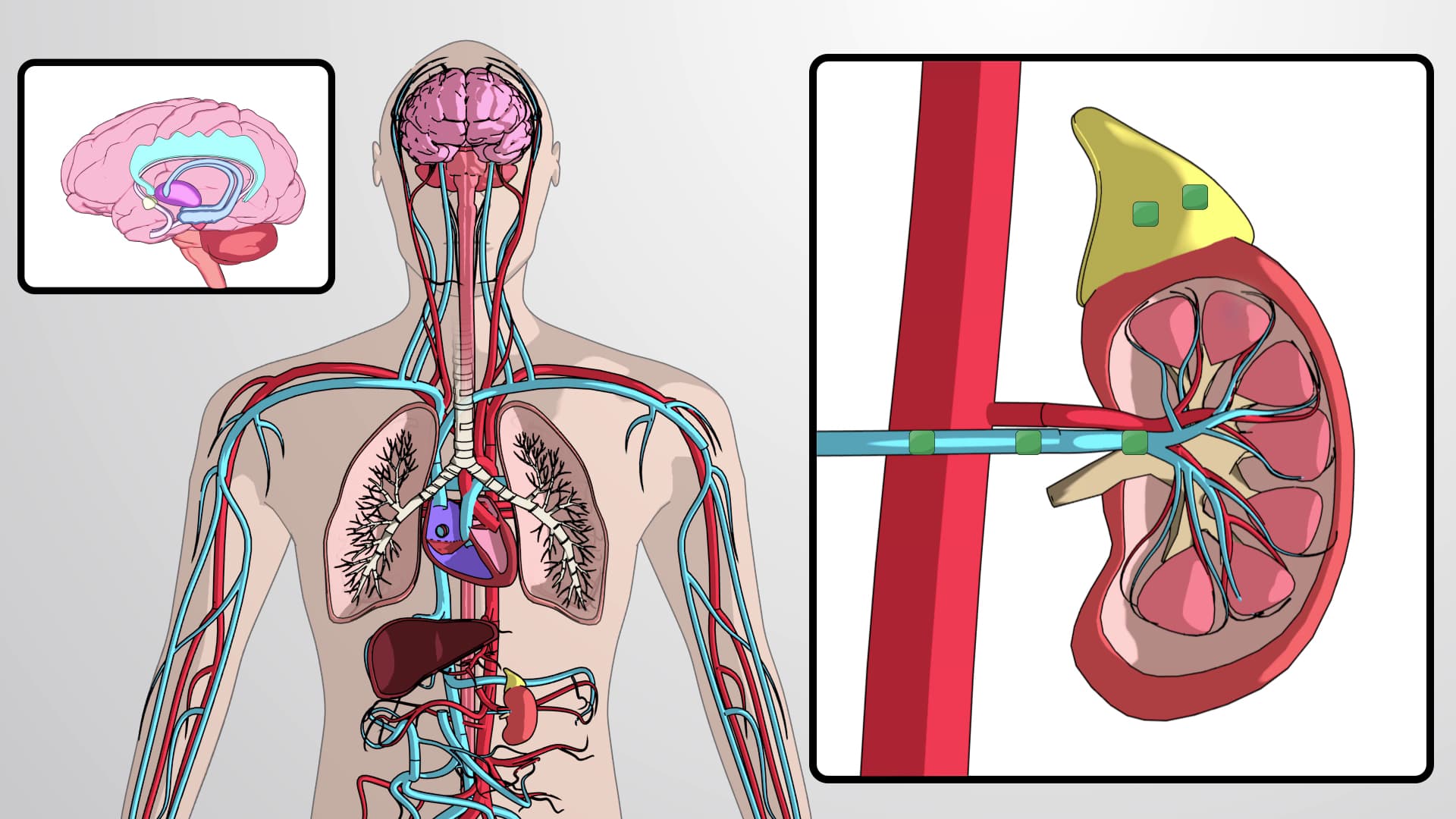
- Explore how osmoregulation and excretion connect to broader physiological systems including circulation and endocrine control
Understanding Osmoregulation And Excretion As Linked Processes
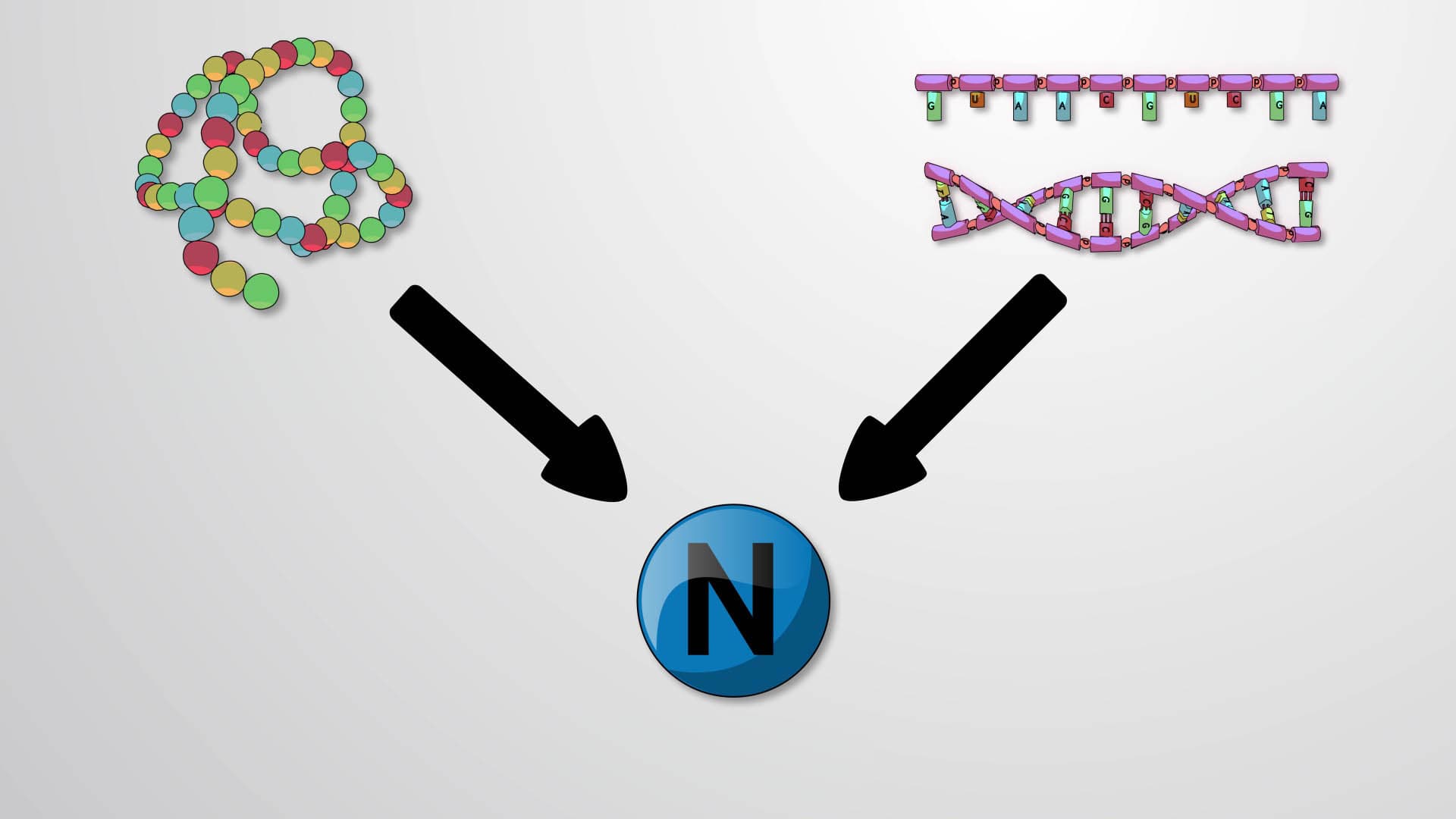
Osmoregulation and excretion represent two of biology's most essential processes, working together to maintain the delicate chemical balance that keeps organisms alive. While excretion removes harmful metabolic waste-particularly nitrogen-containing compounds from protein breakdown-osmoregulation controls water and solute concentrations across cellular membranes. These processes are inseparable because removing waste often involves water loss, creating an ongoing challenge between detoxification and hydration.
Nitrogen Waste: The Universal Challenge
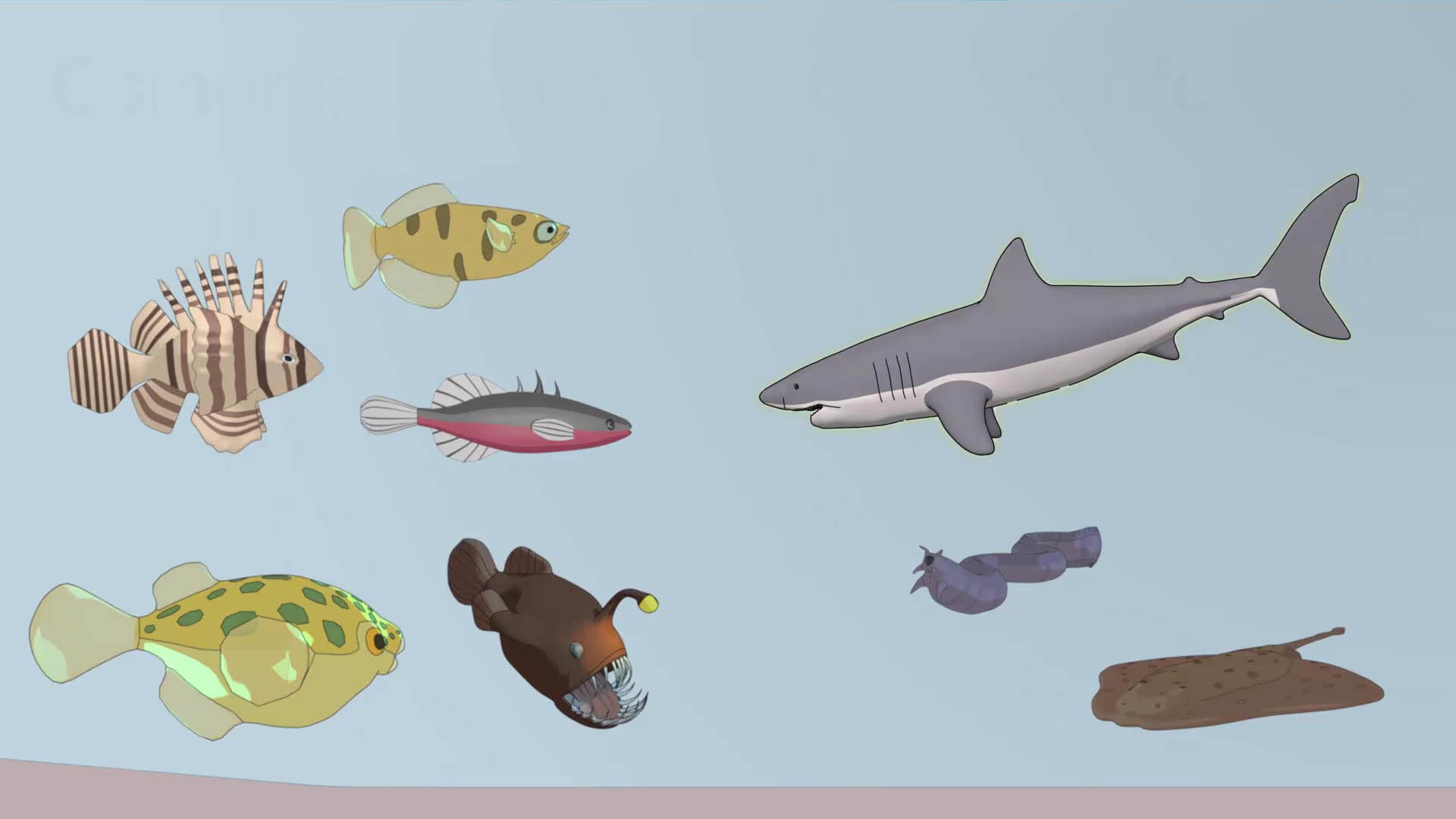
All animals face the same fundamental problem: protein metabolism produces ammonia, a highly toxic compound that can disrupt cellular function and damage tissues. However, different organisms have evolved distinct solutions. Fish and aquatic invertebrates often excrete ammonia directly through their gills, taking advantage of abundant water to dilute this dangerous waste. Mammals, including humans, convert ammonia to less toxic urea in the liver-a process requiring energy but allowing for concentrated urine production. Birds and reptiles go further, producing uric acid that requires minimal water for excretion, enabling survival in arid environments.
This concept frequently appears on AP Biology exams, where students must analyze energy trade-offs between different excretory strategies. Understanding these patterns helps predict how organisms adapt to water-limited environments-knowledge essential for ecology and evolutionary biology coursework.
Osmotic Regulation: Conformers Versus Regulators
Animals employ two primary strategies for managing osmotic balance. Osmoconformers, like many marine invertebrates, allow their internal fluid concentration to match their environment, minimizing energy expenditure on active transport. However, they still regulate specific ion concentrations-marine crabs maintain different potassium levels than seawater while matching overall osmolarity.
Osmoregulators actively maintain internal concentrations different from their environment, requiring significant energy investment. Freshwater fish continuously pump out excess water while retaining salts, while saltwater fish do the opposite. This distinction becomes crucial when analyzing physiological adaptations in college-level comparative physiology courses.
The Kidney: Master of Balance
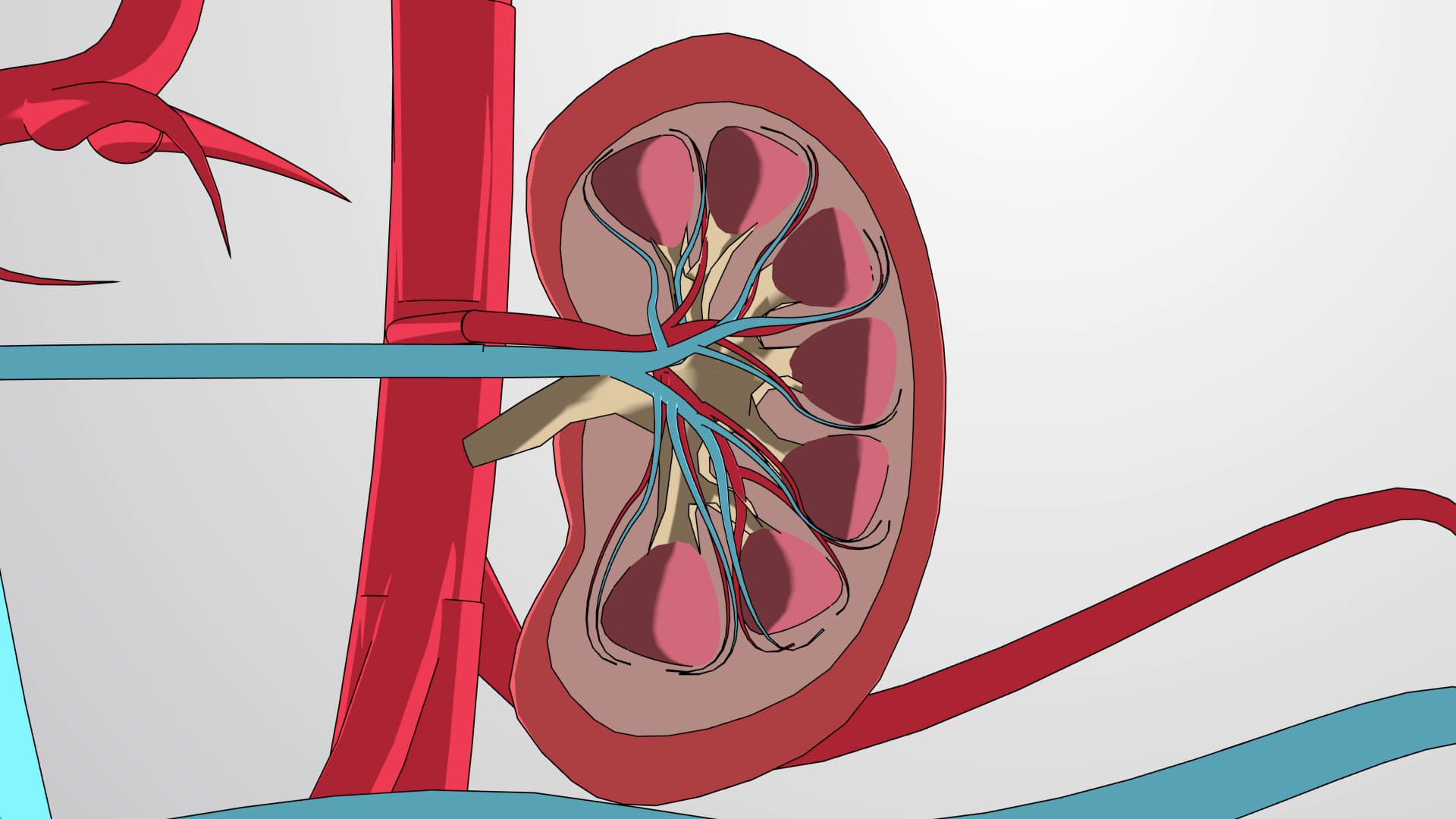
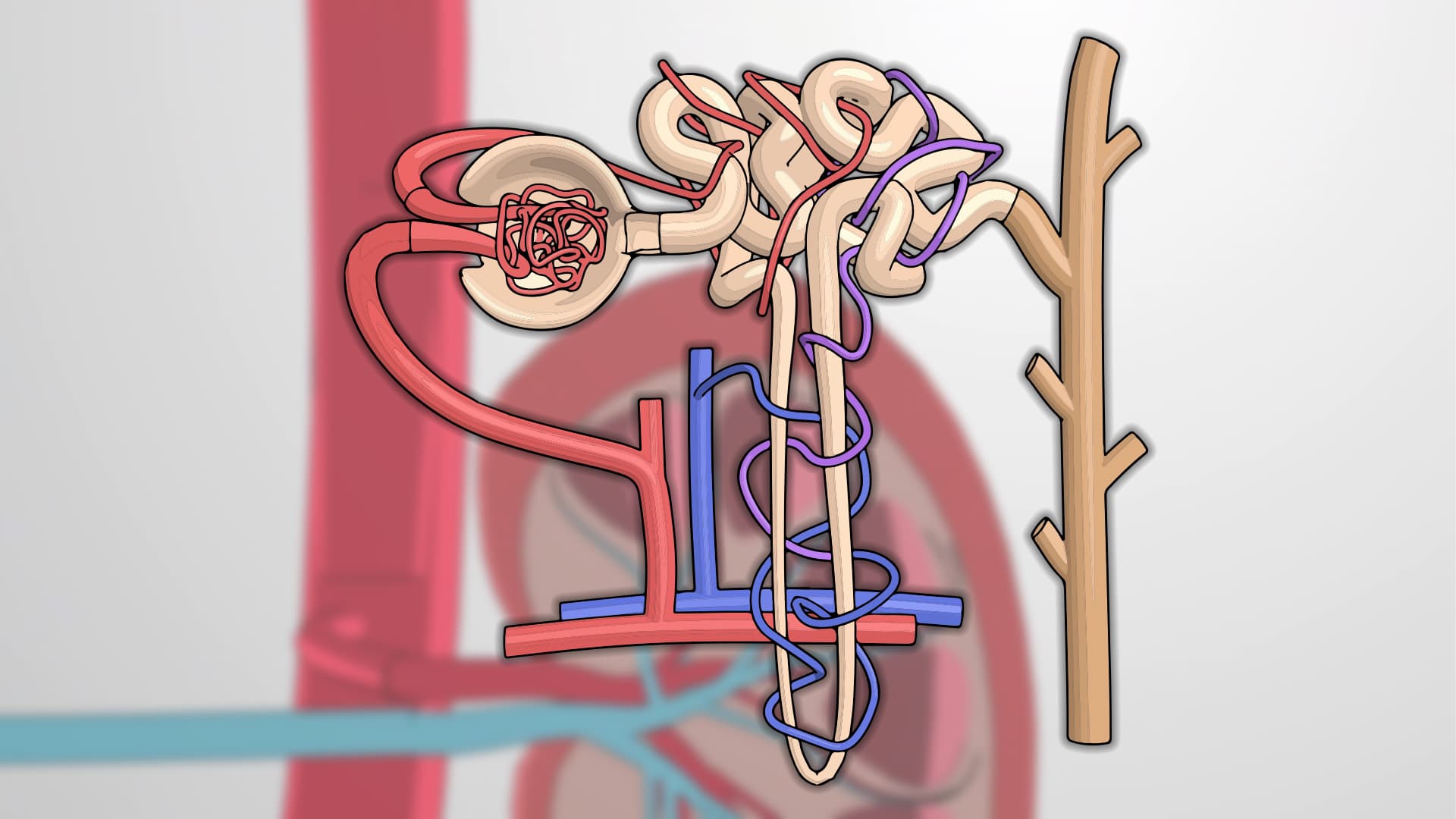
Vertebrate kidneys represent evolution's most sophisticated solution to osmoregulation and excretion challenges. These organs filter blood continuously, selectively reabsorbing valuable substances while concentrating waste products. The nephron's structure-from glomerular filtration through tubular reabsorption and secretion-allows precise control over water and solute balance.
Understanding kidney function proves essential for pre-medical students preparing for the MCAT, as questions often focus on hormonal regulation of kidney function and disease states affecting osmoregulation. Clinical conditions like diabetes insipidus or chronic kidney disease illustrate how disrupted osmoregulation impacts human health.
Frequently Asked Questions
Osmoregulation and excretion are vital biological processes that maintain life by controlling water balance and removing toxic waste. Excretion eliminates harmful substances like ammonia from protein breakdown, while osmoregulation manages water and salt levels across cell membranes. Together, they ensure cells maintain optimal conditions for proper function while preventing toxic buildup.
AP Biology frequently tests these concepts through data analysis questions comparing different organisms' excretory strategies or osmotic adaptations. Students might analyze graphs showing urine concentration in desert versus temperate mammals, or compare energy costs of different nitrogenous waste forms. Free-response questions often require explaining how environmental changes affect organismal water balance.
MCAT preparation should emphasize kidney physiology, including nephron structure, filtration mechanisms, and hormonal regulation by ADH and aldosterone. Understanding how different nitrogenous wastes relate to habitat adaptation also appears frequently. Focus on connecting molecular-level transport processes to organ-system function and clinical applications.
These processes illustrate fundamental biological principles including homeostasis, evolution, and structure-function relationships. They connect molecular biology (membrane transport) to ecology (environmental adaptation) while demonstrating how organisms solve universal survival challenges. Understanding these concepts provides foundation for advanced coursework in physiology, ecology, and medicine.
Many human diseases involve disrupted osmoregulation or excretion, making these concepts clinically relevant. Kidney disease affects millions of Americans, requiring dialysis to artificially perform excretory functions. Diabetes can damage kidney filtration, while heart failure affects fluid balance regulation. Understanding normal physiology helps students appreciate disease mechanisms and treatment approaches.
While these concepts involve complex physiology, they build logically from basic principles students already know. Starting with simple diffusion and osmosis concepts, students can gradually understand how organisms maintain balance and remove waste. Visual aids showing kidney structure and comparative examples across species make these processes more accessible and memorable.
Create comparative charts showing different organisms' excretory strategies and their environmental advantages. Draw and label nephron diagrams while tracing filtrate flow and composition changes. Practice explaining these processes using everyday analogies-kidneys as sophisticated filters, osmoregulation as cellular water management systems. Connect concepts to familiar examples like sweating or kidney stones.
Advanced study can explore endocrine regulation of kidney function, including renin-angiotensin-aldosterone system details and clinical applications. Comparative physiology examines diverse excretory organs across animal phyla, while molecular physiology focuses on specific transport proteins and their regulation. Environmental physiology investigates how climate change affects organismal water balance strategies.
Related Micro-courses