Loading subject page…


338,101 views
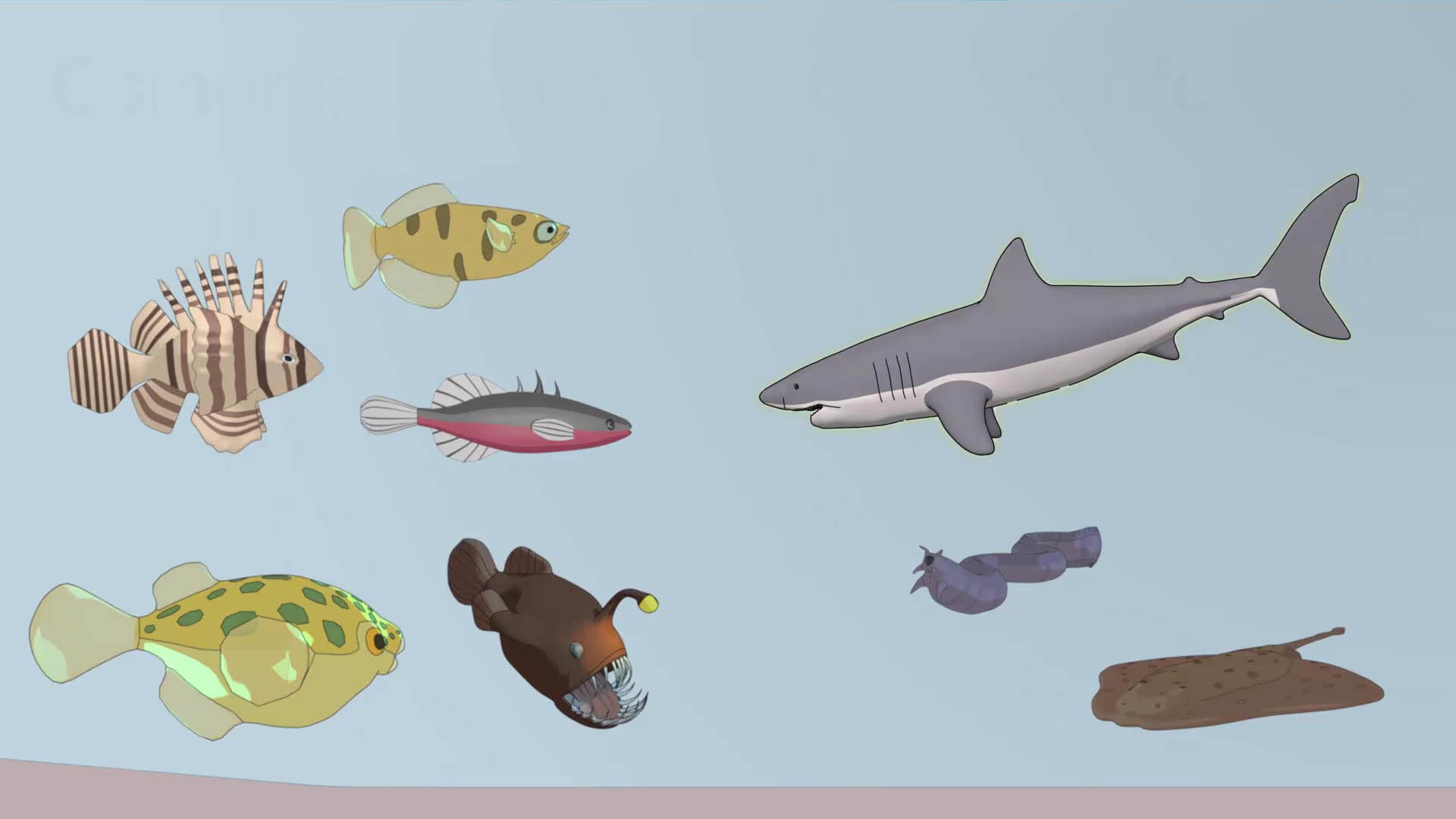

Video Summary: What Is Osmoregulation in Fishes
Did you know that a Pacific salmon can completely rewire its internal water balance system during its epic journey from Alaska's freshwater streams to the Pacific Ocean? Osmoregulation fishes have evolved fascinating mechanisms to maintain the perfect balance of water and ions in their cells. Understanding what is osmoregulation in fishes reveals how these aquatic animals survive in dramatically different environments without their cells bursting from too much water or shriveling from dehydration. Watch the full video on JoVE Coach to master this concept with expert-led visuals and step-by-step explanations.
Osmoregulation in fishes represents one of nature's most elegant solutions to a fundamental biological challenge: maintaining cellular integrity while living in environments with vastly different salt concentrations. Fish face a constant battle against osmotic forces that could either flood their cells with water or dehydrate them completely. This process involves sophisticated physiological mechanisms that regulate both water content and ion concentrations in body fluids.
The stakes couldn't be higher for fish survival. When cells absorb too much water, they swell beyond capacity and burst, leading to tissue damage and death. Conversely, excessive water loss causes cells to shrivel and lose function. Fish must also maintain precise concentrations of essential ions like sodium, chloride, and potassium that support nerve transmission, muscle contraction, and metabolic processes.
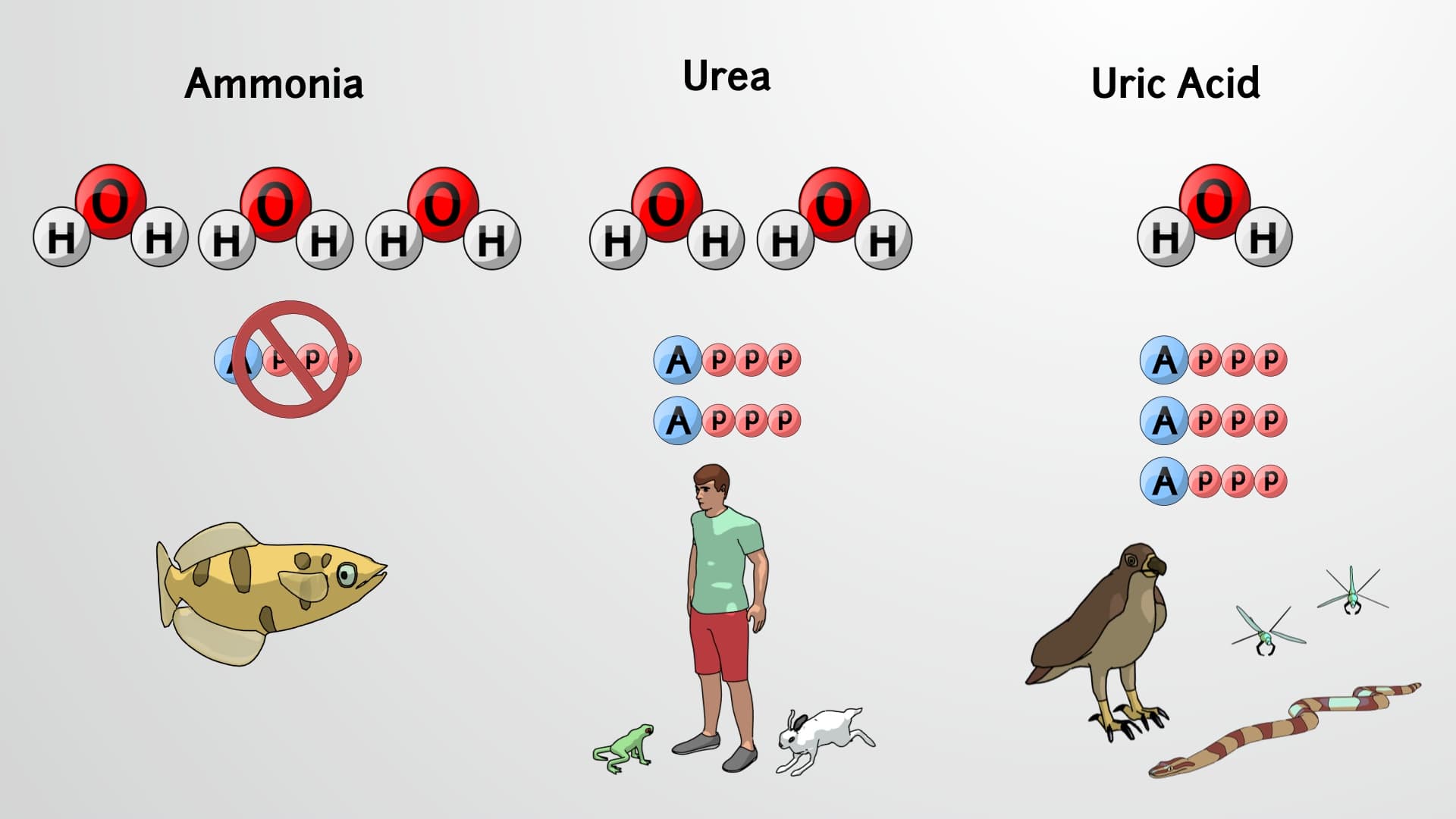
Fish have evolved two distinct approaches to osmotic challenges. Osmoconformers, exemplified by sharks and rays, maintain internal salt concentrations equal to or higher than surrounding seawater. These cartilaginous fish accumulate urea and other organic compounds to match external osmolarity, essentially eliminating the driving force for water loss. However, they still actively regulate specific ion concentrations that differ from seawater composition.
Osmoregulators represent the majority of fish species and maintain internal osmolarity independent of their environment. This strategy requires active energy expenditure but provides greater physiological flexibility. Marine osmoregulators face continuous water loss to the hypertonic ocean environment, while freshwater osmoregulators must prevent excessive water uptake from the hypotonic environment surrounding them.
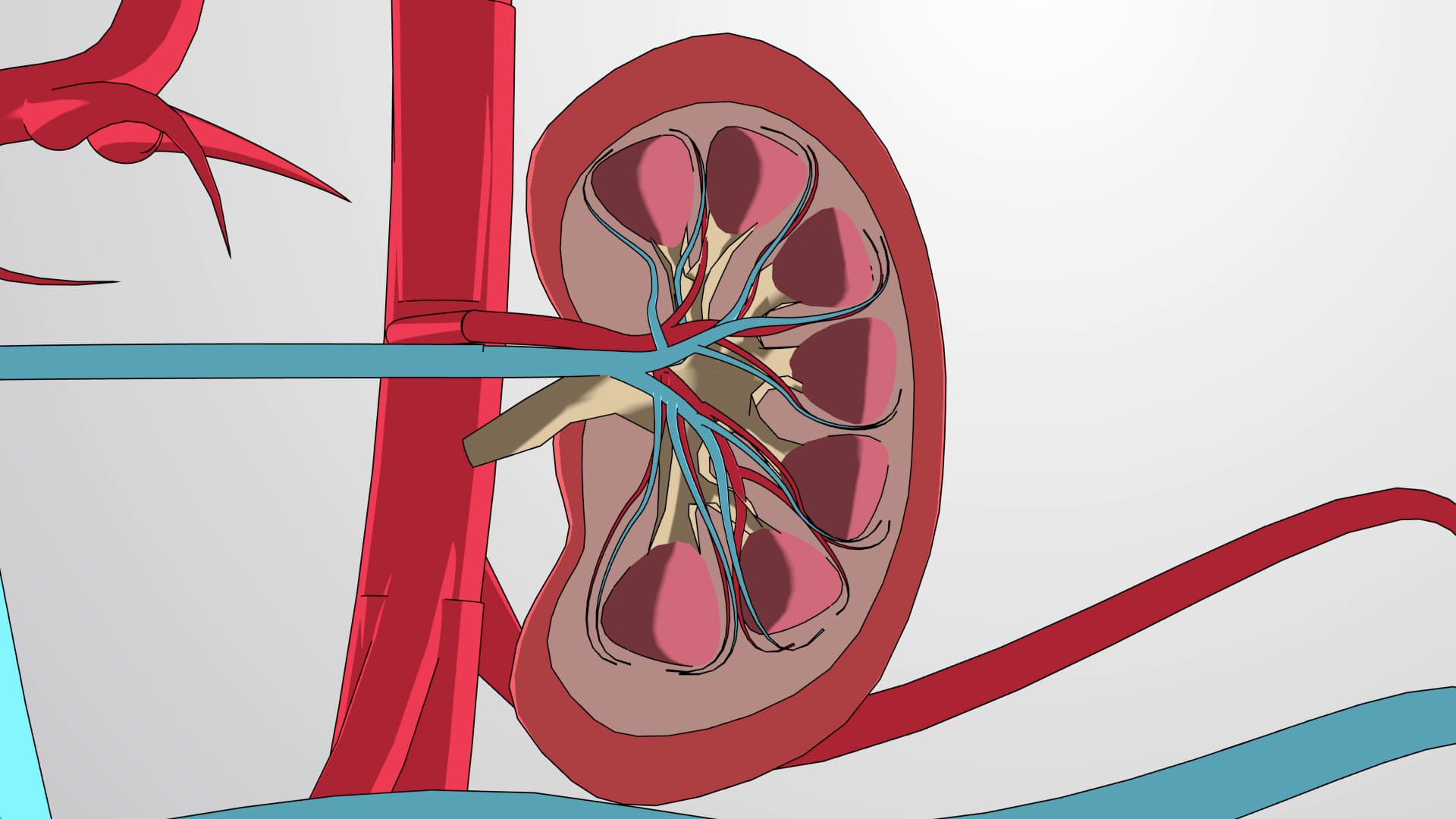
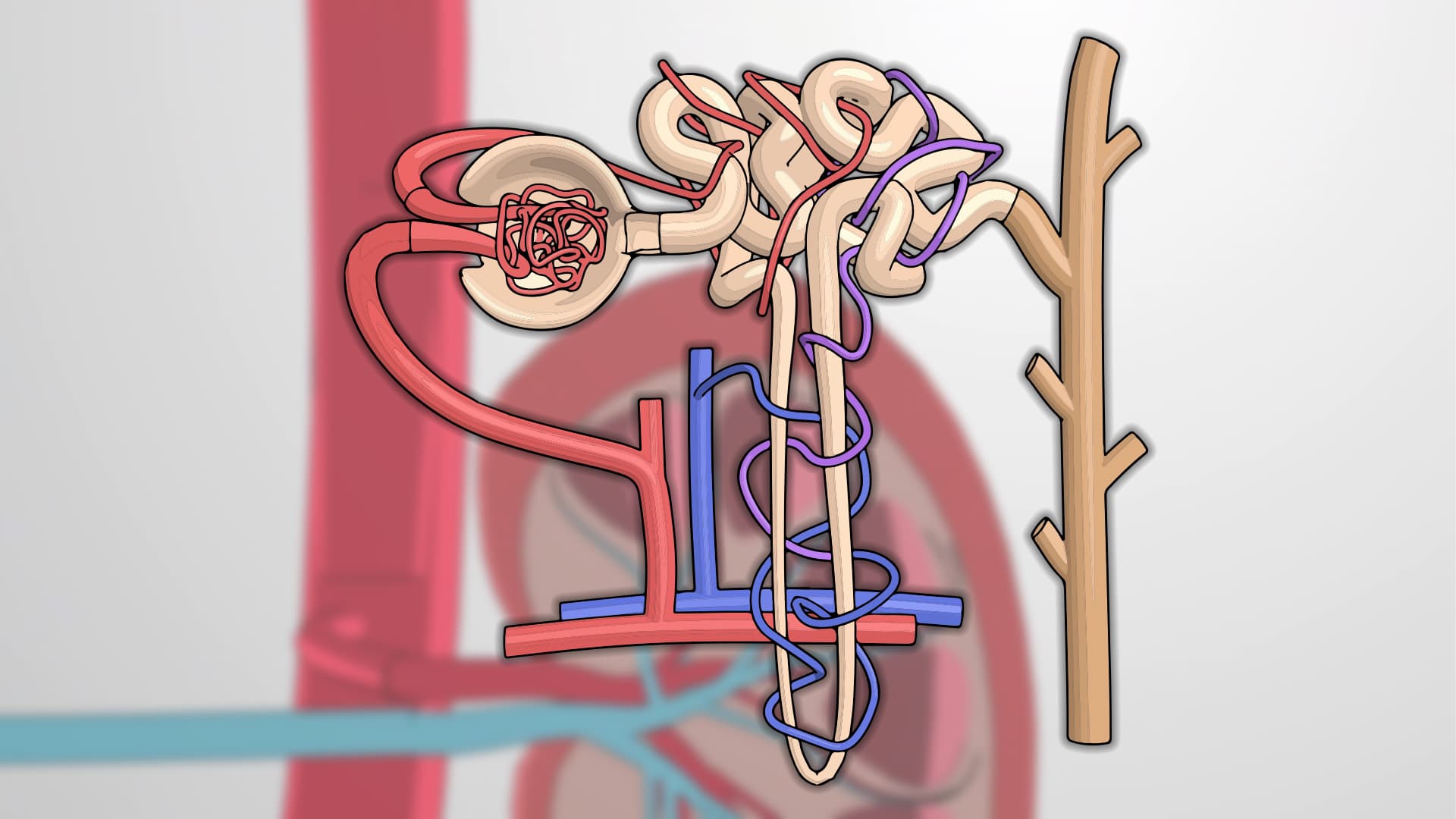
Marine fish employ counterintuitive strategies to survive in saltwater. These species actively drink seawater-sometimes consuming volumes equivalent to 20% of their body weight daily. Their digestive systems absorb water while specialized cells in their gills actively excrete excess sodium and chloride ions against concentration gradients. Their kidneys produce highly concentrated urine with minimal water loss, conserving precious body fluids.
Students preparing for AP Biology exams should focus on the energy requirements of these active transport processes. Marine fish gills contain chloride cells with abundant mitochondria to power ion pumps, making them excellent examples of structure-function relationships in biological systems.
Freshwater fish face opposite challenges, constantly fighting water influx through their permeable surfaces. These fish rarely drink water, instead relying on metabolic water production and dietary sources. Their kidneys produce copious amounts of dilute urine-up to 30% of body weight daily in some species. Gill cells actively absorb essential ions from the surrounding water, even when external concentrations are extremely low.
This concept frequently appears on MCAT passages, where students must analyze experimental data showing ion concentrations in different fish tissues and predict physiological responses to environmental changes.
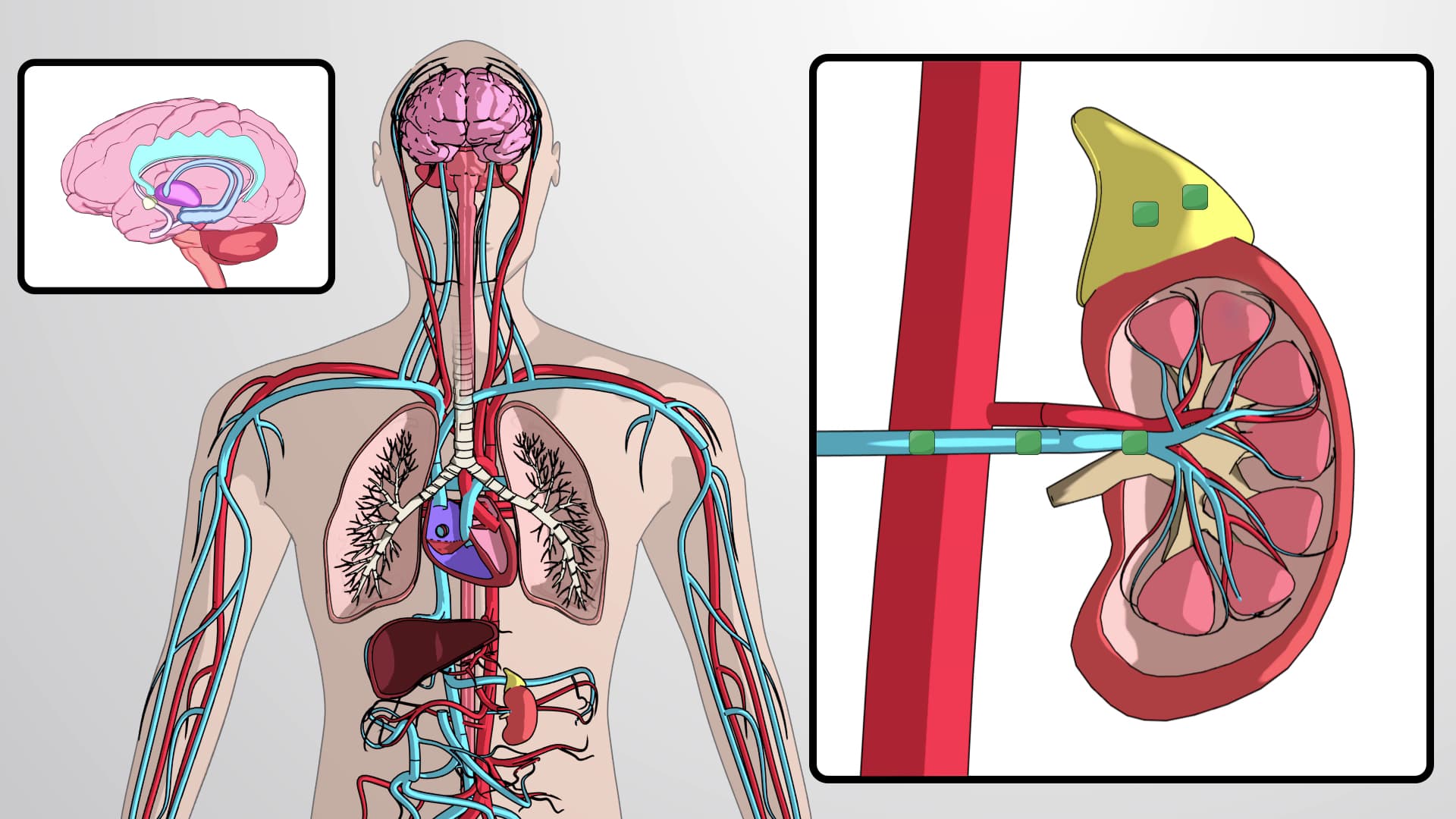
Anadromous fish like salmon demonstrate the ultimate flexibility in osmoregulation. During their migration from freshwater streams to the Pacific Ocean, salmon undergo dramatic physiological restructuring. Their gill cells transform from ion-absorbing to ion-secreting organs, kidney function shifts from producing dilute to concentrated urine, and hormonal systems completely reorganize. This remarkable adaptation showcases the dynamic nature of physiological systems and appears frequently in college-level comparative physiology courses.
Related Micro-courses