Loading subject page…


338,101 views

Video Summary: What Is Osmoregulation in Insects
Did you know that desert beetles can survive in environments where water is scarcer than in Death Valley, California? Osmoregulation in insects is the remarkable biological process that allows these tiny creatures to thrive in Earth's most challenging habitats by precisely controlling water balance and waste elimination. From Arizona's Sonoran Desert to Florida's humid swamps, insects use specialized structures called Malpighian tubules to conserve every precious drop of water while efficiently removing toxic waste products. This sophisticated water management system enables insects to excrete solid waste rather than liquid urine, making them masters of survival in diverse environments. Watch the full video on JoVE Coach to master this concept with expert-led visuals and step-by-step explanations.
Osmoregulation in insects represents one of nature's most efficient water management systems, allowing these remarkable creatures to maintain proper fluid balance while eliminating metabolic waste. This process is particularly crucial given that insects comprise over 80% of all animal species and inhabit environments ranging from California's Mojave Desert to Alaska's permafrost regions. The ability to precisely control water loss has been fundamental to insects' evolutionary success and global distribution.
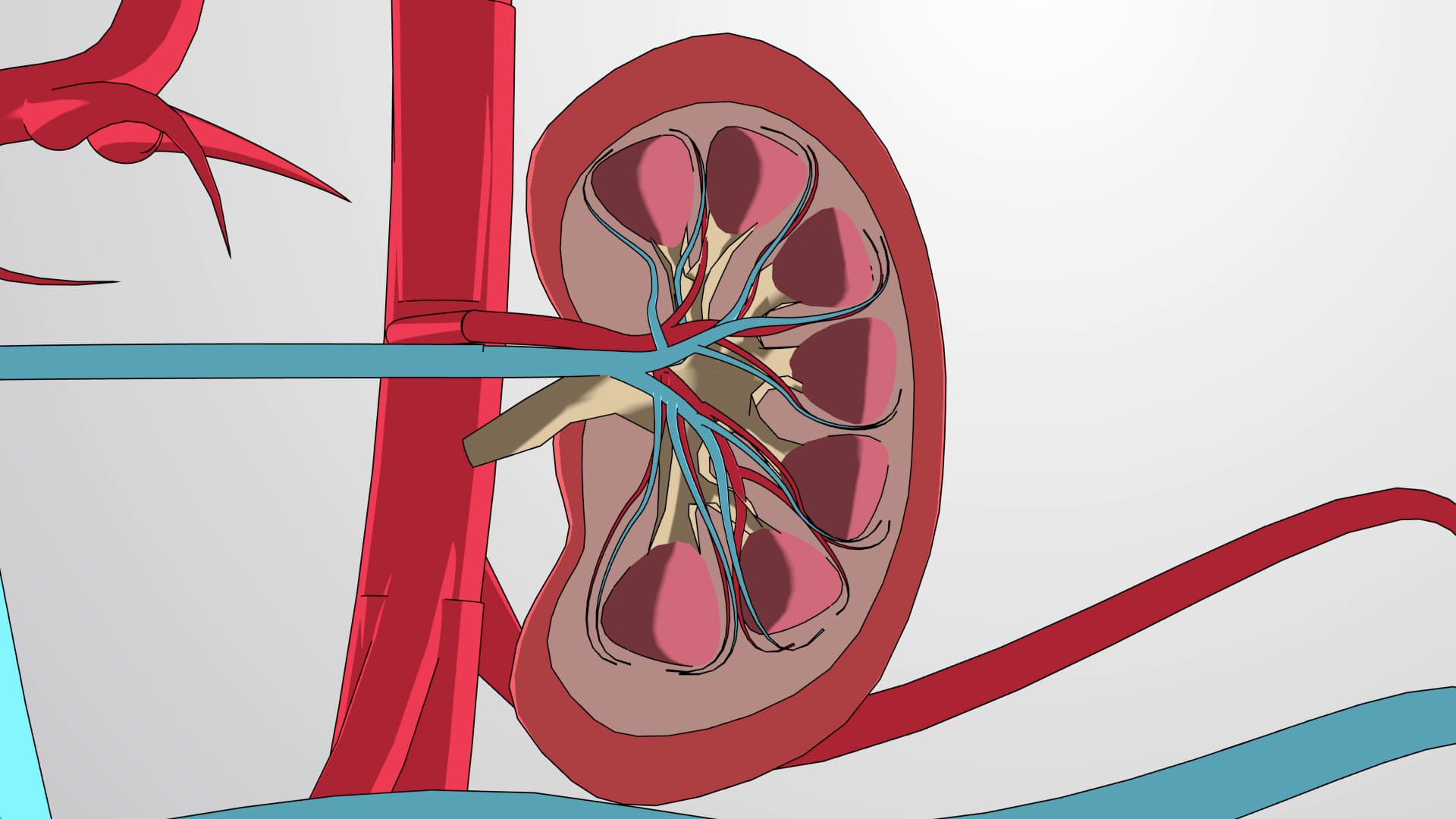
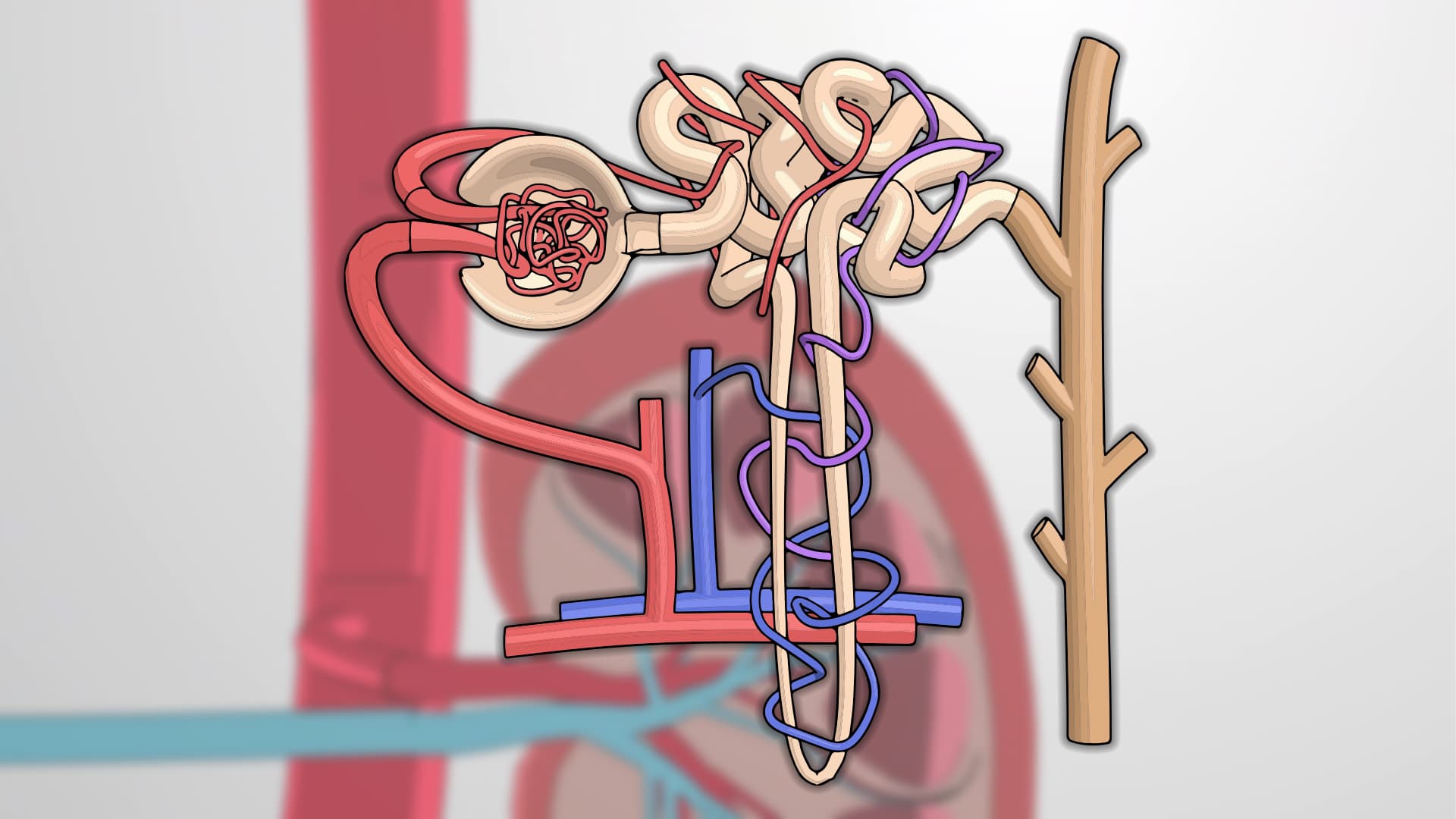
At the heart of insect osmoregulation lies the Malpighian tubule system, a network of thin, thread-like structures that extend from the intestine into the hemolymph (insect blood). These tubules function similarly to human kidneys but with remarkable efficiency improvements. The tubule walls contain specialized cells equipped with molecular pumps that actively transport ions like sodium and potassium from the hemolymph into the tubule interior. This ion movement creates an osmotic gradient that draws water into the tubules, along with dissolved waste products such as uric acid.
Students preparing for AP Biology exams should note that this represents a classic example of active transport coupled with passive diffusion, a concept frequently tested on standardized assessments. The energy-dependent ion pumps drive the initial process, while osmosis passively moves water to maintain equilibrium.
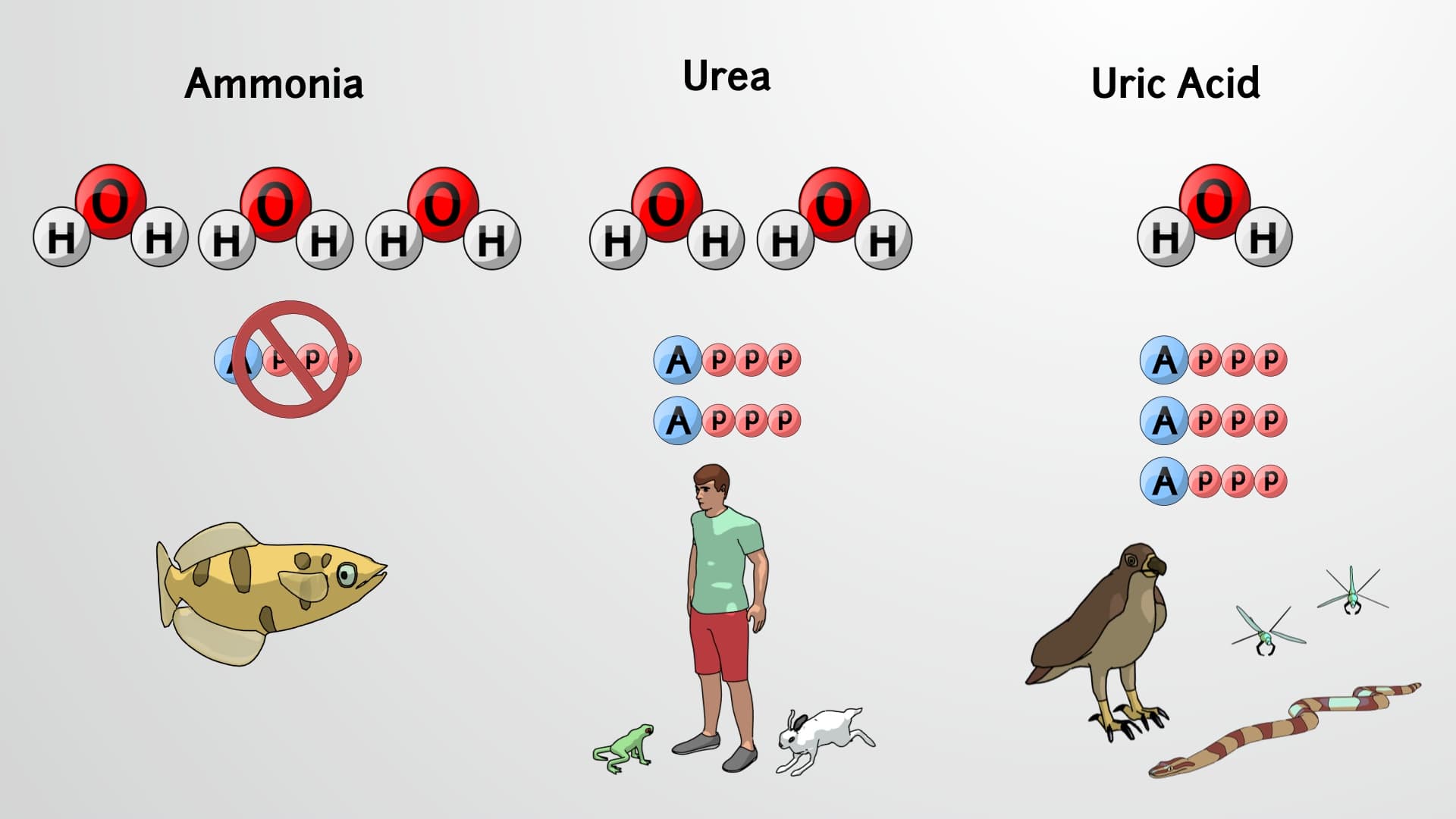
The true genius of insect osmoregulation occurs in the rectum, where approximately 95% of water is reclaimed before waste elimination. Specialized rectal cells actively reabsorb ions back into the hemolymph, and water passively follows through osmosis. This process allows insects like the desert-dwelling darkling beetles found throughout Nevada and Arizona to survive on minimal water intake while producing dry, powdery waste containing concentrated uric acid.
Understanding insect osmoregulation proves valuable for MCAT preparation, particularly in passages addressing comparative physiology and evolutionary adaptations. Medical students studying for USMLE Step 1 often encounter questions comparing different excretory systems, making insect osmoregulation an excellent reference point for understanding efficiency in biological water conservation. Additionally, this knowledge supports pest management strategies used in agriculture across states like Iowa and Nebraska, where understanding insect physiology helps develop targeted control methods.
Related Micro-courses