Loading subject page…


51,513 views


Video Summary: Cancer Critical Genes I Proto Oncogenes Explained
Did you know that a single genetic mutation can transform a normal cell-regulating gene into a cancer-driving powerhouse? Cancer critical genes I proto oncogenes are normally beneficial genes that control healthy cell division, but when damaged, they become oncogenes that fuel tumor growth. The HER2 gene amplification in breast cancer patients treated at MD Anderson Cancer Center exemplifies how proto-oncogene dysfunction drives malignancy. Understanding Cancer Critical Genes I Proto Oncogenes Explained reveals the molecular switches between normal growth control and cancerous transformation. Watch the full video on JoVE Coach to master this concept with expert-led visuals and step-by-step explanations.
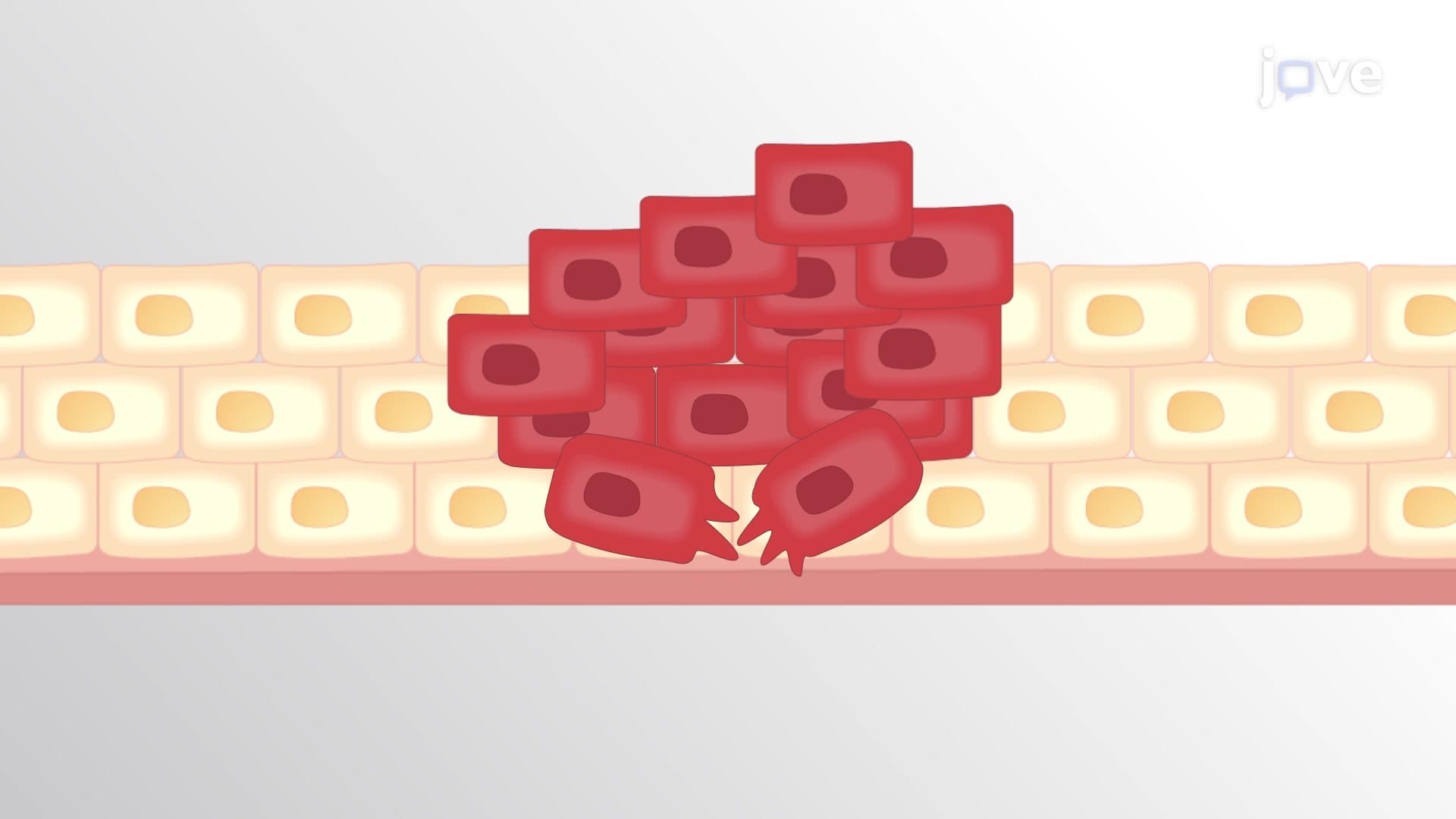
Proto-oncogenes represent one of biology's most fascinating examples of how beneficial cellular machinery can become dangerous when disrupted. These genes normally encode proteins that carefully orchestrate cell division, ensuring tissues grow and repair themselves in a controlled manner. However, when proto-oncogenes malfunction through various molecular mechanisms, they transform into oncogenes-the cellular equivalent of a gas pedal stuck in the "accelerate" position.
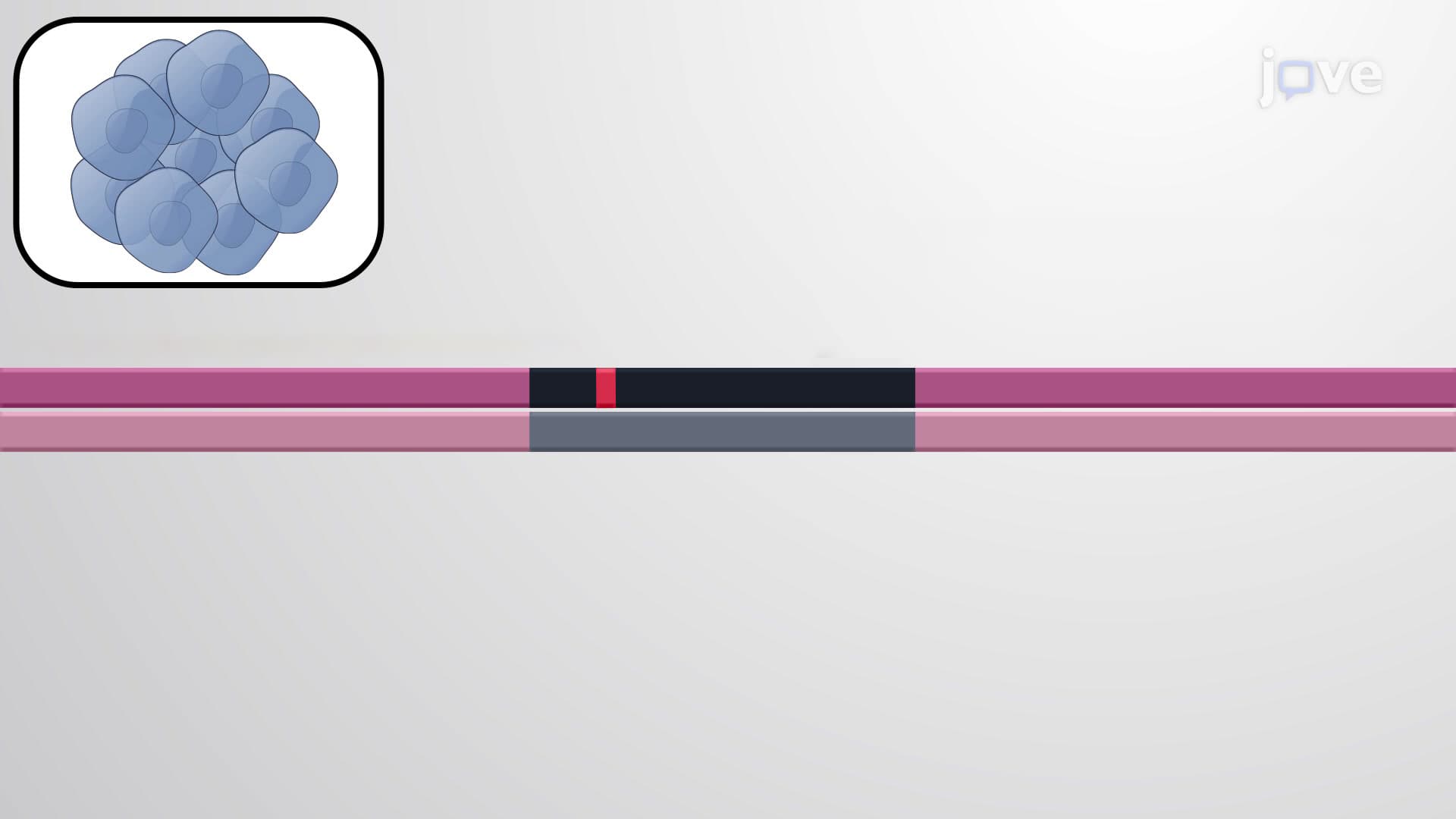
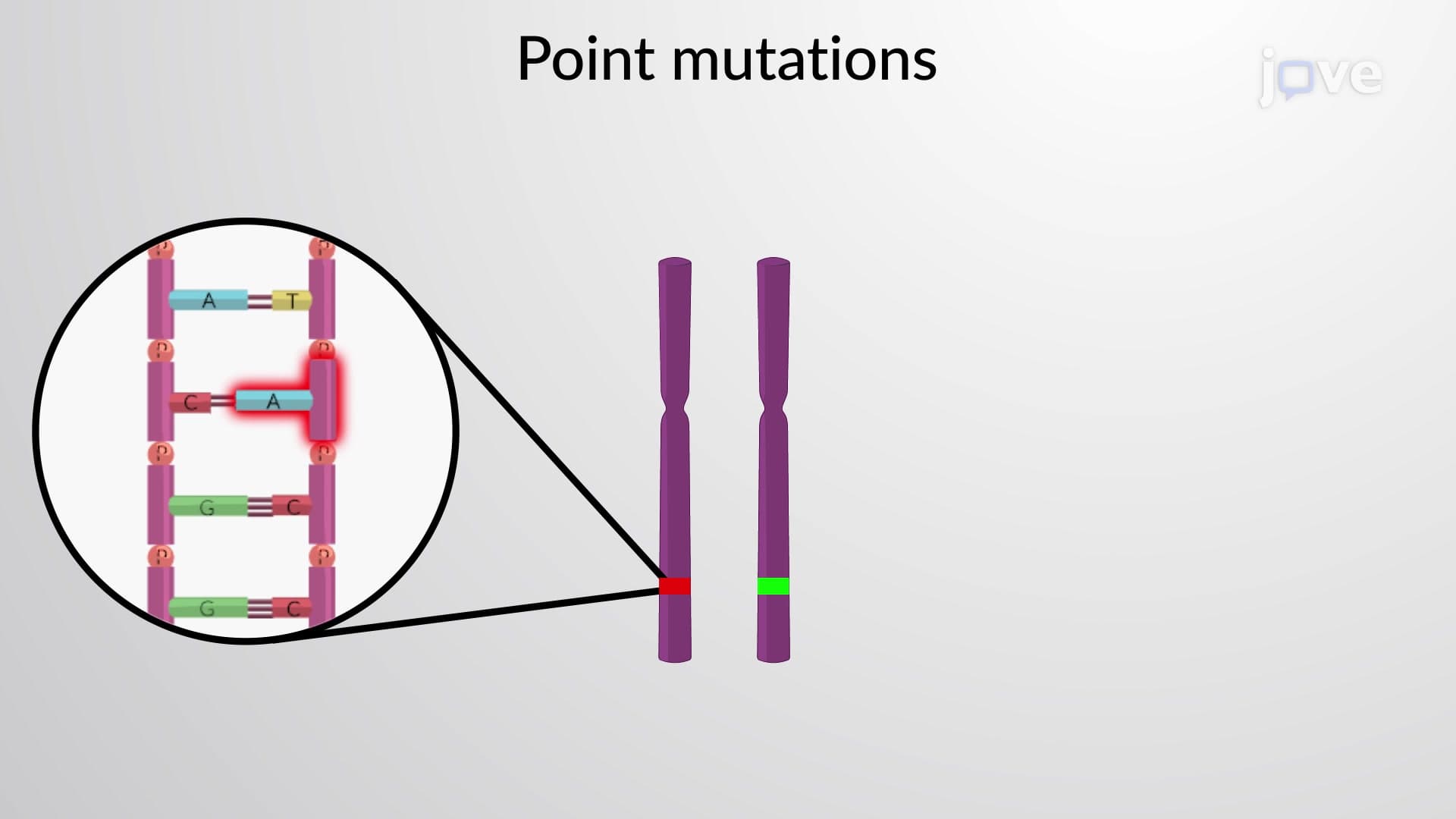
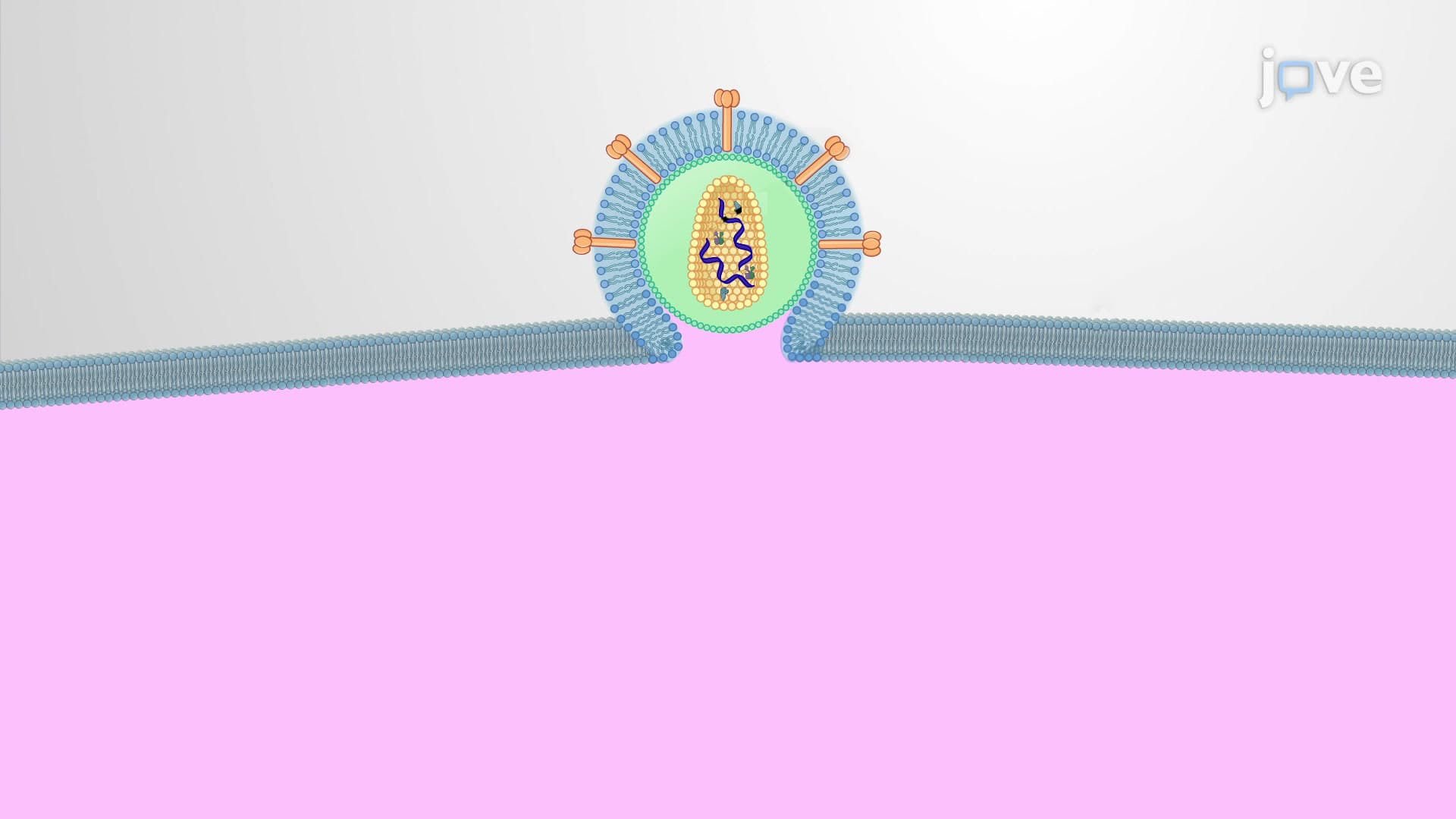
The transformation from proto-oncogene to oncogene occurs through three primary mechanisms. Point mutations can alter protein function, as seen with RAS mutations found in approximately 30% of human cancers. Gene amplification creates multiple copies of the proto-oncogene, dramatically increasing protein production-a phenomenon observed with HER2 amplification in aggressive breast cancers. Chromosomal translocations can place proto-oncogenes under the control of highly active promoters, exemplified by the Philadelphia chromosome in chronic myeloid leukemia, where BCR-ABL fusion creates a constitutively active tyrosine kinase.
Modern cancer treatment increasingly targets specific oncogenes, revolutionizing patient outcomes. Trastuzumab (Herceptin) specifically targets HER2-overexpressing breast cancers, while imatinib (Gleevec) inhibits the BCR-ABL fusion protein in chronic myeloid leukemia patients. These targeted therapies demonstrate how understanding proto-oncogene biology translates directly into life-saving treatments at major cancer centers like Memorial Sloan Kettering and Johns Hopkins.
Proto-oncogenes feature prominently in AP Biology curricula, particularly in units covering cell cycle regulation and cancer biology. MCAT students encounter detailed questions about oncogene mechanisms, while undergraduate cell biology courses extensively cover RAS signaling pathways and growth factor receptors. Understanding these concepts provides essential foundation knowledge for students pursuing careers in medicine, biomedical research, or biotechnology, where oncogene research continues driving therapeutic innovation.
Related Micro-courses