Loading subject page…


51,513 views

Video Summary: Cancer Critical Genes Ii Tumor Explained
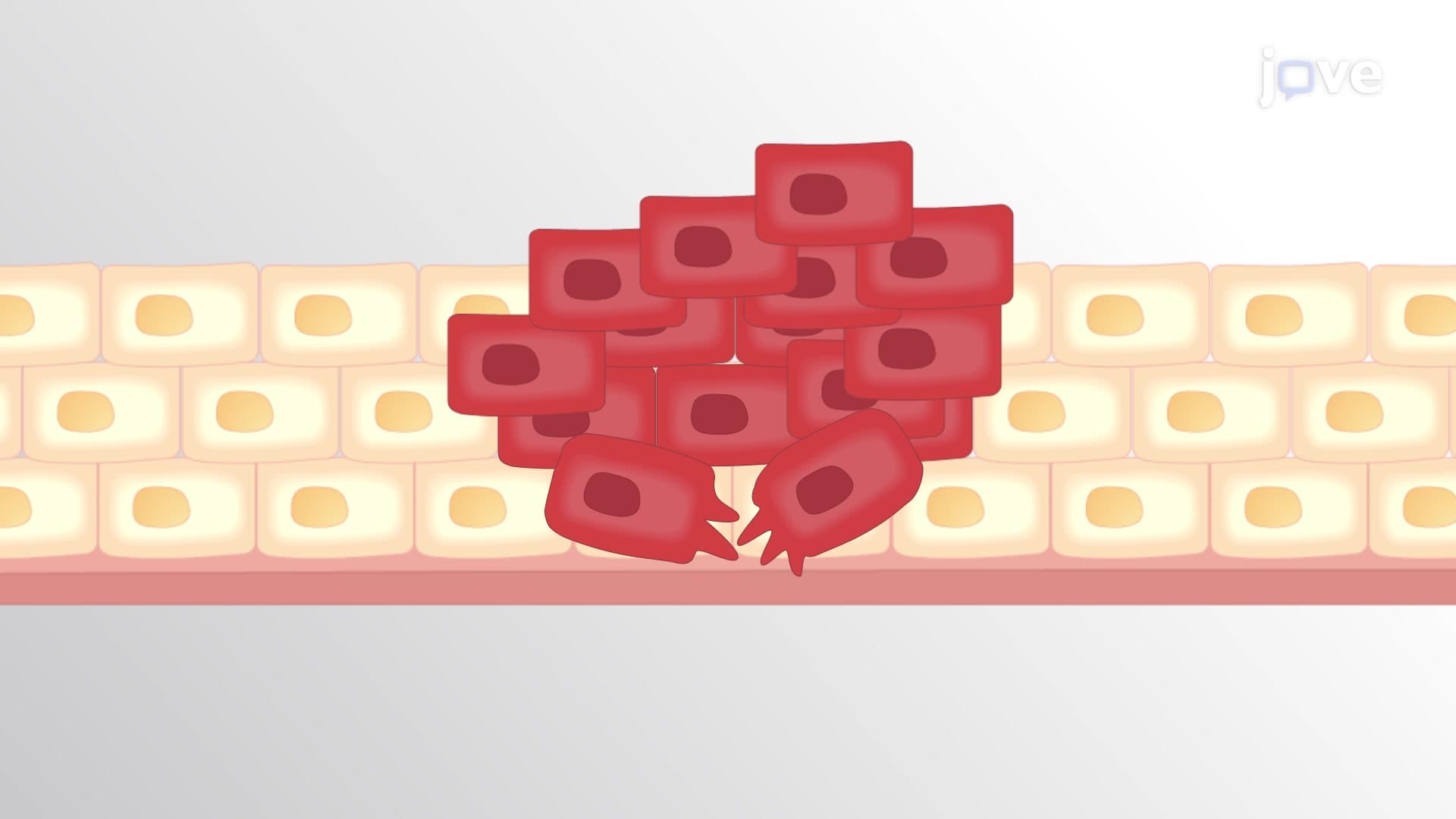
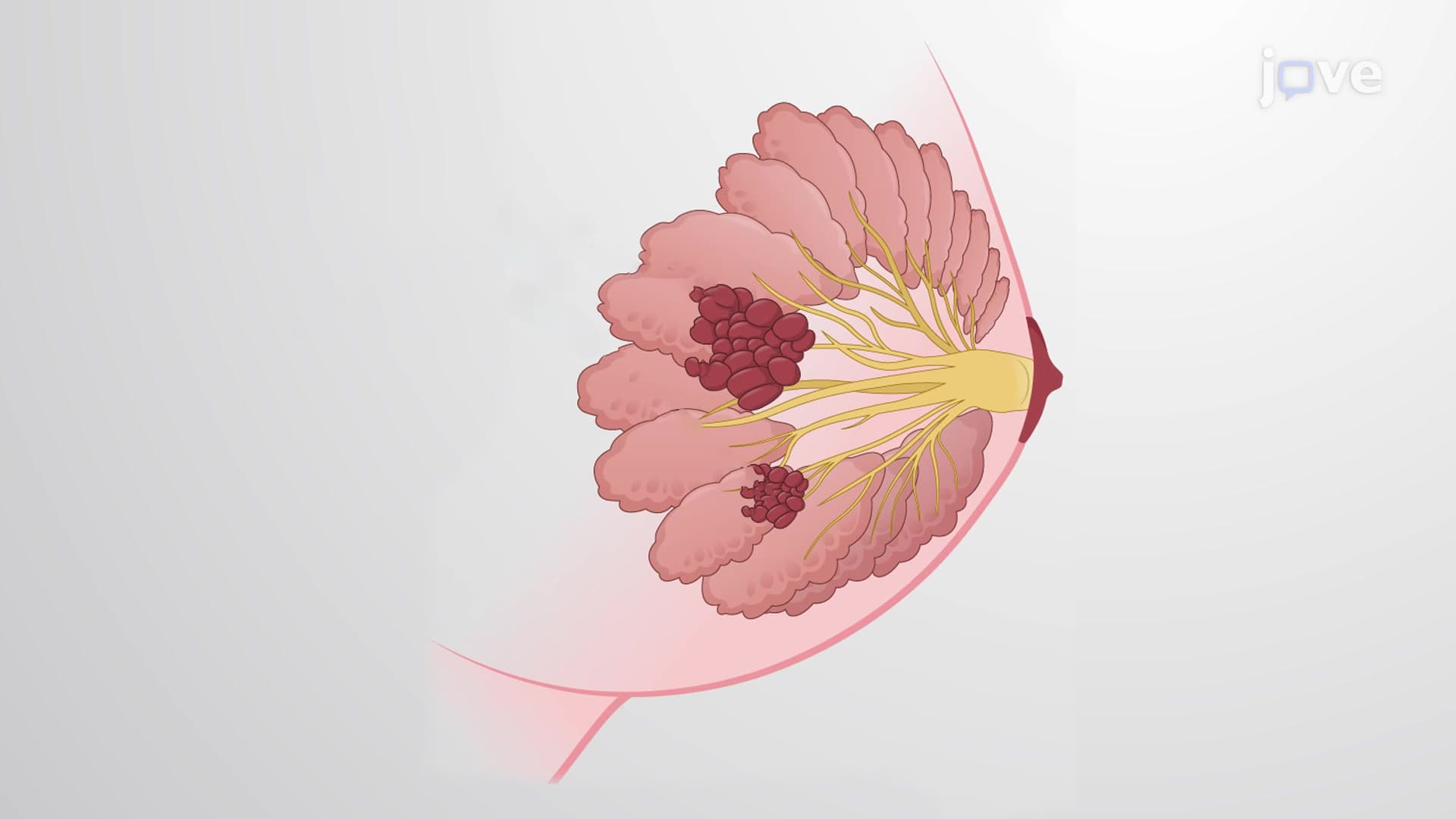
Why do some families have higher cancer rates while others seem protected? Cancer critical genes II tumor suppressor mechanisms hold the answer-these cellular guardians prevent normal cells from becoming malignant tumors. Consider how BRCA1 mutations dramatically increase breast cancer risk in families like those affected by hereditary breast-ovarian cancer syndrome, leading to preventive surgeries at major US medical centers like MD Anderson. Watch the full video on JoVE Coach to master this concept with expert-led visuals and step-by-step explanations.
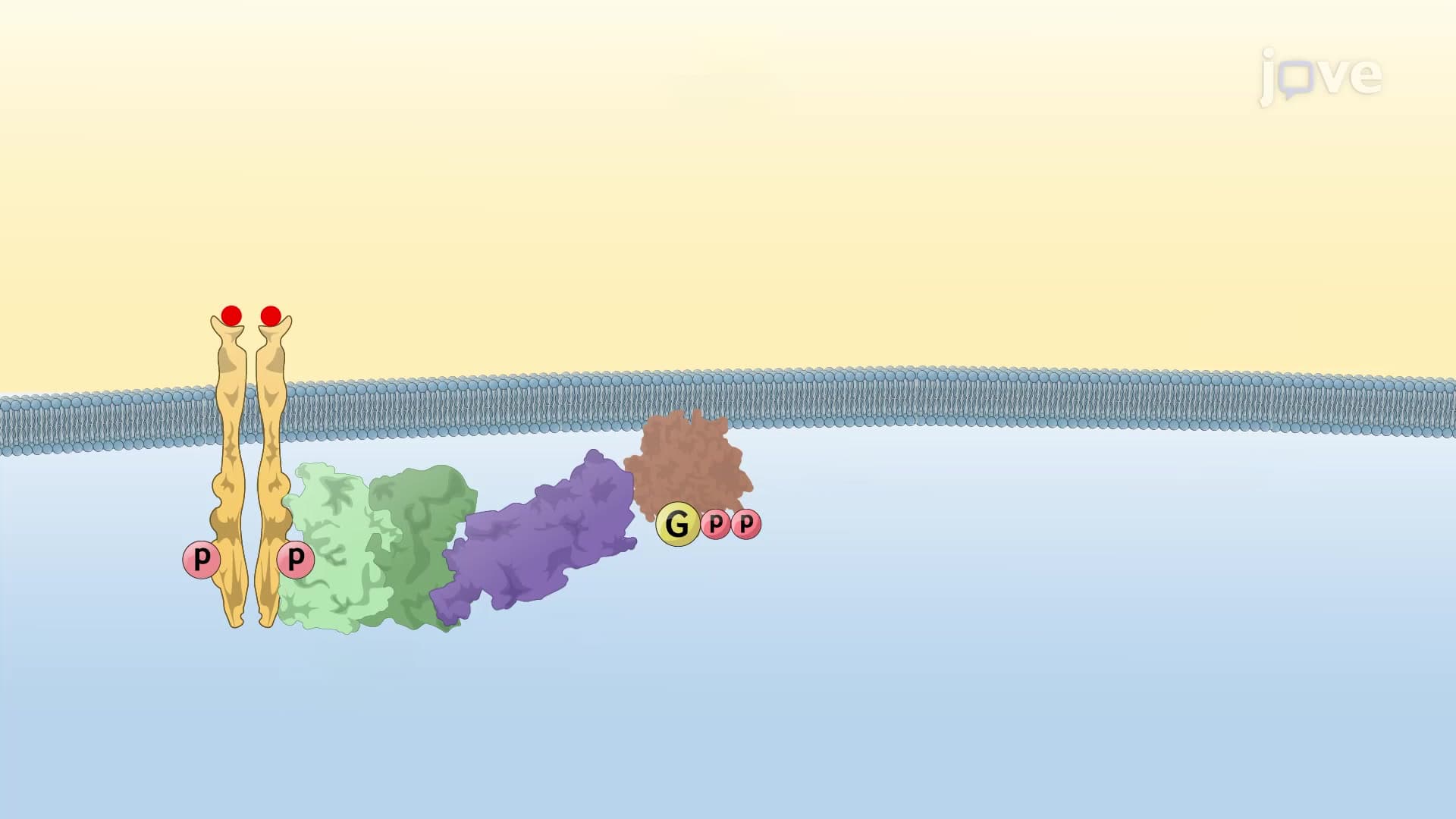
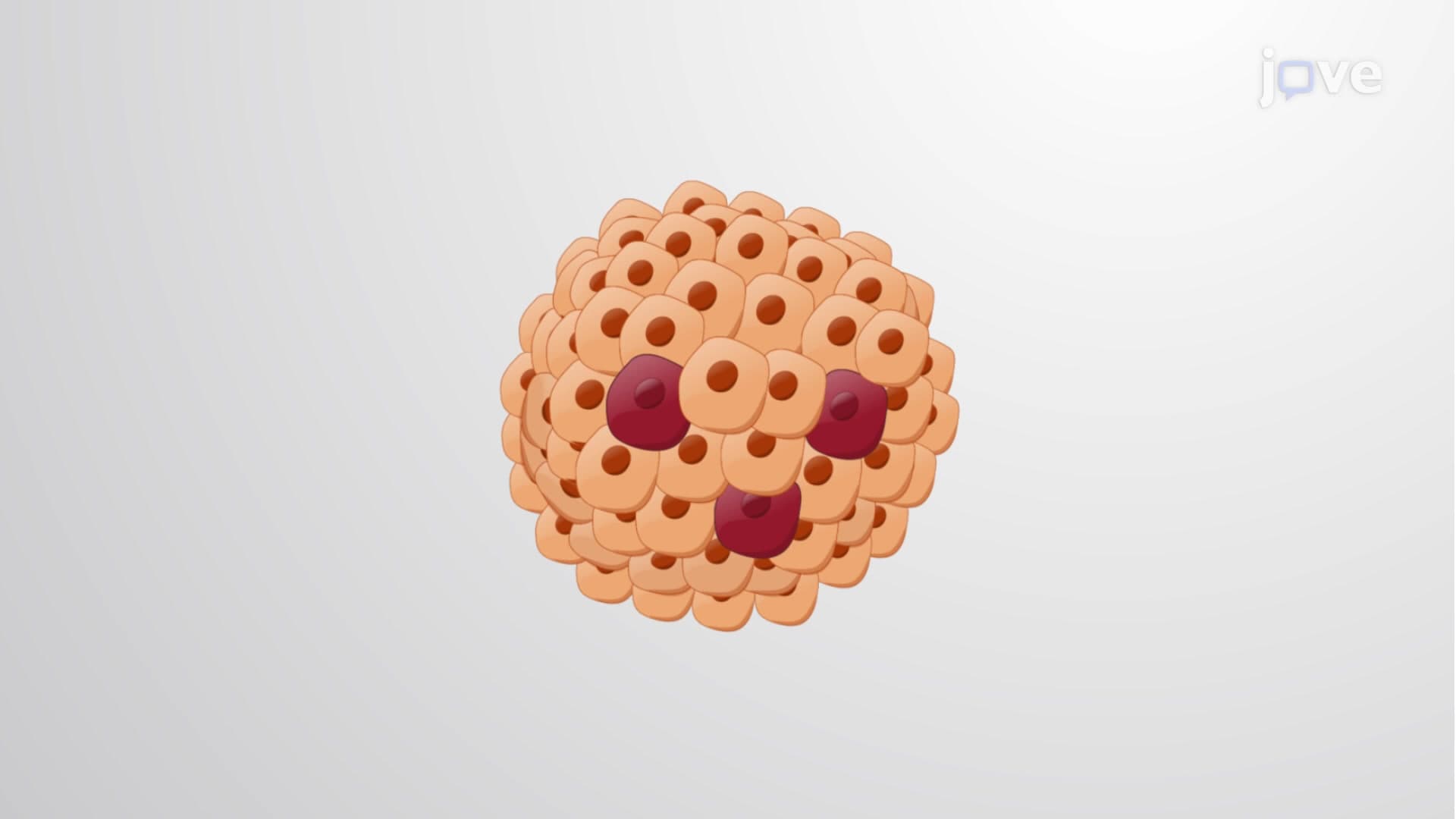
Cancer Critical Genes II Tumor suppressor genes represent one of the most crucial defense mechanisms against cancer development. Unlike oncogenes that promote cell growth when activated, tumor suppressor genes normally function to prevent excessive cell proliferation. These genes encode proteins that act as molecular brakes, controlling cell cycle progression, DNA repair processes, and programmed cell death (apoptosis).
The fundamental principle underlying tumor suppressor function involves maintaining genomic stability through multiple checkpoint mechanisms. When DNA damage occurs, proteins like p53 (encoded by TP53) halt cell division, allowing repair mechanisms to correct errors or triggering apoptosis if damage is irreparable. This explains why p53 is often called the "guardian of the genome."
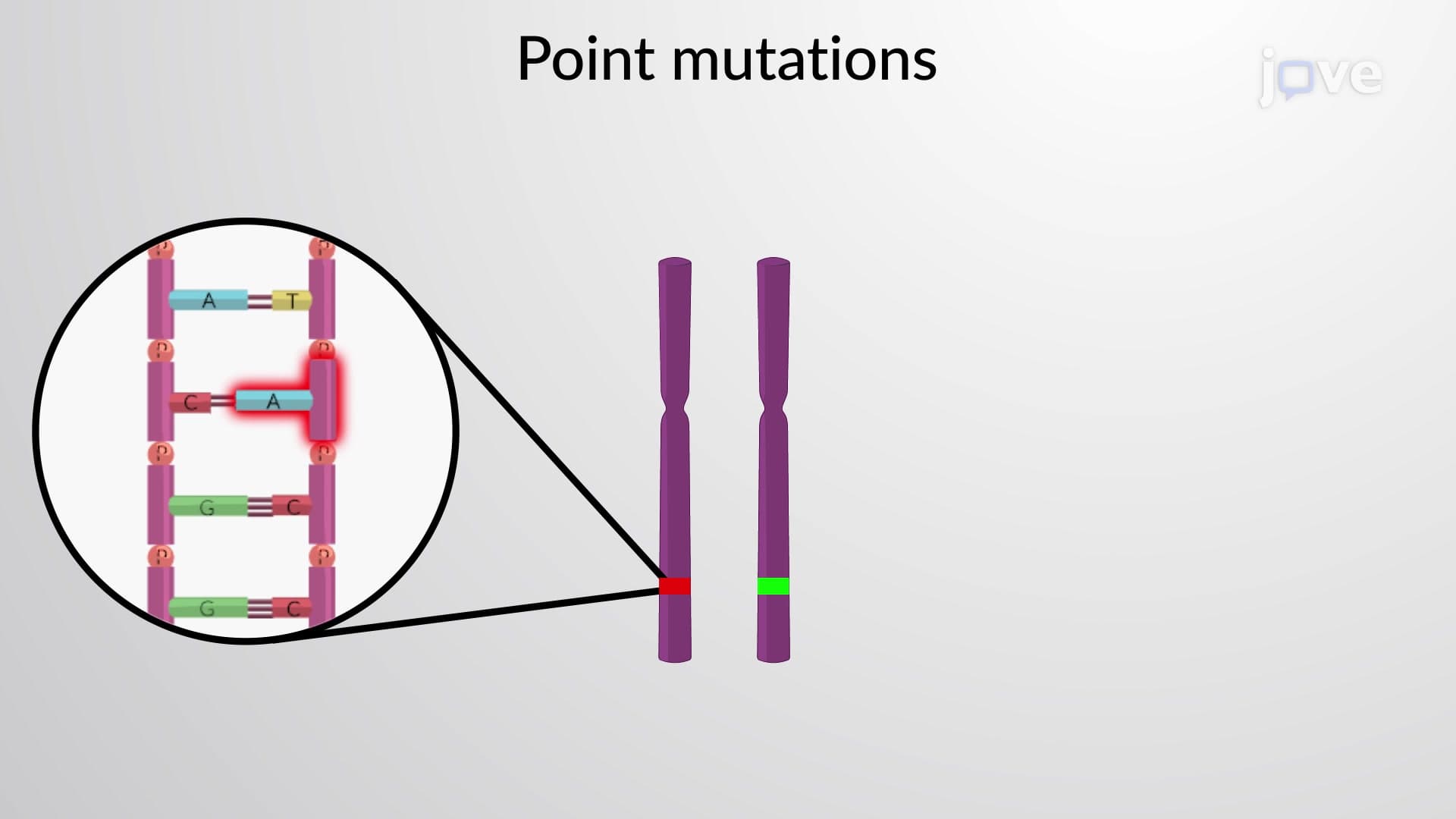
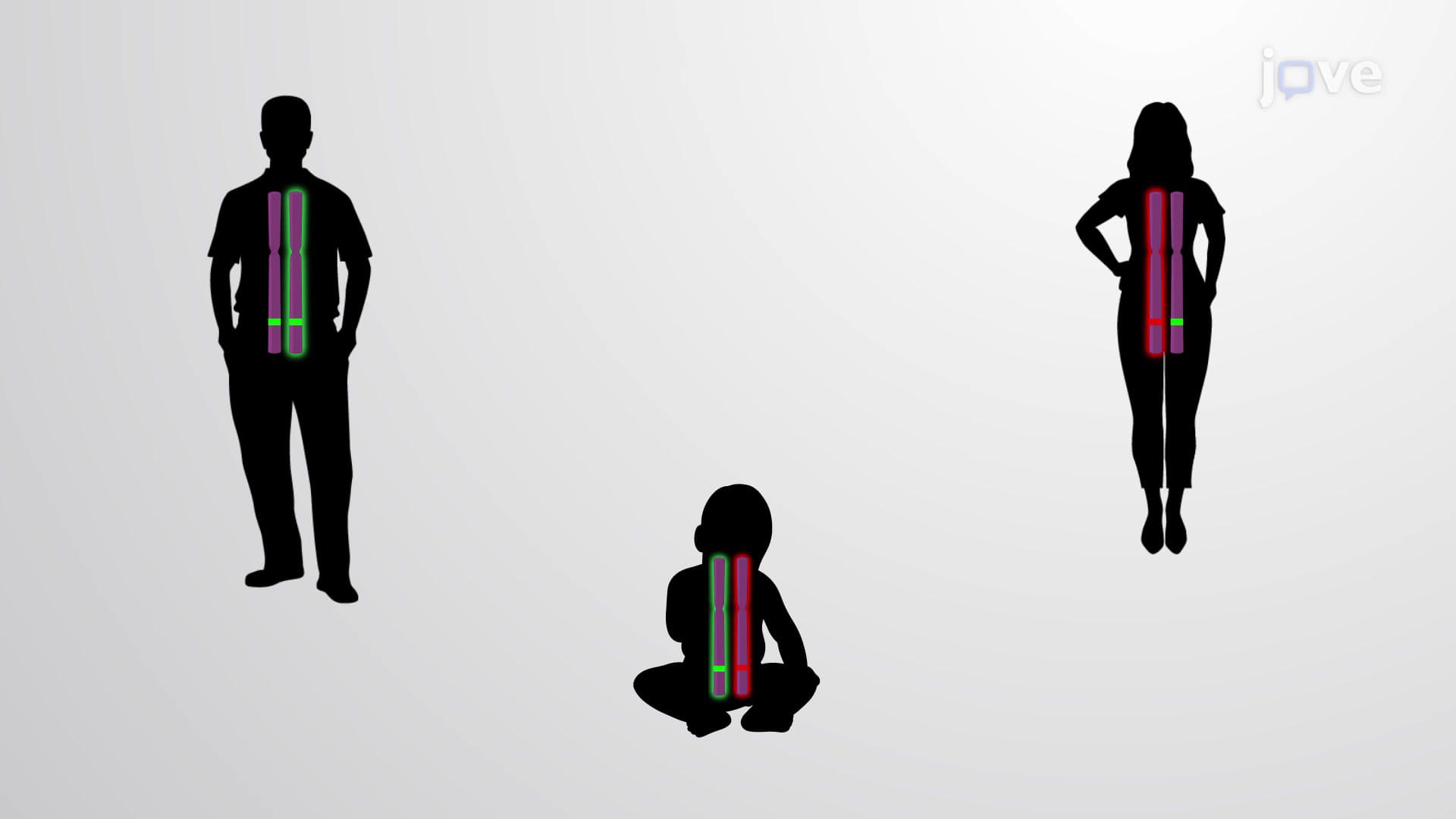
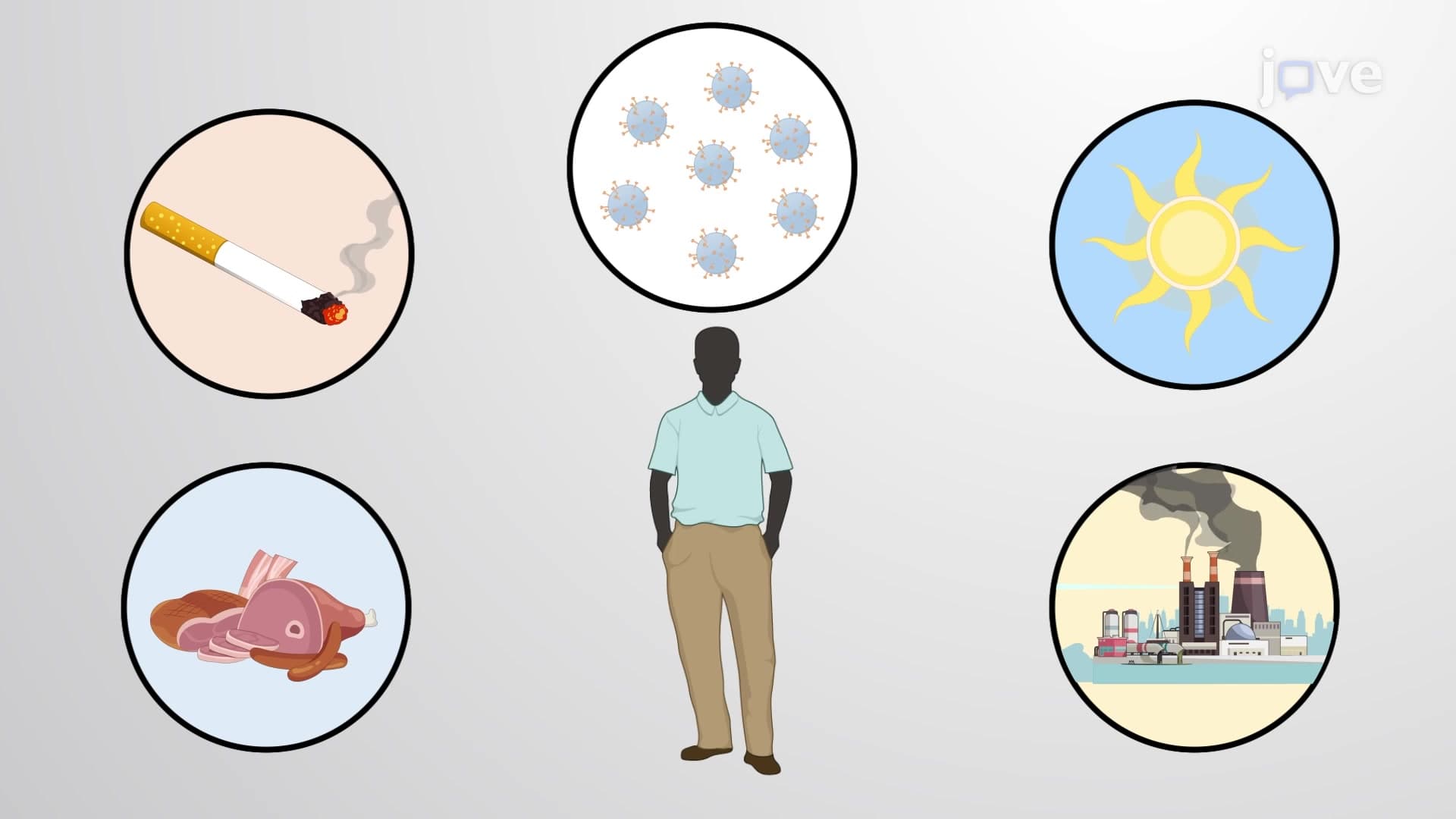
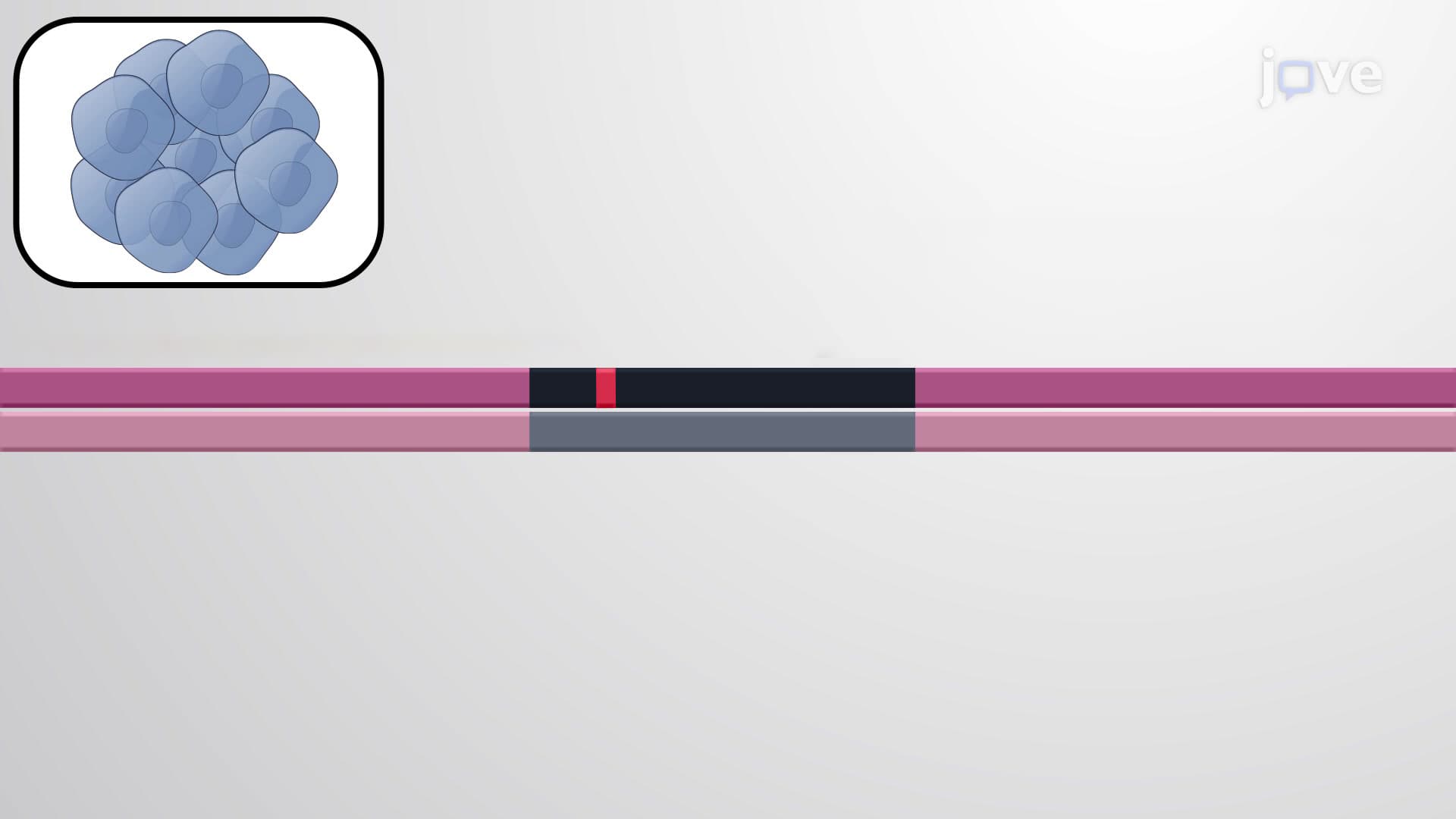
Alfred Knudson's groundbreaking two-hit hypothesis explains how tumor suppressor gene inactivation leads to cancer. Since most individuals inherit two functional copies (alleles) of each tumor suppressor gene, both must be inactivated for cancer to develop. The first "hit" might be an inherited mutation, while the second occurs somatically through environmental factors, additional mutations, or chromosomal loss.
This mechanism is clearly demonstrated in retinoblastoma, a rare eye cancer affecting children. Patients inheriting one defective RB1 gene copy have a 90% chance of developing tumors, as they need only one additional "hit" to lose all tumor suppressor function. Sporadic cases require two somatic hits, making them less common and typically occurring later in life.
Modern cancer genetics heavily relies on understanding tumor suppressor gene function. The FDA-approved genetic tests for BRCA1 and BRCA2 mutations exemplify clinical applications, helping identify individuals at high risk for breast and ovarian cancers. Major US testing companies like Myriad Genetics have developed comprehensive panels screening multiple tumor suppressor genes simultaneously.
These tests inform critical medical decisions. Patients with BRCA mutations might choose prophylactic surgeries, enhanced screening protocols, or targeted therapies like PARP inhibitors. The National Comprehensive Cancer Network (NCCN) guidelines specifically incorporate tumor suppressor gene testing into cancer risk management strategies used across US healthcare systems.
Understanding tumor suppressor mechanisms has revolutionized cancer treatment approaches. Unlike traditional chemotherapy that broadly targets dividing cells, newer therapies exploit specific tumor suppressor deficiencies. For example, cancers with p53 mutations respond differently to DNA-damaging agents than those with functional p53.
Current research focuses on restoring tumor suppressor function through gene therapy, small molecule drugs that reactivate silenced genes, or synthetic lethal approaches that target pathways cancer cells depend on after losing tumor suppressor function. These concepts frequently appear on MCAT passages and AP Biology exams, particularly regarding cell cycle regulation and cancer biology.
Related Micro-courses