Loading subject page…

- Cell Biology
- Cancer
- What is Cancer?
Micro-course: Cancer
51,513 views
Learn key concepts and earn your certificate.





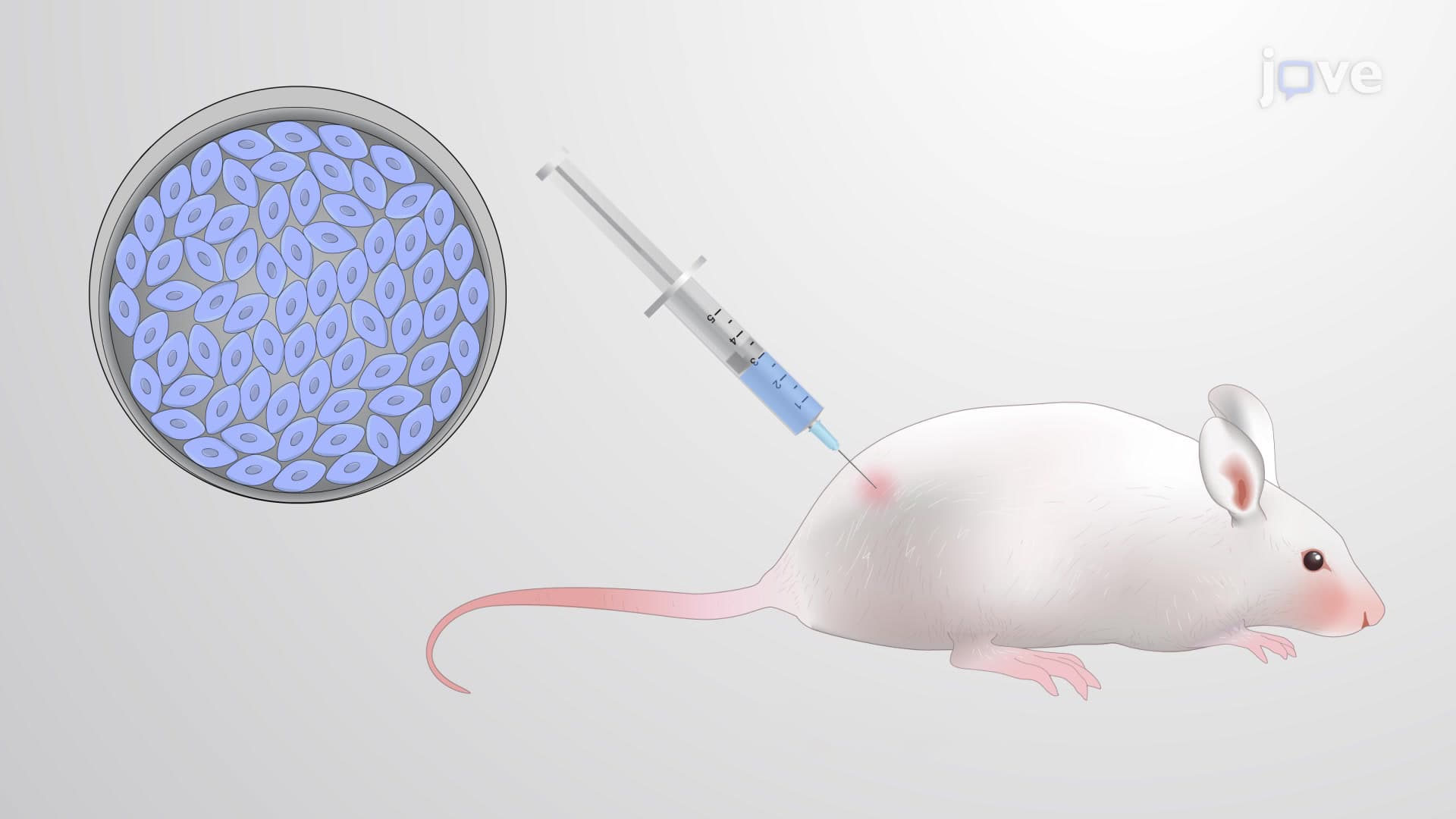
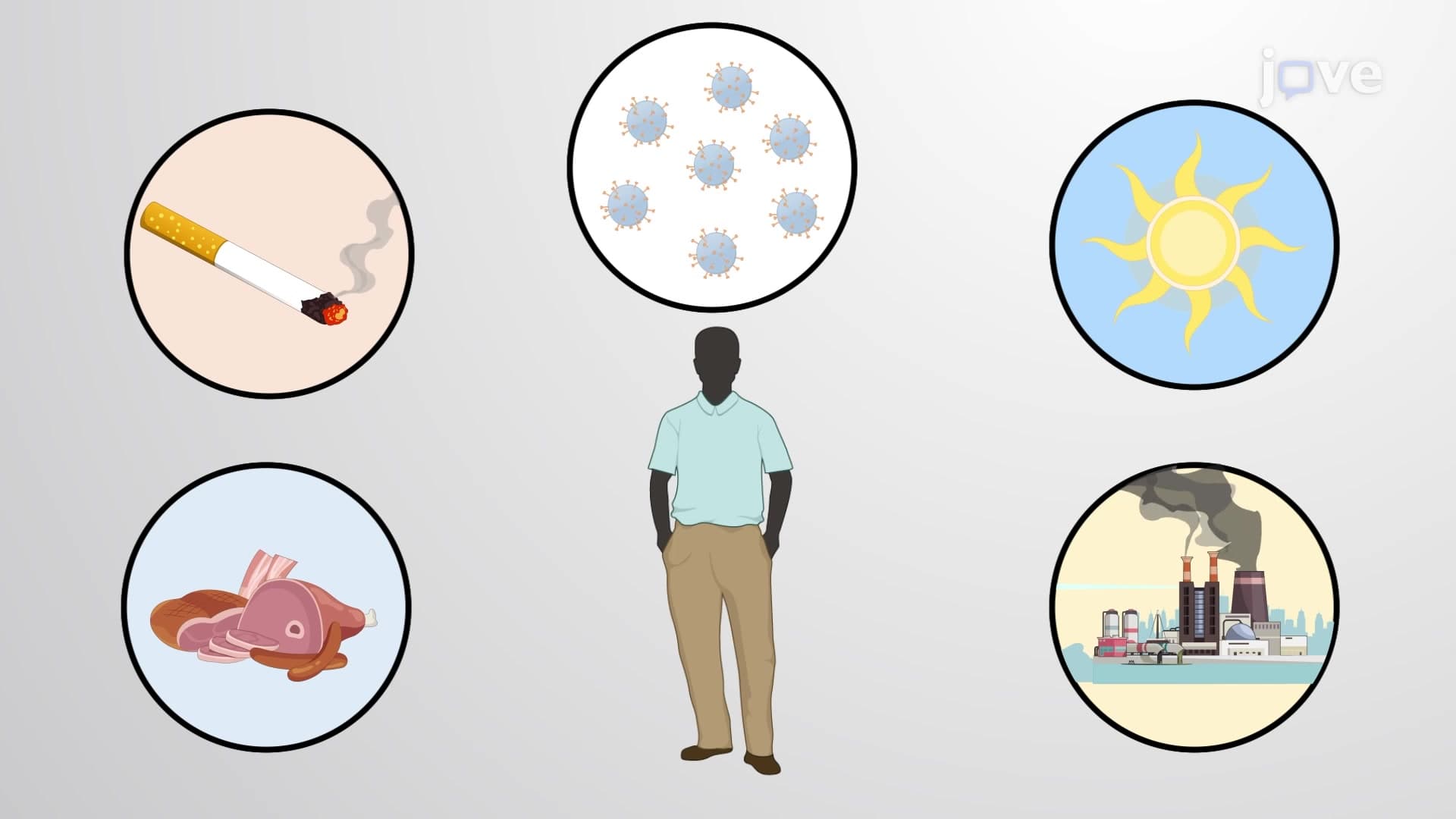
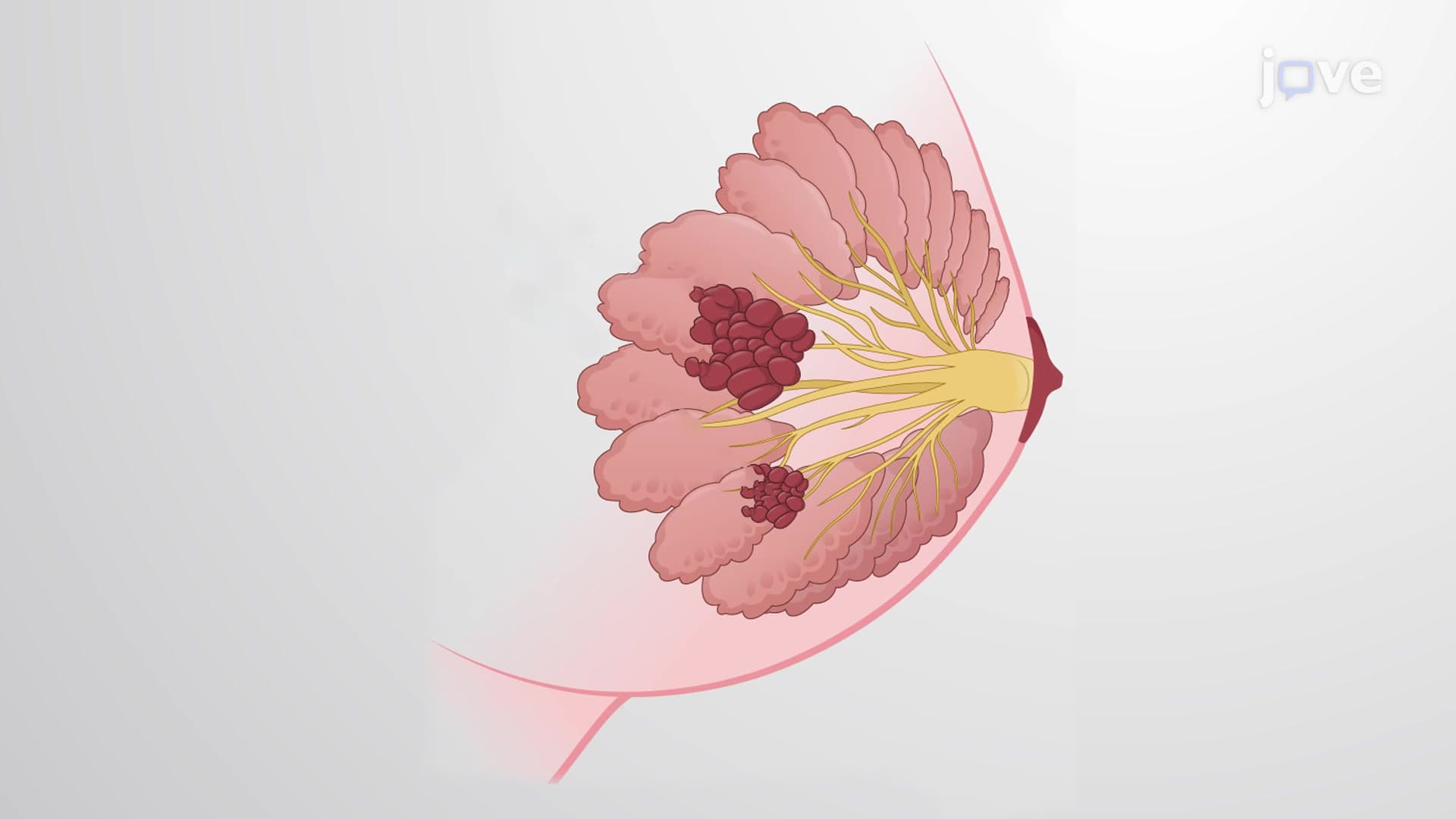

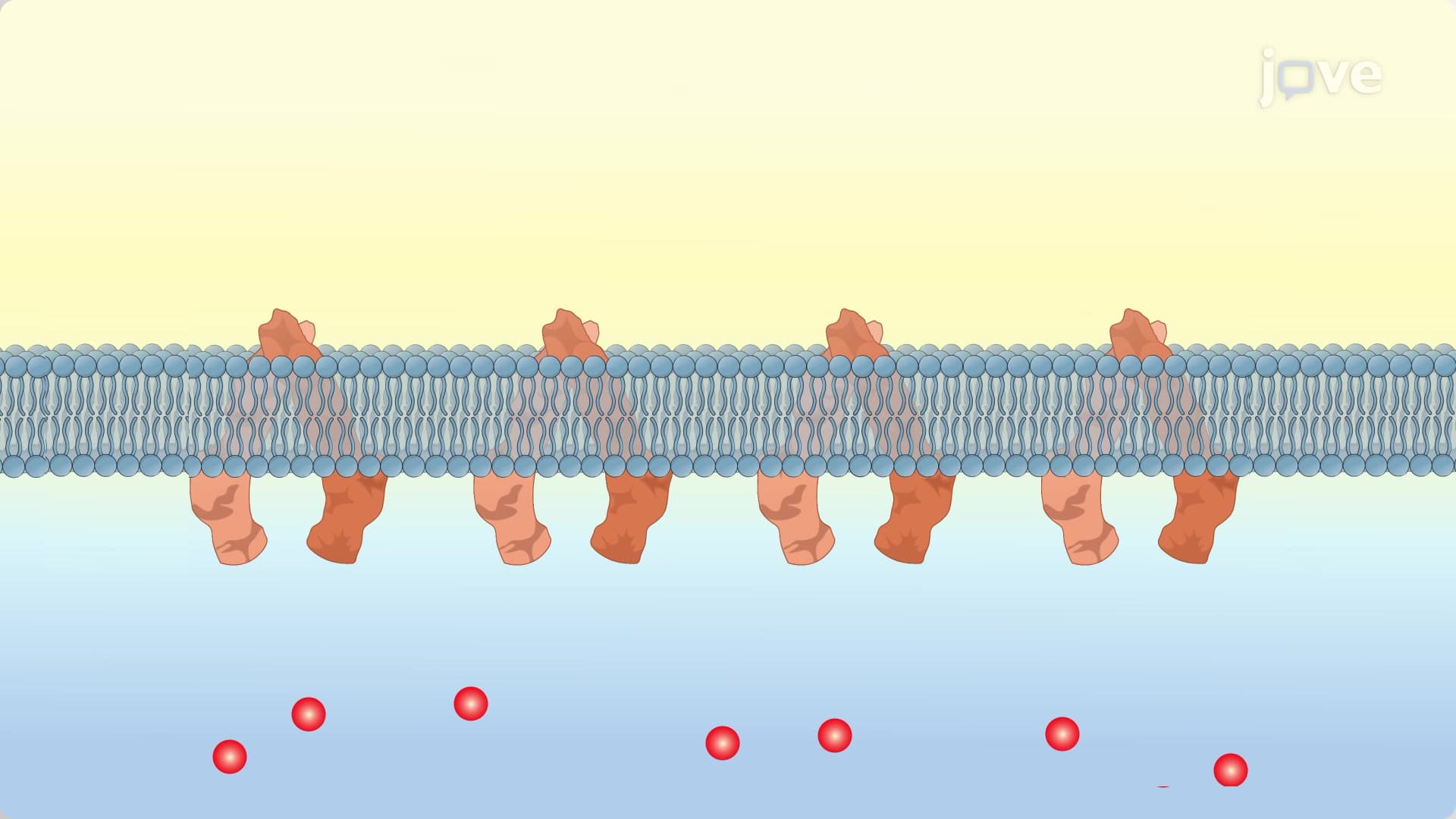

What is Cancer?

00:00
02:12
Video Summary: Cancer Definition
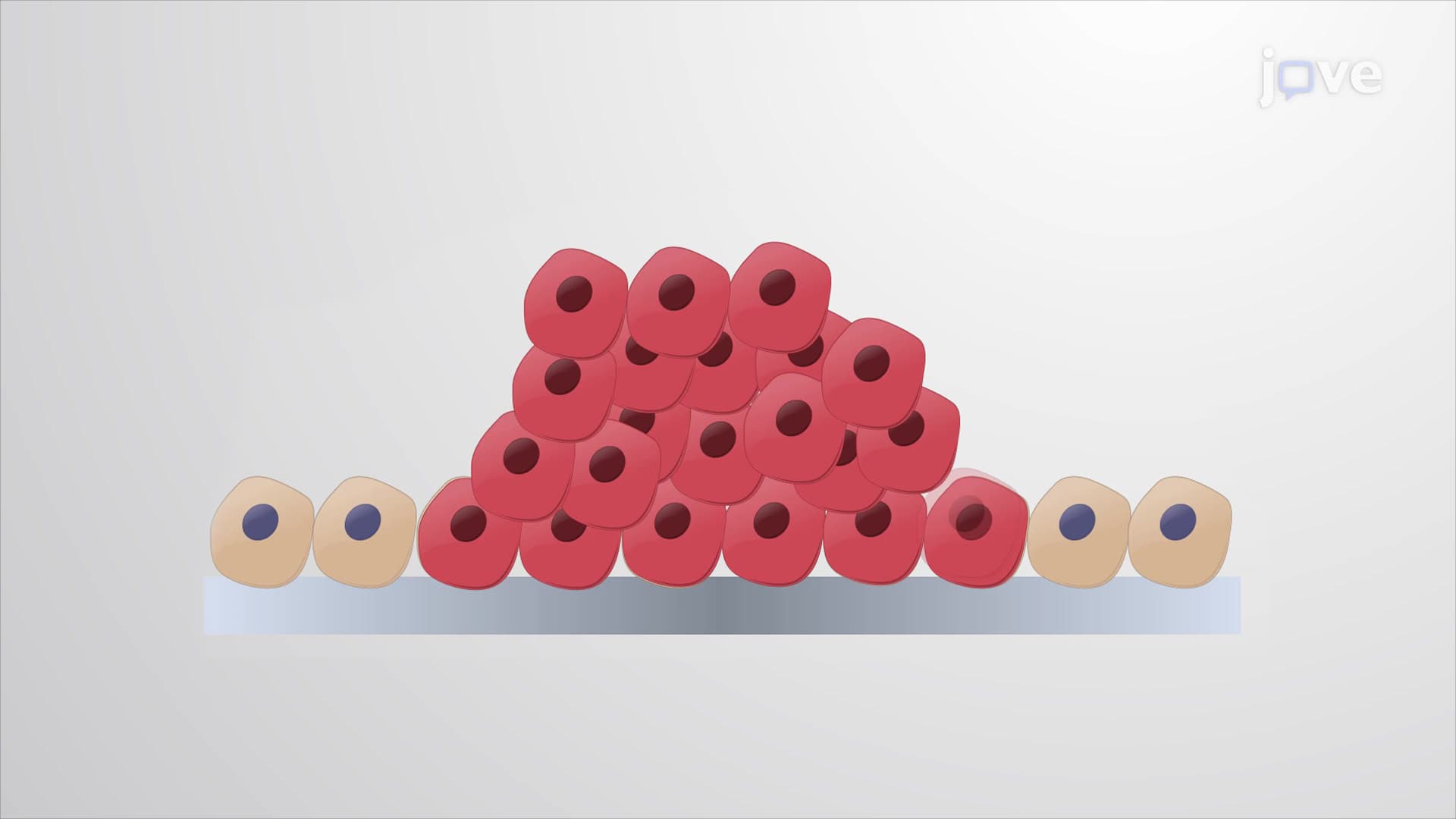
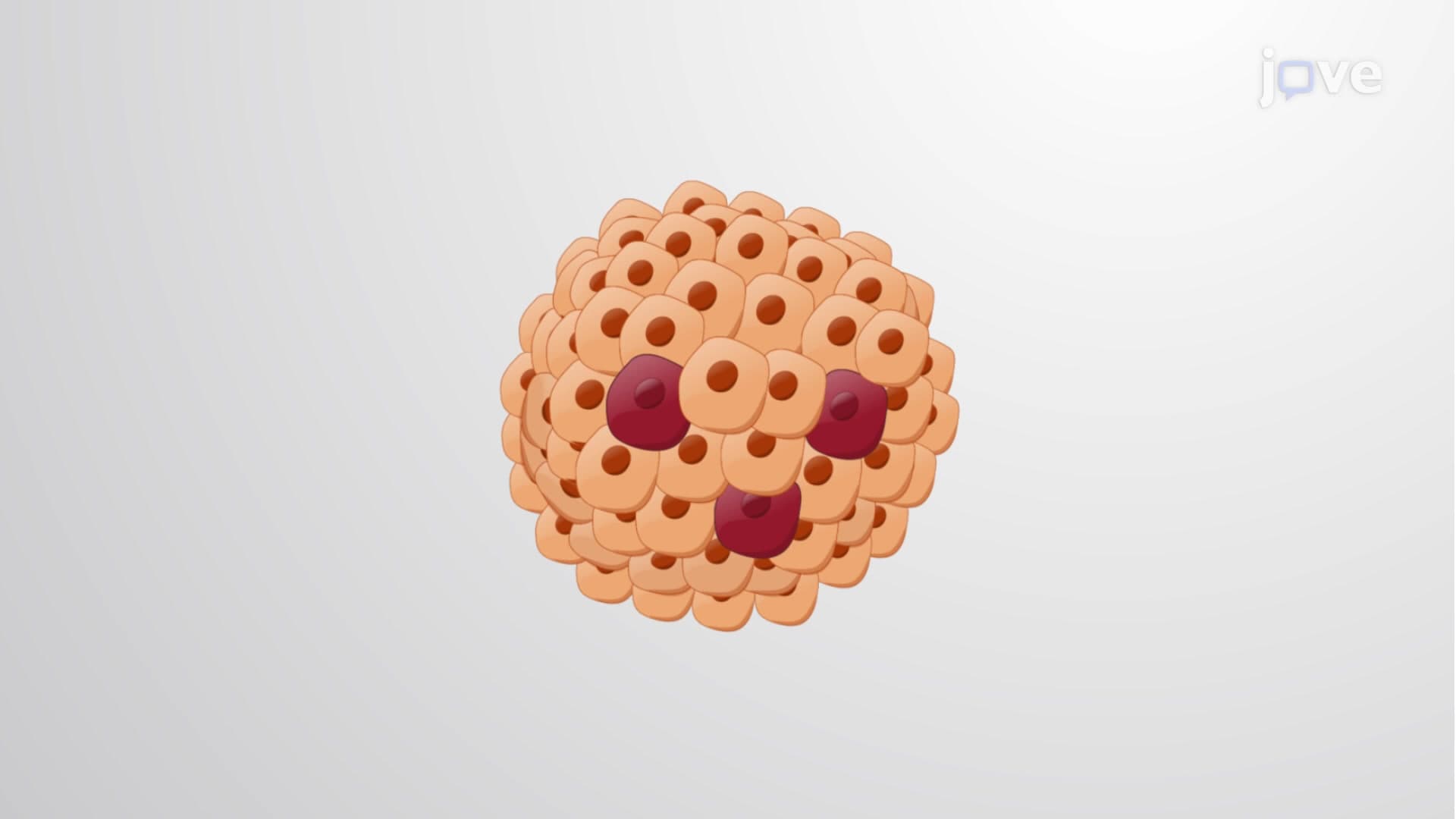
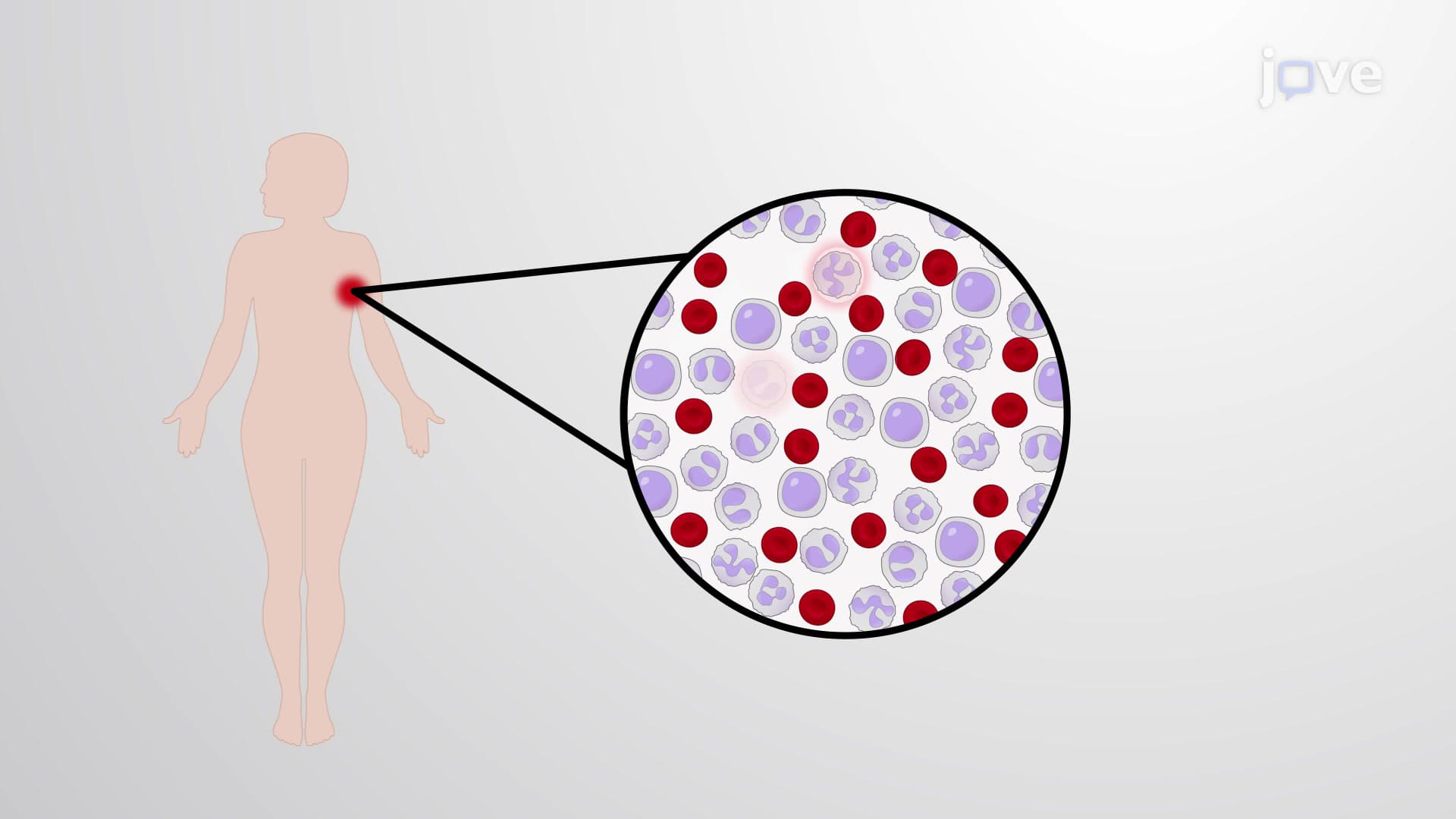
Did you know that cancer will affect nearly 40% of Americans at some point in their lives? The cancer definition encompasses a complex group of diseases where cells grow uncontrollably and can spread throughout the body. For instance, breast cancer affects over 280,000 Americans annually, highlighting how genetic mutations transform normal cells into malignant ones. Cancer Definition involves understanding hallmarks like sustained growth signals, resistance to cell death, and metastasis. Watch the full video on JoVE Coach to master this concept with expert-led visuals and step-by-step explanations.
- Understand the Cancer Definition as uncontrolled cell growth with potential for invasion and metastasis
- Identify the six hallmarks of cancer including sustained proliferative signaling and angiogenesis
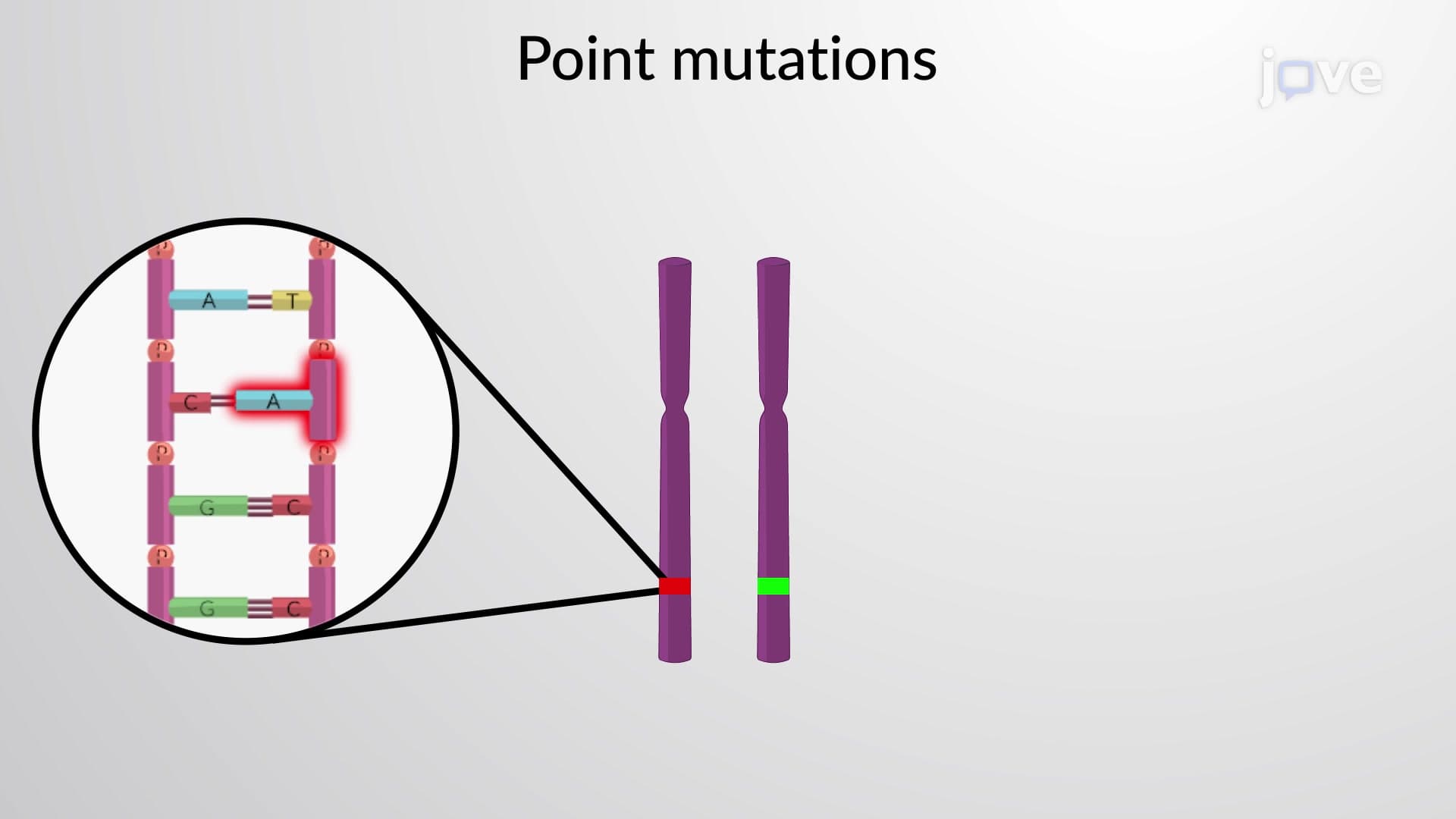
- Analyze how mutations in oncogenes and tumor suppressor genes disrupt normal cell cycle regulation
- Compare normal cell growth patterns with malignant transformation processes
- Evaluate the role of genetic and environmental risk factors in cancer development
- Apply knowledge of cancer biology to understand targeted therapy mechanisms
- Recognize the difference between benign and malignant tumors in clinical contexts
- Explore the molecular basis of metastasis and its impact on treatment strategies
Understanding Cancer Definition: From Normal to Malignant
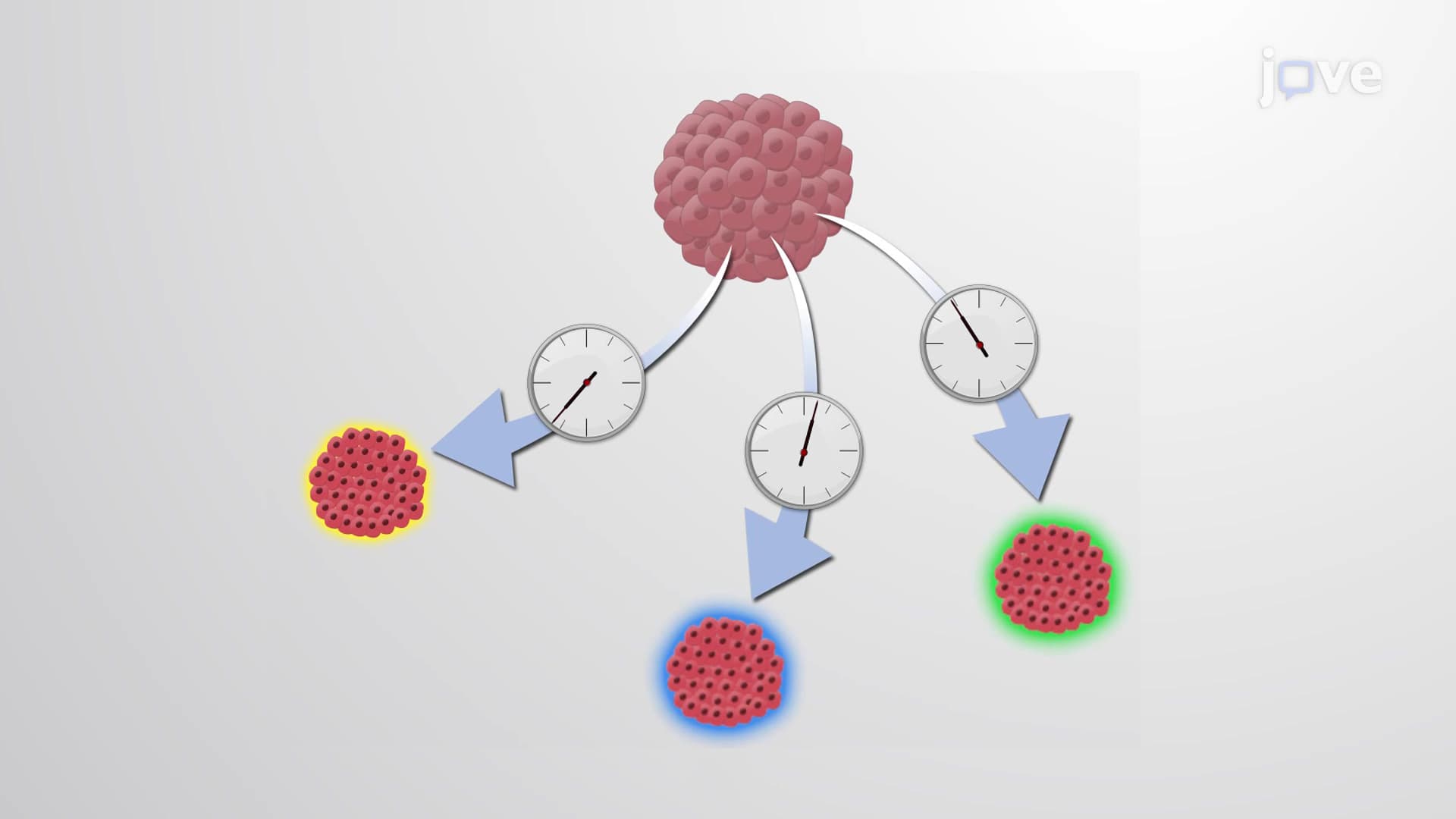
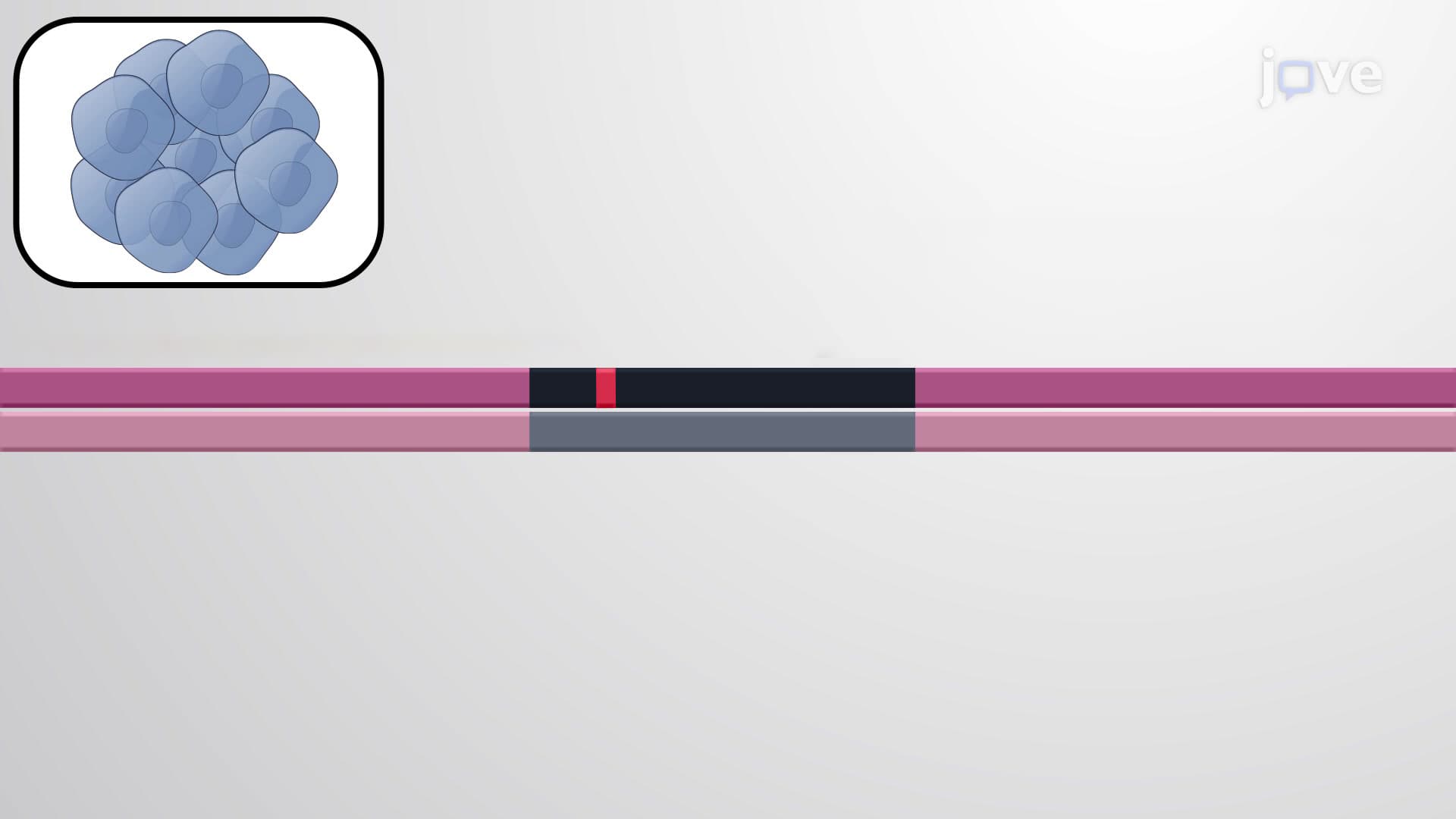
The cancer definition fundamentally describes a group of diseases characterized by abnormal cell growth that escapes normal regulatory mechanisms. Unlike normal cells that follow strict growth and division rules, cancer cells acquire genetic changes that allow unlimited proliferation. This transformation involves multiple steps, typically requiring 3-7 key mutations that accumulate over time.
The Hallmarks of Cancer: Six Key Characteristics
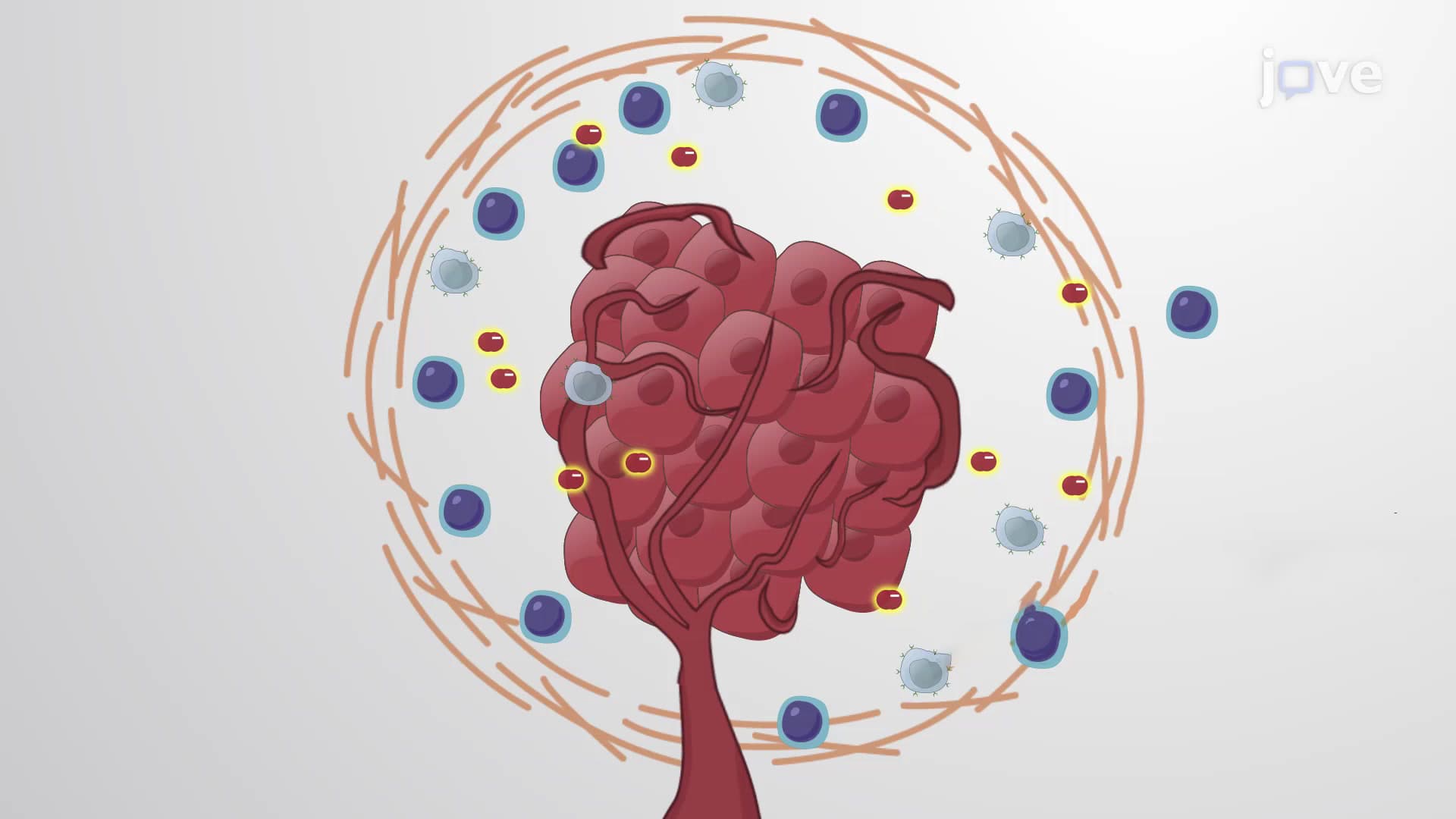
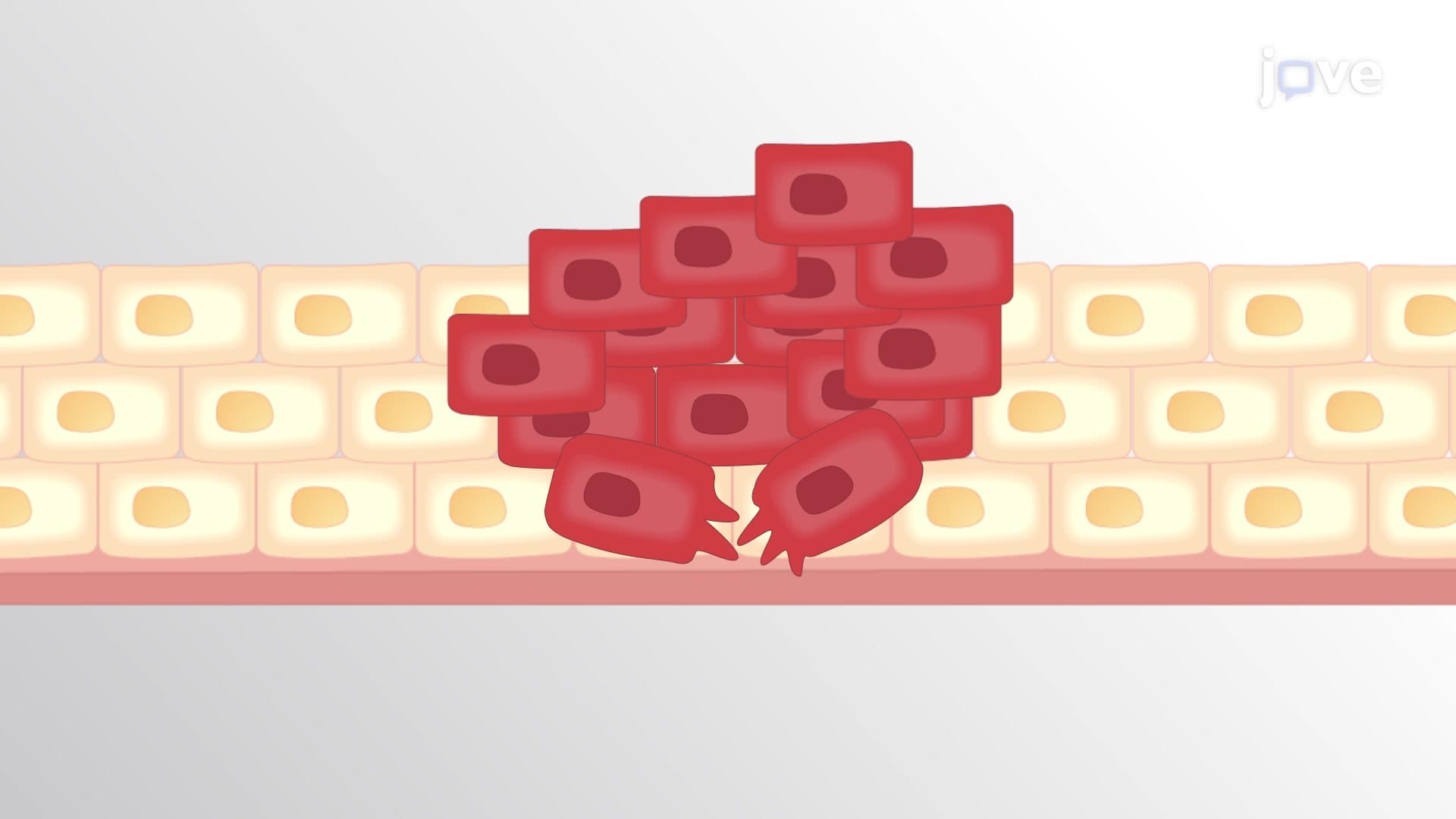
Cancer biologists have identified six essential capabilities that define malignant cells. These include sustained proliferative signaling (cells ignore "stop" signals), evasion of growth suppressors (bypassing natural brakes), resistance to programmed cell death (apoptosis), unlimited replicative potential, sustained angiogenesis (blood vessel formation), and tissue invasion with metastasis. Each hallmark represents a normal cellular function gone awry.
Genetic Mechanisms: Oncogenes and Tumor Suppressors
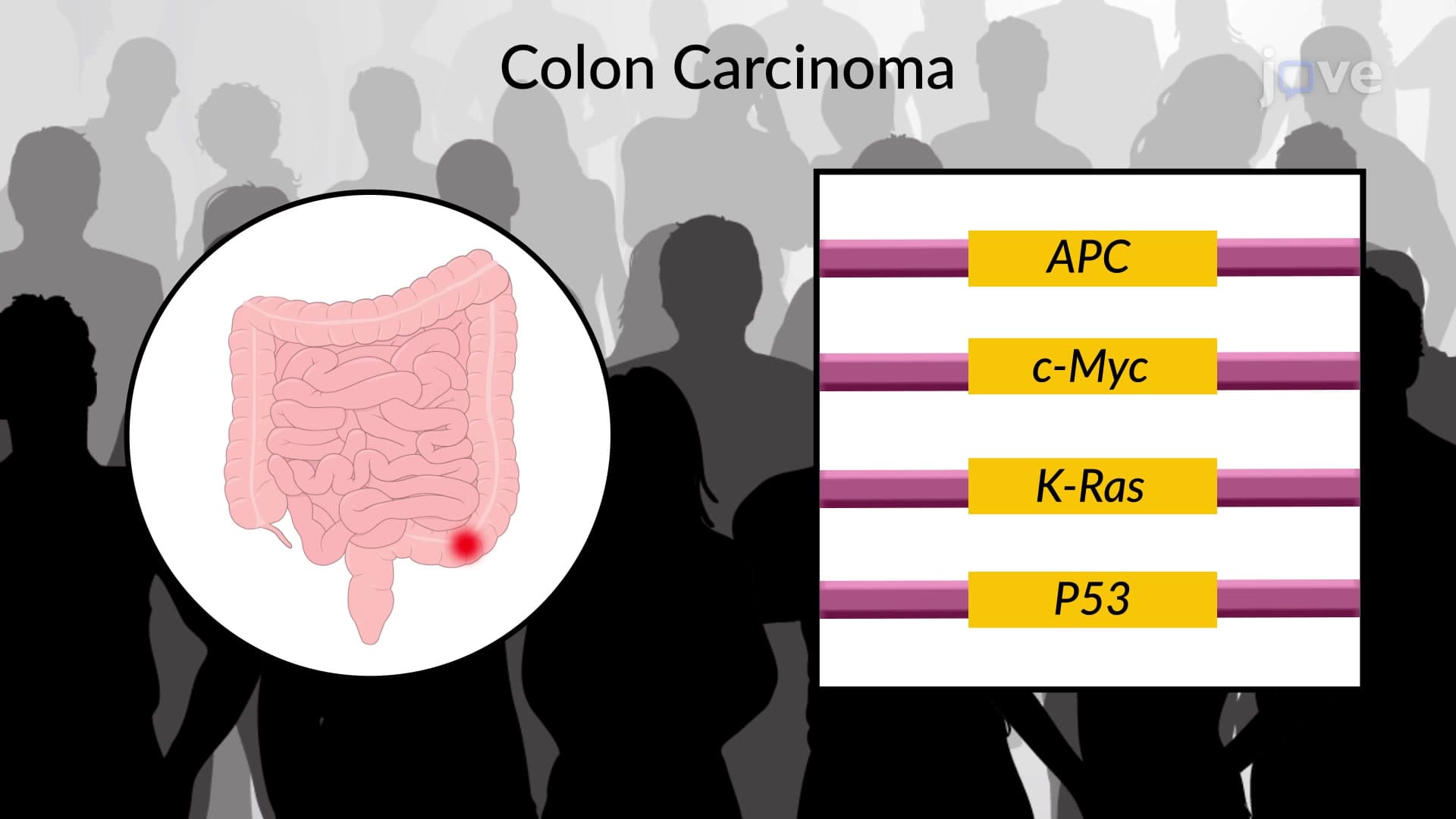
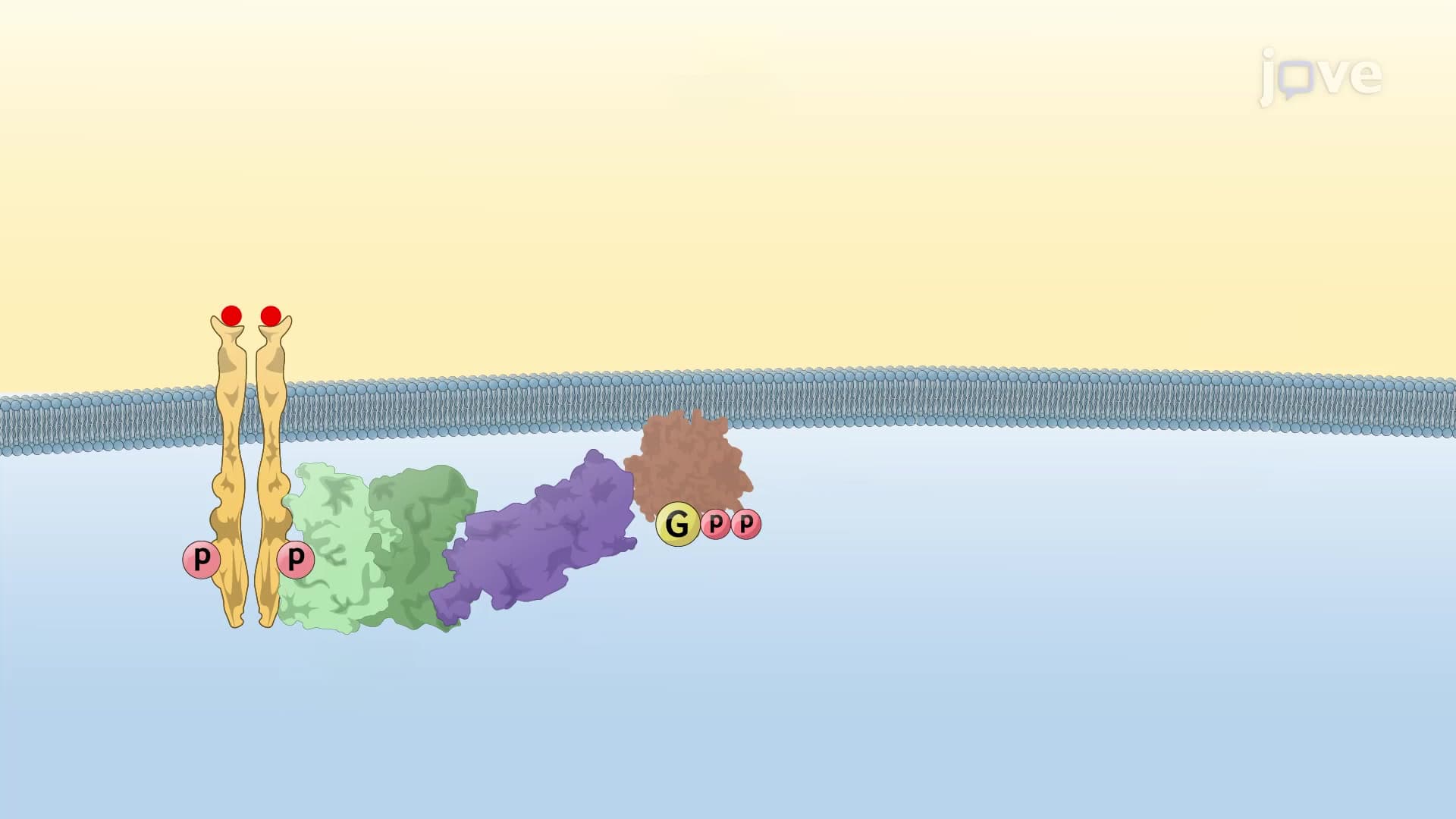
Cancer development involves two main categories of genes. Oncogenes, when activated inappropriately, promote cell growth-like a stuck accelerator pedal. Examples include RAS proteins found mutated in 30% of cancers. Conversely, tumor suppressor genes normally prevent uncontrolled growth. The famous p53 gene, mutated in over 50% of cancers, normally triggers cell death when DNA damage occurs. Students preparing for AP Biology or MCAT exams should understand how these genetic changes accumulate.
Clinical Applications and Modern Treatments
Understanding cancer definition has revolutionized treatment approaches. The FDA has approved over 100 targeted cancer therapies since 2000. For example, Herceptin targets HER2-positive breast cancers by blocking specific growth signals. Immunotherapies like CAR-T cell treatments, developed at institutions like the University of Pennsylvania, harness the immune system to fight cancer. This molecular understanding appears frequently in USMLE Step 1 questions and undergraduate biochemistry courses, emphasizing the practical importance of mastering cancer biology fundamentals.
Frequently Asked Questions
Cancer definition refers to a group of diseases involving uncontrolled cell growth with the ability to invade surrounding tissues and spread to distant body parts. This occurs when normal cellular control mechanisms fail due to genetic mutations. Understanding this definition forms the foundation for studying oncology in advanced biology courses.
MCAT questions often test cancer definition through scenarios involving cell cycle regulation, tumor suppressor genes, and oncogenes. Expect passage-based questions linking molecular mechanisms to clinical presentations. The exam frequently covers p53 function, apoptosis pathways, and metastasis mechanisms within broader biochemistry and biology sections.
AP Biology emphasizes cancer as a failure of cell cycle checkpoints, featuring questions about oncogenes, tumor suppressors, and cellular communication breakdown. Students should master how normal growth control mechanisms fail and understand the relationship between mutations and cancer development for both multiple-choice and free-response questions.
Healthcare professionals use cancer definition knowledge daily when explaining diagnoses to patients at major cancer centers like MD Anderson or Mayo Clinic. Nurses, physicians, and medical technologists rely on understanding malignant vs. benign characteristics to provide appropriate care. This foundation proves essential for interpreting pathology reports and treatment protocols.
Cancer definition concepts are absolutely accessible to high school students with basic biology knowledge. While molecular details can be intricate, the core principles of uncontrolled growth and metastasis are straightforward. Many successful students master these concepts in honors biology or dual enrollment courses.
Create concept maps linking normal cell cycle control to cancer hallmarks, then practice with NCLEX or HESI A2 practice questions for nursing students, or MCAT prep for pre-med tracks. Focus on understanding mechanisms rather than memorizing facts. Use active recall techniques to connect molecular events with clinical outcomes.
Students should delve into specific cancer types, chemotherapy mechanisms, and immunotherapy approaches. Advanced topics include cancer genomics, personalized medicine, and clinical trial design. These areas build naturally on cancer definition fundamentals and appear in upper-level undergraduate and graduate coursework.
Related Micro-courses