Loading subject page…


51,513 views

Video Summary: Cancer Stem Cells and Tumor Maintenance Explained
Did you know that cancer tumors operate like corrupt governments, with a small population of "dictator cells" controlling the entire malignant system? Cancer stem cells and tumor maintenance reveals how these specialized cells drive tumor growth, resist chemotherapy, and cause cancer recurrence in patients at major US cancer centers like MD Anderson. Unlike regular cancer cells, these stem-like cells can regenerate entire tumors from just a few surviving cells, explaining why some cancers return years after treatment. Watch the full video on JoVE Coach to master this concept with expert-led visuals and step-by-step explanations.
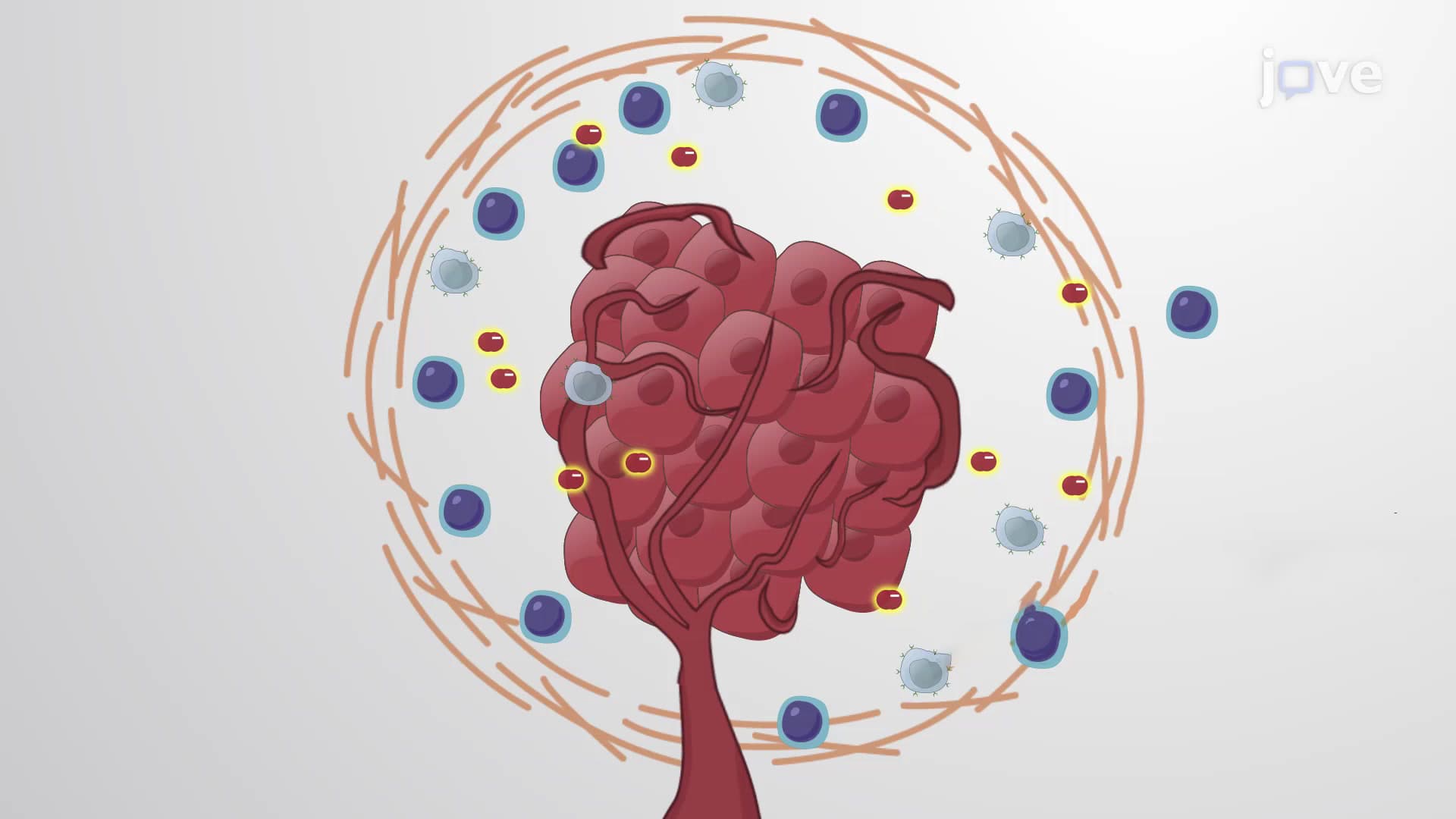
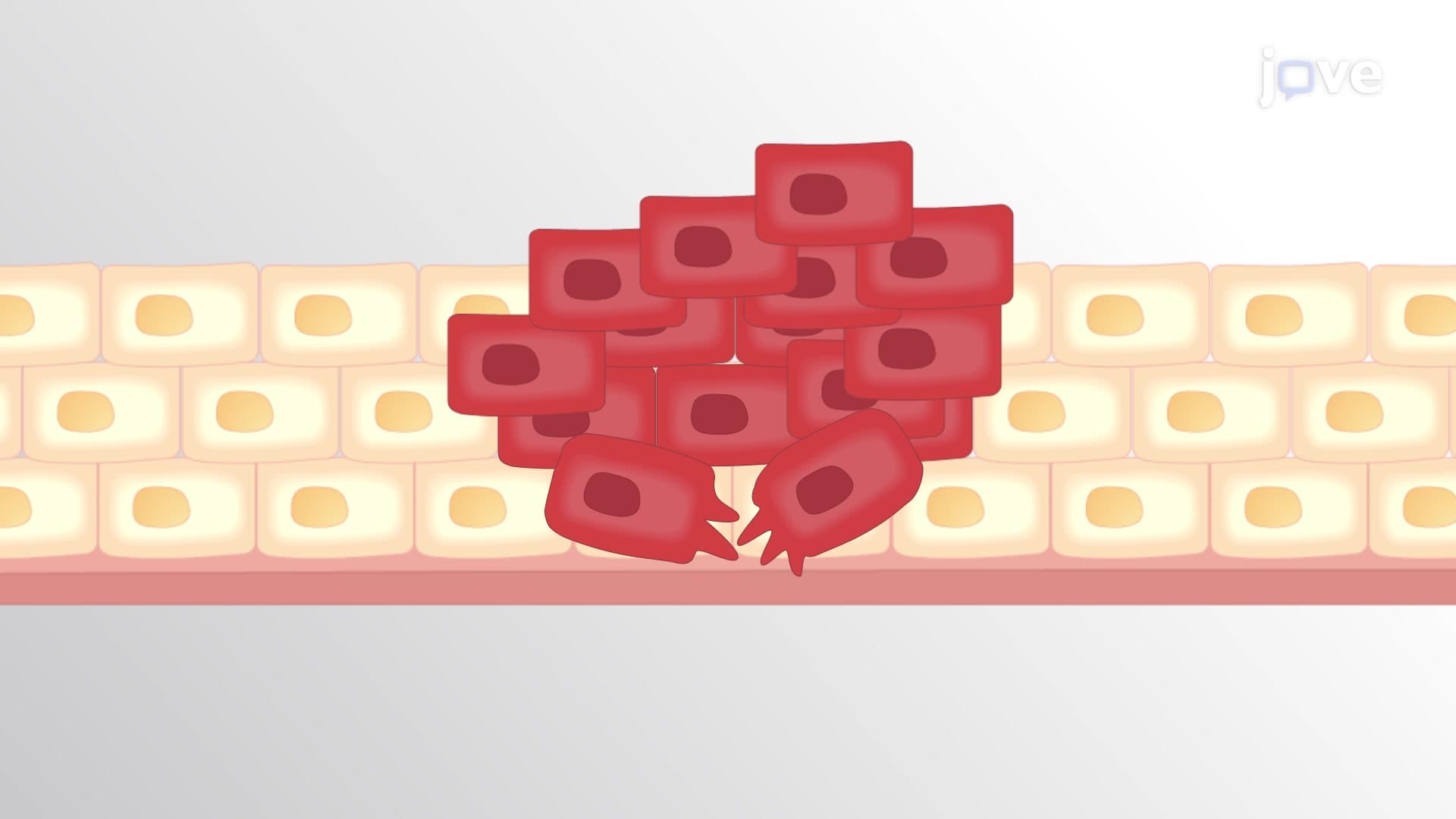
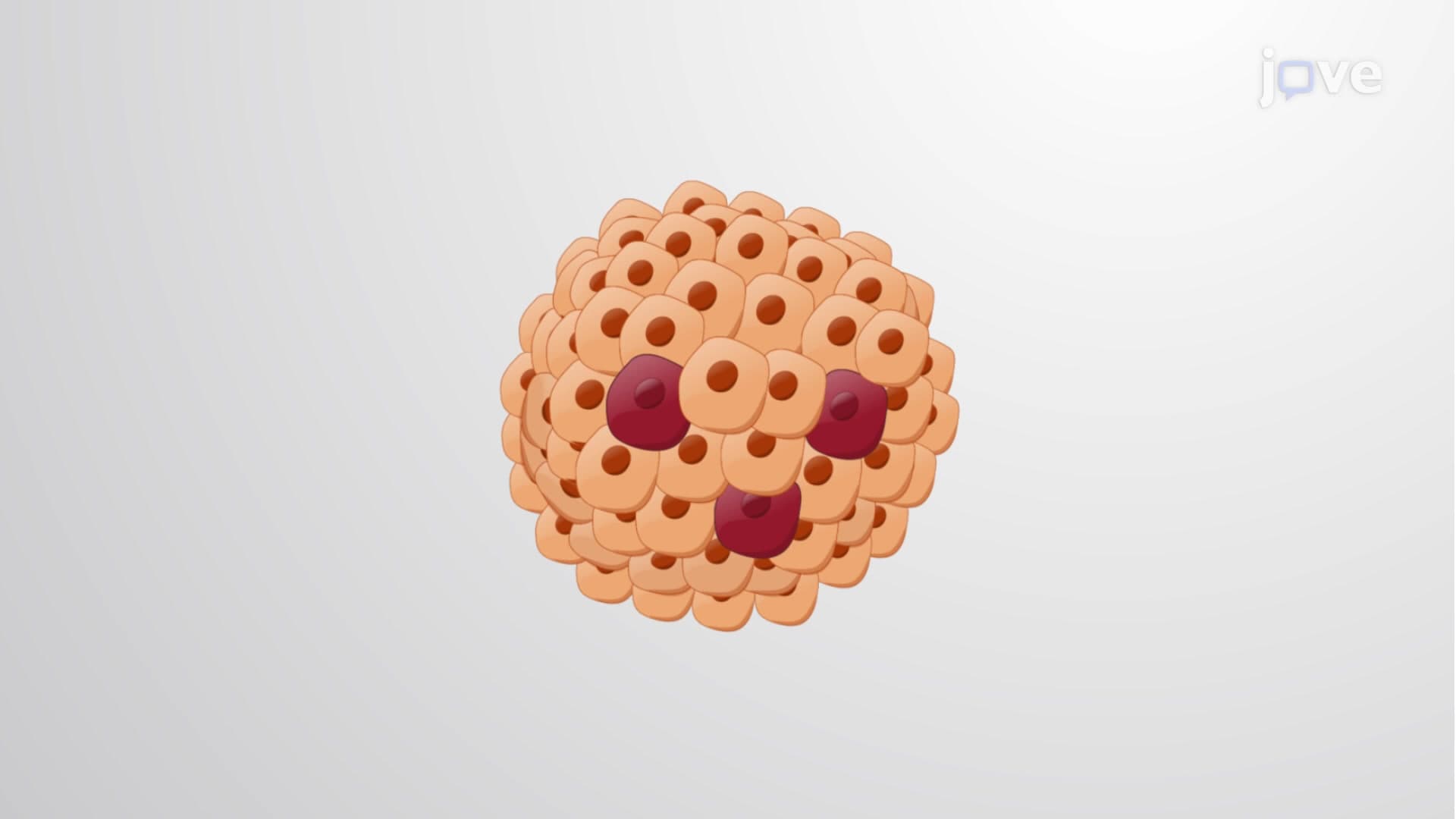
Cancer stem cells represent one of the most significant paradigm shifts in modern oncology. Unlike the traditional view of tumors as masses of identical malignant cells, we now understand that cancers contain a hierarchical organization similar to normal tissues. At the apex of this hierarchy sit cancer stem cells-a small but mighty population that drives tumor initiation, growth, and most importantly, maintenance over time.
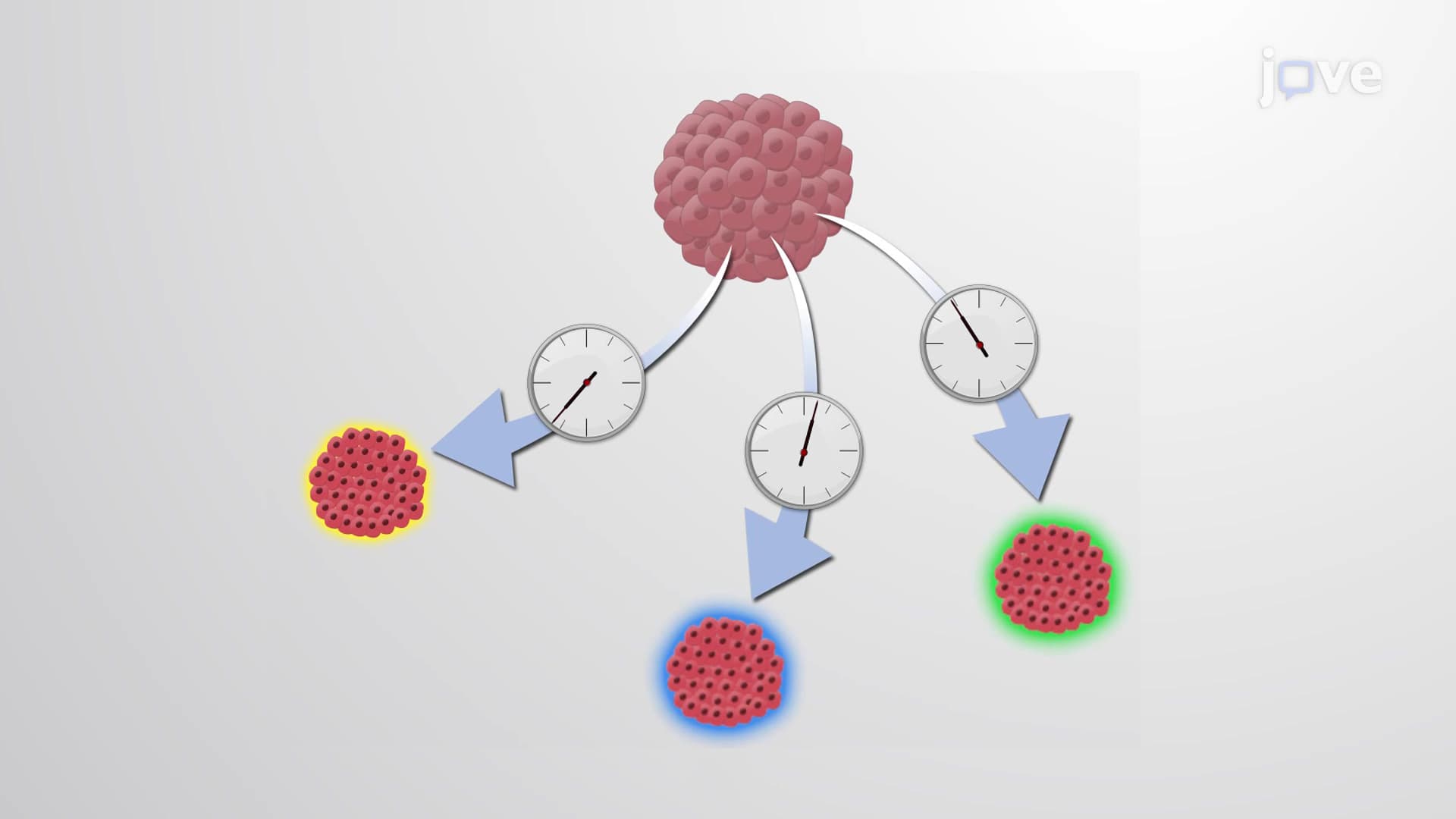
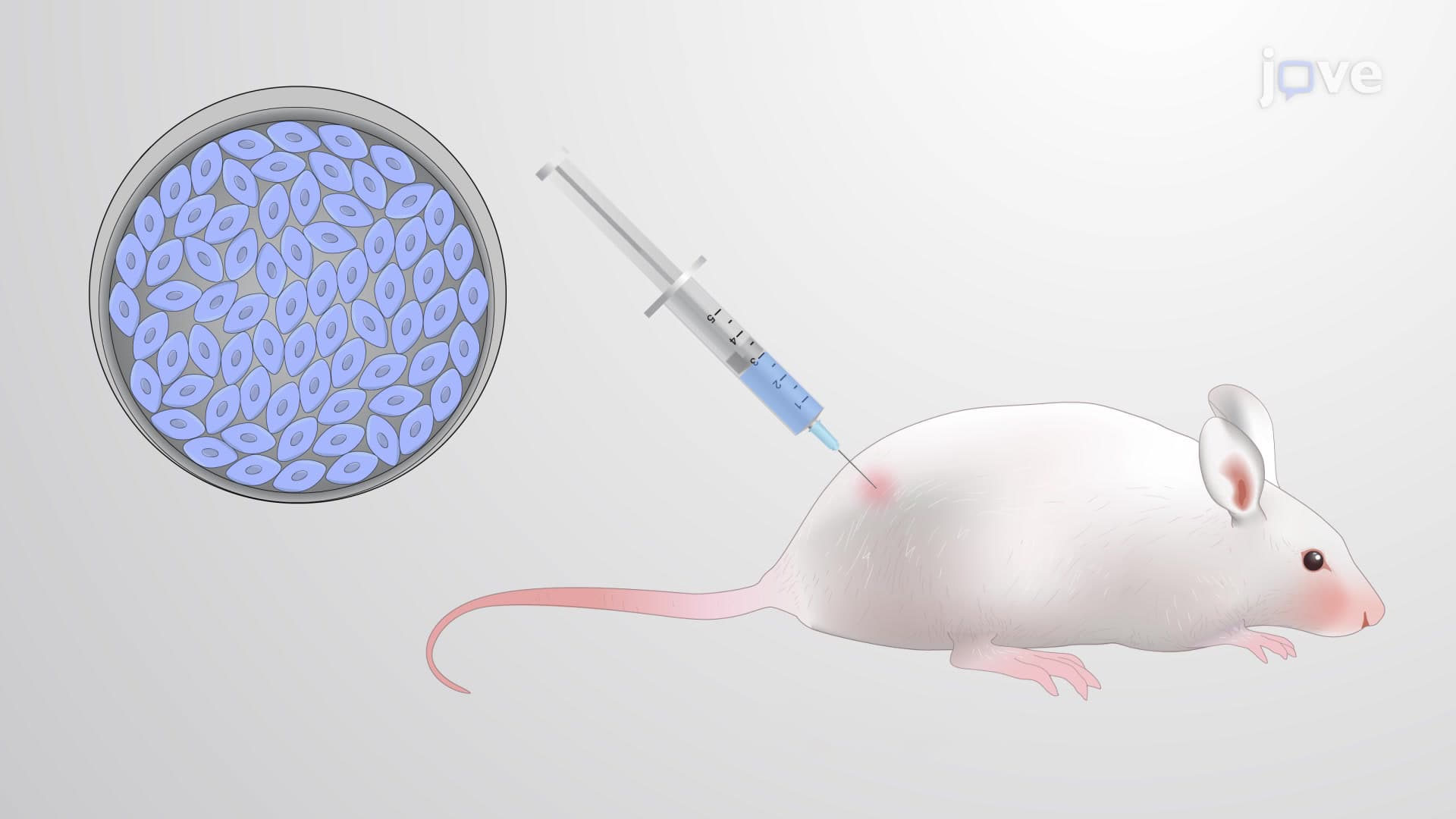
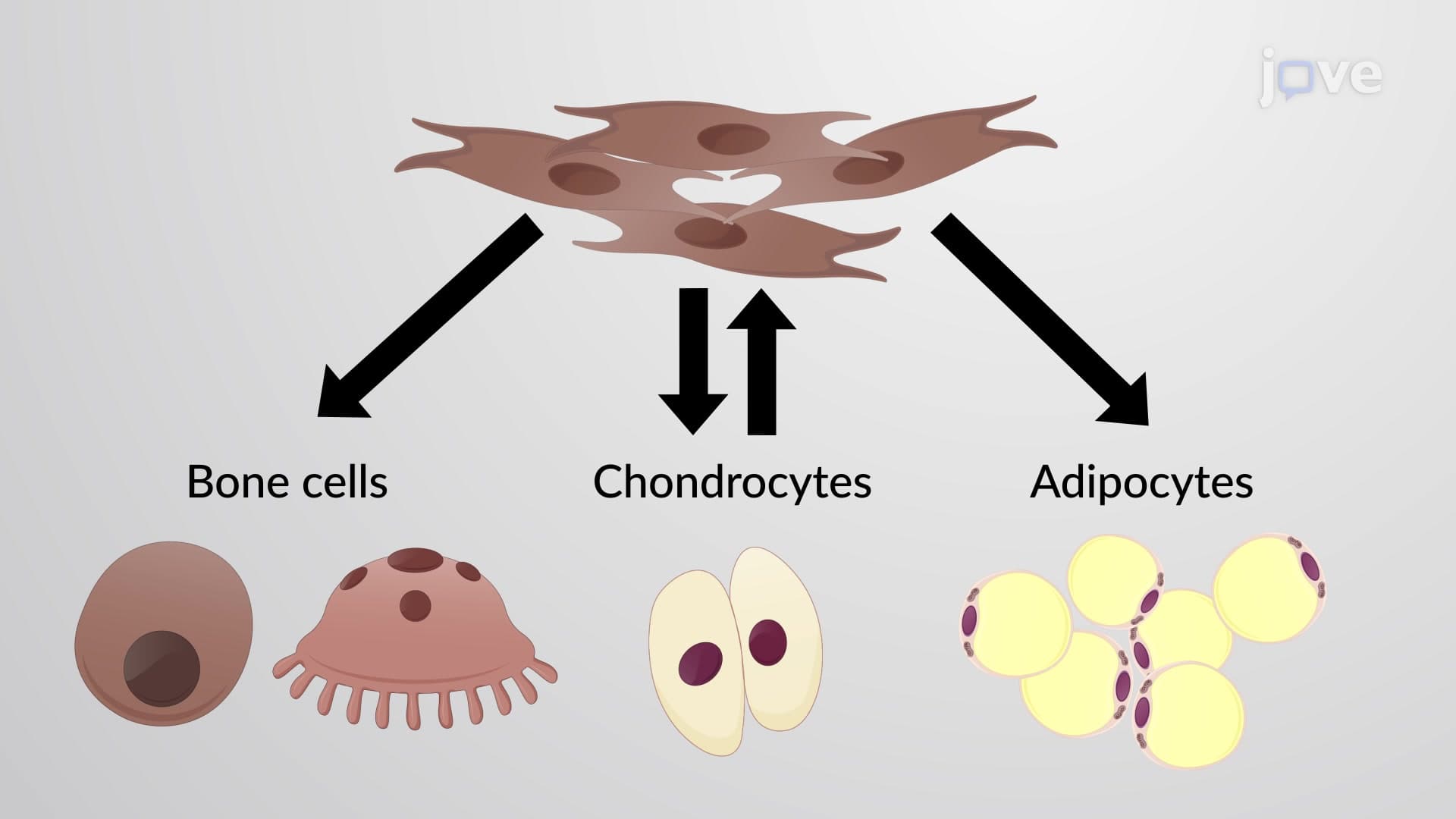
Cancer stem cells possess two critical abilities that make them particularly dangerous. First, they exhibit unlimited self-renewal, meaning they can divide indefinitely while maintaining their stem-like characteristics. Second, they can differentiate into various specialized cancer cell types, regenerating the diverse cellular populations within tumors. This combination explains why a single cancer stem cell can theoretically recreate an entire tumor-a phenomenon demonstrated in landmark studies at institutions like Stanford University and the University of Michigan.
These cells enter quiescent states, essentially going dormant to survive harsh conditions like chemotherapy or radiation. When treatment ends, they reactivate and rebuild the tumor, leading to cancer recurrence. This mechanism is particularly relevant for students preparing for the MCAT, as it connects stem cell biology concepts with clinical oncology applications.
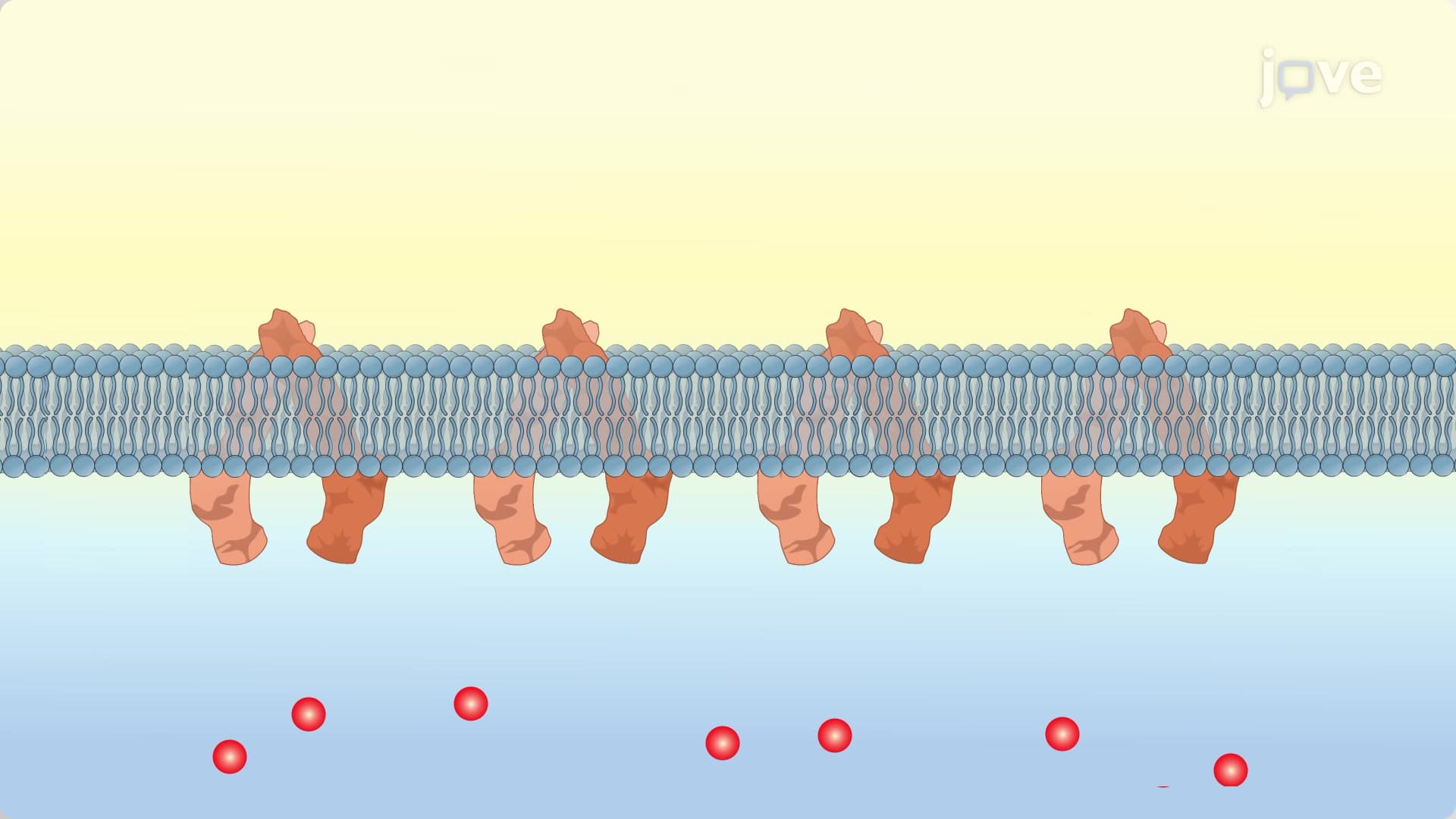
Cancer stem cells employ sophisticated molecular machinery to resist treatment. They overexpress DNA repair proteins, allowing them to survive radiation damage that kills regular cancer cells. Additionally, they produce high levels of drug efflux pumps-molecular transporters that actively pump chemotherapy drugs out of the cell before they can cause damage.
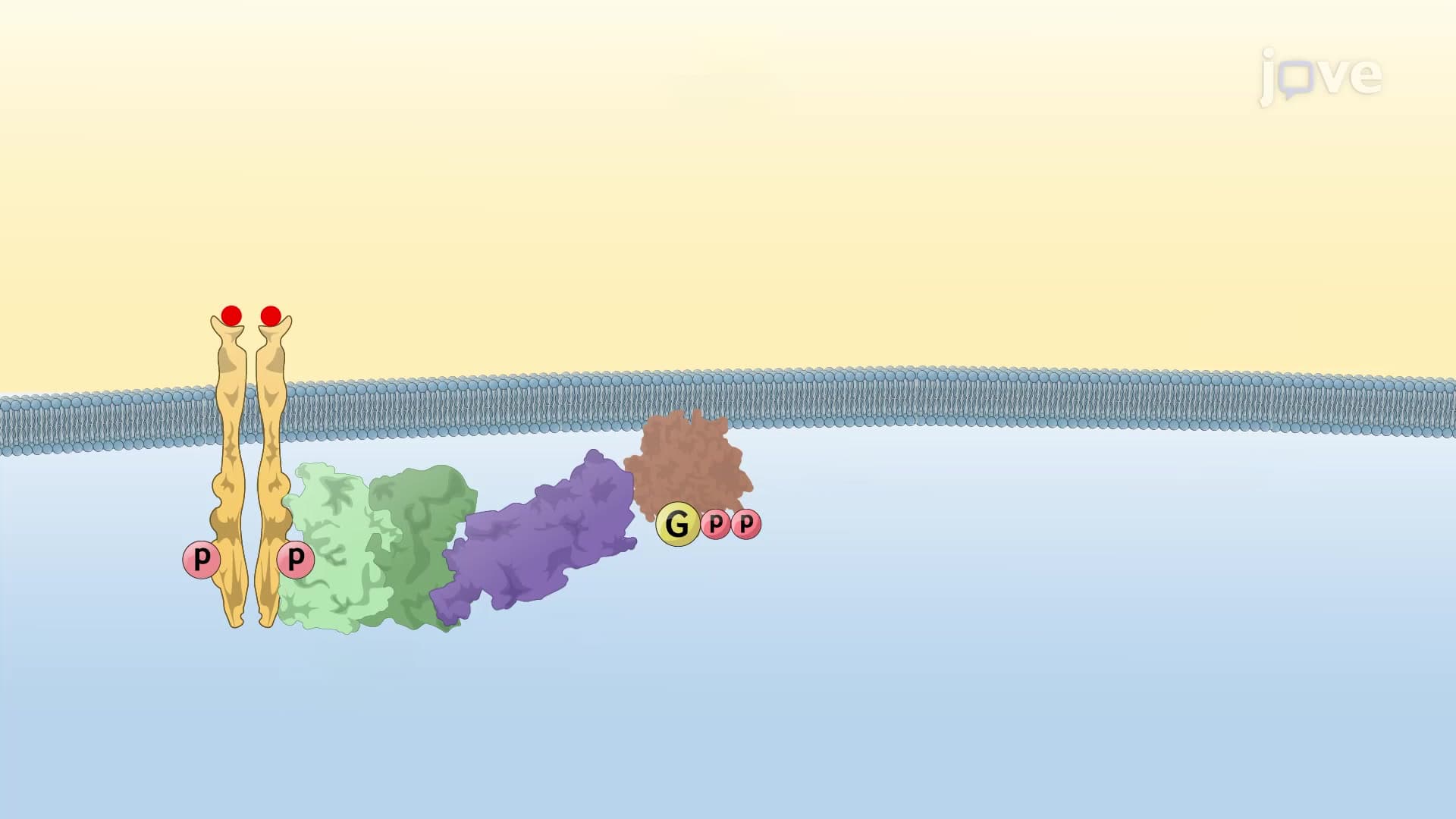
Key signaling pathways including Wnt, Notch, and Hedgehog regulate cancer stem cell behavior. These same pathways control normal stem cells, but in cancer, they become dysregulated and hyperactive. Understanding these pathways is crucial for AP Biology students studying cell signaling and for pre-med students preparing for medical school coursework.
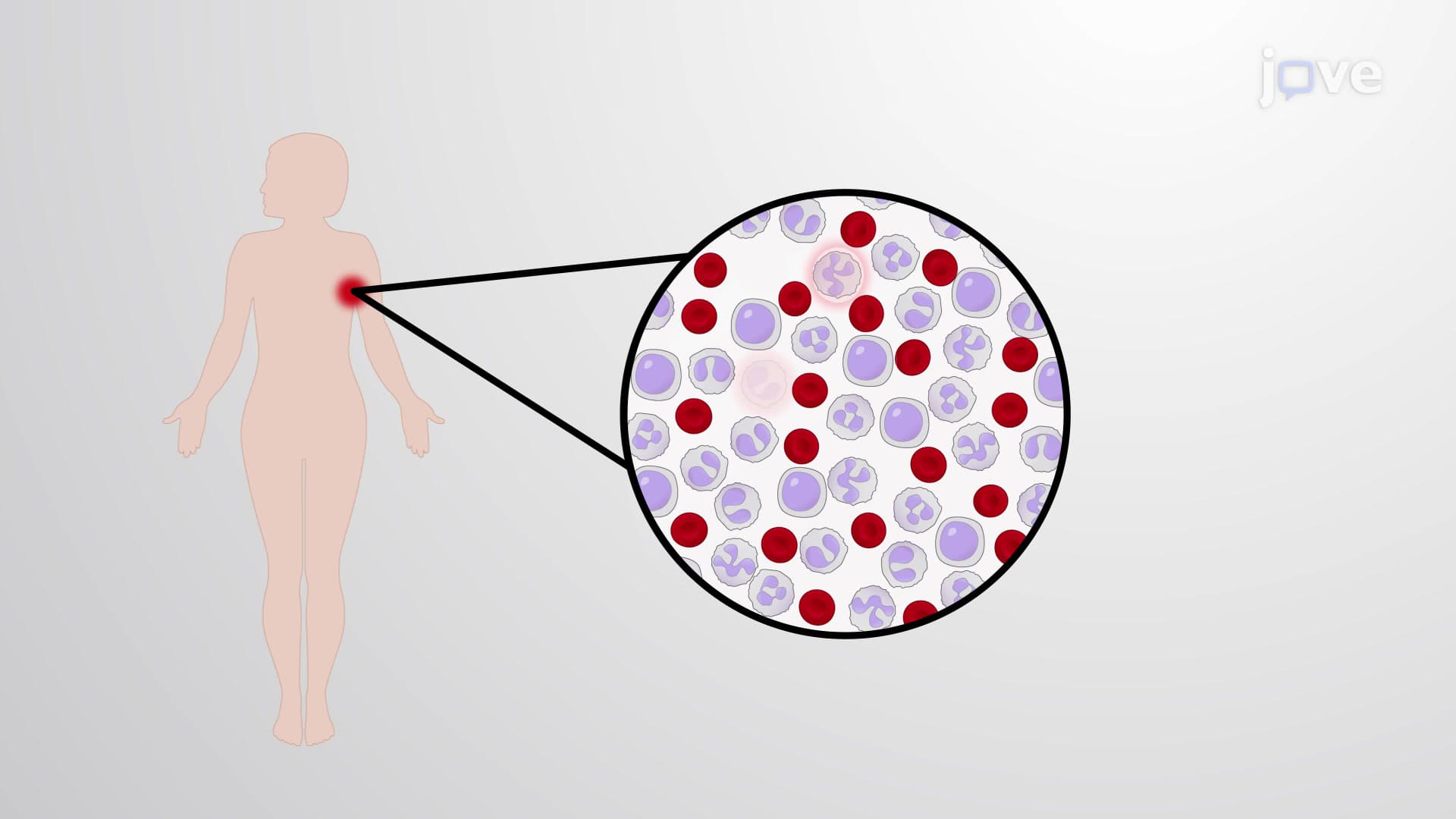
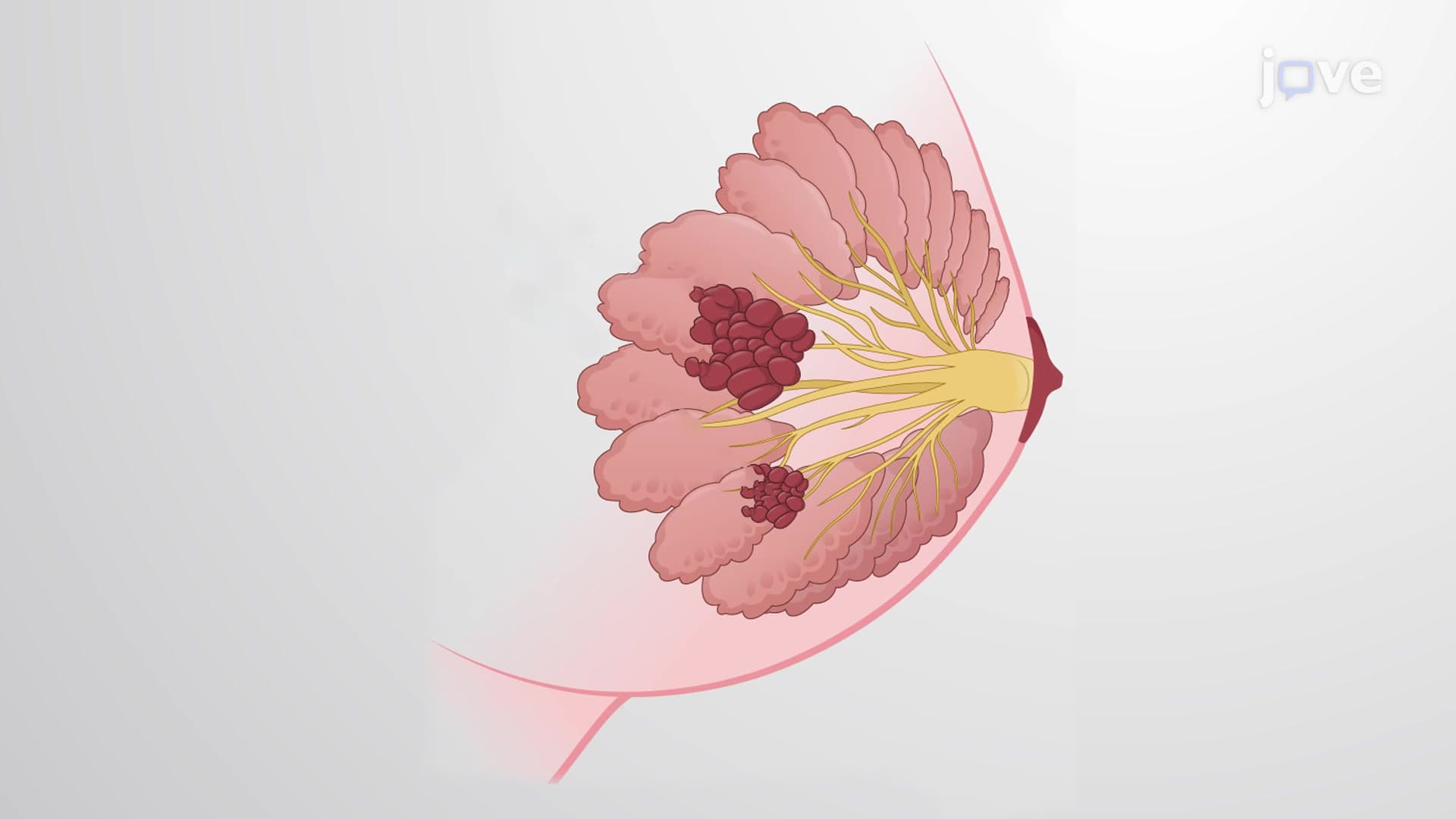
Cancer stem cells have been identified across numerous cancer types treated at major US medical centers. In acute myeloid leukemia at institutions like Memorial Sloan Kettering, researchers identified CD34+/CD38- cells as leukemic stem cells. Breast cancer stem cells, characterized by CD44+/CD24- markers, correlate with aggressive disease and poor prognosis at centers like Johns Hopkins.
Current therapeutic strategies aim to either eliminate cancer stem cells directly or force them to differentiate into less dangerous cell types. This represents a fundamental shift in cancer treatment philosophy-from debulking tumors to targeting their root cause.
Related Micro-courses