Loading subject page…


51,513 views


Video Summary: Combination Therapies and Personalized Medicine Explained
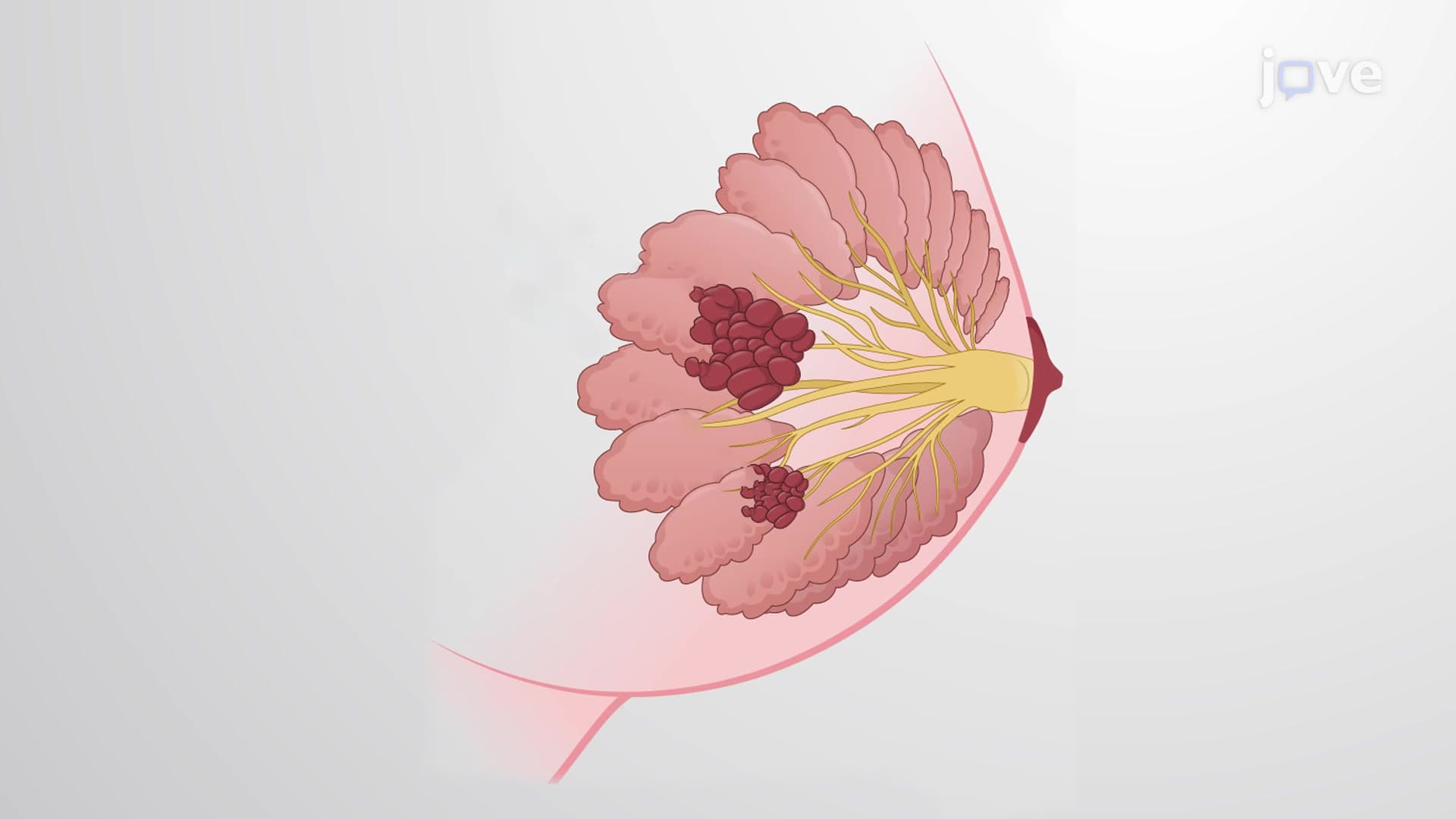
Why do some cancer patients respond brilliantly to treatment while others with the same diagnosis don't? Combination therapies and personalized medicine revolutionize cancer care by attacking tumors through multiple mechanisms while tailoring treatments to each patient's unique genetic profile. For instance, breast cancer patients at MD Anderson Cancer Center receive HER2-targeted drugs combined with chemotherapy based on their tumor's molecular characteristics. Watch the full video on JoVE Coach to master this concept with expert-led visuals and step-by-step explanations.
The landscape of cancer treatment has evolved dramatically from the traditional "one-size-fits-all" approach to sophisticated, patient-specific strategies. Combination therapies involve using multiple treatment modalities simultaneously-such as chemotherapy with immunotherapy, or radiation with targeted agents-to attack cancer cells through different mechanisms. This multi-pronged approach reduces the likelihood of resistance development and often produces synergistic effects where the combined impact exceeds the sum of individual treatments.
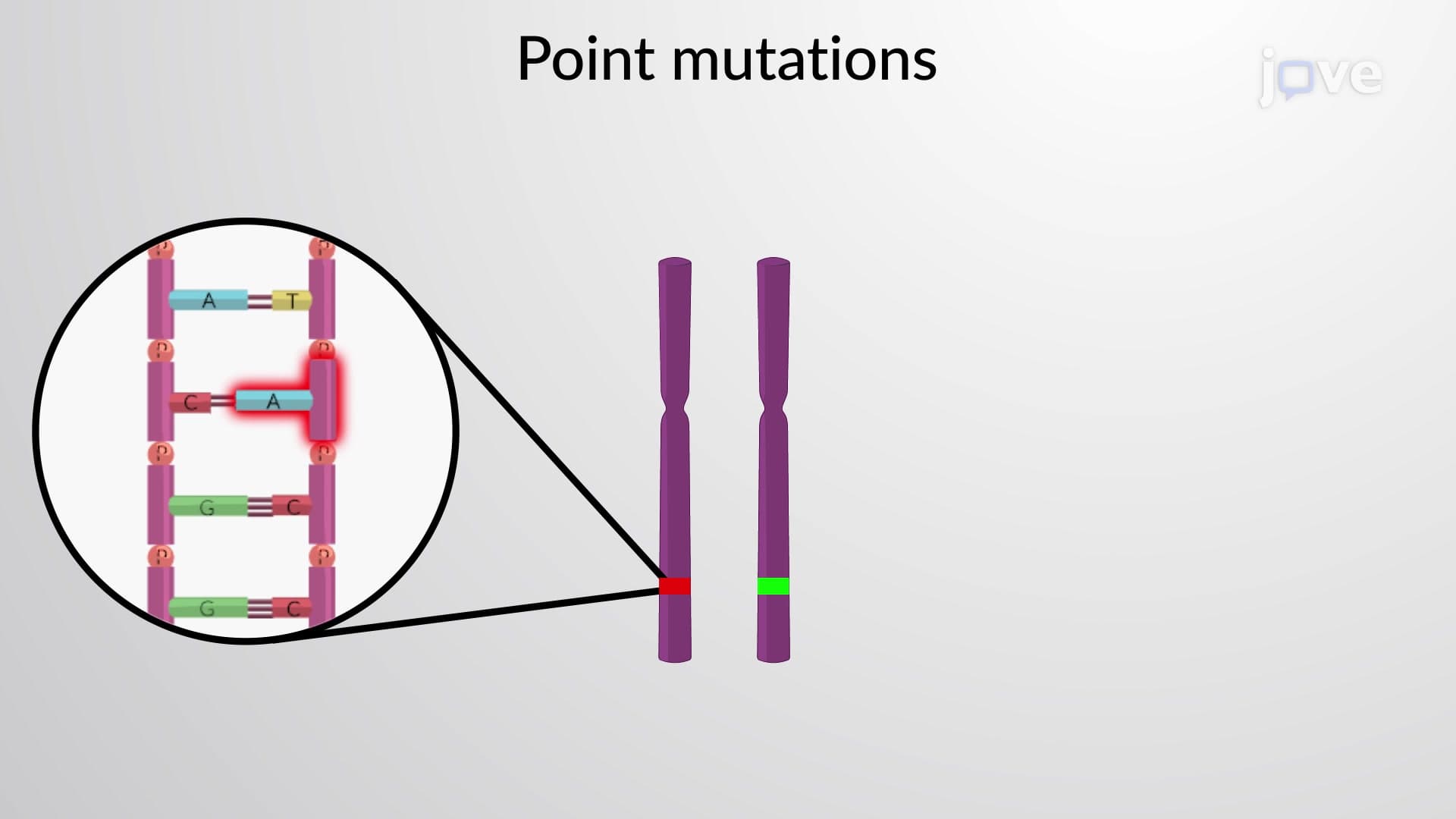
Personalized medicine, also called precision medicine, customizes treatment based on a patient's genetic makeup, tumor characteristics, and environmental factors. This approach leverages advanced genomic sequencing to identify specific mutations driving cancer growth, enabling oncologists to select therapies most likely to succeed for each individual case.
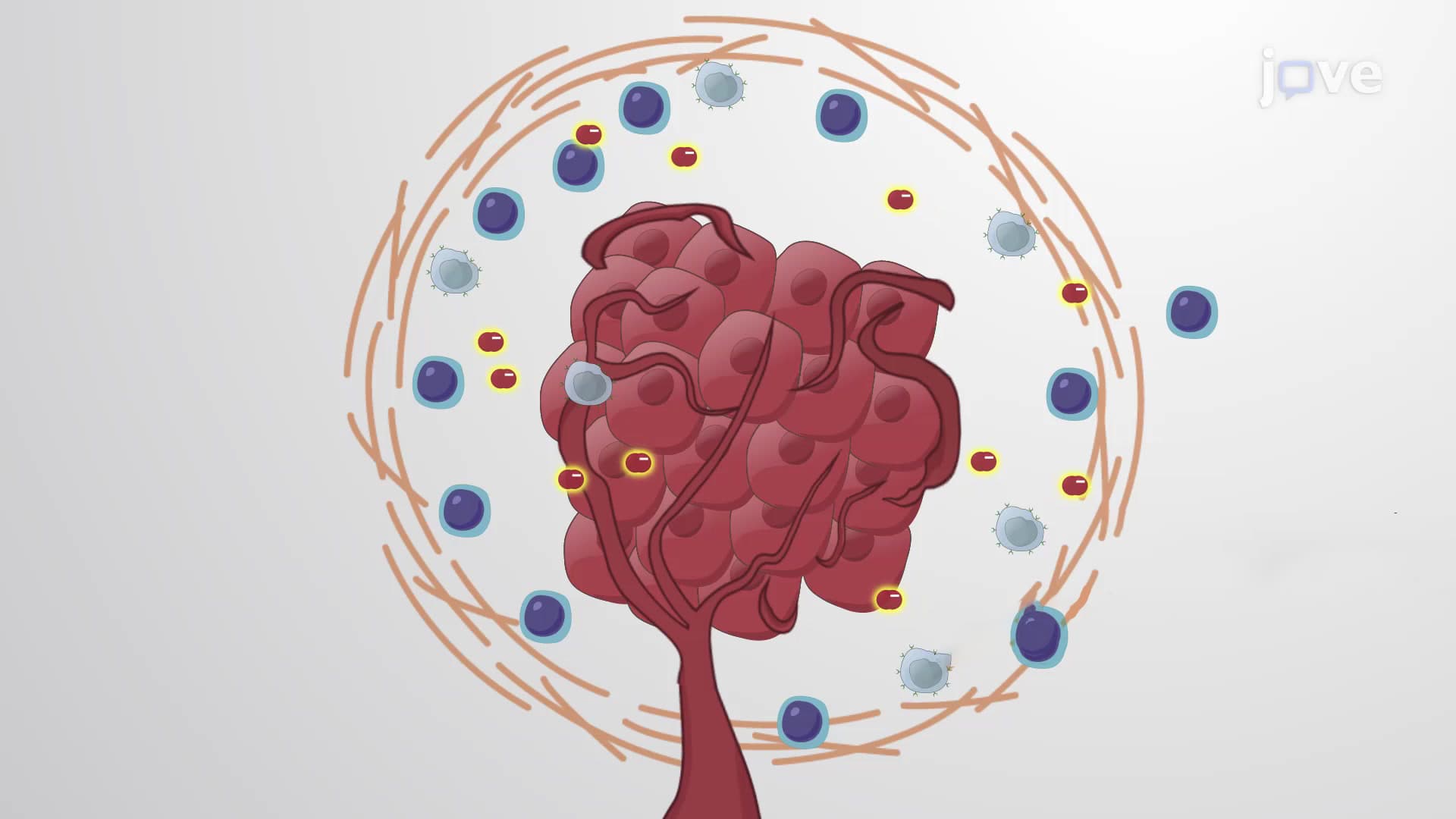
When designing combination therapies, oncologists consider how different treatments can work together to maximize efficacy. For example, chemotherapy may weaken cancer cells, making them more susceptible to immune system attacks enhanced by immunotherapy. Similarly, radiation can create inflammatory signals that boost the effectiveness of checkpoint inhibitors. This strategic layering of treatments addresses the complexity of cancer biology, where tumors often develop multiple survival mechanisms.
The concept of therapeutic windows becomes crucial here-timing and dosing must be carefully calibrated to achieve maximum benefit while minimizing toxicity. Students preparing for AP Biology or college oncology courses should understand that successful combination therapy requires deep knowledge of cellular pathways and drug pharmacokinetics.
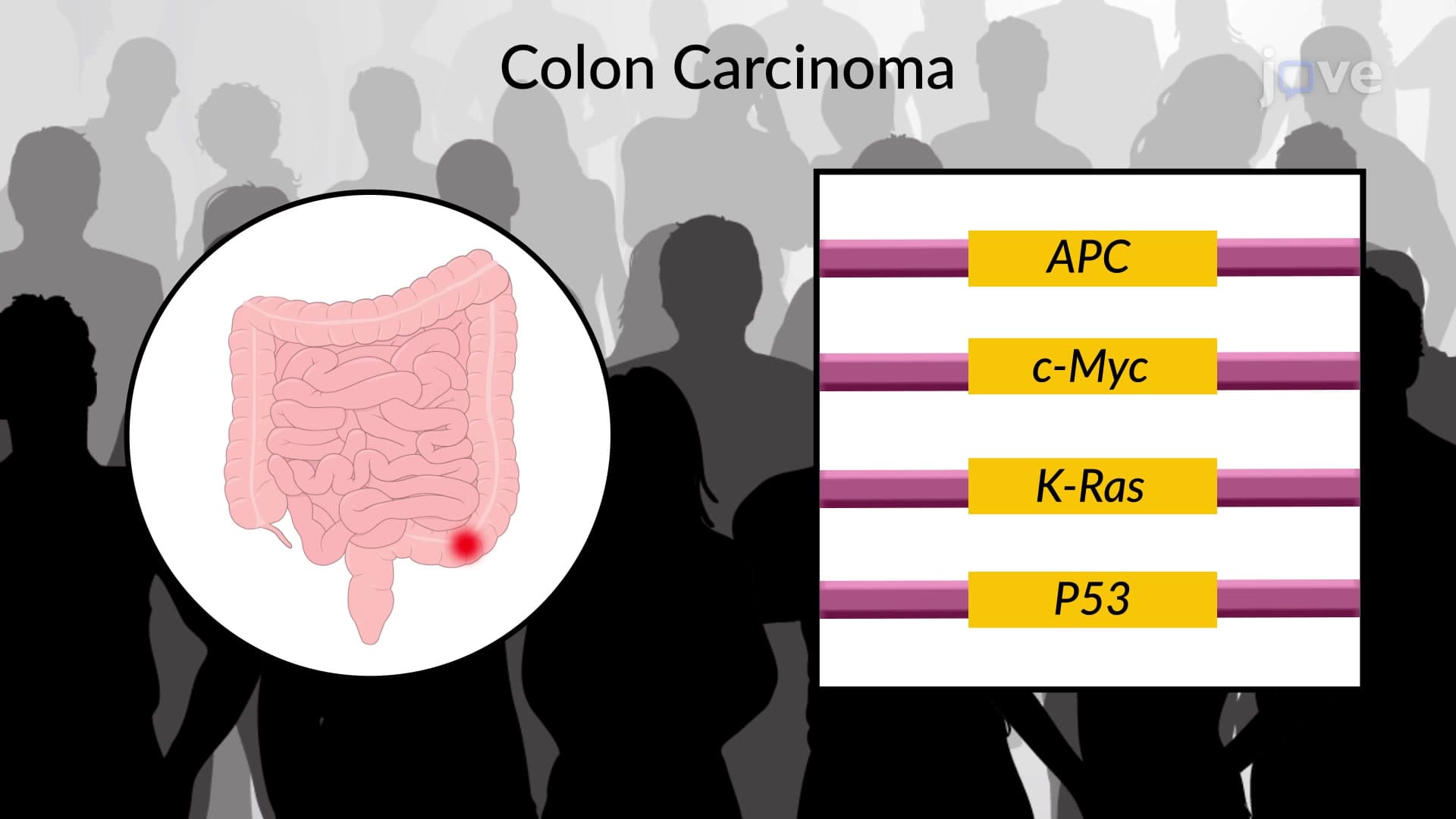
Modern personalized medicine relies heavily on companion diagnostics-tests that identify patients most likely to benefit from specific therapies. The FDA has approved numerous companion diagnostic tests that analyze tumor DNA to guide treatment selection. For instance, patients with EGFR mutations in lung cancer receive targeted therapies like erlotinib, while those with PD-L1 expression may benefit from immune checkpoint inhibitors.
This precision approach has transformed outcomes at leading US cancer centers like Memorial Sloan Kettering and Johns Hopkins, where tumor sequencing guides treatment decisions for thousands of patients annually. Students studying for the MCAT should recognize how molecular diagnostics integrate with clinical decision-making.
The integration of artificial intelligence and machine learning now helps predict optimal treatment combinations based on vast datasets of patient outcomes. Major US pharmaceutical companies invest billions in developing new combination strategies, with recent successes including CAR-T cell therapy combined with checkpoint inhibitors for blood cancers. These advances represent the cutting edge of translational medicine, where laboratory discoveries rapidly translate into improved patient care.
Related Micro-courses