Loading subject page…


51,513 views

Video Summary: Loss of Tumor Suppressor Gene Functions Explained
Did you know that approximately 50% of all human cancers involve mutations in the TP53 tumor suppressor gene? Loss of tumor suppressor gene functions occurs when cellular "brakes" that normally prevent uncontrolled cell division become damaged or silenced. When these protective genes fail-as seen in hereditary cancers like Li-Fraumeni syndrome affecting families across the United States-cells can multiply unchecked and form tumors. This Loss of Tumor Suppressor Gene Functions Explained tutorial covers the molecular mechanisms behind this critical cancer pathway. Watch the full video on JoVE Coach to master this concept with expert-led visuals and step-by-step explanations.
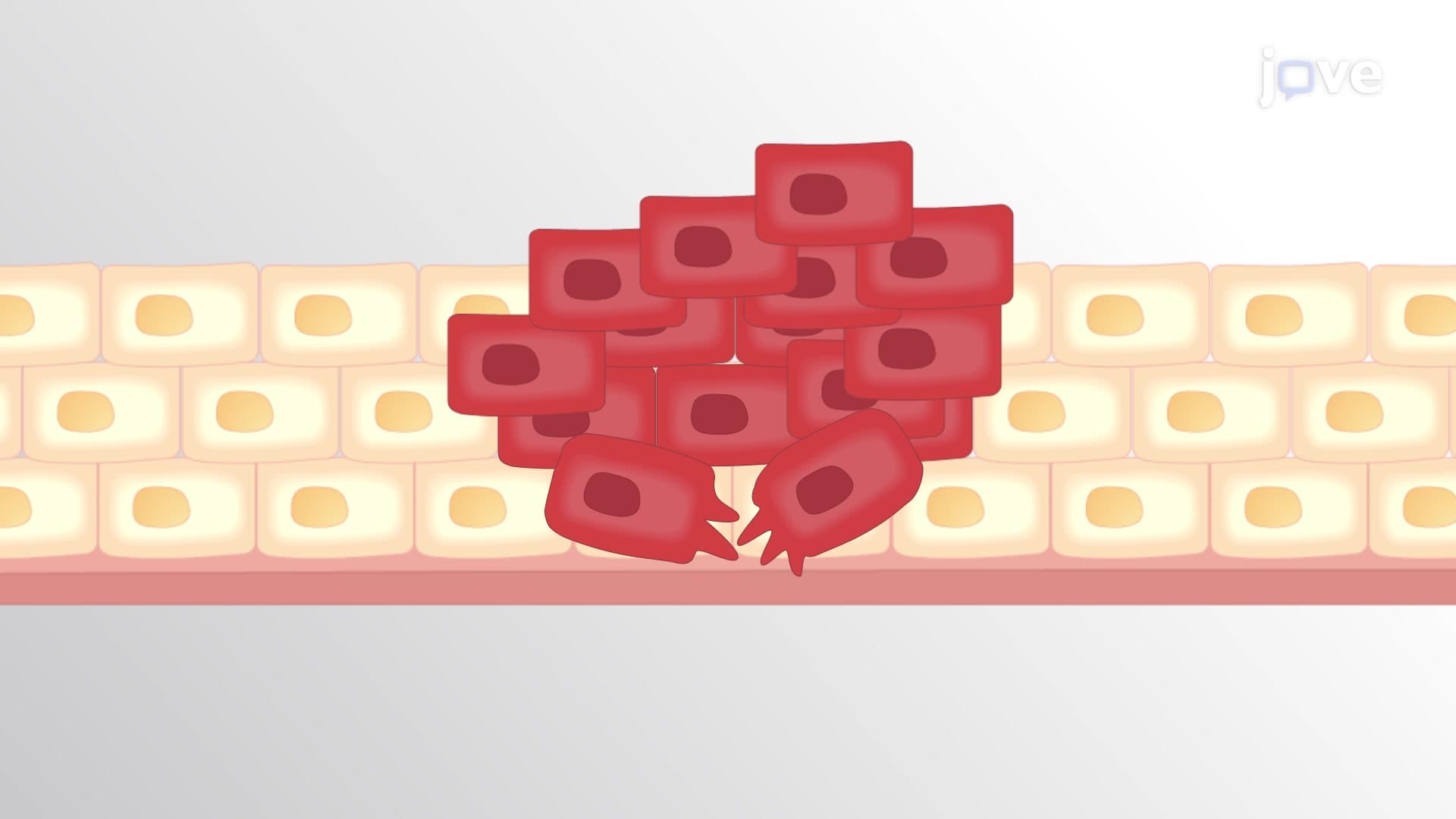
Loss of tumor suppressor gene functions represents one of the most critical pathways in cancer development. Unlike oncogenes that promote cell growth when activated, tumor suppressor genes act as cellular guardians that prevent malignant transformation. When these protective genes lose their function through various molecular mechanisms, cells lose their ability to regulate growth, repair DNA damage, and undergo programmed cell death when necessary.
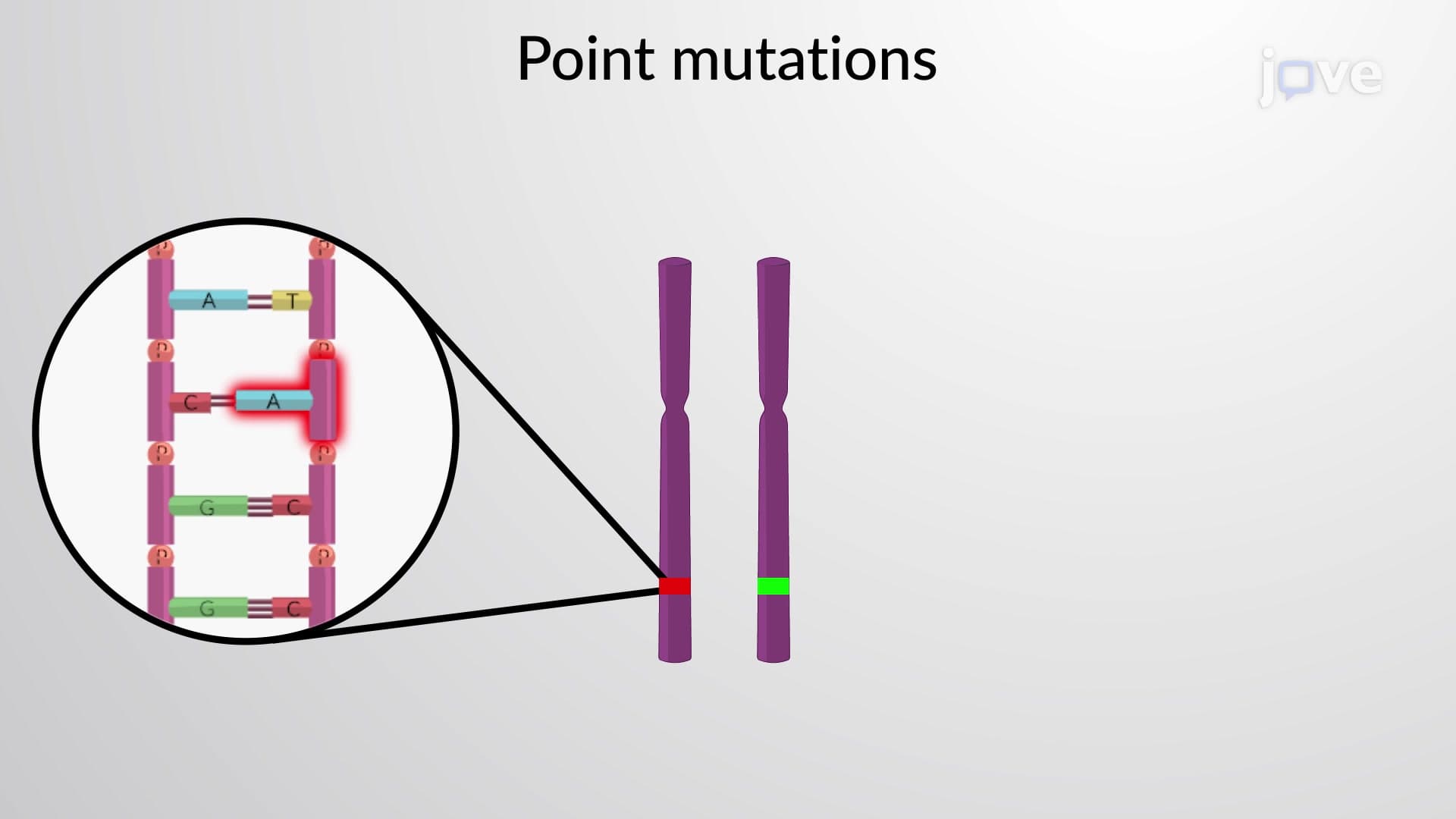
The inactivation of tumor suppressor genes occurs through several distinct mechanisms. Point mutations can create non-functional proteins, while large deletions may remove entire gene sequences. Epigenetic silencing through promoter methylation represents another common pathway-this process doesn't change the DNA sequence but prevents gene expression. Post-translational modifications can also render tumor suppressor proteins inactive even when the gene itself remains intact.
In the United States, genetic testing companies like Myriad Genetics routinely screen for BRCA1 and BRCA2 mutations, which are tumor suppressor genes associated with hereditary breast and ovarian cancers. These tests have revolutionized cancer prevention and early detection strategies for high-risk families.
Knudson's two-hit hypothesis explains why tumor suppressor gene loss typically requires inactivation of both gene copies (alleles). The first "hit" may be inherited (germline mutation) or acquired (somatic mutation), while the second hit usually occurs later through loss of heterozygosity or additional mutations. This concept is fundamental to understanding cancer genetics and appears frequently on MCAT and AP Biology exams.
Students preparing for the USMLE should understand how this principle applies to clinical scenarios. For example, patients with inherited p53 mutations (Li-Fraumeni syndrome) have already sustained the first hit and are at dramatically increased cancer risk throughout their lives.
Modern cancer treatment increasingly targets the consequences of tumor suppressor gene loss. PARP inhibitors like olaparib exploit synthetic lethality in BRCA-deficient tumors, representing a precision medicine approach that's transformed treatment at major US cancer centers like MD Anderson and Memorial Sloan Kettering. Understanding these mechanisms is crucial for students pursuing careers in oncology, genetics, or biomedical research.
Related Micro-courses