Loading video…


 21 Concepts
 51.5K views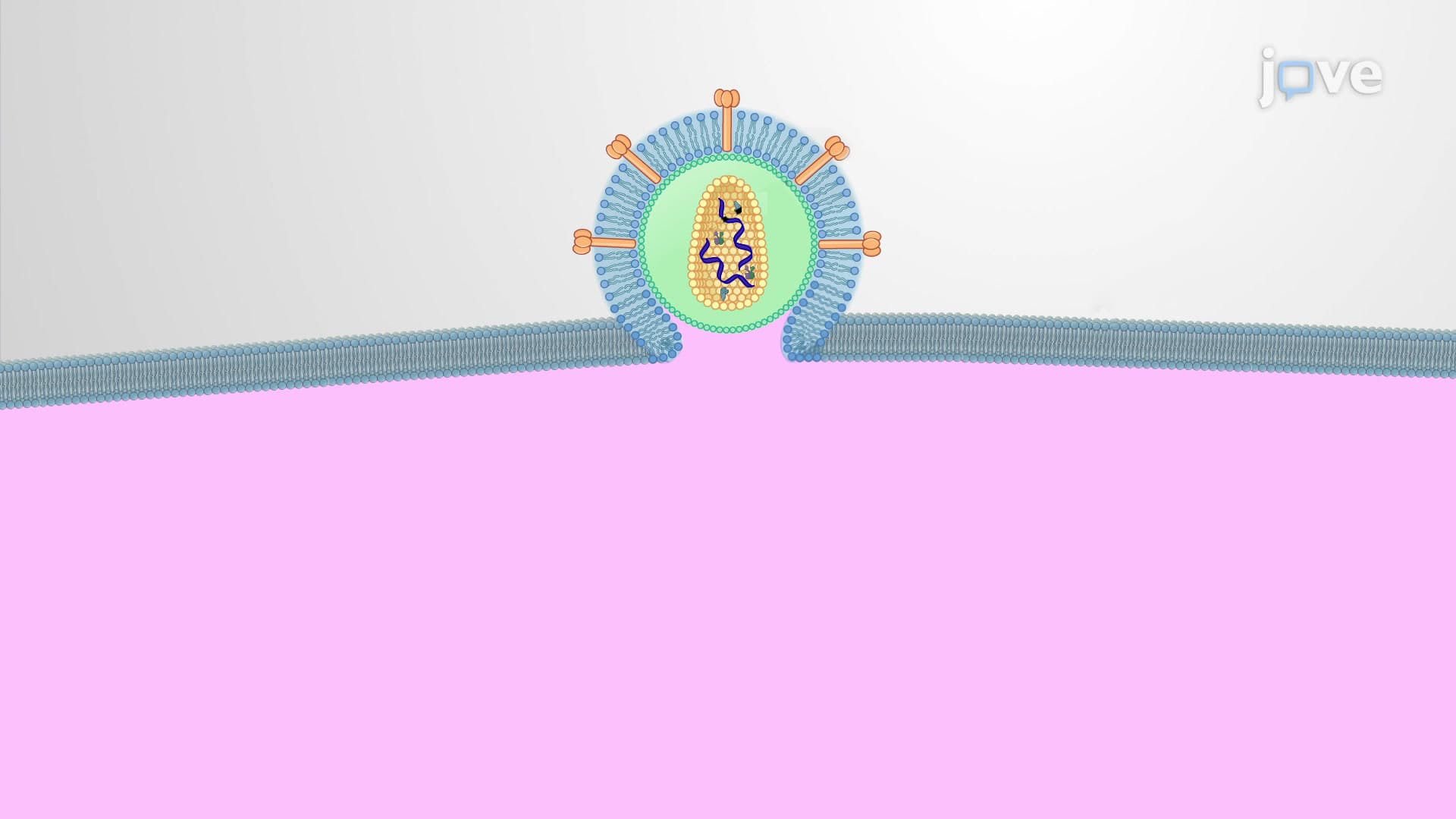

Video Summary: Mechanisms of Retrovirus Induced Cancers Explained
Did you know that the first cancer-causing virus discovered in chickens led to groundbreaking cancer research that still saves human lives today? The mechanisms of retrovirus induced cancers reveal how RNA viruses like Human T-cell Leukemia Virus type 1 (HTLV-1) hijack cellular machinery to trigger uncontrolled growth in American cancer patients. These viral invaders reverse-transcribe their genetic material into host DNA, potentially activating oncogenes or disrupting tumor suppressor genes through insertional mutagenesis. Watch the full video on JoVE Coach to master this concept with expert-led visuals and step-by-step explanations.
The mechanisms of retrovirus induced cancers represent a fascinating intersection of virology and oncology that has revolutionized our understanding of how cancer develops. Unlike typical DNA viruses, retroviruses carry RNA genomes that undergo reverse transcription-a process where viral RNA is converted into DNA using the enzyme reverse transcriptase. This DNA copy then integrates permanently into the host cell's chromosome, creating a provirus that can disrupt normal cellular function and potentially trigger malignant transformation.
The primary mechanism driving retrovirus-induced oncogenesis is insertional mutagenesis, where viral DNA integration disrupts critical cellular genes. When retroviruses integrate near proto-oncogenes-normal genes that regulate cell growth-they can cause overexpression of these growth-promoting factors. This is particularly evident in research conducted at major US cancer centers like MD Anderson and Memorial Sloan Kettering, where scientists have documented how HTLV-1 integration patterns correlate with adult T-cell leukemia development in American patients.
Students preparing for the MCAT or advanced AP Biology exams should understand that some retroviruses carry viral oncogenes (v-onc) that are modified versions of normal cellular genes. The classic example is Rous Sarcoma Virus (RSV), which carries the src oncogene encoding a tyrosine kinase that promotes uncontrolled cell division. This discovery at Rockefeller University fundamentally changed cancer research and earned Peyton Rous the Nobel Prize.
Understanding retroviral oncogenesis mechanisms has practical applications in modern medicine. Human T-lymphotropic virus type 1 (HTLV-1), endemic in certain US populations including those in the southeastern states, demonstrates how chronic viral infection creates an inflammatory environment conducive to cancer development. The virus doesn't directly carry oncogenes but instead produces regulatory proteins like Tax that interfere with normal cell cycle control and DNA repair mechanisms.
This knowledge directly impacts gene therapy safety protocols used in US hospitals. Researchers designing viral vectors for treating genetic diseases must ensure these therapeutic viruses don't integrate near proto-oncogenes, potentially causing iatrogenic cancers. Modern lentiviral vectors used in CAR-T cell therapy have been specifically engineered to minimize insertional mutagenesis risks based on lessons learned from retroviral cancer research.
Related Micro-courses