Loading subject page…


51,513 views


Video Summary: Mtor Signaling and Cancer Progression Explained
Did you know that cancer cells hijack the same cellular pathway that normally helps us grow and heal? mTOR signaling and cancer progression reveals how this critical cellular control system becomes corrupted in malignancy. The FDA-approved drug rapamycin, originally discovered on Easter Island, targets this exact pathway to treat kidney cancer and prevent organ transplant rejection. Understanding mTOR Signaling And Cancer Progression Explained is essential for grasping how cells balance growth with survival. Watch the full video on JoVE Coach to master this concept with expert-led visuals and step-by-step explanations.
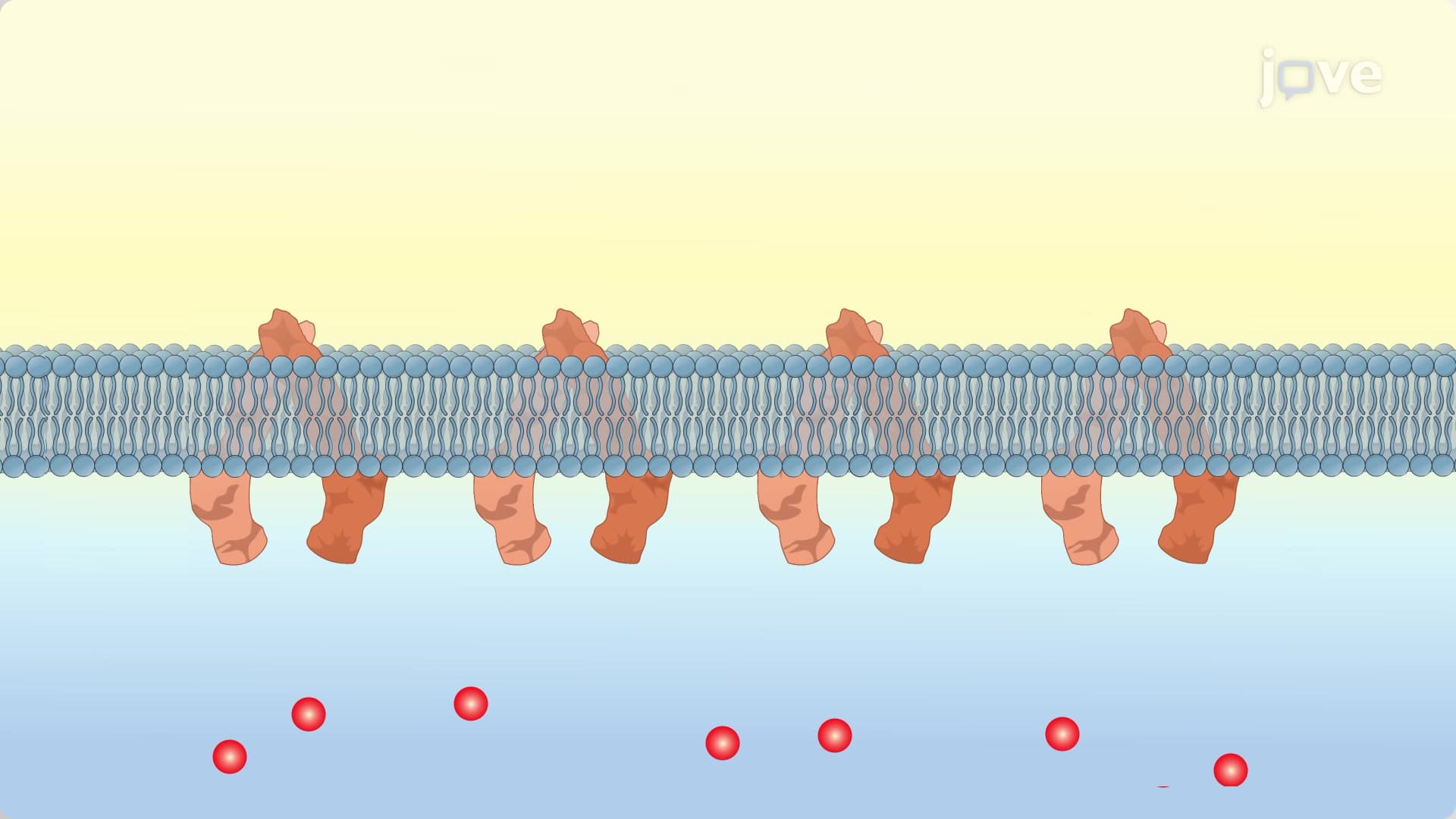
The mechanistic Target of Rapamycin (mTOR) represents one of biology's most sophisticated cellular control systems. This serine/threonine kinase acts as a master regulator, continuously monitoring cellular conditions and coordinating appropriate responses. When functioning normally, mTOR ensures cells grow only when conditions are favorable-sufficient nutrients, appropriate growth signals, and adequate energy reserves.
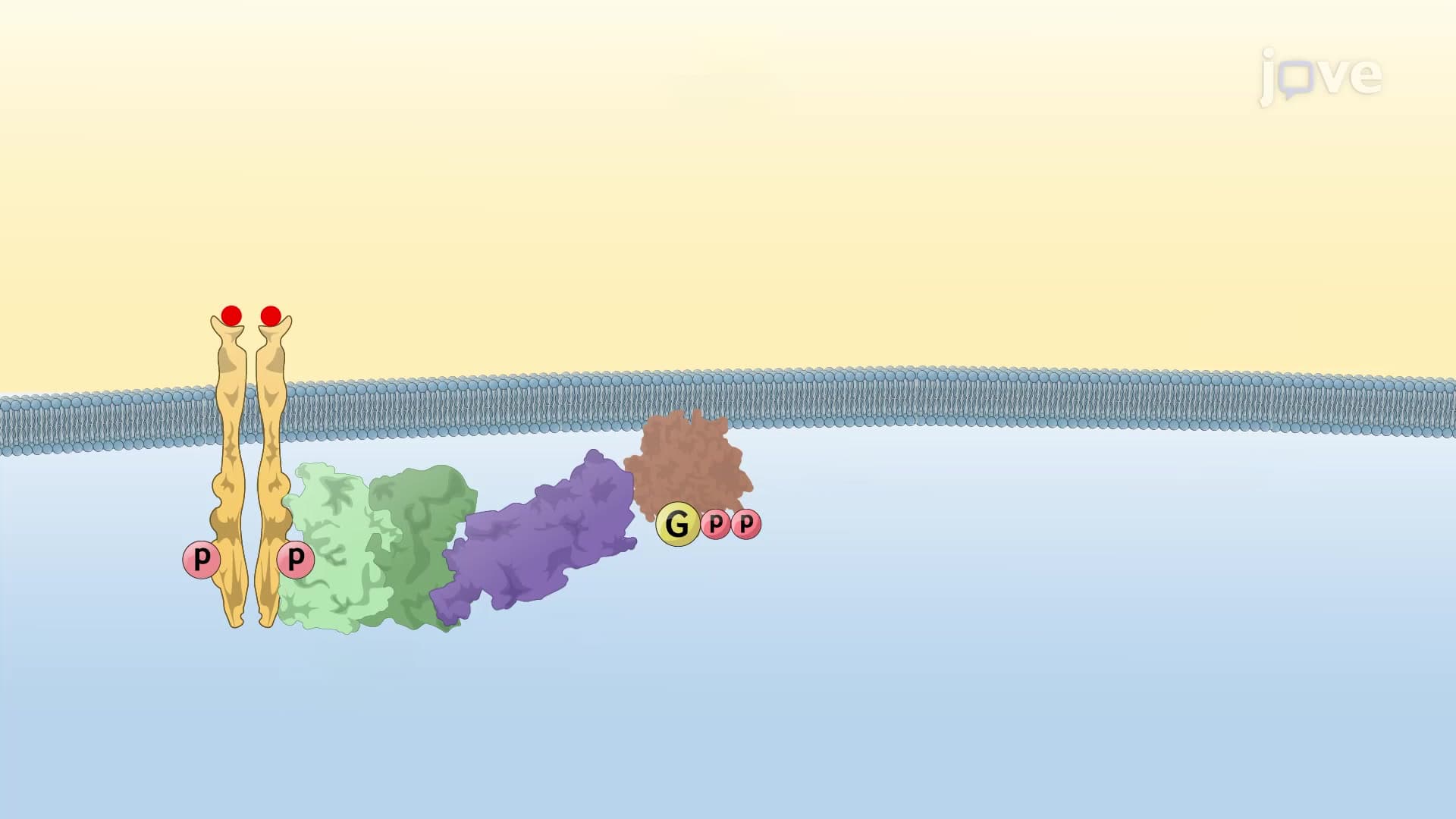
mTOR operates through two distinct protein complexes, each with specialized roles. mTORC1 (mTOR Complex 1) functions as the cell's primary growth coordinator, promoting protein synthesis through S6K1 and 4E-BP1 activation while simultaneously blocking autophagy-the cell's recycling system. This complex responds directly to amino acid availability, particularly leucine, and integrates signals from insulin and growth factors.
mTORC2 (mTOR Complex 2) controls cellular architecture and survival pathways. It phosphorylates Akt at Ser473, a critical modification for full Akt activation, while also regulating actin cytoskeleton organization. This complex determines cell shape, migration capacity, and resistance to cell death-all crucial factors in cancer metastasis.
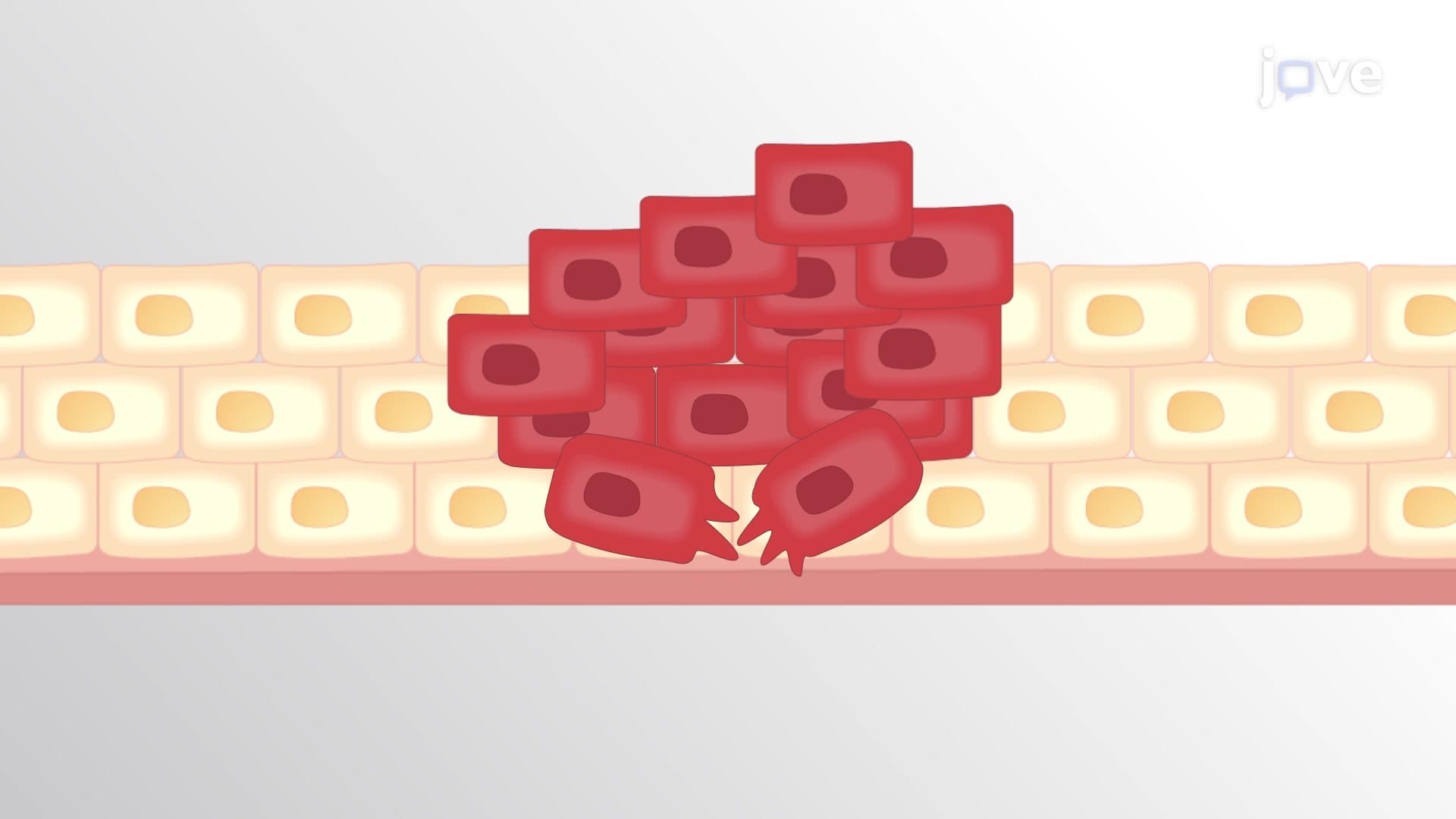
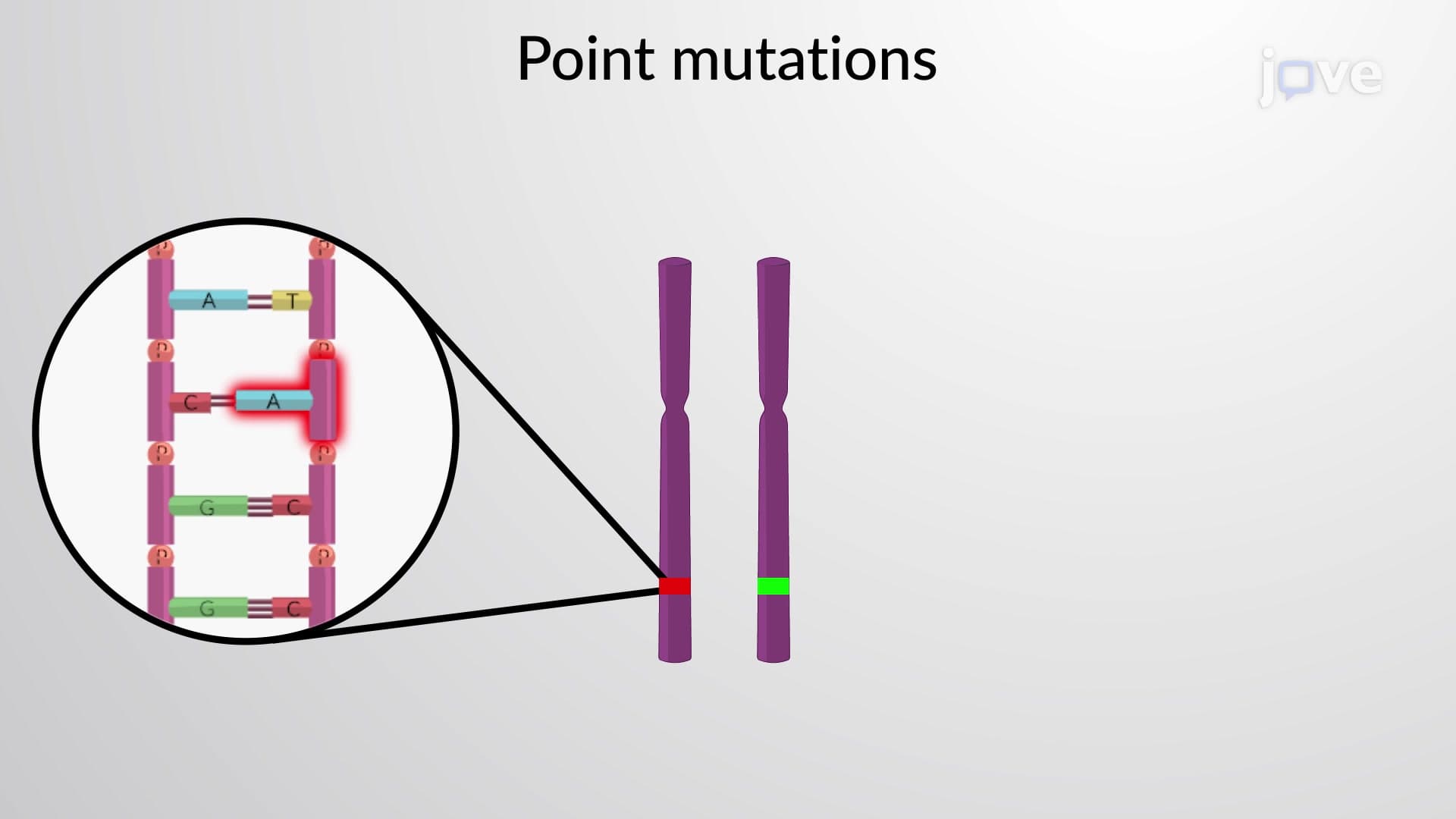
Cancer cells exploit mTOR signaling through multiple mechanisms. The most common involves mutations in the PI3K/Akt pathway, found in over 50% of human cancers. These mutations create constitutively active growth signals, causing mTOR to promote continuous cell division regardless of external conditions. Loss of tumor suppressor genes like PTEN, which normally restrains PI3K activity, further amplifies this dysregulation.
The consequences are profound: cancer cells exhibit enhanced protein synthesis for rapid growth, altered metabolism favoring glucose consumption (the Warburg effect), and suppressed autophagy that would normally eliminate damaged cellular components. This metabolic reprogramming supports the energy demands of uncontrolled proliferation while promoting angiogenesis-the formation of new blood vessels to fuel tumor growth.
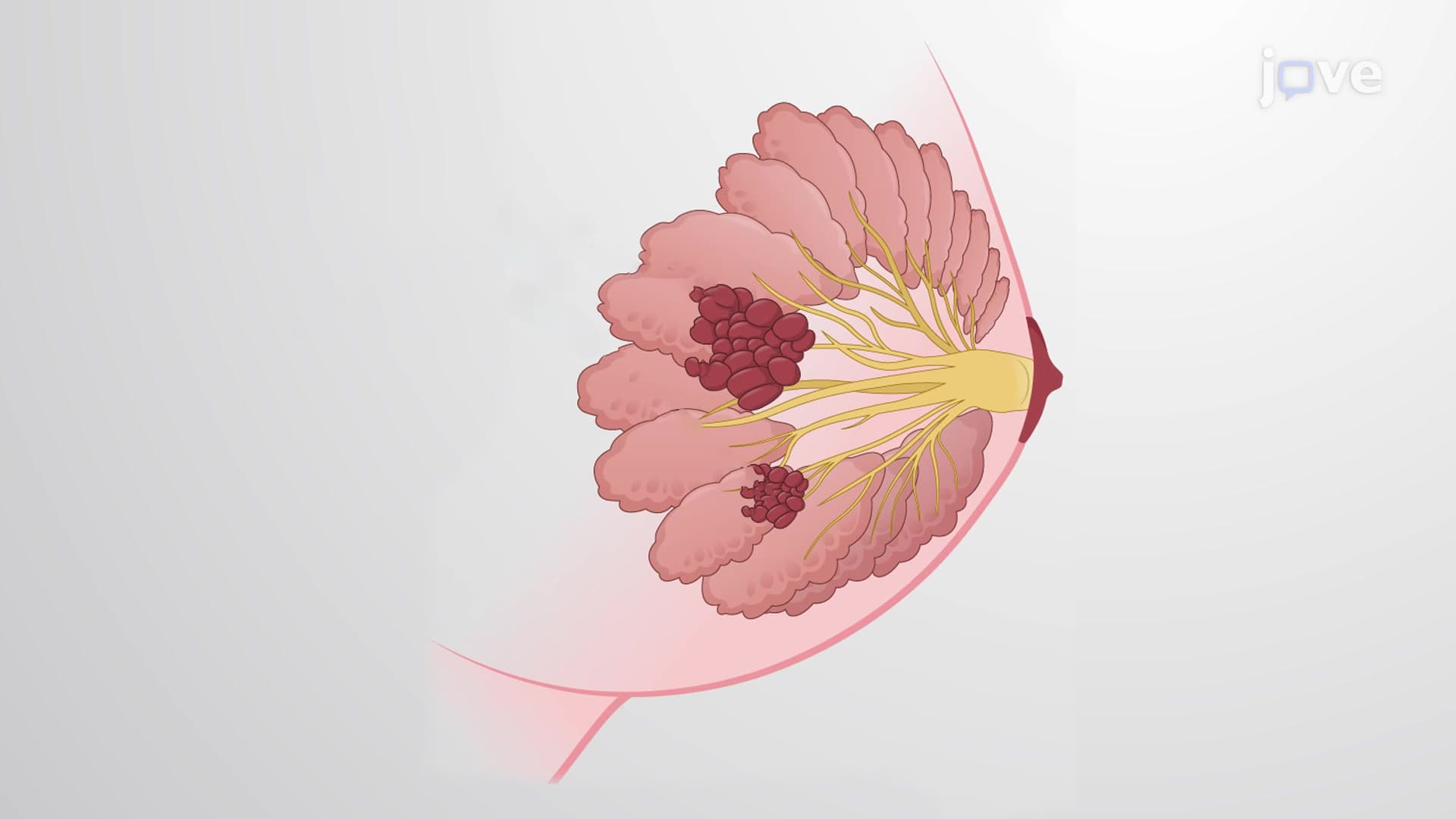
The FDA has approved several mTOR inhibitors for cancer treatment. Rapamycin (sirolimus) and its analogs everolimus and temsirolimus show efficacy against renal cell carcinoma, breast cancer, and certain lymphomas. However, these drugs primarily target mTORC1, leading to compensatory mTORC2 activation and potential treatment resistance.
For students preparing for the MCAT or AP Biology exams, understanding mTOR signaling illustrates key concepts in cell biology, signal transduction, and cancer biology. This pathway exemplifies how normal cellular processes become corrupted in disease, a fundamental principle in medical education and research.
Related Micro-courses