Loading subject page…


51,513 views


Video Summary: Rous Sarcoma Virus Rsv and Cancer Explained
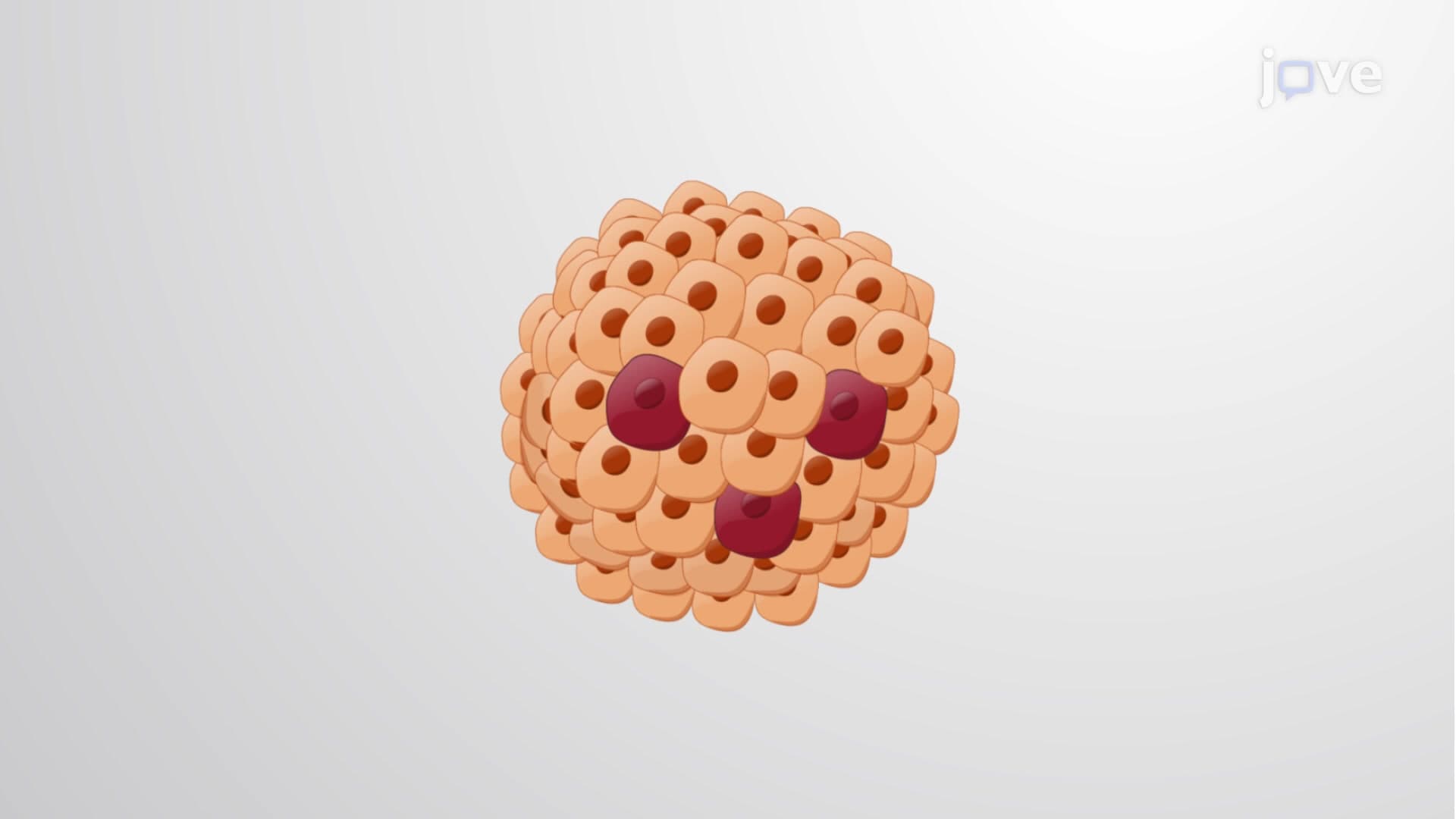
Did you know that the first virus proven to cause cancer was discovered over a century ago in chickens? Rous sarcoma virus RSV and cancer research began with Peyton Rous's groundbreaking 1911 experiments at Rockefeller University, establishing that viruses could induce solid tumors. This retrovirus carries the src oncogene, which hijacks normal cell growth pathways and transforms healthy cells into cancerous ones. Watch the full video on JoVE Coach to master this concept with expert-led visuals and step-by-step explanations.
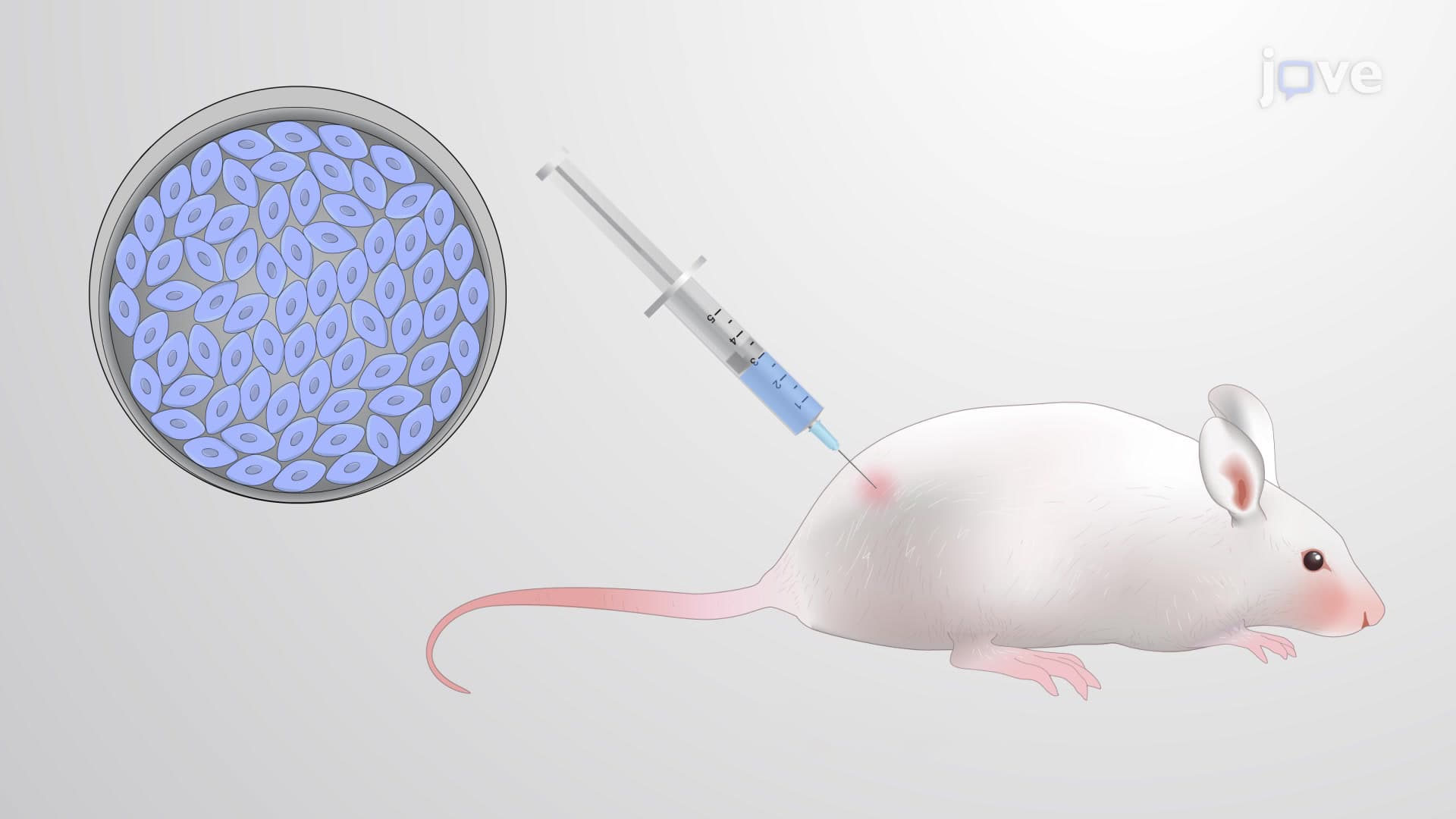
Rous Sarcoma Virus represents a pivotal discovery in cancer biology that fundamentally changed our understanding of oncogenesis. When Peyton Rous at Rockefeller University first demonstrated in 1911 that filtered chicken tumor extracts could induce new sarcomas, the scientific community was skeptical-bacteria and parasites were the accepted disease causes, not submicroscopic agents. This research, which earned Rous the 1966 Nobel Prize, established the viral theory of cancer and opened an entirely new field of molecular oncology.
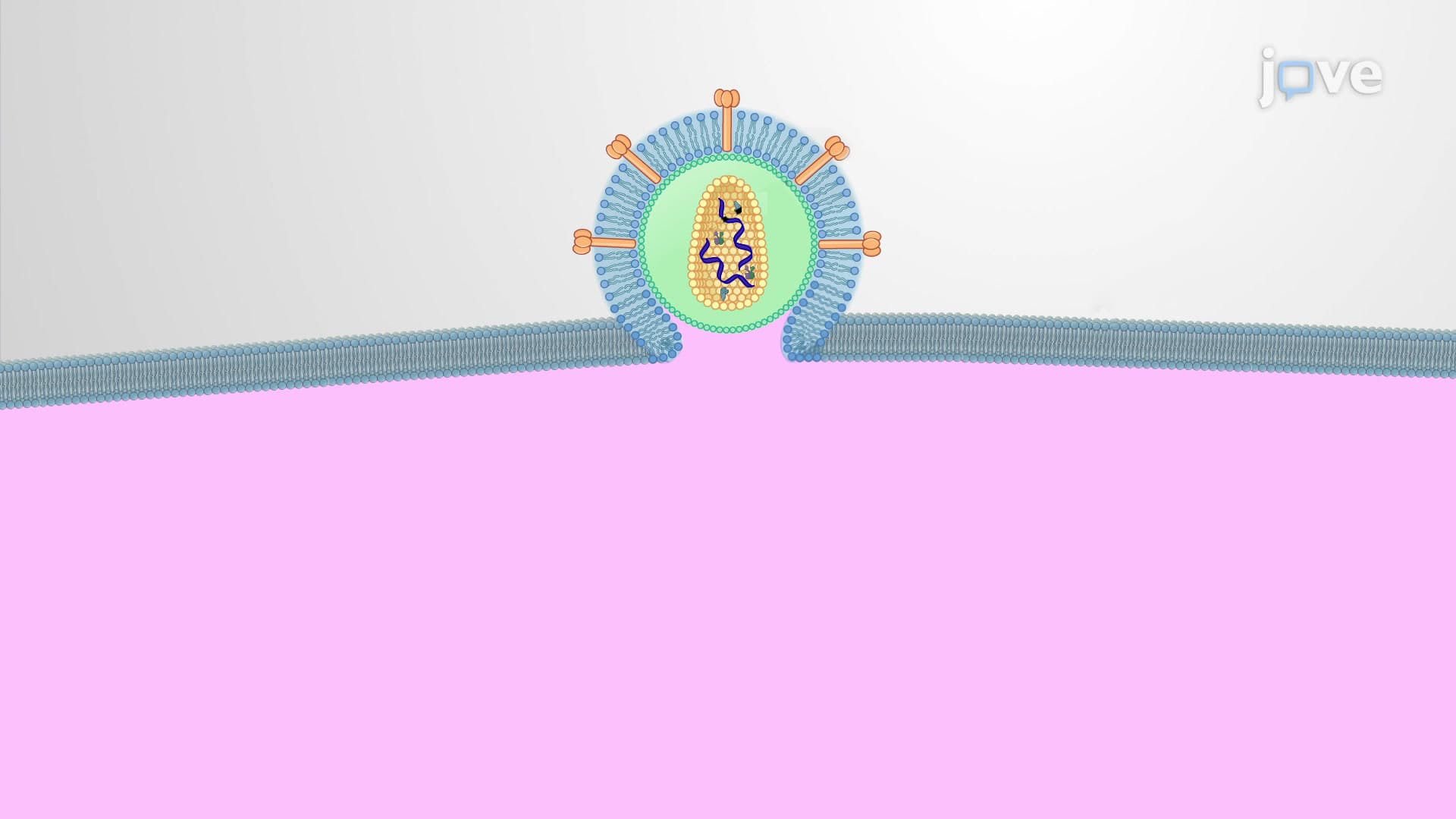
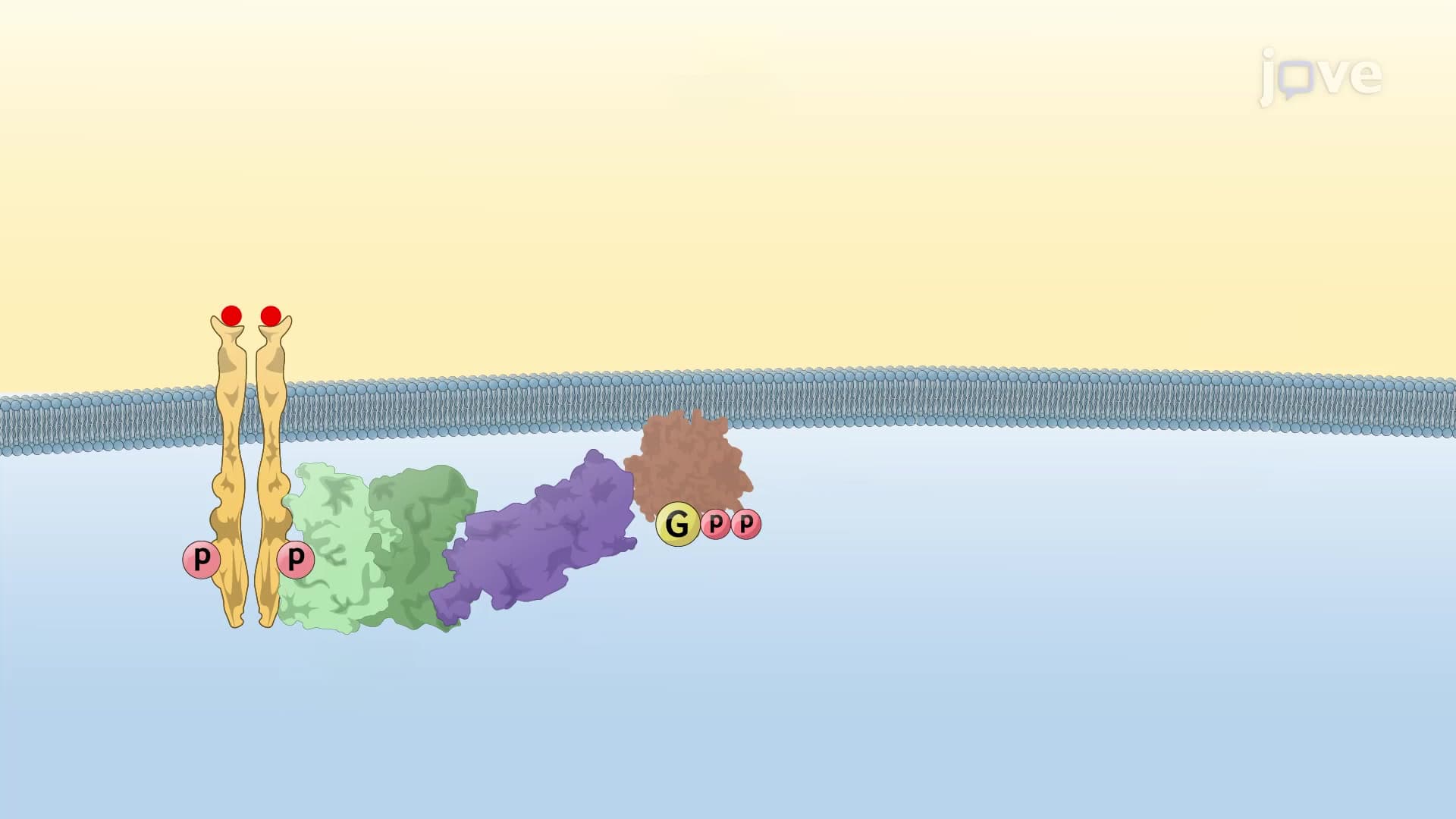
The power of RSV lies in its src oncogene, which encodes a constitutively active tyrosine kinase. Unlike normal cellular src (c-src), the viral version (v-src) lacks regulatory domains that normally control kinase activity. When RSV infects a cell, it integrates its genetic material into the host chromosome through reverse transcription-a process that inspired the development of HIV drugs like AZT used in US hospitals today. The unregulated v-src protein then phosphorylates numerous cellular targets, disrupting normal growth controls and promoting unlimited cell division characteristic of cancer.
RSV transformation involves multiple signaling cascades that AP Biology and college biochemistry students encounter regularly. The aberrant src kinase activates the MAPK pathway, leading to increased transcription of growth-promoting genes. Simultaneously, it stimulates the PI3K/Akt pathway, which inhibits apoptosis and promotes cell survival. These same pathways are dysregulated in human cancers, making RSV an invaluable research model. Students preparing for the MCAT will recognize these mechanisms as fundamental to understanding how normal cells become malignant.
While RSV doesn't naturally infect humans, its study revolutionized cancer treatment development. The identification of src led researchers to discover similar oncogenes in human tumors, ultimately enabling the development of targeted therapies. For example, imatinib (Gleevec), used to treat chronic myeloid leukemia at major US cancer centers like MD Anderson and Memorial Sloan Kettering, specifically inhibits tyrosine kinases similar to src. This connection demonstrates how basic virology research translates into life-saving treatments, a concept frequently tested on medical school entrance exams and undergraduate cell biology courses.
Related Micro-courses