Loading subject page…


51,529 views

Video Summary: What are Cancer Therapies
Did you know that cancer therapies have evolved from one-size-fits-all treatments to personalized medicine tailored to individual tumor genetics? Cancer therapies represent a diverse arsenal of medical interventions designed to eliminate or control malignant cells through various mechanisms. From the FDA-approved immunotherapy drug pembrolizumab (Keytruda) revolutionizing melanoma treatment to precision-targeted therapies, these approaches have transformed oncology. Understanding what are cancer therapies reveals how modern medicine combines traditional methods with cutting-edge molecular techniques. Watch the full video on JoVE Coach to master this concept with expert-led visuals and step-by-step explanations.
Cancer therapies represent the cornerstone of modern oncology, encompassing diverse treatment modalities designed to eliminate malignant cells while preserving healthy tissue. This multifaceted approach has revolutionized cancer care, transforming many previously fatal diagnoses into manageable chronic conditions.
Surgery remains the oldest and most direct approach, physically removing tumors when anatomically feasible. The Mayo Clinic and MD Anderson Cancer Center routinely perform complex oncologic surgeries, from Whipple procedures for pancreatic cancer to radical prostatectomies. Radiation therapy delivers high-energy beams to destroy cancer cell DNA, with advanced techniques like intensity-modulated radiation therapy (IMRT) maximizing tumor damage while sparing surrounding organs.
Chemotherapy employs cytotoxic drugs that target rapidly dividing cells, a hallmark of cancer. However, this approach affects normal fast-growing tissues like hair follicles and bone marrow, causing characteristic side effects. Classic agents include alkylating agents like cyclophosphamide and antimetabolites like methotrexate, which remain standard treatments for various malignancies.
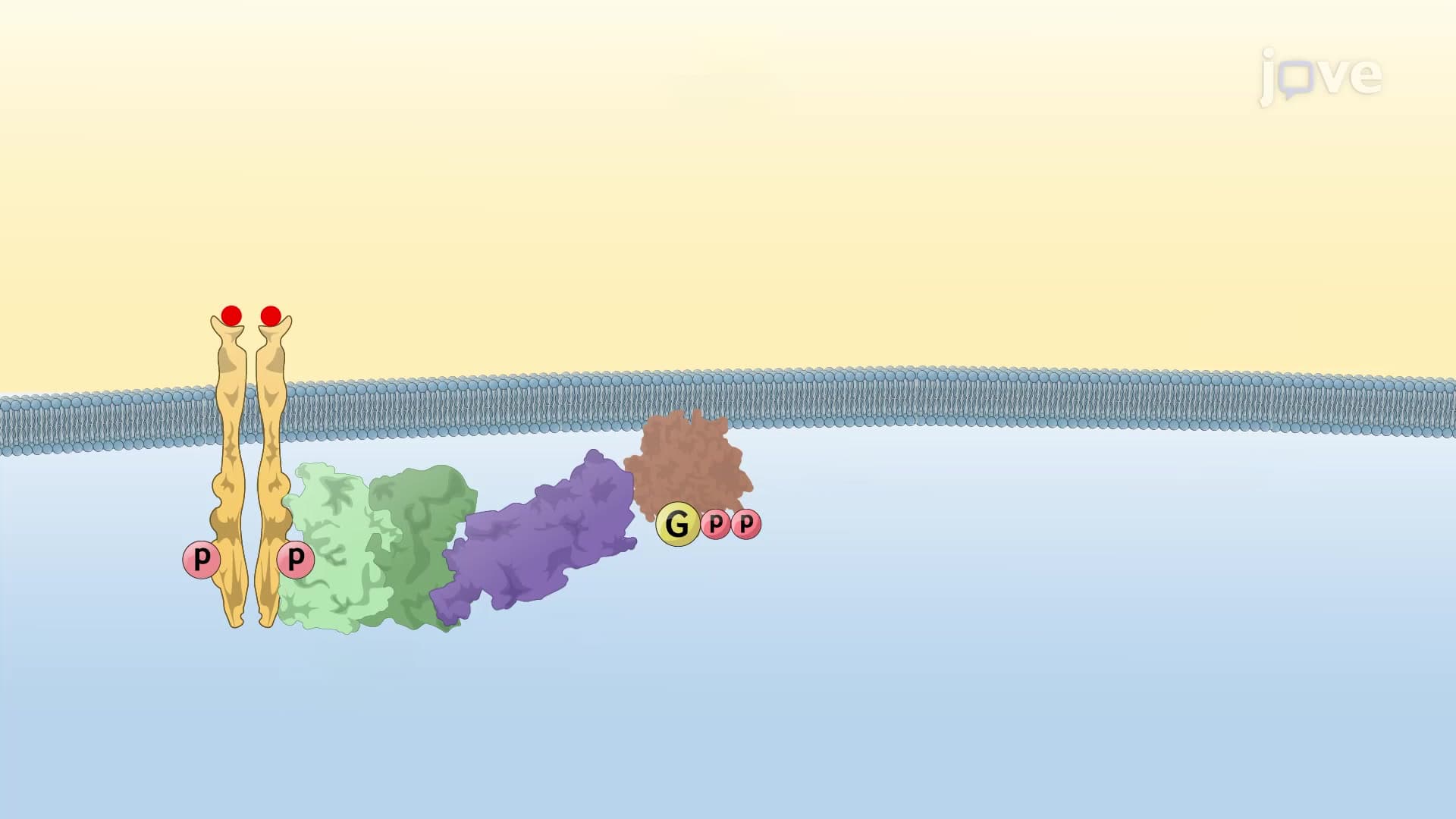
The molecular biology revolution has ushered in precision oncology. Targeted therapies inhibit specific proteins essential for tumor growth and survival. Imatinib (Gleevec) exemplifies this approach, specifically blocking the BCR-ABL tyrosine kinase in chronic myeloid leukemia, transforming a fatal disease into a manageable condition with normal life expectancy.
Immunotherapy represents perhaps the most promising frontier, harnessing the immune system's natural cancer-fighting capabilities. Checkpoint inhibitors like pembrolizumab (Keytruda) and nivolumab (Opdivo) block proteins that prevent T-cells from attacking tumors. These treatments have achieved remarkable success in melanoma, lung cancer, and other malignancies previously considered untreatable.
For students preparing for the MCAT or AP Biology exams, understanding cancer therapy mechanisms demonstrates key biological principles: cell cycle regulation, protein function, and immune system interactions. College biochemistry and cell biology courses frequently examine these therapies as real-world applications of molecular mechanisms.
Combination therapy strategies, now standard practice, illustrate how multiple mechanisms can synergistically enhance treatment efficacy while minimizing resistance development-concepts crucial for understanding drug interactions and therapeutic optimization in advanced coursework.
Related Micro-courses