Loading subject page…


51,529 views


Video Summary: What are Targeted Cancer Therapies
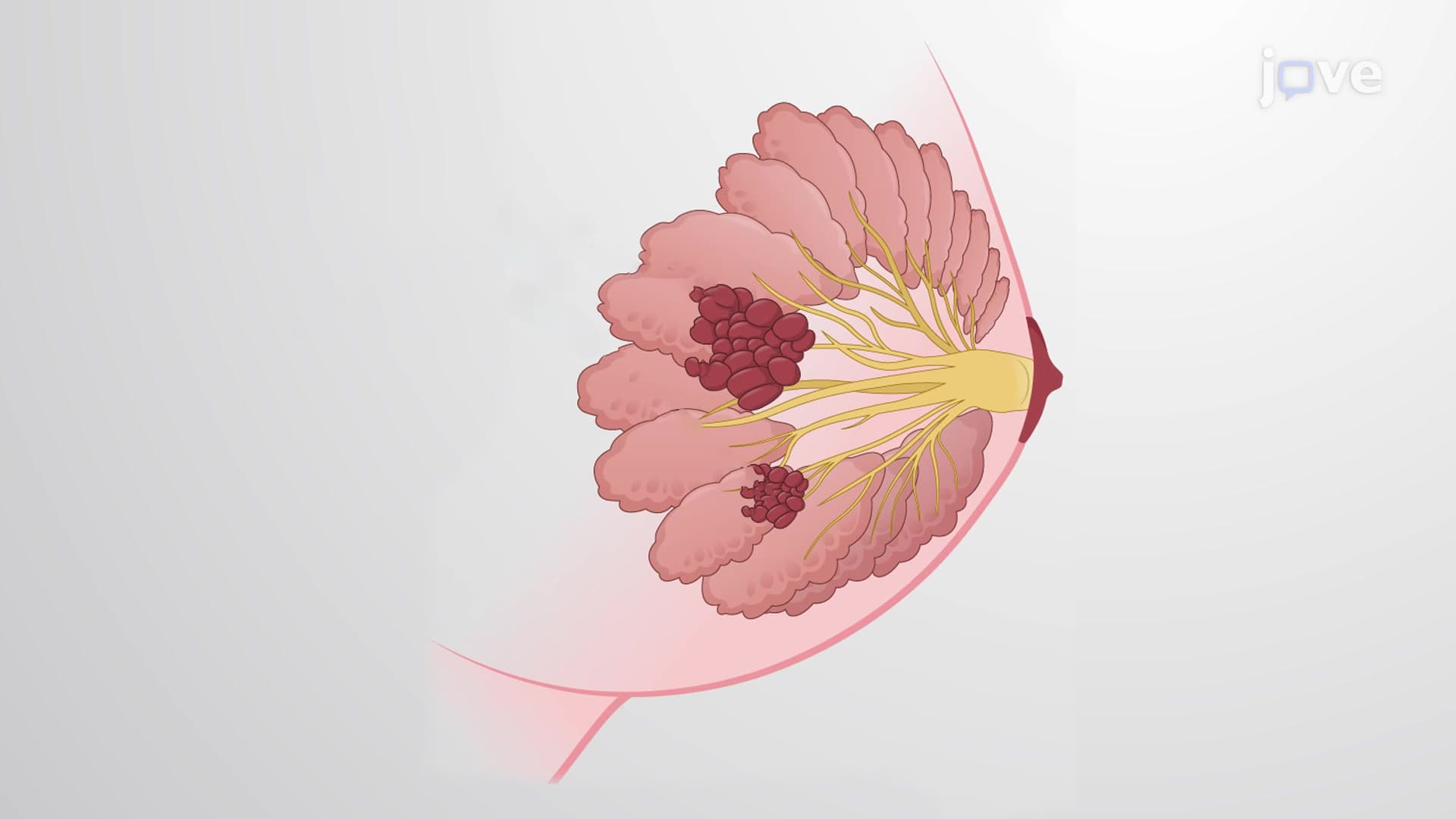
Did you know that some cancer drugs can target specific molecules within tumor cells while leaving healthy cells virtually untouched? Targeted cancer therapies represent a revolutionary approach to cancer treatment, using precision medicine to attack cancer's unique molecular weaknesses. Unlike traditional chemotherapy that affects all rapidly dividing cells, these therapies focus on specific genetic mutations and proteins found in cancer cells. For example, trastuzumab (Herceptin) specifically targets HER2-positive breast cancers treated at leading US cancer centers like MD Anderson. Watch the full video on JoVE Coach to master this concept with expert-led visuals and step-by-step explanations.
Targeted cancer therapies represent one of the most significant advances in modern oncology, fundamentally changing how we approach cancer treatment. Unlike traditional chemotherapy, which acts like a sledgehammer affecting all rapidly dividing cells, targeted therapies work like precision-guided missiles, specifically attacking molecular abnormalities unique to cancer cells. This precision approach has transformed cancer care at major US medical centers, from Memorial Sloan Kettering in New York to Stanford Cancer Institute in California.
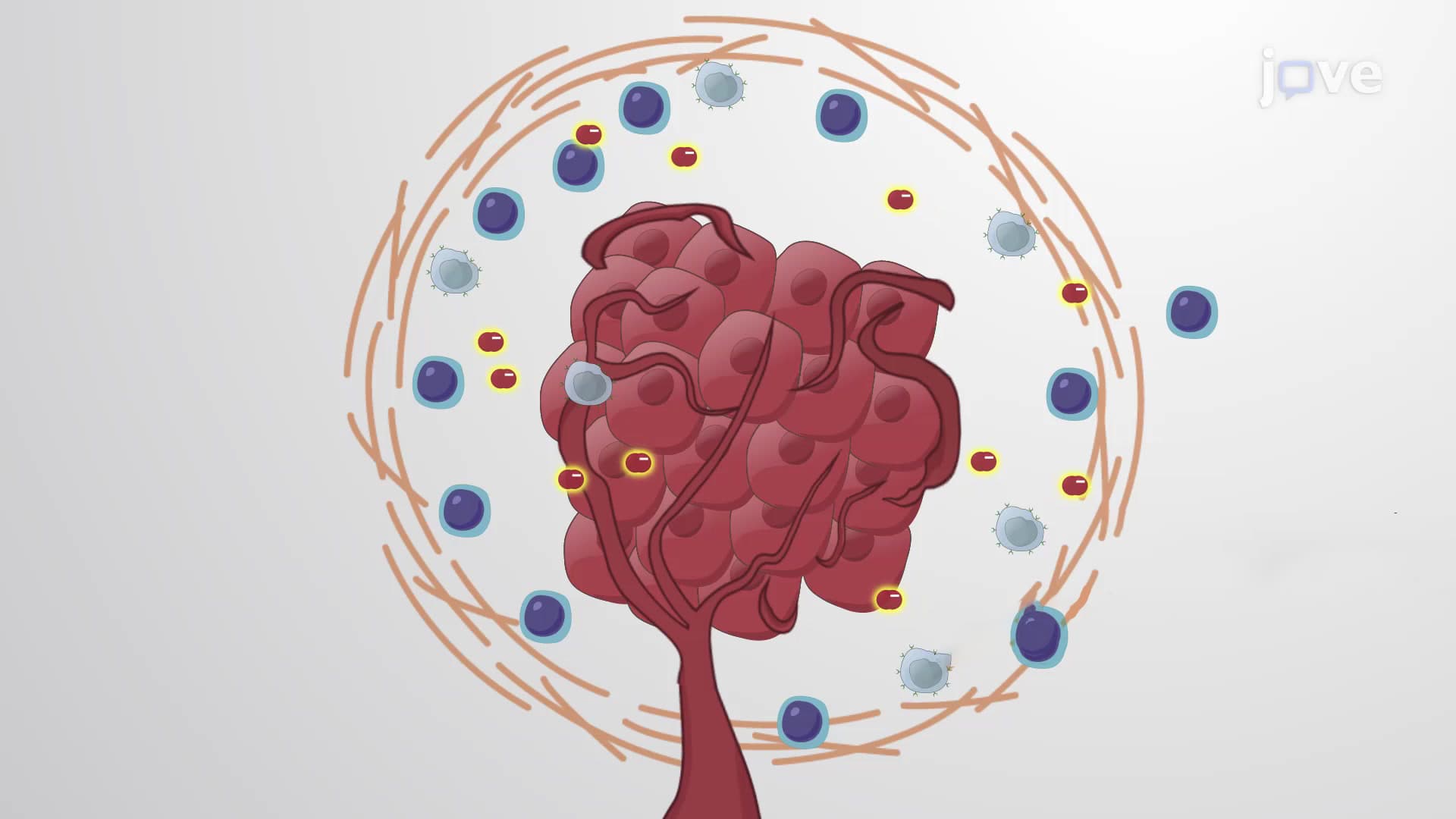
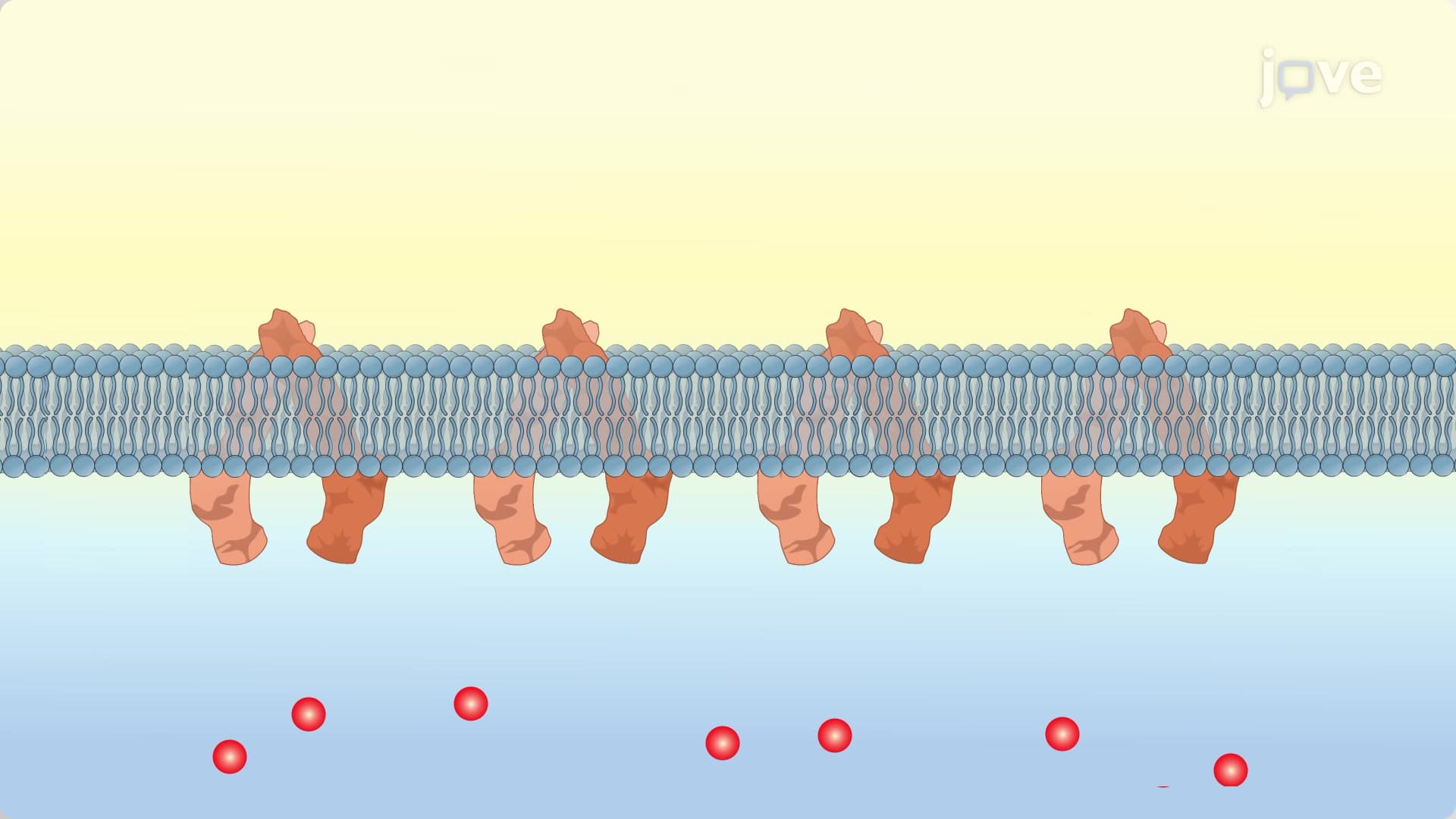
The types of targeted cancer therapies fall into several distinct categories, each with unique mechanisms of action. Monoclonal antibodies, such as trastuzumab (Herceptin) for HER2-positive breast cancer, bind to specific proteins on cancer cell surfaces, blocking growth signals or marking cells for destruction by the immune system. Small molecule inhibitors, including EGFR inhibitors like erlotinib (Tarceva), penetrate cells to interfere with internal signaling pathways that drive cancer growth. Angiogenesis inhibitors, such as bevacizumab (Avastin), prevent tumors from developing new blood vessels needed for growth and metastasis.
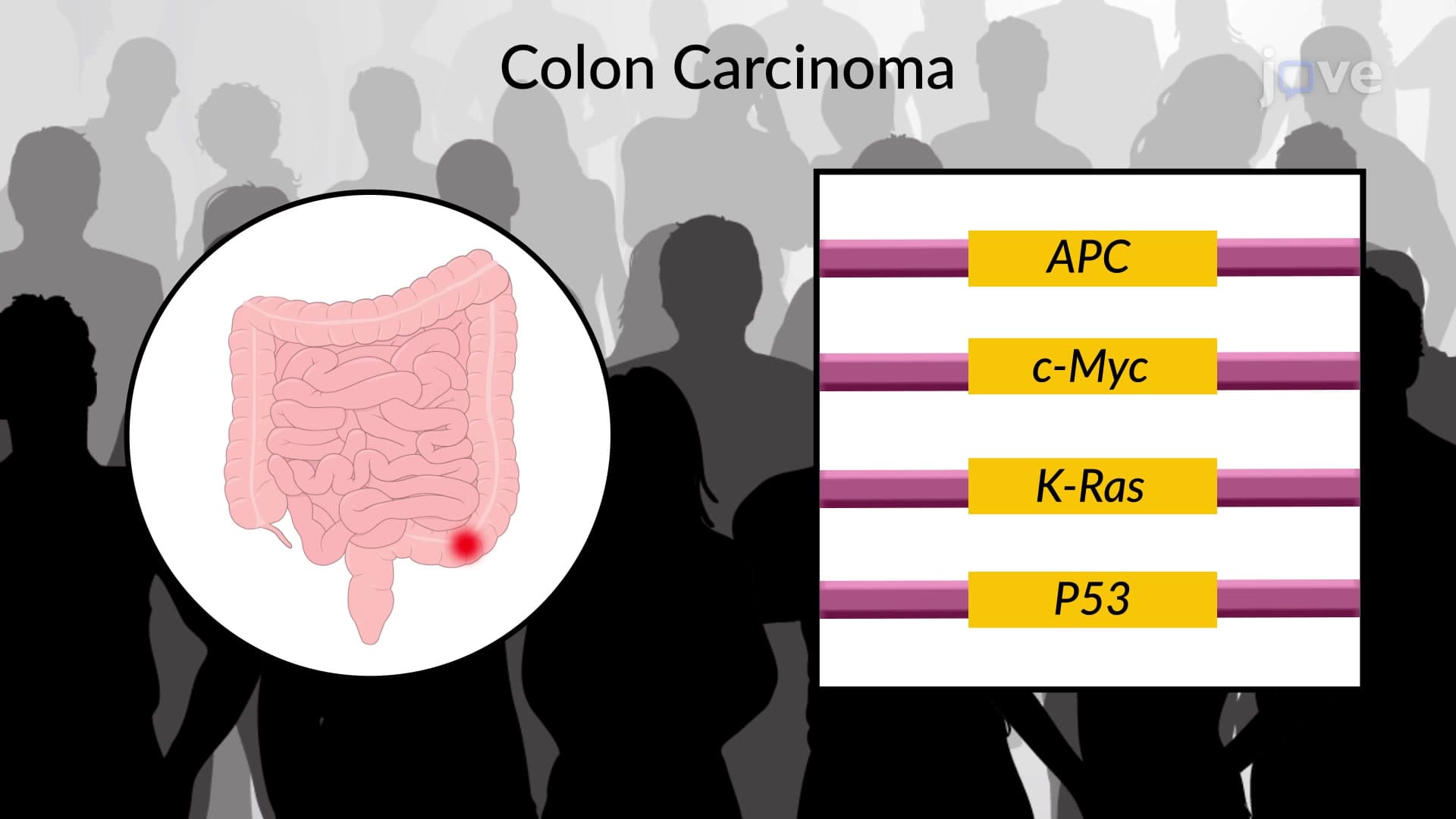
A crucial component of targeted therapy success involves companion diagnostics-specialized tests that identify patients most likely to benefit from specific treatments. For instance, before prescribing trastuzumab, oncologists must confirm HER2 overexpression through immunohistochemistry or fluorescent in-situ hybridization (FISH) testing. This personalized approach ensures optimal treatment selection and has become standard practice across US cancer centers. Students preparing for the MCAT or advanced placement biology exams should understand how genetic testing guides treatment decisions in precision oncology.
Targeted therapies have dramatically improved outcomes for many cancer types. In lung cancer, ALK inhibitors like crizotinib have extended survival for patients with specific genetic mutations. However, resistance mechanisms present ongoing challenges. Cancer cells can develop alternative pathways or acquire new mutations that circumvent targeted therapies. This has led to combination approaches and next-generation inhibitors designed to overcome resistance. Understanding these concepts is essential for students pursuing healthcare careers and appears frequently in college-level biology courses and pre-med curricula.
Related Micro-courses