Loading subject page…


51,513 views

Video Summary: What are Treatment Resistent Cancers
Why do some cancer patients at MD Anderson Cancer Center see their tumors return despite aggressive chemotherapy? Treatment resistent cancers develop when cancer cells evolve mechanisms to survive therapies that initially worked, creating a persistent clinical challenge. For instance, chronic myeloid leukemia patients may initially respond to targeted drugs like imatinib, only to face relapse months later. Understanding what are treatment resistent cancers reveals how tumor cells outsmart our best medical interventions through genetic mutations, enhanced DNA repair, and cellular adaptations. Watch the full video on JoVE Coach to master this concept with expert-led visuals and step-by-step explanations.
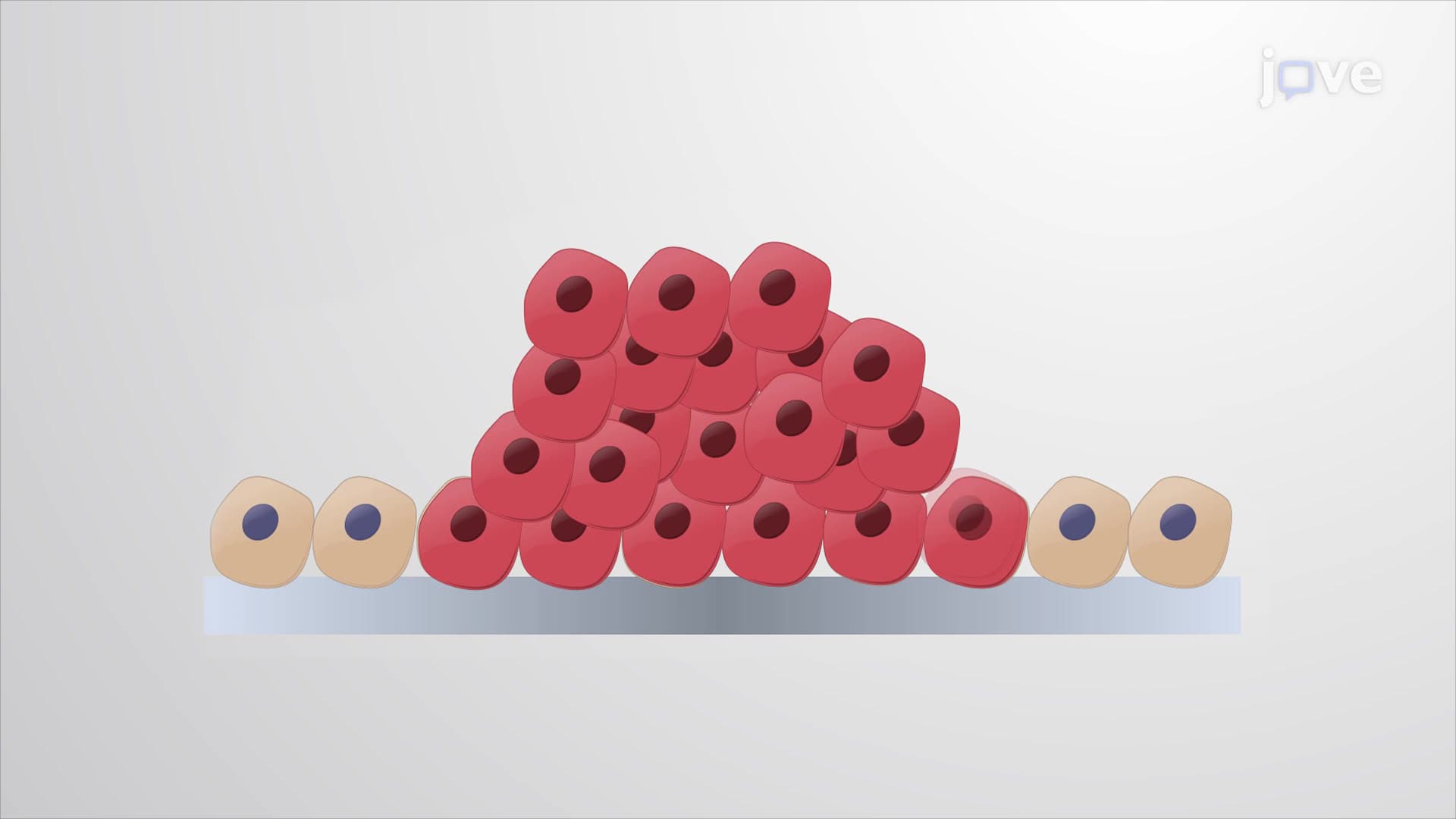
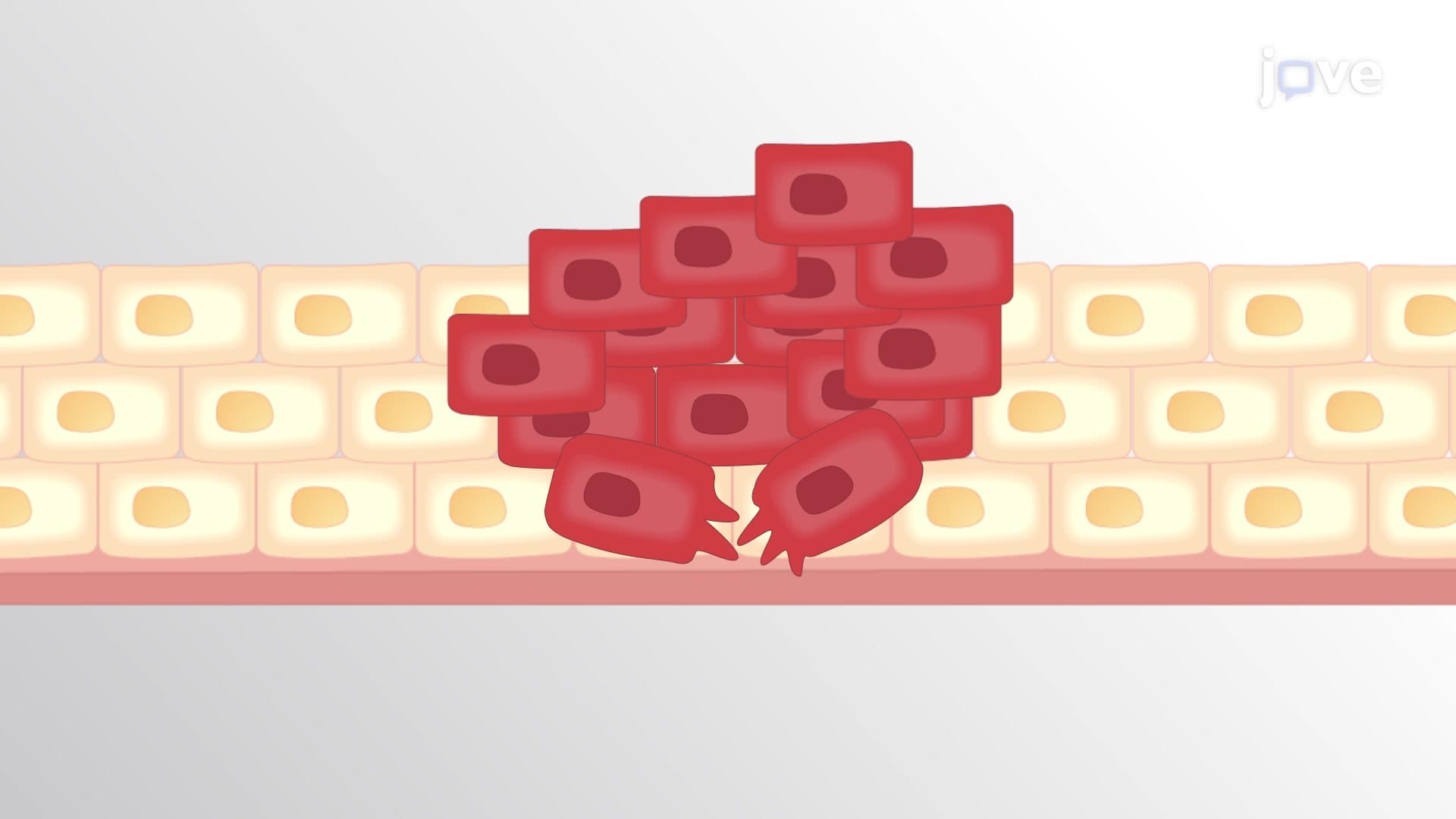
Treatment resistent cancers represent one of oncology's greatest challenges, occurring when malignant cells develop the ability to survive therapies that should eliminate them. Unlike treatment-sensitive cancers that respond predictably to standard protocols, resistant cancers persist, grow, and often metastasize despite aggressive intervention. This resistance directly contributes to cancer being the second leading cause of death in the United States, claiming over 600,000 lives annually according to the American Cancer Society.
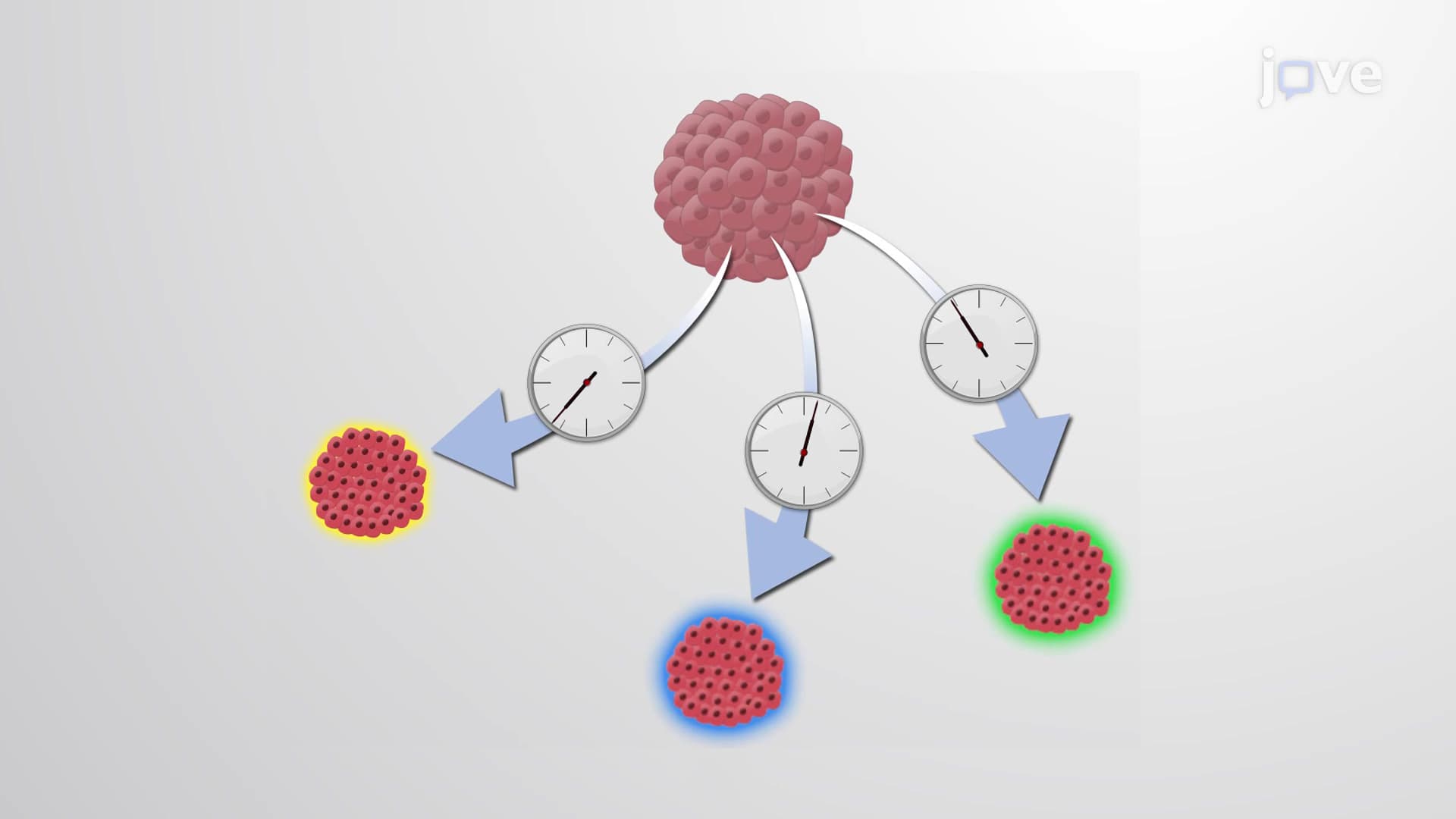
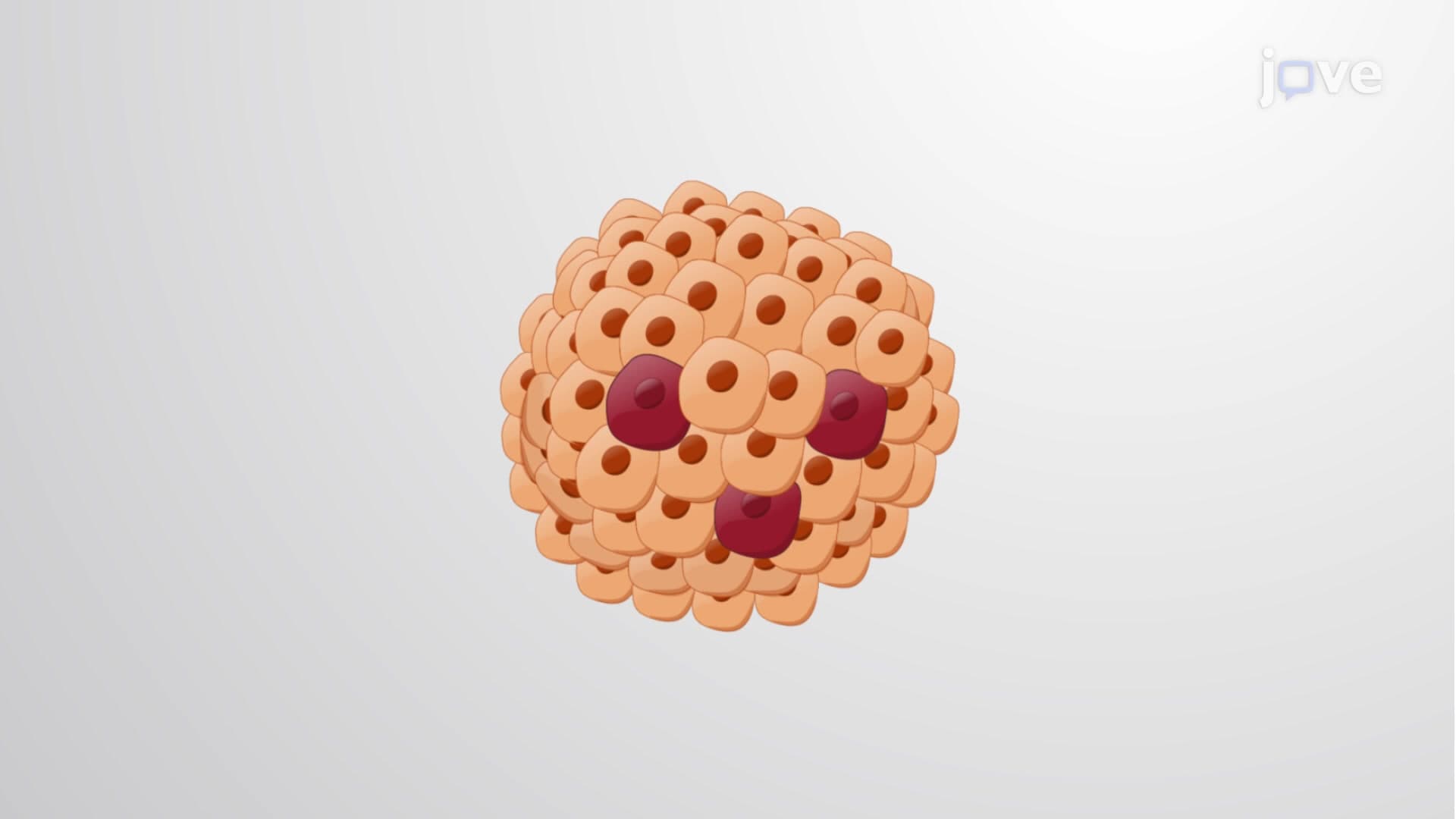
Types of treatment resistent cancers fall into two primary categories. Intrinsic resistance occurs when tumors are naturally unresponsive from the start-like pancreatic adenocarcinoma's notorious resistance to most chemotherapy regimens. Acquired resistance develops over time, as seen when breast cancer patients initially respond to hormone therapy but later experience disease progression.
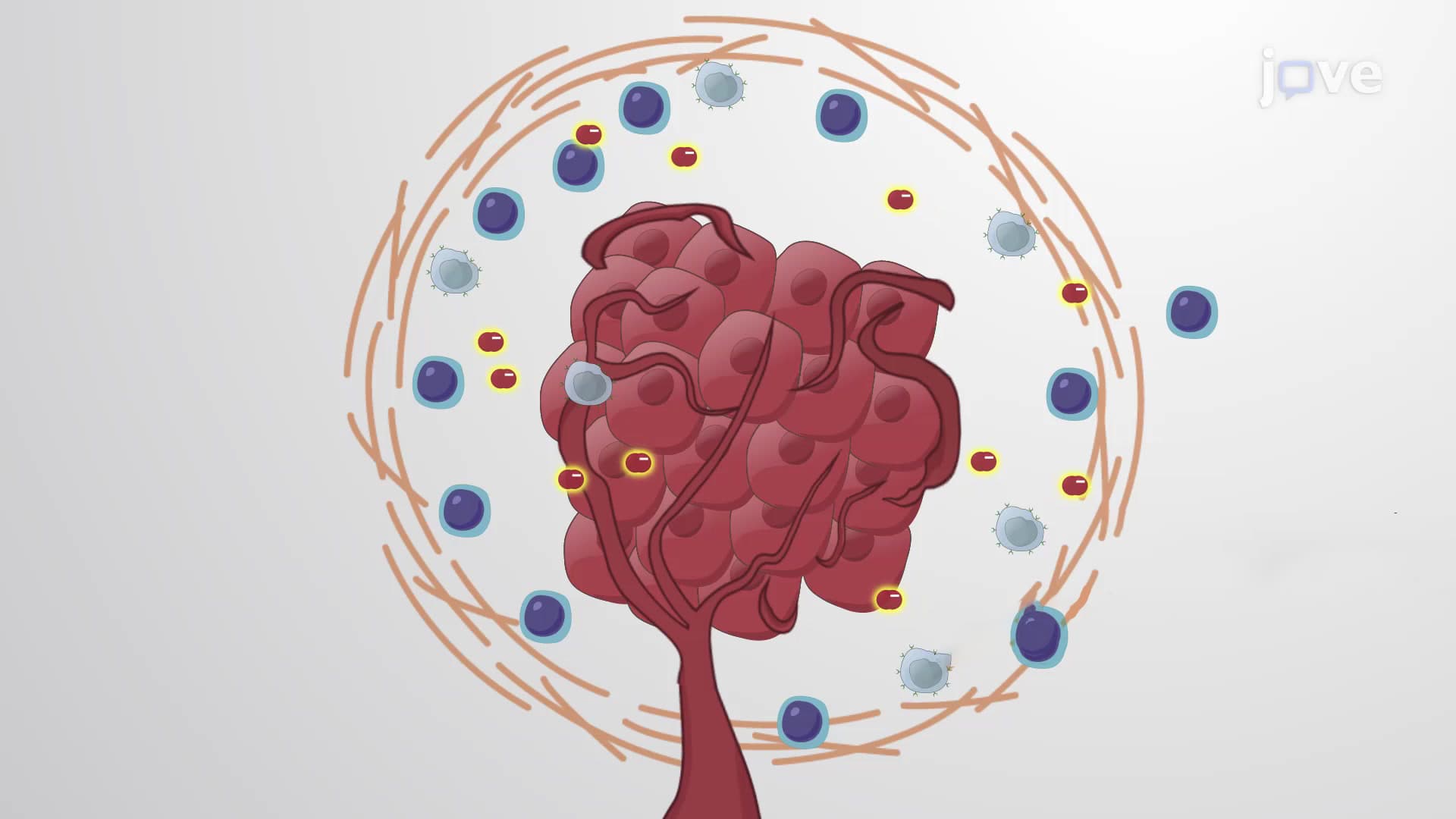
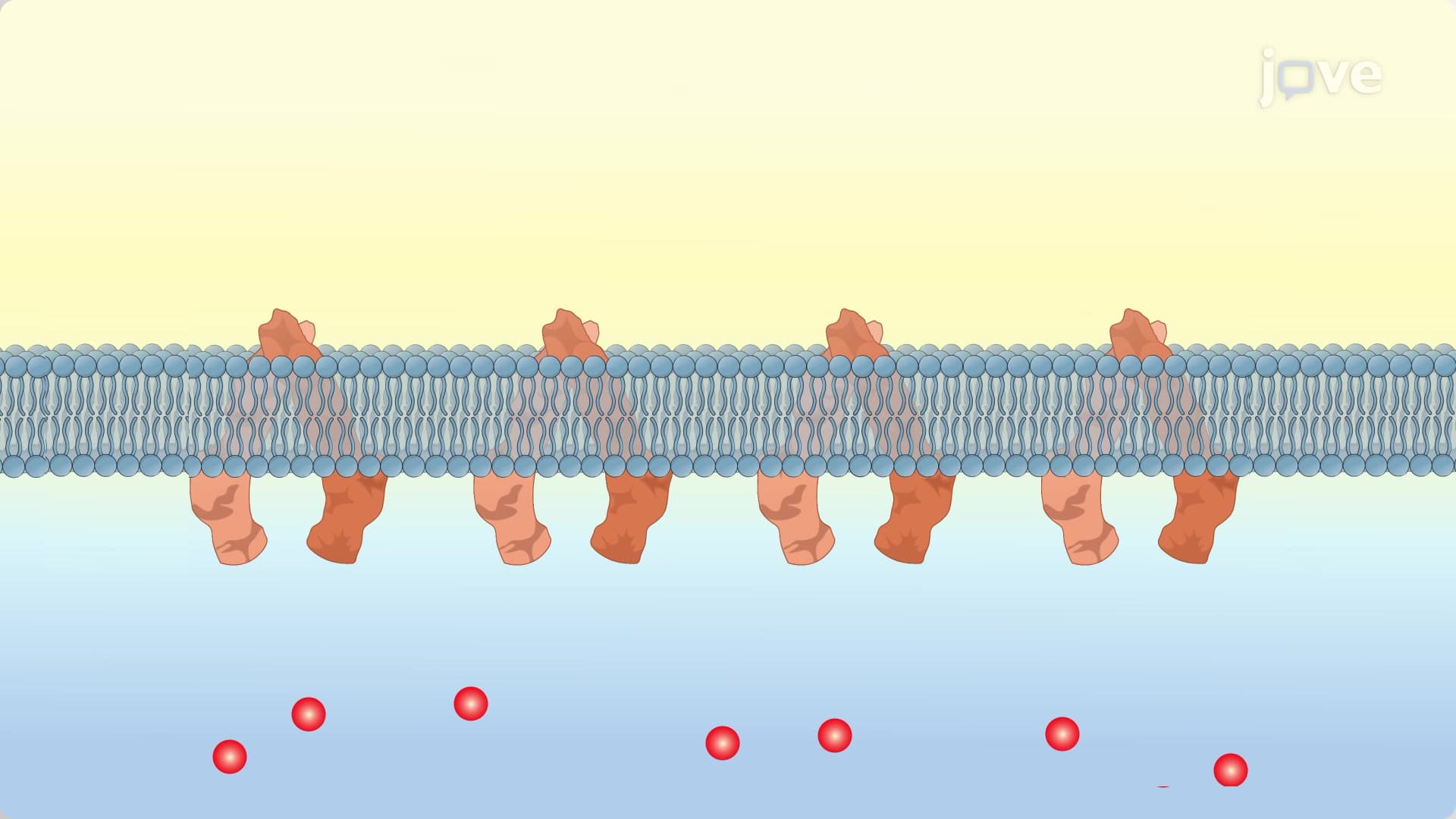
The molecular mechanisms driving resistance are diverse and sophisticated. Cancer cells may overexpress drug efflux pumps like P-glycoprotein, literally pumping chemotherapy drugs out before they can cause damage. Others enhance their DNA repair capabilities, quickly fixing the damage that radiation or certain drugs inflict. Some tumors disable their apoptosis (programmed cell death) pathways, refusing to die even when severely damaged.
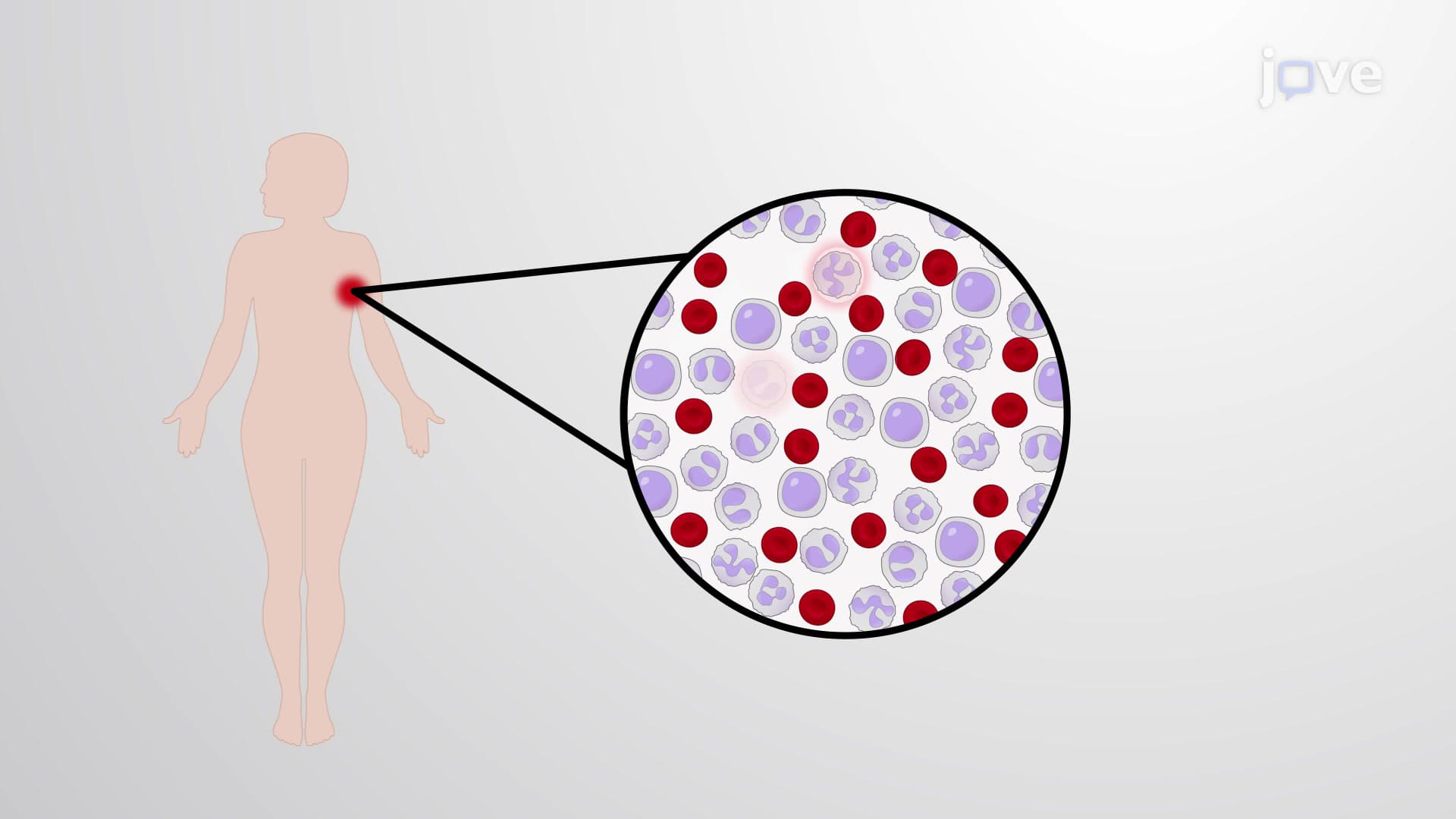
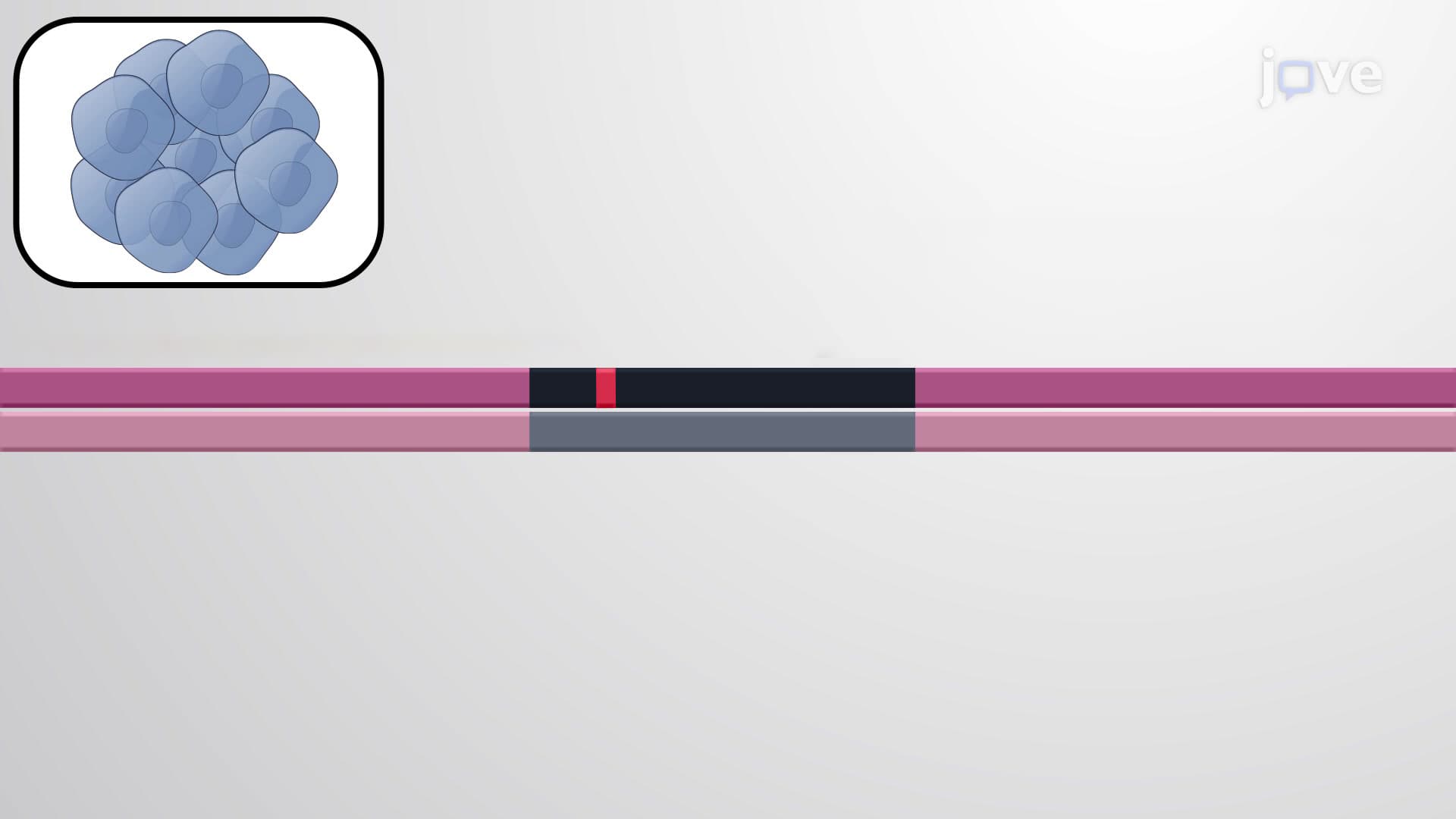
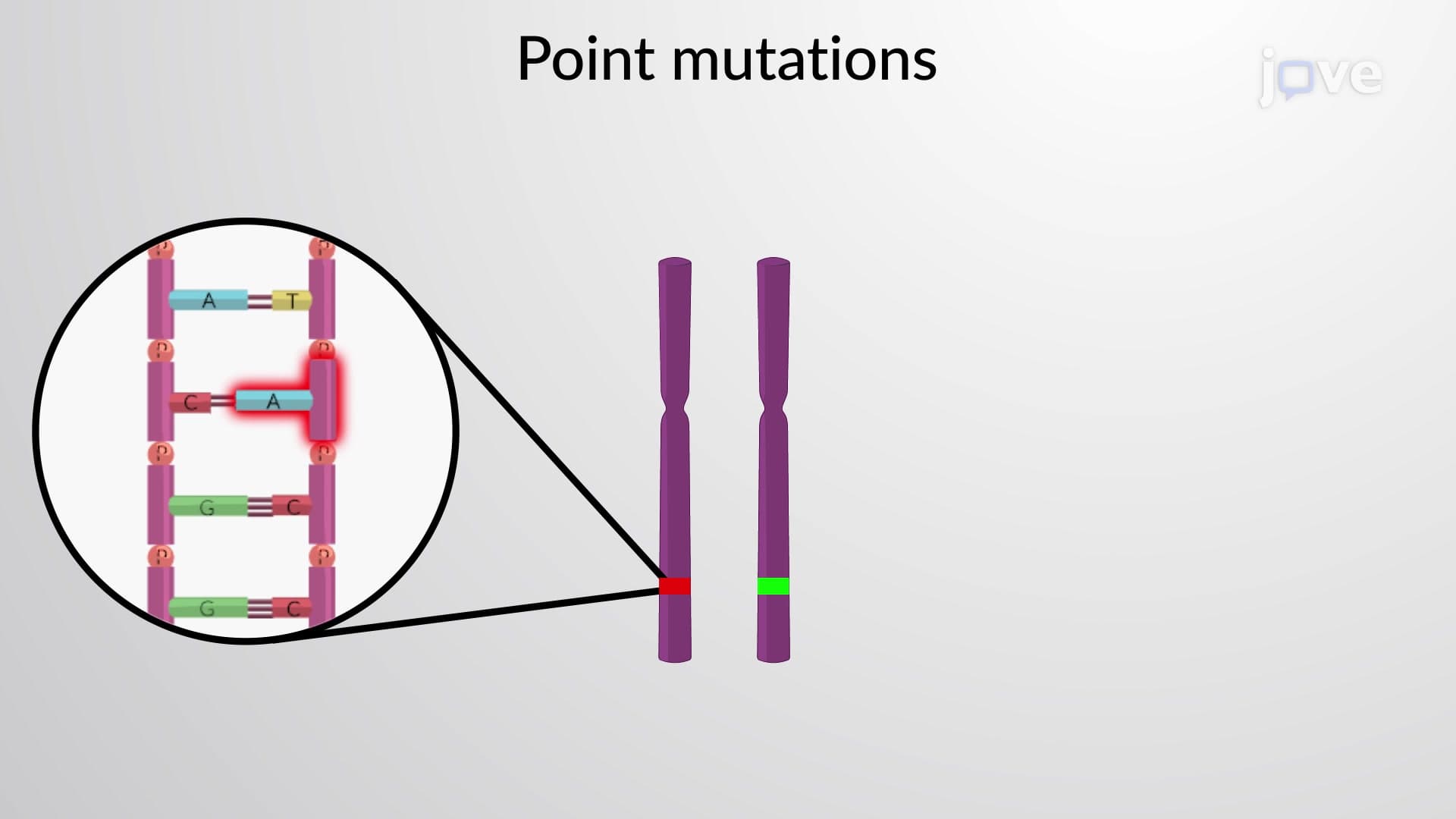
At major cancer centers like Memorial Sloan Kettering and Johns Hopkins, oncologists regularly encounter resistance patterns. Chronic myeloid leukemia patients may initially achieve complete remission with imatinib (Gleevec), only to develop resistance through BCR-ABL mutations that prevent drug binding. Similarly, lung cancer patients with EGFR mutations often respond dramatically to drugs like erlotinib, but resistance typically emerges within 12-18 months through secondary mutations or alternative pathway activation.
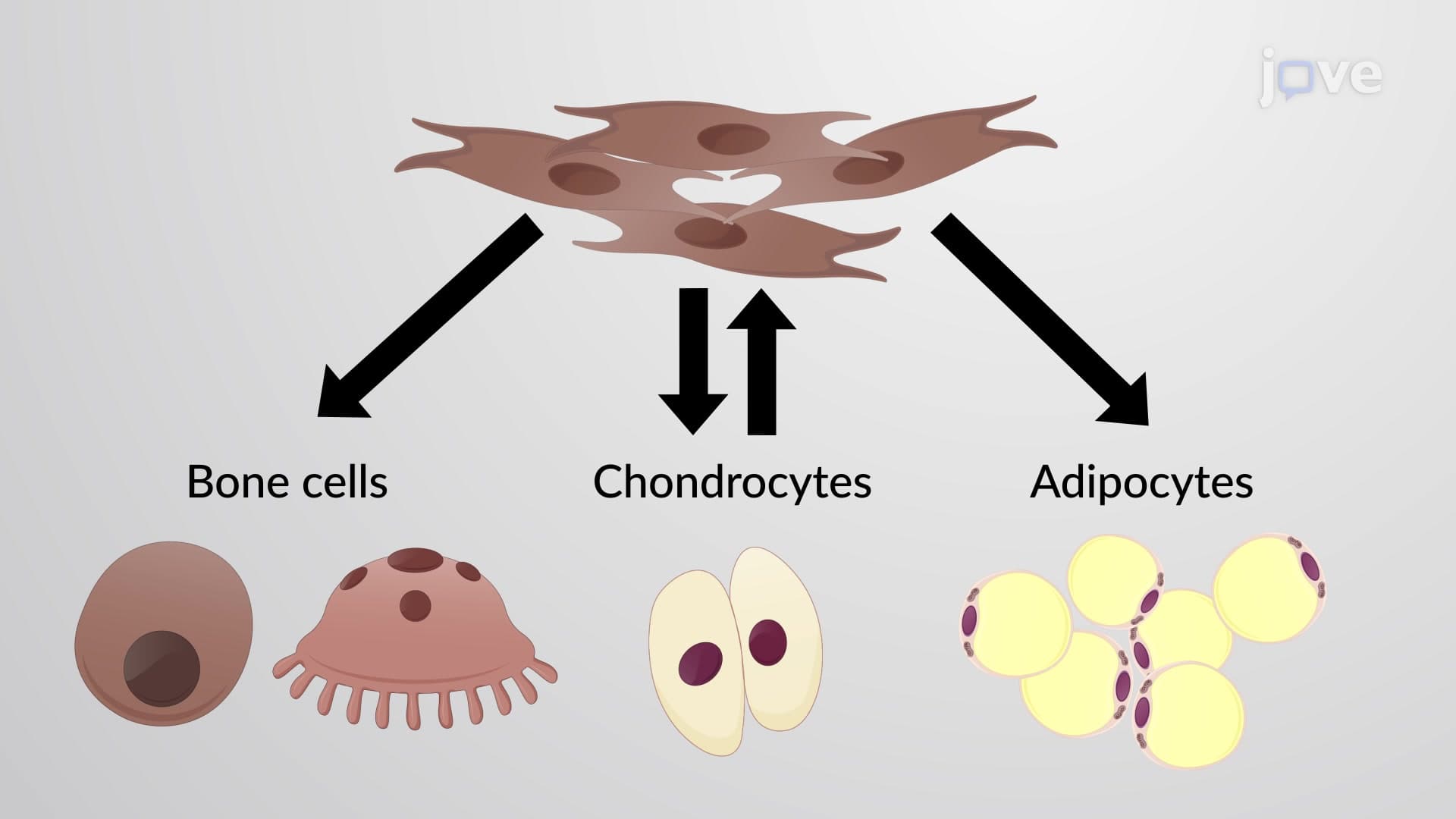
For students preparing for the MCAT, understanding treatment resistance connects multiple biological concepts. You'll encounter questions linking cell cycle regulation, signal transduction, and pharmacokinetics. AP Biology students should recognize how natural selection principles apply to cancer cell populations-resistant cells survive treatment and proliferate, creating increasingly difficult-to-treat tumors. College oncology courses emphasize how cancer stem cells, with their inherent treatment resistance and self-renewal capacity, may seed tumor recurrence even after apparent treatment success.
Related Micro-courses