Loading subject page…


51,513 views


Video Summary: What Is Adaptive Mechanisms
Did you know that cancer cells can literally rewire their metabolism to survive chemotherapy? Adaptive mechanisms are the sophisticated survival strategies that cancer cells develop to thrive in hostile environments, much like how melanoma patients at Johns Hopkins often face drug-resistant tumors that have "learned" to evade treatment. These cellular survival tactics include metabolic reprogramming, immune system evasion, and resistance to cell death-all critical concepts for understanding modern cancer therapy. Watch the full video on JoVE Coach to master this concept with expert-led visuals and step-by-step explanations.
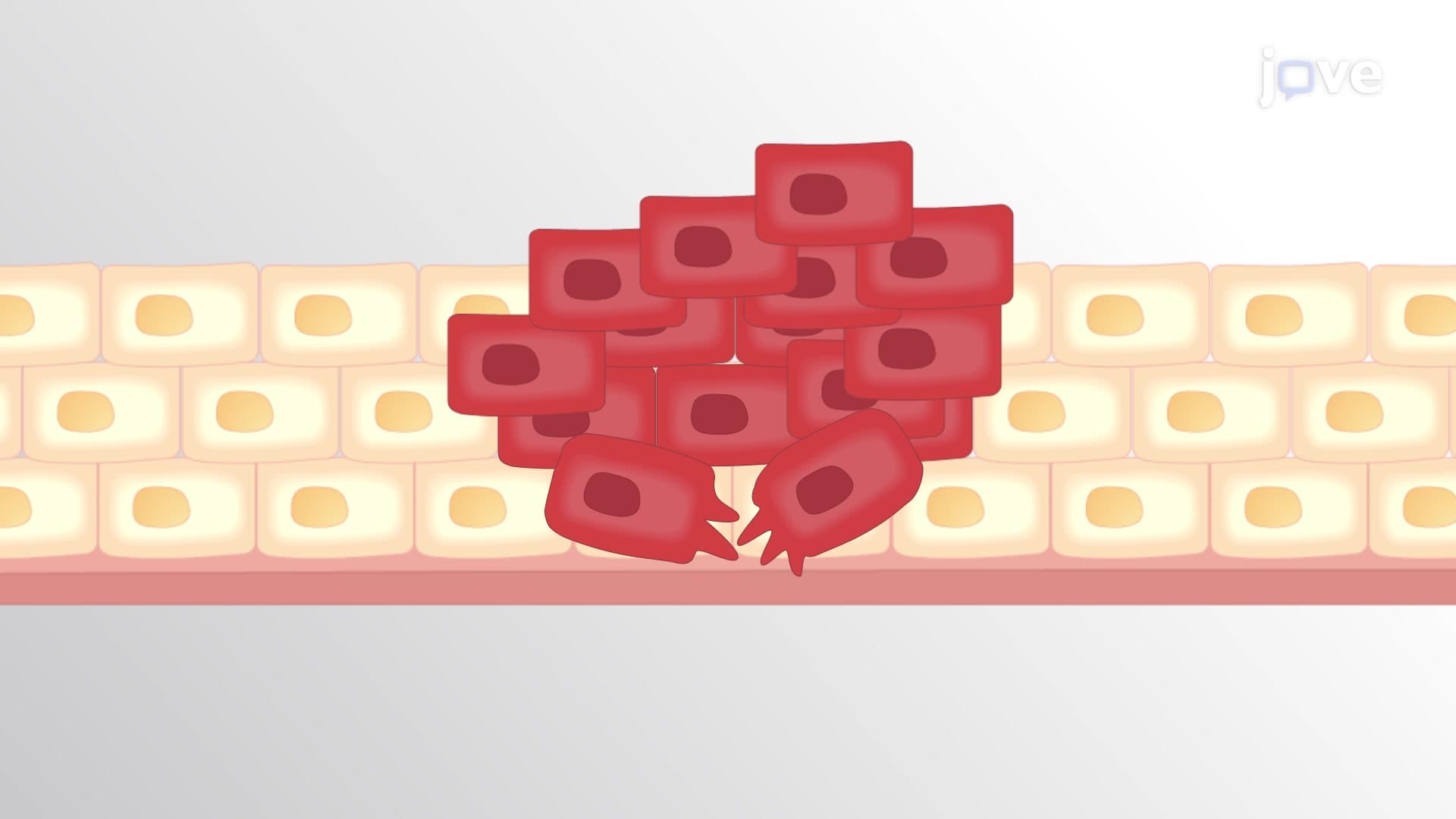
Adaptive mechanisms represent the remarkable ability of cancer cells to modify their behavior, metabolism, and genetic expression in response to environmental pressures and therapeutic interventions. Unlike normal cells that follow predictable responses to stress, cancer cells exhibit extraordinary plasticity, allowing them to survive conditions that would typically trigger cell death.
One of the most well-studied adaptive mechanisms is metabolic reprogramming, exemplified by the Warburg effect. Normal cells primarily use oxidative phosphorylation for energy production, but cancer cells often switch to glycolysis even in oxygen-rich environments. This adaptation provides several advantages: rapid ATP production for proliferation, biosynthetic precursors for cell division, and survival advantages in hypoxic tumor regions. For students preparing for the MCAT or AP Biology, understanding this metabolic flexibility is crucial for questions about cellular energetics and cancer biology.
Cancer cells develop sophisticated strategies to avoid immune detection and destruction. They can downregulate MHC class I molecules, secrete immunosuppressive factors, and exploit immune checkpoint pathways like PD-1/PD-L1 interactions. This understanding has revolutionized cancer treatment through checkpoint inhibitors like pembrolizumab (Keytruda), approved by the FDA for multiple cancer types. At institutions like Memorial Sloan Kettering Cancer Center, researchers continue to identify new immune evasion mechanisms that inform therapeutic development.
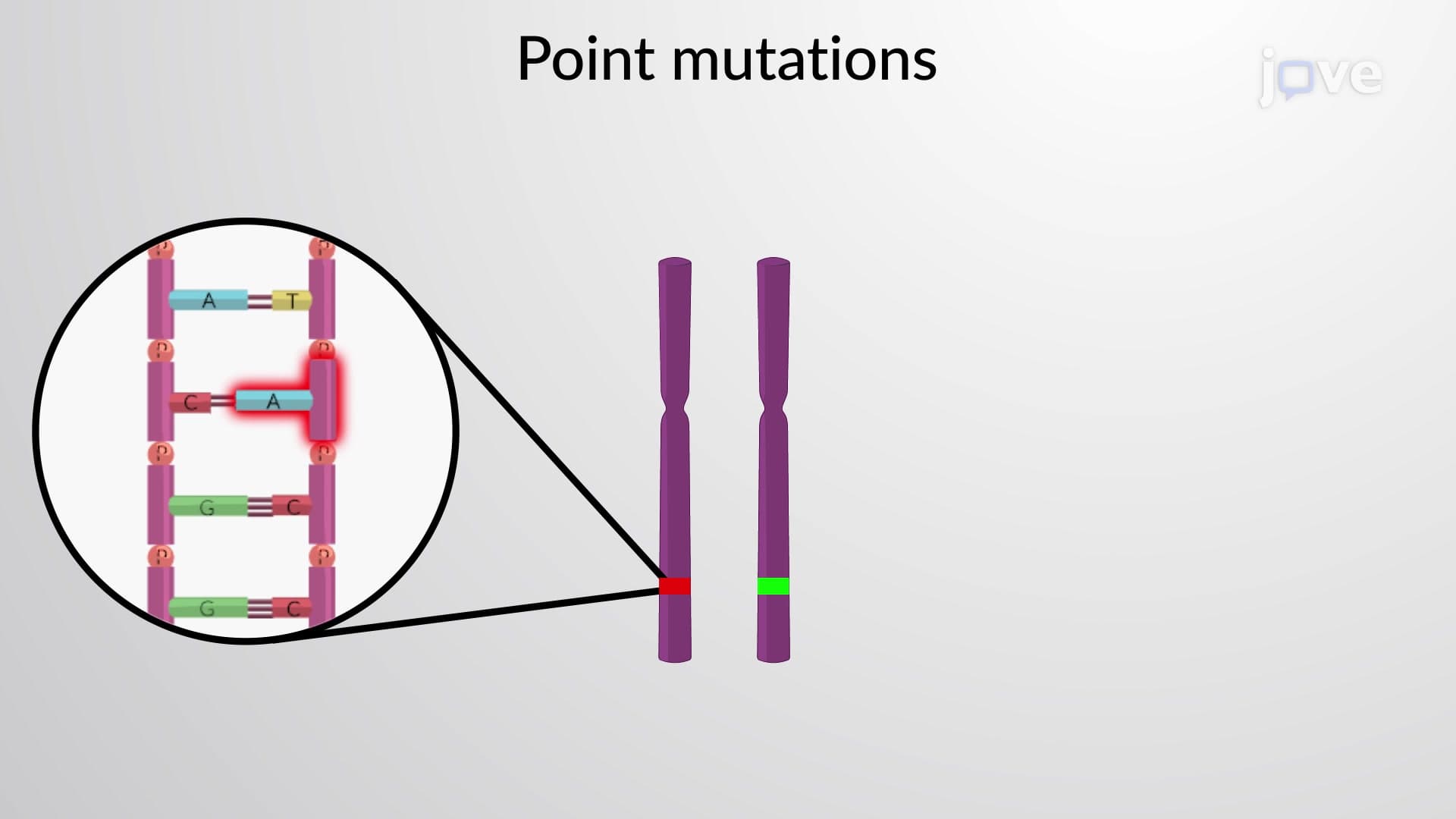
Cancer cells demonstrate remarkable genetic instability, which paradoxically becomes an adaptive advantage. Gene amplification, mutations, and epigenetic modifications allow rapid evolution under selective pressure from chemotherapy or radiation. For example, amplification of the MDR1 gene encoding P-glycoprotein leads to multidrug resistance by actively pumping chemotherapeutic agents out of cells. Students studying for college-level cell biology courses should understand how these genetic changes differ from normal DNA repair mechanisms and contribute to treatment resistance.
Related Micro-courses