Loading subject page…


51,513 views

Video Summary: What Is Cancer Prevention
Did you know that nearly 40% of cancer cases in the United States could be prevented through lifestyle changes alone? Cancer prevention represents a comprehensive approach to reducing cancer risk through targeted strategies that address behavioral, environmental, and medical factors. From the success of HPV vaccination programs in reducing cervical cancer rates to nationwide smoking cessation campaigns that have dramatically decreased lung cancer incidence, what is cancer prevention becomes clear when we see its real-world impact on American communities. Watch the full video on JoVE Coach to master this concept with expert-led visuals and step-by-step explanations.
Cancer prevention represents a multi-layered approach to reducing cancer incidence and mortality through evidence-based interventions. This concept extends far beyond simple lifestyle advice, encompassing sophisticated medical strategies, population-health initiatives, and policy interventions that work synergistically to protect individuals and communities from cancer development.
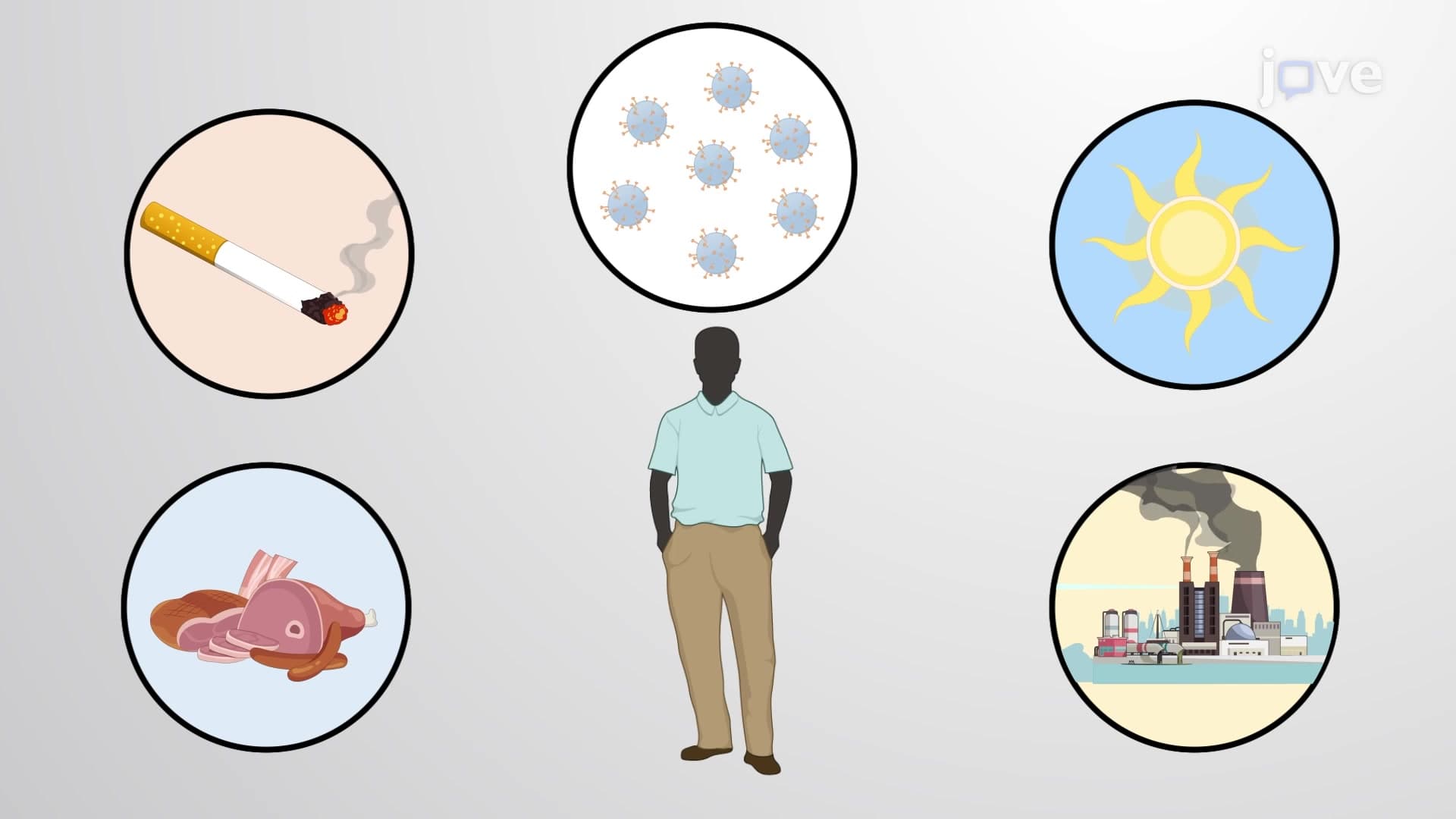
The cancer prevention definition encompasses three distinct but interconnected levels of intervention. Primary prevention focuses on eliminating or reducing exposure to known carcinogens before cancer develops. Secondary prevention emphasizes early detection through screening programs when cancer may be present but not yet symptomatic. Tertiary prevention aims to prevent cancer recurrence in survivors and manage long-term health outcomes.
Primary prevention strategies target the root causes of cancer development. The American Cancer Society estimates that tobacco use accounts for approximately 30% of cancer deaths in the United States, making smoking cessation programs a cornerstone of primary prevention efforts. The success of comprehensive tobacco control policies, including taxation, public smoking bans, and targeted education campaigns, has contributed to a 32% decline in lung cancer rates among men since the 1990s.
Nutritional interventions represent another critical component of primary prevention. The Mediterranean diet pattern, rich in fruits, vegetables, whole grains, and healthy fats, has been associated with reduced risk of colorectal, breast, and prostate cancers in large-scale epidemiological studies conducted across diverse American populations. Students preparing for the MCAT or AP Biology exams should understand how dietary antioxidants, fiber content, and anti-inflammatory compounds mechanistically influence cellular processes that can lead to malignant transformation.
Secondary prevention relies on systematic screening programs that can detect cancer in its earliest, most treatable stages. The United States Preventive Services Task Force (USPSTF) provides evidence-based recommendations for cancer screening that directly impact clinical practice and insurance coverage decisions. Mammography for breast cancer detection, beginning at age 50 for average-risk women, has contributed to a 40% reduction in breast cancer mortality since 1990.
Cervical cancer screening represents one of public health's greatest success stories. The implementation of routine Pap smear screening, combined with HPV vaccination programs, has reduced cervical cancer incidence by more than 50% over the past three decades. Students studying for the NCLEX or preparing for medical school should understand how these screening protocols integrate with primary care practice and population health management.
Advanced cancer prevention strategies include pharmacological interventions for high-risk populations. Tamoxifen and raloxifene, selective estrogen receptor modulators, can reduce breast cancer risk by up to 50% in women with elevated risk profiles. These interventions require careful risk-benefit analysis, as they may increase risks of other conditions such as thromboembolic events.
Vaccination programs represent highly effective medical prevention strategies. The HPV vaccine, recommended for adolescents aged 11-12 years, prevents infection with human papillomavirus types responsible for approximately 90% of cervical cancers and significant percentages of other genital and oropharyngeal cancers. Students preparing for the MCAT should understand the immunological mechanisms underlying vaccine efficacy and the public health considerations that influence vaccination policy recommendations.
Related Micro-courses