Loading subject page…


51,513 views

Video Summary: What Is Cancers Originate
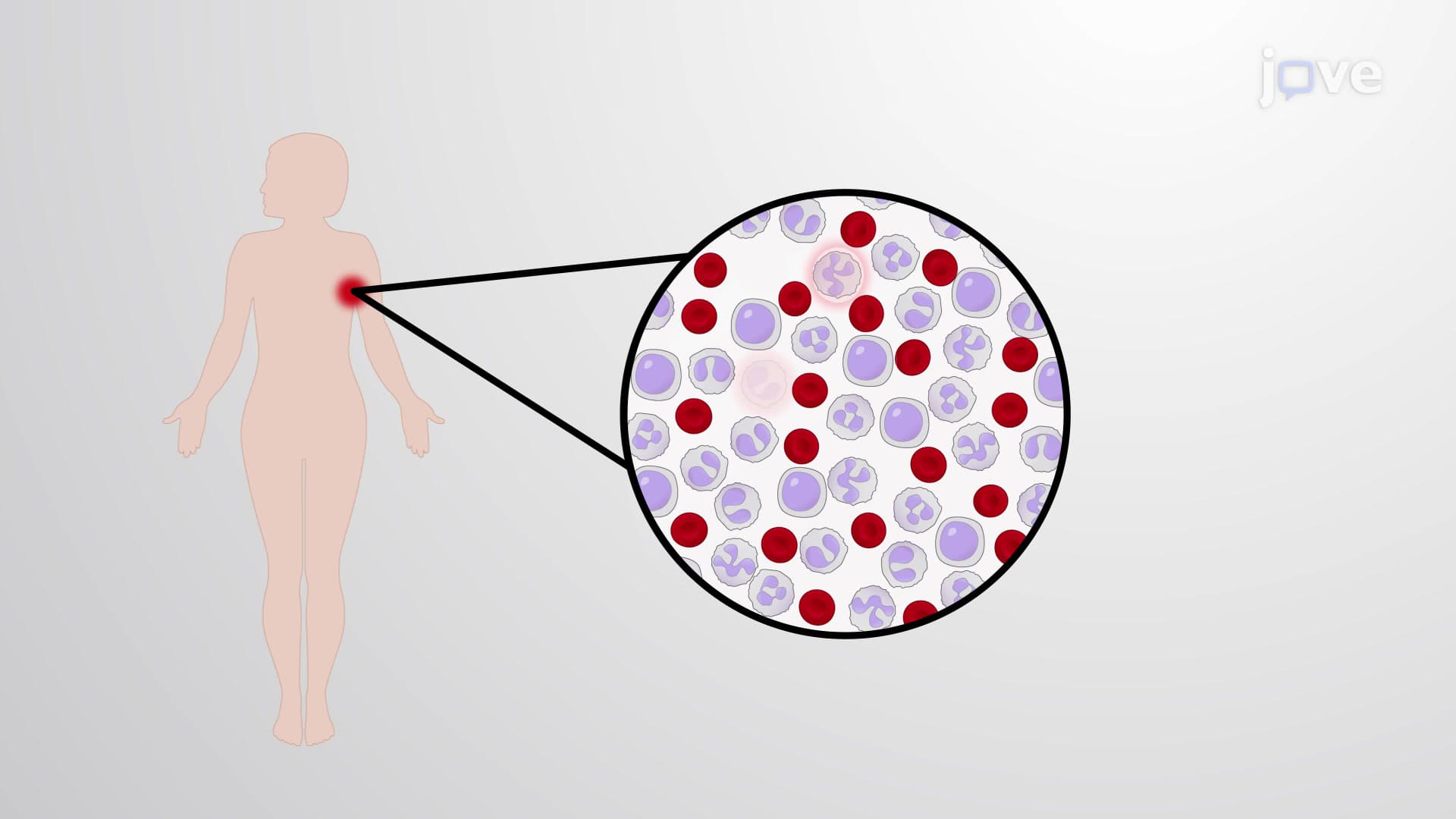
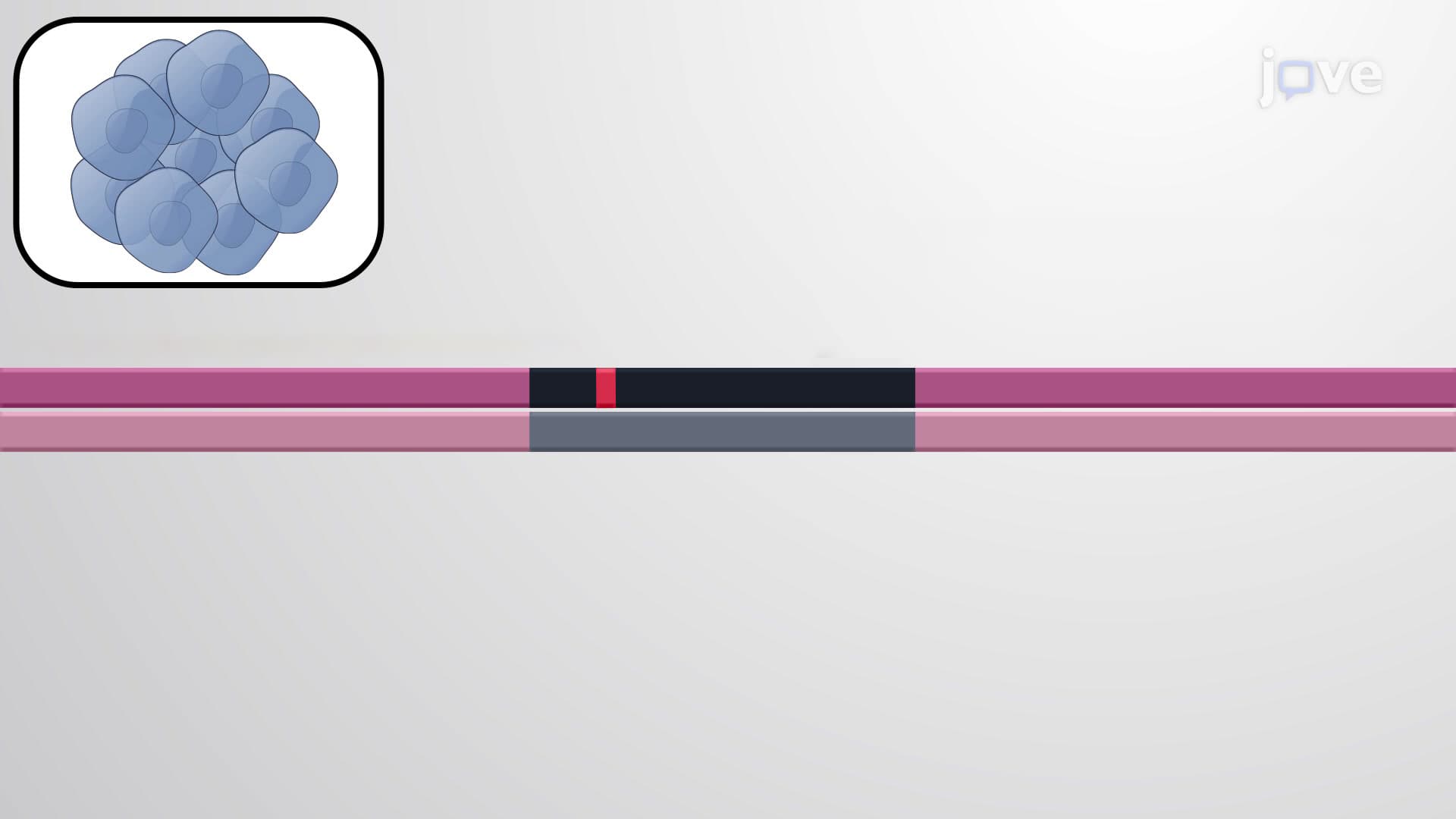
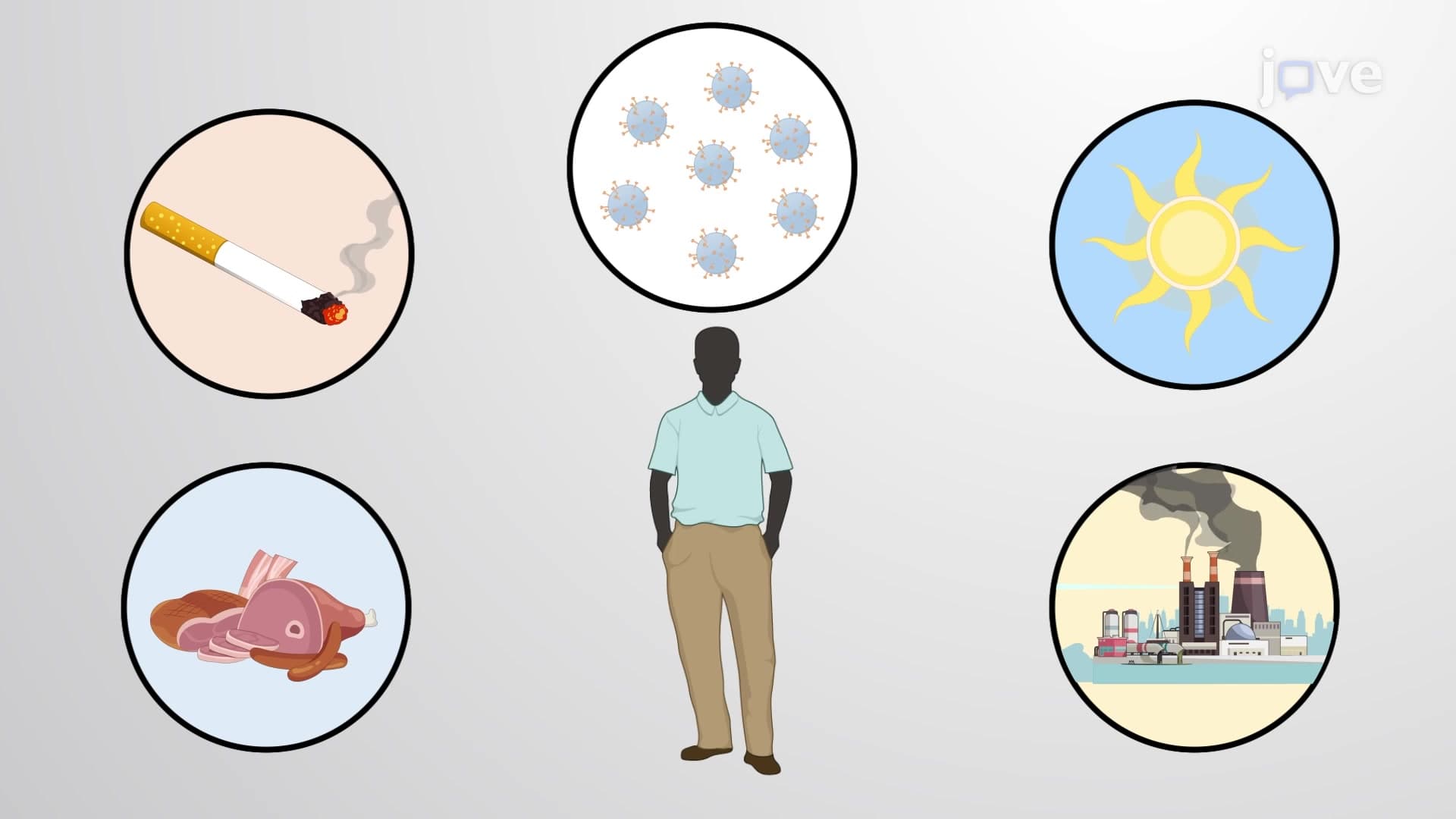
Every year, over 1.9 million Americans receive a cancer diagnosis, but how do normal cells transform into malignant ones? Cancers originate from somatic mutations occurring in a single cell, fundamentally altering how that cell grows and divides. Consider melanoma development after years of sun exposure-UV radiation causes DNA damage in skin cells, and when repair mechanisms fail, mutations accumulate until one cell becomes cancerous. Understanding what is cancers originate reveals the molecular foundation of cancer biology and guides modern treatment approaches. Watch the full video on JoVE Coach to master this concept with expert-led visuals and step-by-step explanations.
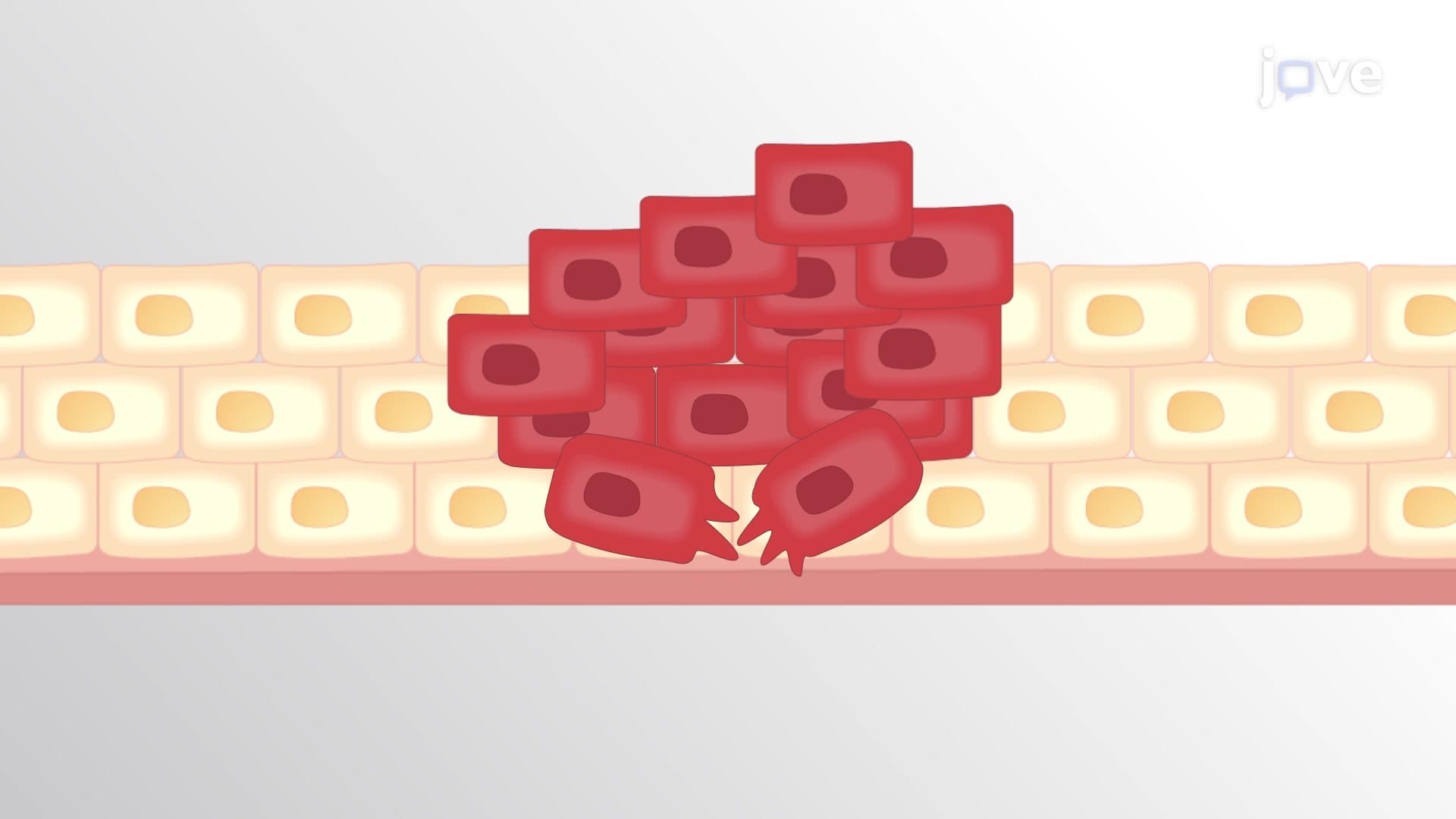
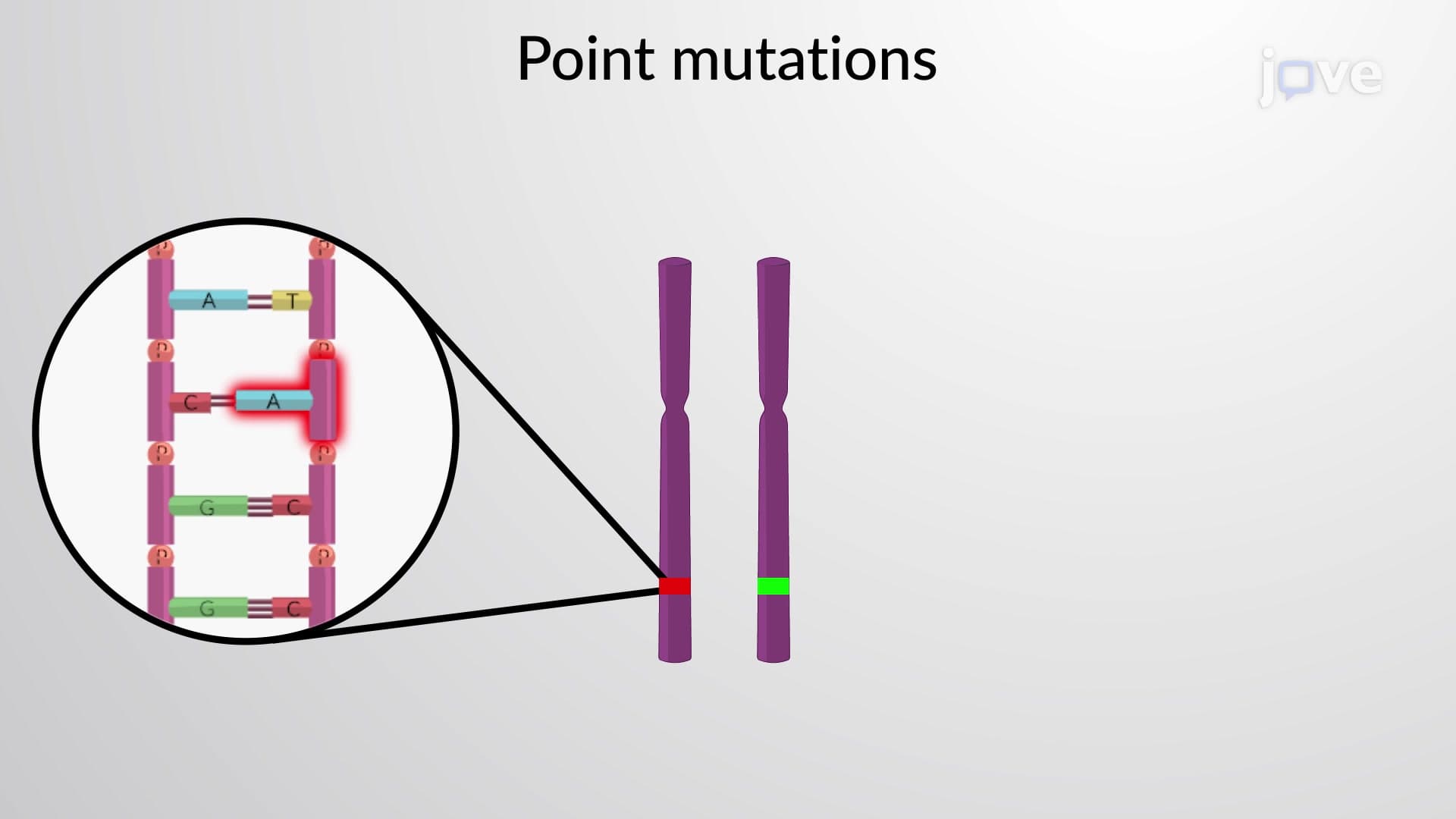
Cancer biology fundamentally begins with understanding what is cancers originate-the process by which normal cells transform into malignant ones through somatic mutations. Unlike inherited genetic variations present from birth, somatic mutations occur after conception and accumulate throughout an individual's lifetime. These mutations specifically affect genes controlling cell growth, division, and programmed death (apoptosis). When critical regulatory genes become damaged beyond repair, a single cell can begin the transformation process that ultimately leads to cancer.
The National Cancer Institute estimates that most cancers require 3-8 key mutations in driver genes before becoming clinically detectable. This concept appears frequently on the MCAT Biology section and AP Biology exams, particularly in questions about cell cycle regulation and molecular genetics.
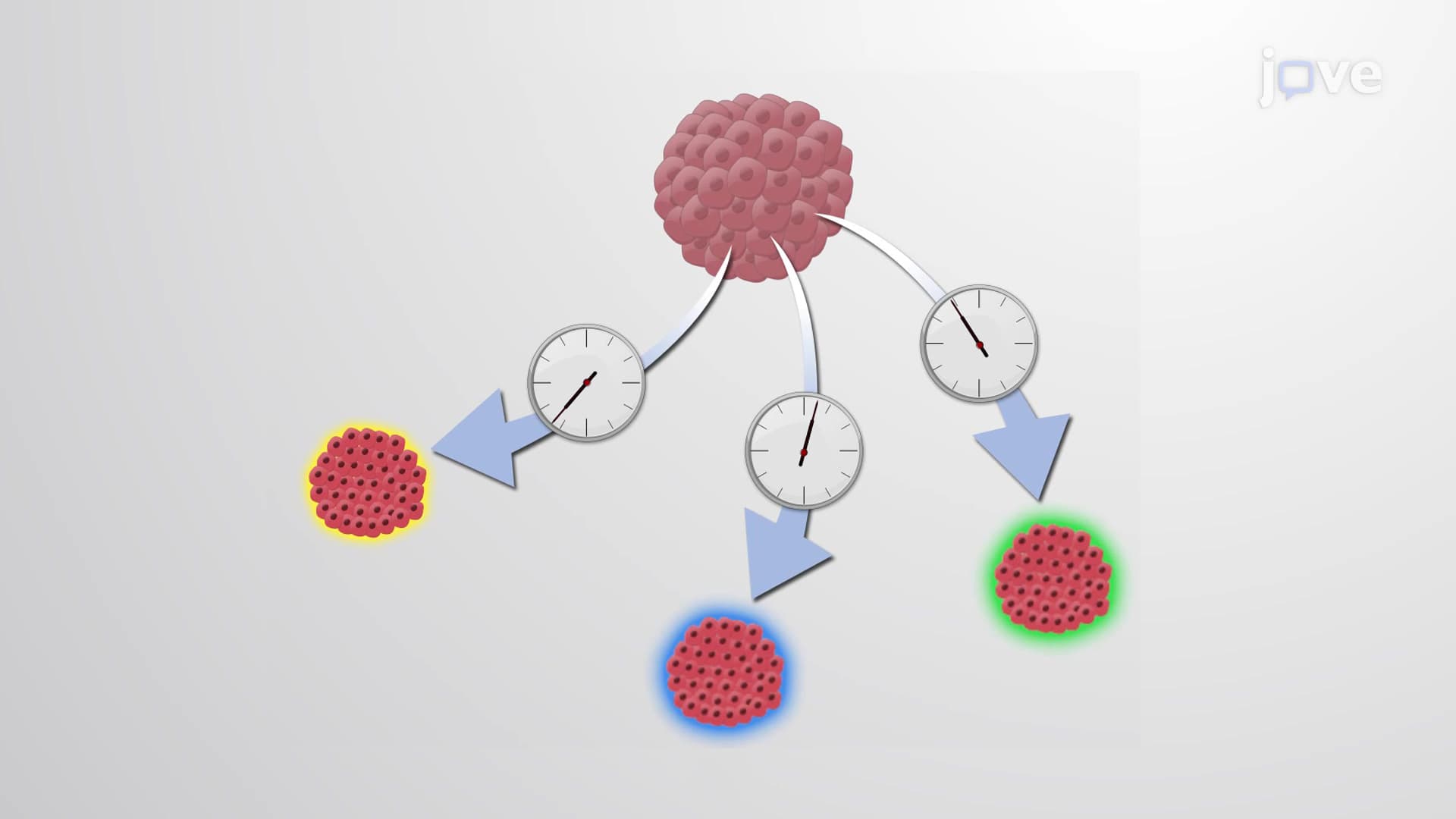
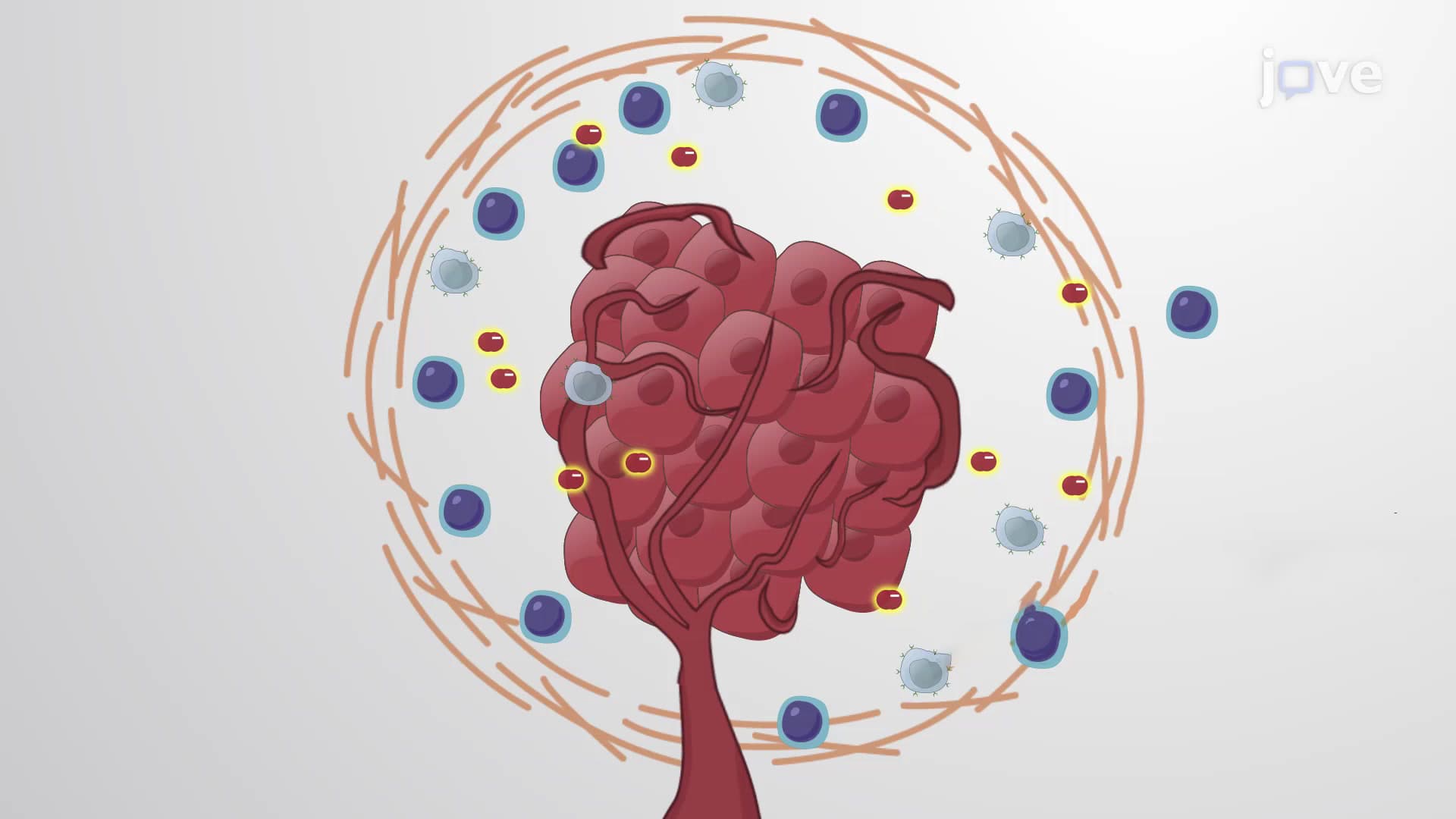
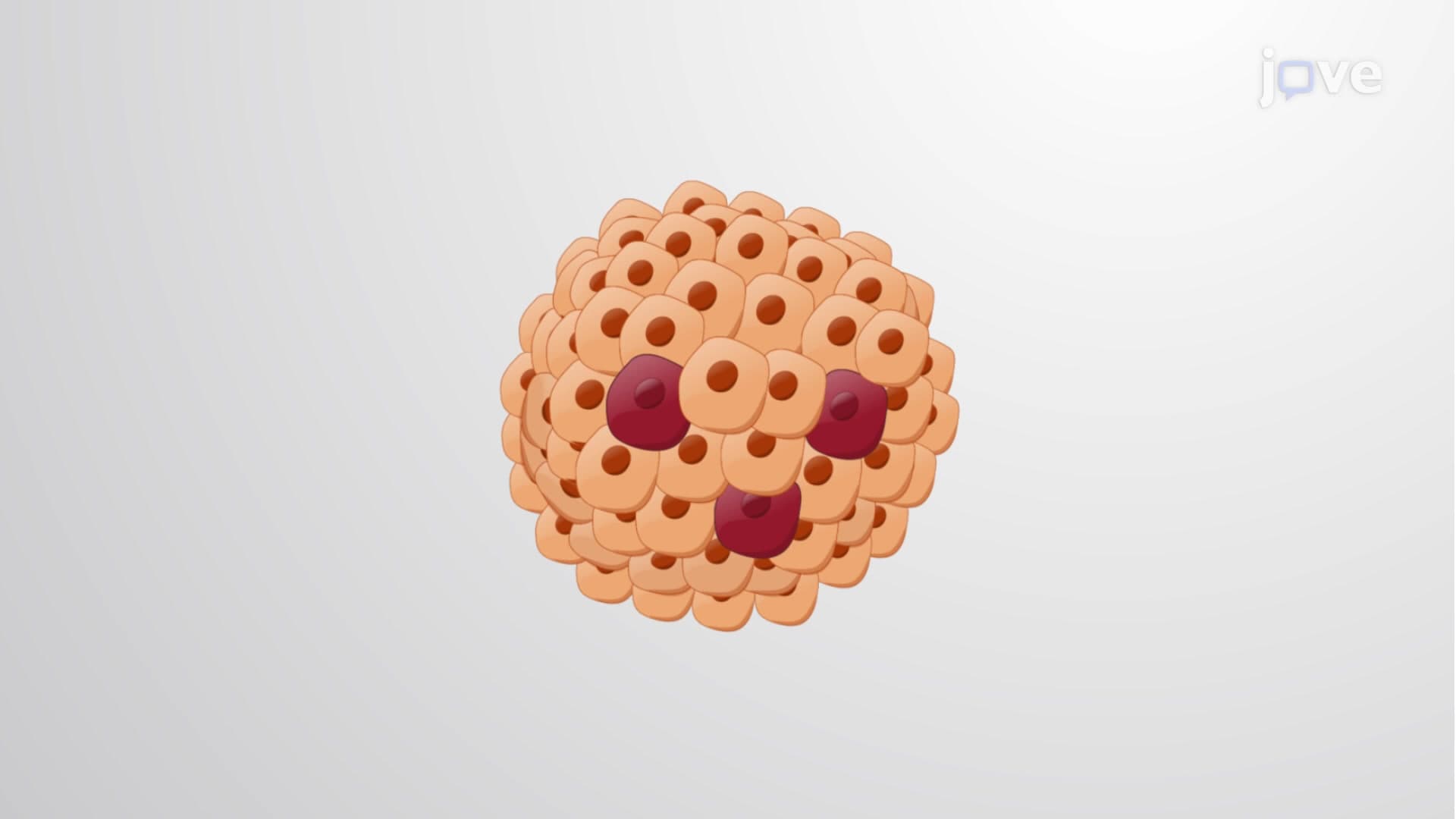
Once a single cell acquires cancer-promoting mutations, it begins dividing more rapidly than surrounding normal cells. This process, called clonal evolution, means all cancer cells within a tumor descend from that original mutated cell. However, as these cells continue dividing, they acquire additional random mutations, creating genetic diversity within the tumor mass.
This heterogeneity explains why cancer treatments often fail-while chemotherapy might eliminate most cancer cells, genetically distinct subpopulations may survive and eventually cause disease recurrence. The M.D. Anderson Cancer Center in Houston has pioneered research showing how tumor heterogeneity impacts treatment resistance, particularly in lung cancer patients.
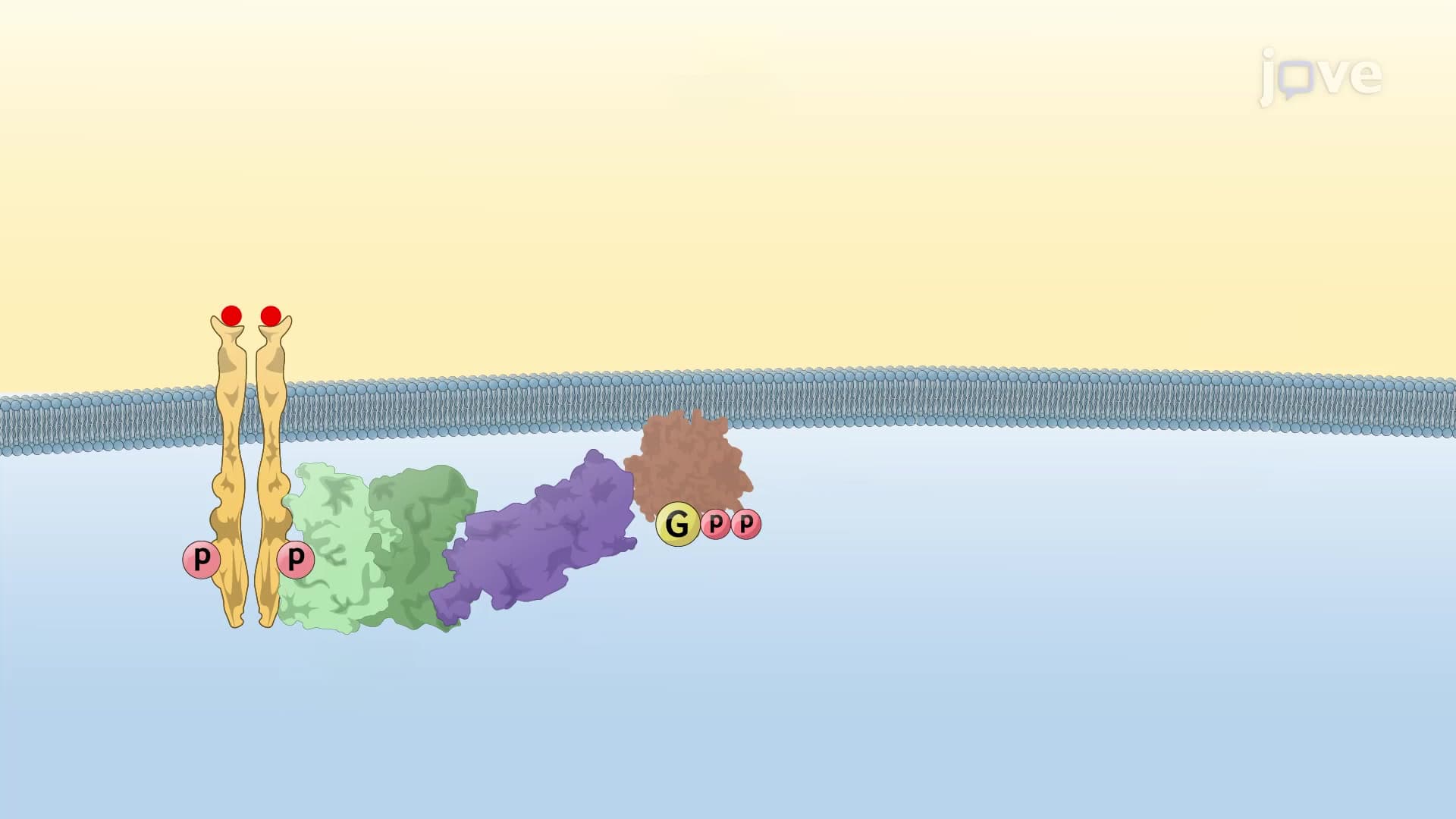
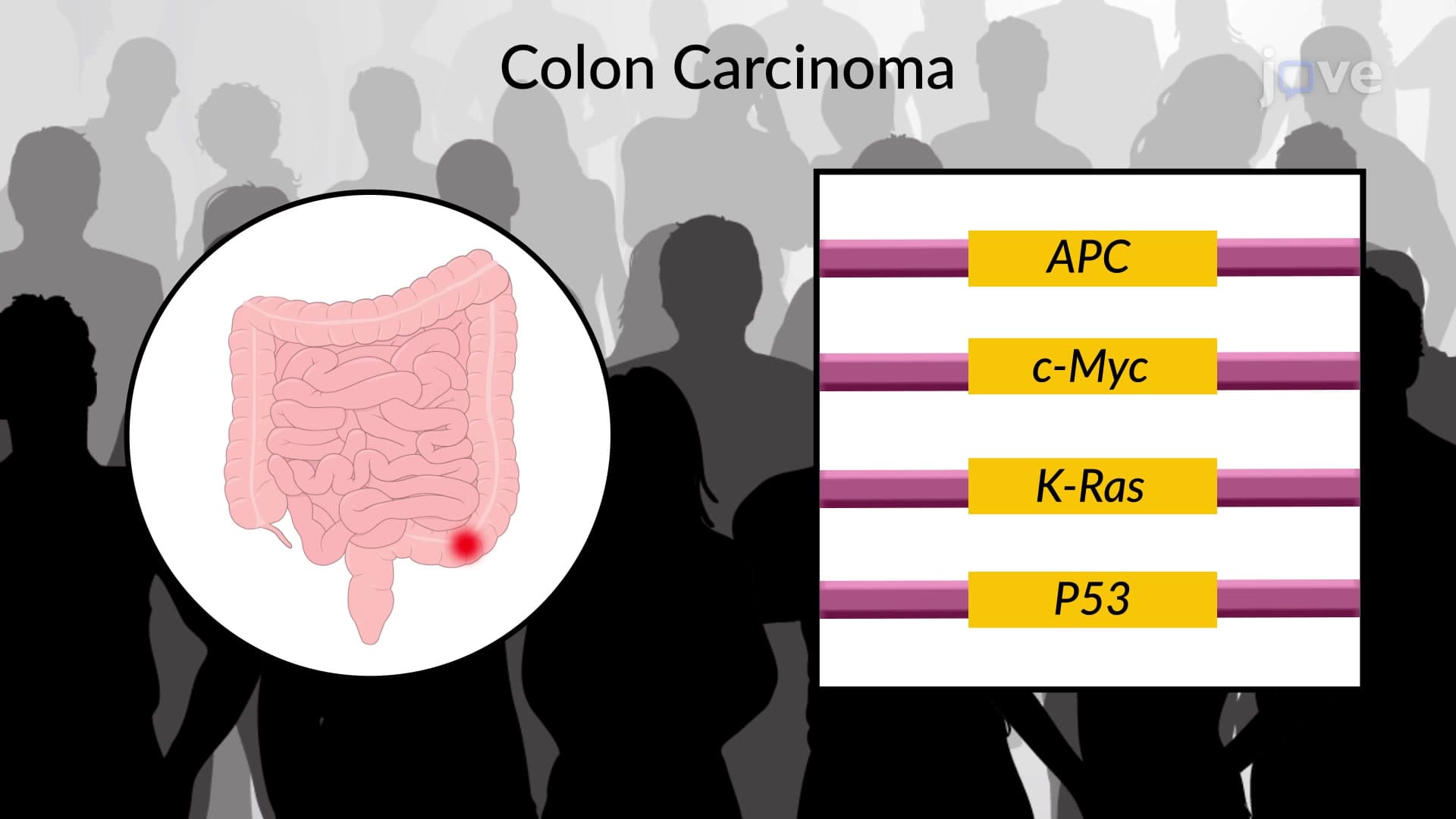
Cancer biology distinguishes between two types of mutations found in tumors. Driver mutations directly contribute to cancer development by affecting genes like TP53 (tumor suppressor) or RAS (oncogene). These mutations provide growth advantages, allowing cells to divide uncontrollably or resist death signals. In contrast, passenger mutations occur randomly during cell division but don't directly contribute to cancer progression.
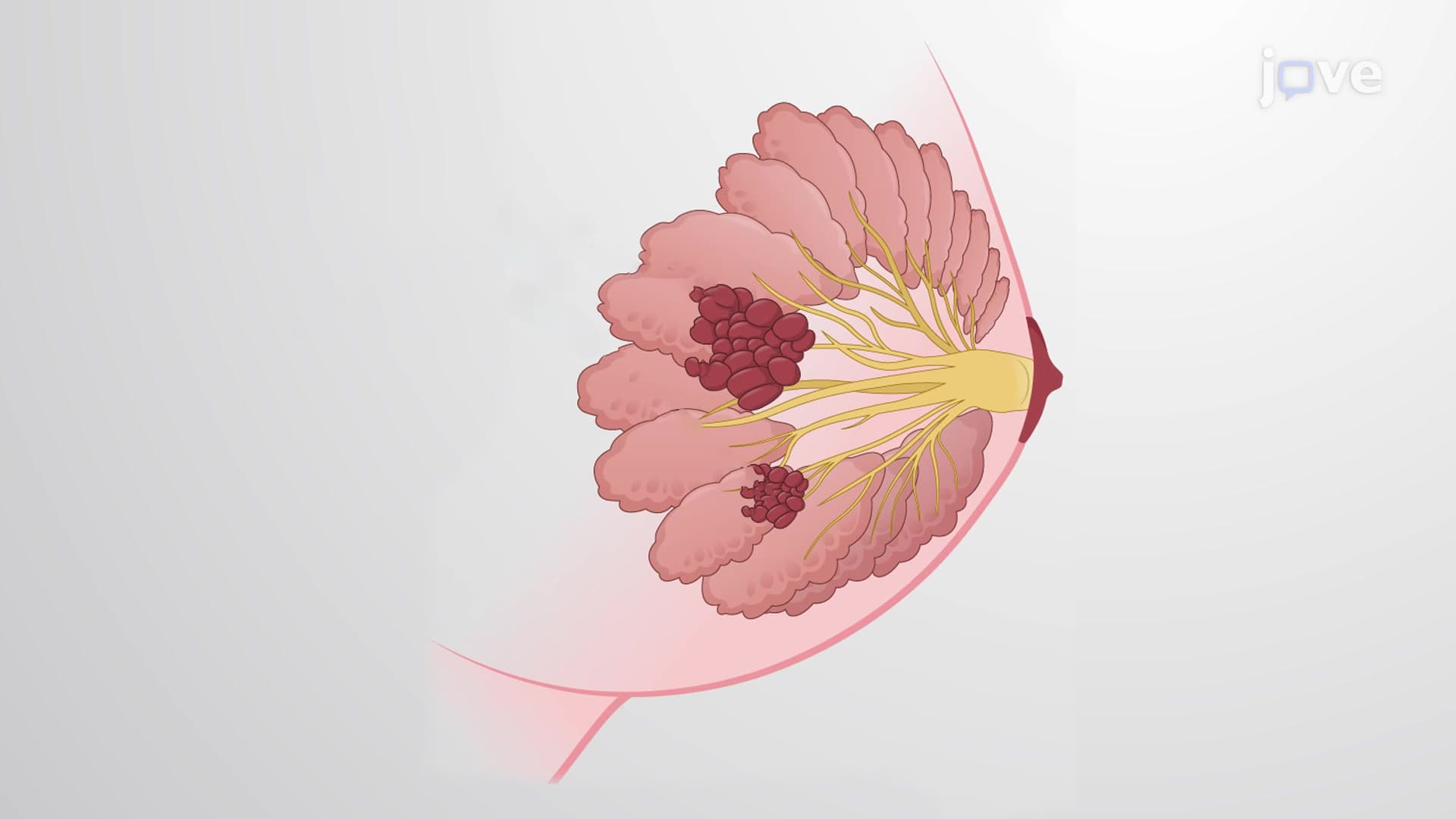
Understanding this distinction proves crucial for developing targeted therapies. For example, the FDA-approved drug trastuzumab (Herceptin) specifically targets HER2 driver mutations in breast cancer, while ignoring passenger mutations that don't affect treatment outcomes.
Modern cancer treatment increasingly relies on identifying specific mutations within individual tumors. Precision medicine approaches, like those used at Memorial Sloan Kettering Cancer Center in New York, analyze tumor DNA to match patients with targeted therapies. For instance, lung cancer patients with EGFR mutations receive different treatments than those with ALK rearrangements, despite having histologically similar tumors.
This personalized approach has revolutionized oncology practice and frequently appears in USMLE Step 1 questions about cancer pathophysiology and pharmacology.
Related Micro-courses