Loading subject page…

- Cell Biology
- Cancer
- Metastasis
Micro-course: Cancer
51,513 views
Learn key concepts and earn your certificate.









Metastasis

00:00
02:30
Video Summary: What Is Metastasis
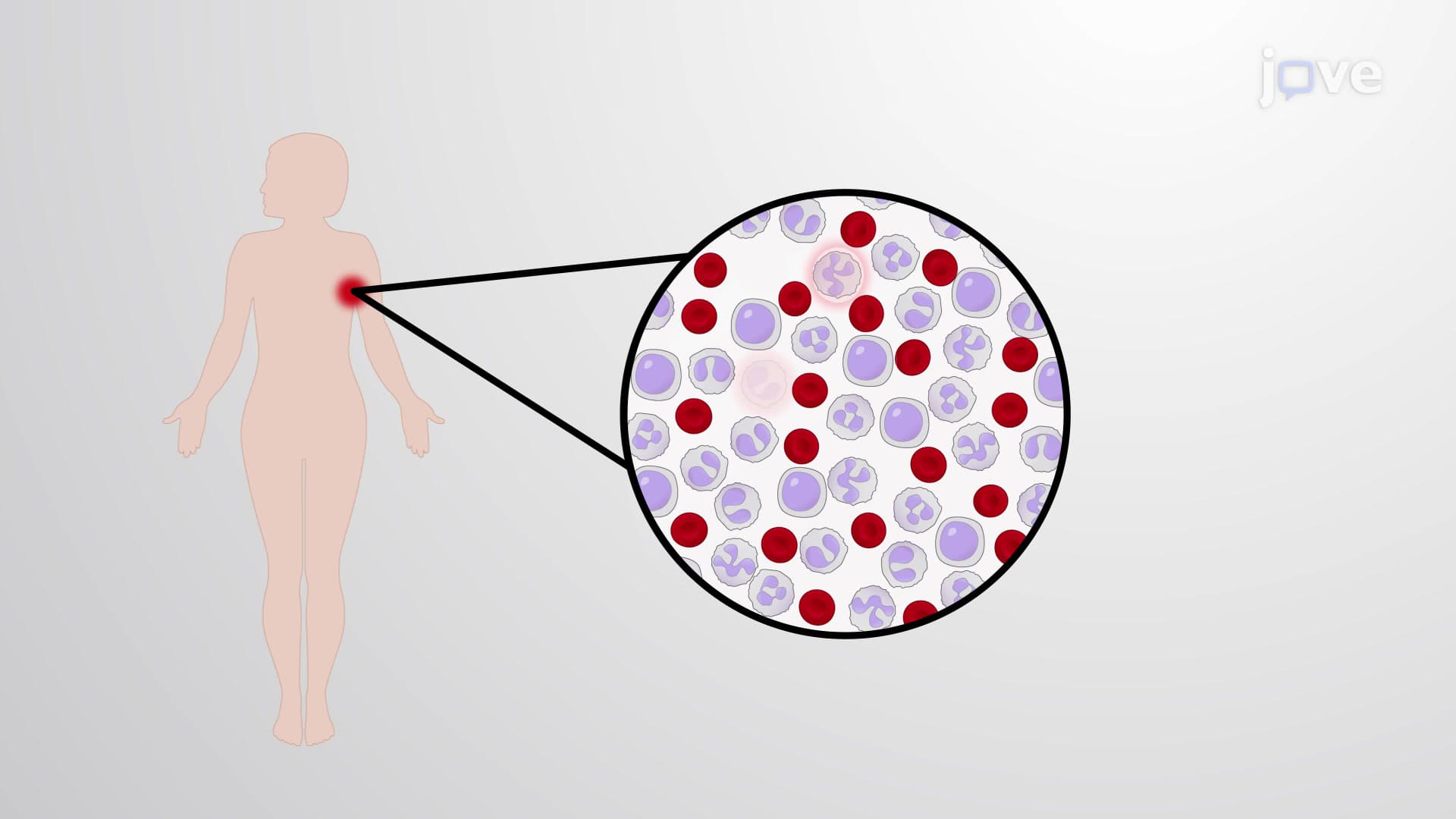
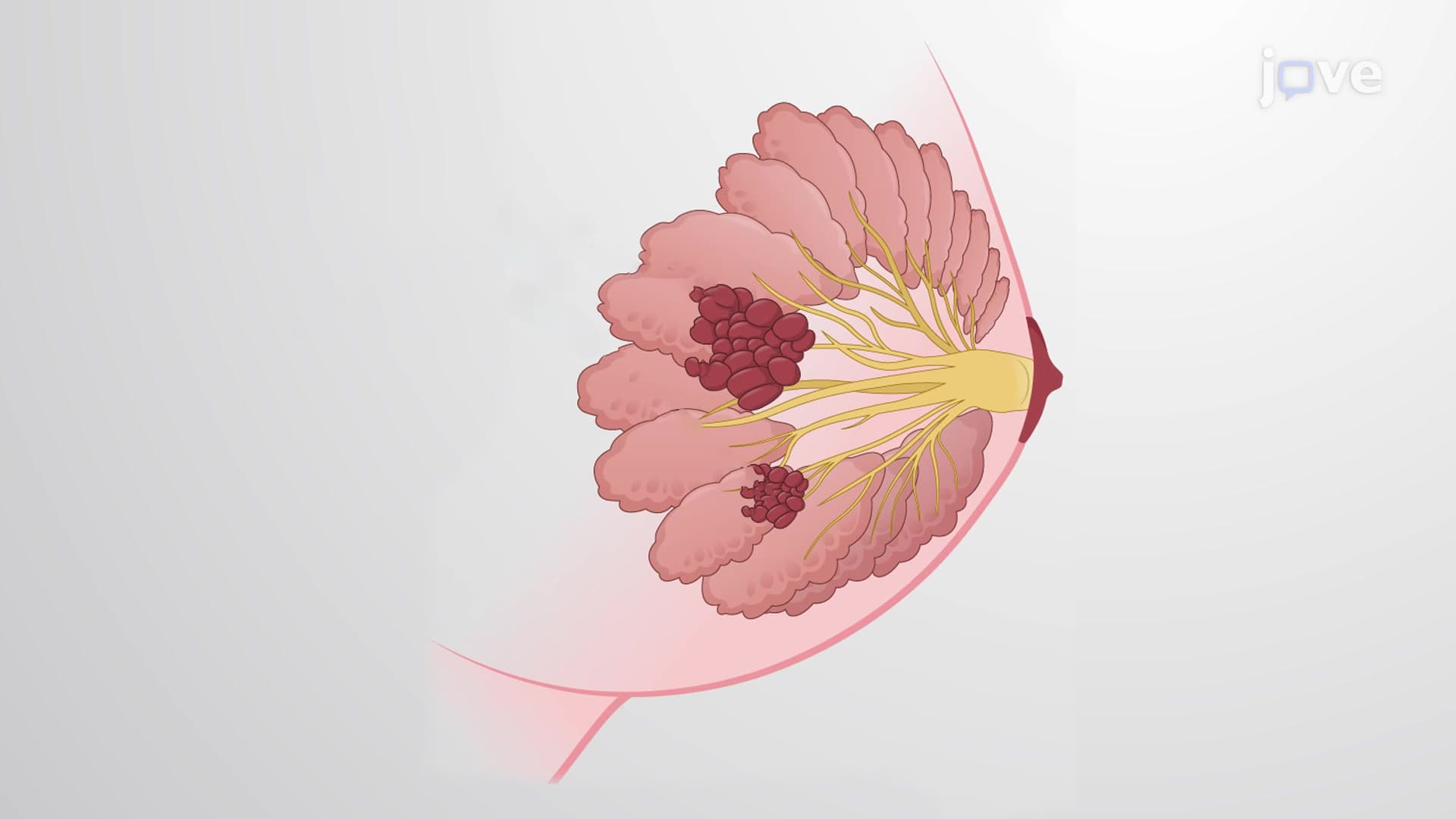
Why do 90% of cancer deaths result not from the original tumor, but from cancer's ability to spread? Metastasis represents cancer's most dangerous capability-the process by which malignant cells break away from primary tumors and establish deadly secondary colonies in distant organs. Consider breast cancer patients at MD Anderson Cancer Center in Houston, where metastatic spread to bones, liver, or brain dramatically changes treatment approaches and survival outcomes. This complex biological cascade involves multiple steps, from local tissue invasion to successful colonization of new organ sites. Watch the full video on JoVE Coach to master this concept with expert-led visuals and step-by-step explanations.
- Understand what is metastasis and why it represents the leading cause of cancer-related mortality in clinical practice
- Identify the five sequential steps of the metastatic cascade: local invasion, intravasation, circulation survival, extravasation, and colonization
- Analyze epithelial-mesenchymal transition (EMT) and its role in enabling cancer cells to acquire invasive and migratory properties
- Recognize circulating tumor cells and their significance in cancer prognosis and monitoring treatment response
- Evaluate the pre-metastatic niche concept and how primary tumors prepare distant sites for metastatic colonization
- Compare organotropism patterns in different cancer types and understand why certain cancers preferentially spread to specific organs
- Apply knowledge of metastatic mechanisms to understand modern targeted therapies and personalized treatment strategies
- Explore immune evasion strategies that enable metastatic cells to survive host defense mechanisms during circulation and colonization
Understanding What is Metastasis: The Deadly Journey of Cancer Cells
Metastasis fundamentally transforms cancer from a localized disease into a systemic, life-threatening condition. Unlike benign tumors that remain confined to their tissue of origin, malignant cancers acquire the ability to invade surrounding tissues and establish secondary tumors at distant sites. This process accounts for approximately 90% of all cancer deaths, making it the most critical factor in cancer prognosis and treatment planning.
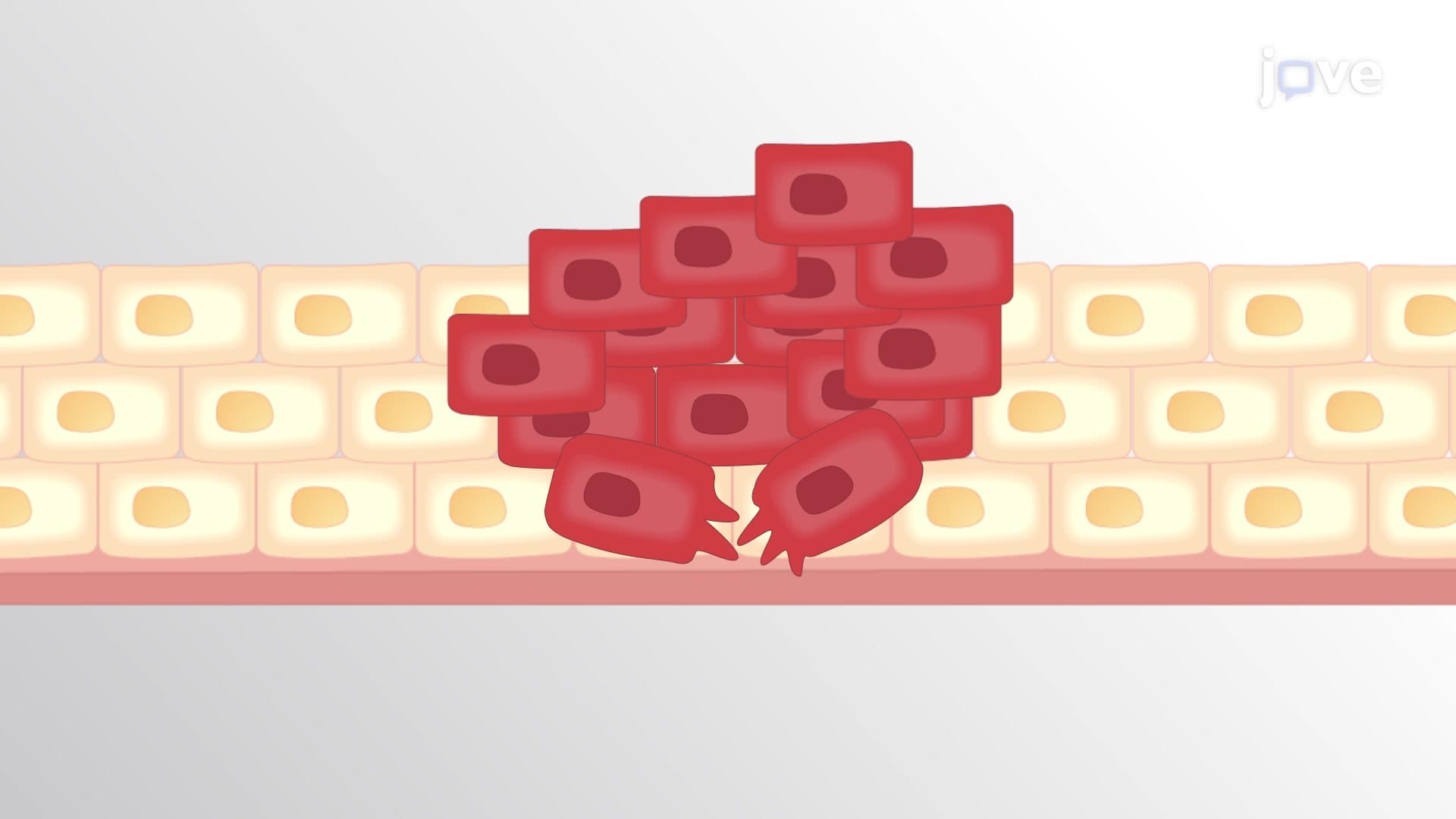
The metastasis definition encompasses a complex, multi-step biological cascade requiring cancer cells to successfully navigate numerous challenges. At major US cancer centers like Memorial Sloan Kettering in New York and the National Cancer Institute, researchers have identified this process as involving five sequential steps: local invasion through surrounding tissues, intravasation into blood or lymphatic vessels, survival during circulation, extravasation into new tissue environments, and finally colonization to form clinically detectable secondary tumors.
The Molecular Machinery Driving Metastatic Spread
What is metastasis in detail requires understanding the sophisticated molecular mechanisms enabling this process. Epithelial-mesenchymal transition (EMT) represents a crucial early step, where cancer cells lose their epithelial characteristics-including cell-cell adhesions and polarity-while gaining mesenchymal properties like enhanced motility and invasiveness. This cellular reprogramming involves transcription factors such as Snail, Slug, and Twist, which suppress epithelial markers while promoting mesenchymal gene expression.
Matrix metalloproteinases (MMPs) play essential roles by degrading extracellular matrix components, creating pathways for cancer cell invasion. Simultaneously, cancer cells must survive the hostile circulatory environment, where shear forces and immune surveillance eliminate most circulating tumor cells (CTCs). Only a small fraction-estimated at less than 0.01%-successfully establish metastatic colonies, yet this tiny population drives cancer mortality.
Clinical Significance and Modern Applications
Understanding metastatic mechanisms has revolutionized cancer treatment approaches across US healthcare systems. Liquid biopsies detecting CTCs and circulating tumor DNA now enable non-invasive monitoring of metastatic disease progression at institutions like Johns Hopkins and Mayo Clinic. These technologies help oncologists adjust treatment strategies in real-time, improving patient outcomes.
For students preparing for advanced coursework, including AP Biology, pre-medical MCAT preparation, or undergraduate cell biology exams, mastering metastasis concepts provides crucial foundation knowledge. Medical school curricula and USMLE examinations frequently test understanding of metastatic mechanisms, organotropism patterns, and therapeutic implications. Nursing students preparing for NCLEX-RN examinations must understand metastasis to provide competent oncology patient care.
The pre-metastatic niche concept has emerged as a critical area of study, explaining how primary tumors condition distant sites for successful metastatic colonization through secreted factors and exosomes. This understanding has led to innovative therapeutic approaches targeting not just cancer cells, but their supportive microenvironments.
Frequently Asked Questions
Metastasis is the process by which cancer cells spread from their original tumor site to distant organs and form secondary tumors. It's dangerous because metastatic cancer is much harder to treat than localized disease, requiring systemic therapies rather than localized treatments like surgery or radiation. The complexity of treating cancer in multiple organs simultaneously makes metastatic disease responsible for about 90% of cancer deaths.
The metastatic cascade involves five key steps you should memorize: (1) local invasion where cancer cells break through surrounding tissue barriers, (2) intravasation into blood or lymphatic vessels, (3) survival in circulation as circulating tumor cells, (4) extravasation out of vessels into new tissue, and (5) colonization and growth into secondary tumors. Understanding epithelial-mesenchymal transition (EMT) as the molecular mechanism enabling step one is also crucial for AP-level questions.
MCAT questions often focus on the molecular mechanisms of metastasis, particularly EMT, matrix metalloproteinase function, and cell signaling pathways. You should understand organotropism (why certain cancers spread to specific organs), the role of circulating tumor cells in diagnosis, and how metastatic mechanisms relate to cancer staging and treatment decisions. Practice applying these concepts to clinical scenarios involving cancer progression and therapeutic interventions.
Absolutely - metastasis integrates multiple cell biology concepts including cell adhesion, signal transduction, cytoskeleton dynamics, and cell-matrix interactions. College exams often use metastasis as a comprehensive topic to test your understanding of cellular processes, molecular biology techniques, and experimental design. It's particularly valuable for understanding how basic cellular mechanisms contribute to disease pathology.
In US healthcare systems, metastatic cancer shifts treatment from curative to palliative approaches, requiring multidisciplinary care teams and complex medication regimens. Nursing students should understand that metastatic patients need comprehensive symptom management, psychological support, and careful monitoring for treatment complications. Knowledge of metastatic patterns helps nurses anticipate patient needs and potential complications based on affected organ systems.
Not at all - while metastasis involves sophisticated mechanisms, the basic concepts build logically on fundamental biology principles like cell structure, genetics, and physiology that you've already learned. Starting with the simple definition and five-step process, then gradually adding molecular details, makes this topic very manageable. Many high school students successfully master metastasis concepts for AP Biology and college preparation.
Create a flowchart showing the metastatic cascade steps, then add molecular mechanisms under each step. Practice drawing and explaining epithelial-mesenchymal transition, memorize key proteins like matrix metalloproteinases, and understand organotropism patterns for common cancers. Use clinical examples to make concepts memorable, and practice explaining how understanding metastasis leads to therapeutic strategies. Focus on integrating molecular mechanisms with clinical outcomes.
Consider studying cancer immunology and how metastatic cells evade immune surveillance, angiogenesis and how tumors develop blood supplies, and current immunotherapy approaches targeting metastatic disease. Exploring liquid biopsy technologies and personalized medicine based on metastatic patterns will connect your foundational knowledge to cutting-edge clinical applications and research opportunities.
Related Micro-courses