Loading subject page…


51,513 views

Video Summary: What Is the Ras Gene
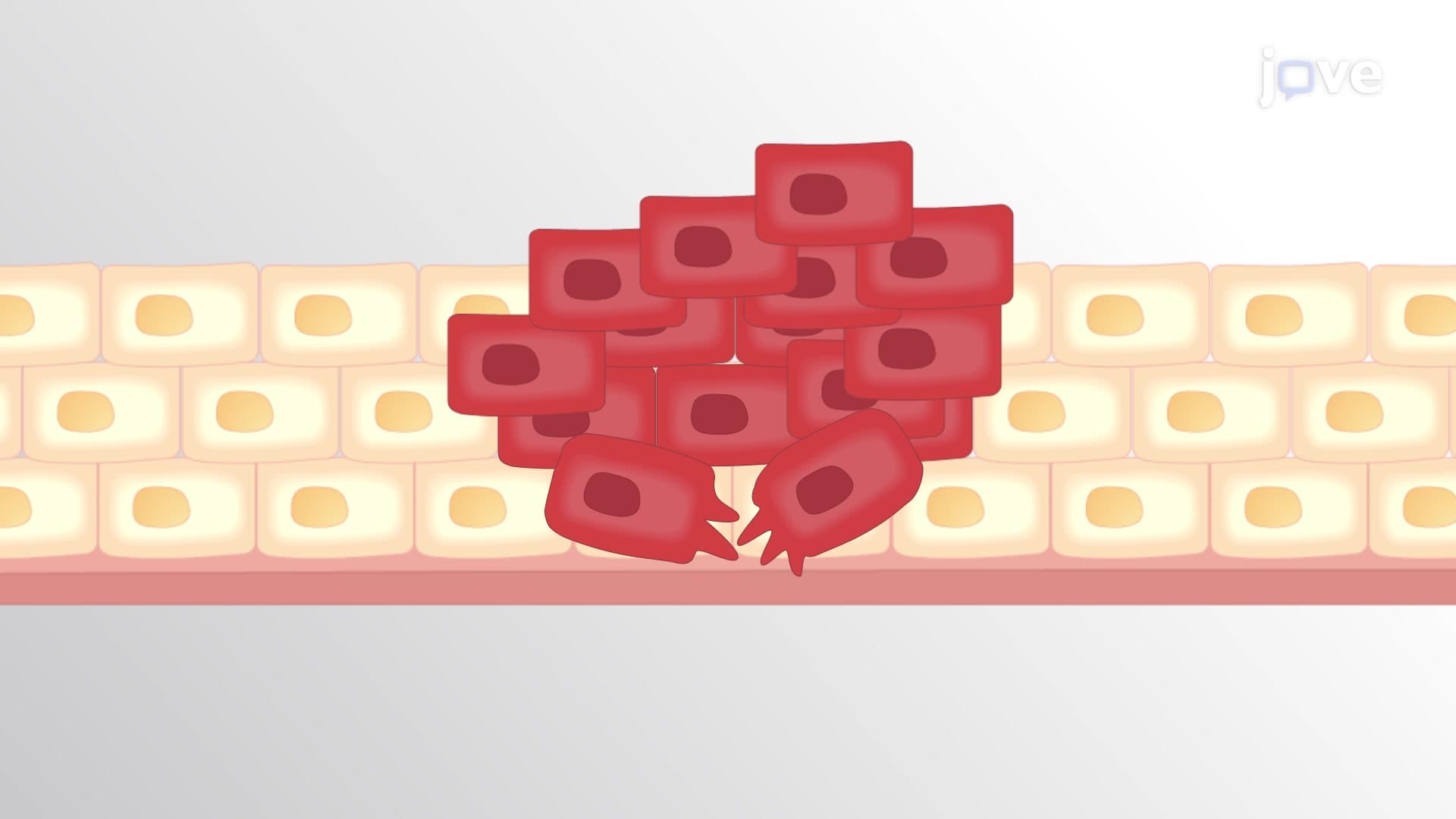
Did you know that a single gene mutation can turn a normal cell into a cancer cell? The Ras gene acts as a critical molecular switch controlling cell growth and division throughout your body. When this gene becomes mutated-which happens in about 30% of all human cancers-it can drive the uncontrolled cell proliferation seen in pancreatic cancer, one of the most aggressive forms affecting over 60,000 Americans annually. Watch the full video on JoVE Coach to master this concept with expert-led visuals and step-by-step explanations.
The Ras gene represents one of the most important oncogenes in human biology, encoding proteins that function as molecular switches controlling when cells should grow, divide, or die. Named after the "Rat Sarcoma" virus where it was first discovered, the Ras gene family consists of three main members: HRAS, KRAS, and NRAS. These genes produce small GTPase proteins that serve as critical intermediates between cell surface receptors and intracellular signaling cascades.
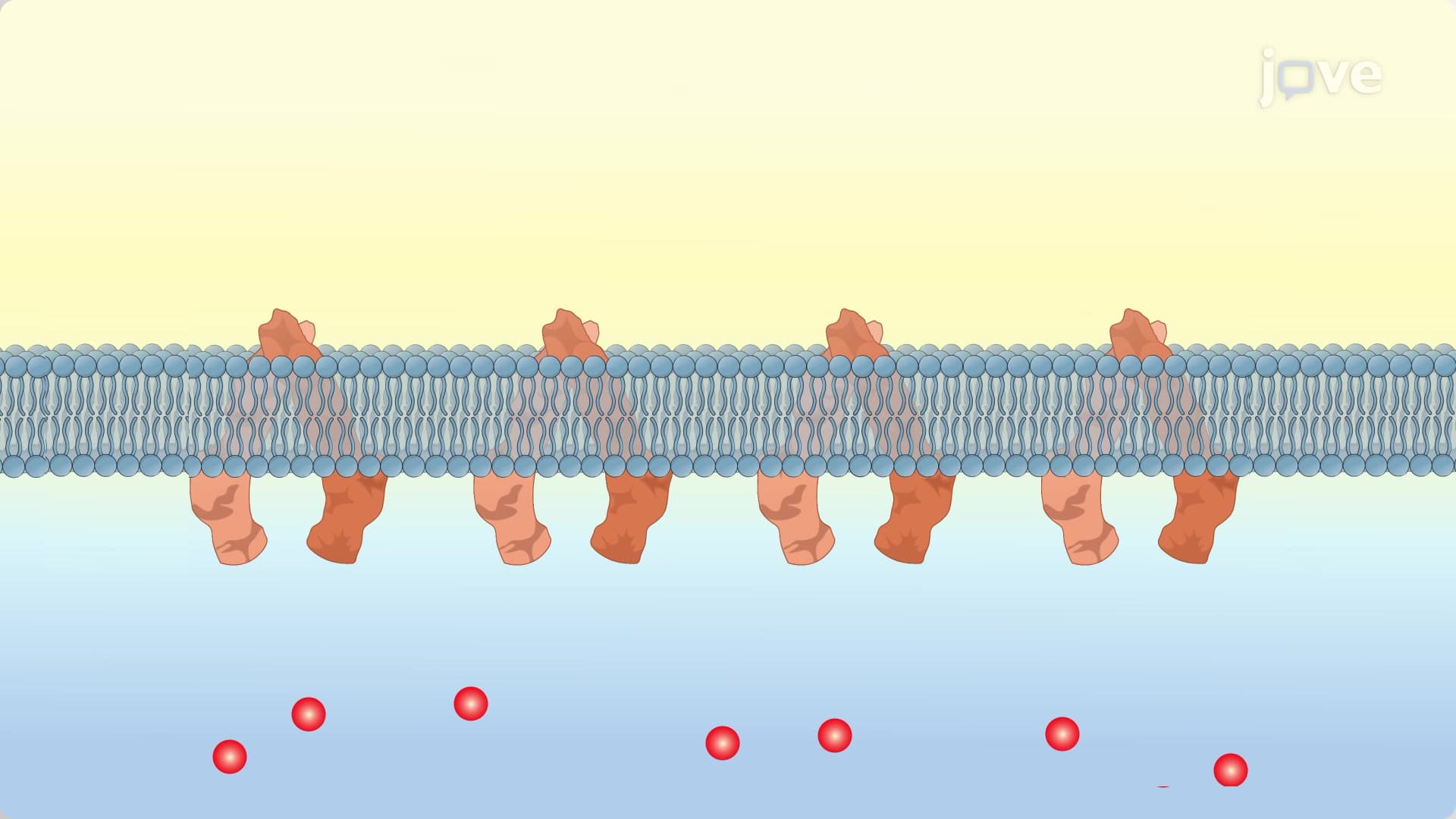
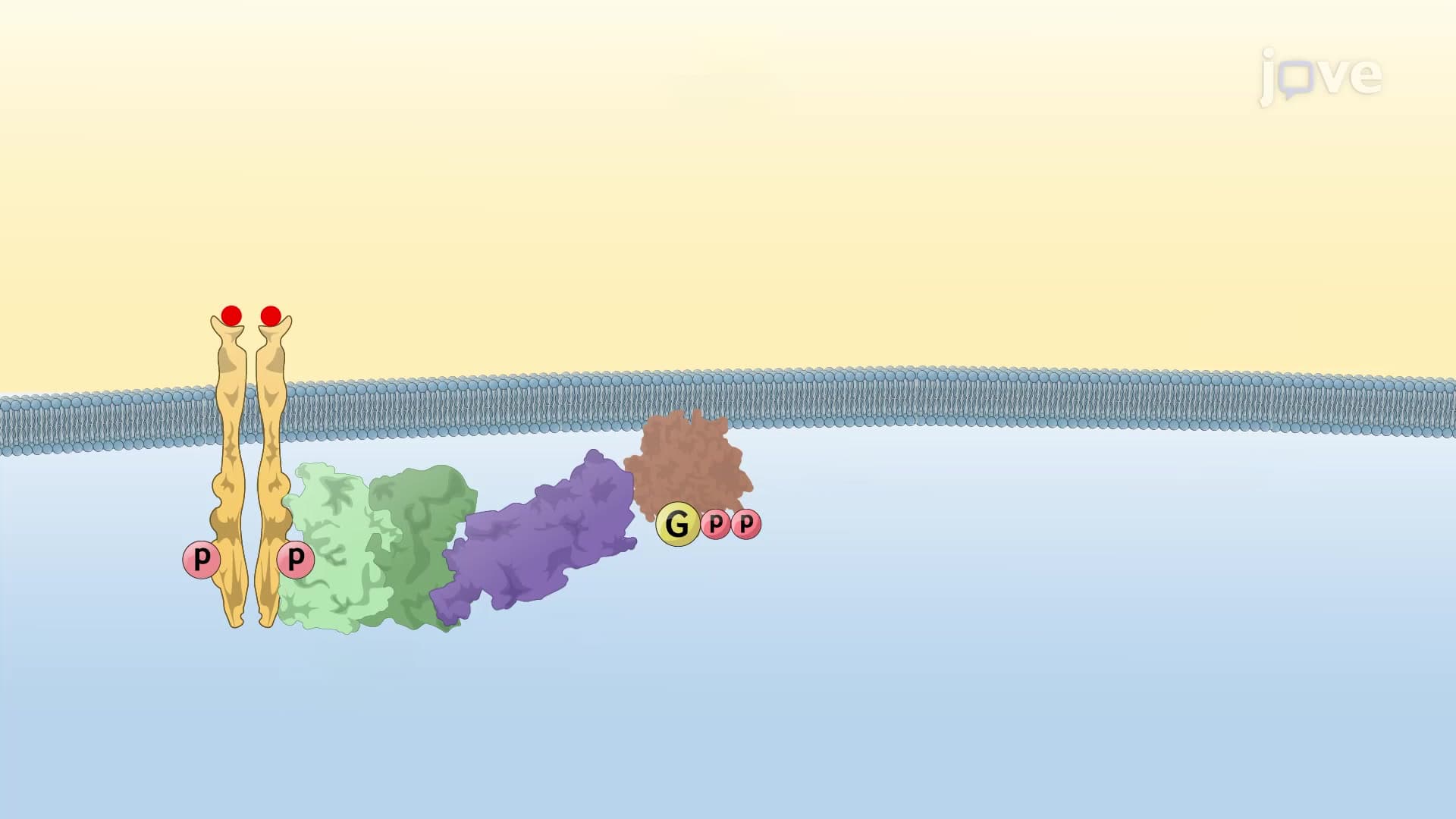
In healthy cells, Ras proteins operate through a precisely controlled on-off mechanism. When growth factors bind to cell surface receptors, they activate Ras by promoting the exchange of GDP (inactive state) for GTP (active state). Active Ras then triggers downstream pathways including the MAPK/ERK cascade, which promotes cell proliferation, and the PI3K/Akt pathway, which enhances cell survival. This system ensures cells only divide when appropriate signals are present.
The beauty of normal Ras function lies in its built-in timer mechanism. Ras proteins possess intrinsic GTPase activity that hydrolyzes GTP back to GDP, automatically switching the protein off after a brief period of activity. This prevents continuous signaling and maintains cellular control-a concept frequently tested on AP Biology exams and MCAT questions about signal transduction.
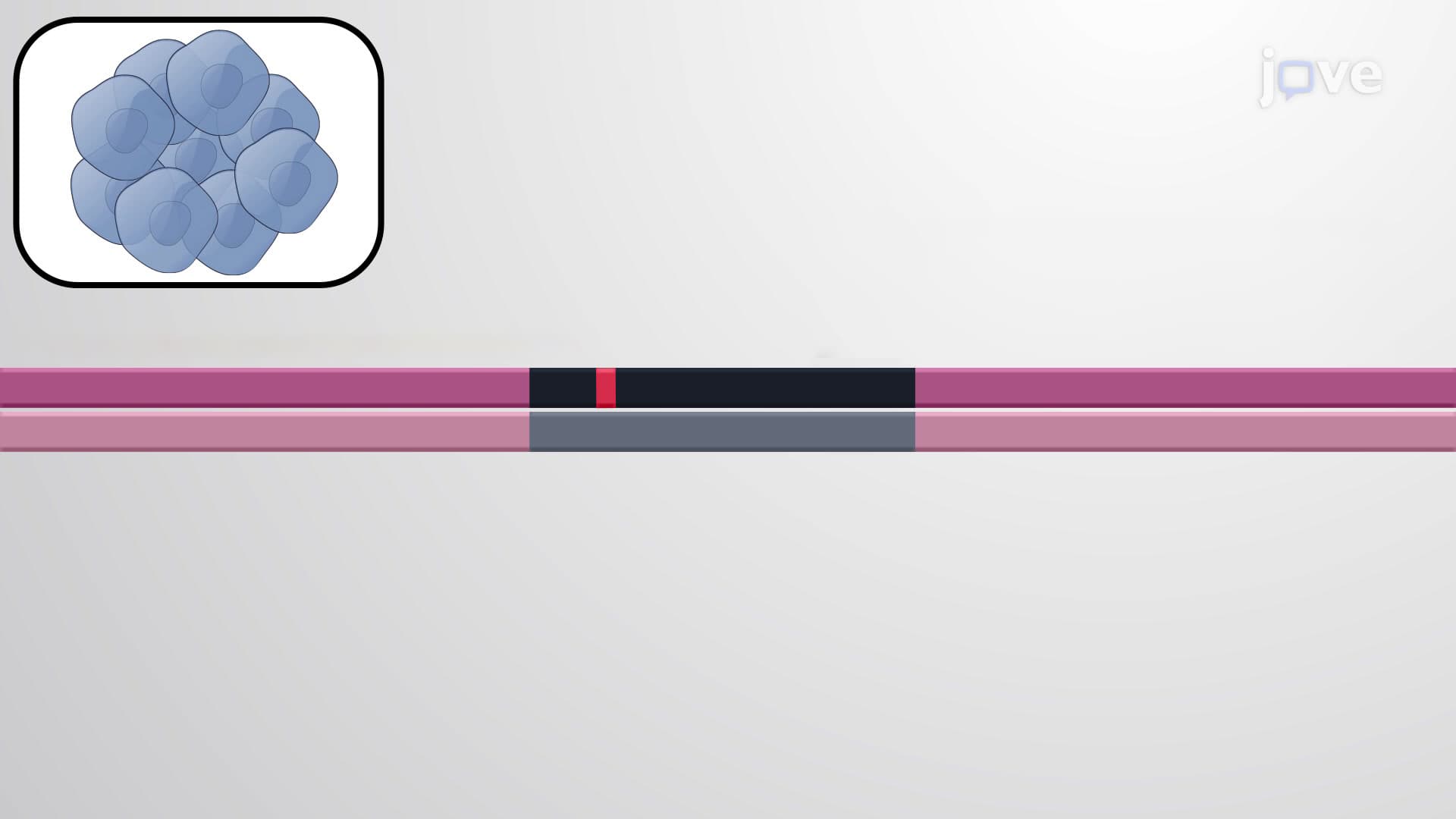
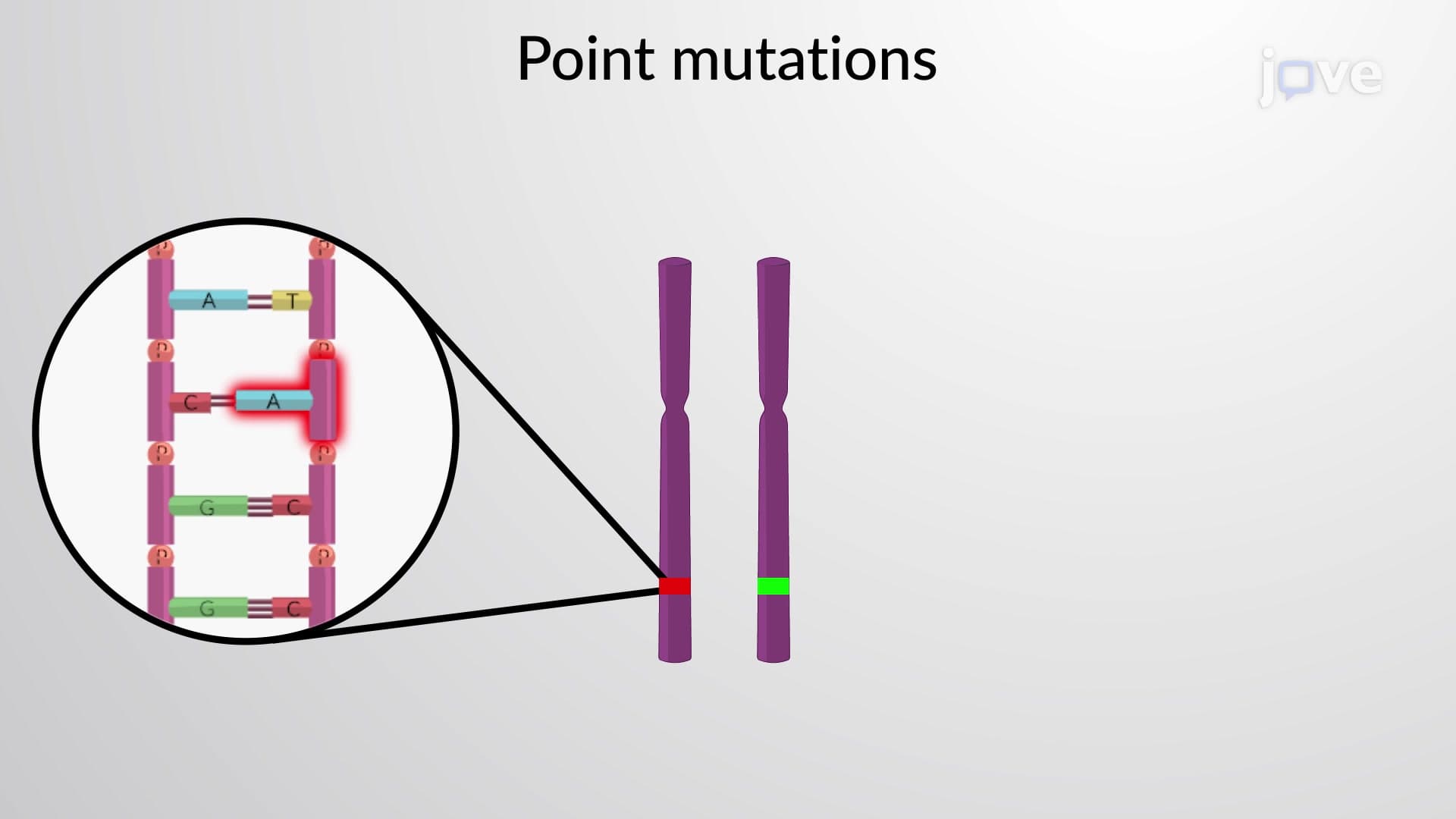
Cancer develops when Ras genes acquire mutations that disrupt normal function. The most common oncogenic mutations occur at specific amino acid positions: codons 12, 13, and 61. These mutations typically impair the protein's GTPase activity, effectively breaking the "off switch" and locking Ras in its active, GTP-bound state.
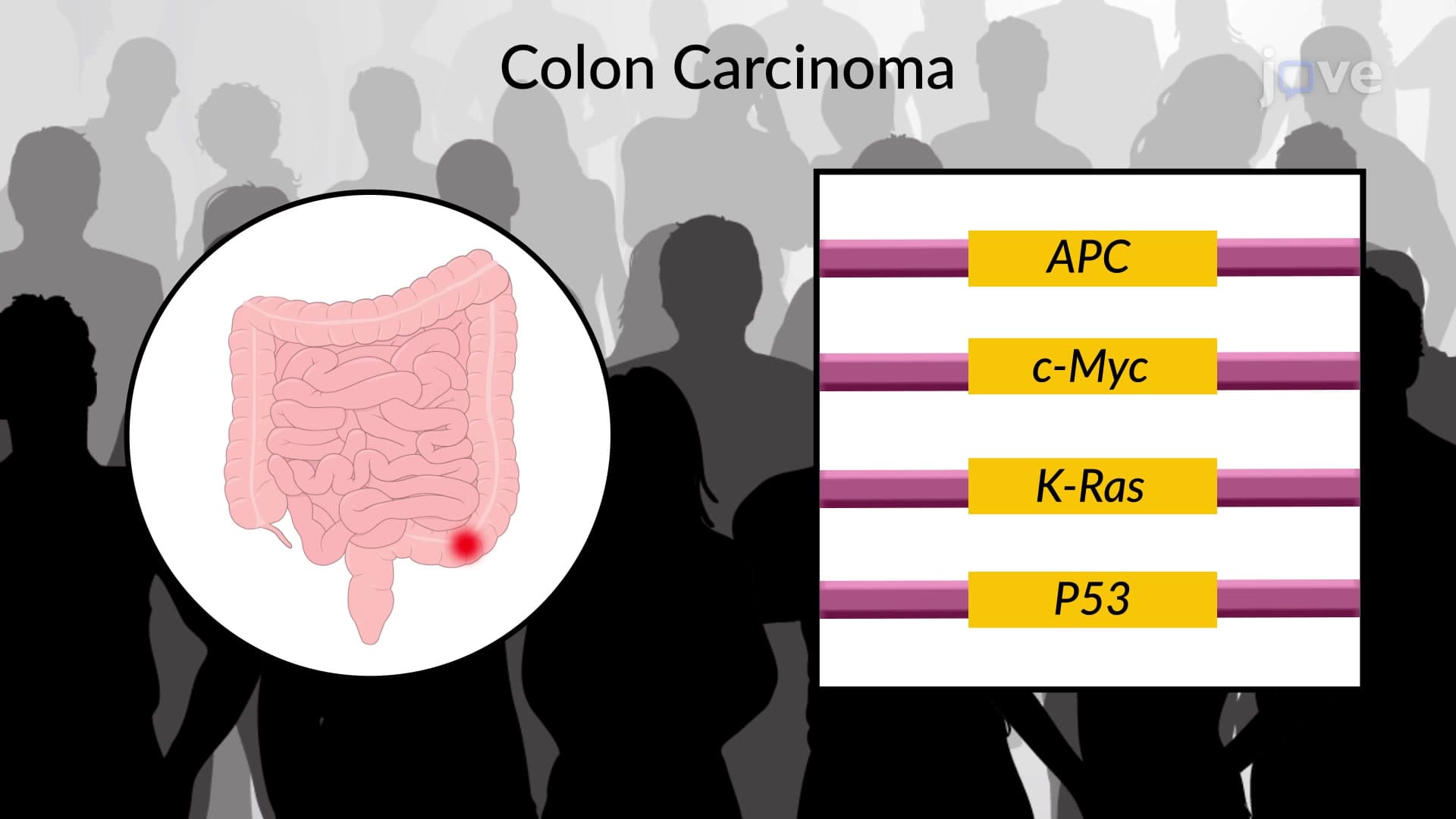
Consider pancreatic ductal adenocarcinoma, which affects over 60,000 Americans annually and has KRAS mutations in approximately 95% of cases. Similarly, KRAS mutations drive about 40% of colorectal cancers and 30% of lung adenocarcinomas. Memorial Sloan Kettering Cancer Center and other major US medical institutions routinely test for these mutations to guide treatment decisions.
For decades, Ras proteins were considered "undruggable" due to their smooth surface structure lacking obvious binding pockets for small molecule inhibitors. However, recent breakthroughs have changed this landscape. In 2021, the FDA approved sotorasib (Lumykras), the first direct KRAS inhibitor specifically targeting the G12C mutation found in about 13% of lung adenocarcinomas.
This represents a paradigm shift in cancer treatment, moving from broad chemotherapy approaches to precision medicine targeting specific genetic alterations. Students preparing for medical school should understand how molecular diagnostics now drive therapeutic decisions-a concept emphasized in MCAT biochemistry sections and medical school coursework.
Related Micro-courses