Loading subject page…


51,529 views
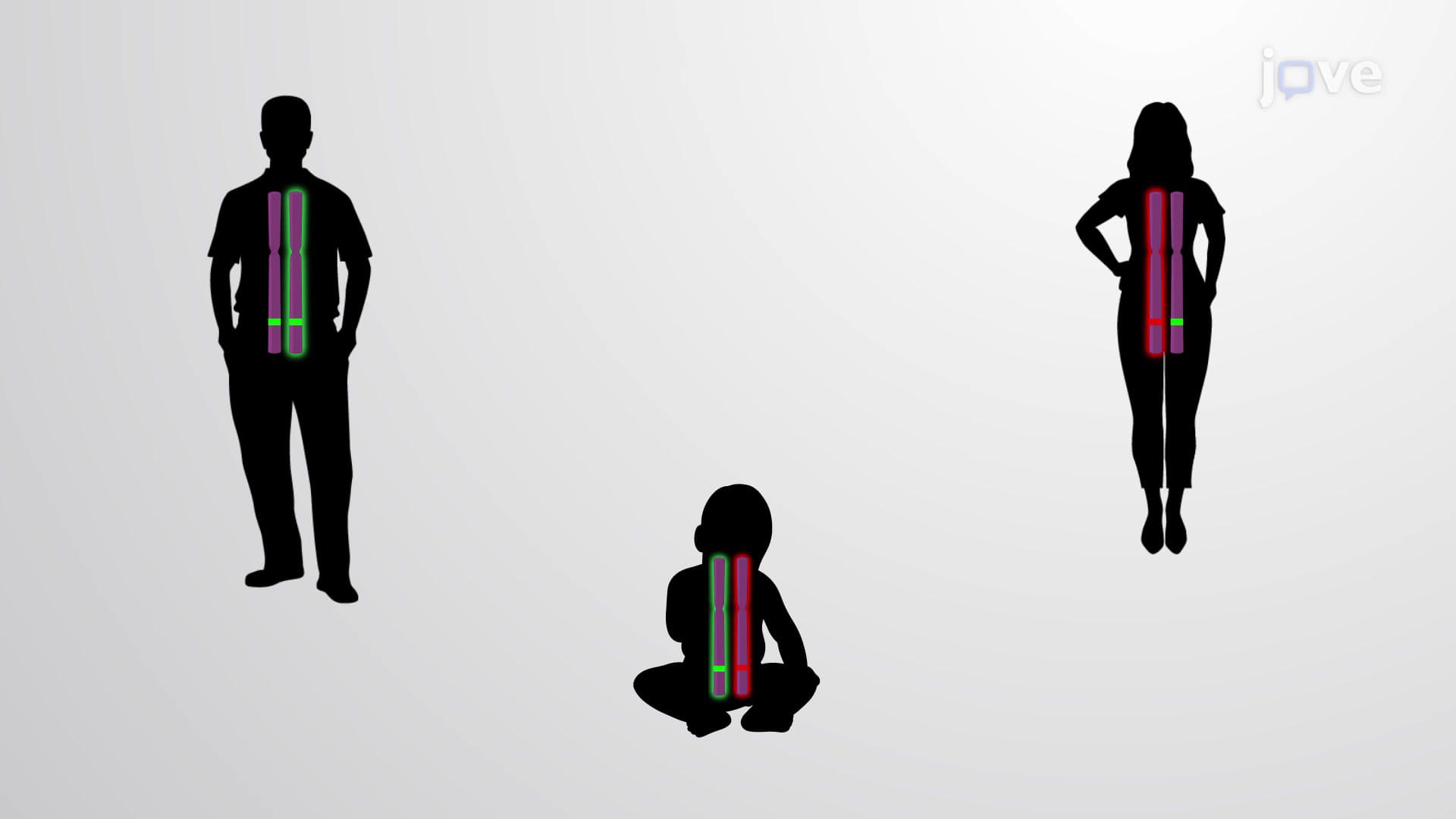

Video Summary: What Is the Retinoblastoma Gene
What if a single gene malfunction could cause childhood blindness? The retinoblastoma gene (RB1) is the cellular guardian that prevents uncontrolled eye cell division, and when it fails, it triggers retinoblastoma-a rare but serious childhood eye cancer. At institutions like Johns Hopkins and Memorial Sloan Kettering, researchers have shown how understanding the retinoblastoma gene has revolutionized our knowledge of tumor suppressor mechanisms. Watch the full video on JoVE Coach to master this concept with expert-led visuals and step-by-step explanations.
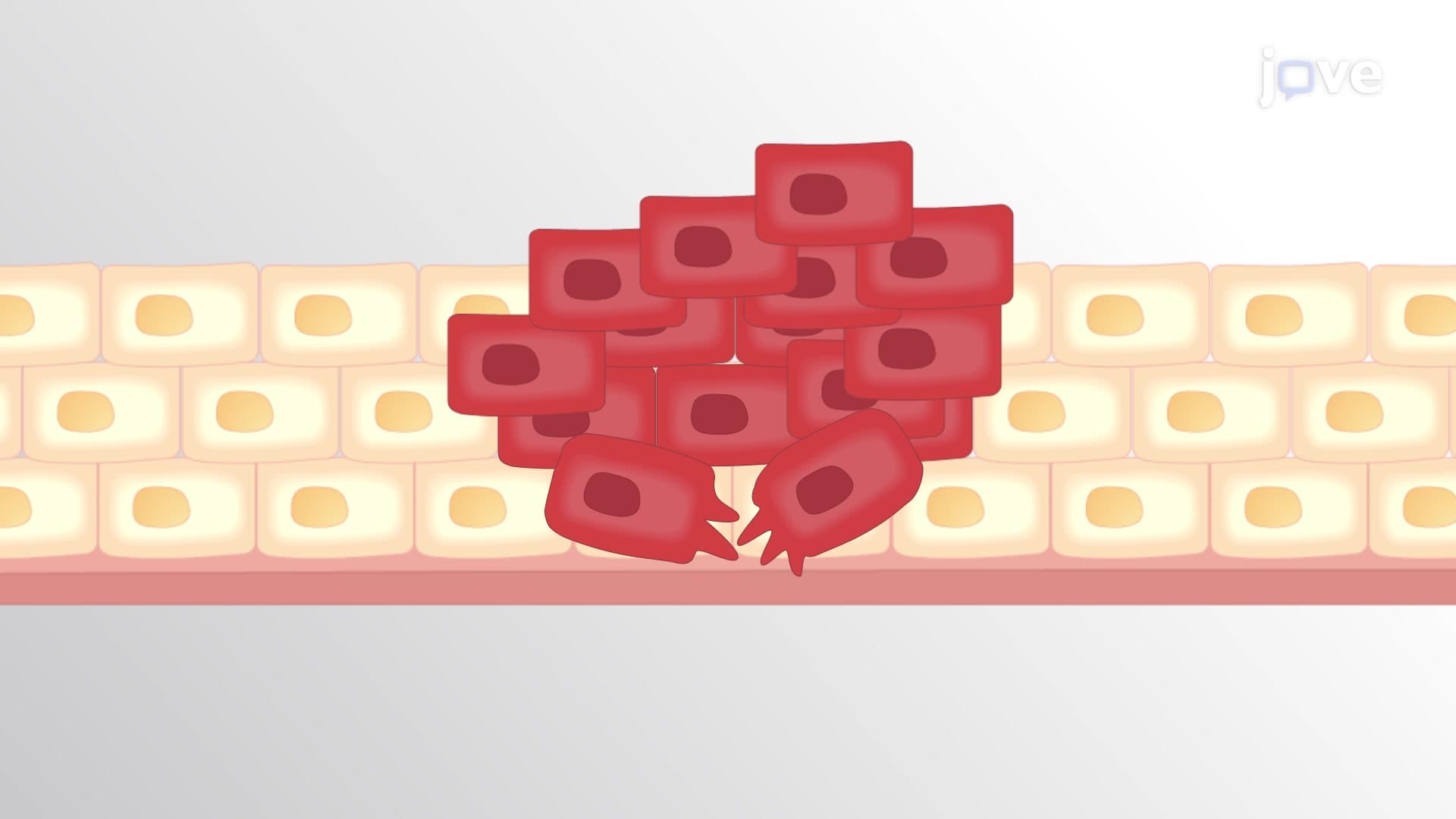
The retinoblastoma gene represents one of the most important breakthroughs in cancer genetics. First identified through studies of childhood eye cancer at institutions like Harvard Medical School and the National Cancer Institute, RB1 became the prototype for understanding how tumor suppressor genes work. Unlike oncogenes that promote cancer when activated, tumor suppressor genes like RB1 prevent cancer when functioning normally-but cause cancer when lost or mutated.
At the cellular level, the retinoblastoma gene produces a protein called pRB that acts like a molecular brake pedal for cell division. During the G1 phase of the cell cycle, pRB binds tightly to E2F transcription factors, essentially handcuffing them and preventing them from turning on genes needed for DNA replication. This checkpoint ensures cells don't divide unless they're ready and have sufficient growth signals.
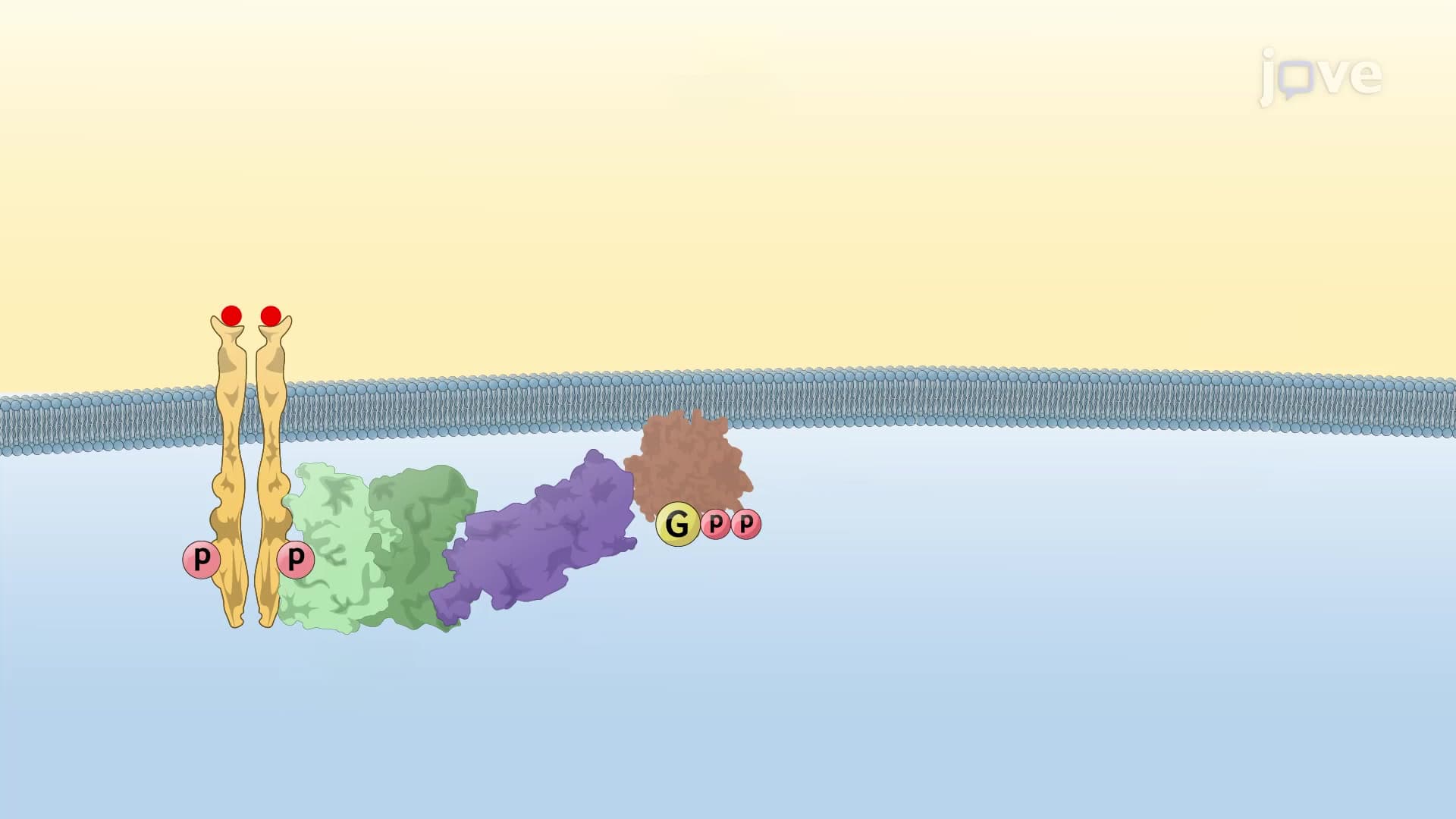
When cells receive proper growth signals, cyclin-dependent kinases add phosphate groups to pRB through phosphorylation. This modification changes pRB's shape, causing it to release E2F transcription factors. Once free, E2F proteins activate genes required for S phase entry and DNA synthesis. This elegant system ensures orderly cell division-critical knowledge tested on exams like the MCAT Biology section and Advanced Placement Biology.
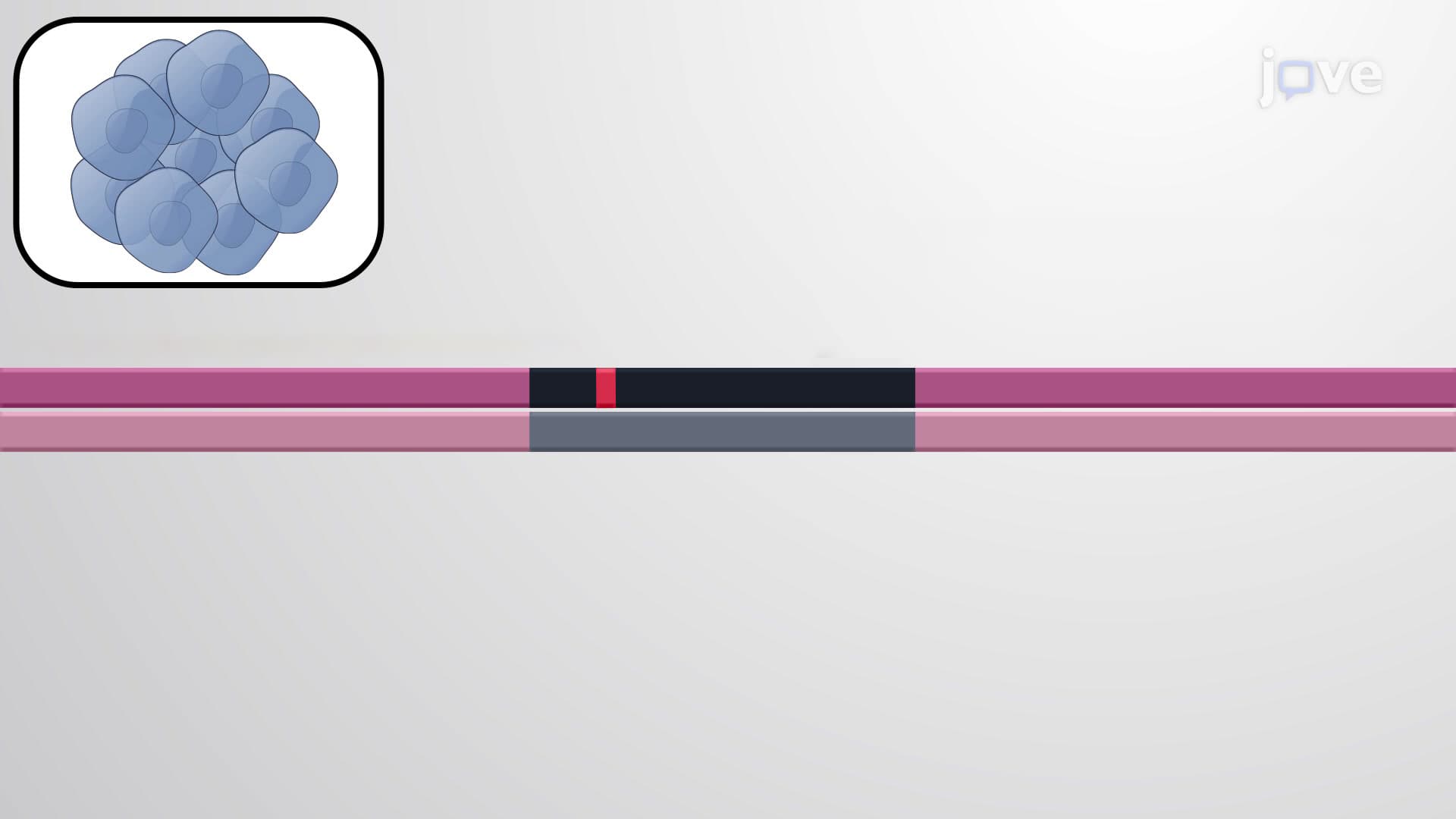
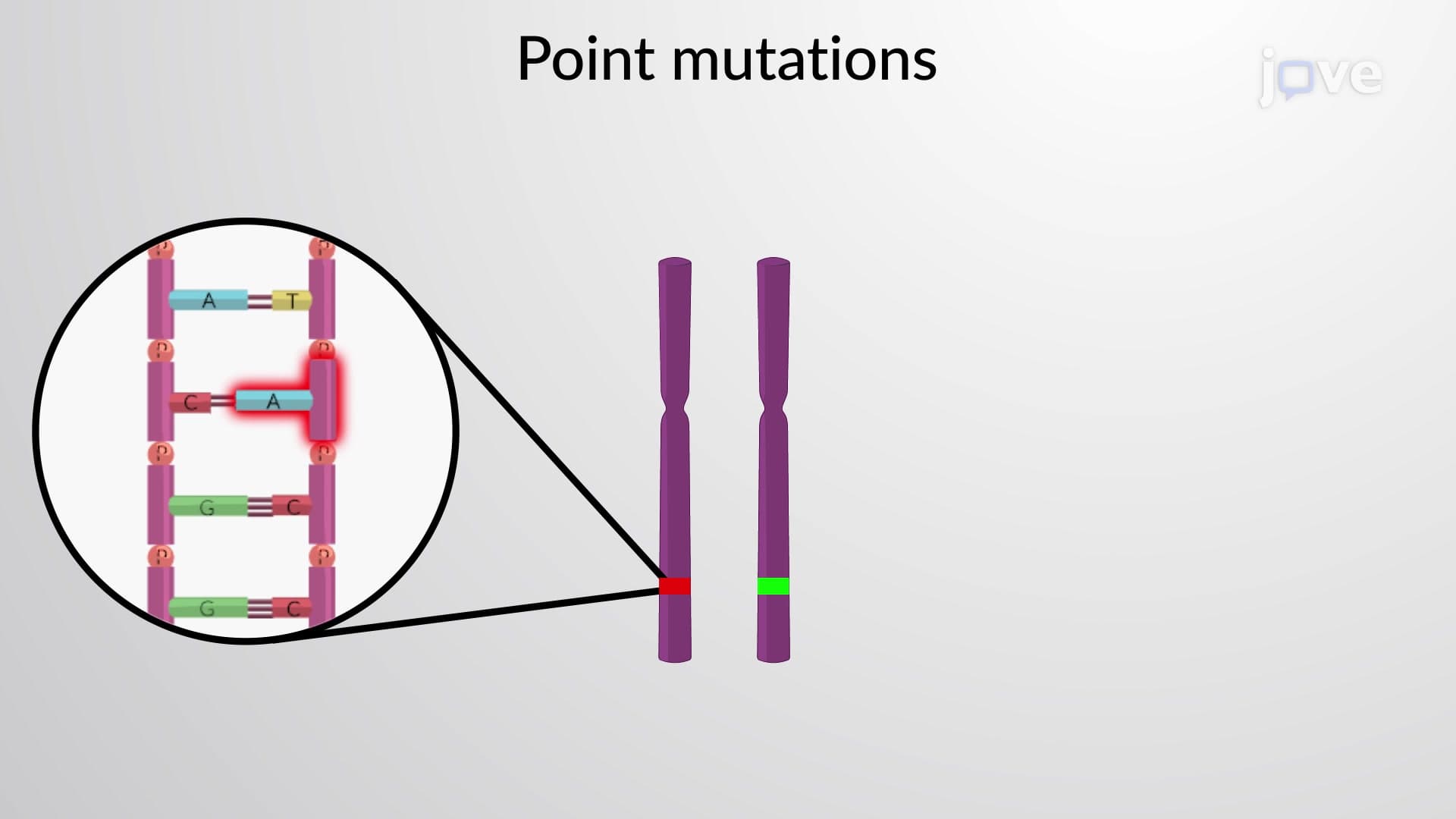
RB1 mutations cause more than just retinoblastoma. Research at MD Anderson Cancer Center and Mayo Clinic has linked RB pathway defects to osteosarcoma (bone cancer), small cell lung cancer, and bladder cancer. Students preparing for medical school entrance exams should understand that RB1 follows Knudson's "two-hit hypothesis"-both gene copies must be lost for cancer to develop, explaining why hereditary retinoblastoma patients often develop tumors earlier than sporadic cases.
Understanding the retinoblastoma gene has led to targeted therapies being tested in clinical trials across major US cancer centers. CDK4/6 inhibitors like palbociclib work by keeping pRB in its active, growth-suppressing state. These drugs represent precision medicine approaches that directly target the molecular pathways disrupted in cancer-a concept frequently tested in biochemistry courses and medical board examinations.
Related Micro-courses