Loading subject page…


51,513 views

Video Summary: What Is the Tumor Microenvironment
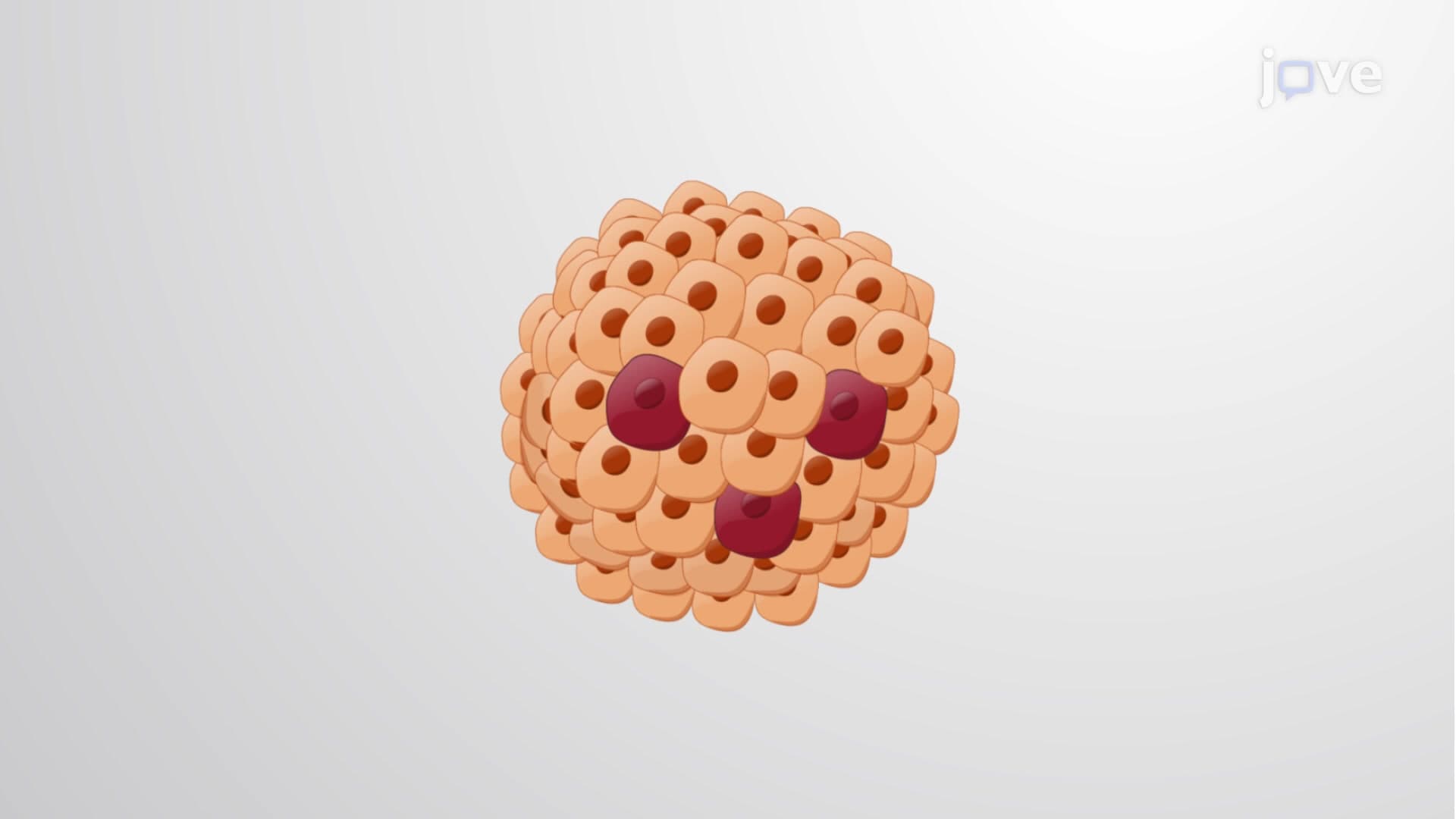
Did you know that cancer cells can actually "recruit" healthy cells to help them grow and spread? The tumor microenvironment represents the complex ecosystem of non-cancerous cells, blood vessels, and signaling molecules that surround and support tumor growth. This dynamic network includes immune cells, fibroblasts, and blood vessels that cancer cells manipulate for their own survival-similar to how melanoma cells in patients at institutions like MD Anderson Cancer Center hijack normal tissue repair processes. Understanding What is The Tumor Microenvironment reveals why targeting only cancer cells isn't always enough for effective treatment. Watch the full video on JoVE Coach to master this concept with expert-led visuals and step-by-step explanations.
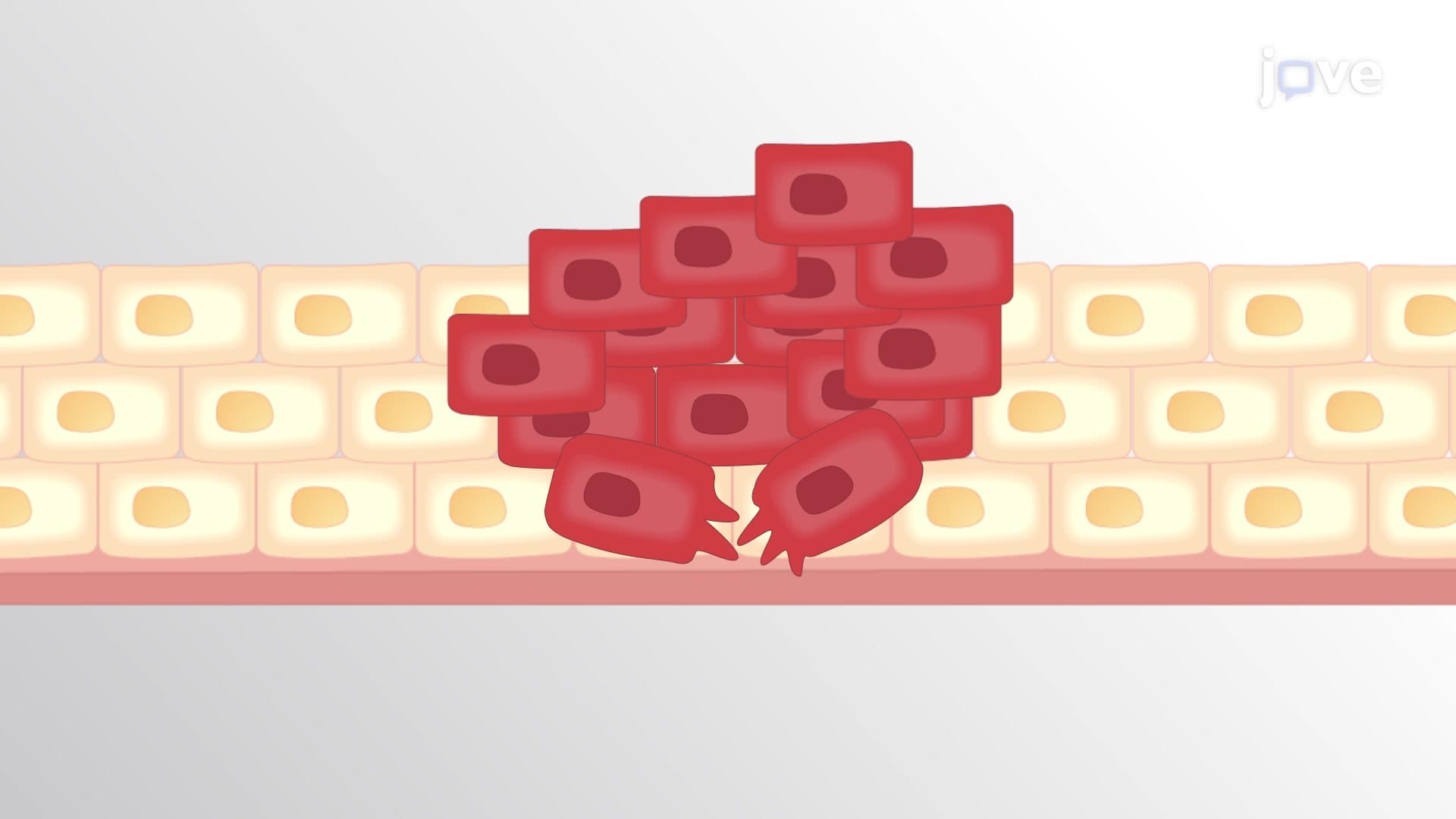
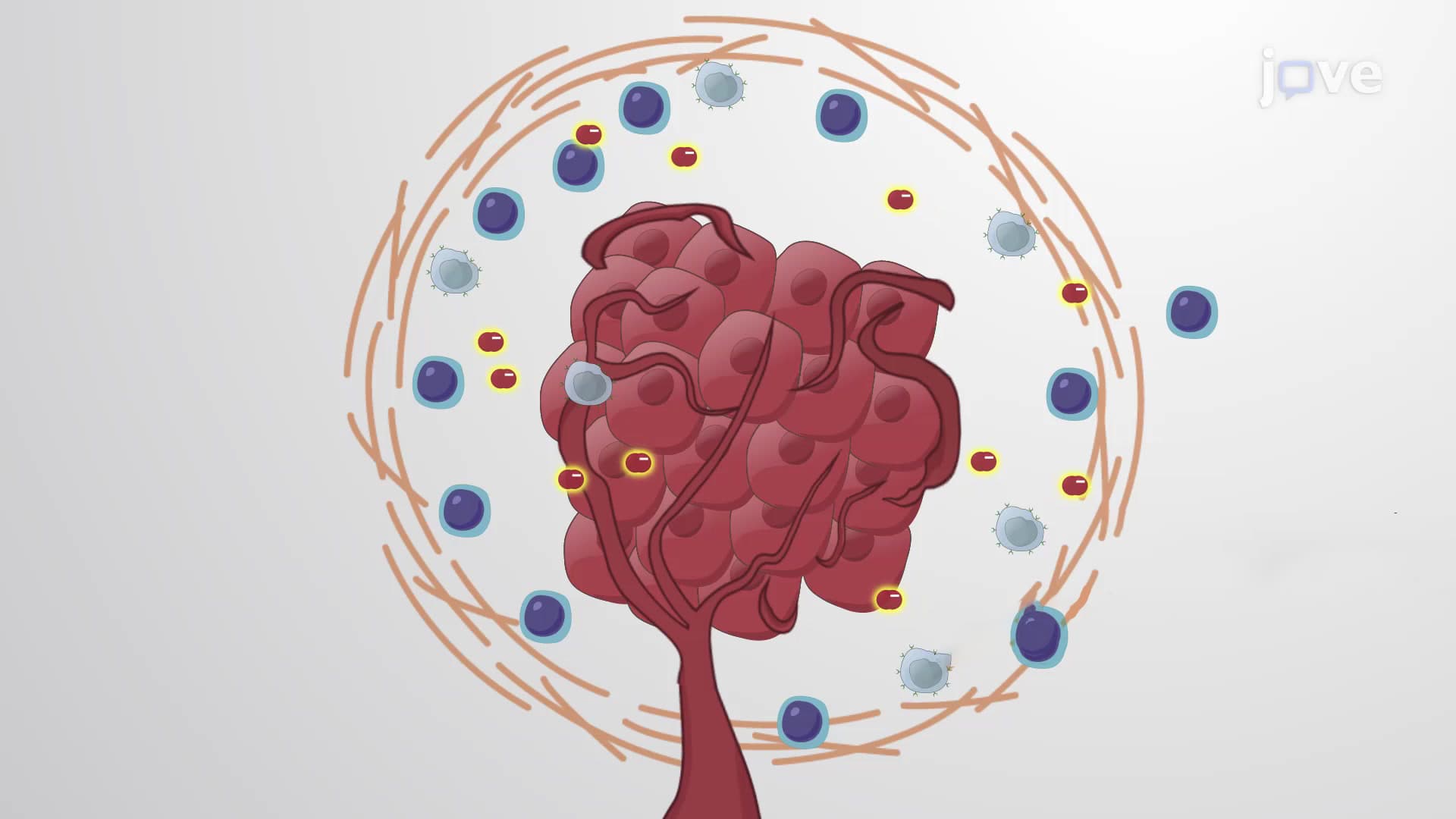
What is The Tumor Microenvironment extends far beyond a simple collection of cancer cells. This complex biological system represents a dynamic ecosystem where malignant cells interact with surrounding healthy tissues, creating a supportive niche that promotes tumor survival, growth, and metastasis. Unlike normal tissue microenvironments that maintain homeostasis, the tumor microenvironment becomes a corrupted landscape where cellular communication networks are hijacked to serve cancer progression.
The tumor microenvironment consists of multiple interconnected components working in concert. Cancer-associated fibroblasts (CAFs) produce excessive amounts of growth factors and remodel the extracellular matrix, creating pathways for tumor invasion. These activated fibroblasts differ dramatically from normal tissue fibroblasts, secreting proteins like vascular endothelial growth factor (VEGF) and transforming growth factor-beta (TGF-β) that promote angiogenesis and immune suppression.
Immune cells within the tumor microenvironment often become tumor-promoting rather than tumor-fighting. Tumor-associated macrophages (TAMs) switch from their normal protective role to supporting cancer growth by releasing inflammatory cytokines and promoting blood vessel formation. Regulatory T cells accumulate in high numbers, actively suppressing the anti-tumor immune response that would normally eliminate cancer cells.
Blood vessels within tumors exhibit abnormal structure and function compared to healthy tissue vasculature. Tumor-induced angiogenesis creates leaky, poorly organized blood vessels that facilitate metastasis while creating hypoxic regions within the tumor mass. This oxygen-poor environment triggers metabolic changes in cancer cells, making them more aggressive and resistant to conventional treatments like radiation therapy.
Understanding the tumor microenvironment has revolutionized cancer treatment approaches at major US cancer centers like Memorial Sloan Kettering and Johns Hopkins. Immunotherapy drugs such as pembrolizumab (Keytruda) and nivolumab (Opdivo) work by blocking immune checkpoint proteins, essentially removing the brakes from anti-tumor immune responses within the microenvironment.
For students preparing for the MCAT or AP Biology exams, recognizing how normal cellular processes become dysregulated in cancer provides crucial insight into disease mechanisms. The tumor microenvironment concept frequently appears in college-level cell biology courses and medical school curricula as a prime example of how tissue-level organization influences disease progression.
Anti-angiogenic therapies like bevacizumab (Avastin) target the blood vessel component of the tumor microenvironment, demonstrating how understanding these interactions leads to practical therapeutic interventions. This multi-target approach reflects the modern understanding that effective cancer treatment requires addressing the entire tumor ecosystem, not just the cancer cells themselves.
Related Micro-courses