Loading subject page…


51,513 views

Video Summary: What Is Tumor Progression
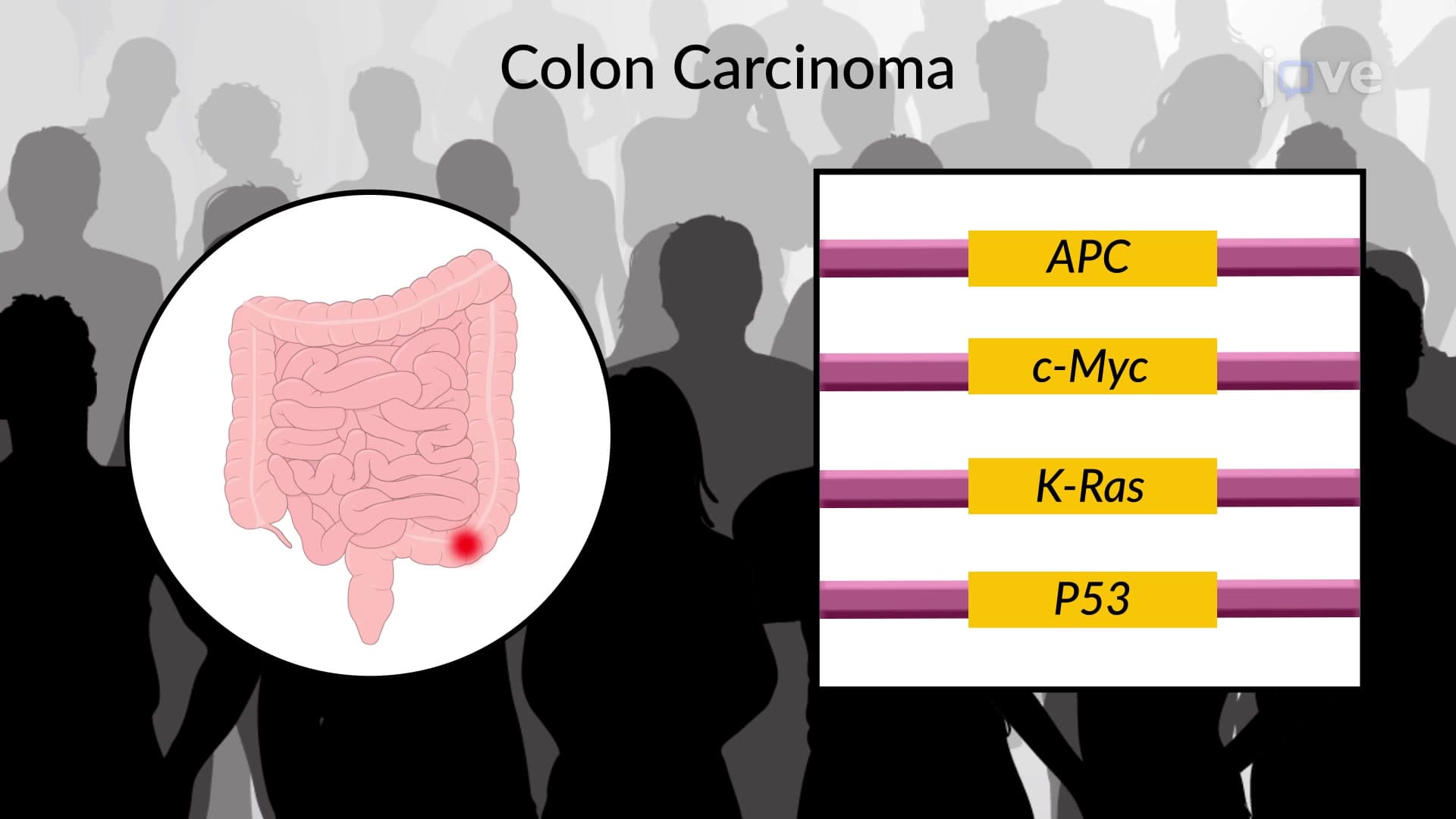
Did you know that cancer cells in a single tumor can be more genetically diverse than humans and chimpanzees? Tumor progression is the complex, multistep evolutionary process by which normal cells transform into malignant cancers through accumulated genetic changes. For example, colon cancer at MD Anderson Cancer Center follows a predictable progression from small polyps to invasive carcinoma over 10-15 years. Watch the full video on JoVE Coach to master this concept with expert-led visuals and step-by-step explanations.
Tumor progression represents one of the most critical concepts in cancer biology, describing how normal cells gradually acquire malignant characteristics through a series of genetic and epigenetic alterations. Unlike sudden transformation, this process unfolds over months to decades, making early detection and intervention possible.
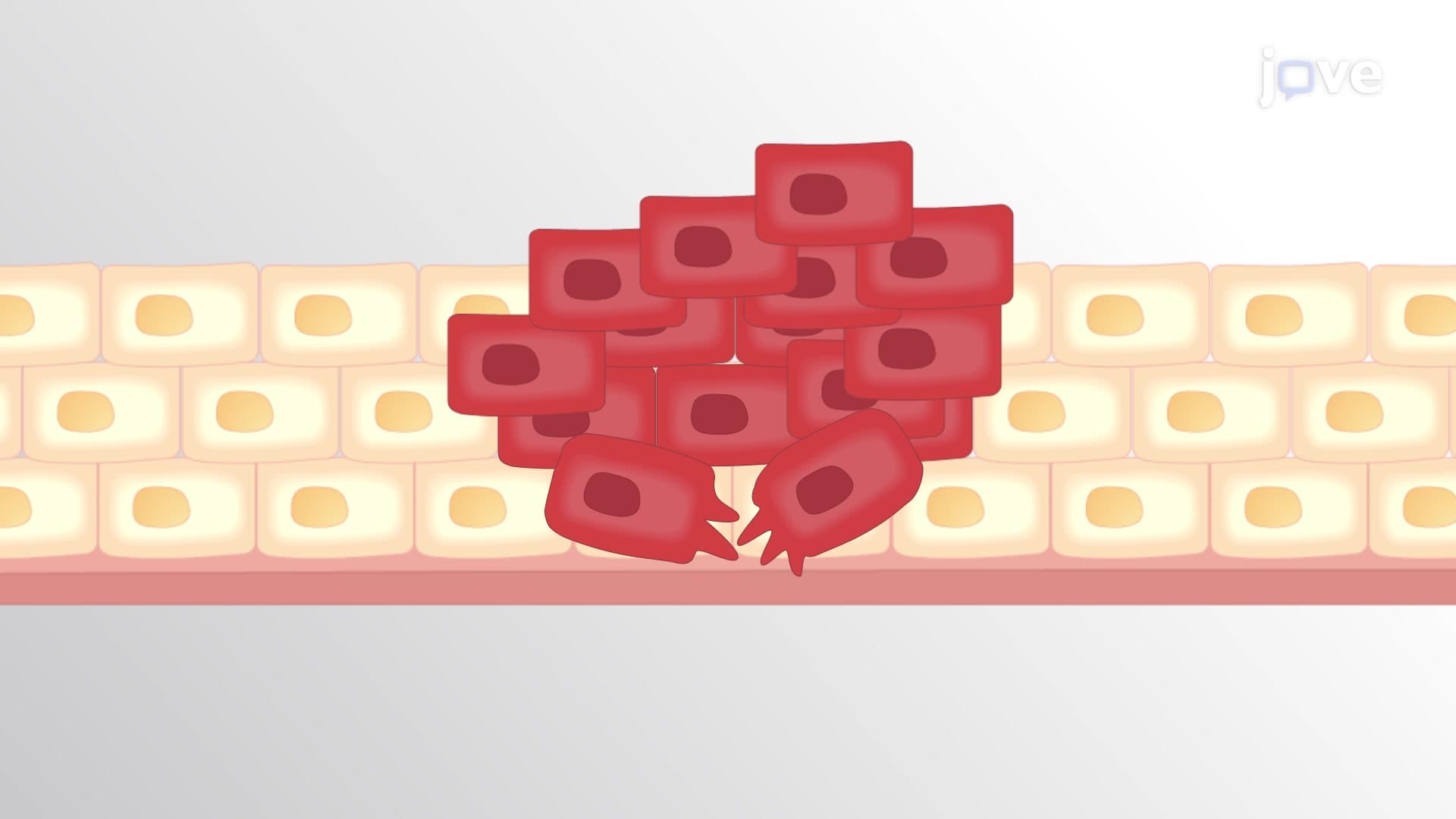
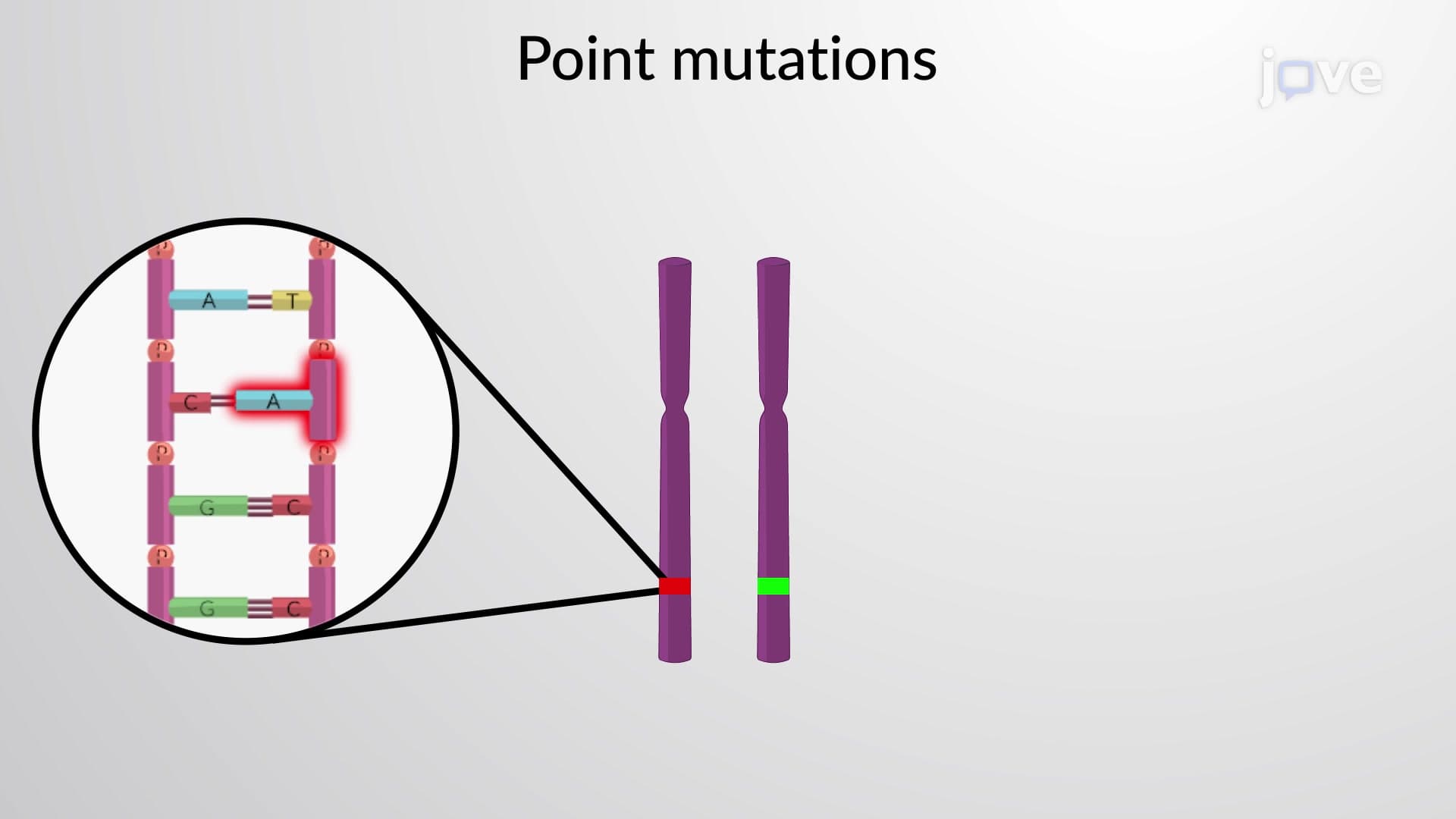
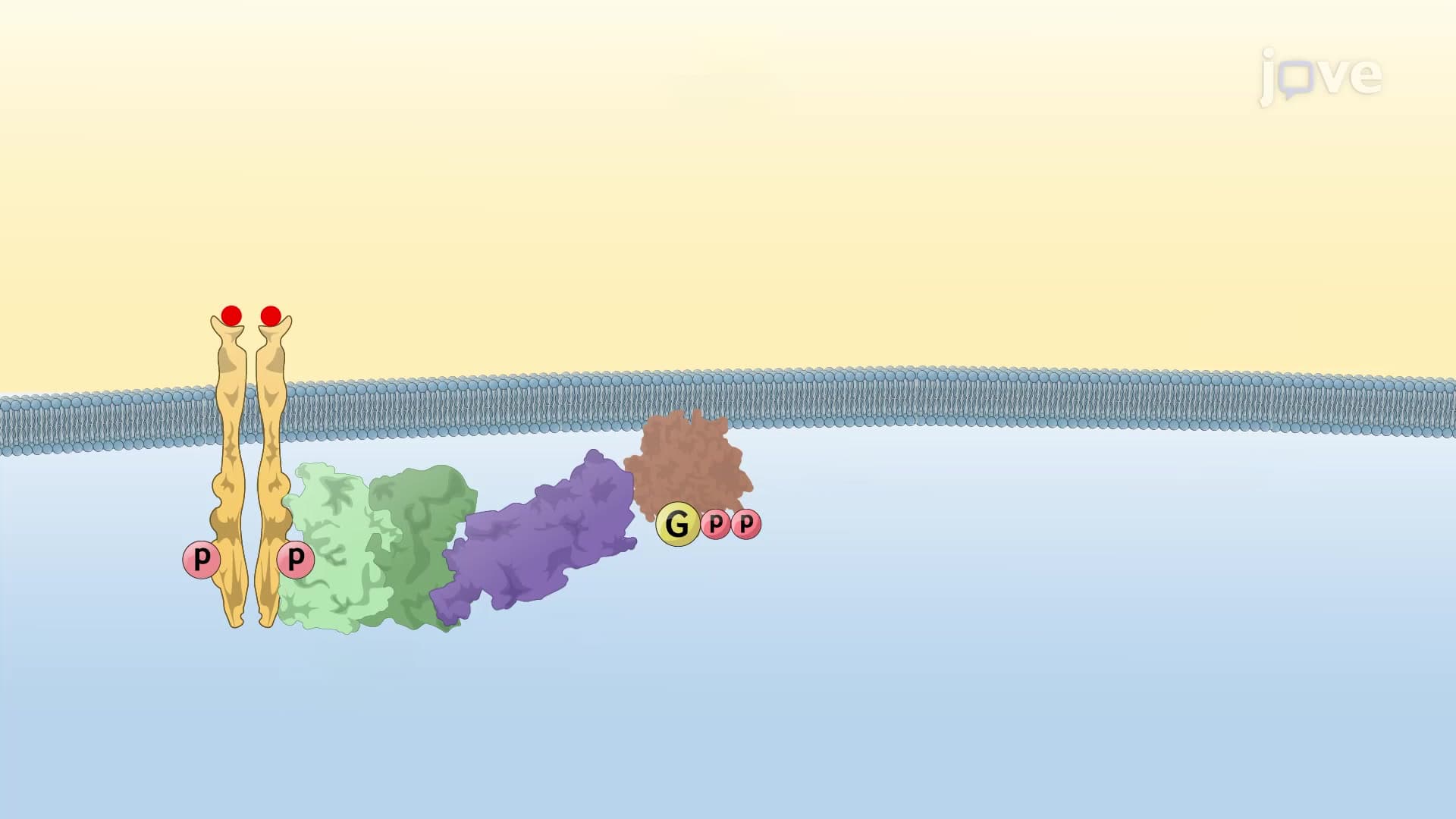
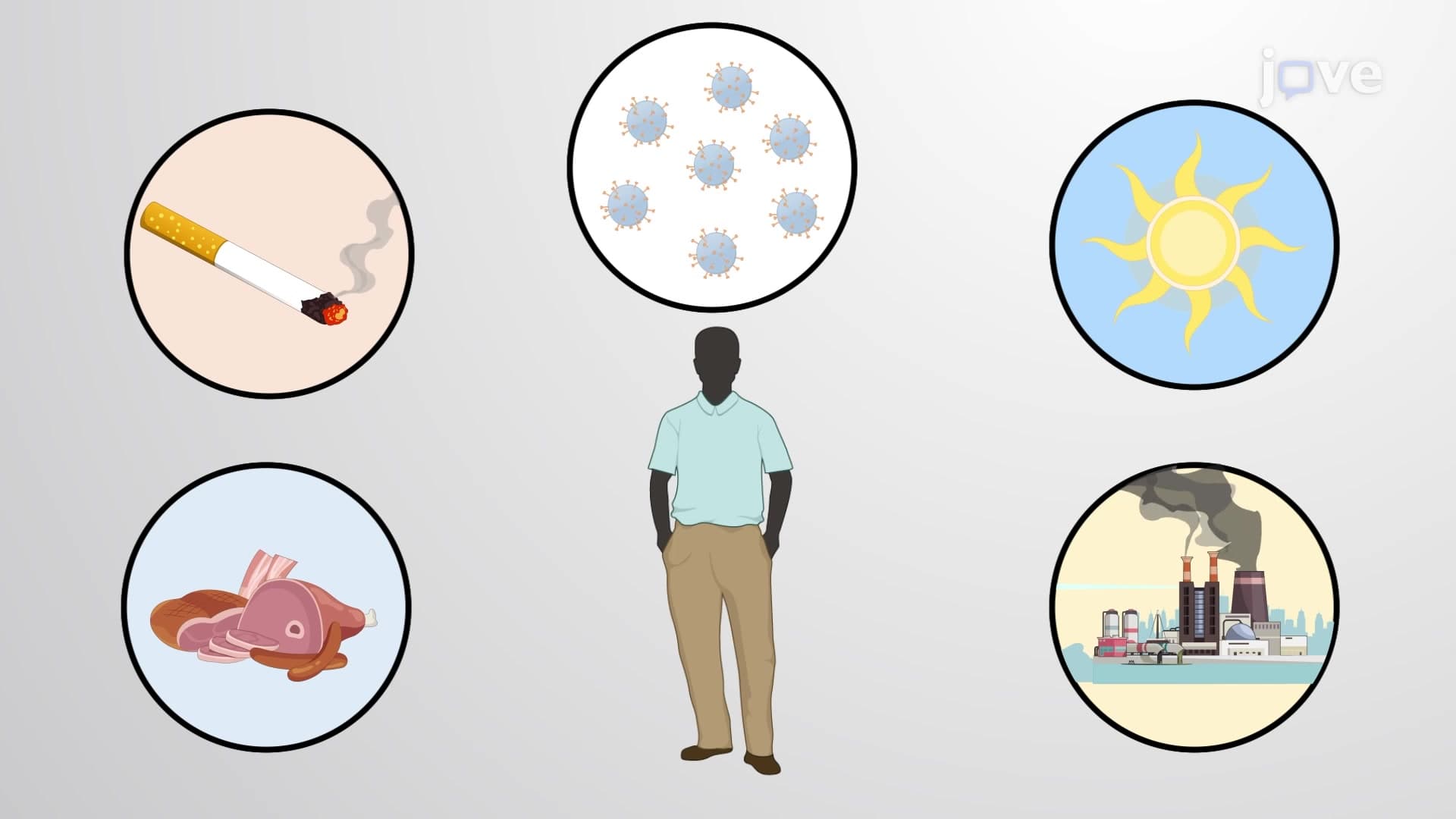
The tumor progression definition encompasses three distinct phases. During initiation, cells suffer DNA damage from carcinogens like tobacco smoke or UV radiation. The American Cancer Society estimates that lung cancer initiation can begin within years of smoking exposure. Promotion follows, where initiated cells proliferate abnormally due to growth signals or hormonal influences. Finally, progression occurs when cells acquire invasive capabilities, angiogenic potential, and resistance to cell death.
Understanding tumor progression requires examining the underlying molecular changes. Genetic instability serves as the engine of cancer evolution, allowing cells to accumulate mutations faster than normal. This instability often stems from defects in DNA repair mechanisms, like those seen in BRCA1/BRCA2 mutations linked to hereditary breast cancer at institutions like Memorial Sloan Kettering.
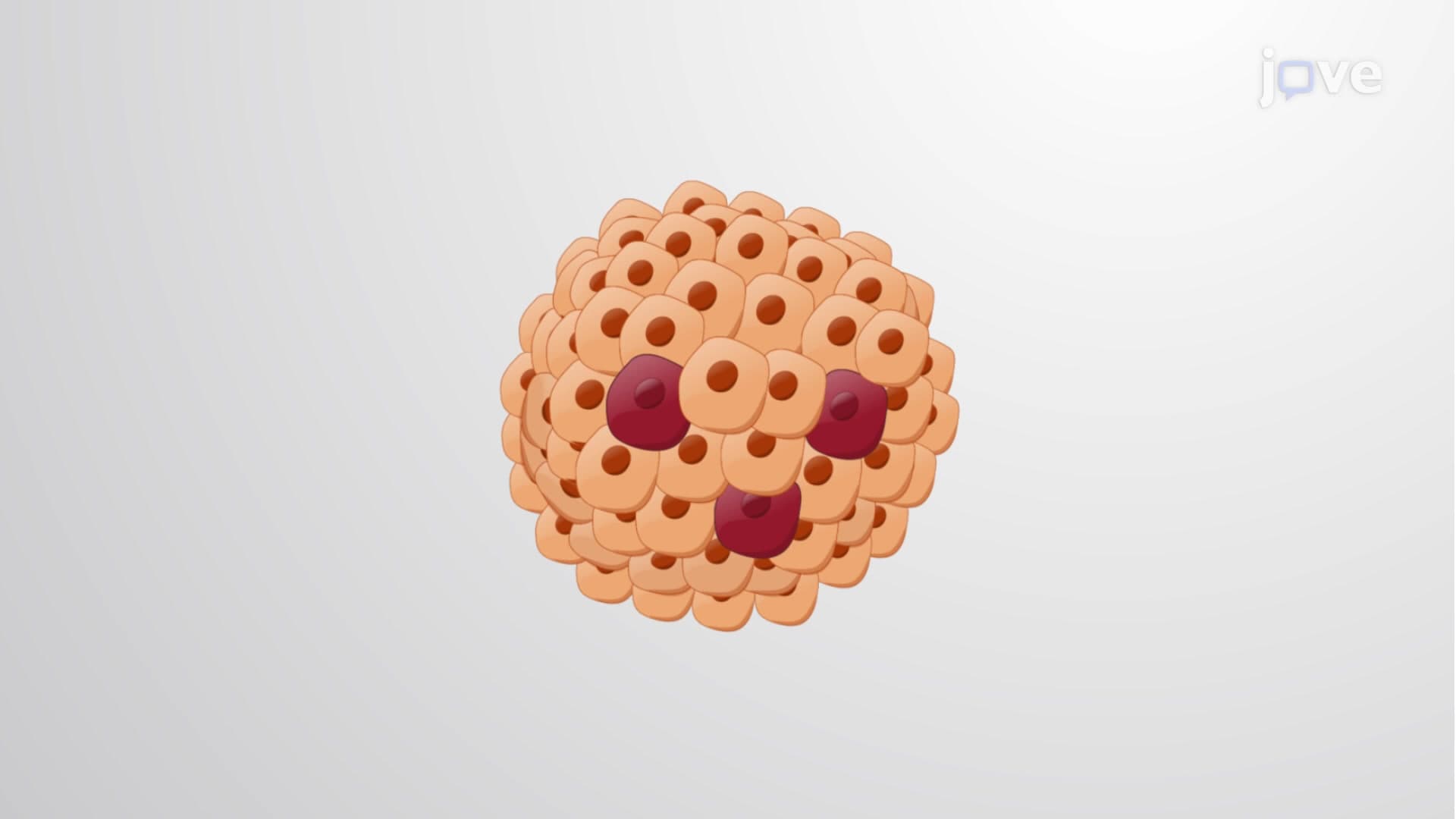
Clonal expansion represents another fundamental principle. Cancer cells that acquire growth advantages outcompete neighboring cells, establishing dominant clones. The National Cancer Institute's research shows how this process creates tumor heterogeneity, where different regions of the same tumor contain genetically distinct cell populations.
The tumor progression concept directly influences cancer staging systems used across US hospitals. The TNM staging system evaluates tumor size (T), lymph node involvement (N), and metastasis (M), all reflecting different progression stages. At Johns Hopkins, oncologists use progression markers to determine whether patients need surgery, chemotherapy, or targeted therapies.
For students preparing for the MCAT or AP Biology exams, tumor progression frequently appears in questions about cancer hallmarks and cellular biology. Understanding angiogenesis, how tumors develop blood supply, and epithelial-mesenchymal transition (EMT), how cells gain migratory abilities, provides essential foundation knowledge for advanced coursework.
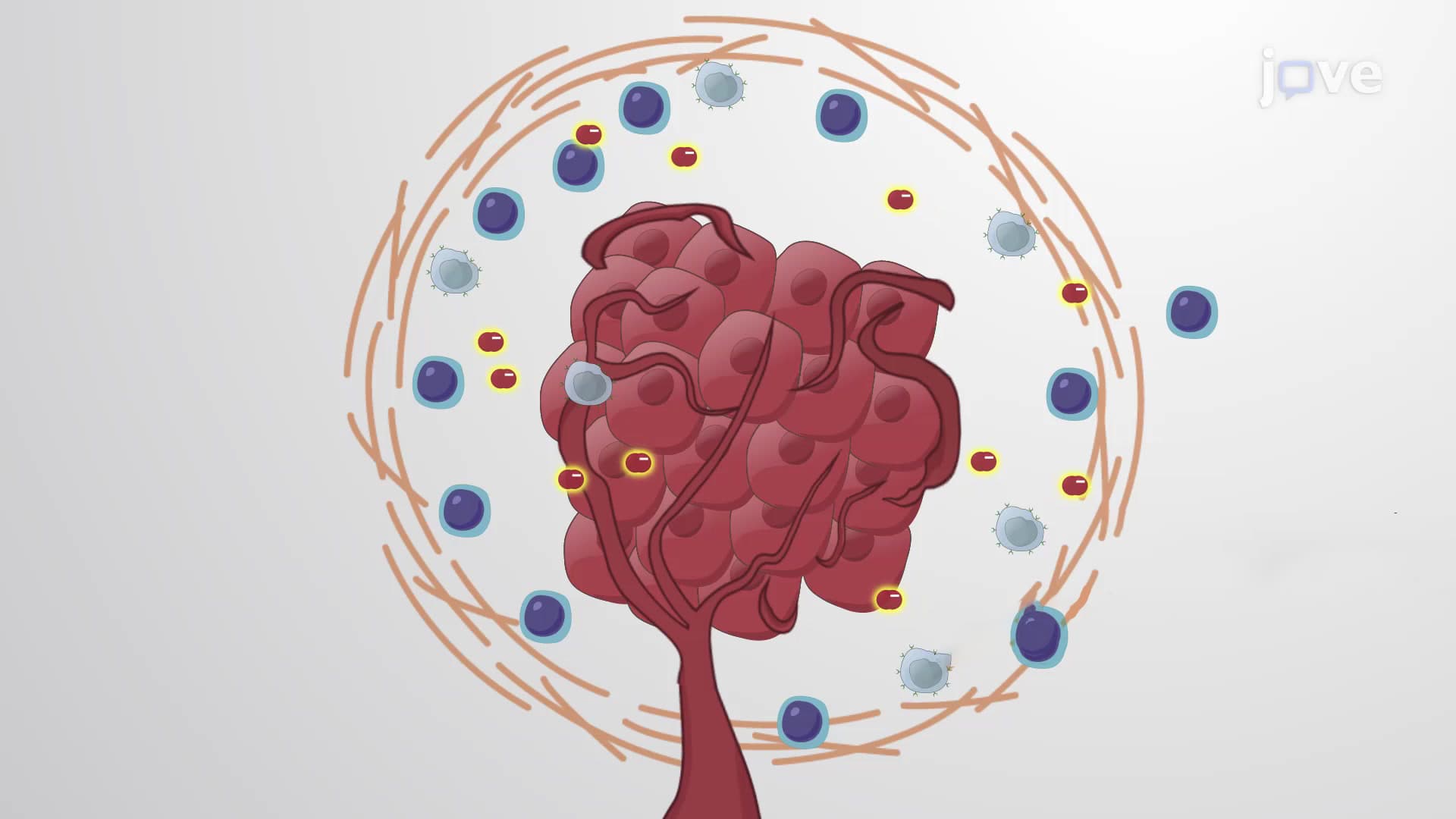
Modern therapeutic approaches increasingly target specific progression pathways. Angiogenesis inhibitors like bevacizumab block blood vessel formation, while EMT inhibitors prevent metastasis. Cancer stem cell research at Stanford and other leading institutions focuses on cells that drive progression and treatment resistance.
Related Micro-courses