Loading subject page…


147,810 views

Video Summary: Amplifying Signals via Enzymatic Cascade Explained
Ever wonder how a single stress hormone can trigger your entire body's fight-or-flight response? Amplifying signals via enzymatic cascade allows cells to transform tiny molecular signals into massive cellular responses through a domino effect of enzyme activation. Consider how insulin resistance develops in Type 2 diabetes patients across 37 million Americans-disrupted cascade amplification prevents cells from responding to insulin's glucose uptake signal. Watch the full video on JoVE Coach to master this concept with expert-led visuals and step-by-step explanations.
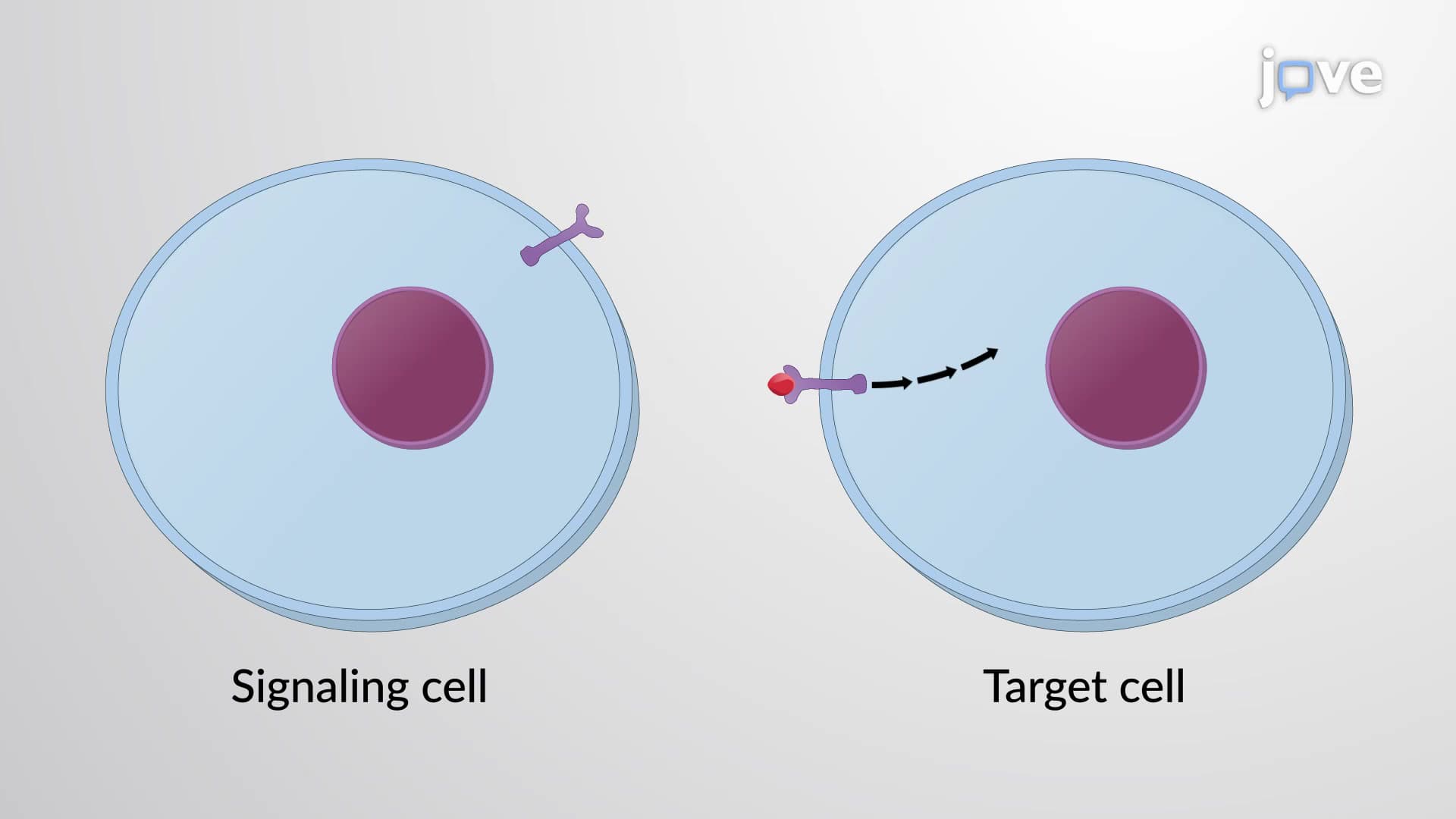
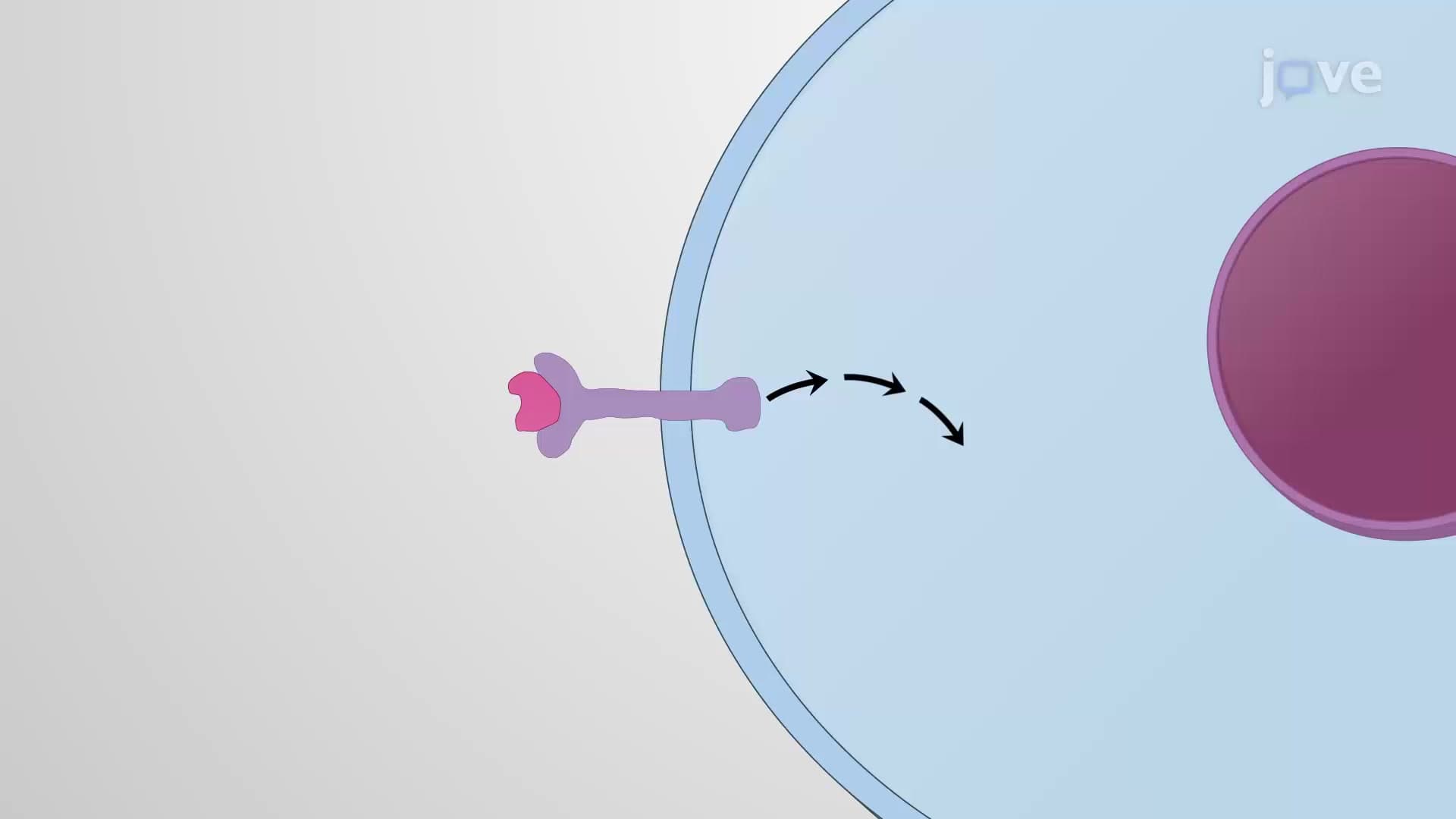
Amplifying signals via enzymatic cascade represents one of biology's most elegant solutions to cellular communication. When cells need to respond to external signals-whether from hormones, growth factors, or stress molecules-they face a fundamental challenge: how can a few signaling molecules outside the cell create a response powerful enough to change cellular behavior?
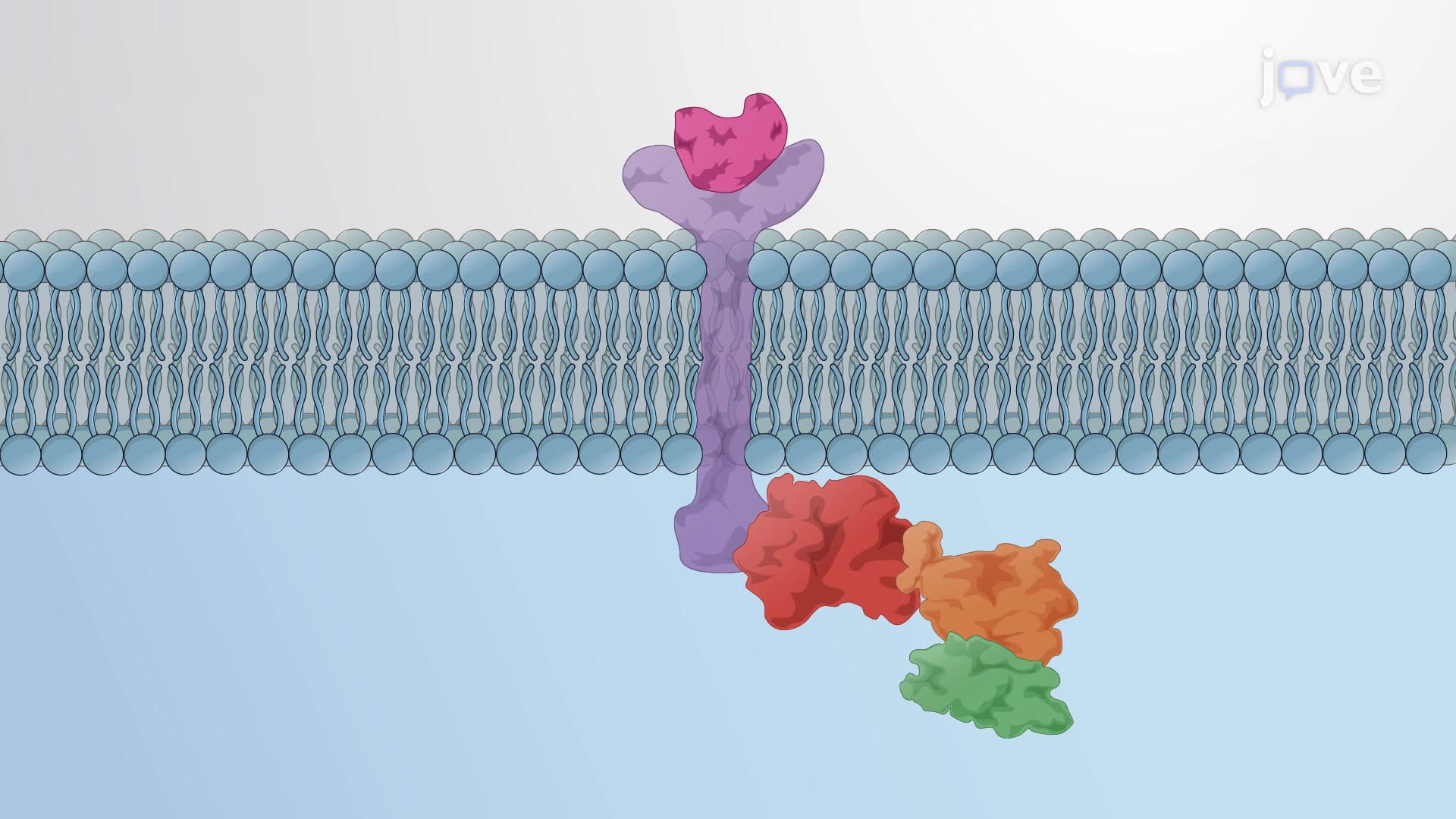
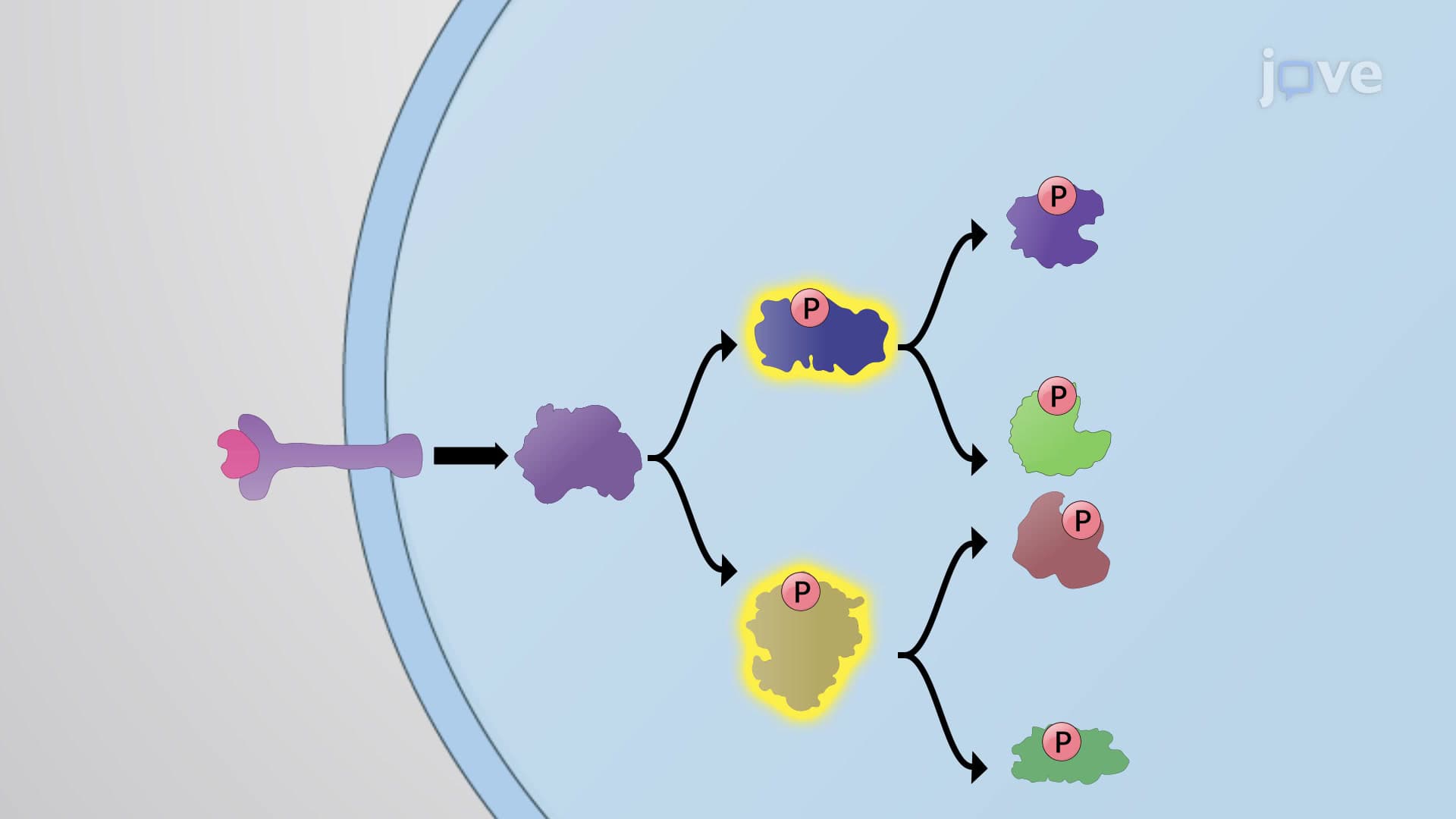
The answer lies in enzymatic amplification, where each step in a signaling pathway activates multiple molecules in the next step, creating an exponential increase in signal strength.
Consider a simple cascade where one activated receptor phosphorylates 10 kinase molecules, each of which phosphorylates 10 more kinases, and so forth. After just three steps, one initial signal has been amplified 1,000-fold. This mathematical principle underlies how trace amounts of hormones like insulin or adrenaline can coordinate responses throughout entire organ systems.
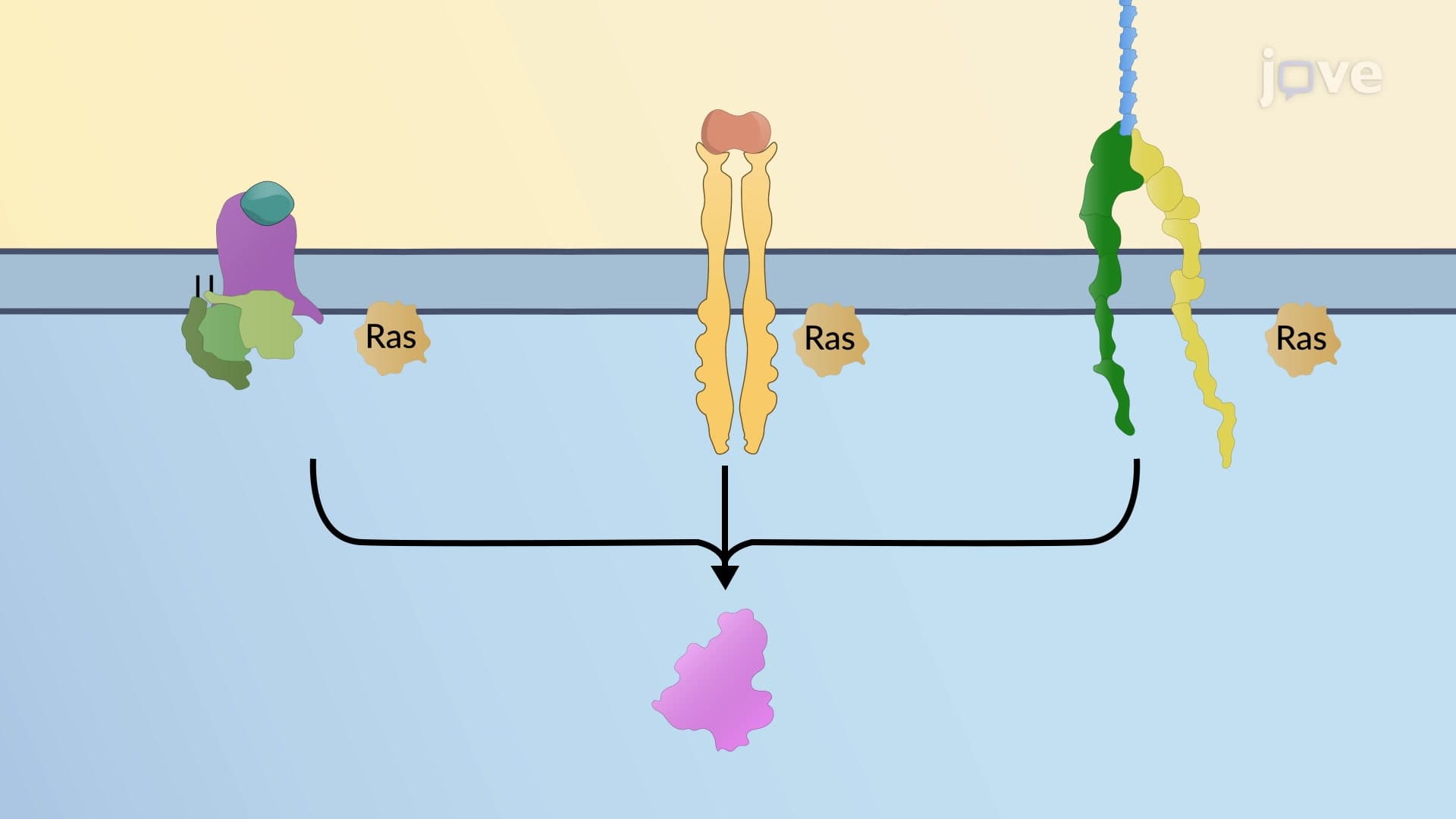
In the MAP kinase pathway-crucial for AP Biology and college biochemistry courses-this amplification follows a specific sequence: Raf kinases phosphorylate multiple MEK kinases, each MEK then phosphorylates multiple ERK kinases, and activated ERKs phosphorylate hundreds of target proteins including transcription factors that alter gene expression.
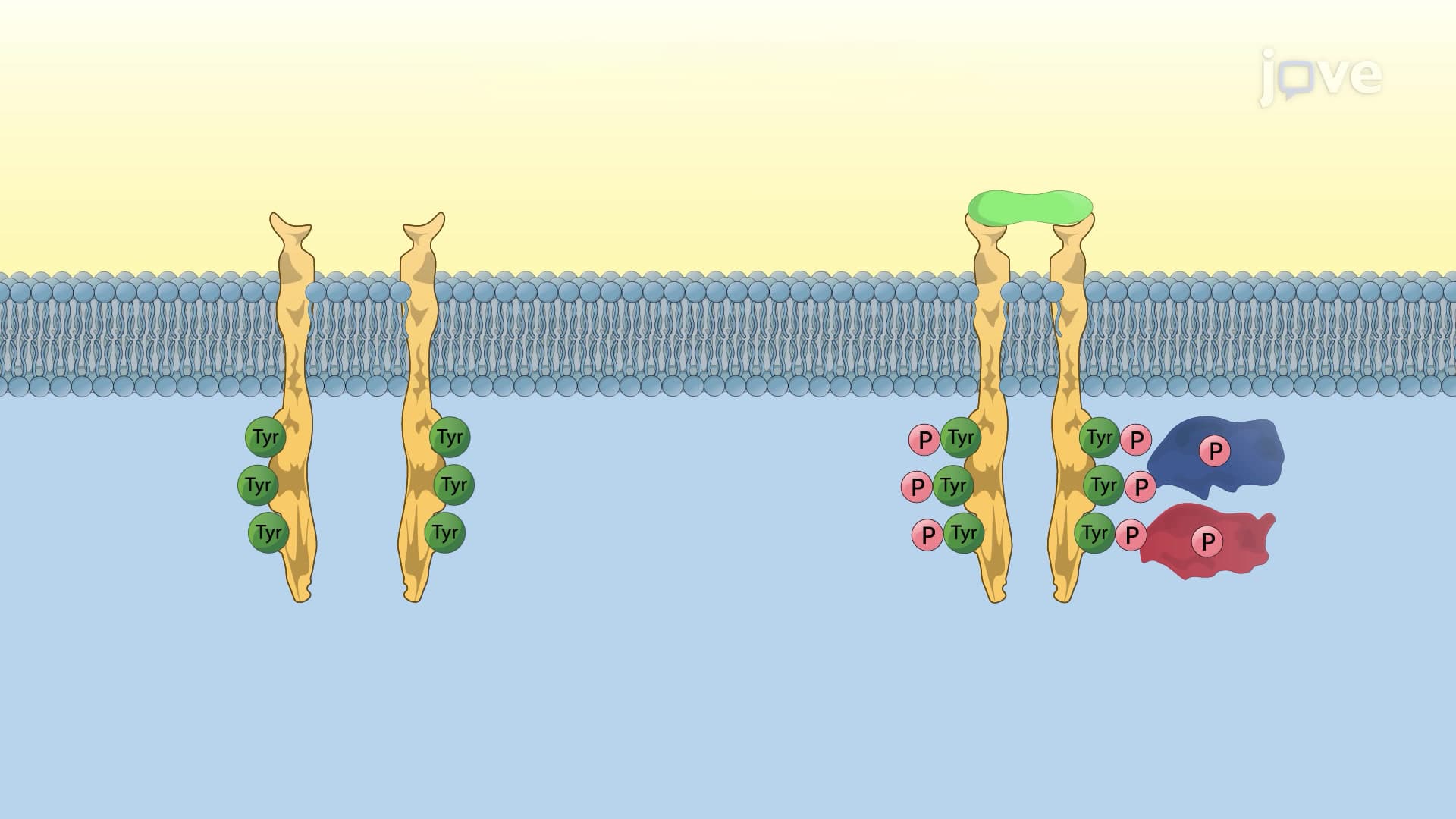
Understanding cascade amplification proves essential for comprehending major health conditions affecting millions of Americans. In Type 2 diabetes, insulin signaling cascades become disrupted, preventing proper glucose uptake despite adequate insulin production. Cancer often results from mutations in growth factor cascades-particularly the EGF receptor pathway-leading to uncontrolled cell division.
Students preparing for the MCAT will encounter these pathways extensively, as they represent fundamental mechanisms underlying pharmacology and pathophysiology. Many medications, including cancer drugs like tyrosine kinase inhibitors, work by disrupting specific steps in enzymatic cascades.
Modern drug development frequently targets enzymatic cascades because blocking one step can effectively shut down an entire pathway. This principle guides treatments for conditions ranging from rheumatoid arthritis (targeting inflammatory cascades) to heart disease (modulating stress response pathways). Understanding these mechanisms proves invaluable for students pursuing careers in medicine, pharmacy, or biomedical research.
Related Micro-courses