Loading subject page…

- Cell Biology
- Principles of Cell Signaling
- Amplifying Signals via Second Messengers
Micro-course: Principles of Cell Signaling
147,810 views
Learn key concepts and earn your certificate.



Amplifying Signals via Second Messengers

00:00
01:15
Video Summary: Amplifying Signals via Second Messengers Explained
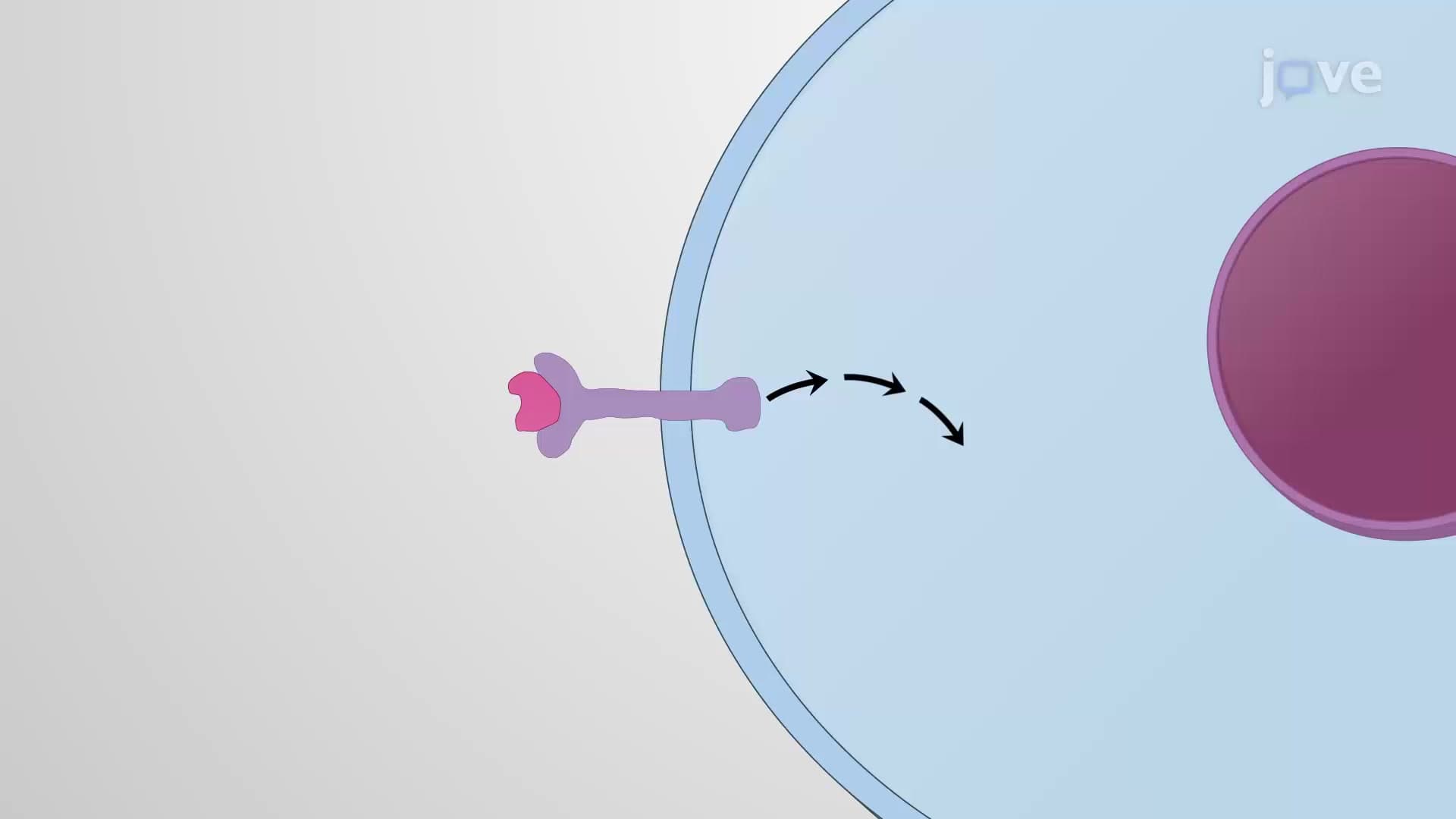
Ever wonder how a single hormone molecule can trigger millions of cellular responses throughout your body? Amplifying signals via second messengers is the cellular communication system that makes this incredible feat possible, allowing tiny molecular signals to create massive physiological changes. Consider how adrenaline during a basketball game instantly increases your heart rate, dilates your pupils, and mobilizes energy stores simultaneously. This amplification occurs through specialized molecular intermediates called second messengers that relay and magnify signals from cell surface receptors to multiple target proteins inside the cell. Watch the full video on JoVE Coach to master this concept with expert-led visuals and step-by-step explanations.
- Understand the fundamental mechanism of amplifying signals via second messengers and how they enable cellular communication cascades
- Identify the major types of second messengers including calcium ions, cyclic AMP, diacylglycerol (DAG), and inositol trisphosphate (IP3)
- Analyze how G-protein coupled receptors activate enzymes like adenylyl cyclase and phospholipase C to generate second messengers
- Compare the roles of different second messenger pathways in various physiological processes
- Evaluate the importance of calcium ions as universal second messengers in muscle contraction and other cellular functions
- Apply knowledge of second messenger amplification to predict cellular responses to hormonal signals
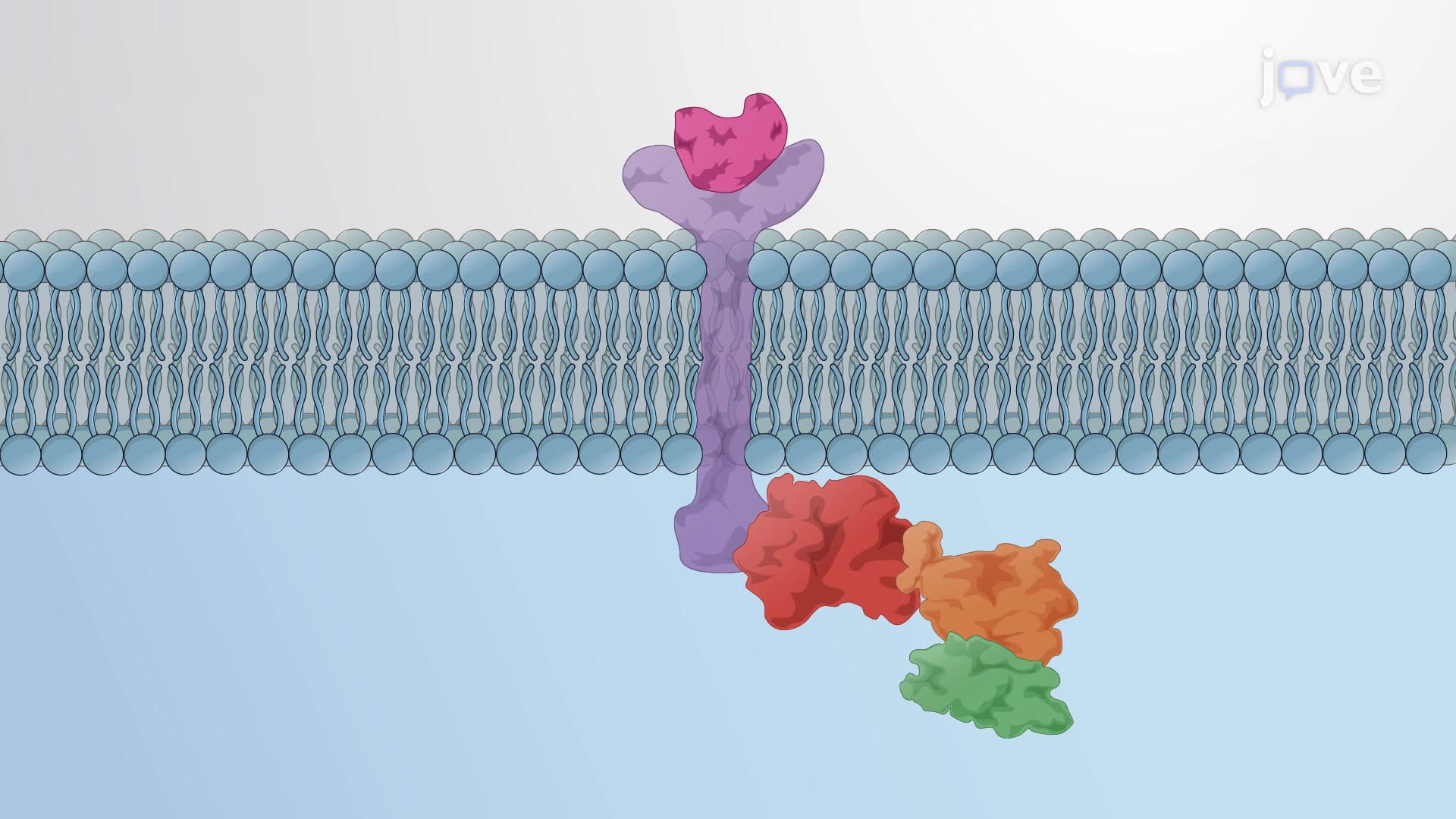
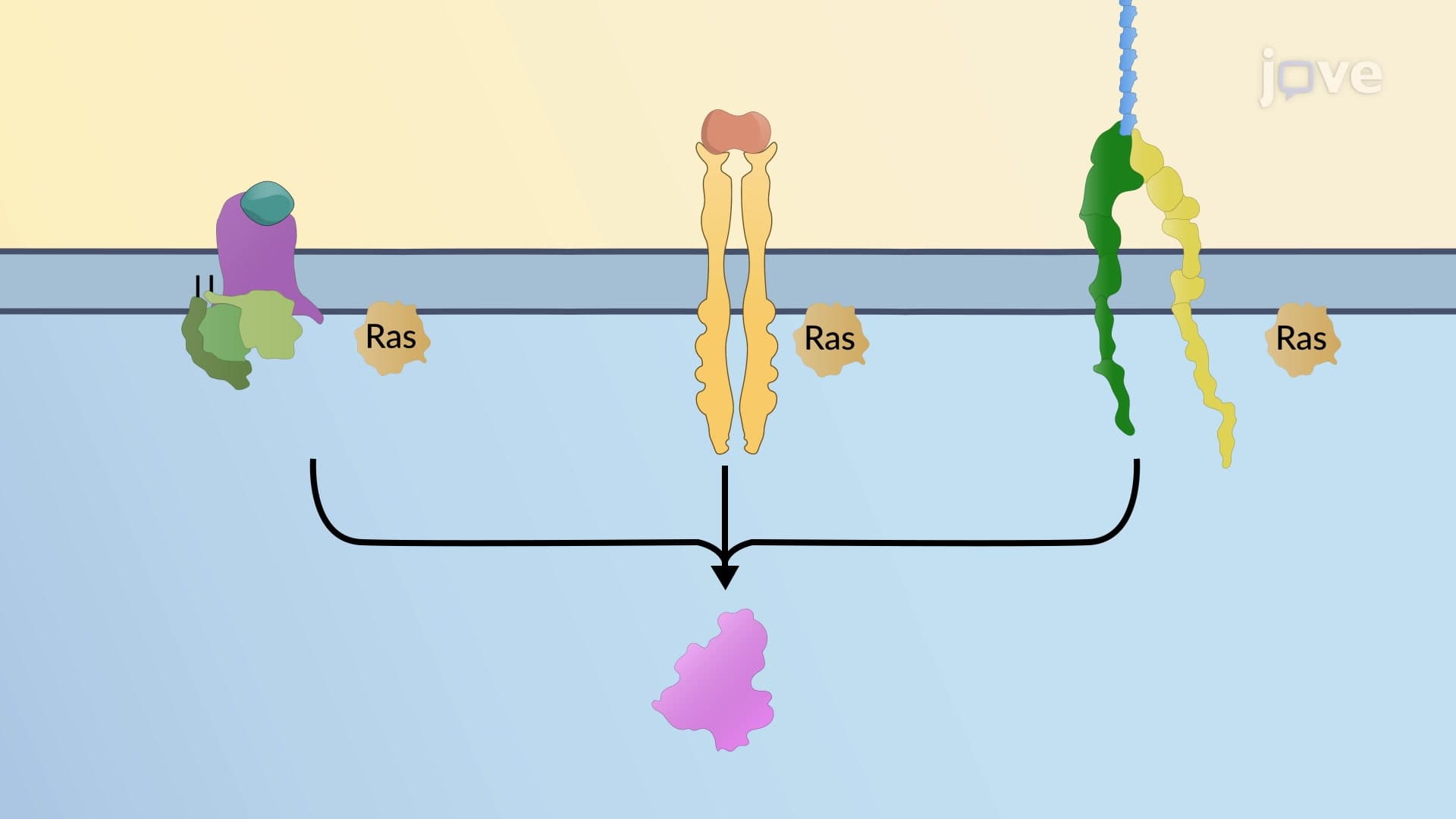
- Recognize the connection between receptor binding and downstream kinase activation in signal transduction
- Explore how second messenger systems contribute to the specificity and sensitivity of cellular responses
Understanding Amplifying Signals Via Second Messengers
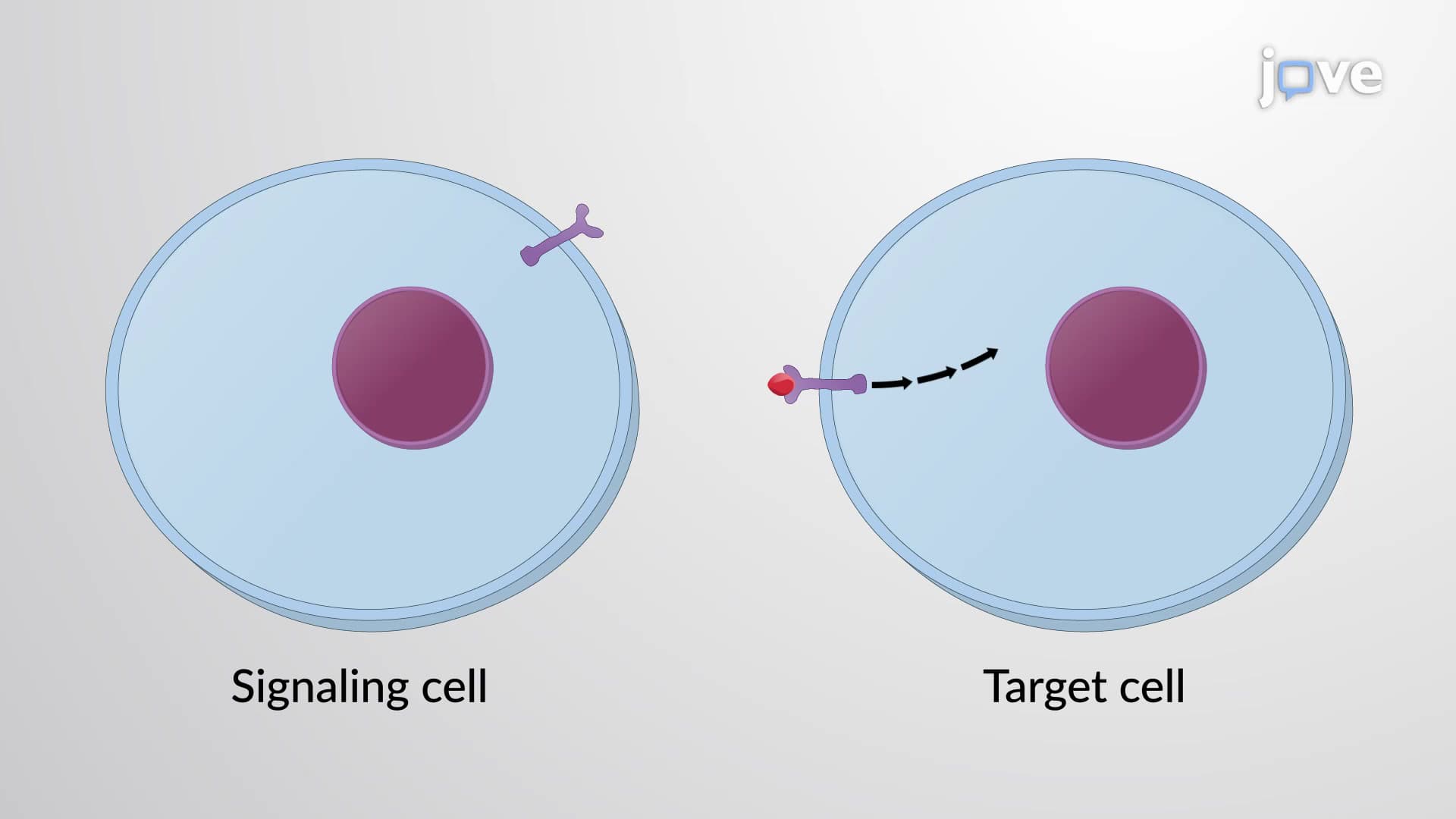
The process of amplifying signals via second messengers represents one of biology's most elegant solutions to a fundamental challenge: how can a single extracellular signal molecule trigger widespread cellular responses? This amplification system operates like a cellular telephone network, where initial signals are received, translated, and broadcast to multiple cellular destinations simultaneously.
The Molecular Players in Signal Amplification
Second messengers are small, mobile molecules that serve as intracellular signal carriers. Unlike the large protein hormones or neurotransmitters that cannot cross cell membranes, these molecules freely diffuse throughout the cytoplasm, rapidly spreading signals to multiple target sites. The major second messengers include calcium ions (Ca²⁺), cyclic adenosine monophosphate (cAMP), diacylglycerol (DAG), and inositol trisphosphate (IP3).
Calcium ions represent perhaps the most versatile second messenger system. In skeletal muscle cells, the release of calcium from intracellular stores triggers the conformational changes in troponin and tropomyosin that enable actin-myosin interaction and muscle contraction. This same calcium signaling system operates in cardiac muscle during each heartbeat and in smooth muscle cells lining blood vessels during vasoconstriction.
G-Protein Coupled Receptors and Enzyme Activation
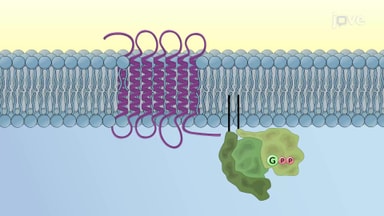
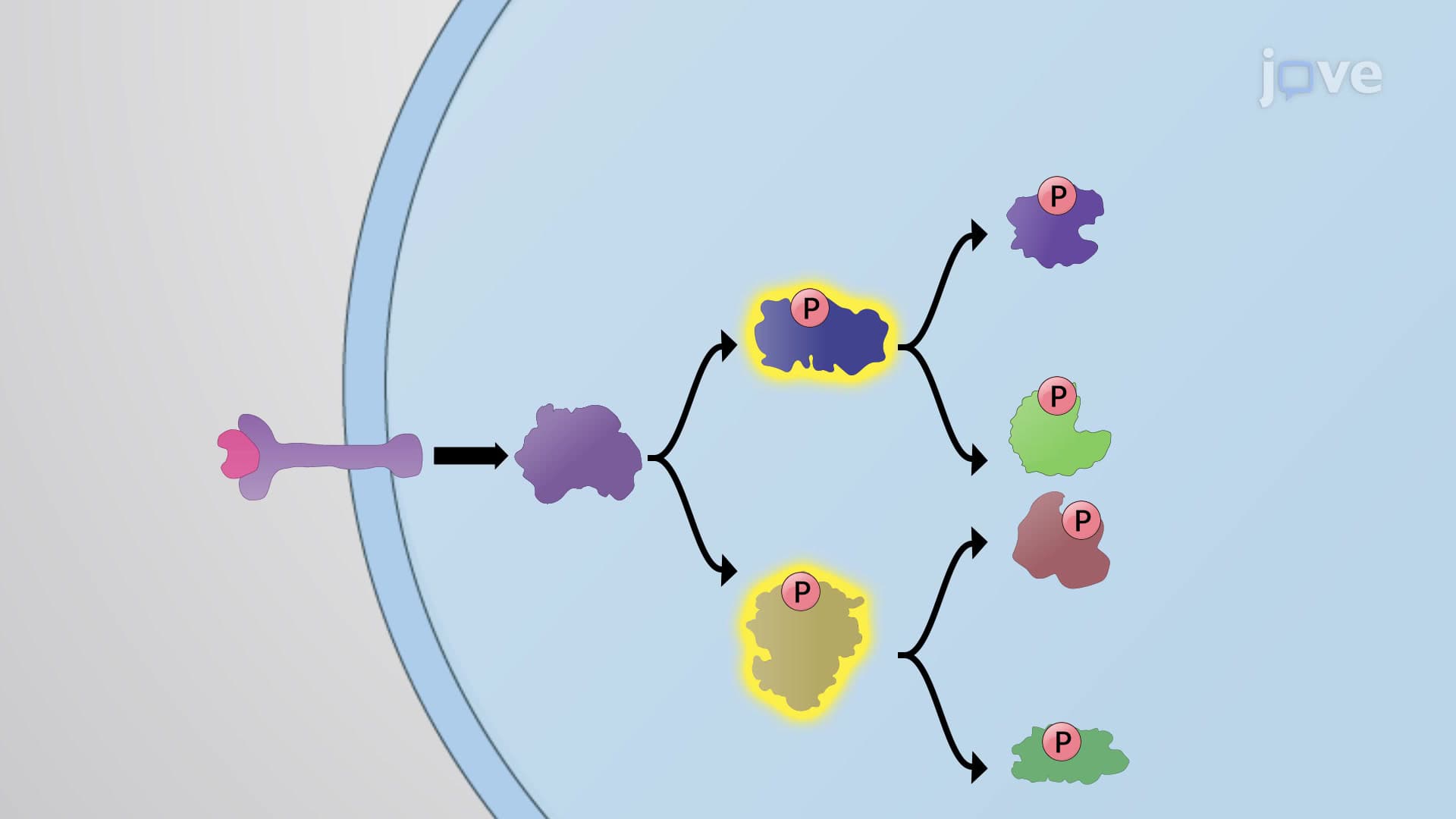
The amplification process begins when ligands bind to G-protein coupled receptors (GPCRs) on the cell surface. These receptors activate specific intracellular enzymes that generate second messengers. Adenylyl cyclase, activated by certain G-proteins, converts ATP to cyclic AMP, which then activates protein kinase A (PKA). This kinase can phosphorylate hundreds of target proteins, creating a massive amplification effect from a single receptor binding event.
Similarly, phospholipase C cleaves phosphatidylinositol 4,5-bisphosphate (PIP2) to produce both DAG and IP3. While DAG remains membrane-bound and activates protein kinase C, IP3 diffuses through the cytoplasm to trigger calcium release from the endoplasmic reticulum, creating a dual amplification pathway.
Clinical and Academic Relevance
Understanding second messenger systems is crucial for students preparing for the MCAT, AP Biology exam, or college-level biochemistry courses. These pathways explain how medications work-for instance, how beta-blockers prevent adrenaline from activating adenylyl cyclase in heart cells, reducing heart rate and blood pressure. The concept also appears frequently in physiology questions about hormone action, neurotransmission, and cellular responses to environmental stimuli.
Frequently Asked Questions
Amplifying signals via second messengers is a cellular communication process where small intracellular molecules relay and magnify signals from cell surface receptors to multiple target proteins inside the cell. This system is crucial because it allows a single extracellular signal molecule to trigger thousands of intracellular responses simultaneously. The amplification occurs through cascade reactions where each activated enzyme can generate many second messenger molecules, creating an exponential increase in signal strength.
Second messenger pathways are heavily tested on the MCAT, particularly in the biochemistry and physiology sections. Questions often focus on hormone mechanisms, neurotransmitter action, and drug interactions with cellular signaling pathways. Understanding these concepts helps you predict how disrupting specific enzymes or receptors affects cellular responses, which is essential for passage-based questions about pharmacology and disease mechanisms.
AP Biology frequently tests second messenger concepts through questions about cell communication, homeostasis, and response to environmental stimuli. Expect questions asking you to trace signal pathways from hormone binding through second messenger generation to final cellular response. You might also see experimental design questions where you predict the effects of blocking specific enzymes in the pathway or compare different second messenger systems.
Second messenger pathways are targets for numerous FDA-approved medications used in US hospitals. Beta-blockers like metoprolol block adrenaline receptors, preventing cAMP production and reducing heart rate in cardiac patients. Calcium channel blockers prevent calcium influx in blood vessel smooth muscle, lowering blood pressure. Understanding these mechanisms helps explain why certain drugs have specific effects and potential side effects.
While second messenger pathways involve multiple steps, the core concept is straightforward: signal amplification through molecular cascades. Most high school students can master this topic by focusing on the basic pattern of receptor activation leading to enzyme activation leading to second messenger production. Start with familiar examples like adrenaline's effects during exercise, then build complexity gradually.
Create pathway diagrams showing each step from ligand binding to final cellular response, including all intermediate molecules and enzymes. Practice drawing these pathways from memory and explaining how blocking any single step would affect the overall response. Focus on understanding the logic of amplification rather than memorizing every molecular detail.
After understanding second messenger amplification, explore more complex signaling networks including cross-talk between pathways, negative feedback regulation, and receptor desensitization. Study how multiple second messenger systems can interact within the same cell and how cells integrate signals from different sources. This knowledge provides the foundation for understanding advanced topics in cell biology and pharmacology.
Calcium ions are unique among second messengers because they can be stored in specific cellular compartments and released rapidly when needed. Unlike cAMP or IP3, which must be synthesized upon demand, calcium can be pre-positioned in the endoplasmic reticulum or mitochondria for immediate release. This allows for extremely rapid responses, such as the millisecond timing required for muscle contraction or neurotransmitter release.
Related Micro-courses