Loading subject page…


147,811 views

Video Summary: Diversity in Cell Signaling Responses Explained
Did you know that your brain cells can respond to signals in milliseconds while your muscle cells take hours to grow? This remarkable diversity in cell signaling responses allows the same chemical messenger to trigger completely different outcomes depending on the receiving cell. For instance, when adrenaline surges through your body during a basketball game, it instantly increases your heart rate while simultaneously breaking down stored energy in your liver over several minutes. Watch the full video on JoVE Coach to master this concept with expert-led visuals and step-by-step explanations.
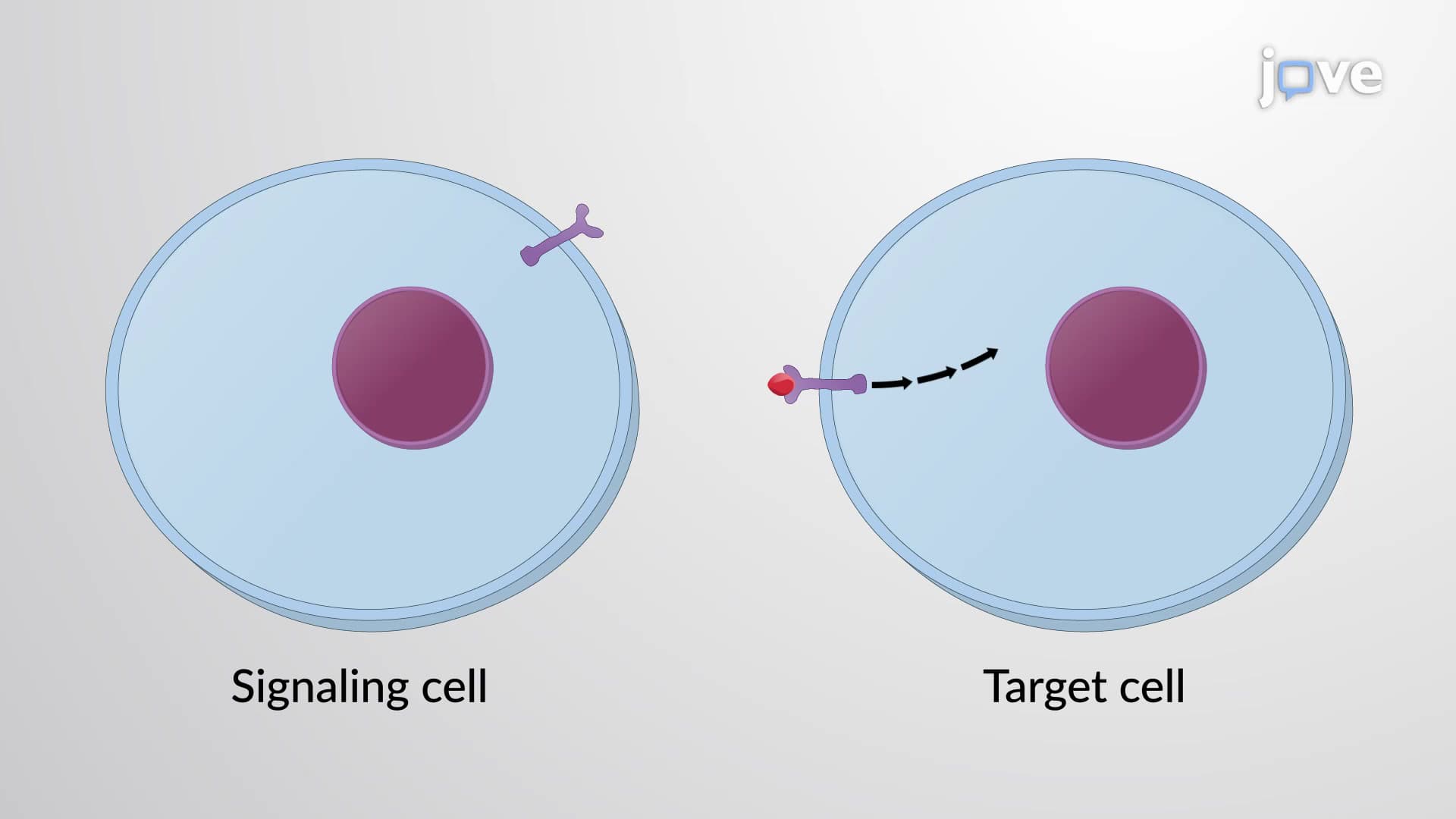
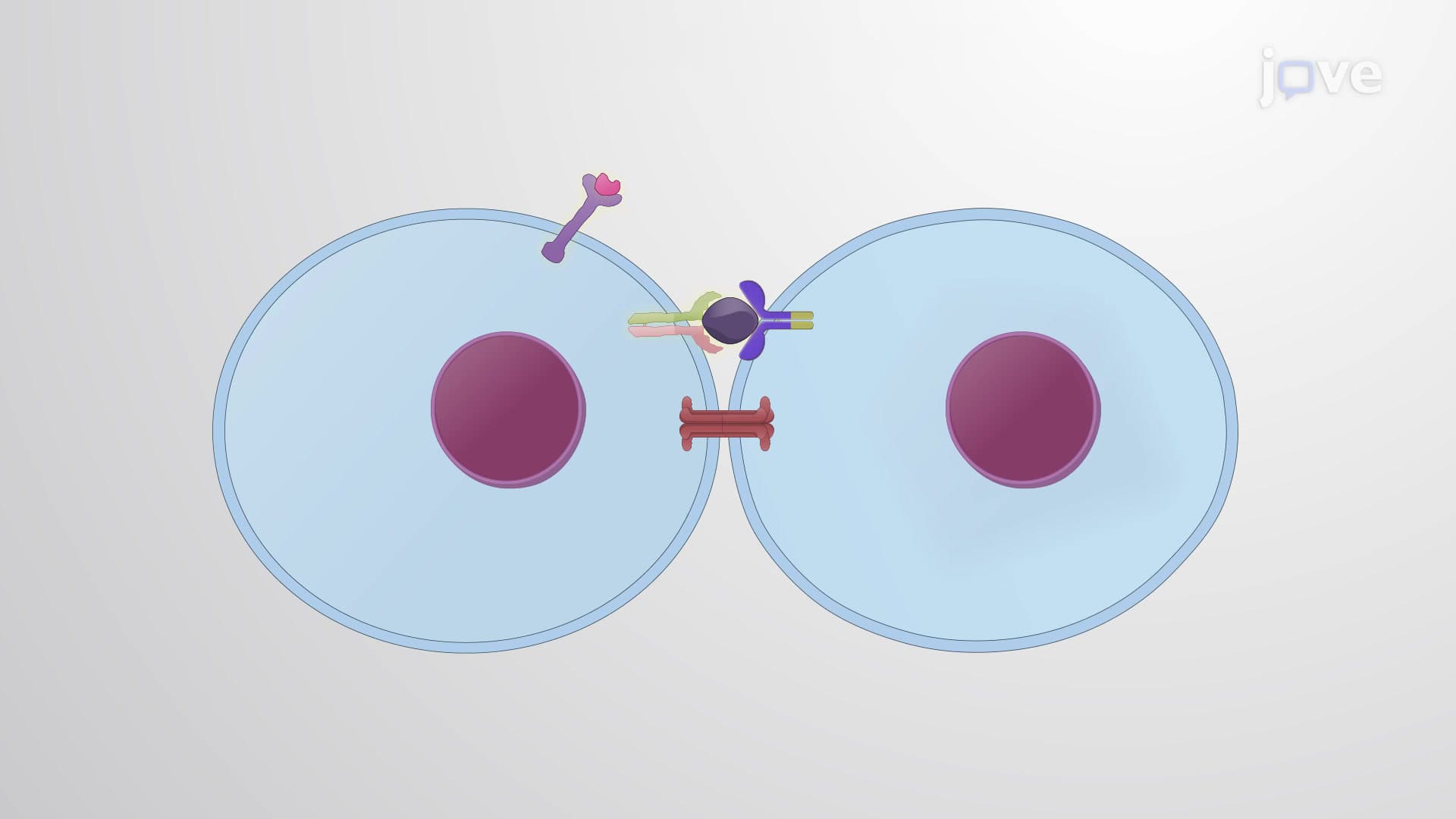
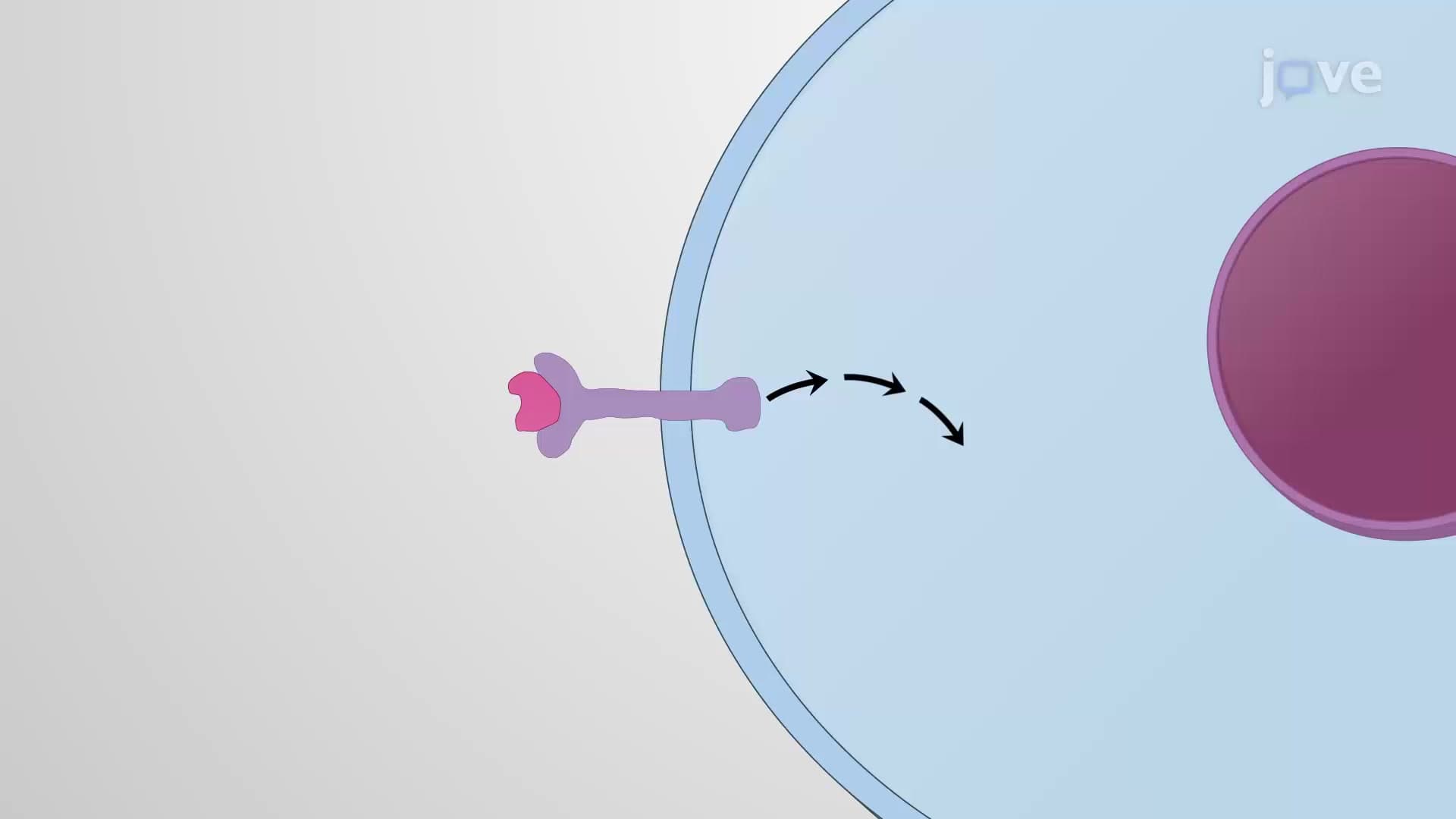
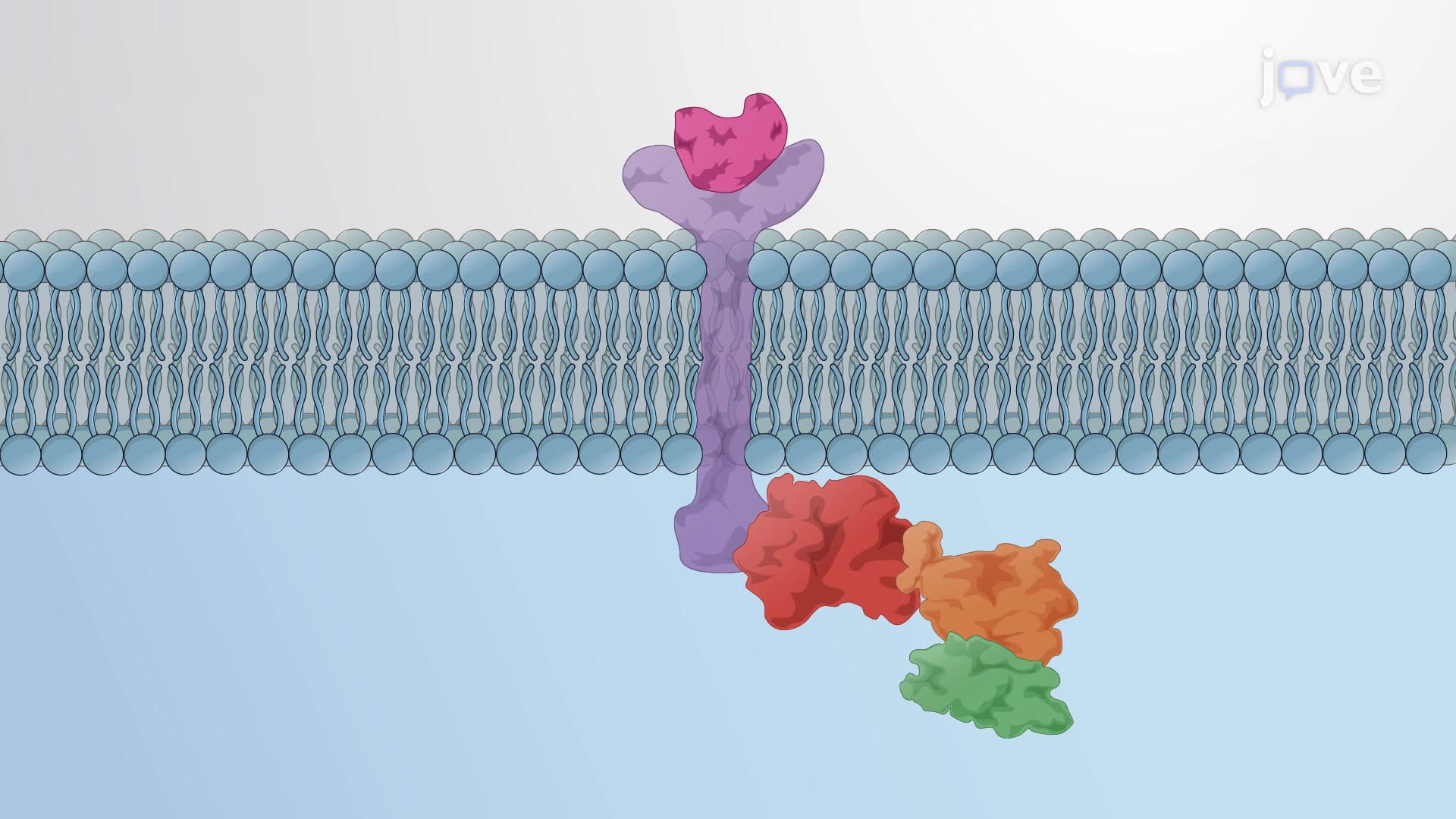
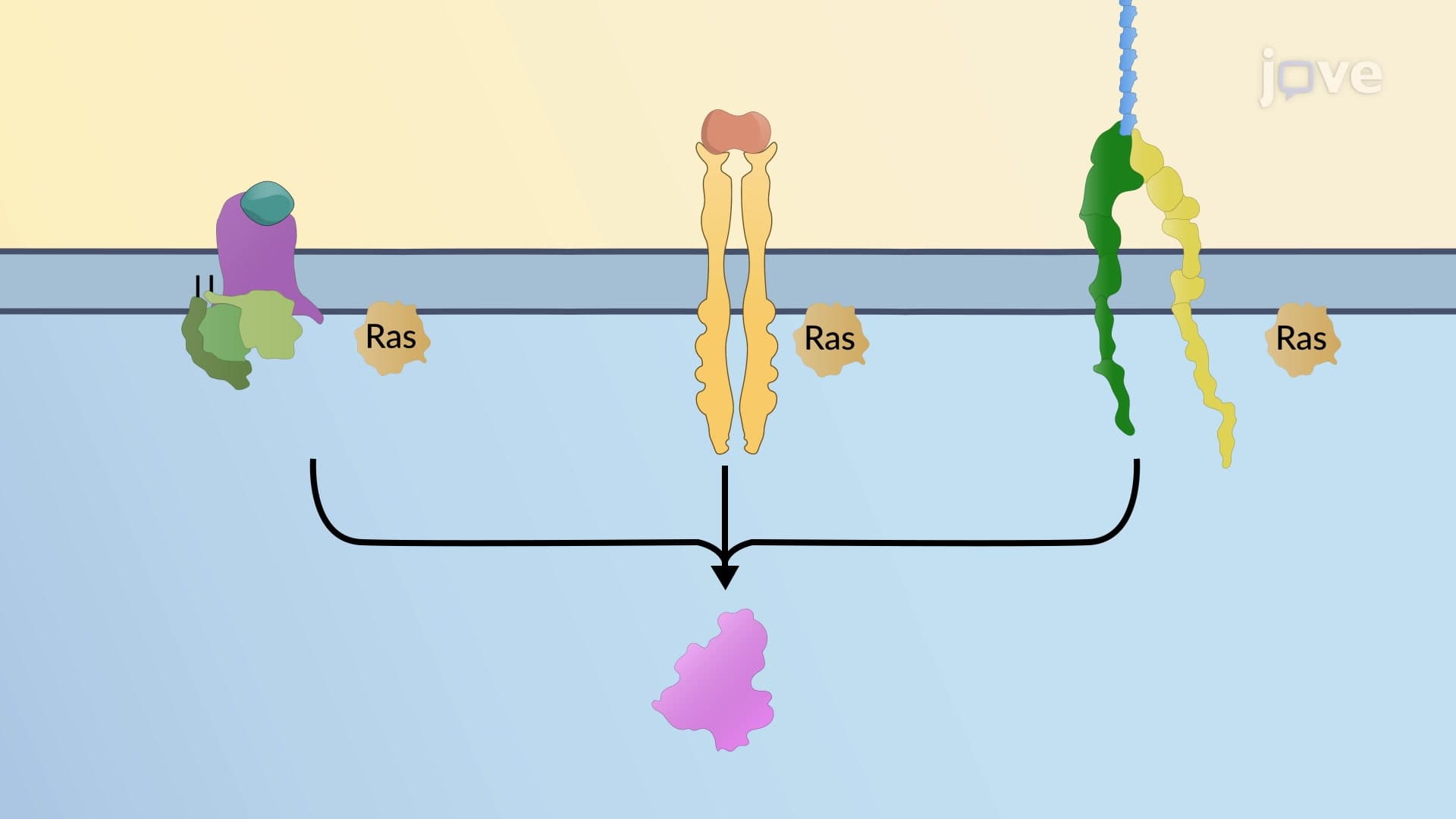
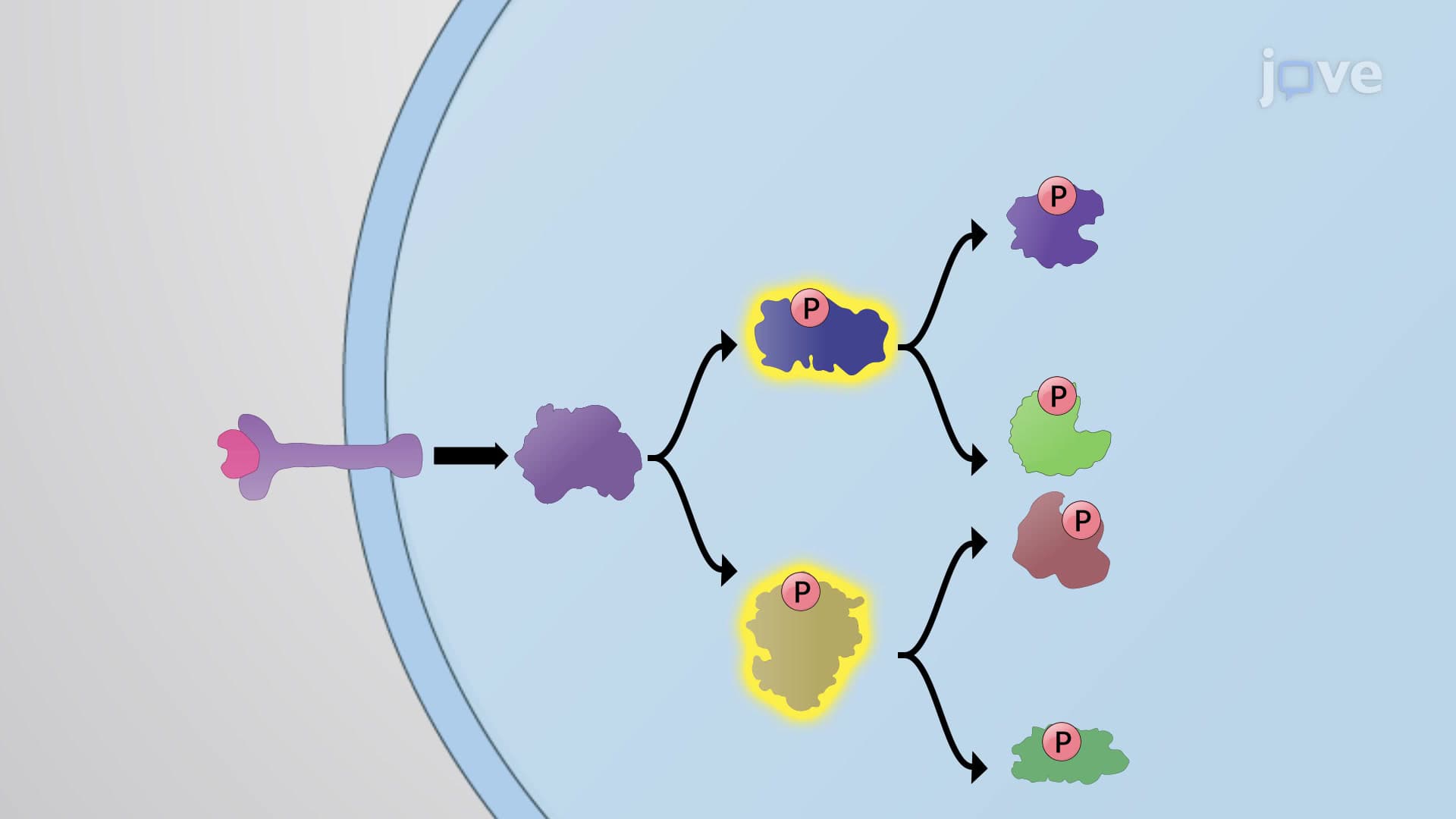
The diversity in cell signaling responses represents one of biology's most elegant solutions to cellular communication challenges. Rather than operating like a simple telephone system with one message producing one response, cells have evolved sophisticated mechanisms that allow identical signaling molecules to generate vastly different outcomes depending on context, timing, and cellular machinery.
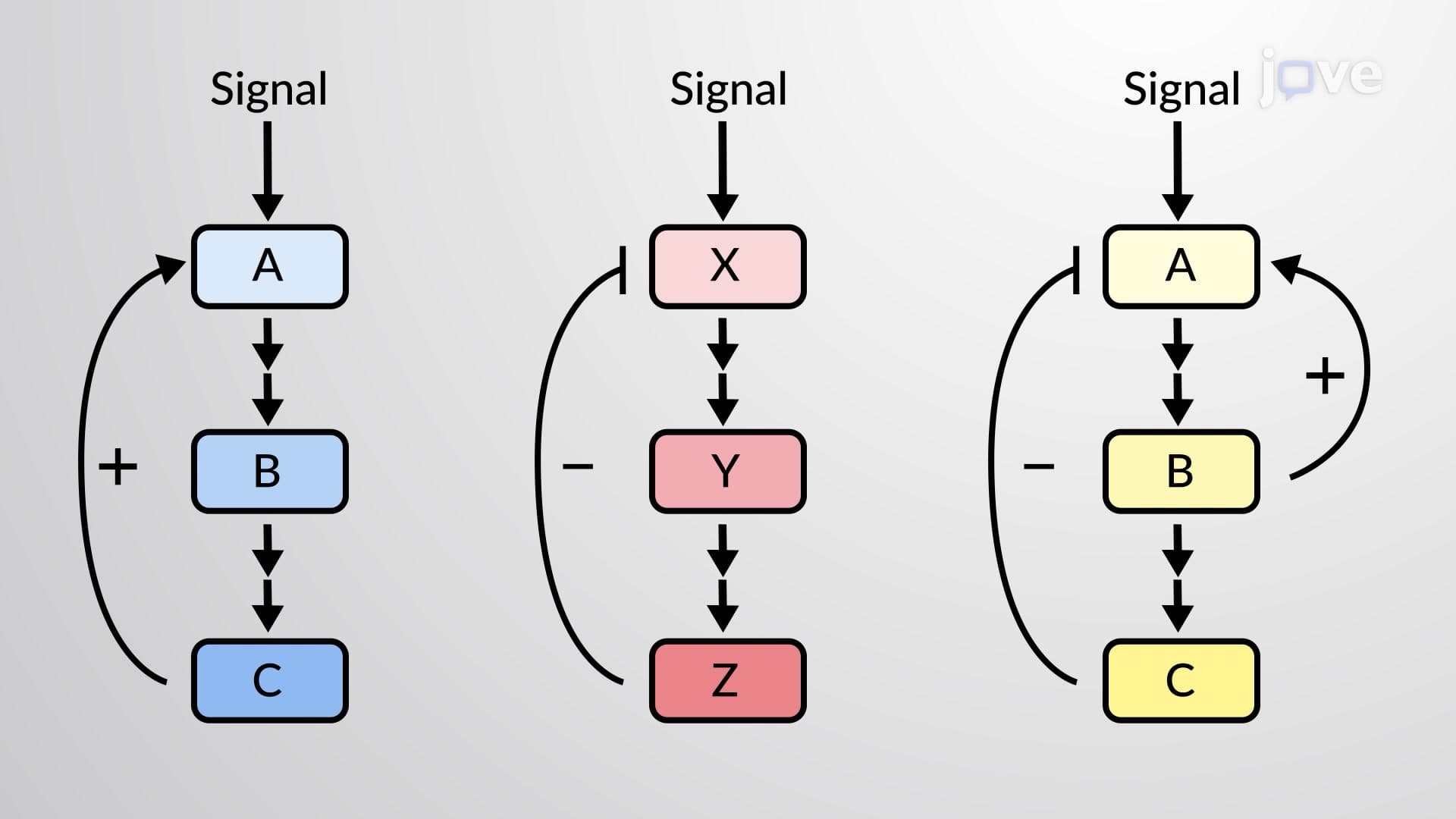
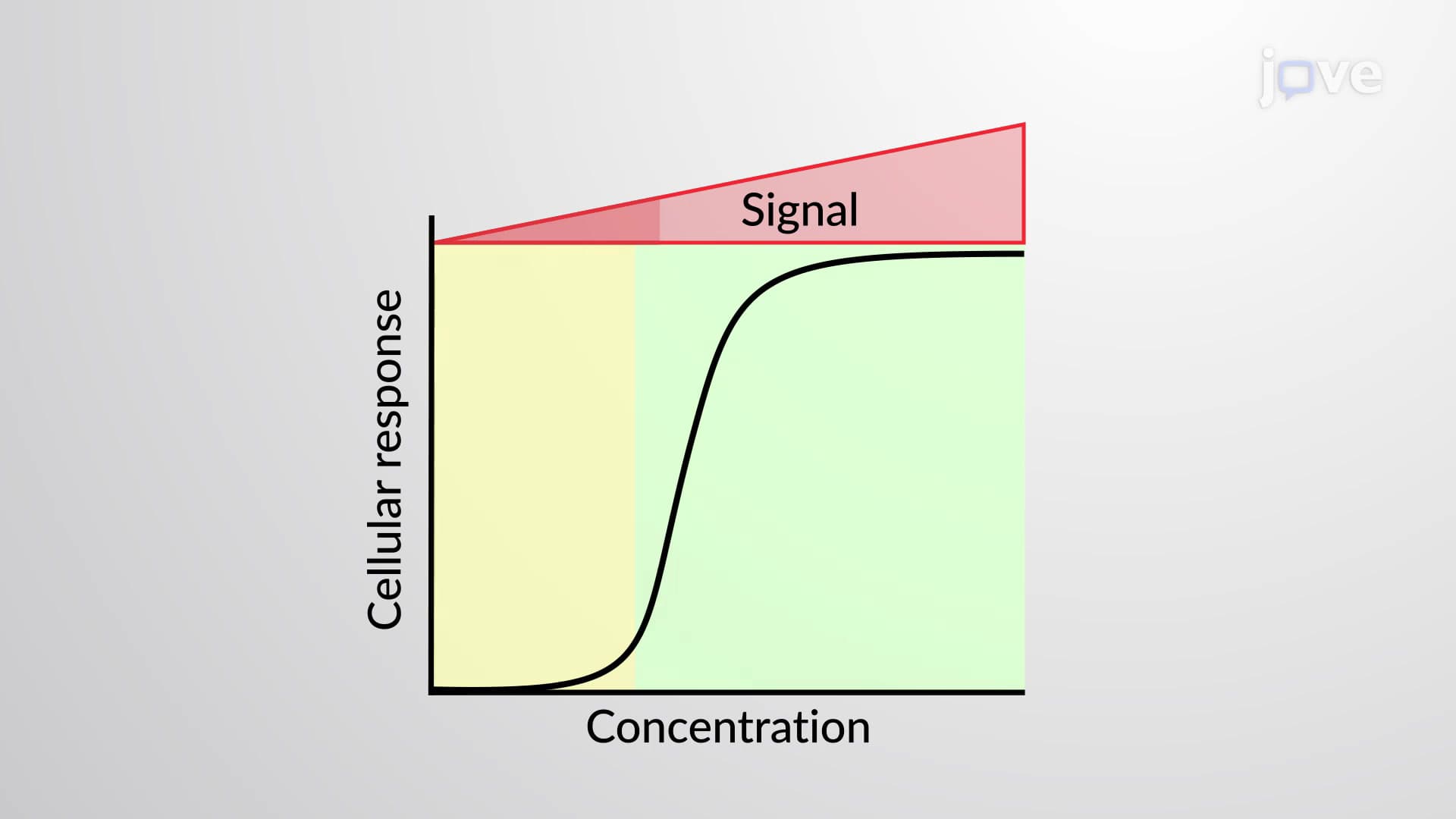
Cellular signaling pathways exhibit two primary response patterns based on signal molecule concentration. Graded responses demonstrate a direct correlation between signal strength and cellular output-the more signaling molecules present, the stronger the response. This pattern resembles adjusting a dimmer switch, where light intensity gradually increases with more input. Consider how insulin sensitivity works in muscle cells: higher glucose concentrations trigger progressively greater glucose uptake, allowing fine-tuned metabolic control.
Conversely, threshold-dependent responses function like binary switches, remaining inactive until signal molecule concentrations exceed a critical threshold, then activating fully. This all-or-nothing response proves essential for processes requiring definitive cellular decisions. Neuronal action potentials exemplify this pattern-nerve cells don't partially fire; they either reach threshold and generate a complete electrical impulse or remain silent.
The timing of cellular responses varies dramatically based on biological requirements. Rapid responses, occurring within milliseconds to seconds, typically involve existing cellular components that can be quickly modified. When you touch a hot stove, sodium channels in nerve cells instantly open, allowing rapid electrical signal transmission to your brain and back to your hand muscles. These swift responses rely on protein conformational changes and ion movements-processes requiring no new protein synthesis.
Long-term responses, spanning hours to days, necessitate changes in gene expression and protein production. During wound healing, skin cells must increase collagen production over several days, requiring sustained activation of transcription factors and continuous mRNA translation. This prolonged signaling proves crucial for processes like embryonic development, where cells must maintain specific differentiation programs throughout extended periods.
Understanding signaling diversity proves essential for AP Biology students tackling cellular communication topics and pre-med students preparing for MCAT biochemistry sections. Medical students studying pharmacology rely heavily on these principles to understand how drugs can have different effects in various tissues. For instance, beta-blockers reduce heart rate by blocking adrenaline receptors in cardiac muscle while having minimal effects on skeletal muscle, demonstrating tissue-specific signaling responses that make targeted therapies possible.
Related Micro-courses