Loading subject page…

- Cell Biology
- Principles of Cell Signaling
- Interactions Between Signaling Pathways
Micro-course: Principles of Cell Signaling
147,810 views
Learn key concepts and earn your certificate.

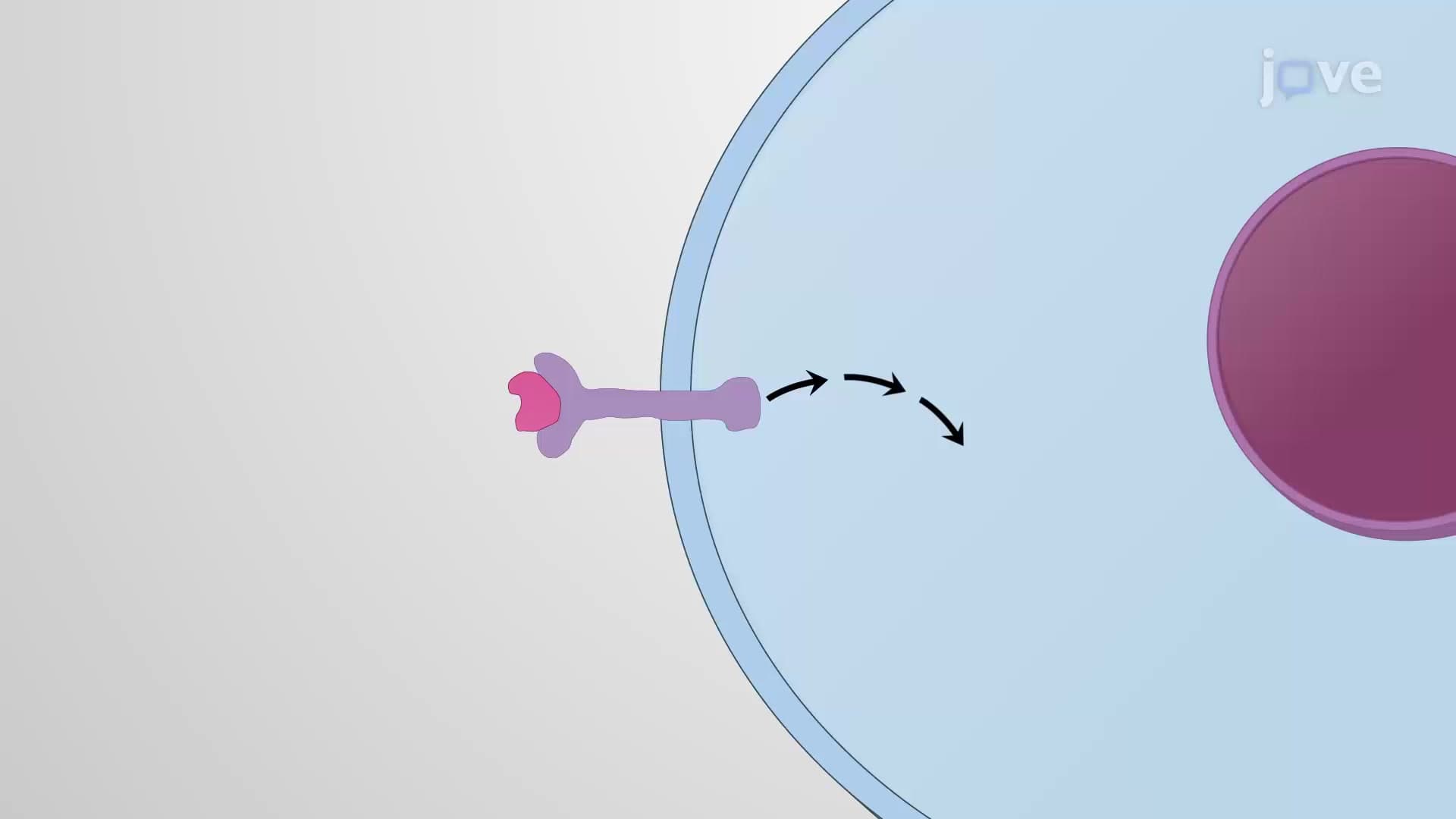

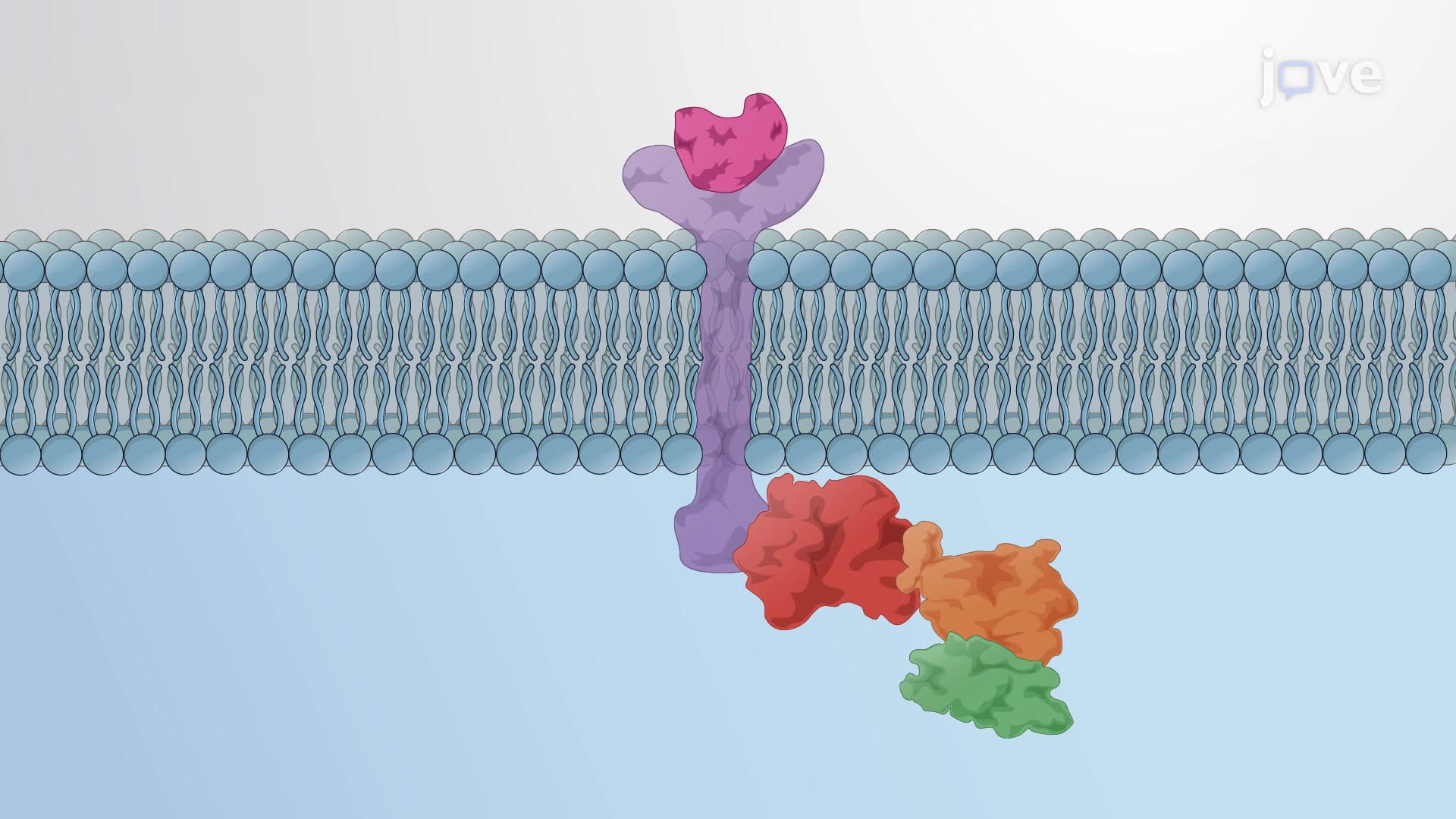
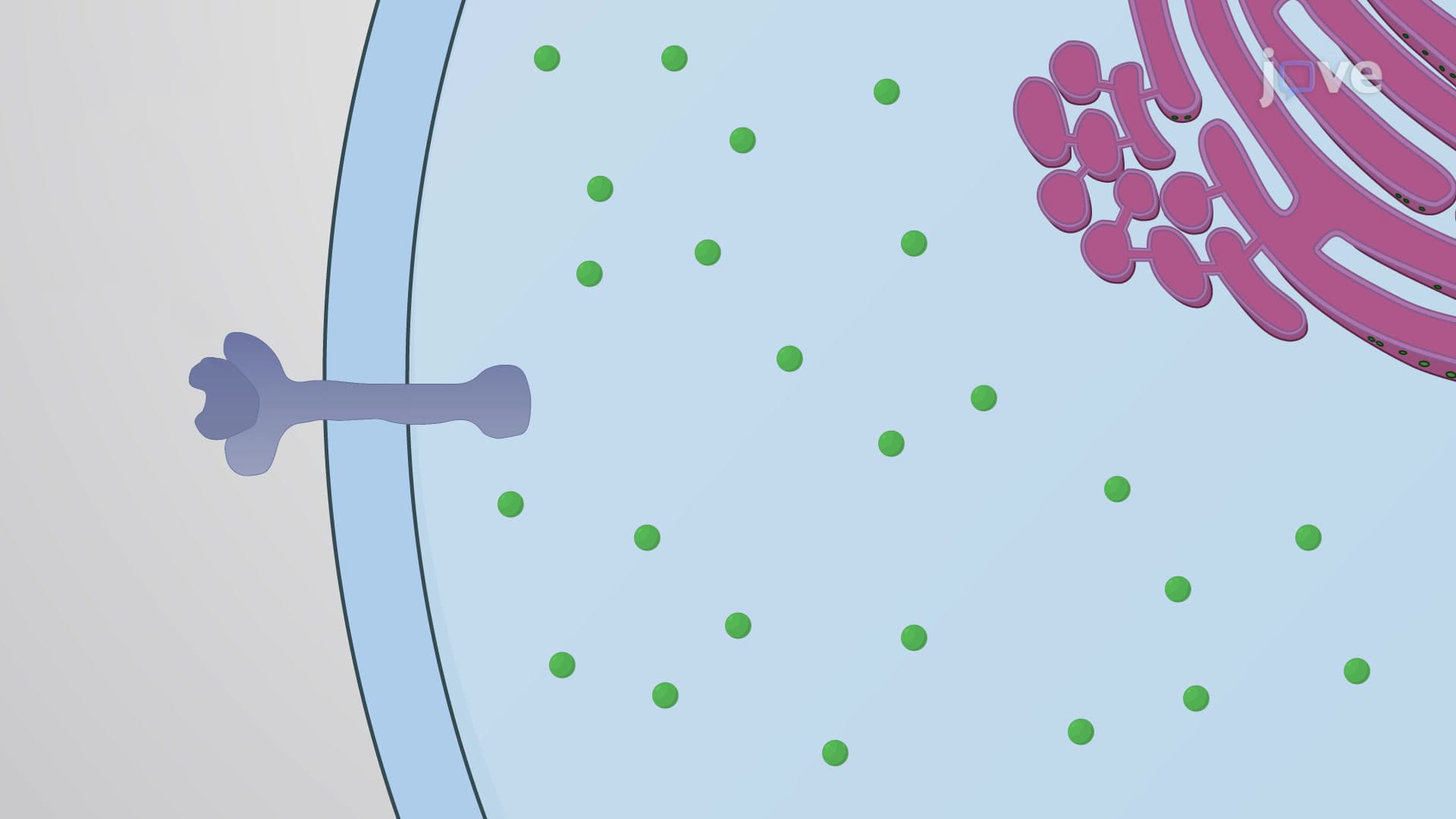
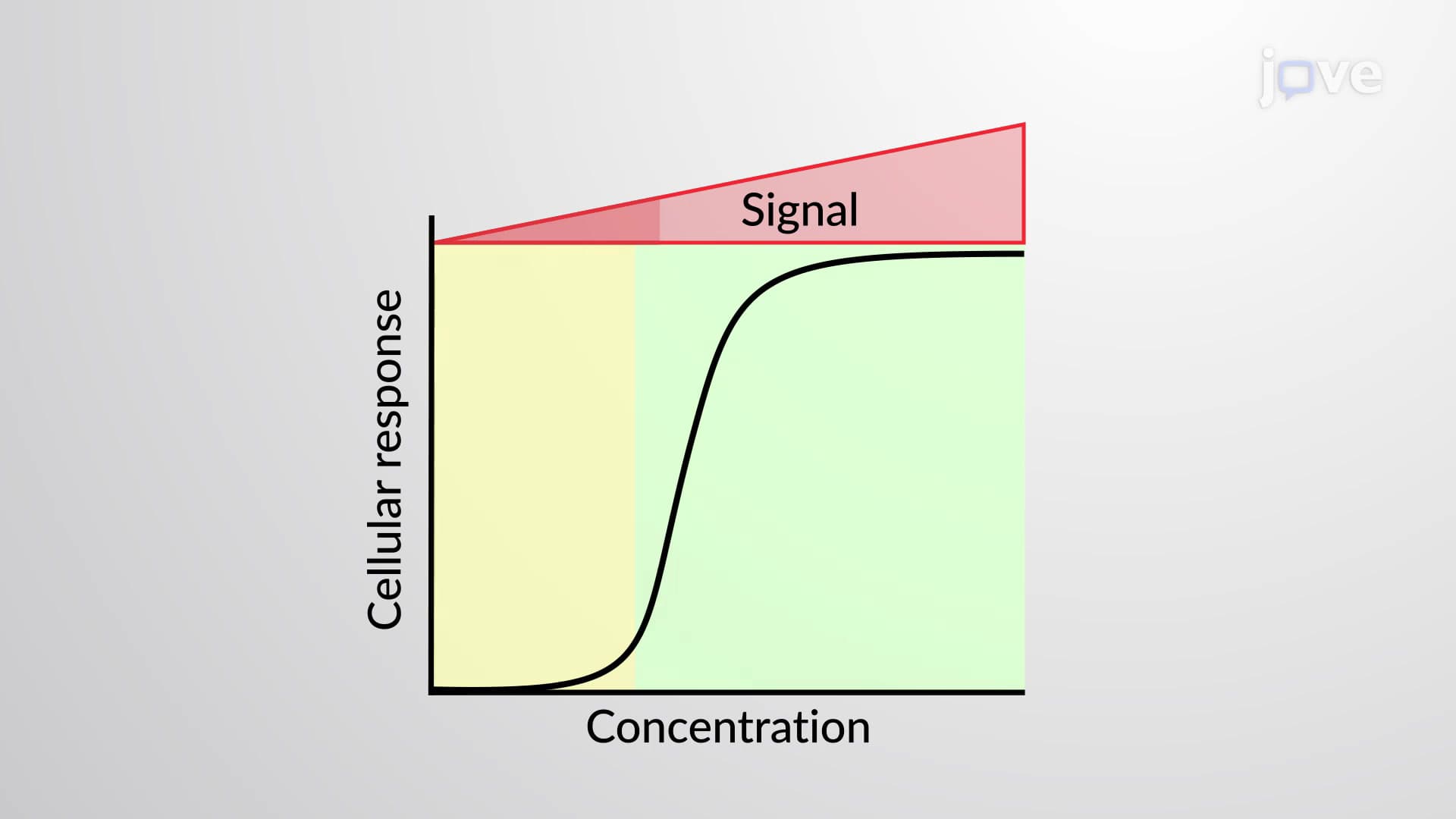
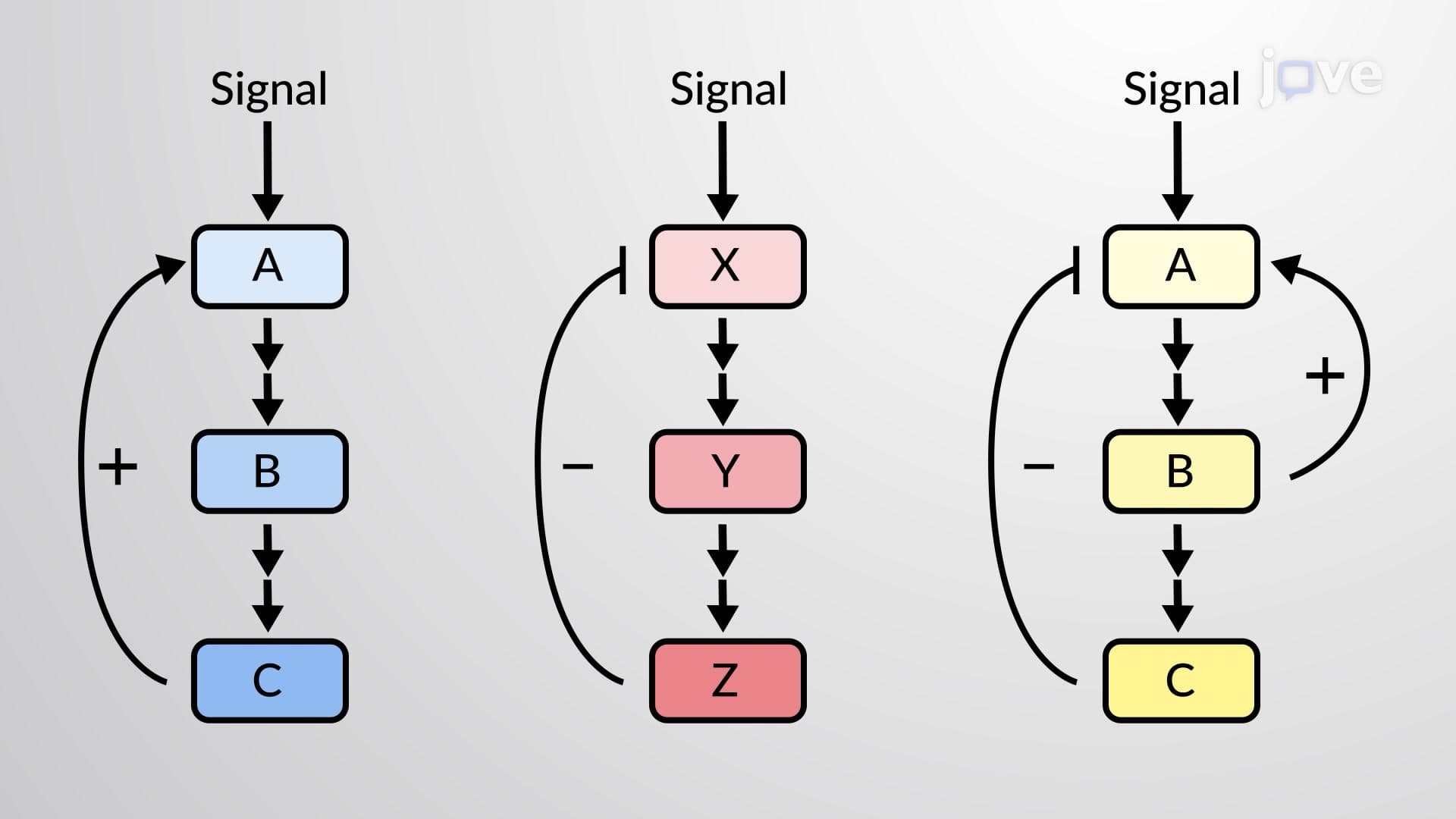
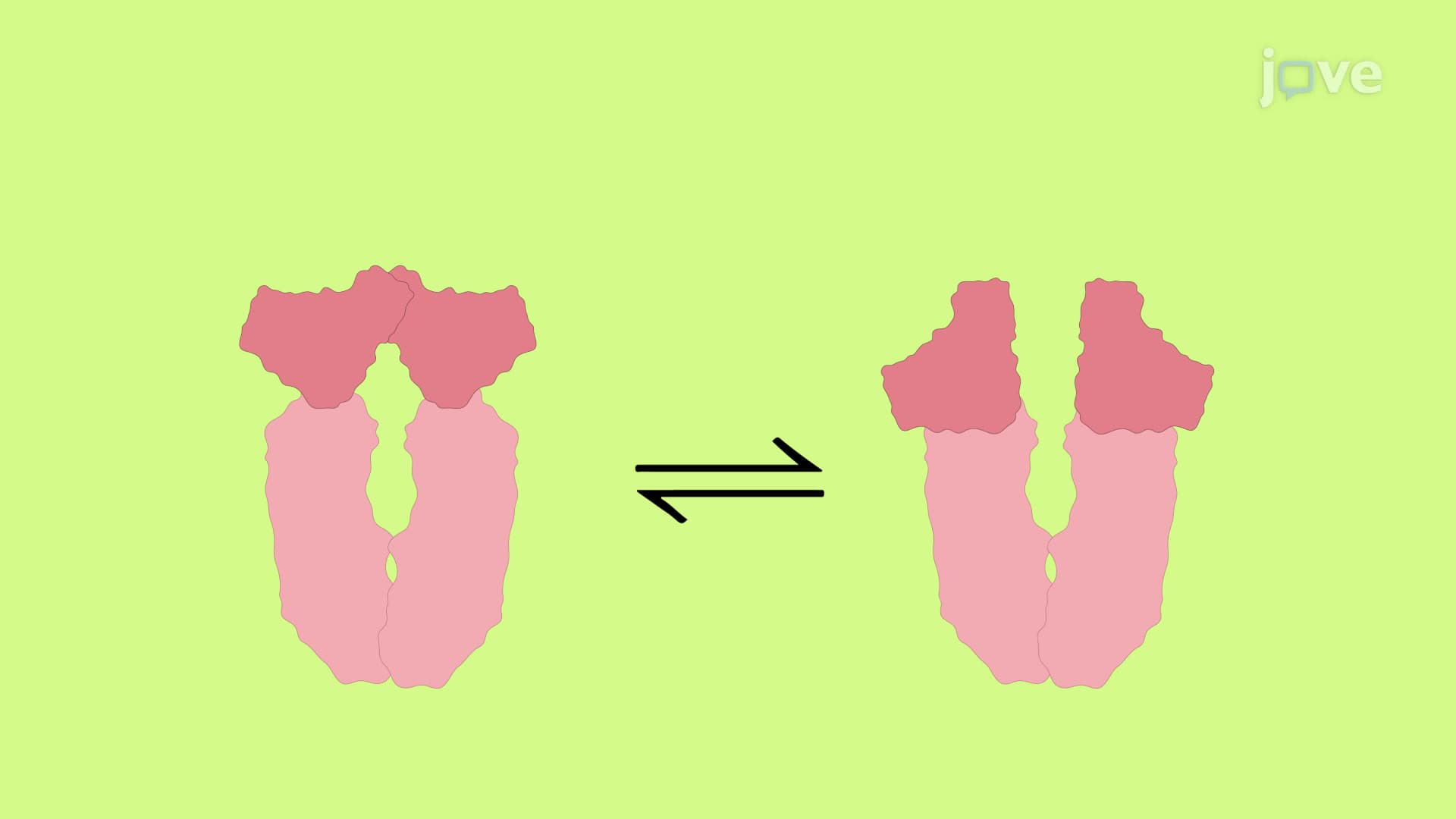
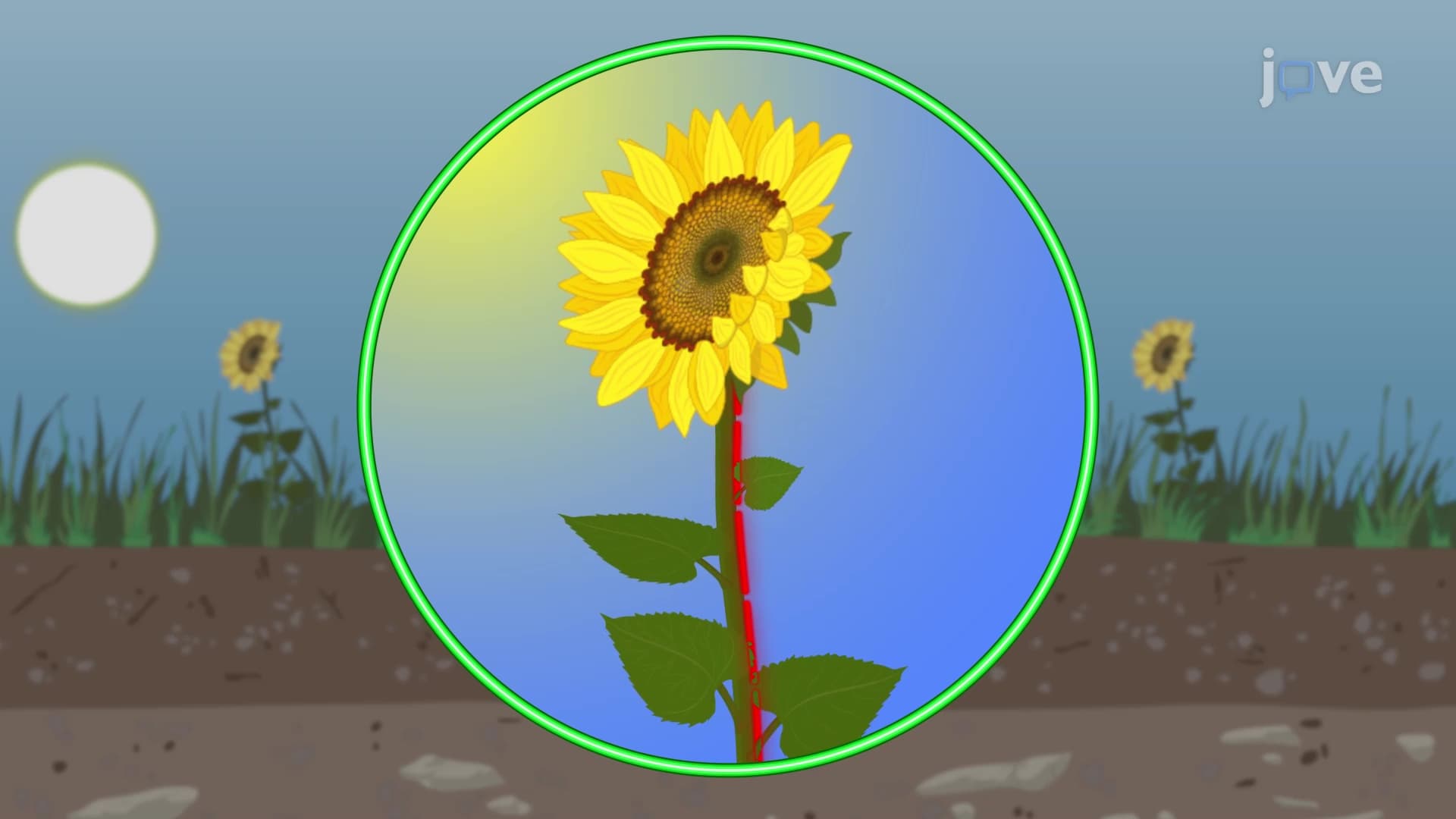
Interactions Between Signaling Pathways

00:00
01:19
Video Summary: What are Interactions Between Signaling Pathways
Ever wonder how your smartphone coordinates multiple apps running simultaneously? Similarly, interactions between signaling pathways allow cells to process multiple signals at once, creating sophisticated cellular responses. When you exercise, insulin and growth hormone pathways interact to regulate both glucose uptake and muscle protein synthesis in your skeletal muscle cells. Understanding what are interactions between signaling pathways reveals how cells achieve remarkable coordination and specificity in their responses to environmental changes. Watch the full video on JoVE Coach to master this concept with expert-led visuals and step-by-step explanations.
- Understand what are interactions between signaling pathways and how they enable cellular coordination
- Identify the three main types of pathway interactions: convergence, divergence, and crosstalk
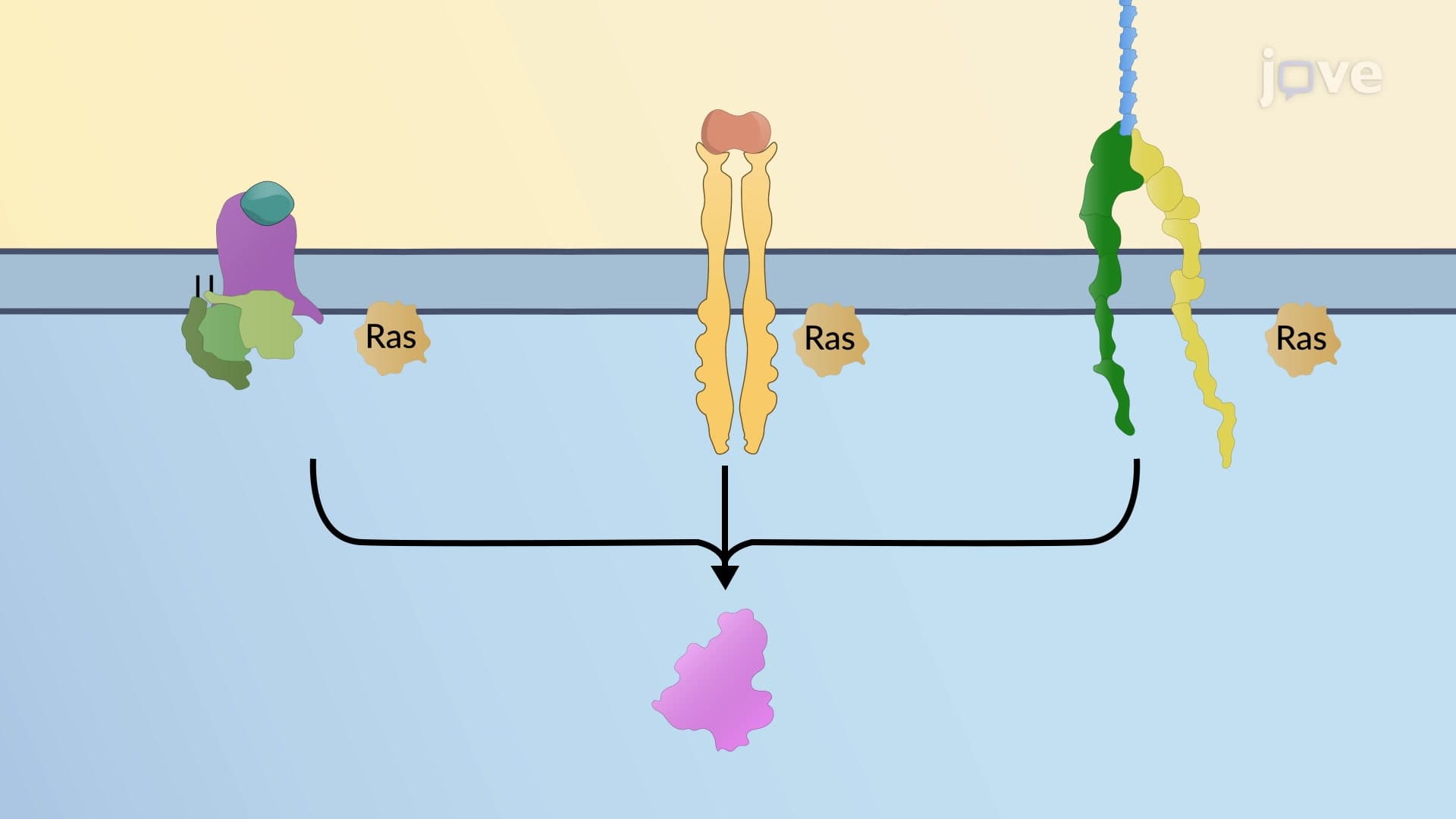
- Analyze how signal convergence allows multiple receptors to activate common downstream effectors
- Compare divergent signaling patterns where single receptors trigger multiple pathways
- Evaluate crosstalk mechanisms that involve shared molecules or enzymatic modifications between pathways
- Apply knowledge of MAP kinase and cAMP pathway interactions to predict cellular outcomes
- Recognize real-world examples of pathway interactions in insulin signaling and stress responses
- Explore how pathway dysfunction contributes to diseases like diabetes and cancer
Understanding What are Interactions Between Signaling Pathways
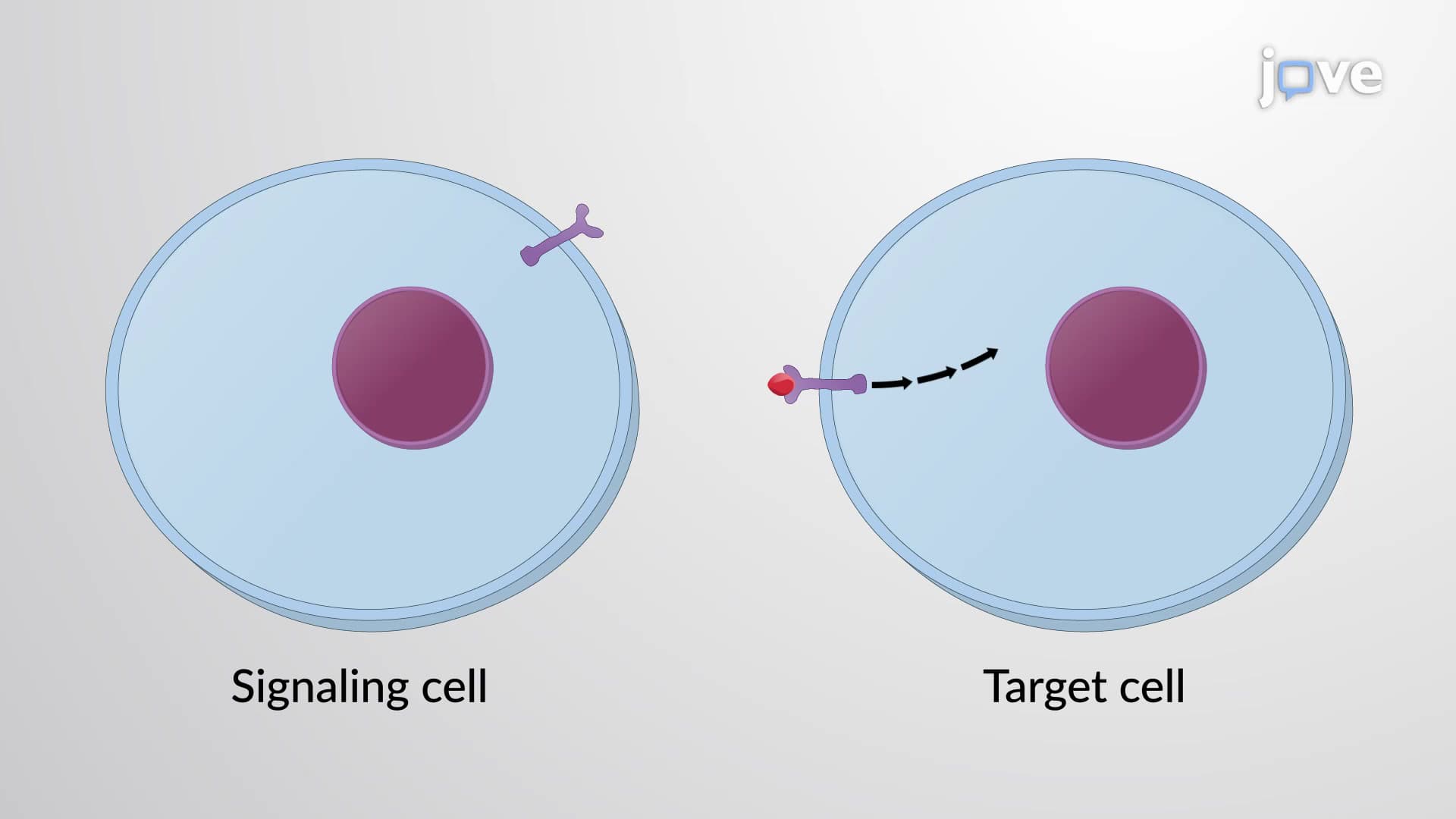
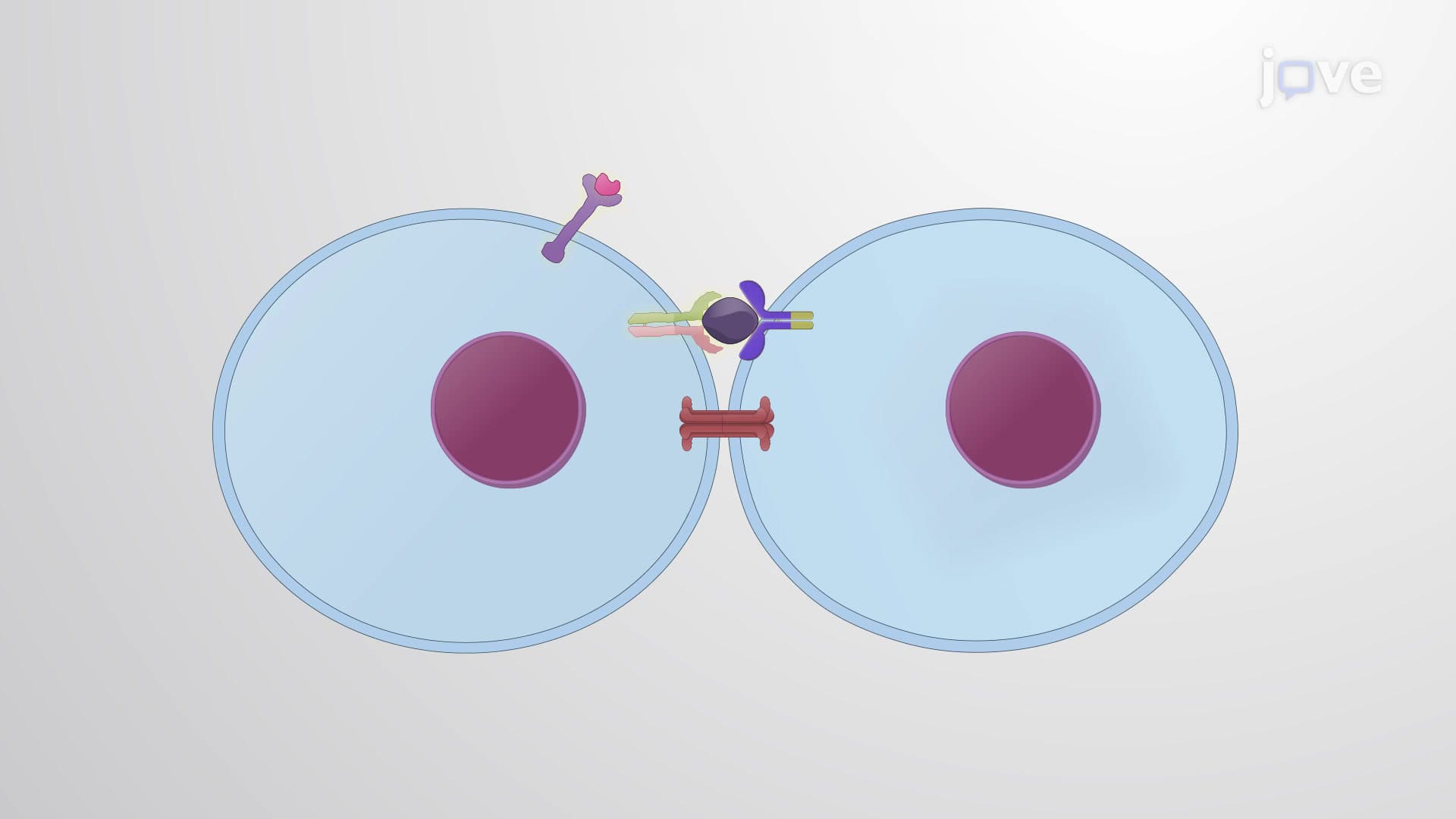
Interactions between signaling pathways represent one of the most sophisticated aspects of cellular communication. Rather than operating in isolation, signaling pathways form interconnected networks that allow cells to integrate multiple environmental cues and generate appropriate responses. This integration is essential for maintaining cellular homeostasis and coordinating complex biological processes.
Signal Convergence: Multiple Inputs, Single Output
Signal convergence occurs when different receptor types activate the same downstream pathway. The MAP kinase pathway exemplifies this concept perfectly. Whether stimulated by growth factors through tyrosine kinase receptors, stress signals through G-protein coupled receptors, or mechanical forces through integrins, all these diverse inputs can converge on Raf kinase activation. This convergence allows cells to integrate multiple environmental signals into a unified response, much like how different traffic routes converge onto a single highway.
In medical contexts, understanding convergence helps explain drug mechanisms. Many cancer therapeutics target the MAP kinase pathway precisely because multiple oncogenic signals converge here, making it an effective therapeutic bottleneck.
Signal Divergence: Single Input, Multiple Outputs
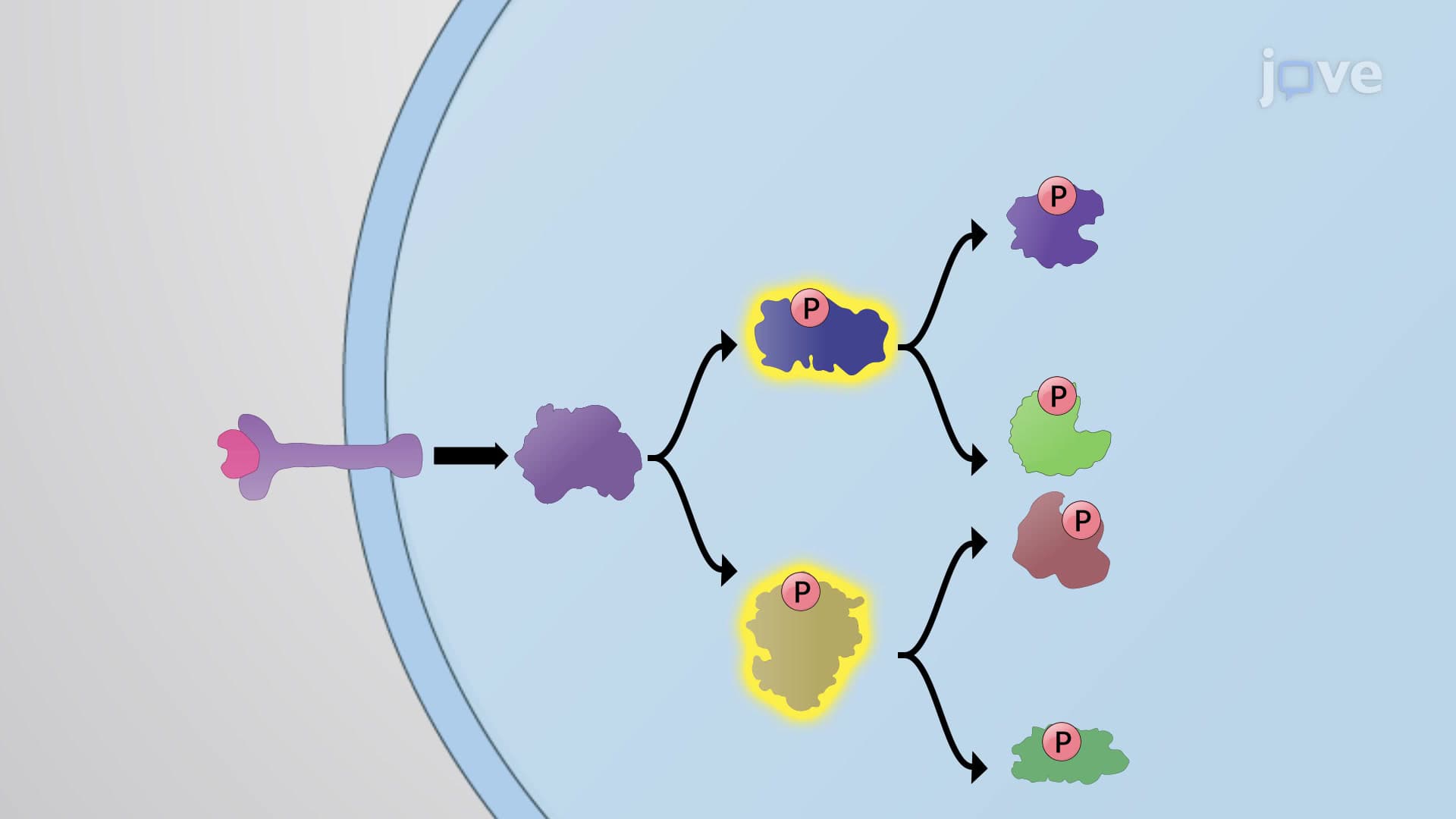
Divergent signaling demonstrates how one signal can trigger multiple cellular responses simultaneously. Insulin signaling provides an excellent example relevant to students studying for the MCAT or AP Biology. When insulin binds its receptor, the signal diverges into at least two major pathways: the PI3K pathway (promoting glucose uptake) and the Ras pathway (stimulating cell growth). This divergence explains how insulin simultaneously addresses immediate energy needs while promoting long-term cellular maintenance.
Pathway Crosstalk: Interconnected Communication Networks
Crosstalk represents the most complex form of pathway interaction, where molecules from different pathways directly influence each other. The interaction between cAMP and MAP kinase pathways illustrates this beautifully. Protein kinase A (PKA) from the cAMP pathway can phosphorylate and inhibit Raf in the MAP kinase pathway, creating a regulatory switch that prevents conflicting cellular responses.
This concept frequently appears on college biochemistry exams because it demonstrates how cells avoid contradictory signals. For instance, when stress hormones activate cAMP signaling to mobilize energy stores, PKA simultaneously blocks growth-promoting MAP kinase signaling, ensuring resources focus on immediate survival rather than long-term growth.
Understanding these interactions proves crucial for students pursuing healthcare careers, as many diseases result from disrupted pathway communications rather than single pathway failures.
Frequently Asked Questions
Interactions between signaling pathways are the ways cellular communication networks connect and influence each other to coordinate complex cellular responses. They matter because they allow cells to integrate multiple environmental signals, avoid conflicting responses, and maintain proper cellular function. Without these interactions, cells would respond chaotically to multiple simultaneous signals, leading to cellular dysfunction and disease.
The three main types are convergence (multiple pathways activating the same target), divergence (one pathway splitting into multiple branches), and crosstalk (pathways sharing molecules or regulatory connections). Each type serves different cellular coordination needs. Understanding these distinctions helps students analyze how cells process complex environmental information.
These concepts frequently appear as data interpretation questions showing pathway diagrams or experimental results. Students might analyze how blocking one pathway affects others, or predict cellular responses to multiple simultaneous signals. Practice identifying convergence points, divergence patterns, and crosstalk mechanisms in sample pathway diagrams. Focus on understanding functional consequences rather than memorizing every molecular detail.
Diabetes provides an excellent example where insulin pathway interactions become disrupted. In healthy individuals, insulin signaling diverges to control both glucose uptake and cell growth, while also cross-talking with stress hormone pathways to maintain metabolic balance. In diabetes, these interactions become dysregulated, leading to poor glucose control and increased cardiovascular disease risk through altered pathway crosstalk.
Not at all! While the molecular details can be complex, the basic concepts mirror everyday coordination systems students already understand. Think of pathway interactions like a smartphone coordinating multiple apps, or a traffic control system managing multiple roads. Starting with these analogies makes the cellular concepts much more accessible and relatable.
Create visual diagrams showing how pathways connect, and practice predicting what happens when specific components are blocked or overactivated. Use concept mapping to link different interaction types with their biological functions. Focus on understanding the logic behind interactions rather than memorizing every molecular name. Work through practice problems that require applying interaction concepts to new scenarios.
Cells use several regulatory mechanisms including compartmentalization (keeping pathways in different cellular locations), temporal control (activating pathways at different times), and feedback loops (allowing pathways to self-regulate). These mechanisms ensure that pathway interactions enhance rather than disrupt cellular coordination. Understanding these control systems helps explain how cellular communication remains organized despite incredible complexity.
Related Micro-courses