Loading video…


 12 Concepts
 147.8K views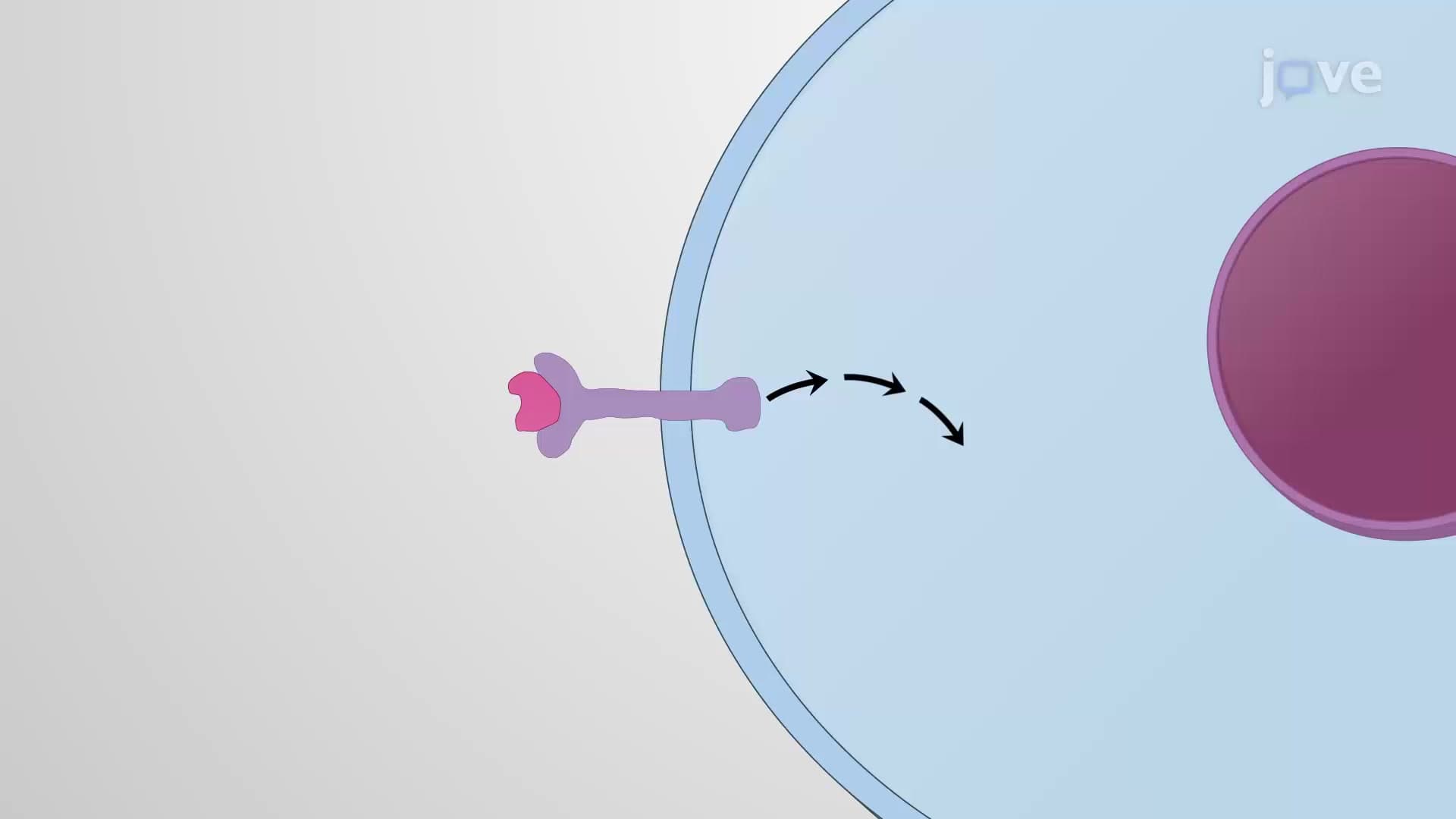

Video Summary: What are Types of Receptors Cell
Ever wonder how your muscle contracts when your brain tells it to move, or how insulin helps your cells absorb glucose after eating? The types of receptors cell make these life-sustaining processes possible by acting as molecular gatekeepers on cell surfaces. From the rapid response of ion channels during nerve transmission to the complex signaling of G-protein coupled receptors in hormone regulation, understanding what are types of receptors cell reveals the fundamental mechanisms behind everything from your heartbeat to immune responses. Watch the full video on JoVE Coach to master this concept with expert-led visuals and step-by-step explanations.
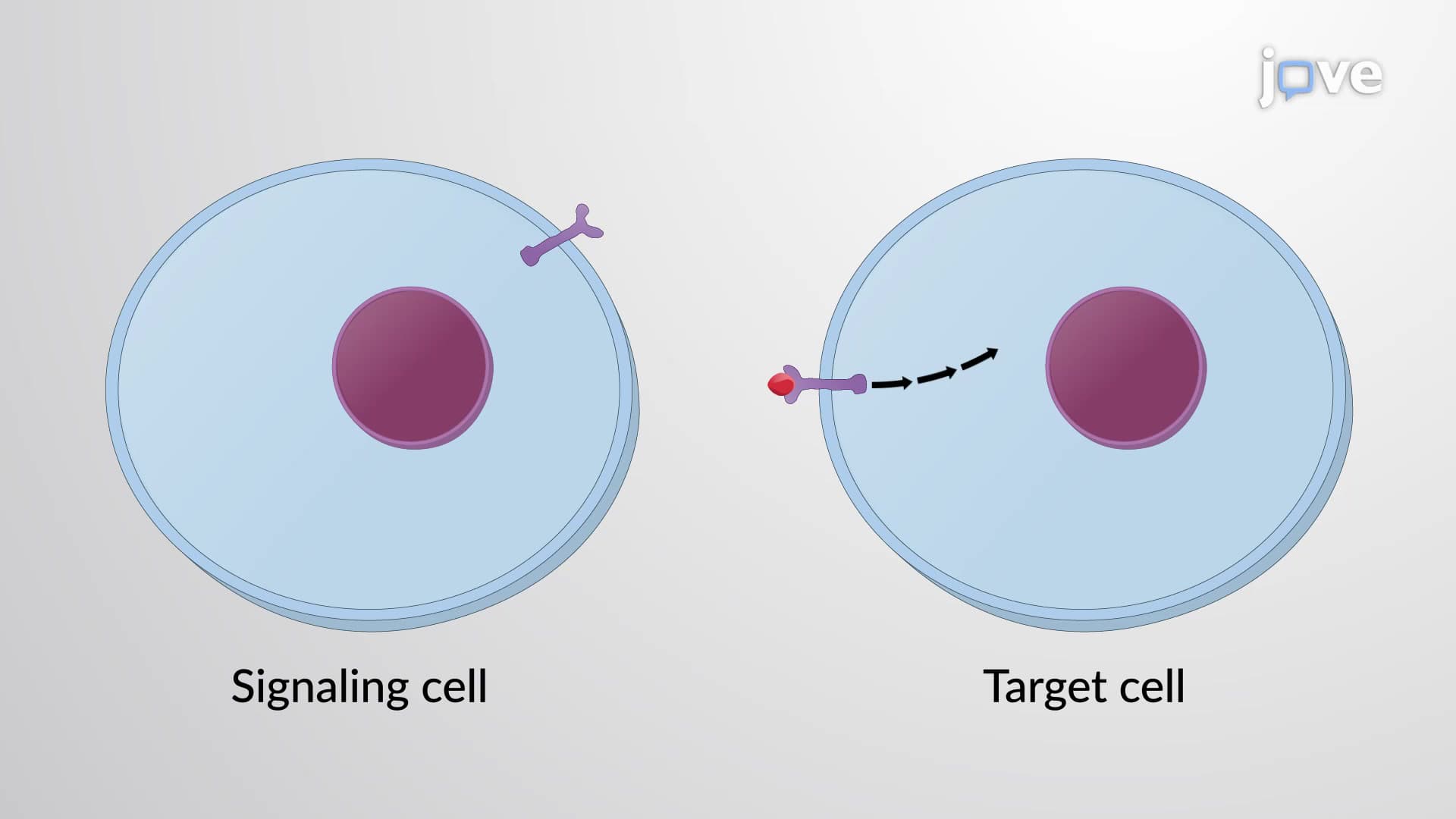
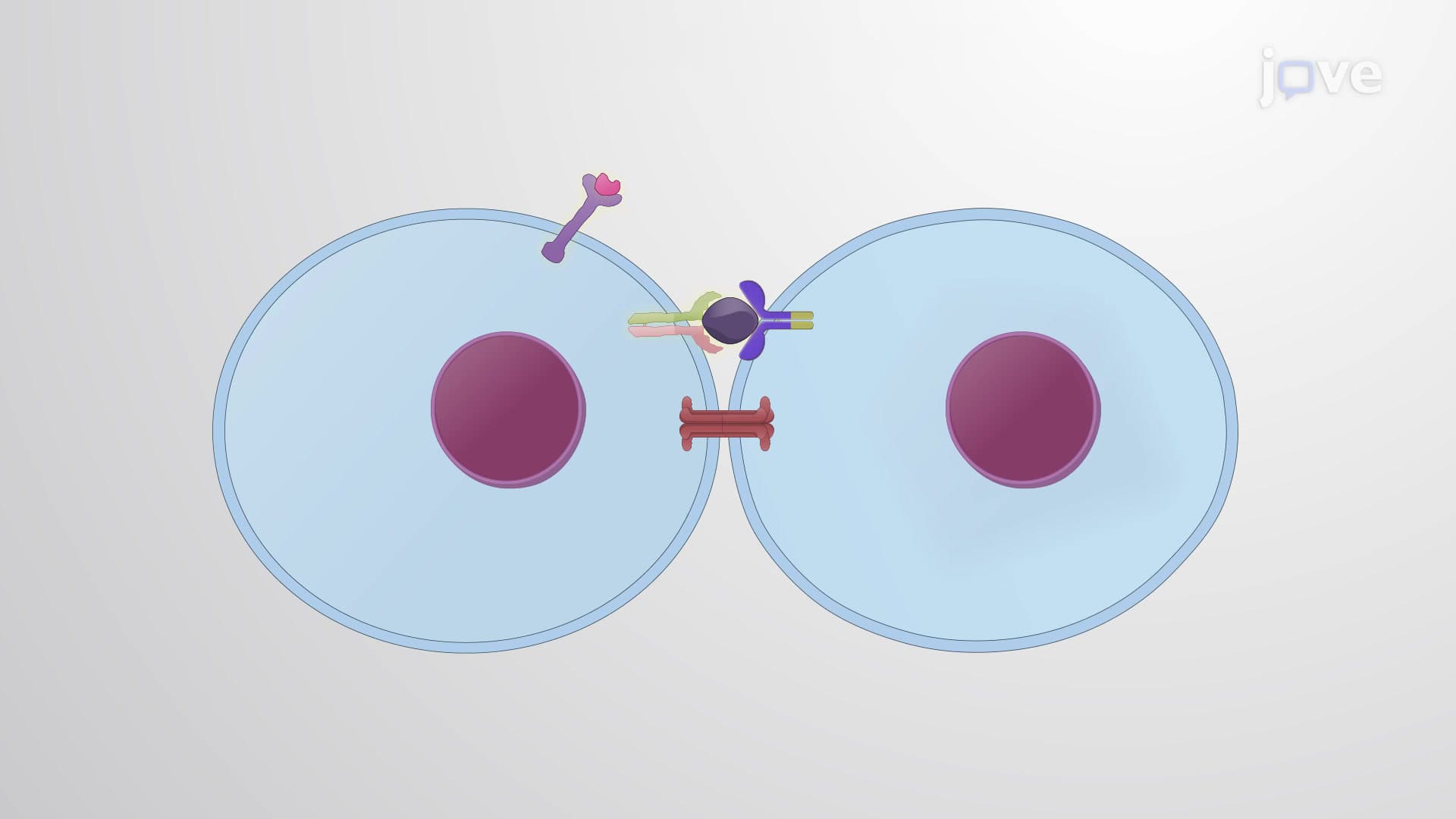
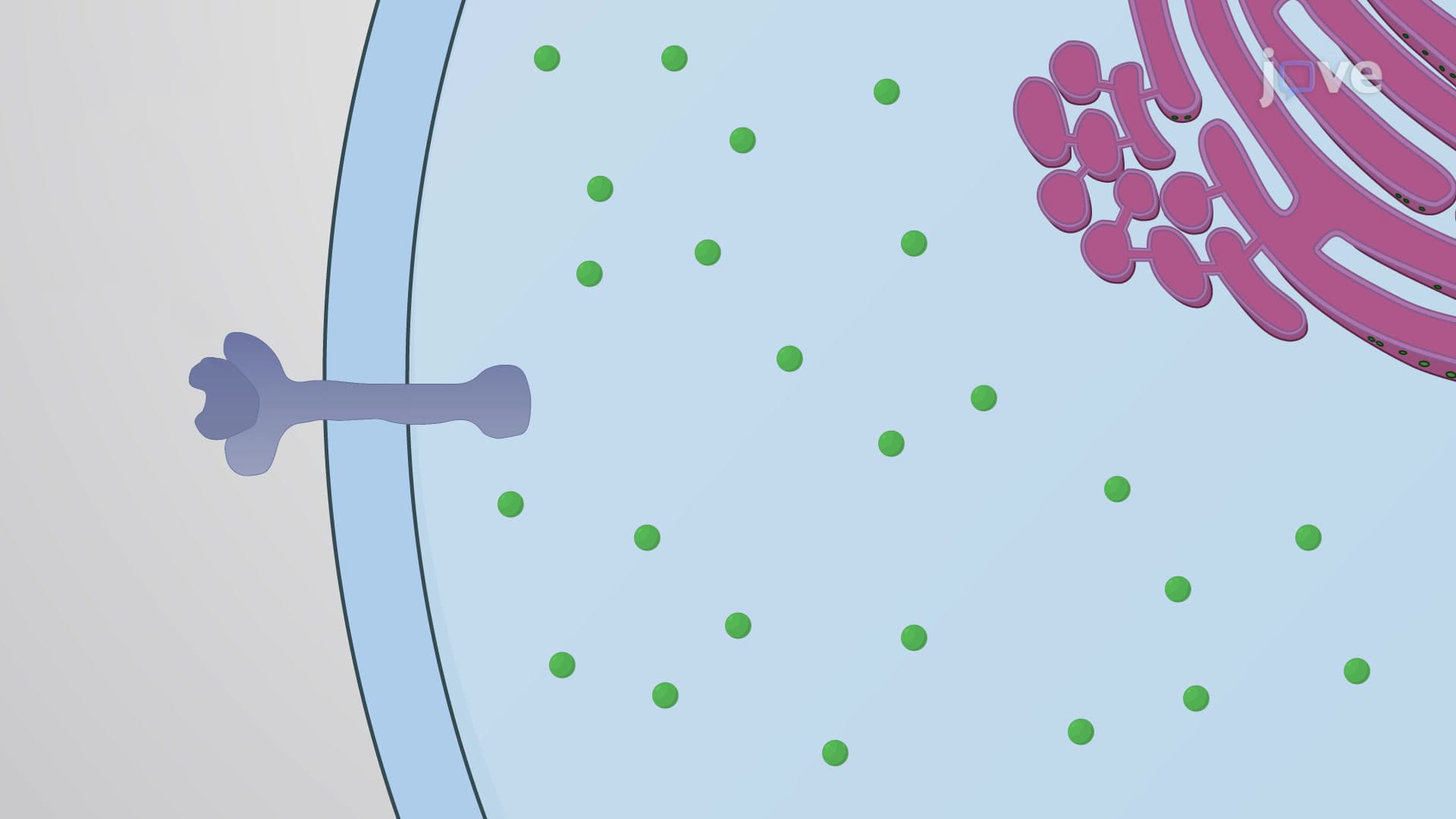
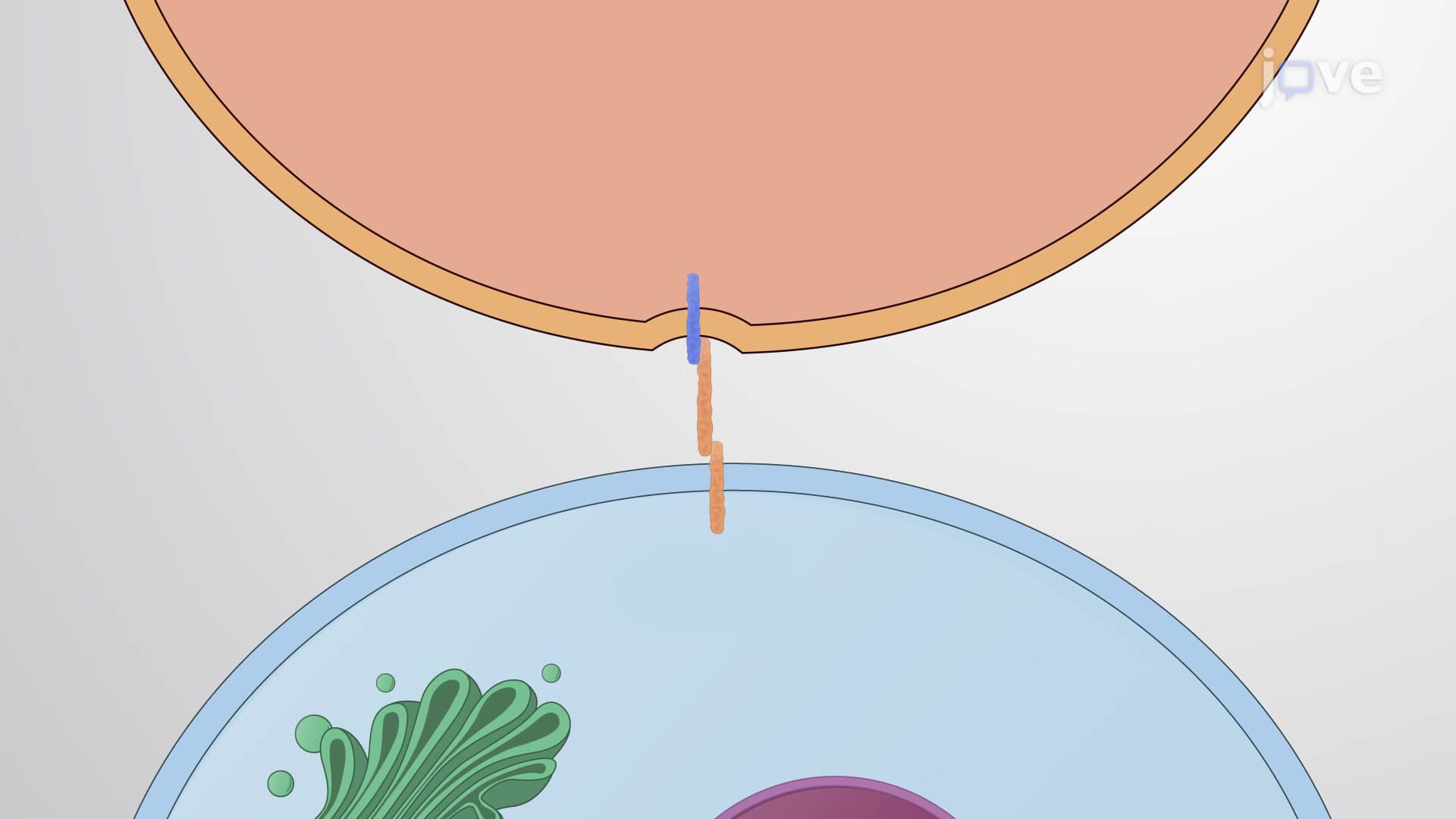
Cell surface receptors represent one of biology's most elegant solutions to intercellular communication. These transmembrane proteins function as sophisticated molecular switches, translating extracellular signals into intracellular responses that coordinate everything from muscle contraction to immune responses. For students preparing for the MCAT or AP Biology exams, mastering the types of receptors cell provides crucial insight into how multicellular organisms maintain homeostasis and respond to environmental changes.
Ion channel receptors excel at speed, making them perfect for processes requiring millisecond responses like nerve transmission. Ligand-gated ion channels open when specific molecules bind to them-imagine acetylcholine binding to nicotinic receptors at neuromuscular junctions, triggering muscle contraction. The FDA-approved drug varenicline (Chantix) targets these same nicotinic receptors to help patients quit smoking by partially blocking nicotine's effects.
Voltage-gated ion channels respond to electrical changes across membranes. Sodium channels in nerve cells open when membrane potential reaches approximately -55mV, creating the action potentials that travel along neurons. Local anesthetics like lidocaine work by blocking these voltage-gated sodium channels, preventing pain signals from reaching the brain.
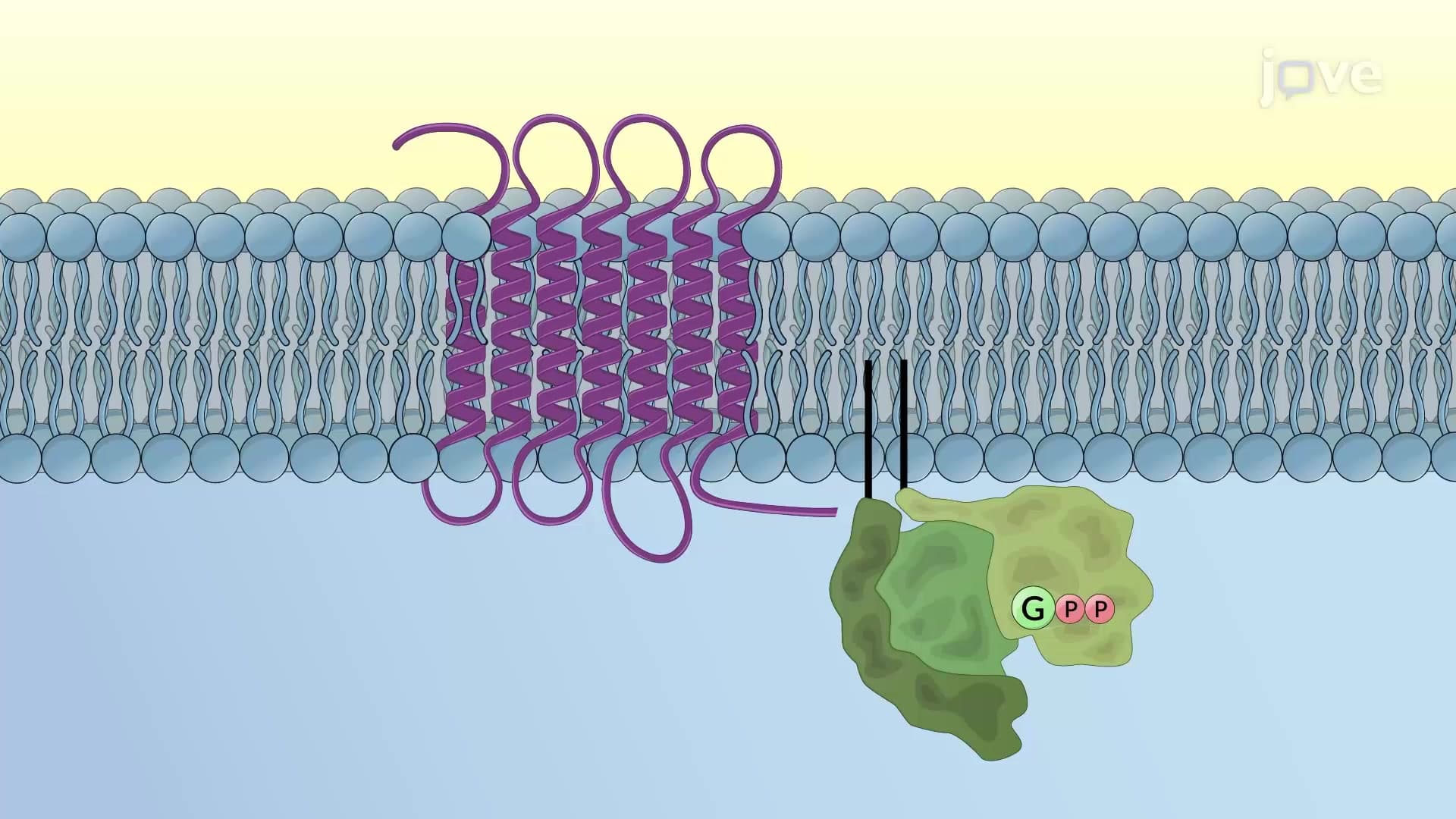
GPCRs represent the largest family of cell surface receptors and serve as targets for nearly 40% of all prescription medications. When a hormone like epinephrine binds to a beta-adrenergic receptor during stress, it triggers GDP-to-GTP exchange in the associated G-protein's alpha subunit. This causes the alpha subunit to separate from the beta-gamma complex, both then activating downstream effectors like adenylyl cyclase.
This mechanism underlies many common medications: beta-blockers like propranolol treat hypertension by blocking epinephrine's binding to cardiac GPCRs, while antihistamines like Benadryl block histamine binding to H1 receptors during allergic reactions.
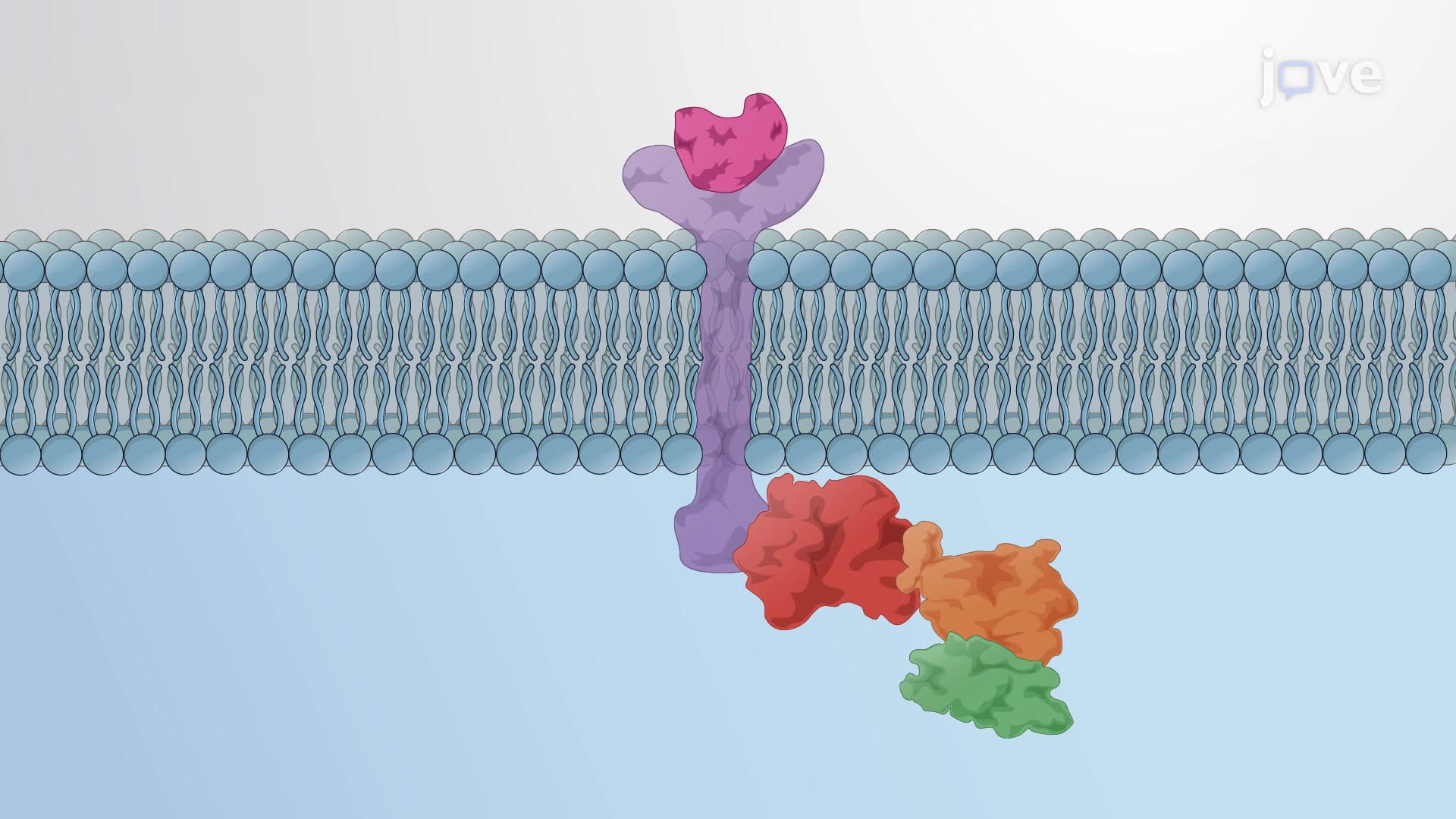
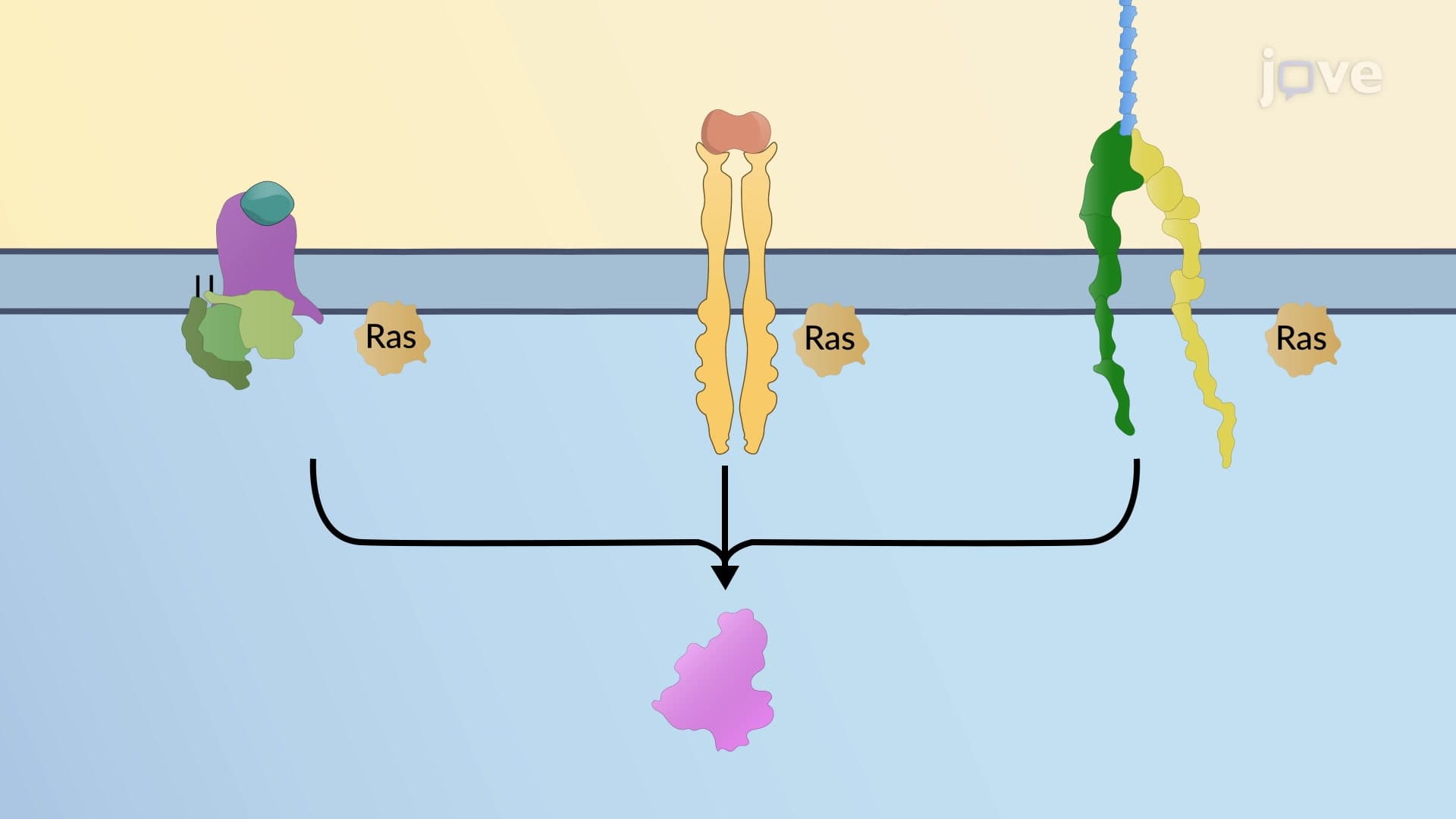
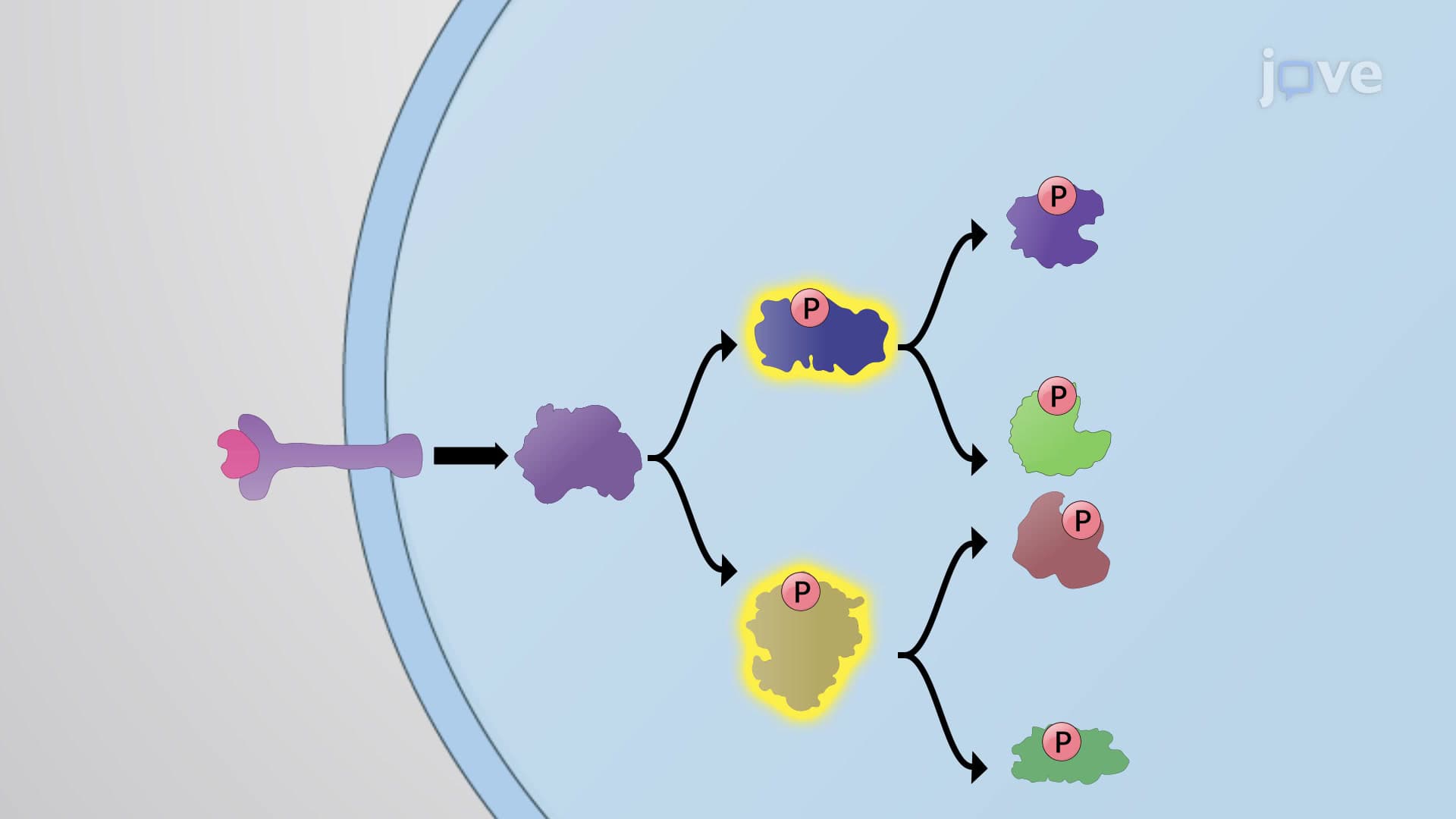
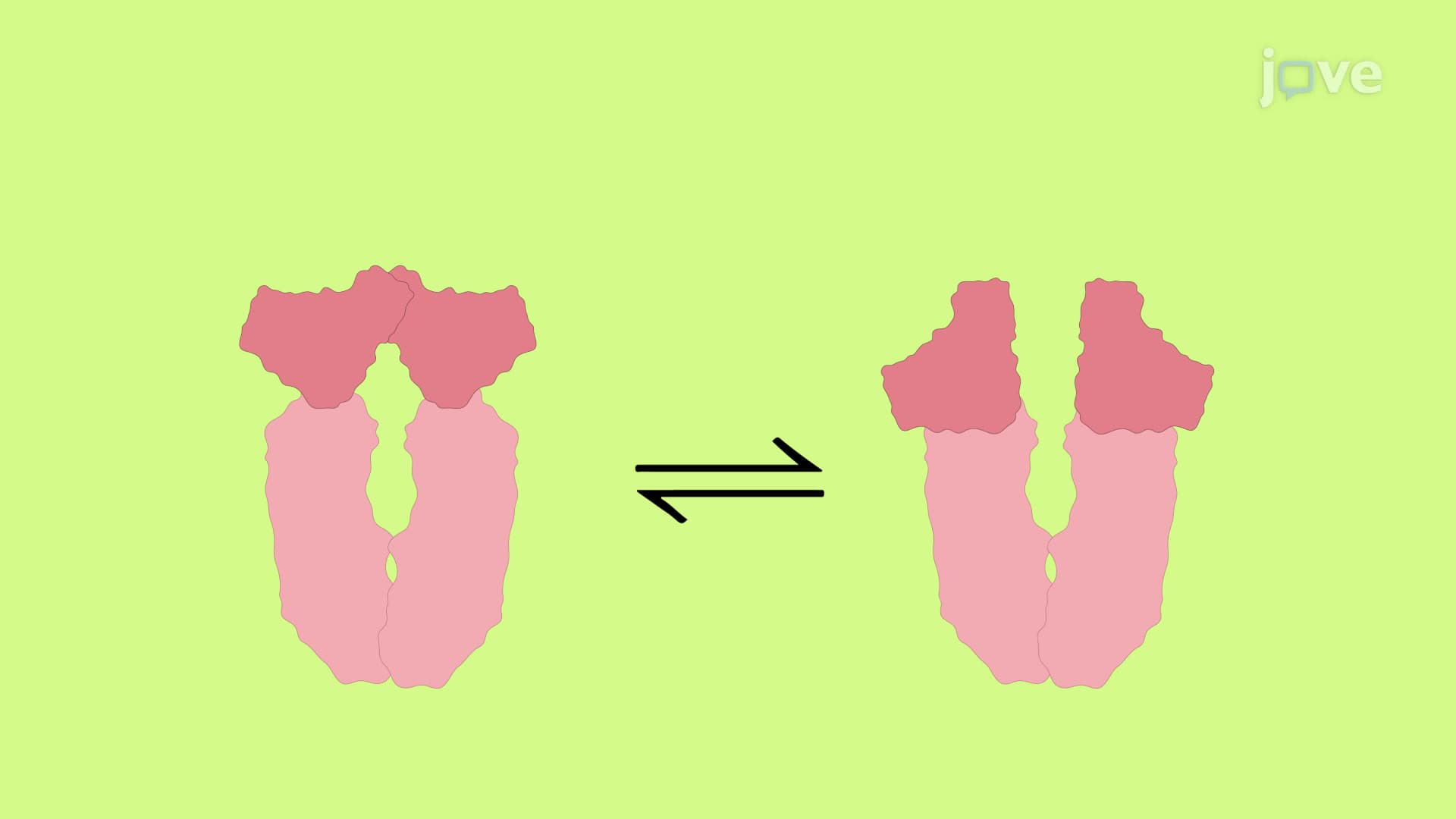
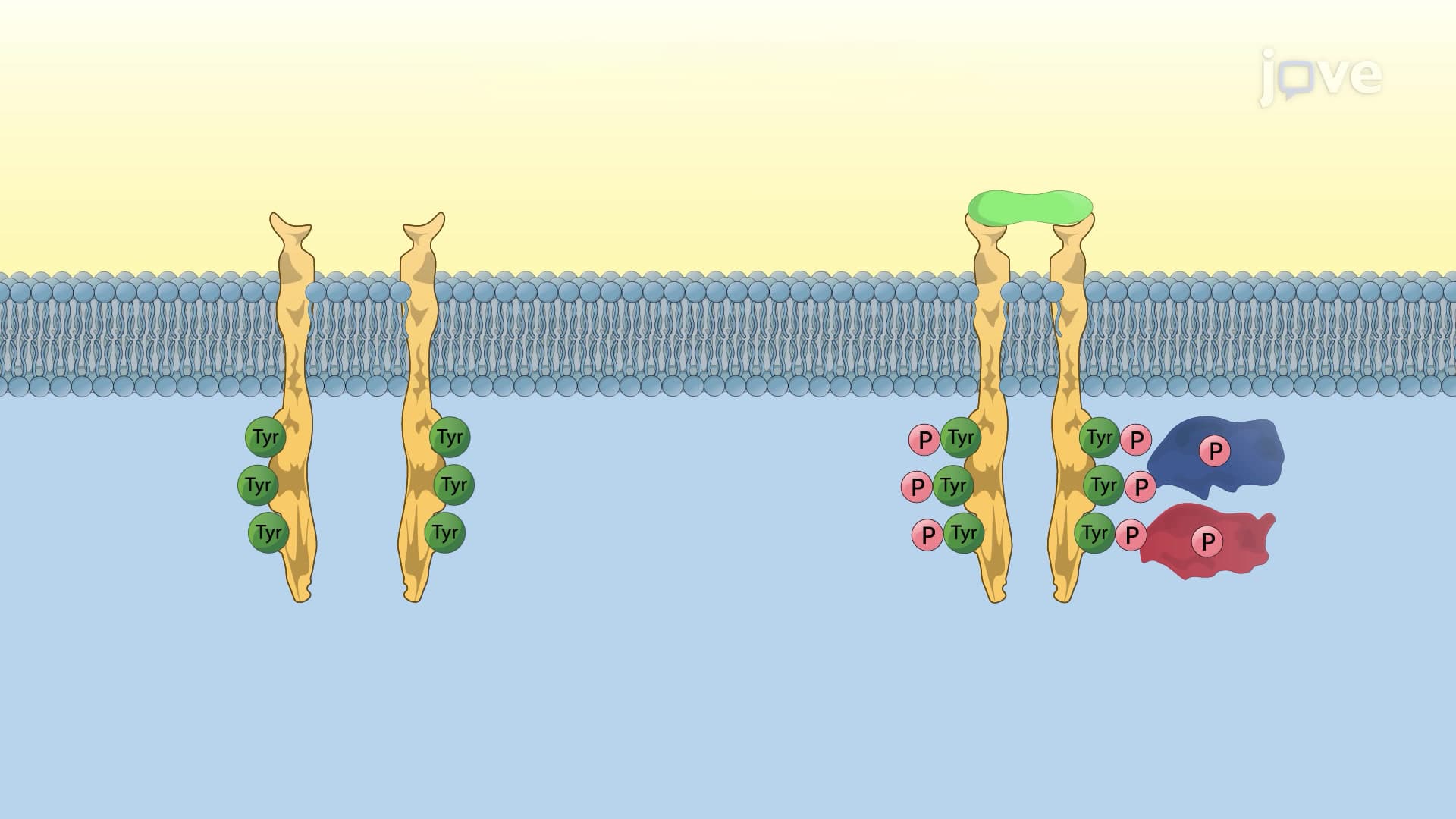
Enzyme-linked receptors, particularly receptor tyrosine kinases (RTKs), control cell growth, differentiation, and survival. When growth factors like insulin bind to their receptors, receptor dimerization occurs, activating the cytoplasmic kinase domains. This triggers phosphorylation cascades affecting gene expression and metabolism.
Understanding RTK dysfunction helps explain cancer development-mutated growth factor receptors can signal continuously for cell division. Targeted cancer therapies like trastuzumab (Herceptin) work by blocking overactive HER2 receptors in certain breast cancers, demonstrating the clinical relevance of receptor biology.
Related Micro-courses