Loading video…


 12 Concepts
 147.8K views

Video Summary: What are Types of Receptors Internal
Did you know that testosterone can completely change which genes your cells express? The types of receptors internal work like molecular switches inside cells, binding hormones and other signaling molecules to control everything from muscle development to brain function. Unlike surface receptors, these internal receptors operate within the cytoplasm or nucleus, directly influencing DNA activity. For instance, when anabolic steroids bind to androgen receptors in muscle cells, they trigger the production of proteins that build muscle mass. Watch the full video on JoVE Coach to master this concept with expert-led visuals and step-by-step explanations.
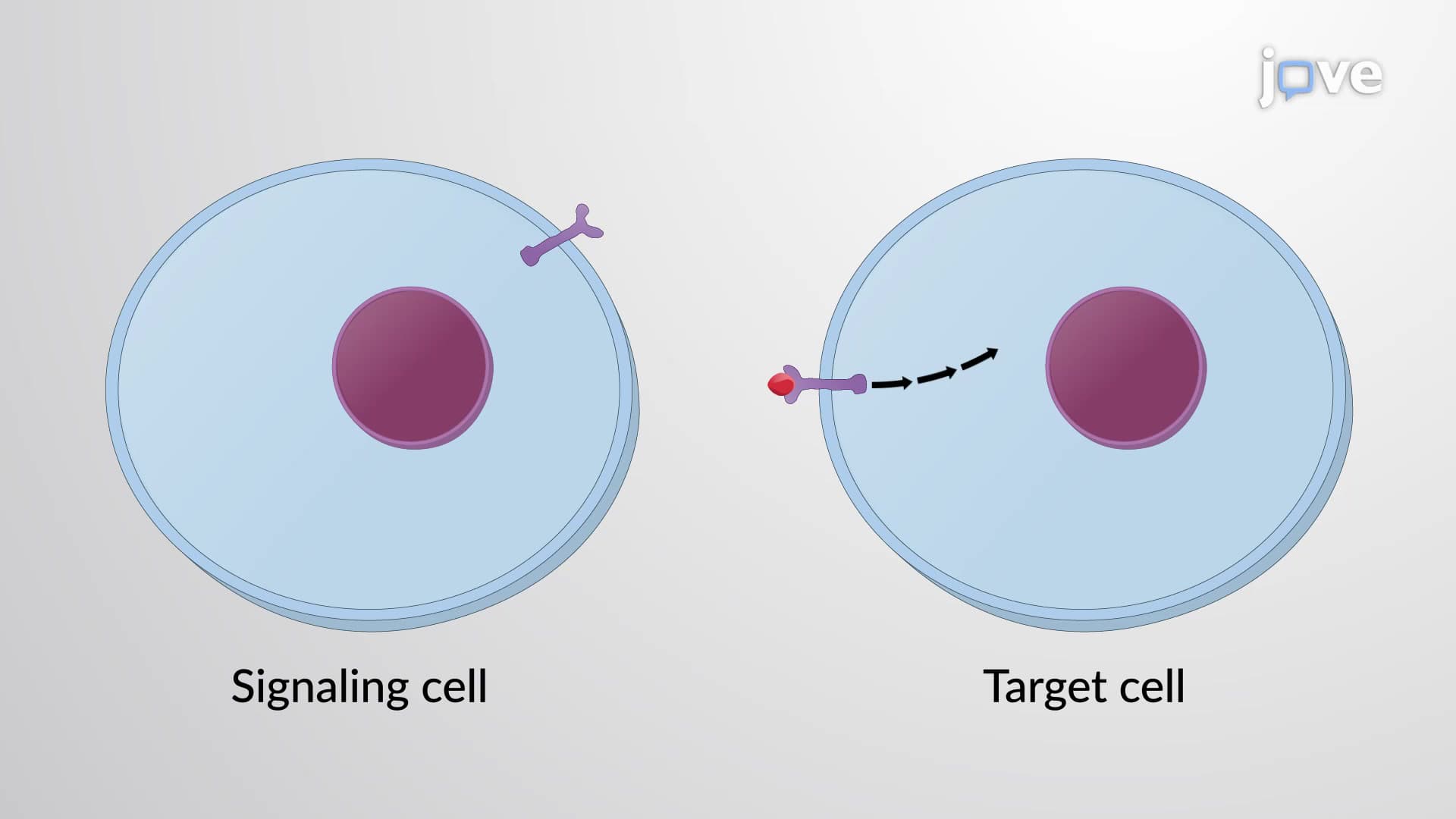
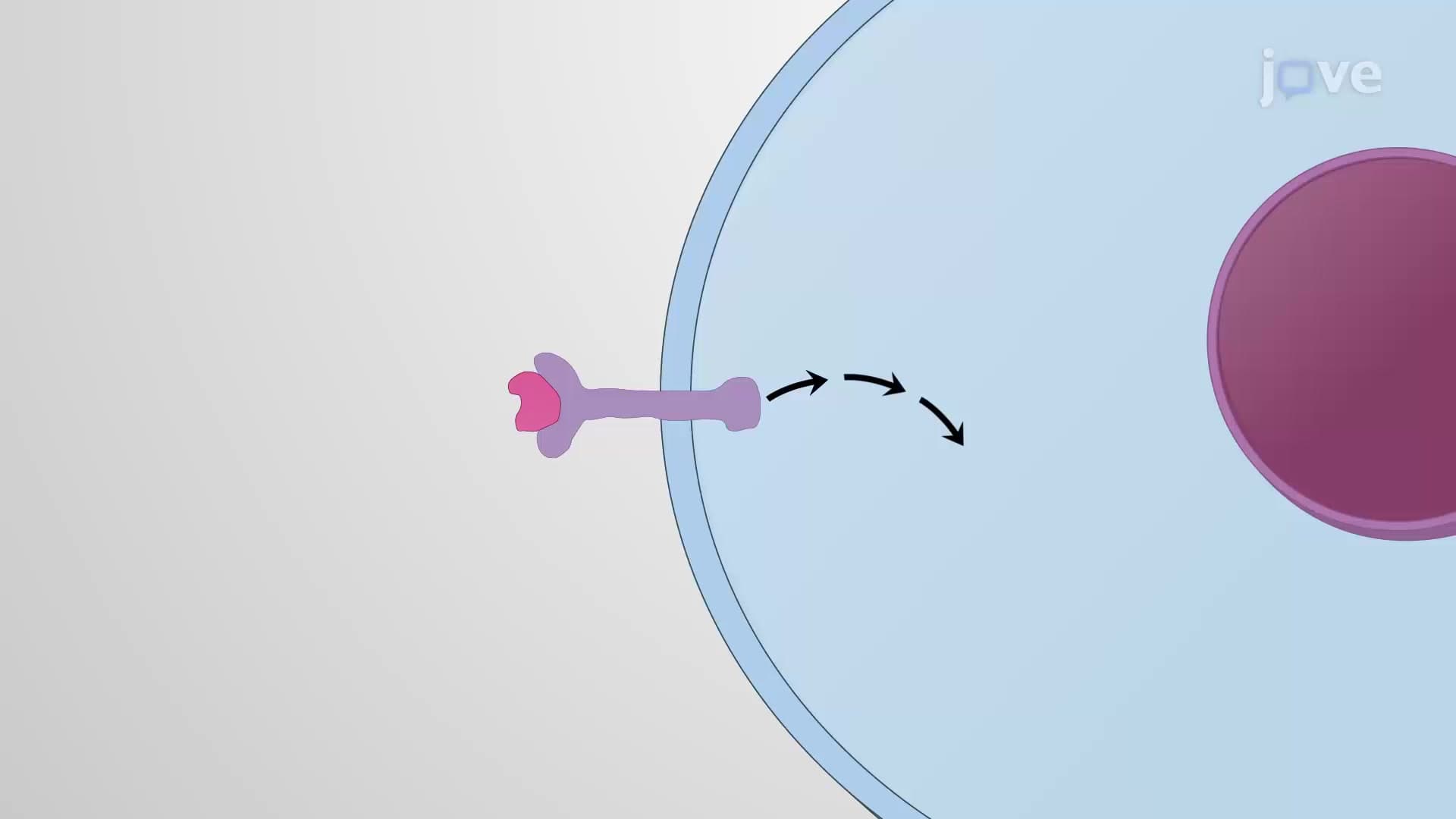
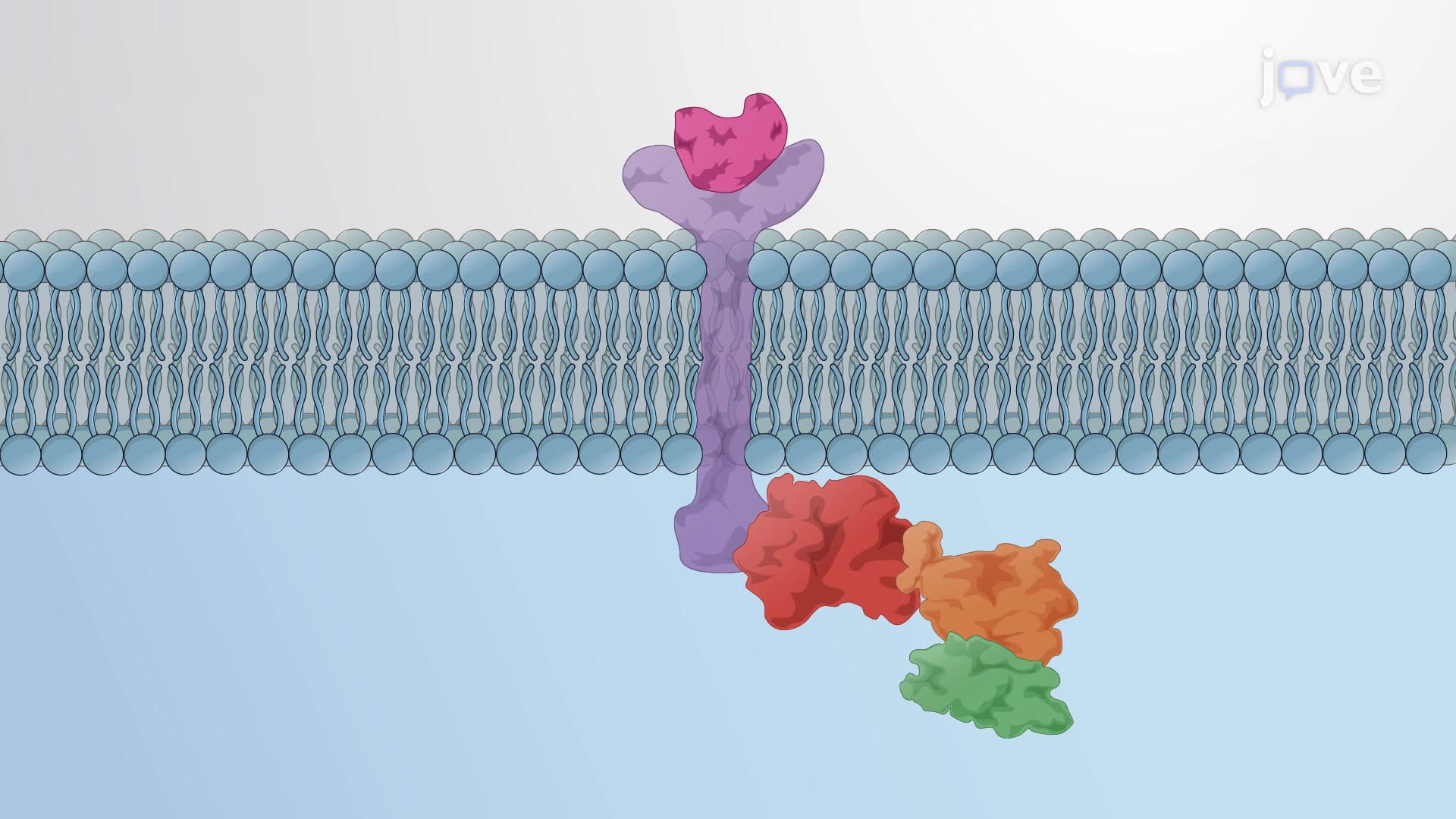
Internal receptors represent a crucial class of cellular signaling proteins that operate inside cells rather than on their surface. These receptors function as molecular gatekeepers, controlling which genes get activated or suppressed based on the presence of specific signaling molecules. Unlike membrane receptors that respond to water-soluble signals, internal receptors specifically bind lipophilic (fat-loving) molecules that can freely pass through cell membranes.
Internal receptors fall into two main categories based on their cellular location. Cytoplasmic receptors reside in the cell's cytoplasm until activated by their ligand, at which point they translocate to the nucleus. The androgen receptor exemplifies this type-when testosterone or dihydrotestosterone (DHT) binds to it, the complex moves to the nucleus to regulate gene expression. Nuclear receptors, conversely, are already located in the nucleus and bind their ligands there directly.
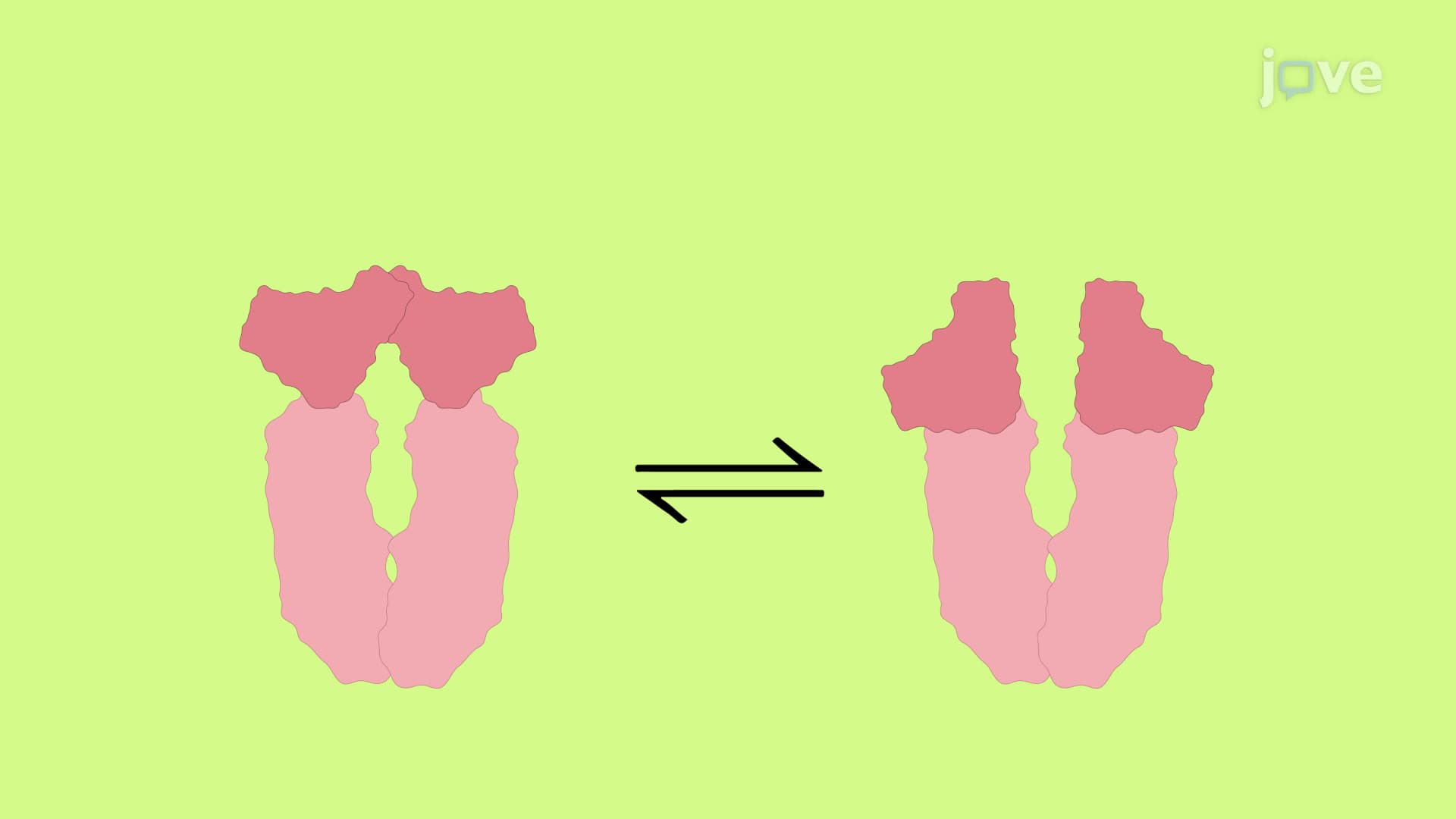
These receptors share common structural features including a DNA-binding domain, a ligand-binding domain, and often a dimerization interface. This modular design allows them to recognize specific DNA sequences called response elements, which act like molecular addresses directing the receptor to the correct genes.
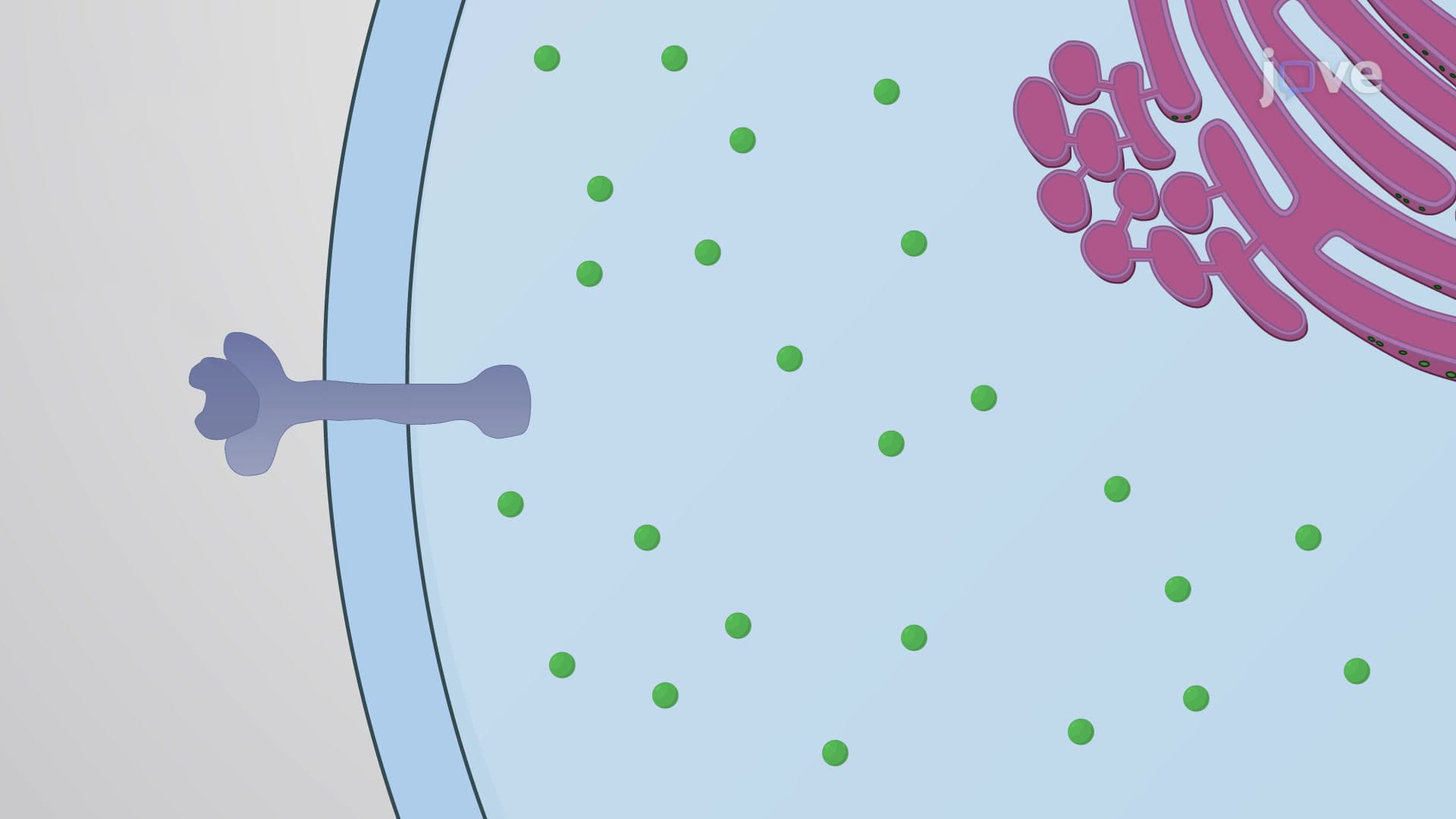
The process begins when a hydrophobic signaling molecule, such as a steroid hormone, crosses the plasma membrane and encounters its specific internal receptor. Upon binding, the receptor undergoes a conformational change that activates it. For cytoplasmic receptors, this activation triggers nuclear translocation. Once in the nucleus, most internal receptors form dimers (pairs) that can bind to hormone response elements in DNA.
This binding either promotes or inhibits transcription of nearby genes, leading to changes in mRNA production and ultimately protein synthesis. For example, when cortisol binds to glucocorticoid receptors in liver cells, it activates genes involved in glucose production, helping maintain blood sugar levels during stress.
Understanding internal receptors is essential for AP Biology, college biochemistry courses, and pre-medical studies. These concepts frequently appear on the MCAT, particularly in passages about endocrine signaling and gene regulation. Clinically, internal receptors are targets for numerous medications, including birth control pills (which contain synthetic estrogen and progesterone analogs) and anti-inflammatory corticosteroids used in conditions like asthma and arthritis.
The dysfunction of internal receptors underlies various diseases, from hormone-resistant cancers to metabolic disorders, making this knowledge crucial for future healthcare professionals studying for exams like the USMLE or NCLEX.
Related Micro-courses