Loading subject page…


147,815 views
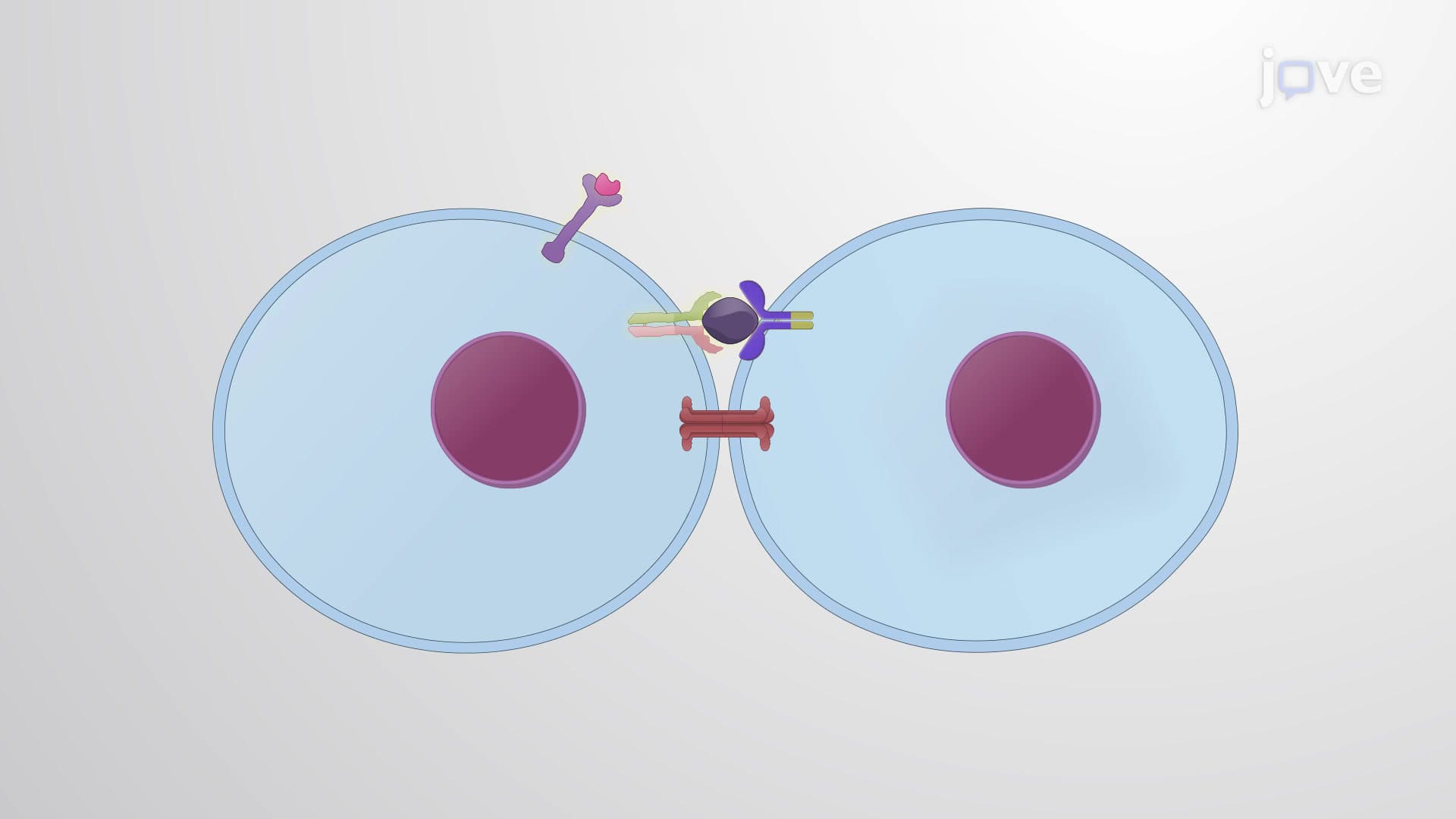

Video Summary: What are Types of Signaling Molecules
Did you know that your neurons communicate faster than a NASCAR race car? Signaling molecule types enable this lightning-speed cellular communication throughout your body. From the acetylcholine that contracts your muscles during a basketball shot to the insulin released after eating a slice of pizza, types of cell signaling molecules orchestrate every biological process. Watch the full video on JoVE Coach to master this concept with expert-led visuals and step-by-step explanations.
Cellular communication relies on diverse signaling molecule types that function as molecular messengers throughout biological systems. These ligands vary dramatically in their chemical structure, physical properties, and mechanisms of action, making them essential topics for AP Biology, college biochemistry, and pre-medical coursework.
Types of cell signaling molecules span a remarkable chemical diversity. Simple ions like calcium (Ca2+) serve as universal cellular signals, triggering muscle contractions and neurotransmitter release. Small organic molecules include neurotransmitters like acetylcholine, which enables communication between motor neurons and skeletal muscles at neuromuscular junctions. Peptide hormones, such as insulin produced by pancreatic beta cells, regulate glucose metabolism throughout the body. Larger protein signals include growth factors like epidermal growth factor (EGF), crucial for tissue repair and development. Even dissolved gases participate in signaling-nitric oxide (NO) dilates blood vessels, explaining how medications like nitroglycerin treat angina.
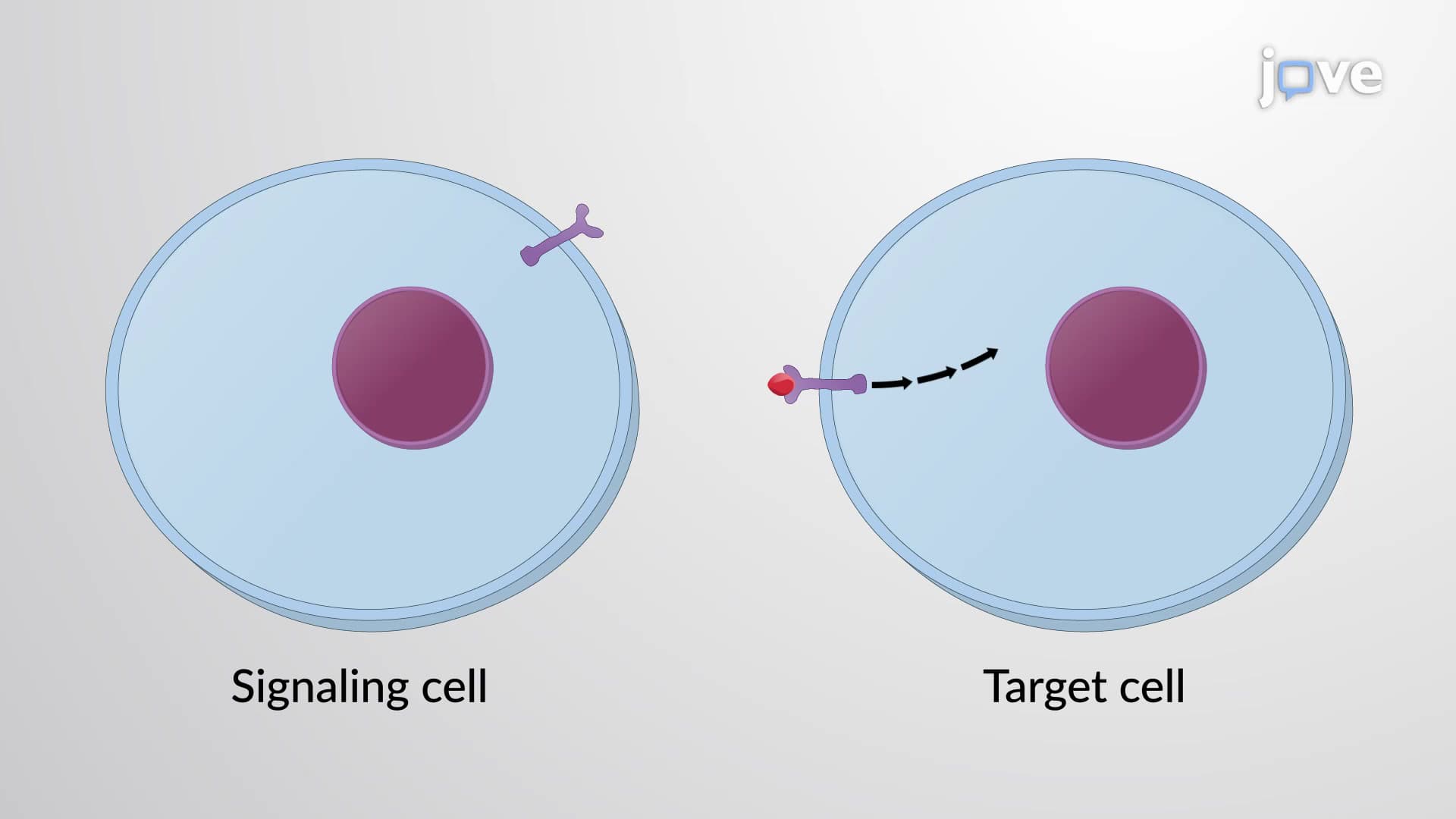
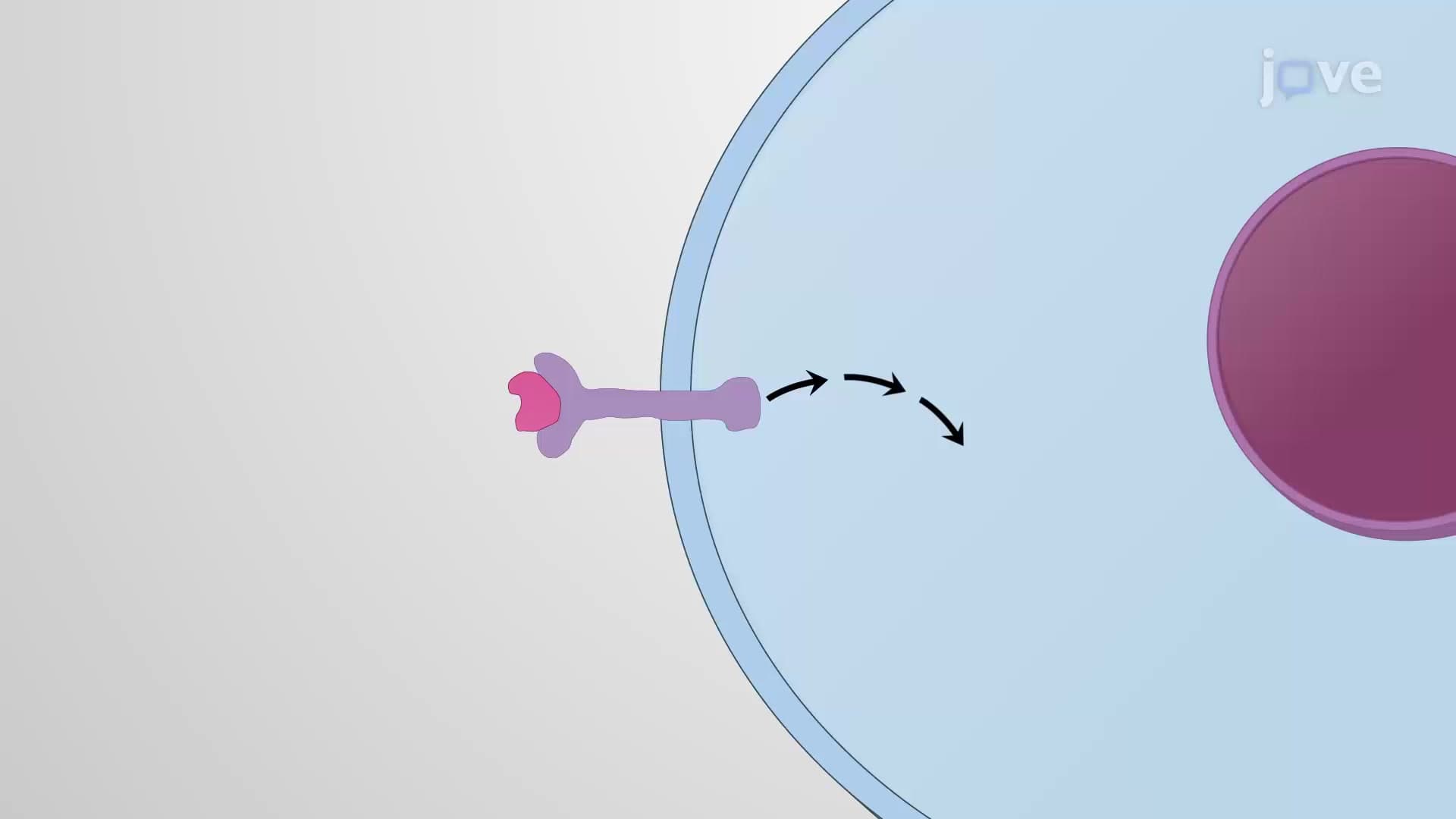
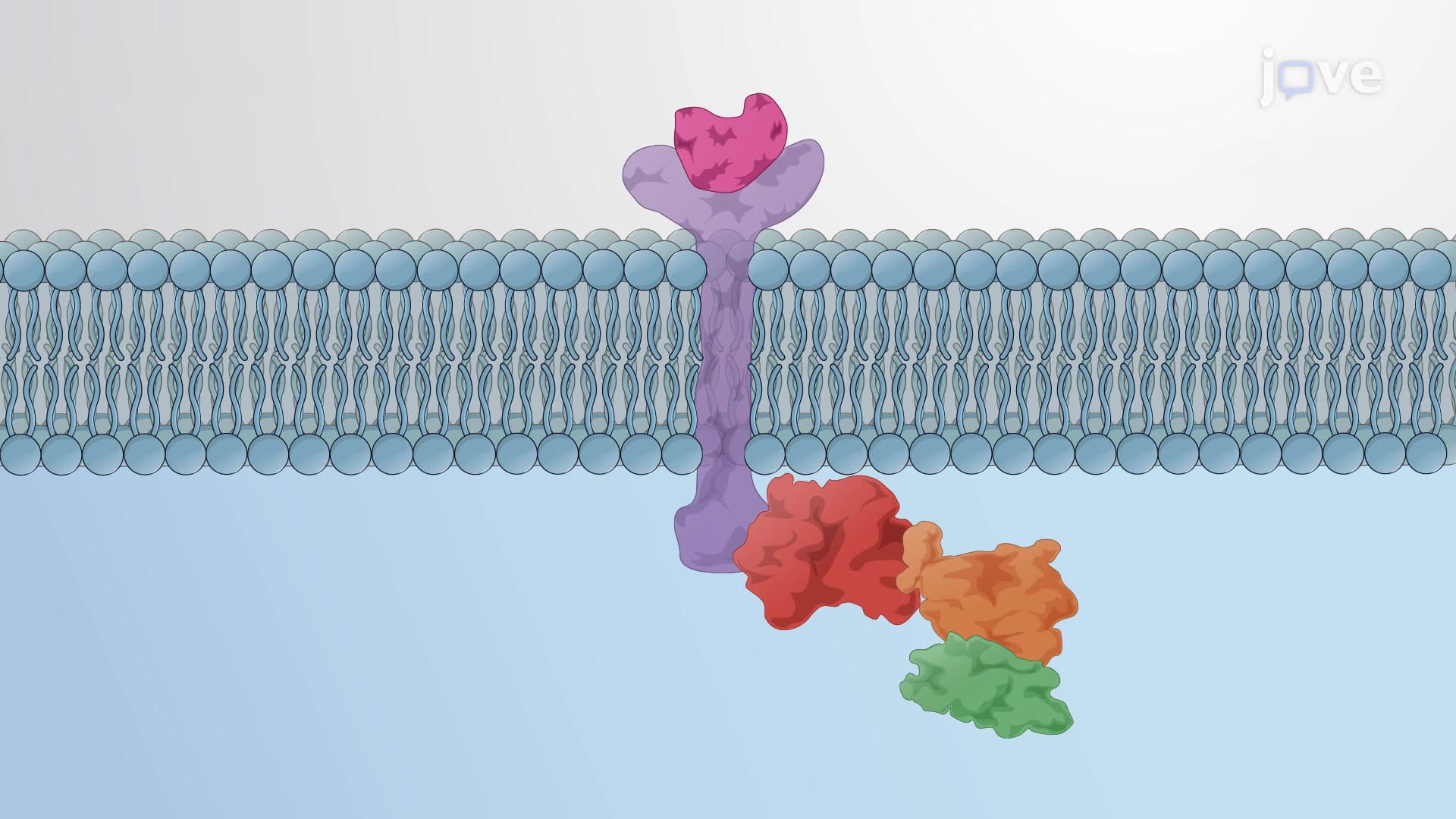
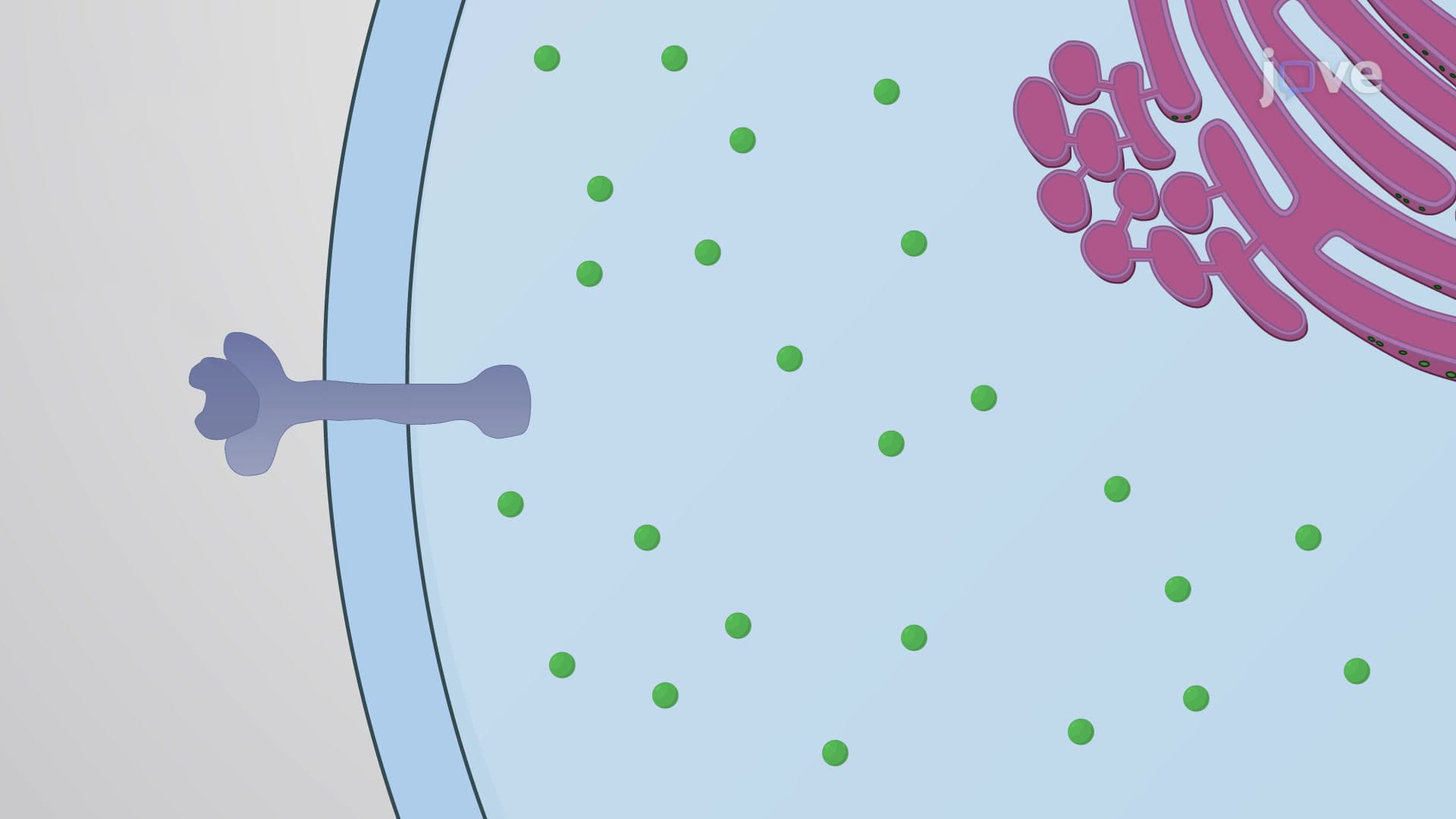
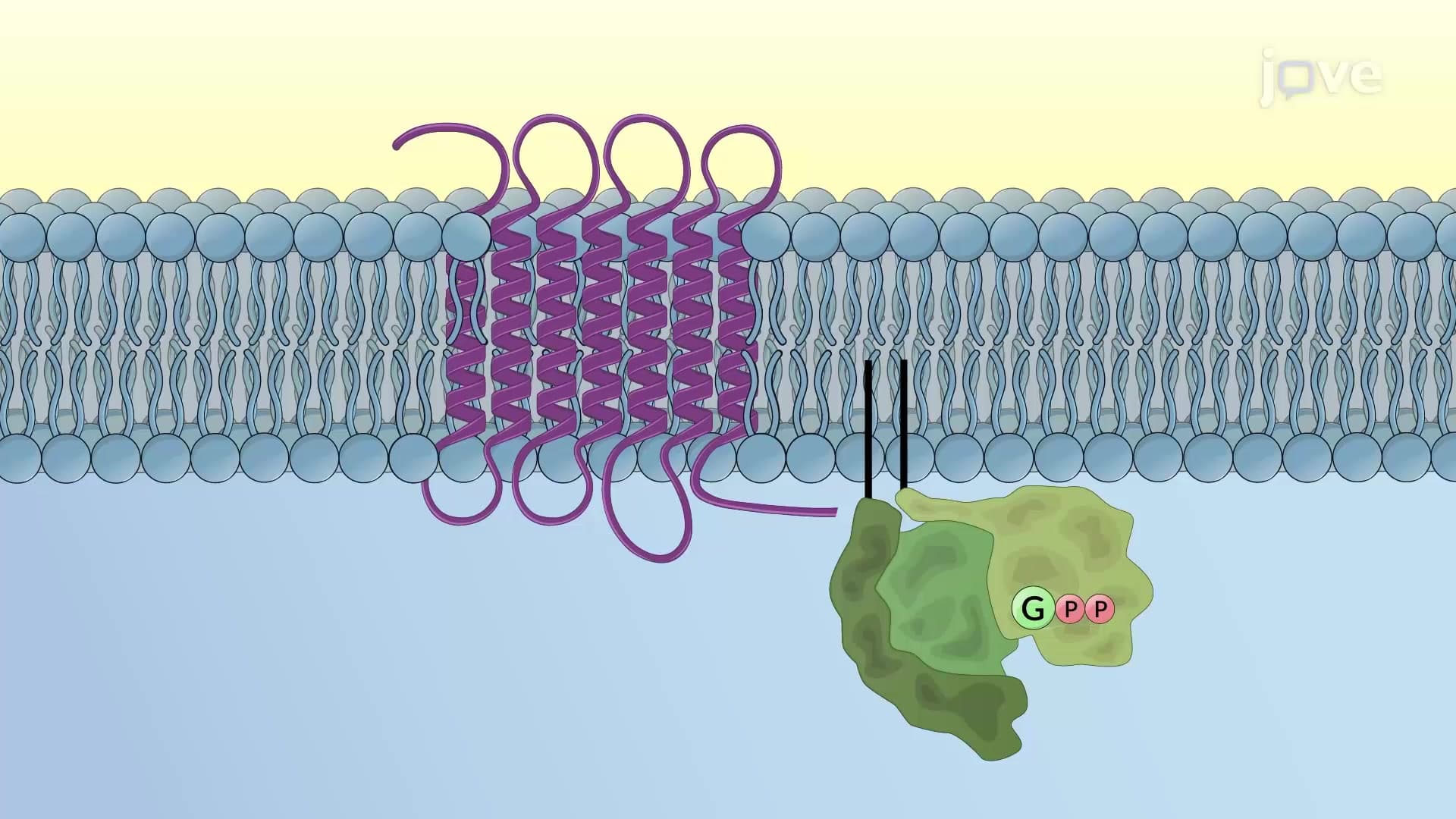
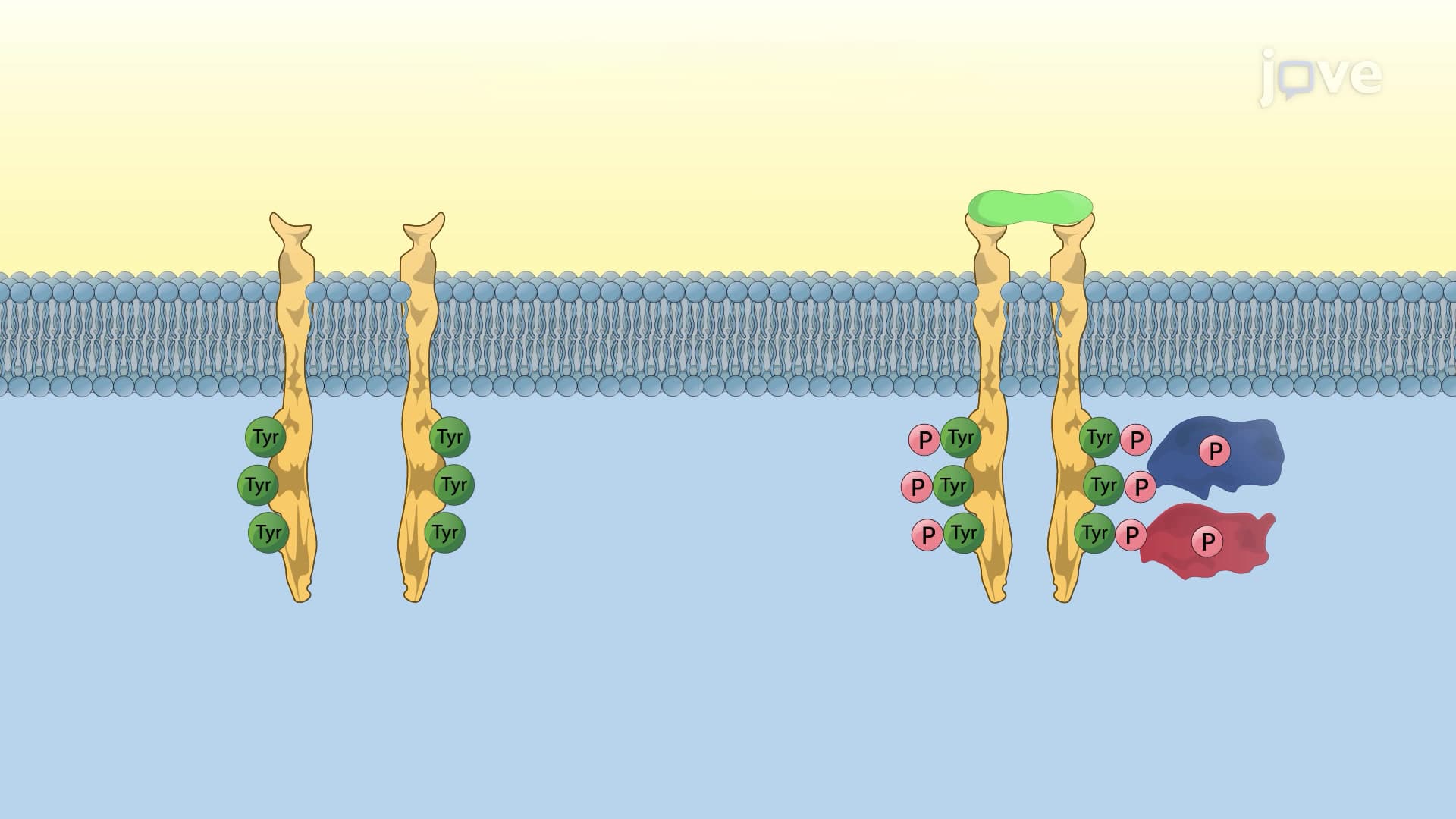
The ability of signaling molecules to cross cellular membranes fundamentally determines their mechanisms of action. Hydrophilic molecules, including most neurotransmitters and peptide hormones, cannot penetrate lipid bilayers. These molecules bind to cell surface receptors, initiating signal transduction cascades without entering the cell. However, small hydrophilic molecules can travel between adjacent cells through gap junctions-protein channels that directly connect cell cytoplasms.
Hydrophobic molecules, particularly steroid hormones like testosterone and cortisol, freely diffuse across plasma membranes to bind intracellular receptors. This property allows steroid hormones to directly influence gene expression by acting as transcription factors, explaining their powerful and long-lasting physiological effects.
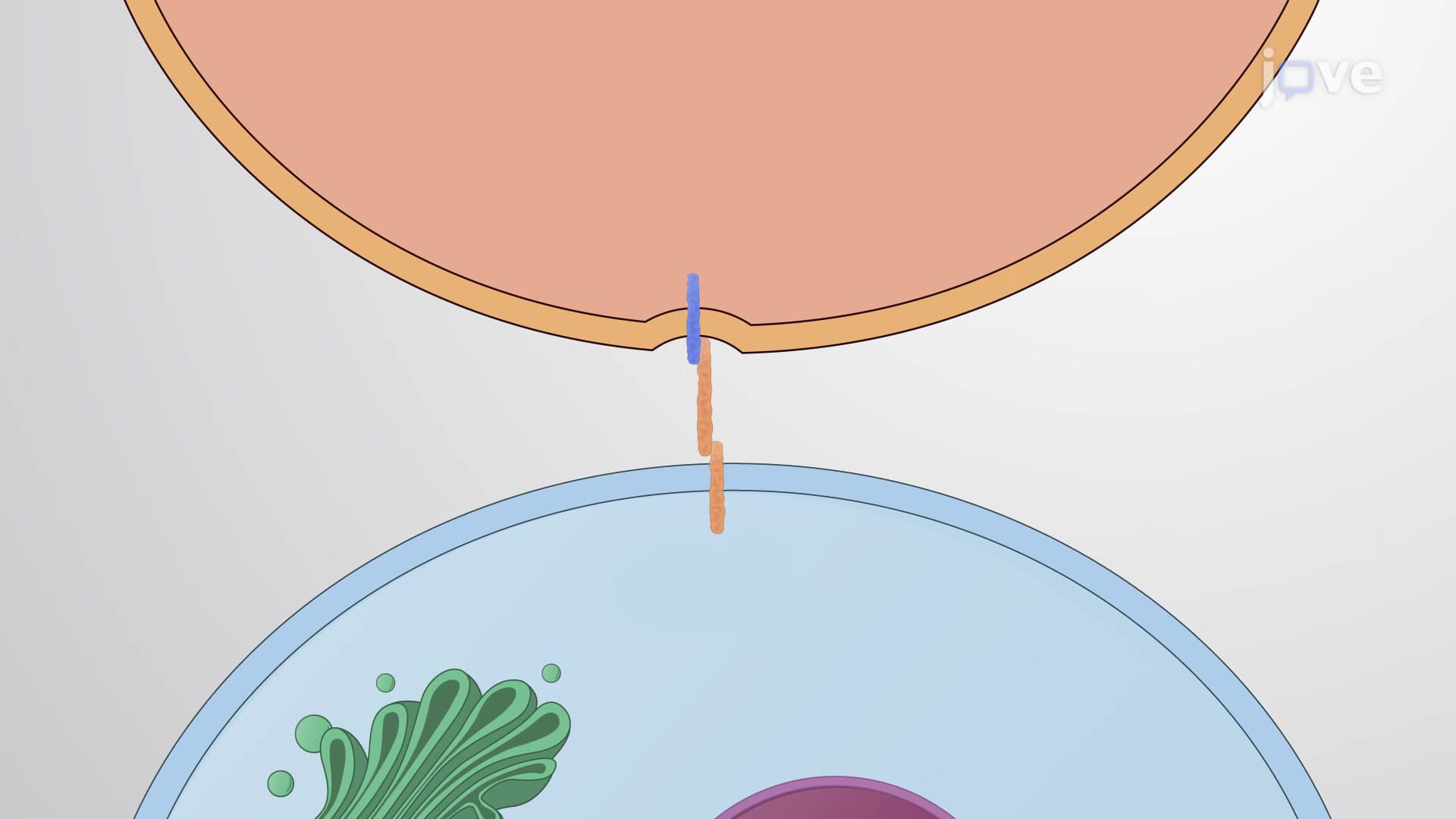
Local systemic signal molecules operate across different spatial scales. Paracrine signals, like histamine released during allergic reactions, affect nearby cells within tissues. Autocrine signals allow cells to regulate their own behavior-cancer cells often exploit autocrine growth factor loops to promote uncontrolled division. Endocrine signals, including thyroid hormones, travel through the bloodstream to reach distant target organs. Some signaling molecules remain membrane-bound, such as cell adhesion molecules that enable direct cell-to-cell contact during immune responses.
Understanding these concepts proves essential for MCAT preparation and advanced coursework in physiology, pharmacology, and molecular biology.
Related Micro-courses