Loading subject page…


147,815 views
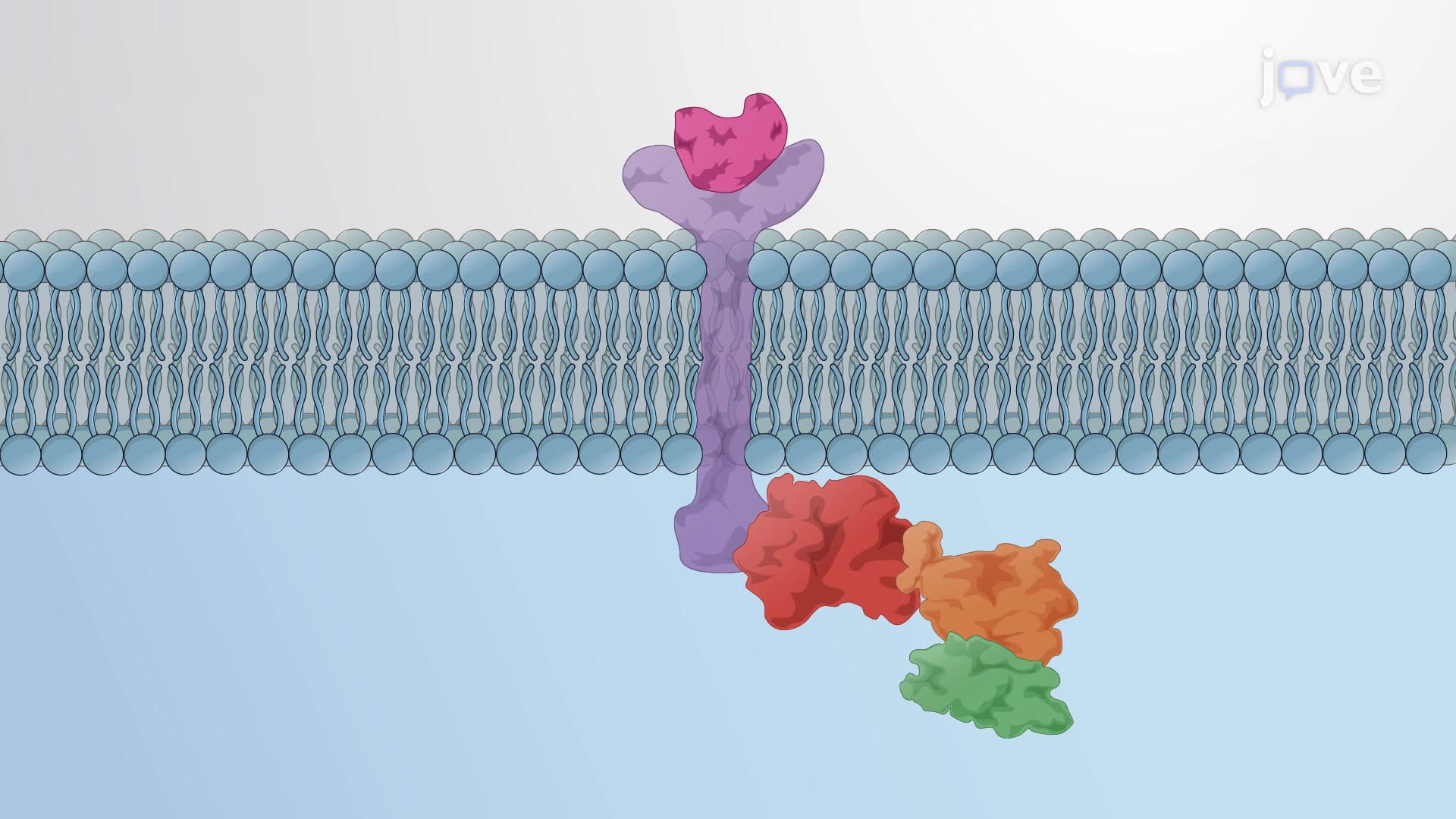

Video Summary: What Is Assembly of Signaling Complexes
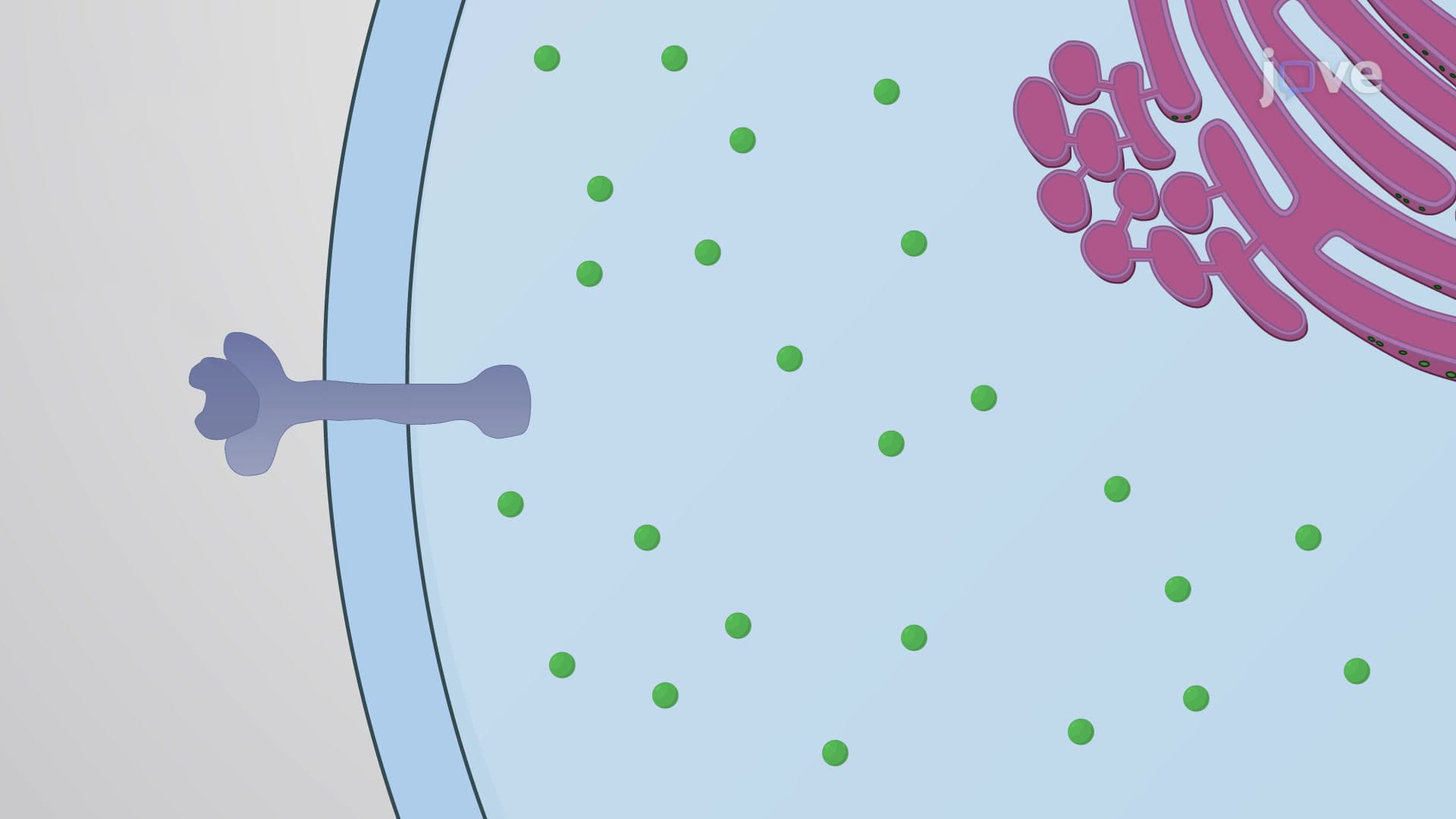
Ever wonder how your body's cells coordinate responses faster than a NASCAR pit crew? The assembly of signaling complexes enables cells to rapidly organize protein clusters at receptor docking sites, ensuring lightning-fast cellular communication. Consider how insulin signaling in pancreatic cells requires precise protein coordination to regulate blood sugar-this cellular teamwork happens through signaling complex assembly. Watch the full video on JoVE Coach to master this concept with expert-led visuals and step-by-step explanations.
The assembly of signaling complexes represents one of cellular biology's most elegant organizational strategies. These protein clusters function like specialized task forces, bringing together the right molecular players at the right cellular location to execute specific responses. Unlike random molecular collisions, signaling complex assembly follows precise rules governed by protein domains that act as molecular "zip codes," ensuring proteins find their correct partners.
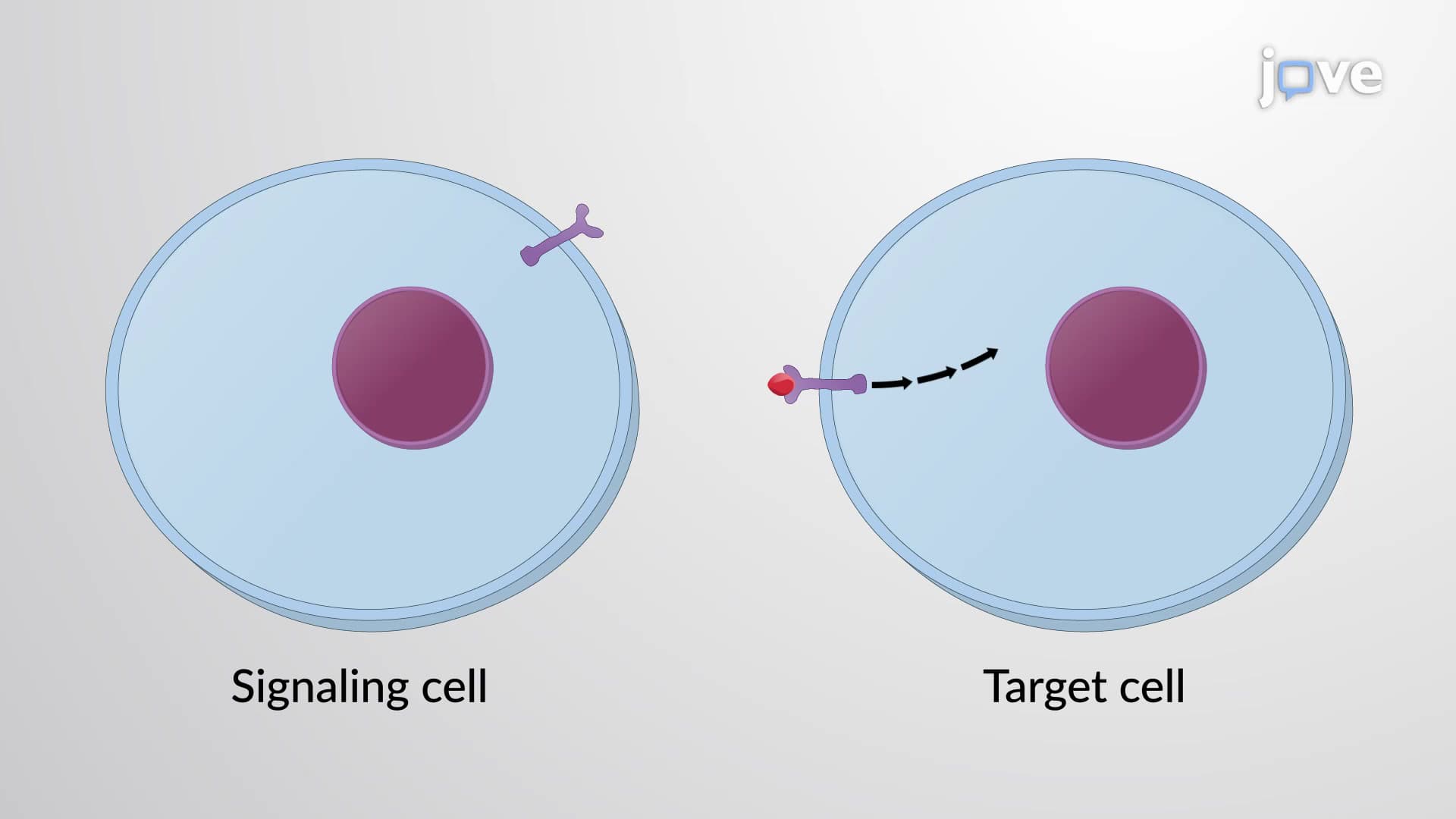
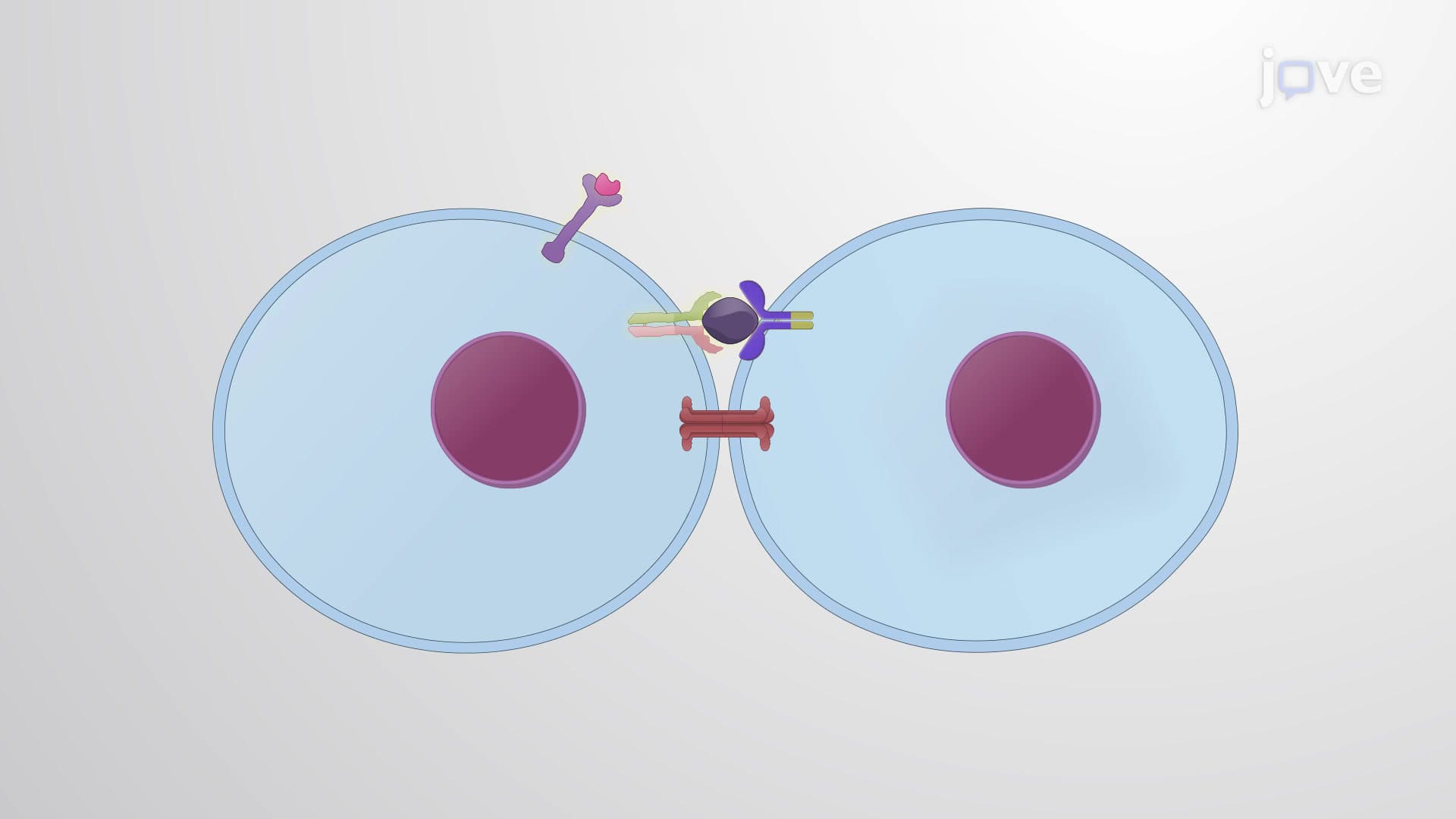
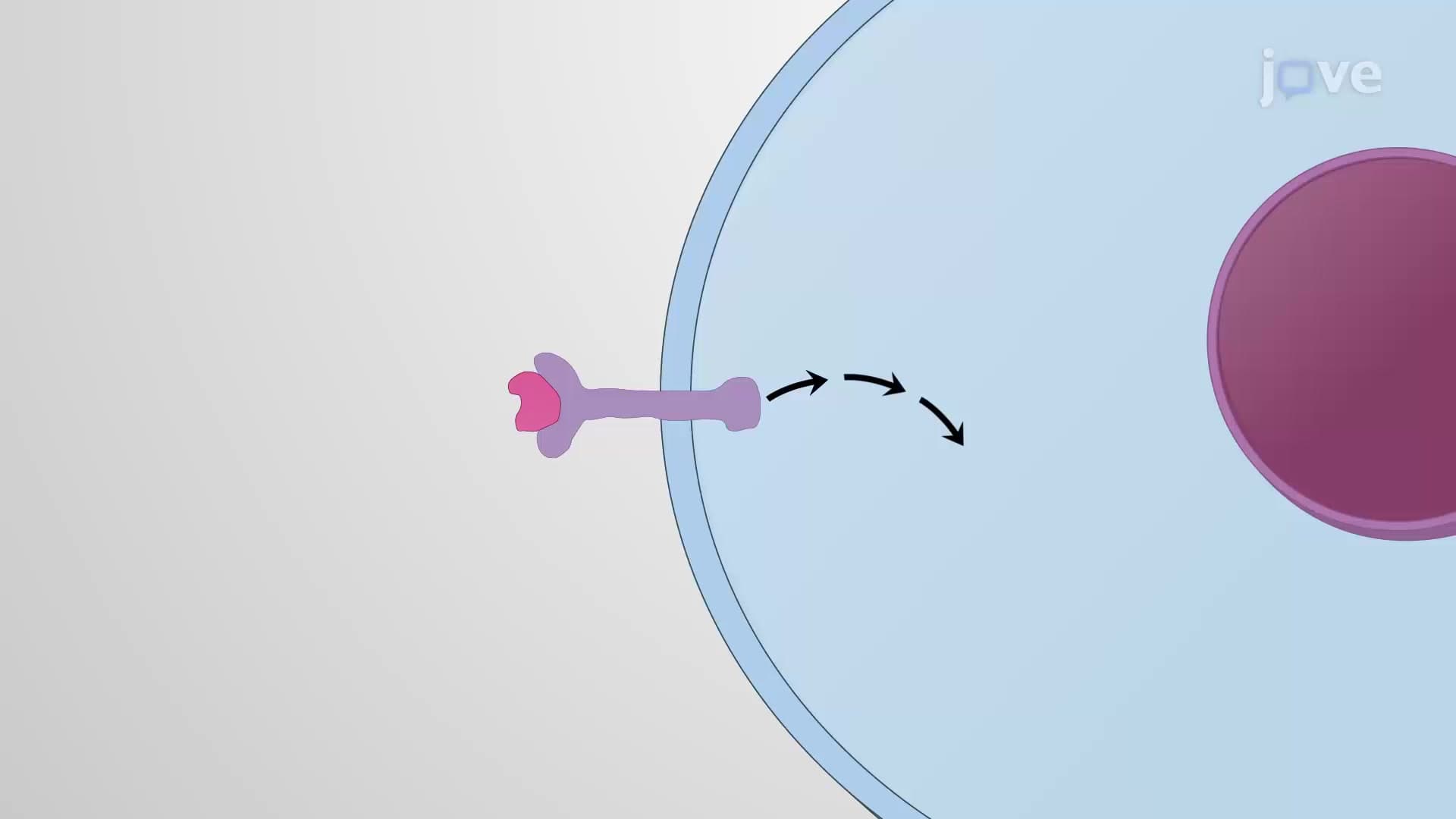
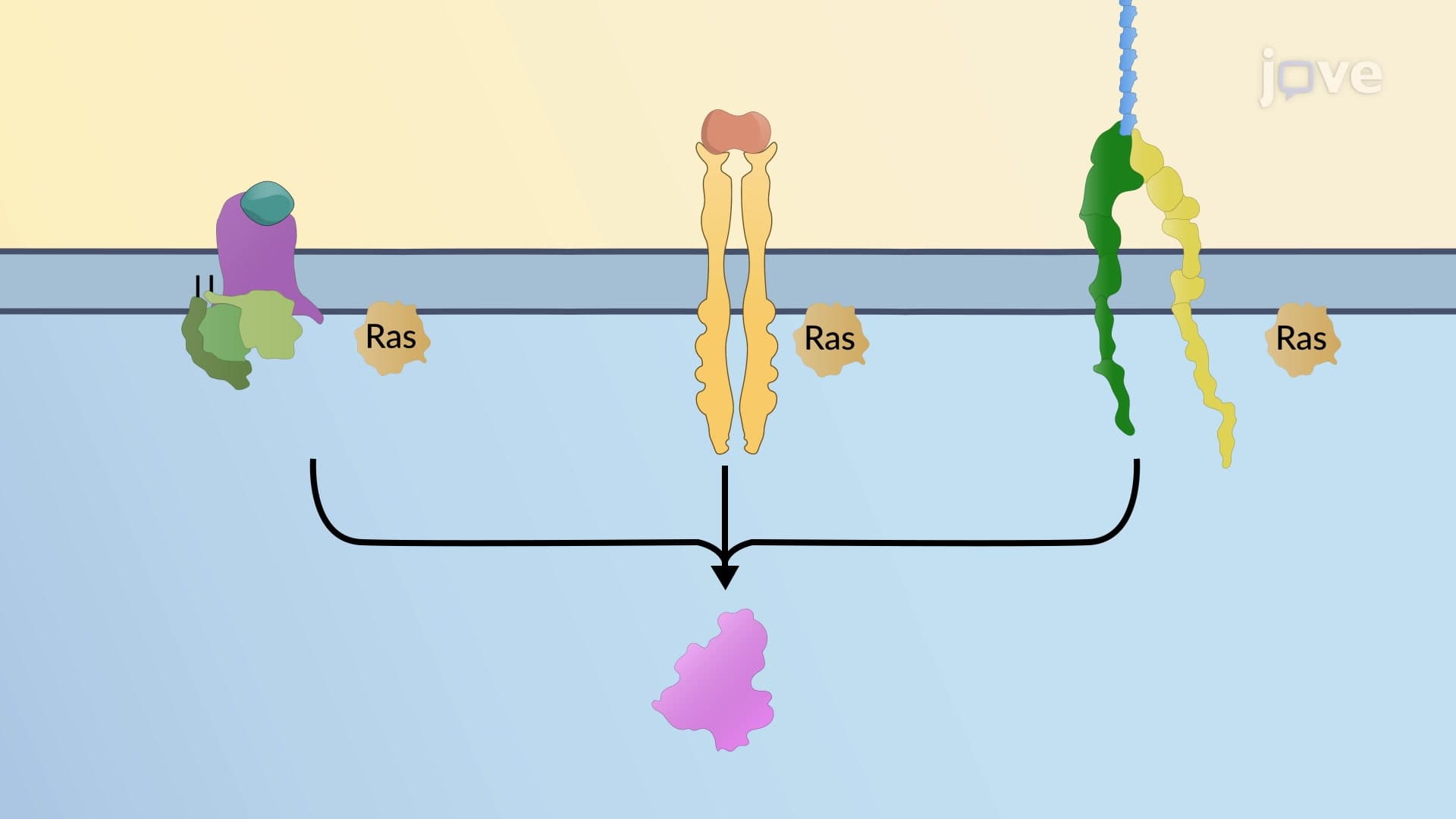
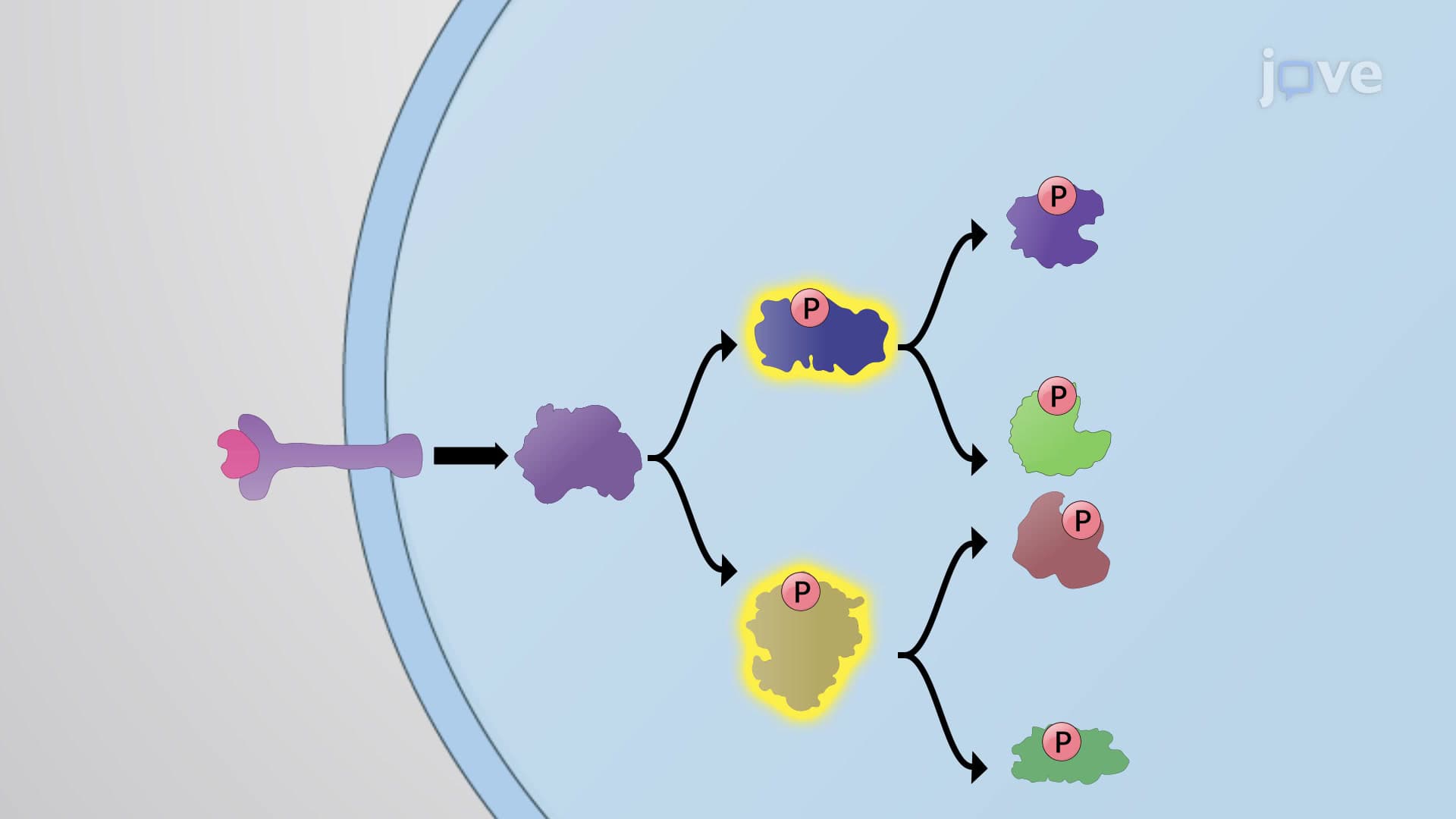
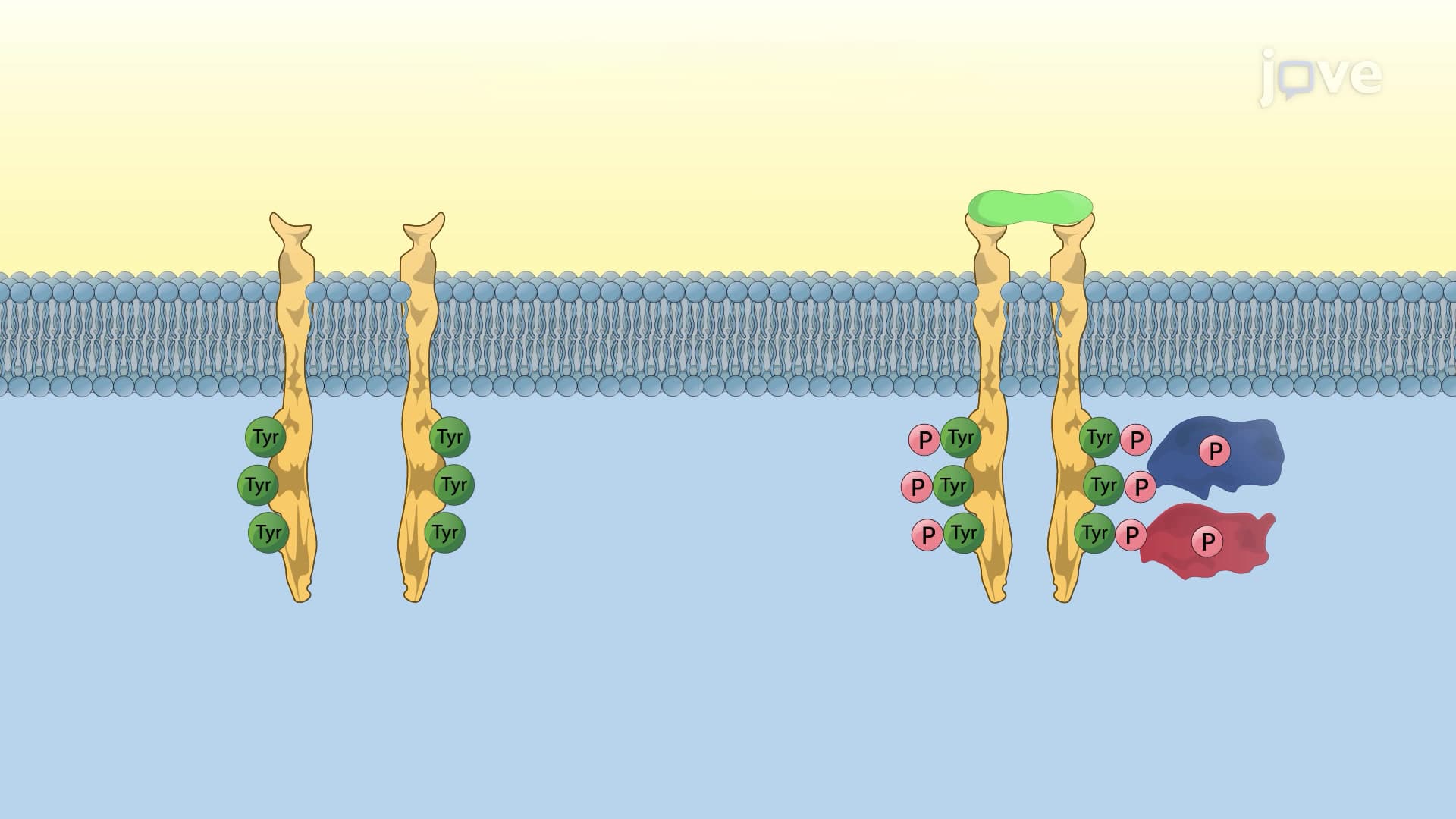
Cells employ two primary strategies for assembling signaling complexes. The first involves dynamic assembly triggered by external signals. When growth factors bind receptors like the epidermal growth factor receptor (EGFR)-critical in wound healing and cancer research-phosphorylation events create new docking sites. These phosphorylated tyrosine residues serve as landing pads for proteins containing SH2 or PTB domains, rapidly assembling the signaling machinery needed for cellular response.
The second mechanism uses scaffold proteins as pre-built platforms. Think of scaffolds like molecular workbenches that hold signaling proteins in optimal positions even before the signal arrives. This pre-positioning ensures immediate response capability-crucial for time-sensitive processes like neurotransmission or immune responses studied extensively at institutions like Johns Hopkins and MIT.
The precision of signaling complex assembly relies on specific protein domains that function as molecular recognition systems. SH2 domains bind phosphotyrosine residues with remarkable specificity, while SH3 domains recognize proline-rich sequences. This specificity prevents cellular chaos-imagine if insulin signaling proteins accidentally assembled with stress response pathways. The PH domain's recognition of phosphoinositides adds another layer of control, anchoring proteins to specific membrane locations.
Understanding signaling complex assembly proves essential for MCAT preparation and advanced coursework in cell biology and biochemistry. Many pharmaceutical interventions target these assemblies-cancer drugs like imatinib (Gleevec) work by disrupting specific protein-protein interactions within signaling complexes. Students studying for AP Biology or college biochemistry exams should focus on how different domains create assembly specificity and how scaffold proteins enhance signaling efficiency.
Related Micro-courses