Loading subject page…


147,811 views

Video Summary: What Is Cell Signaling Feedback Loops
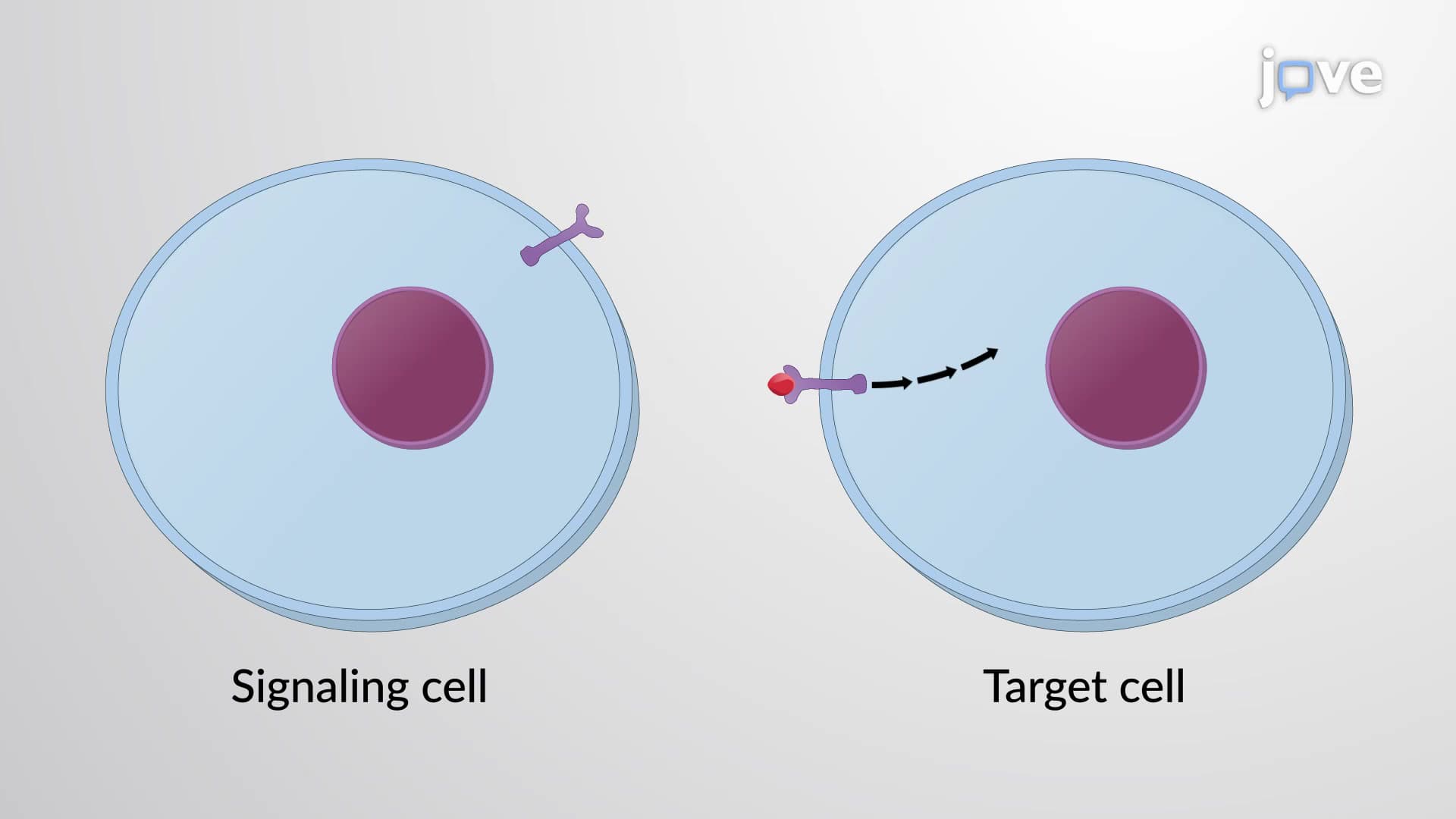
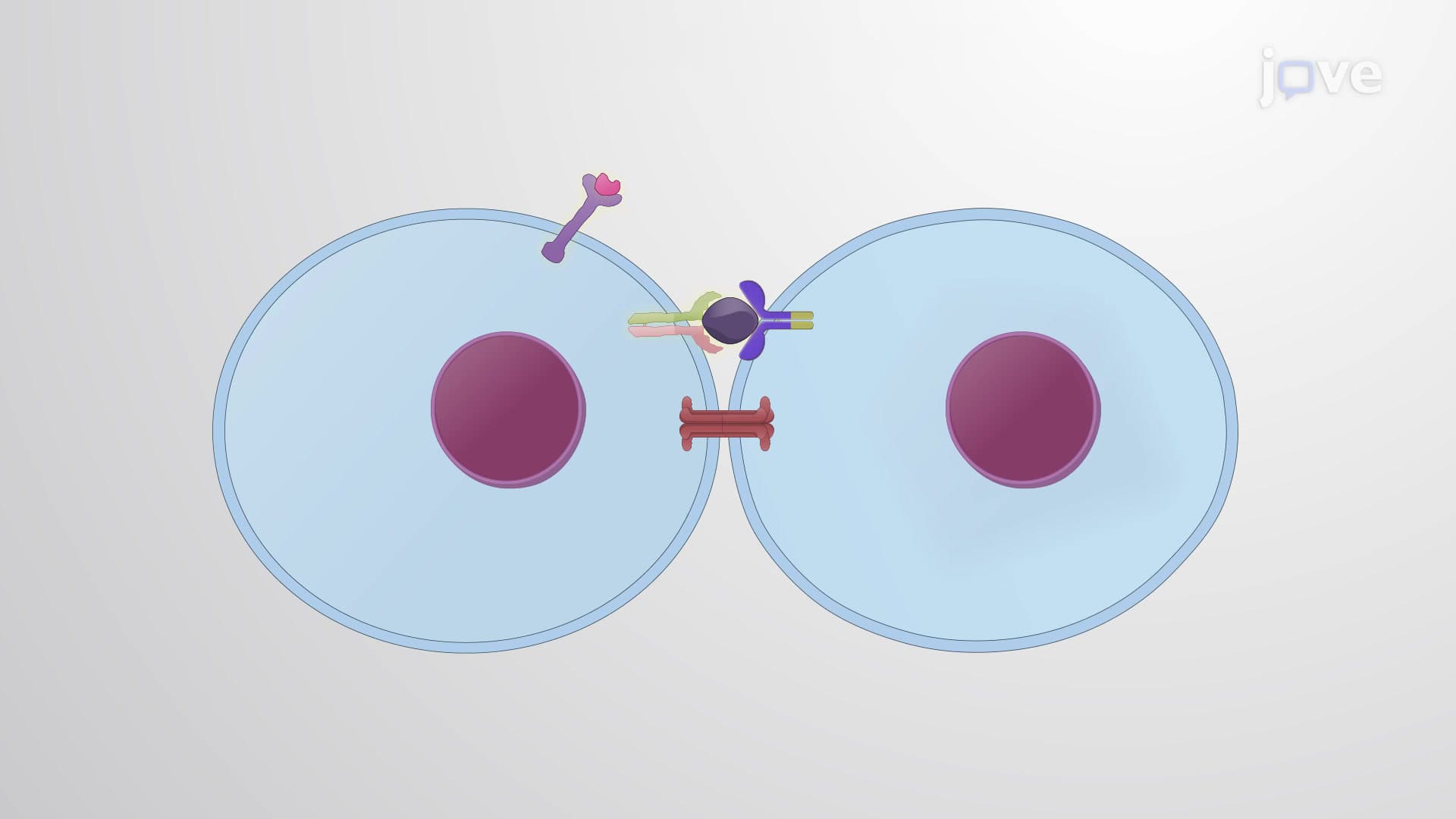
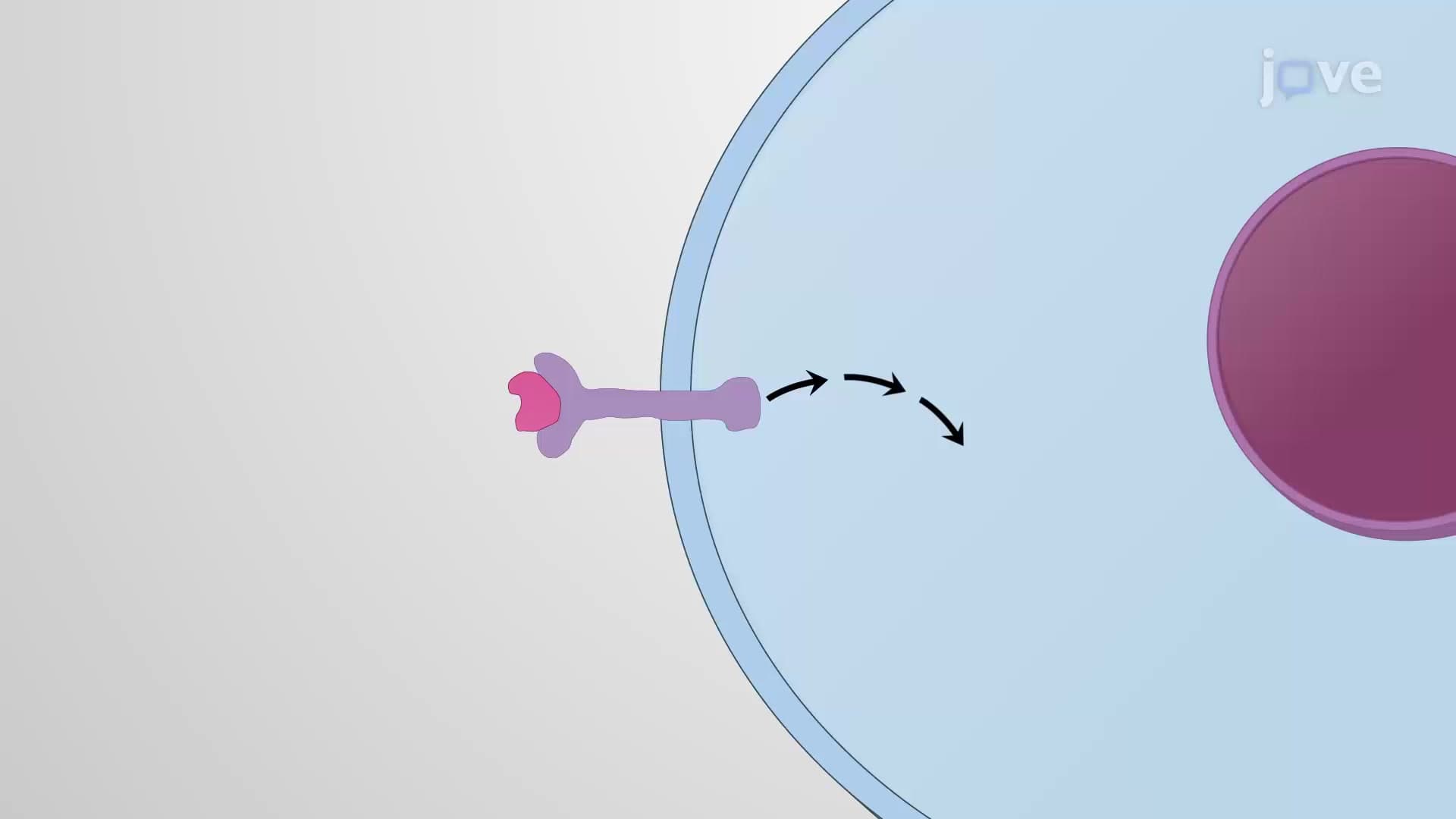
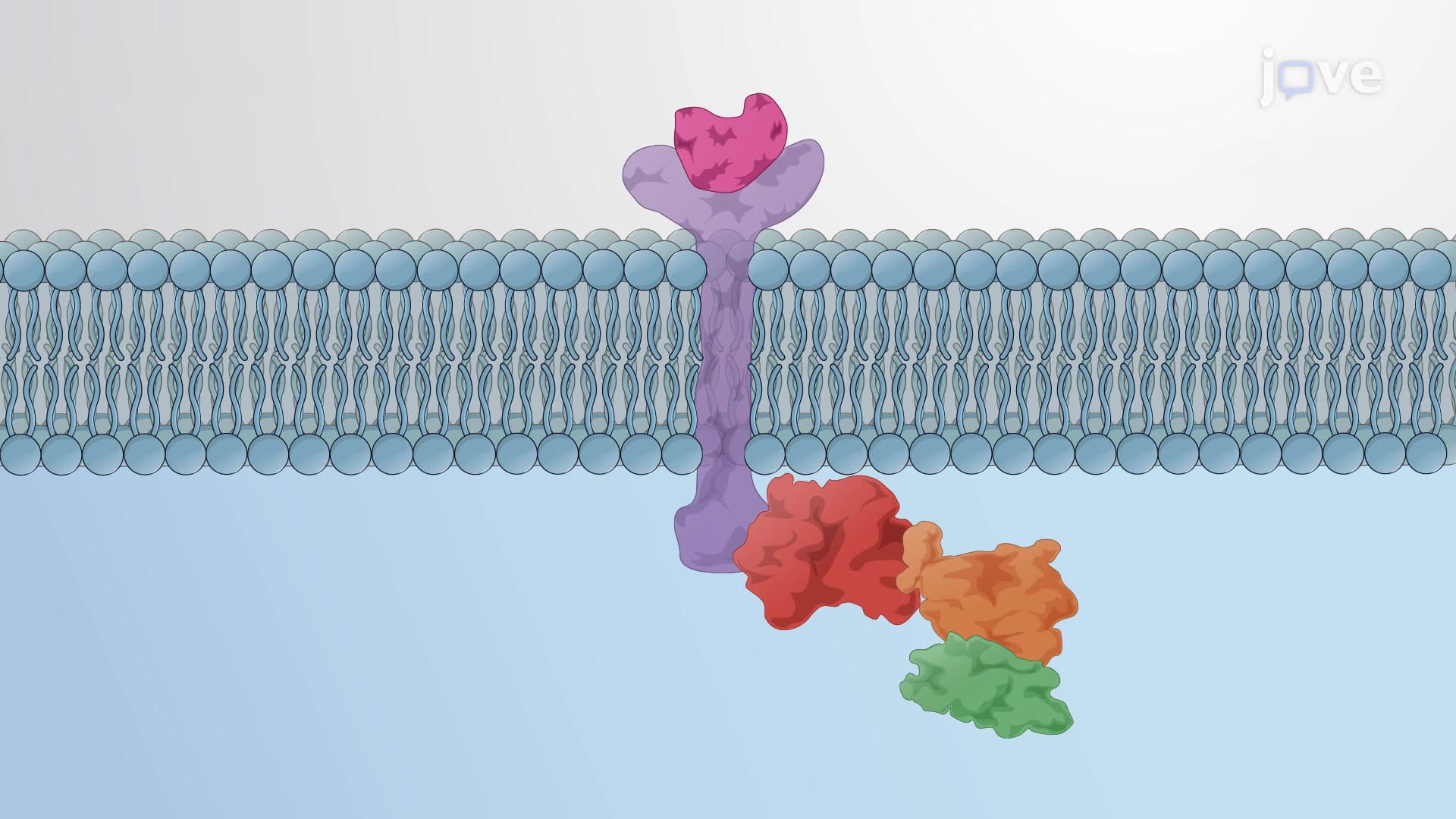
Did you know that your body's insulin response after eating a meal relies on the same cellular communication principles that help Stanford University researchers develop new diabetes treatments? Cell signaling feedback loops are essential regulatory mechanisms that cells use to control, amplify, or dampen molecular messages within signaling pathways. These loops ensure that cellular responses remain balanced and appropriate, preventing harmful overactivation while maintaining necessary communication between cells. Understanding what is cell signaling feedback loops helps explain how your pancreatic cells know exactly when to stop producing insulin. Watch the full video on JoVE Coach to master this concept with expert-led visuals and step-by-step explanations.
Cell signaling feedback loops represent one of biology's most elegant regulatory systems, functioning like sophisticated cellular thermostats that maintain proper communication balance. These mechanisms are crucial for preventing cellular chaos and ensuring that molecular messages produce appropriate responses. In the context of human physiology, feedback loops govern everything from blood sugar regulation to immune system activation, making them essential topics in AP Biology, college biochemistry, and pre-medical coursework.
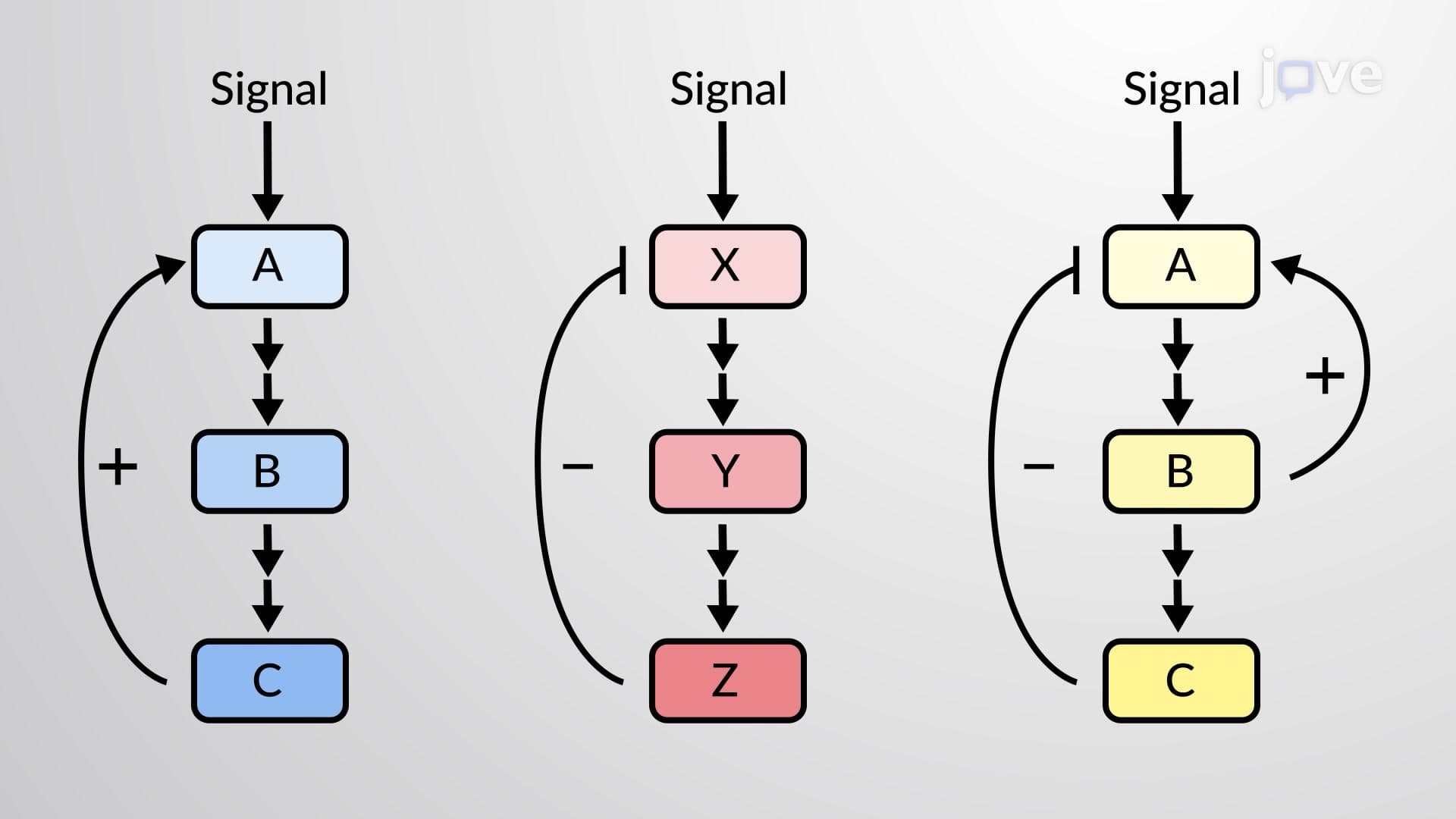
Positive feedback loops create a cascade effect where downstream signaling components activate upstream elements, generating self-reinforcing cycles. Unlike simple signal transmission, these loops can maintain activity even after the original stimulus disappears. A classic example occurs during blood clotting, where activated platelets release chemicals that attract more platelets, creating an expanding clot until the vessel is sealed. This amplification mechanism appears frequently on MCAT passages, where students must analyze how small initial signals can produce large-scale cellular responses.
The mathematical nature of positive feedback creates exponential signal growth, which explains why these systems often include built-in termination mechanisms. University of California research has shown that positive feedback loops in cancer cells can drive uncontrolled growth when normal regulatory checkpoints fail, illustrating why understanding these concepts matters for future healthcare professionals.
Negative feedback loops function as cellular brakes, where downstream products inhibit upstream components to prevent overactivation. This regulatory mechanism maintains homeostasis by creating self-limiting systems. The insulin-glucose feedback loop exemplifies this principle: rising blood glucose triggers insulin release, which lowers glucose levels and subsequently reduces insulin production. Students preparing for nursing exams like NCLEX often encounter questions about this specific pathway.
These inhibitory mechanisms protect cells from damage caused by prolonged signaling. Harvard Medical School studies demonstrate that cells lacking proper negative feedback controls can experience oxidative stress, inflammation, and eventual cell death. For college students studying cell biology, understanding negative feedback helps explain how medications like beta-blockers work by interrupting harmful positive feedback cycles in heart disease.
Modern research reveals that most cellular processes involve both positive and negative feedback operating simultaneously or sequentially within the same pathway. This complexity allows cells to fine-tune their responses with remarkable precision. Johns Hopkins researchers have identified feedback networks in immune cells that first amplify danger signals (positive feedback) then gradually dampen the response to prevent autoimmune damage (negative feedback). These integrated systems frequently appear in advanced placement exams, requiring students to trace signal flow through multiple regulatory layers.
Related Micro-courses